

Understand Just How Common Regifting Really Is

Before feeling any guilt about it, consider the scale. In Empower’s 2024 “Gifted” survey of 2,000 Americans, roughly two in five people said they planned to regift in order to manage holiday costs, and Finder estimates that more than half of American adults receive at least one unwanted gift in a typical holiday season, with those unwanted presents totaling around $10.1 billion worth of goods.
According to survey data, nearly four in ten recipients regift their unwanted items, while about a third simply hold onto them and another third exchange them. So if you’ve quietly passed along an unloved candle set, you’re in large company. The stigma around regifting is, in many ways, larger than the actual behavior warrants.
The Item Must Be Completely New and Unopened

The Emily Post Institute’s standard on this is blunt: brand new, original packaging, all parts and manuals included. If the box is dinged, the seal is broken, or you “just tested it once,” it isn’t a regift – it’s a hand-me-down, and it should be offered as one.
Check dates, too. Gourmet food, beauty products, and candles all age, and an expired regift is worse than no gift at all. A bottle of lotion with a separating texture or a food item past its best-by date is not a gift. It’s a problem you’re outsourcing to someone else.
Never Regift Within the Same Social Circle

The original giver and the new recipient should have no realistic chance of comparing notes. A gift from a coworker goes to a college friend or a neighbor, never to another coworker. This is the rule that most regifting disasters trace back to when they unravel at the worst possible moment.
Etiquette expert Sharon Schweitzer suggests regifting in circles that might never meet or interact with each other, and focusing on widely appreciated items helps make the whole thing feel natural. Think of it as compartmentalization. Different social worlds, different gift flows.
Strip Every Trace of the Original Giver
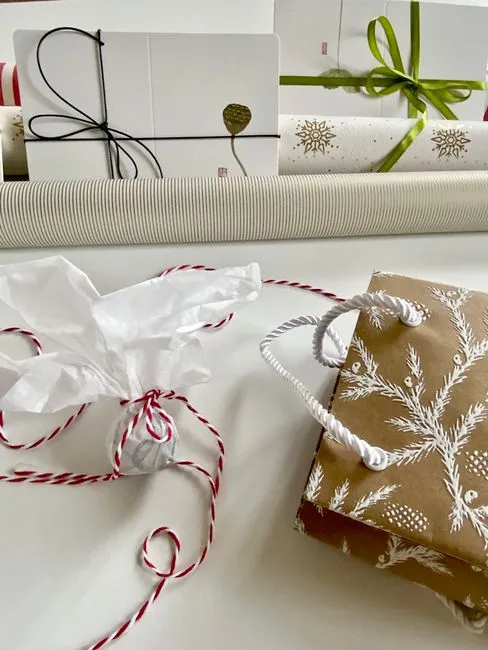
The etiquette problem with regifting isn’t the “re” part. It’s carelessness: a half-used candle, a box with someone else’s gift tag inside, or an item that boomerangs back into the social circle it came from. These details are what people actually notice, and they notice them fast.
The gift should be unwrapped and properly rewrapped for the new recipient. Finding a card addressed to someone else is an immediate giveaway that kills the gesture entirely. Take five extra minutes. Check the box, check the tissue paper, check inside any pockets or pouches. The details matter more than people think.
Ask Yourself: Would You Have Bought It for Them?

The primary motivations for regifting are convenience and environmental benefits, followed by cost savings. Those are all valid reasons. What isn’t valid is treating regifting as a way to empty your closet regardless of whether the item suits the person receiving it.
As etiquette expert Heather Wiese Alexander puts it, regifting should always come from an abundance of consideration, never a lack of it. It should never be used as a solution to simply dispose of unwanted items or let your passed-on gift become someone else’s problem. The mental test is simple: would you have gone out and bought this for the person? If yes, you’re on solid ground.
Never Regift Personalized, Handmade, or Sentimental Items

Never regift anything handmade, personalized, monogrammed, or engraved, anything used, opened, or expired, or any gift the original giver clearly took great care to choose. Those gifts carry the giver’s effort with them, and passing them along reads as rejection.
A monogrammed item with your initials is not a regift. It’s evidence. Handmade gifts carry emotional weight that transfers awkwardly, and the new recipient will often sense that the item wasn’t chosen with them in mind. When in doubt, donate it or keep it rather than risk making a kind gesture feel hollow.
Givers Are Less Offended Than You Think

Research from Stanford Graduate School of Business, Harvard Business School, and London Business School found that participants who imagined regifting a gift assumed the original giver would be far more offended than givers actually reported feeling. The guilt regifters carry tends to be self-generated, not a reflection of real social consequences.
Researchers found that givers generally believed the act of gift-giving passed full ownership to the receiver, leaving recipients free to decide what to do with the gift. Receivers, by contrast, tended to believe the giver retained some ongoing say in how it was used. That gap in perception is where most of the anxiety around regifting lives. Understanding it helps put the whole thing in proportion.
Know When Honesty Is Actually the Better Move

Disclosing a regift is increasingly the more common approach, especially as sustainability and cost-consciousness make the practice less stigmatized. Saying plainly “I never used this and thought you’d love it more than I would” can read as thoughtful rather than as a confession.
If you don’t disclose it, honesty still applies to yourself. You should genuinely believe the new recipient will value the item, not simply feel relieved to have it out of your closet. What is never acceptable is a partial truth, implying the item was bought specifically for this person when it clearly was not, if directly asked. Transparency, when offered naturally, tends to land better than most people expect it to.
Regifting Has a Real Environmental Argument Behind It
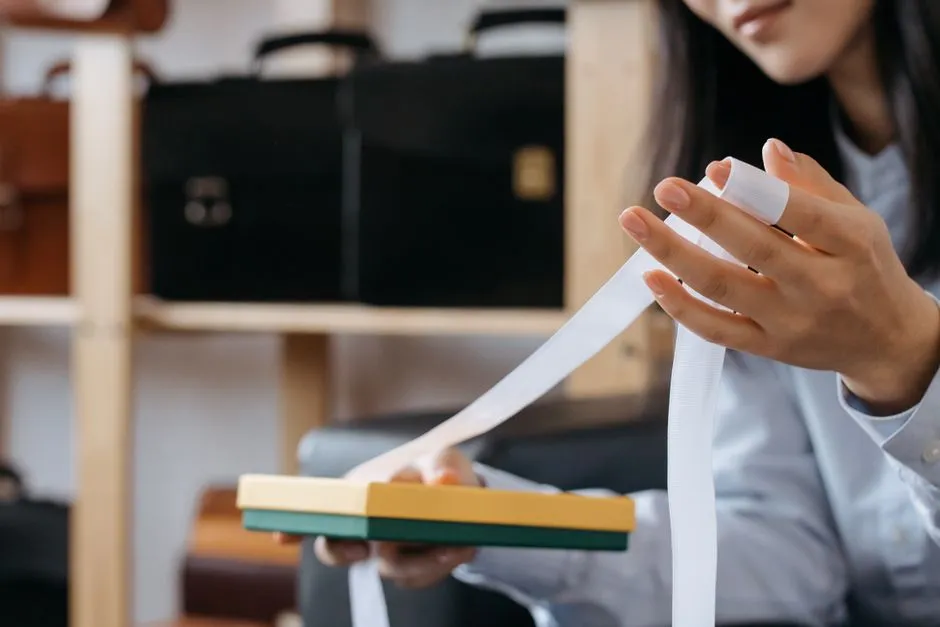
The old taboo assumed regifting always meant laziness or an attempt to hide a cheap gesture. Modern etiquette guidance treats it differently: a gift sitting unused in a closet helps nobody, and passing it to someone who will genuinely value it can honor what the original giver actually intended, which is for the item to be appreciated.
Survey data shows that environmental benefits rank as one of the top motivations for regifting, alongside convenience, and a significant share of respondents say the cost-of-living pressures have made them more likely to do it. In a broader context where consumer waste is a growing concern, choosing to circulate a perfectly good item rather than discard it is a reasonable, defensible choice.
The Cost of Getting It Wrong Is Real

What’s genuinely rude is careless regifting: a used item, worn wrapping, a card still addressed to you, or a gift handed back into the same social circle it came from. The blunders aren’t usually dramatic. They’re quiet, and they leave an impression that lingers longer than the gift itself.
Americans collectively spend around $10.1 billion on presents no one wants, according to Finder’s 2024 forecast. Regifting, done carefully, is one of the more practical ways to keep some of that value in motion. Done carelessly, it trades real social capital for a shortcut that wasn’t worth the risk. The difference comes down to paying attention.
Final Thoughts

Regifting isn’t a character flaw. It’s a social skill that, like most skills, rewards those who actually think it through. The rules aren’t complicated, but they do require a moment of genuine consideration before acting.
The real standard is the same one that applies to gifting in general: does this item make sense for the person receiving it, and was care taken in how it was presented? If both answers are yes, the origin of the gift matters far less than most people assume. A gift that finds its way to someone who truly uses it is, in most meaningful senses, a gift that did exactly what it was supposed to do.
AI Disclaimer: This article was created with the assistance of AI tools and reviewed by a human editor.