
Rule 1: Plan Earlier Than You Think You Need To
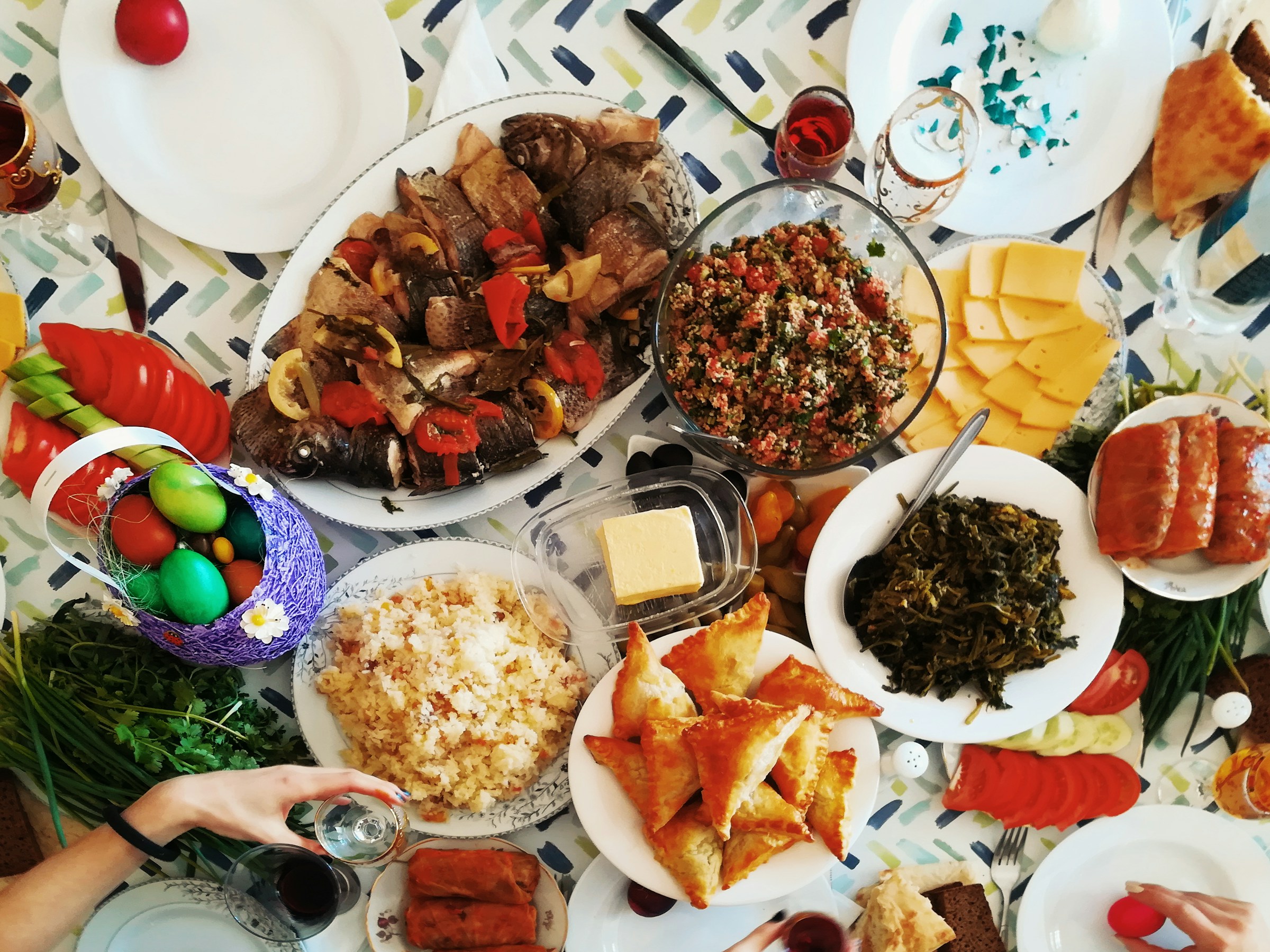
The single most effective thing you can do for a calm dinner party is to start thinking about it well in advance. Hosting guides consistently recommend planning your dinner party two to four weeks ahead for a smoother overall experience. That window gives you time to confirm RSVPs, test recipes, and shop without the last-minute scramble.
Planning the menu early and creating a prep timeline, mapping out what needs to be made in advance versus what will be cooked on the day, are two of the most practical steps a host can take. When you know exactly what’s happening and when, the day itself feels far less chaotic. The mental load shrinks dramatically.
Rule 2: Keep the Guest List Intentional and Manageable
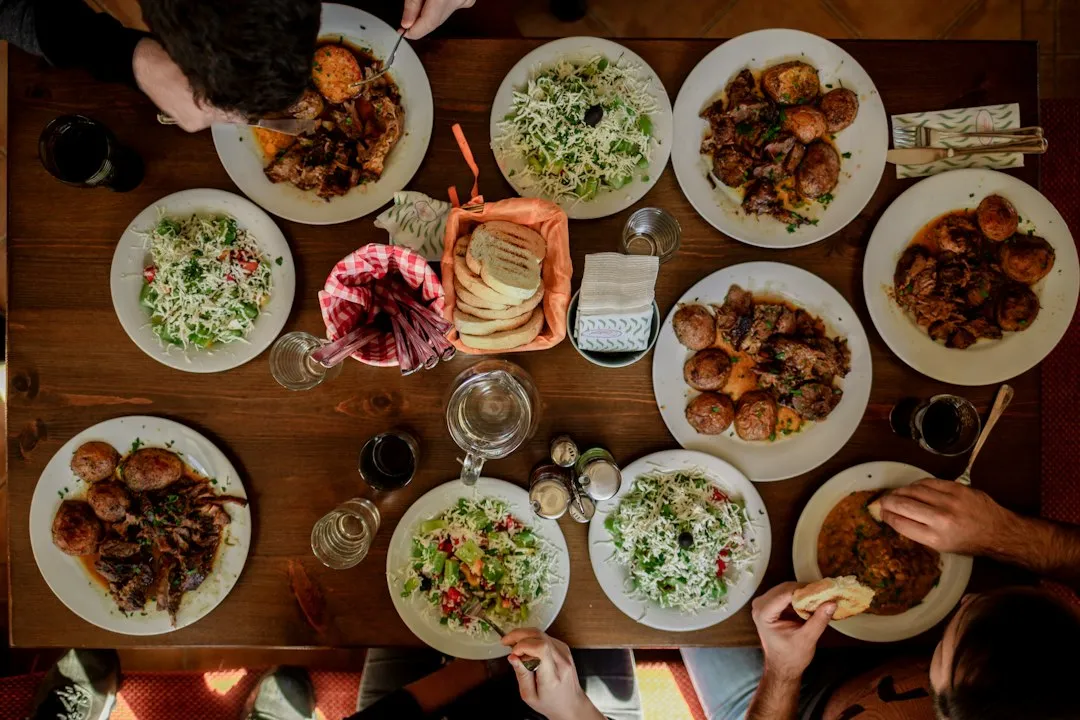
Keeping your guest list to six to eight people helps you stay relaxed and genuinely attentive to everyone in the room. It sounds like a small thing, but group size has a real effect on the host’s ability to be present rather than just operational.
Building a guest list with intention means mixing personalities, considering group dynamics, and keeping the number of guests manageable for your space. A table of twelve in a small apartment isn’t a failure of ambition. It’s a recipe for a stressful night. Research has found that roughly one in seven hosts worry about managing different personalities and social dynamics, which is reason enough to be selective from the start.
Rule 3: Build a Menu Around What You Already Cook Well
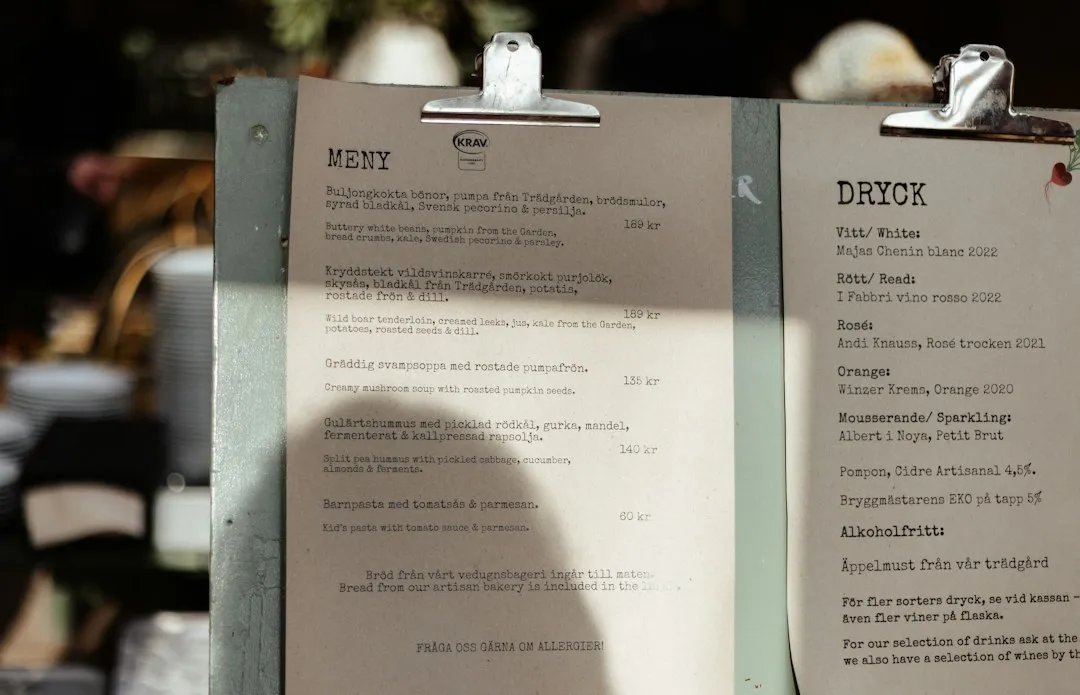
Starting with a manageable menu that you feel confident preparing, focusing on a few dishes you can cook well rather than trying to impress with complex recipes, is one of the most liberating decisions a host can make. A dish you’ve made a dozen times is almost always better than a dish you’ve made once, under pressure, for company.
The best dinner party menus present sophistication with minimal effort, thinking about cooking ahead of time, choosing complementary flavors, and providing variety to keep everyone happy. Aim for two to three courses with a standout main. Balancing your menu with a mix of flavors and textures, and including options for both meat-eaters and vegetarians, ensures that everyone has something to enjoy.
Rule 4: Do as Much as Possible the Day Before
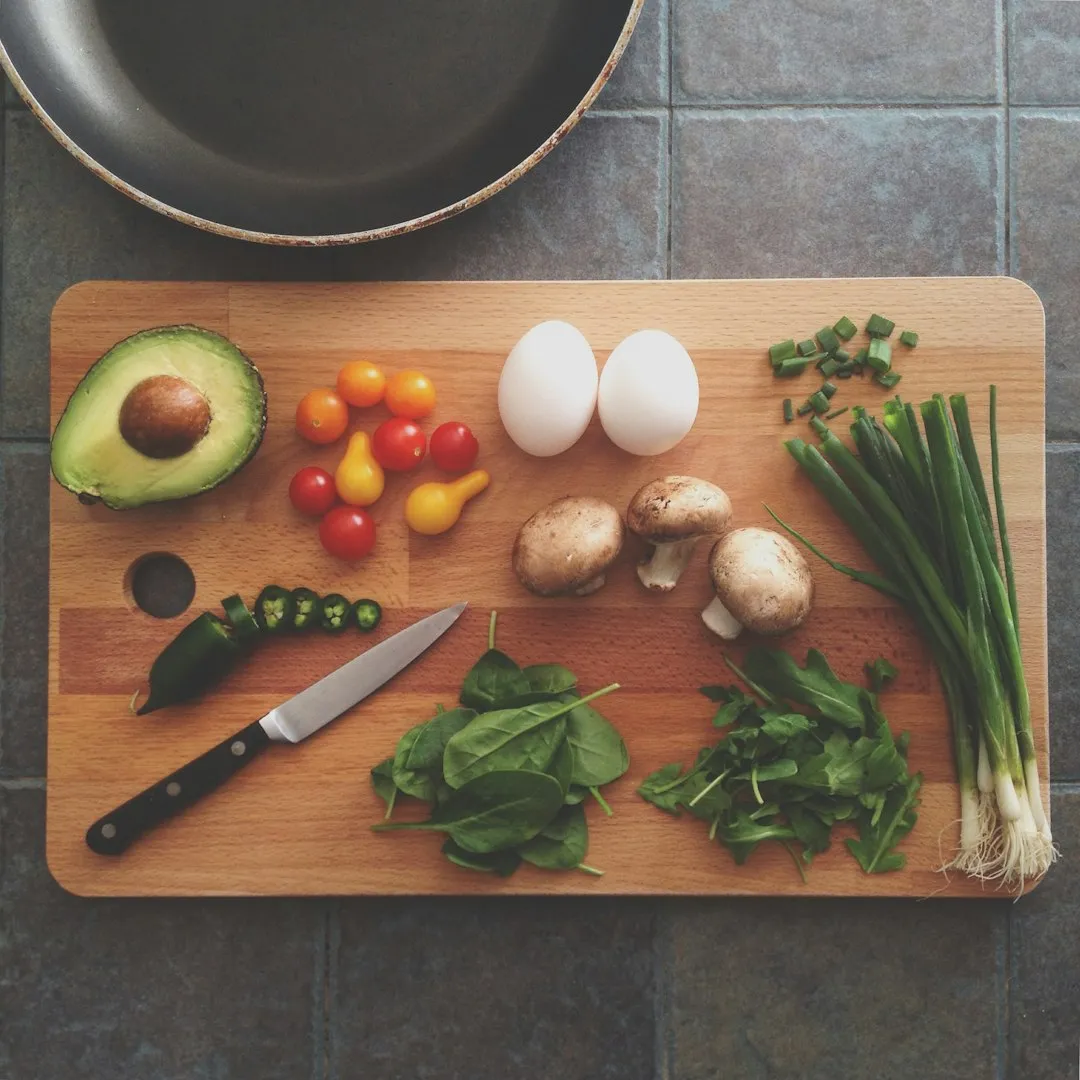
Seasoned hosts know that the day-of is for finishing touches, not for starting from scratch. Doing as much as possible in advance, including chopping vegetables, setting out dishes for the table, and organizing serving pieces, takes an enormous amount of pressure off the final hours before guests arrive.
Staying out of the kitchen during the party is much easier when you rely on make-ahead recipes such as roasted salmon or braised chicken, and include a flexible dish for guests with dietary needs. Most braises, soups, grain salads, and desserts actually taste better after a night in the fridge. Cooking ahead isn’t a shortcut. It’s often the smarter culinary choice.
Rule 5: Ask About Dietary Needs Before the Day Arrives

Double-checking with your guests about dietary restrictions or allergies a week before the party protects you from scrambling at the last minute and protects your guests from an awkward evening of picking around a dish they can’t eat. It’s a simple act of care that costs almost nothing.
When planning your menu, considering your guests’ preferences and any dietary restrictions they might have, and choosing dishes that are manageable to prepare and can be made ahead of time, quietly eliminates two of the most common sources of hosting anxiety at once. Send a casual message when you invite people. Most guests appreciate being asked.
Rule 6: Set the Table Before You Start Cooking
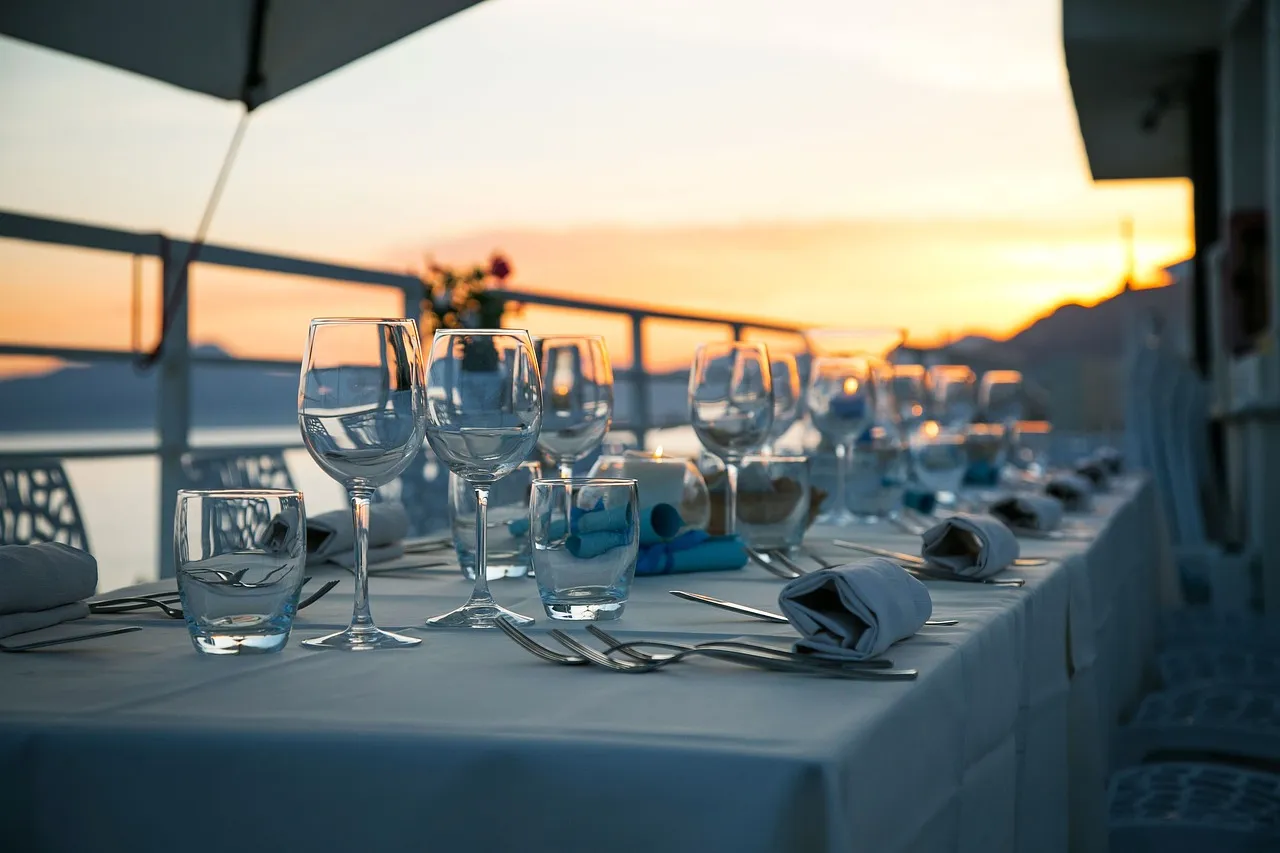
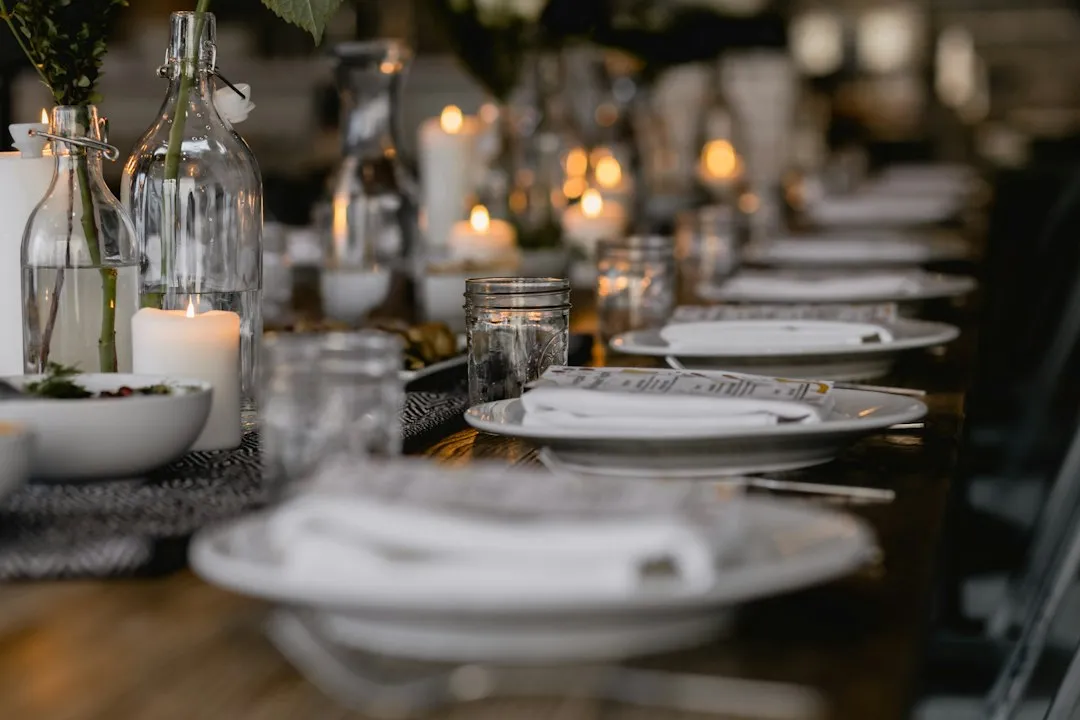
This one sounds almost too simple, but it changes the whole rhythm of the day. Many experienced hosts like to set the table in advance so they can get to other tasks like prepping the food, getting it done early rather than waiting until the last minute. Once the table is laid, the space starts to feel ready, and that feeling is contagious.
Lighting is important, and having candlelight is widely considered essential for creating the right atmosphere at a dinner party. Beyond candles, think about flower arrangements. Keep centerpieces low enough that guests can actually see each other across the table, since good conversation depends on it. A beautiful table that blocks eye contact defeats its own purpose.
Rule 7: Let the Evening Have a Flow, Not Just a Schedule

The party should flow in a way that keeps guests having fun while enjoying food in an easy-going manner. Starting with light music and a cocktail hour with hors d’oeuvres, then moving to dinner, dessert, and nightcaps gives the evening a natural structure without feeling rigid. Guests don’t need to sense a schedule. They need to feel guided.
The cocktail hour also serves a practical function: it buys you time. If something in the kitchen needs an extra fifteen minutes, nobody notices because everyone has a drink and something to nibble on. It’s a built-in buffer, and one of the more underrated tools a host has.
Rule 8: Let Go of Perfectionism Before the First Guest Arrives

A quarter of hosts worry about making guests feel comfortable, running out of food or drinks, and feel pressure to make everything perfect. That pressure, more than any logistical challenge, is what tends to make hosting genuinely unpleasant. The irony is that guests almost never notice what hosts obsess over.
The shift from stressful hosting to stress-free hosting becomes possible when we become aware of what causes the stress in the first place. For many hosts, it comes down to lowering perfectionism, letting go of expectations, and choosing to be present with each moment rather than strategizing. A slightly imperfect soufflé shared with people you actually like beats a flawless one you were too anxious to enjoy.
Rule 9: Greet Every Guest at the Door, Then Leave the Kitchen
Once your guests arrive, your primary job shifts from preparation to connection. The best hosts make everyone feel seen, included, and comfortable, even when things don’t go exactly as planned. This is where hosting either comes alive or falls flat.
Etiquette experts emphasize that greeting every guest personally is non-negotiable. Stepping away from the kitchen, meeting them at the door, offering to take their coat, and introducing them to at least one other person before stepping away sets the tone for the entire evening. That warm, unhurried welcome is something guests carry with them for the rest of the night. No amount of perfectly seasoned food compensates for being ignored at arrival.
Rule 10: Embrace the Potluck Mindset When It Fits
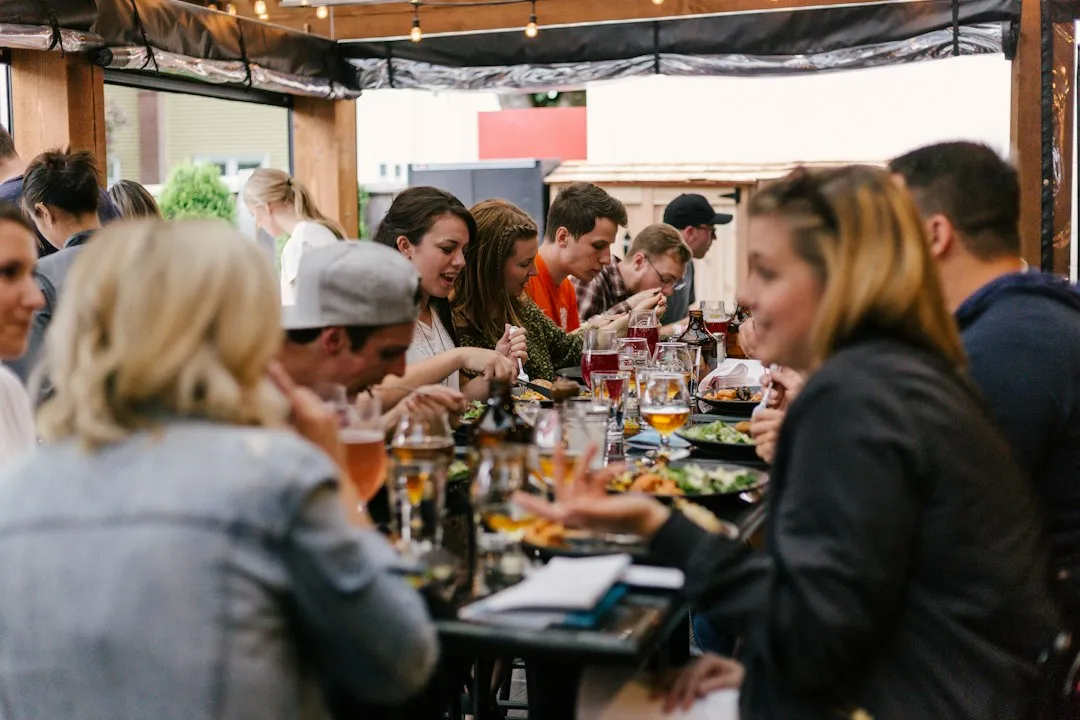
There’s a kind of pride that makes some hosts refuse help, and it’s rarely worth the cost. Co-hosting with a friend or turning the evening into a potluck are practical strategies that have been widely endorsed as ways to ease hosting anxiety, including in resources produced by the U.S. Surgeon General’s office as part of its campaign against social isolation.
Two thirds of people who prefer home gatherings cite the more comfortable environment, and more than half say that hosting at home is a great way to save money. When guests bring a dish, a bottle of wine, or a dessert, they also bring a sense of ownership in the evening. Consumers are increasingly entertaining at home as a way to connect and save on dining-out costs, and sharing the load makes that connection feel even more collaborative. Hosting doesn’t have to mean doing everything alone.
The Quiet Truth About a Good Dinner Party

The best dinner parties rarely feel like productions. They feel like someone decided it was worth making the effort to gather people together, and then they actually did it. Since the pandemic, there has been a growing appetite for intentional gatherings, and countless people want to host but simply don’t know where to begin. The barriers are mostly in our heads.
Beyond saving money, people host at home for the more comfortable environment and the genuine ability to hear each other – two things a restaurant simply can’t offer. When you strip away the pressure to perform and focus instead on making people feel welcome, hosting becomes something you look forward to rather than something you survive.
The table doesn’t need to be perfect. The food doesn’t need to be restaurant-quality. What guests remember, almost without exception, is whether they felt glad they came.
AI Disclaimer: This article was created with the assistance of AI tools and reviewed by a human editor.