
Most people have one sitting in a cup by the sink, replaced every few months and tossed without a second thought. It’s not a trowel, not a dibber, and definitely not something you’d find in the gardening aisle. Yet the humble old toothbrush has quietly become one of the most practical and precise tools a gardener can reach for when it’s time to move delicate seedlings from their starter cells to bigger homes.
The connection between bathroom routines and gardening might seem odd at first. But once you understand just how fragile seedling roots actually are and how much precision matters during transplanting, a soft-bristled toothbrush starts to make a lot of sense.
Why Transplanting Is Such a High-Stakes Moment
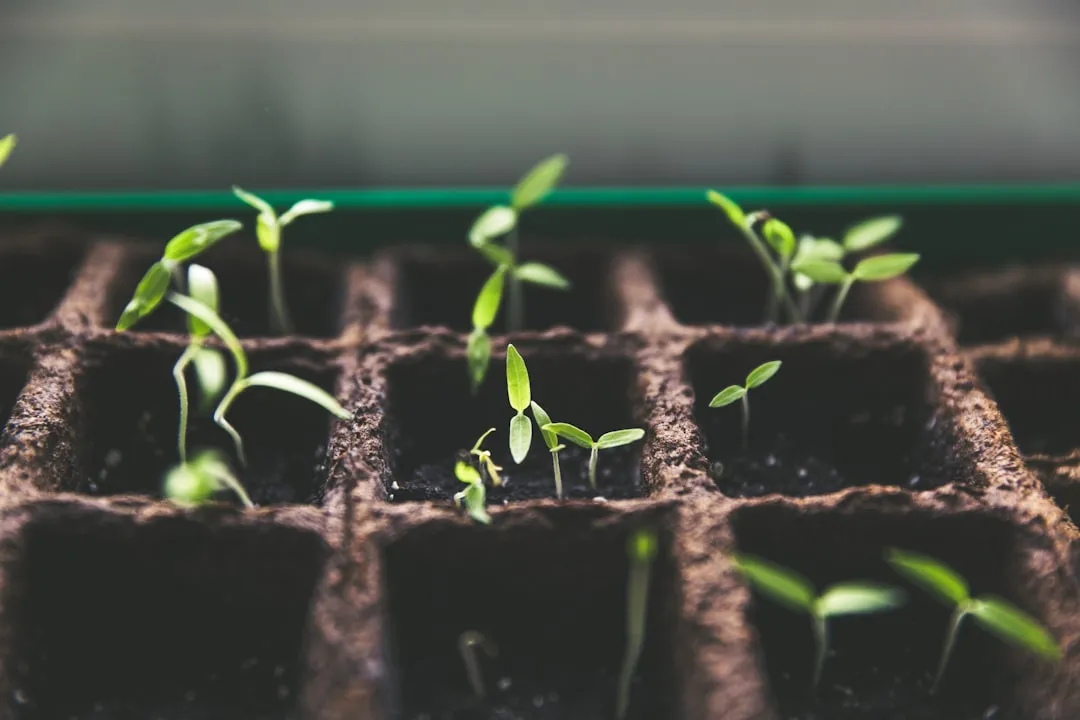
Moving a seedling is genuinely stressful for the plant. An abrupt change or mishandling during transplanting can cause stress that impacts growth, particularly when plants experience root damage, sudden temperature changes, or a shift in water availability. The plant ends up using energy to repair and adjust rather than channeling it into healthy, vibrant growth.
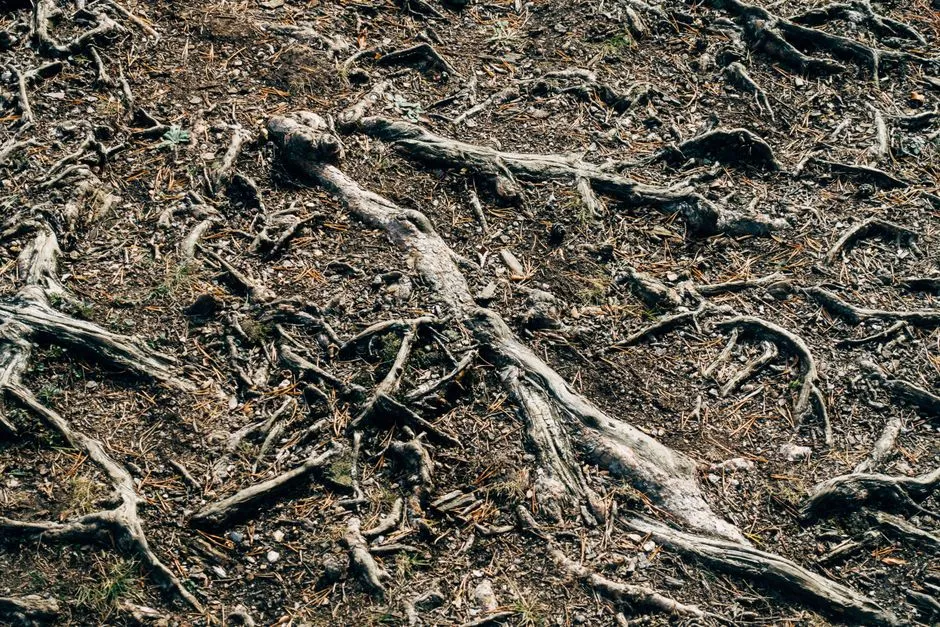
Root hairs are exceptionally delicate and can be easily damaged through physical contact. When you touch or disturb these hairs during transplanting, you risk breaking them or even causing microscopic wounds, which can impair the seedling’s ability to uptake water and nutrients, resulting in transplant shock, stunted growth, or even plant death.
Research shows that conifer mortality rates can swing between forty and seventy percent in the first year after transplanting, with poor seedling quality being a major cause. That number should give any gardener pause. How you handle the roots in those first few minutes makes an enormous difference.
The Toothbrush Enters the Garden
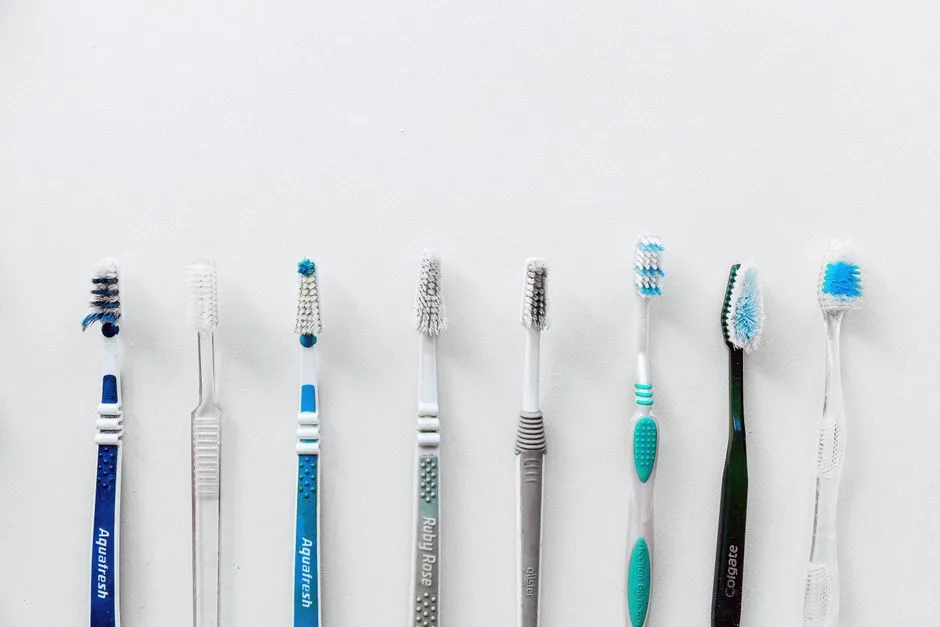
Repotting and transplanting plants is an important process that allows your greenery to grow and thrive. Normally, it’s pretty simple: gently remove your plant from its original container, loosen the roots, and add it to a new, larger container with more soil. The toothbrush quietly improves every step of that sequence.
To handle root cleanup effectively during repotting and transplanting, you can use a soft-bristled toothbrush. There are a handful of smart ways to repurpose an old toothbrush in your garden, and using the brush to gently remove dirt from plant roots during the process is one of the smartest.
The bristles are soft enough not to tear delicate root hairs, yet firm enough to dislodge compacted soil that would otherwise need to be pulled away with fingers. That’s the whole trick, really. Fingers exert uneven pressure; a toothbrush distributes it evenly across a small surface.
Cleaning Roots Without Water: The Counterintuitive Step
It may seem like common sense to run the roots under warm water, but it’s actually easier to remove dirt from roots with a brush when everything is dry, so it’s worth resisting that temptation. Place the plant roots on a paper towel or scrap piece of newspaper and use careful strokes of the toothbrush to remove bits of stuck-on soil.
This dry-brushing approach keeps the root system intact while still clearing away old, exhausted growing medium. It also gives you a clear view of what you’re working with: healthy white or cream-colored roots versus darker, potentially damaged ones that need attention before the seedling moves to its new home.
Once all of the soil is removed, you can trim away any rotted portion of the roots. Treat your scissors with disinfectant as you trim to protect the healthy roots. The toothbrush essentially sets up every step that follows, making root inspection far more accurate than poking around with your fingers.
Spotting Root Rot Before It Becomes a Disaster
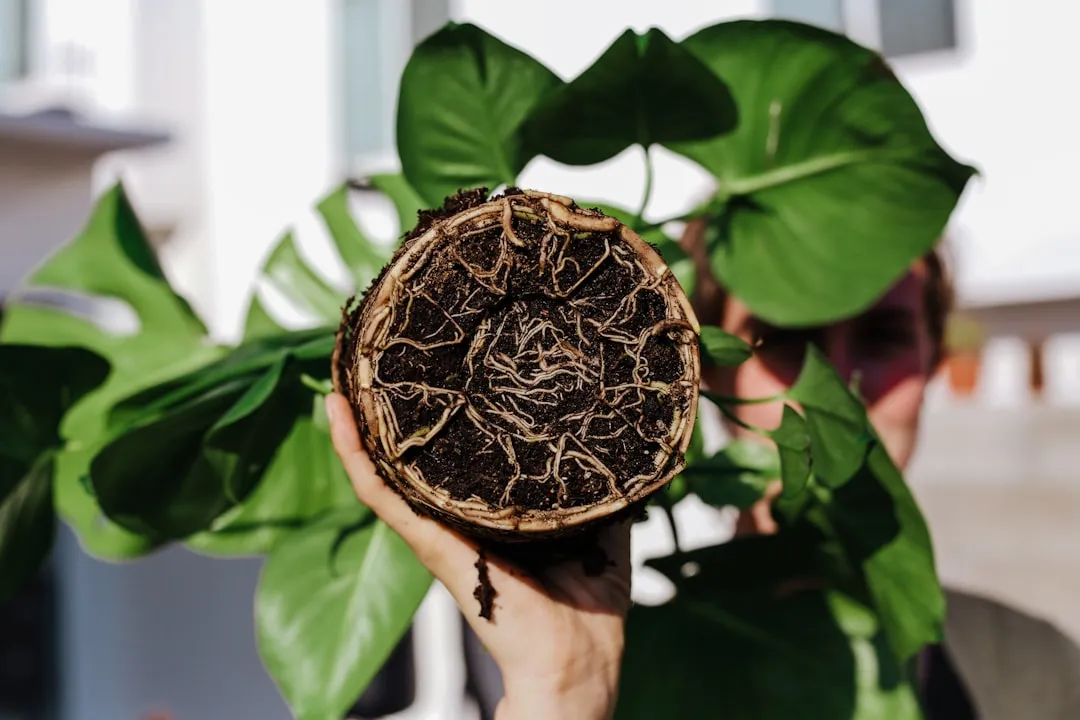
If you notice that some of the roots have a darker appearance, a mushy texture, or a foul smell, you may be dealing with root rot. In this case, you’ll also need to clean and trim the affected roots of your plant before placing it in its new home. This process is called root pruning, and some plants need it in order to stay healthy.
Thankfully, you can also use your handy gardening toothbrush to gently clean the roots and revive the plant by cutting off the affected areas. Catching root rot at the transplant stage, rather than weeks later when the seedling is already wilting in its new pot, is one of the most valuable things a careful gardener can do.
The toothbrush makes that catch possible. Without it, you’re working blind, pressing fingers into a root ball and hoping for the best.
How Transplant Shock Actually Works
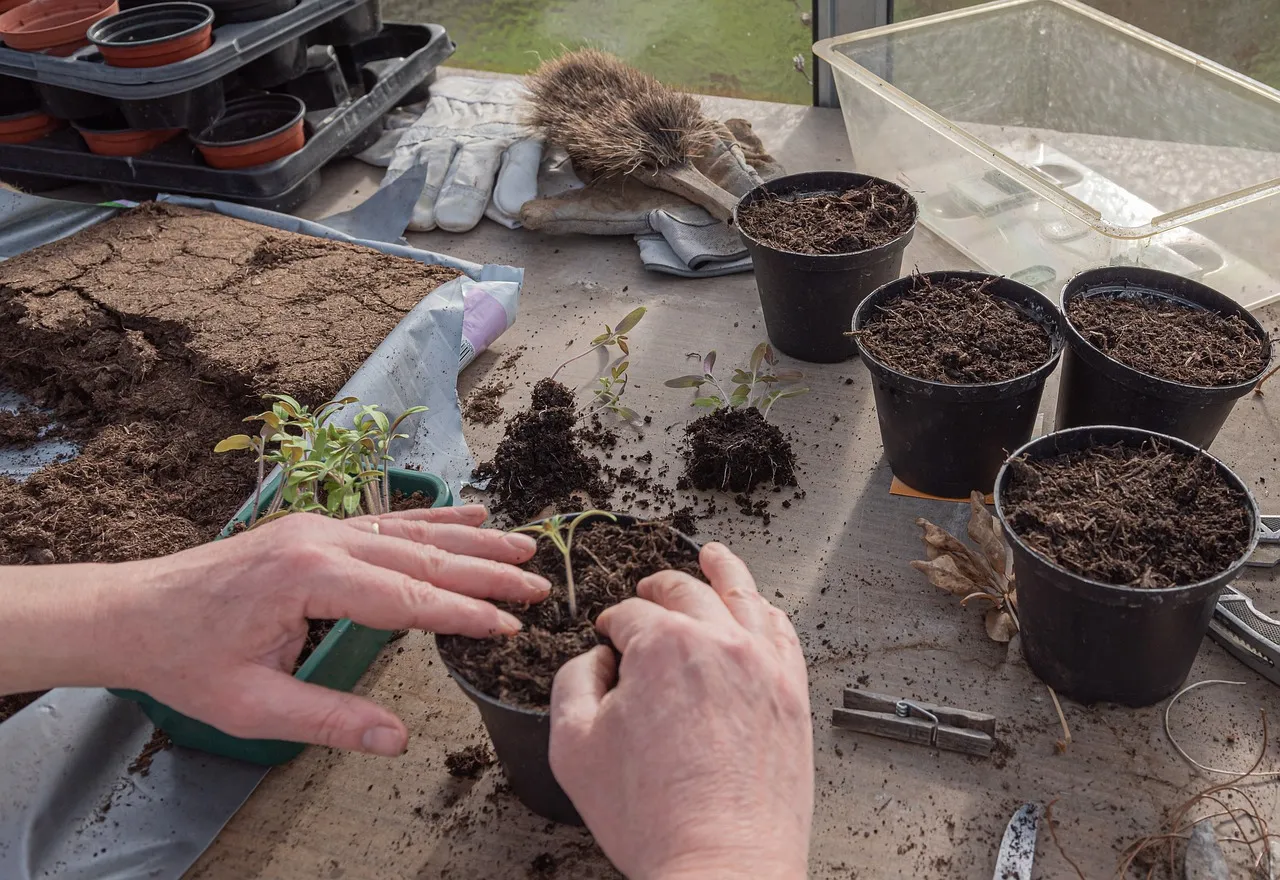
Transplant shock refers to the stress that plants undergo when their root systems are disturbed during the process of being transplanted. This can happen whether you’re moving a plant from a pot to the ground, from one spot in the garden to another, or even when planting store-bought plants. The disruption can lead to a variety of symptoms as the plant adjusts to its new environment.
The primary cause of transplant shock is root disturbance. The roots may be damaged or desiccated during removal from their original growing medium, and since roots are responsible for water and nutrient uptake, any impairment can reduce the seedling’s vigor.
Even brief interruptions in nutrient or water supply cause stress, leading to wilt or slowed growth. The bigger the gap between a seedling’s old environment and the new one, the more shock potential there is. That’s why giving roots a gentle transition can make all the difference. The toothbrush is a tool that directly reduces that gap.
Using an Electric Toothbrush for Pollination Too
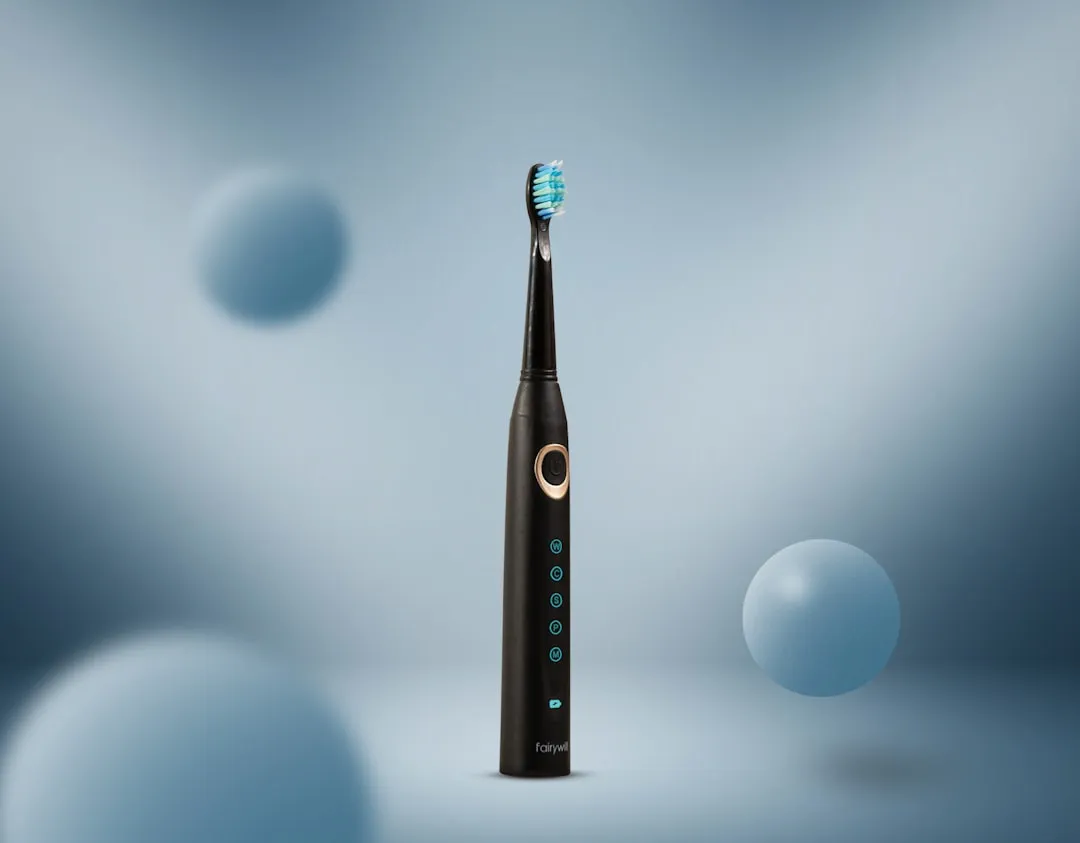
The bathroom-to-garden connection doesn’t stop at transplanting. An electric toothbrush can also be used to pollinate tomato plants, potentially yielding significantly more tomatoes. By gently placing the electric toothbrush head on the flowers, the vibration helps release pollen so they grow into tomatoes.
Even when you add lots of plants for pollinators into your garden, it doesn’t always mean every flower on your tomato plant will be visited by a bee, butterfly, or other insect. An electric toothbrush simulates the vibration that bees naturally produce when visiting flowers, a technique commercial greenhouse growers have used for years.
So the same tool you swap out every few months has two distinct garden applications: gentle root cleaning during transplanting, and manual pollination for indoor or low-traffic outdoor plants. It’s an unusual double act, but a genuinely useful one.
Watering Before and After: What the Research Supports
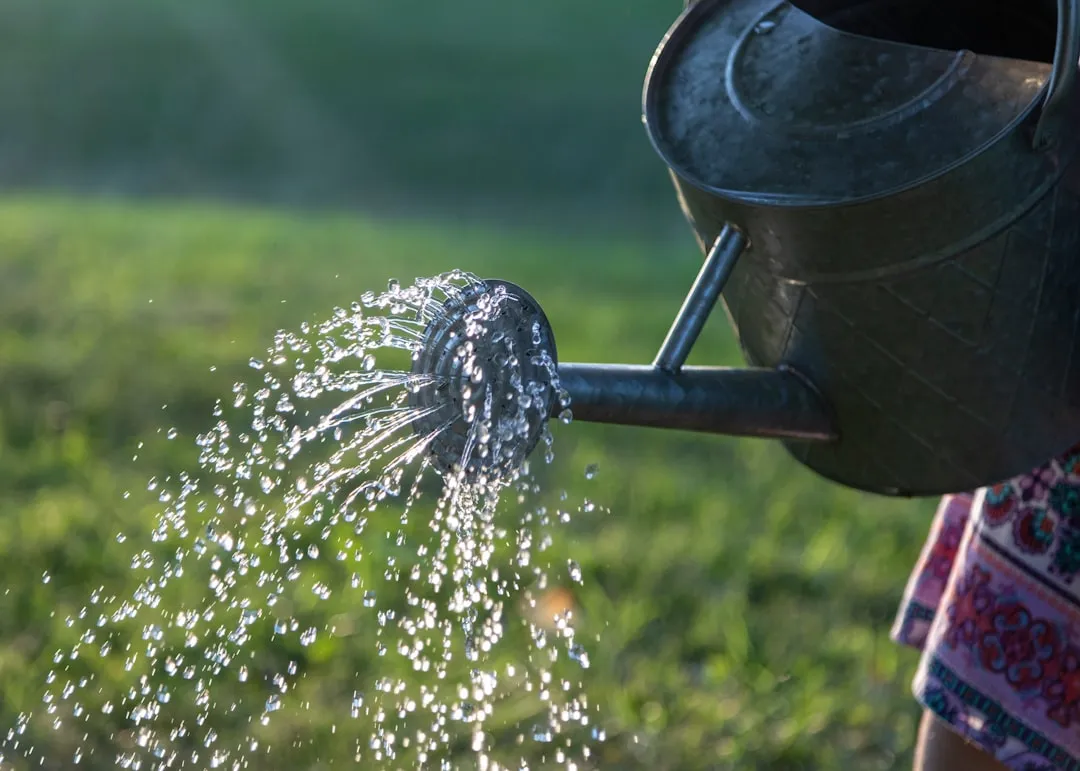
Ensuring that your seedlings are watered well before planting, paying extra close attention starting a day or two ahead of time, is essential. Dry seedlings will have a more difficult time recovering from transplant shock. A toothbrush works best on slightly moist but not soaking-wet roots, so the pre-watering timing matters.
Soaking all transplants thoroughly before putting them into the garden is important. Moving individual plants from pot to soil quickly keeps their roots exposed to the air for as briefly as possible. After the toothbrush has done its inspection and cleaning work, speed becomes your next ally.
It takes several weeks for young transplants to develop new roots and begin drawing moisture and nutrients from the surrounding soil. Until this time, monitoring your plants daily to make sure the root zone doesn’t dry out is critical. The toothbrush starts the process right, but consistent aftercare closes the loop.
Hardening Off: The Step That Amplifies Your Results
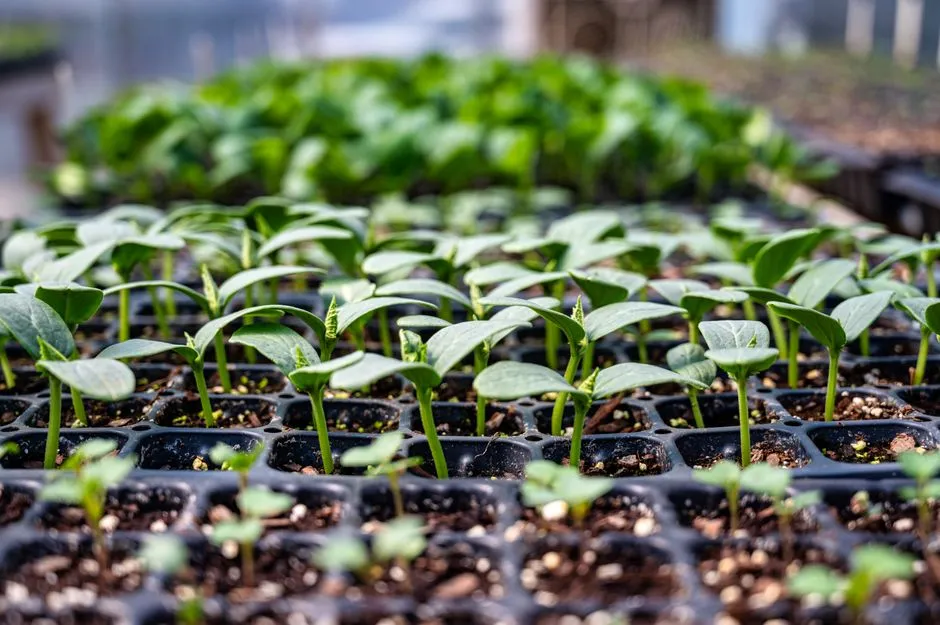
One of the most effective ways to reduce transplant shock is to harden off seedlings before moving them outdoors. Hardening off is the process of gradually acclimating seedlings to outdoor conditions over seven to fourteen days. A well-cleaned, carefully handled root system recovers faster when the acclimatization process has been done properly.
Start by placing seedlings outside in a sheltered spot for a few hours each day, gradually increasing their exposure to sunlight and wind. Ensure temperatures are mild, avoiding extremes that could stress young plants.
Soil temperature plays a crucial role in determining the success of your transplants, especially for heat-loving varieties. While cold-hardy crops like Iceland poppies or snapdragons can tolerate cooler soil, other varieties simply won’t thrive until the soil warms up. For warm-season crops like zinnias and celosia, it’s worth waiting until soil temperatures reach at least sixty degrees Fahrenheit for active root growth.
Choosing the Right Toothbrush for Garden Work
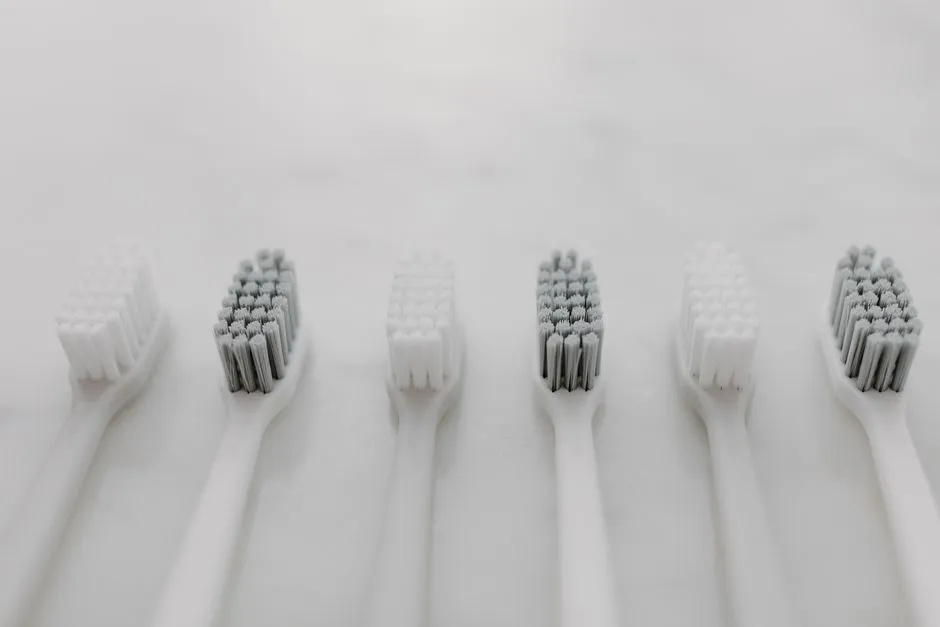
Not all toothbrushes work equally well in this role. A soft-bristled brush is the right choice for most seedling work, particularly when cleaning fragile root systems of vegetables, flowers, or herbs. Medium or firm bristles can tear young roots rather than glide around them.
An old toothbrush that’s been retired from dental use is the ideal candidate, since there’s no need to buy anything new. Keep it separate from any brushes used with cleaning chemicals, though. Even trace amounts of soap or toothpaste residue on the roots can disrupt the delicate balance of soil microbes surrounding a new transplant.
Rinse it thoroughly with plain water before and after use, let it air dry, and store it with your small seed-starting supplies. Labeling it with a small piece of tape keeps it from accidentally returning to the bathroom drawer.
When Seedling Vigor Predicts Long-Term Success
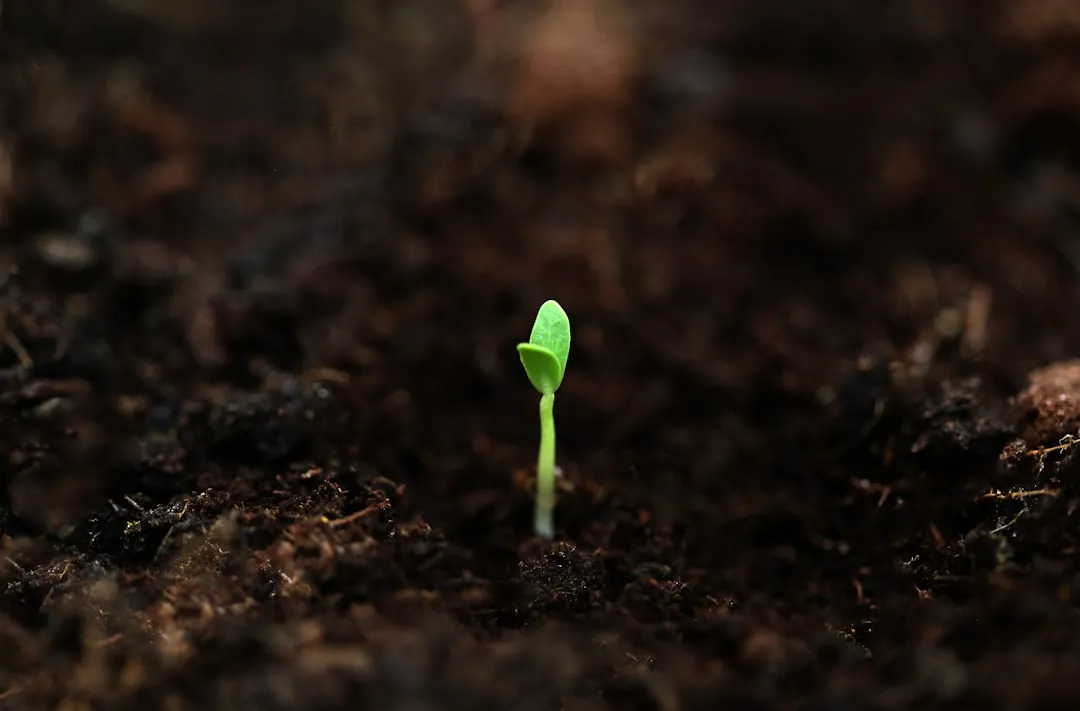
A study on the high-mountain daisy found that seedlings with longer initial leaves had much higher survival rates after transplanting. While the initial survival rate was a high eighty-nine percent, only thirty-six percent were still around after three seasons. This underscores how vital it is to start with the strongest, healthiest plants possible.
A toothbrush aids that selection process. When you’re working with multiple seedlings before transplanting, the brushing and inspection step allows you to compare root quality side by side and prioritize the plants most likely to thrive. Weaker seedlings with sparse or damaged roots can be set aside rather than wasting prime garden space.
When seedlings are a couple of inches tall and have reached their true leaf stage, which is when each seedling has sprouted a second set of leaves, it’s time for selective thinning. Selective thinning prevents overcrowding so seedlings don’t have competition for soil nutrients or room to grow. Pair that moment with a careful toothbrush inspection, and you’ve stacked several advantages in your favor at once.
The Takeaway
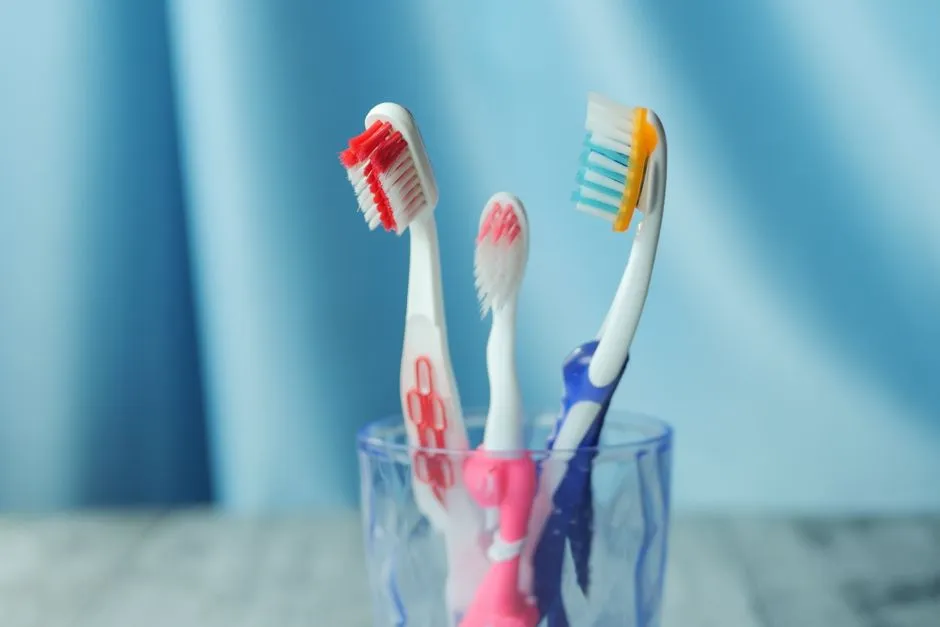
Gardening rewards attention to small details, and the move from seed tray to garden bed is one of the moments where those details matter most. The toothbrush is not a magic fix. It’s just a precision tool that happens to cost nothing and sit within arm’s reach every morning.
What it offers is control. Control over how much pressure goes onto the roots, control over what you can actually see and inspect before the plant goes into the ground, and control over how much soil gets transferred versus left behind. Those are things a finger or a trowel can’t reliably provide at that scale.
The next time you swap out your old toothbrush, put it in the potting shed instead of the bin. It might just be the most useful tool that never made it onto any garden checklist.
AI Disclaimer: This article was created with the assistance of AI tools and reviewed by a human editor.