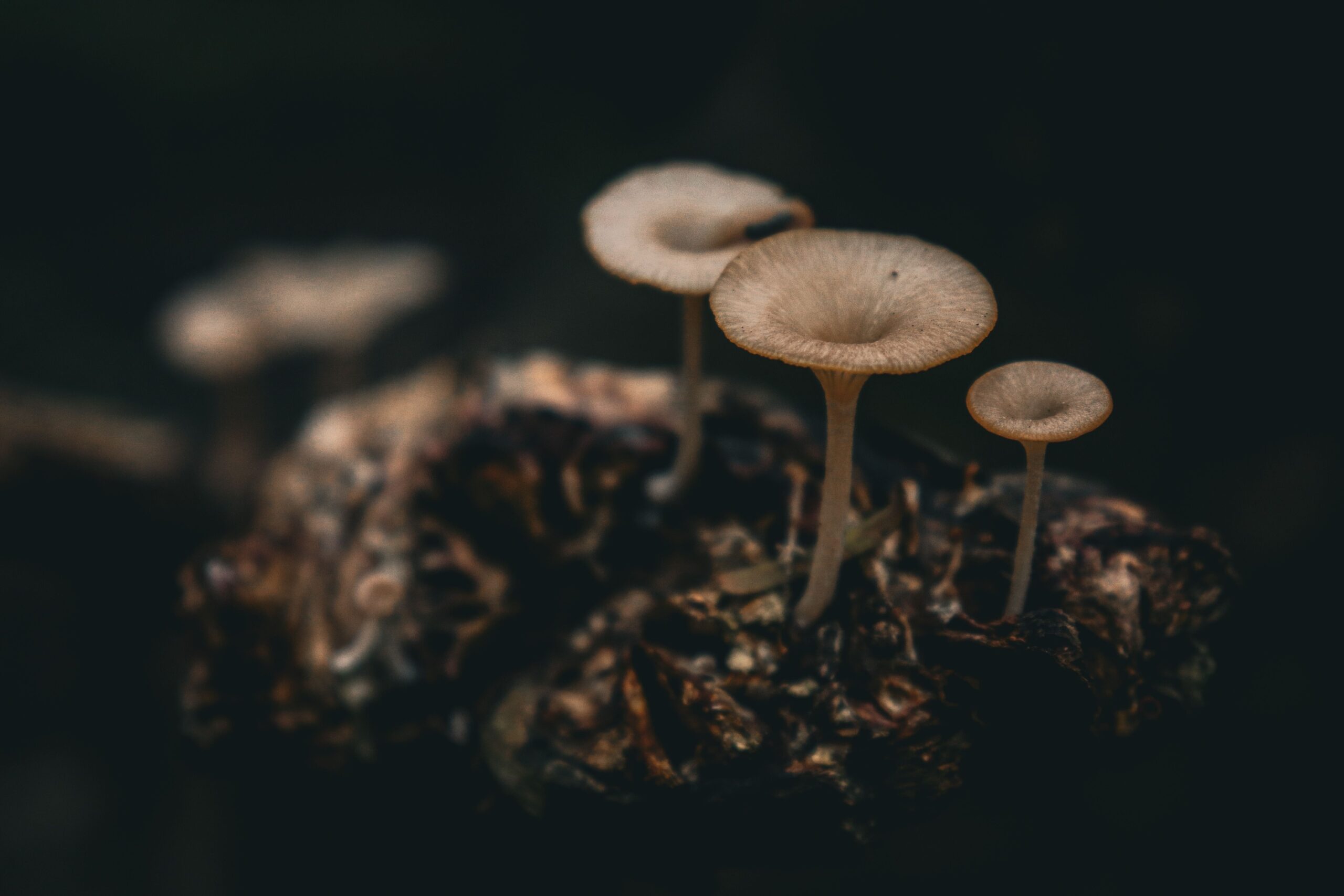

Walk across your lawn on a quiet morning and you’re stepping over something extraordinary. Beneath the surface, an intricate web of fungal threads is at work, connecting your plants, moving nutrients, and doing things that scientists are still working to fully understand. It’s not science fiction. It’s mycorrhizal biology, and it’s happening right now under your feet.
What the Network Actually Is
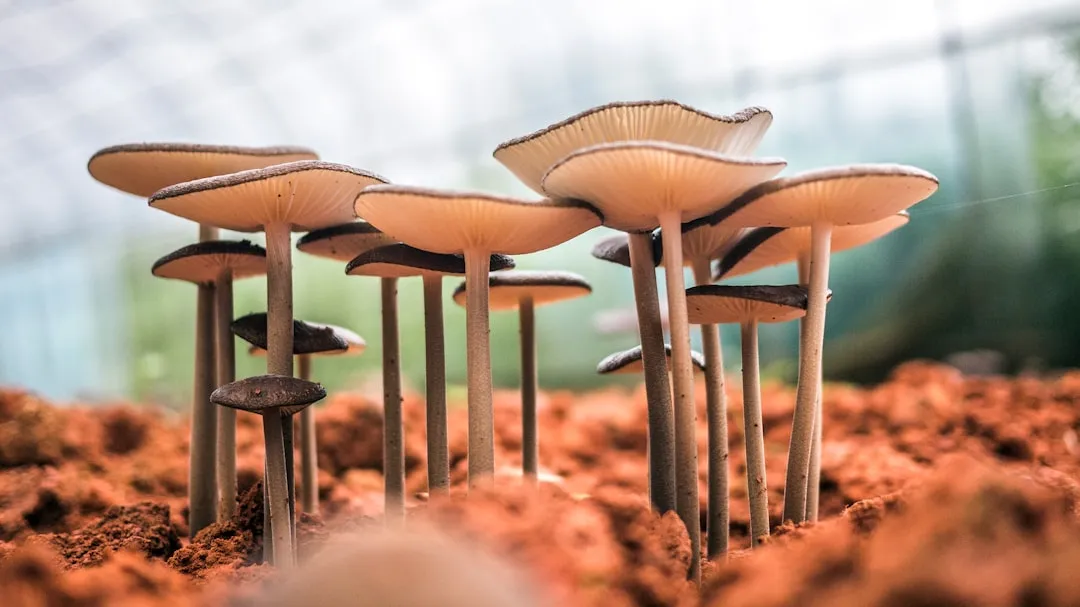
Mycorrhizal networks are symbiotic associations between fungi and plant roots. Fungal hyphae, which are thread-like structures, extend from plant roots into soil and form vast networks connecting multiple plants. The word “mycorrhiza” itself comes from the Greek for “fungus root,” which is about as literal a name as biology ever gets.
At the heart of these networks are mycorrhizal fungi that form symbiotic relationships with tree and plant roots, extending their thread-like hyphae far into the soil and creating a vast underground network. The scale of this system, even in a modest backyard, can span the entire plot and connect dozens of different plant species simultaneously.
An Ancient Partnership, Not a Modern Discovery
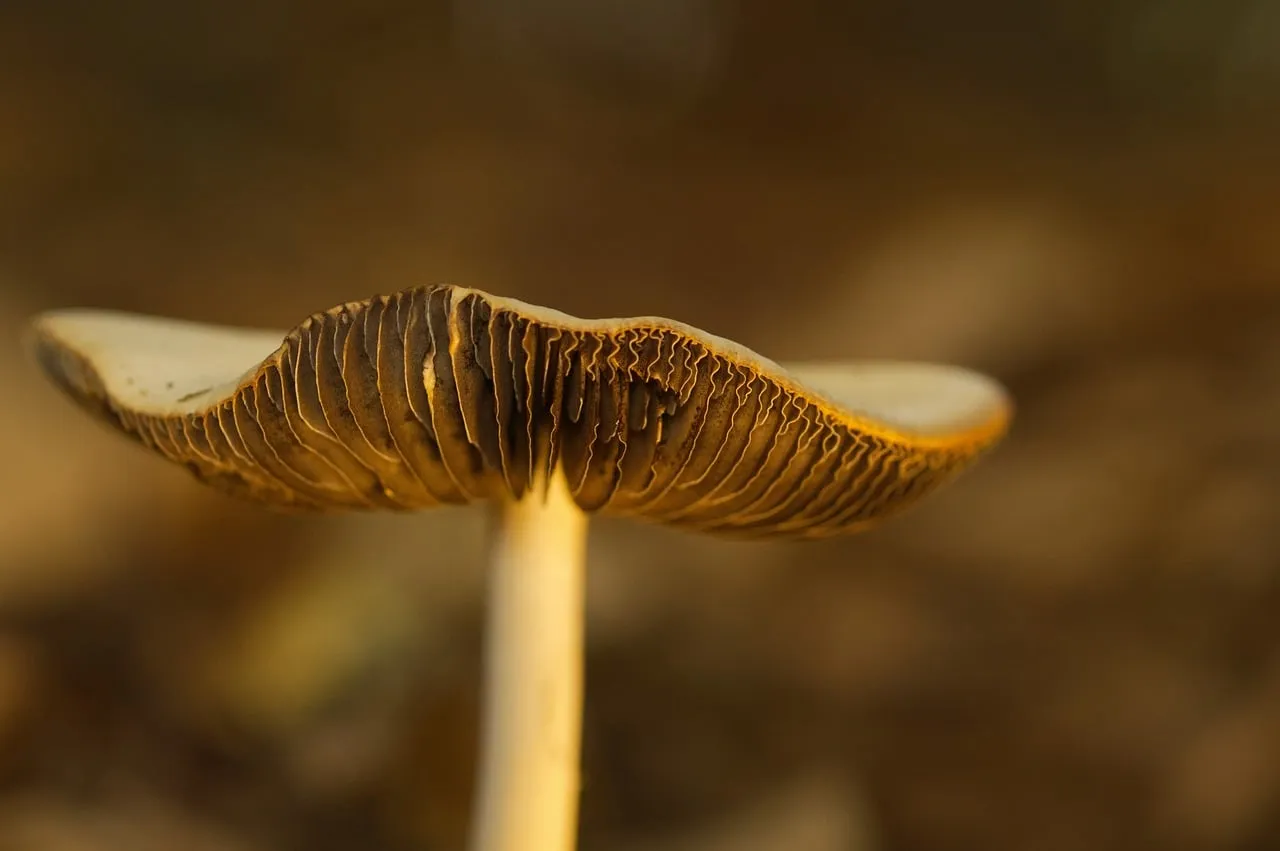
This mutualism between plants and fungi has a long history: mycorrhizae have been found in plant fossils more than 400 million years old. To put that in perspective, this relationship predates the dinosaurs by a considerable margin. It’s one of the oldest biological partnerships on Earth.
Mycorrhizal fungi have been supporting life on land for at least 450 million years by helping to supply plants with soil nutrients essential for growth. The durability of this arrangement speaks to how fundamentally it works for both partners. Neither side developed a better option in nearly half a billion years.
How Widespread Is It, Really?
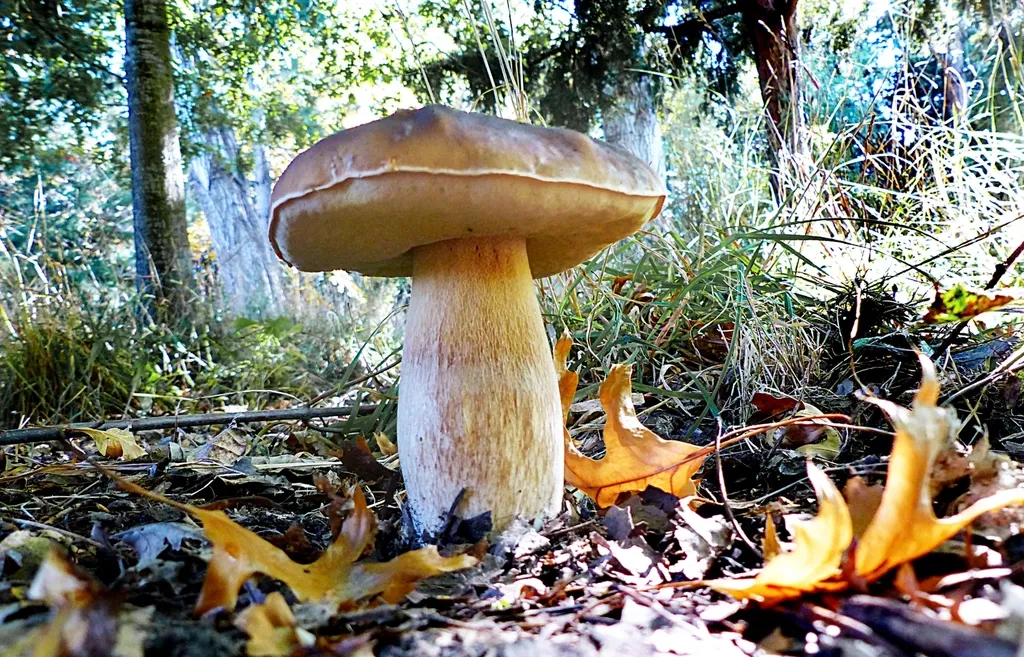
Approximately 90% of land plants form mycorrhizal associations, demonstrating that mycorrhizae are fundamental to plant life and that most plants depend on fungi. That figure is worth sitting with. The trees in your yard, the shrubs along the fence, the grass itself – nearly all of them are participating in this network right now.
Mutualistic interactions between plants and soil fungi, known as mycorrhizas, control carbon and nutrient fluxes in terrestrial ecosystems. The network isn’t just widespread. It’s structurally important to how ecosystems function at every scale, from a suburban garden to an ancient forest.
The Exchange: What Moves Through the Network
Mycorrhizal fungi form mutualistic relationships with plant roots, exchanging nutrients and water for carbon the plant provides. These associations influence nearly every aspect of soil function and plant health. The trade is elegantly simple on the surface: carbon flows down from photosynthesizing leaves, minerals flow up from the soil.
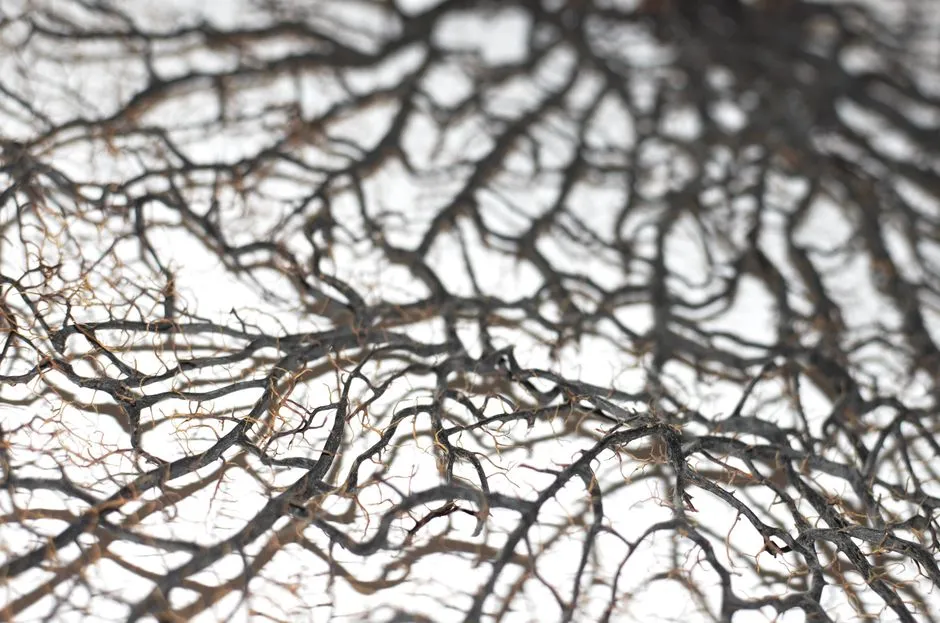
The fungi form intricate networks of external mycelium that extend beyond plant root systems, where they forage in the soil for phosphorus, nitrogen, sulfur, and trace elements. Together with water, these nutrients are delivered to roots in exchange for photosynthetically derived carbohydrates from the plant partner. As much as 80% of phosphorus and up to 20% of nitrogen can be transferred to plants via mycorrhizal pathways.
The Carbon Scale Is Staggering
In a meta-analysis published in the journal Current Biology, scientists estimated that as much as 13.12 gigatons of carbon dioxide equivalents fixed by terrestrial plants is allocated to mycorrhizal fungi annually, roughly equivalent to 36% of yearly global fossil fuel emissions. That number reframes how significant this underground system really is.
Once transported underground, carbon is used by mycorrhizal fungi to grow a more extensive mycelium, helping them to explore the soil. It is also bound up in soil by the sticky compounds exuded by the fungi and can remain underground in the form of fungal necromass, which functions as a structural scaffold for soils. In other words, the fungal network isn’t just a conduit – it’s actively building and holding the soil structure together.
Mother Trees and the Social Life of a Backyard
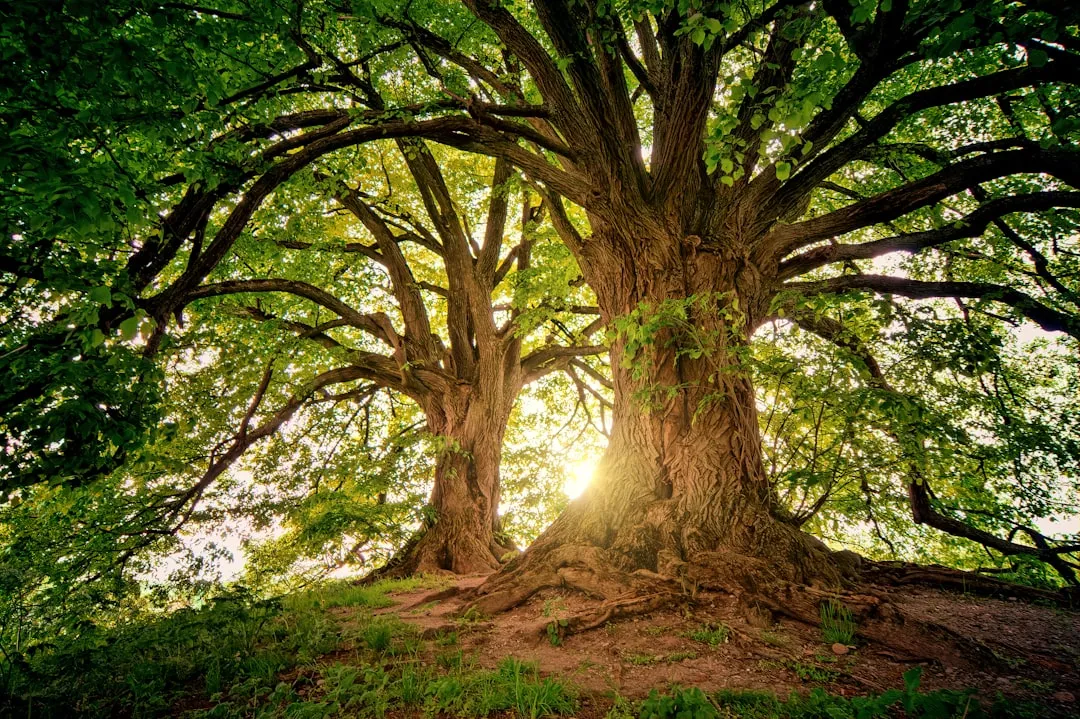
Research by Suzanne Simard shows that large, old “mother trees” act as central nodes in mycorrhizal networks, connected to hundreds of other trees. Mother trees nurture seedlings by sending carbon and nutrients through fungal networks, increasing seedling survival rates. This changes how we think about older trees in a garden. They’re not just decorative assets. They’re infrastructure.
When mother trees are dying, they increase resource transfer to seedlings – a form of forest wisdom transfer. Old trees are essential to forest regeneration, and mother trees function as keystone species in these networks. Even a mature apple tree or oak in a backyard corner may be quietly supporting younger plants nearby through the network below.
The “Wood Wide Web” Debate: What Science Actually Says
A paper published in PNAS in 2024 noted that, while functional common mycorrhizal networks exist and the movement of carbon and other compounds between connected plants has been demonstrated, evidence of substantial and ecologically decisive net transfers between adult trees under natural conditions remains limited and highly dependent on experimental context.
Scientists have noted that the function of common mycorrhizal networks between trees in forests has been overstated in some popular accounts. Still, the wood wide web concept can help scientists highlight and communicate the significance of mycorrhizal fungi in natural and managed ecosystems. The science is real and compelling. Some of the more dramatic storytelling around it has simply outpaced the evidence.
What Tillage and Chemicals Do to the Network
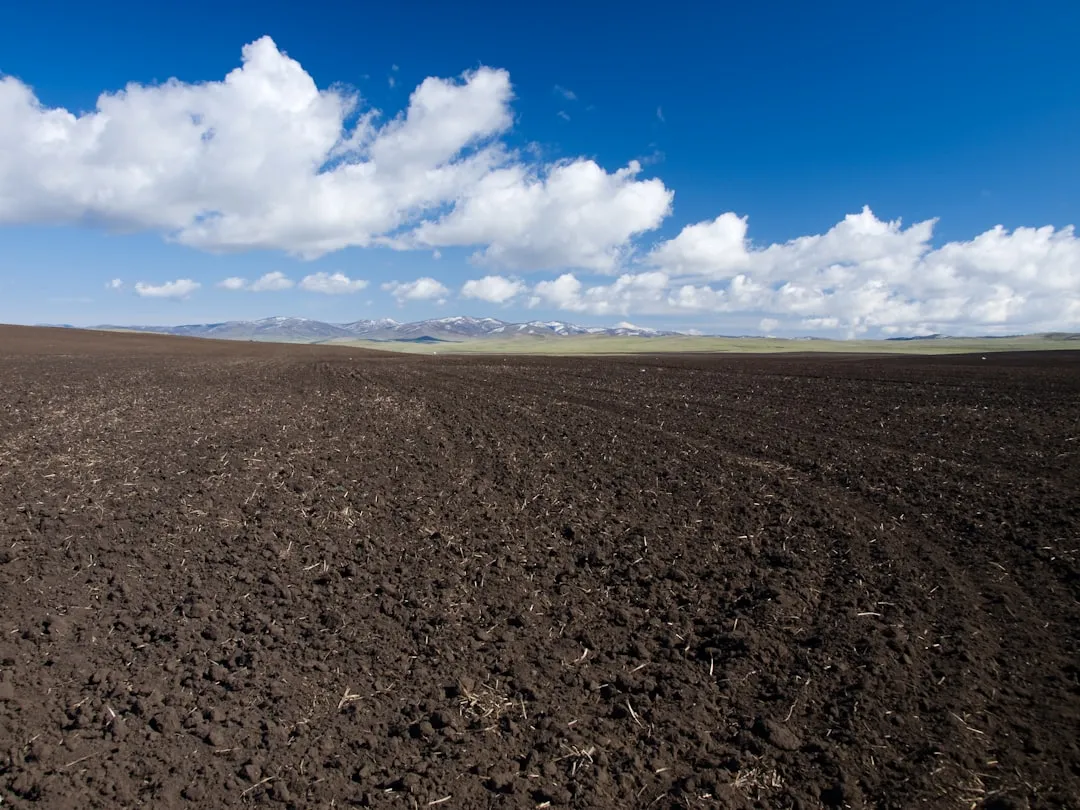
There are multiple mechanisms by which tillage can impact the abundances of mycorrhizal fungi: physical disruption of the hyphal network, dilution of the propagule-rich topsoil, and accelerated root decomposition. When you dig deeply into the garden bed each spring, you are, in effect, dismantling roads in this underground city.
Mycorrhizal fungi form mutualistic relationships with plant roots, exchanging nutrients and water for carbon the plant provides. These associations influence nearly every aspect of soil function and plant health. Research has confirmed that mycorrhizal fungi are highly sensitive to management practices such as tillage, fertilizer use, and fungicide applications. The practical takeaway is that chemical-heavy or heavily disturbed garden soil is often functionally poorer than it looks.
The use of chemical fertilizers and pesticides can harm mycorrhizal fungi. Excessive fertilizers can lead to nutrient imbalances, reducing the plant’s reliance on mycorrhizal associations. When a plant gets everything it needs handed to it artificially, it simply stops investing in the partnership.
Growing Diversity Feeds the Network
Meta-analyses integrating hundreds of publications revealed that cover-cropping systems enhanced arbuscular mycorrhizal fungal colonization, spore abundance, and extraradical biomass by roughly a third to just over half, and that intercropping increased these benefits by around a fifth to a quarter. Plant variety isn’t just aesthetic. It’s ecologically productive.
The formation and diversity of mycorrhizal networks are influenced by multiple factors, including host plant diversity, fungal specificity, and environmental conditions. A backyard with a diverse mix of trees, flowering plants, herbs, and grasses will generally support a more complex and resilient fungal network than a monoculture lawn, full stop.
How to Support the Network in Your Own Garden
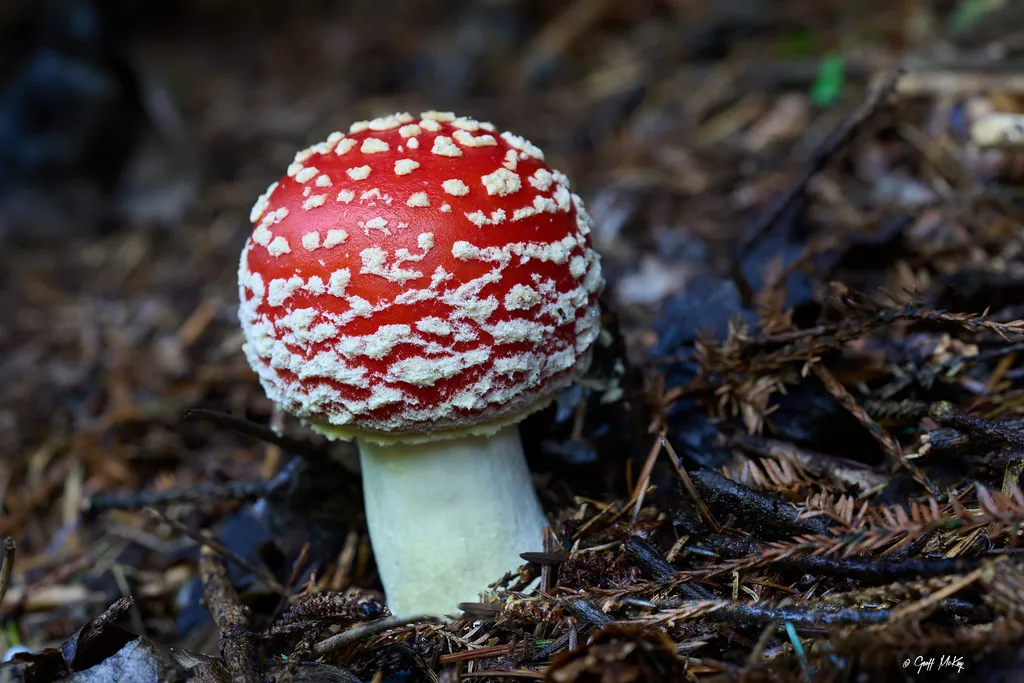
Biology-friendly practices based on the presence of diverse living plant cover throughout the year and the use of biofertilizers enhance mycorrhizal abundance and diversity and are more beneficial for soil health than chemical farming systems based on intermittently bare soils. Keeping ground covered year-round, even with a simple mulch layer, makes a measurable difference.
Adding fertilizer can reduce mycorrhizal fungi, since an abundance of nutrients limits a plant’s need for them. While fertilizer addition can provide a short-term growth benefit to garden plants, mycorrhizal fungi offer benefits for much longer, including drought and disease resistance on top of nutrient acquisition benefits. The fungi are a long-term investment that synthetic inputs quietly undercut.
Implementing sustainable practices can help protect mycorrhizal fungi, including reducing tillage, minimizing chemical use, and incorporating crop rotations. These practices help maintain healthy belowground ecosystems. None of these changes require expensive products or complicated regimens. Less interference, more plant variety, and patience tend to be the most effective tools.
The Quiet Significance Beneath the Surface
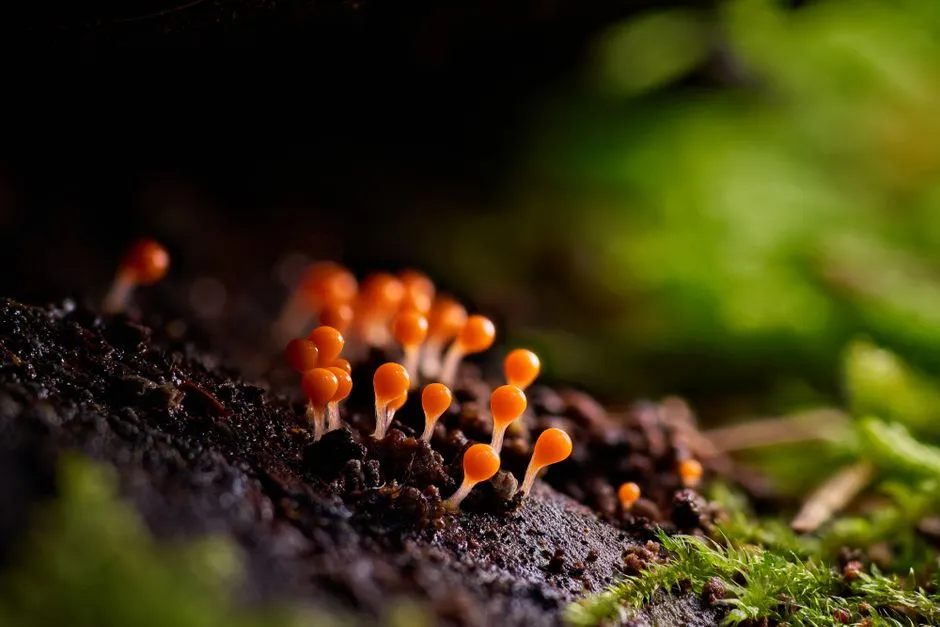
The world beneath our feet is easy to overlook and, as a result, soil ecology has often been neglected in scientific research, public policy and resource management, despite its importance to the health and stability of ecosystems. That neglect is slowly changing, and backyards are as good a place as any to start paying more attention.
The fungal network beneath your garden isn’t a metaphor or a simplified pop-science story. It’s a documented, measurable, scientifically active system that your plants are depending on right now. Understanding it doesn’t require a microscope or a lab. It mostly just requires leaving the soil a little more alone.
AI Disclaimer: This article was created with the assistance of AI tools and reviewed by a human editor.