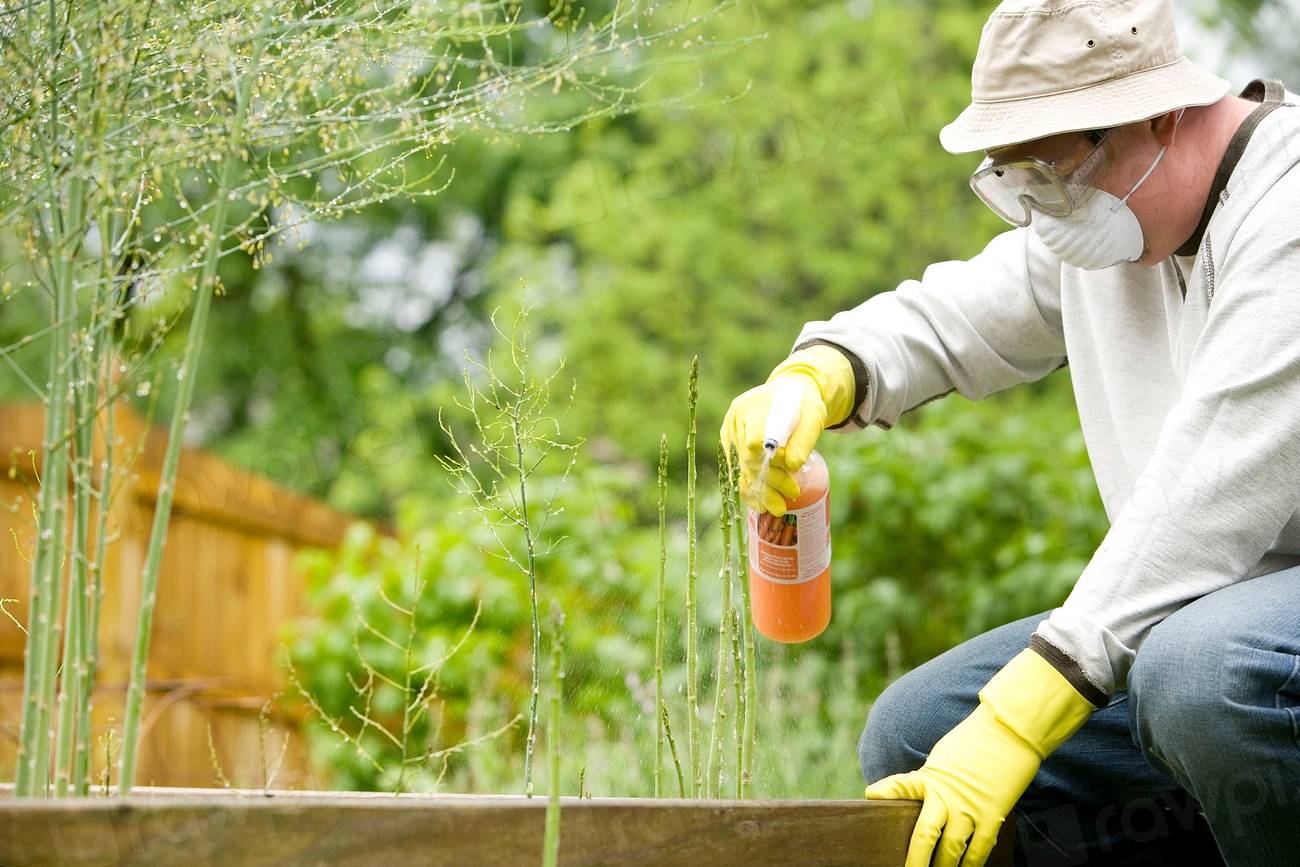

Most gardeners keep a shelf in the shed stacked with bottles and sprayers, assuming that as long as the lids are on tight, everything is fine. It isn’t. The specific problem of storing herbicides and fungicides side by side, or pesticides next to fertilizer-based sprays, is more serious than most home gardeners realize, and the risks go well beyond a simple accidental mix-up.
The pairing that causes the most concern is a herbicide spray stored alongside a fungicide spray. These two product categories look similar on the outside, but inside the bottle, their chemistry tells a very different story.
Why Herbicides and Fungicides Are a Dangerous Shelf Pair

The core problem is one of chemical category confusion that leads to physical contamination. Fungicides, herbicides, and insecticides should be stored in separate locations of the storage area to prevent cross-contamination and accidental misuse. When these products share a shelf, a leaking lid or a minor spill can transfer chemistry from one bottle into the other, often without any visible warning sign.
Chemical incompatibility can negatively affect spray quality, product uptake, and plant surface retention. The effect of a chemically incompatible mixture may not always be obvious. That invisibility is precisely what makes the storage risk so easy to underestimate. You might spray a plant and wonder why it isn’t working, never connecting the outcome to how the bottles were kept.
The Volatility Problem Nobody Talks About

Even without any spill or direct contact, certain herbicide sprays can release vapors inside a closed storage space. Solar radiation and high temperatures can not only reduce the effectiveness of the herbicide but also impact the integrity of the container, increasing the likelihood of volatilization. Volatilization is a process whereby a liquid or granular substance in the presence of moisture becomes a gas. Liquid or granular herbicides may volatilize and then become trapped, landing on and potentially damaging or killing desirable plants.
This becomes a real-world problem even when the containers themselves are never opened. Herbicides that have volatilized from storage can last for many months after the herbicide has been removed. The potential for stored herbicides to volatilize increases if a granular product is stored in leaky bags or if a liquid product is stored in a punctured plastic container.
Particular care should be taken when storing phenoxy herbicides such as 2,4-D and MCPA due to their volatility. These are among the most widely used weed killers in garden centers, and many people store them next to fungal treatments without a second thought.
Fertilizer Sprays and Pesticides: The Other Incompatible Pair
The second pairing worth serious attention is fertilizer-based foliar sprays stored beside pesticide sprays. Fertilizers and pesticides should not be stored together or alongside fuels and other flammable substances. The University of Florida’s Institute of Food and Agricultural Sciences makes this point directly, and it is backed by broader chemical safety research.
There are two general types of incompatibility between pesticides and fertilizers: chemical and physical. Chemical incompatibility occurs when a pesticide is hydrolyzed or subjected to other unwanted chemical reactions. Physical incompatibility occurs most frequently when the tank mixture forms an agglomerate due to coagulation, flocculation, gelling, or precipitation of crystals. The same reactions that happen in a tank can also be triggered over time in a storage space through slow leakage, humidity, and temperature shifts.
What Happens When Incompatible Chemicals React

Storing incompatible chemicals together could create a hazardous reaction such as the production of toxic gas, accelerated corrosion, or an exothermic reaction, which could result in an explosion or fire. That range of outcomes, from toxic fumes to fire risk, spans a wide spectrum of severity, and the chances of triggering any of these depend partly on the specific chemicals involved and partly on environmental conditions like heat and humidity in the shed.
Some interactions are visible, such as solidification, fizzing, foaming, clotting, settling, heat production, heat loss, combustion, or explosion. Some interactions may not be visible, but they may still impact pesticide effectiveness. The invisible reactions are in many ways the more insidious ones, because they silently degrade products without giving you any signal to stop and investigate.
The Risk of Accidental Misuse
Physical proximity on a shelf increases the chance of reaching for the wrong bottle, especially in poor shed lighting or when bottles are not clearly labeled. Store herbicides, insecticides, fungicides, and similar products in separate locations within the storage area to prevent chemical contamination and accidentally using the wrong pesticide. That guidance from Oklahoma State University Extension isn’t bureaucratic caution, it reflects a well-documented pattern of error.
Store pesticides only in the original container with the label plainly visible. Pesticides should never be stored in anything used as a food or drink container even for a short time. Pesticides stored in a soft drink bottle, fruit jar, or milk carton are a common cause of accidental poisoning. The risk compounds when unlabeled or mislabeled containers from a crowded shelf are moved into something worse.
How Temperature and Sunlight Make Storage More Dangerous

Exposure to sunlight can cause chemical breakdown. Pesticides should not be stored in front of windows unless the windows are covered. Extremes in temperature can also lead to chemical breakdown of stored pesticides. A shed wall that catches afternoon sun can push interior temperatures to levels that accelerate degradation reactions inside the bottles.
Store chemicals in a cool, dry, frost-free place out of direct sunlight. If kept in sunny positions, liquids may vaporize and product labels can quickly fade. A faded label is its own hazard, removing the key identification and safety information at the very moment you need it most.
What the Chemistry Actually Says About Mixing

Research at the patent and university level confirms that herbicide active ingredients are genuinely capable of reacting with each other over time. Herbicidal active ingredients can react with each other such that a mixture will exhibit a progressive decomposition or degradation of the two actives. In particular, acetamide herbicides such as acetochlor can react with auxin herbicides such as dicamba under certain conditions. Over prolonged storage conditions, herbicidal compositions containing a mixture of these herbicides may exhibit a decrease in concentration due to these reactions.
This matters even for products kept in their original containers. Chemical vapors don’t respect container walls the way solid matter does, and a small gap around a lid is all it takes for slow contamination to begin in a confined space like a garden shed or garage cupboard.
Rodenticide Sprays and Baits Need Their Own Space Too

A less-discussed but genuinely important third pairing involves rodenticide products sitting near other garden sprays. Treated baits such as rodenticides and avicides should not be stored near other chemicals as they will pick up offensive odors, rendering them useless. Beyond effectiveness, there are also cross-contamination risks when chemicals absorb trace compounds from nearby products.
Metaldehyde, commonly found in slug killers, can be deadly to pets, wild animals, and even humans if ingested. When such a product is stored casually beside garden sprays of any kind, the risk of accidental contamination, mislabeling, or misuse increases substantially.
How to Store Garden Sprays Correctly
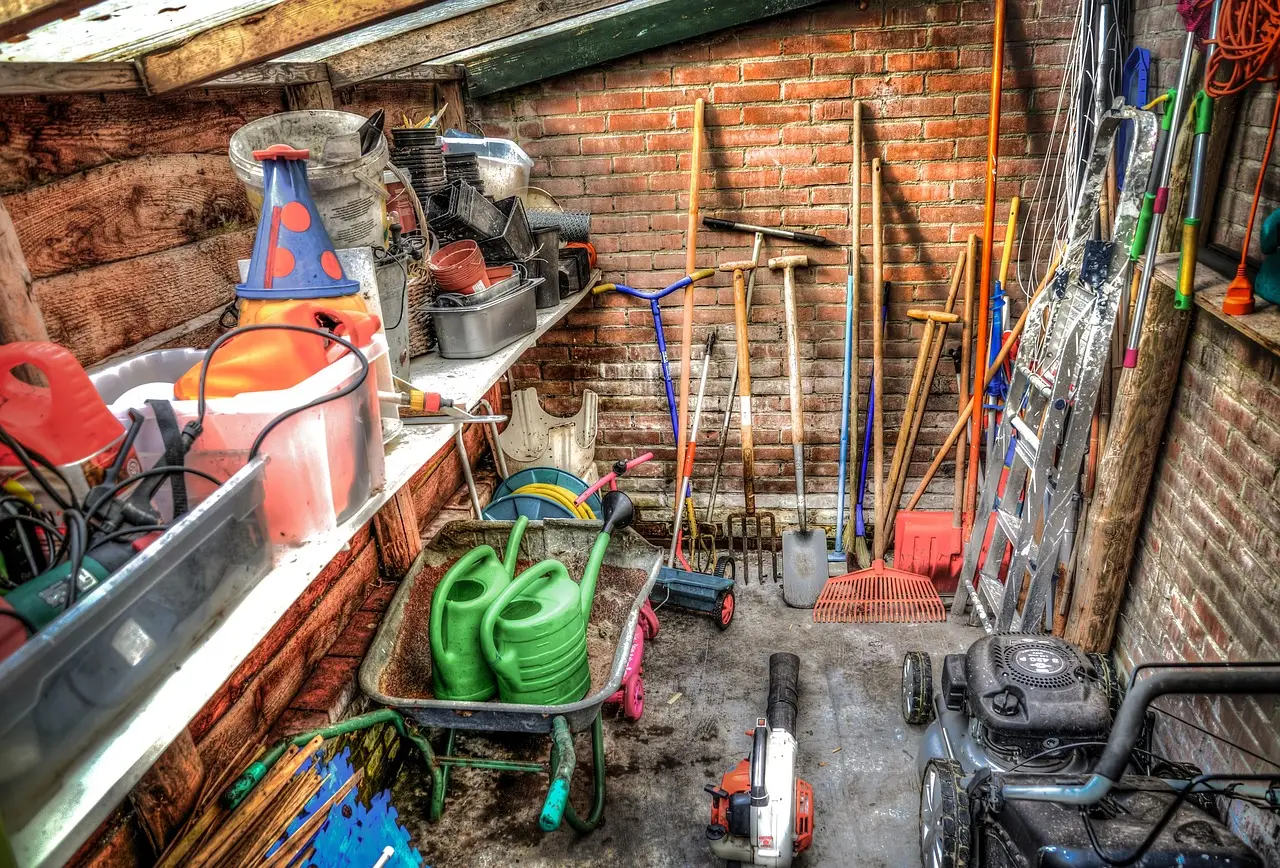
The core principle is physical separation by chemical category. Herbicides and fertilizers should be stored in a separate cabinet or locker to prevent cross-contamination. Metal shelves, which are easier to decontaminate, are preferred. The choice of shelving material matters as much as the placement, since porous wooden shelves can absorb spilled chemicals and create secondary contamination risks.
Pesticides and fertilizers should be stored in a secure, well-ventilated area such as a lockable shed. Keep them away from food, animal feed, and household items. The storage area should be cool and dry, and the chemicals should be kept out of direct sunlight. Containers should be tightly sealed and clearly labeled.
Good ventilation removes excess heat, chemical vapors, and moisture from the storage area. Operation at a continuous low-speed rate of about one room volume change per hour helps prevent a buildup of toxic fumes. A single extractor vent or small fan can make a meaningful difference in a typical garden shed.
Always Read the Label Before You Store, Not Just Before You Spray

Different chemicals can react and cause a container to burst. See the label on the bottle for compatibility information, as this will tell you what it cannot be mixed with. Most gardeners check labels before spraying, but fewer check them when putting products away. That is where the habit needs to change.
Pesticides are heavily regulated by the Environmental Protection Agency. By law, the labels must contain safety information including directions for disposal. The label is also the clearest guide to storage incompatibilities, and it is legally required to include that information for a reason.
Final Thoughts

The two garden sprays you should never store on the same shelf are, broadly, any herbicide spray kept beside a fungicide or fertilizer-based spray. The chemistry that makes each of these products effective at its specific job is exactly what makes them incompatible as neighbors on a shelf. Vapor, temperature, and accidental contact all contribute to a risk that builds silently over time.
The fix is genuinely simple: separate shelves, clearly labeled, in a cool and ventilated space, with each product category kept apart. What takes two minutes to reorganize today could prevent a damaged crop, a contaminated spray, or something considerably worse down the line. The label on every bottle in your shed already contains most of what you need to know. The only question is whether you have actually read it.
AI Disclaimer: This article was created with the assistance of AI tools and reviewed by a human editor.