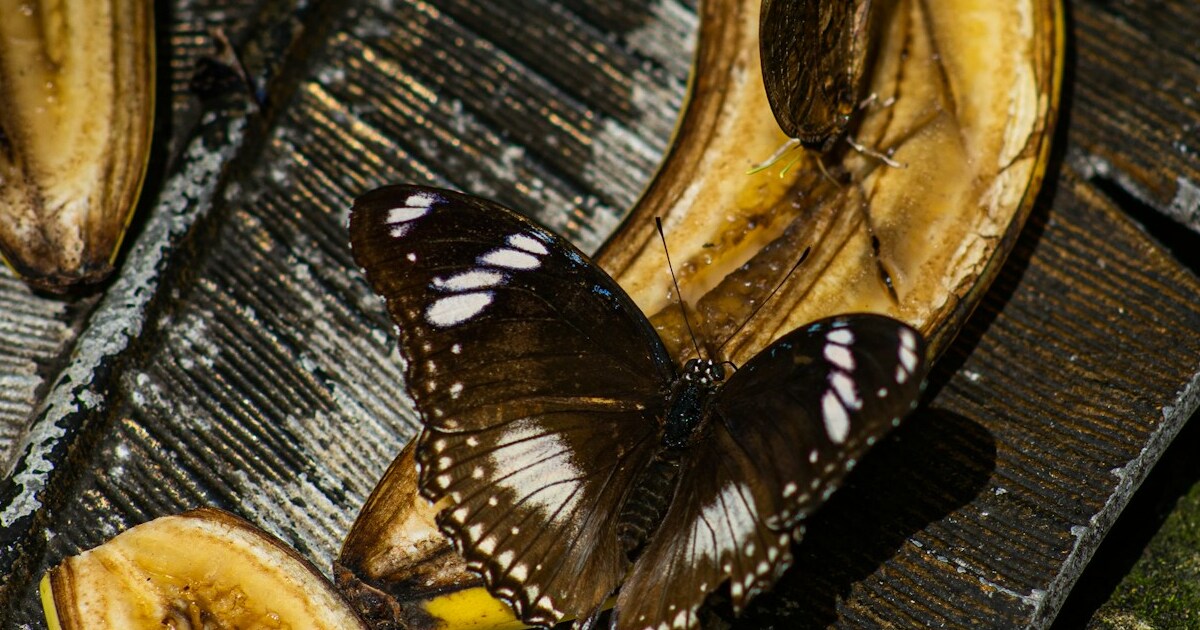

If you’ve ever wondered whether tossing your banana peels into the garden is doing any good, you’re not alone. The idea is tempting—after all, they’re organic, loaded with potassium, and already destined for the compost. Gardeners everywhere have heard the buzz: banana peels can boost blooms, feed tomatoes, and revive houseplants! But let’s take a deeper look at the actual science and practice behind using them as fertilizer. Because as much as I love a good natural remedy, not everything we recycle into the soil works the way we think it does.
I know how frustrating it is to feel like you’re doing everything right—adding scraps, feeding your plants, keeping it organic—only to see no real improvement or, worse, end up attracting pests. Banana peels can be beneficial, but there are some key caveats. Whether you’re burying them whole or making banana peel tea, it’s worth knowing what you’re getting into before you start dropping peels around your plants like golden tickets.
They Decompose Slowly in Soil

One of the biggest issues with using banana peels directly in the soil is how long they take to break down. If you bury a whole peel at the base of your tomato plant, it might still be recognizable weeks later. During that time, it’s not releasing nutrients effectively, and it can actually create little pockets of rot or mold that draw pests or fungi into your garden.
I’ve dug up peels I buried three weeks prior only to find them nearly intact! It’s such a bummer when you think your plants are being fed but all that goodness is locked away in an undecomposed package. If you really want those nutrients to be available quickly, you’re better off chopping the peels into small pieces or composting them first, which helps accelerate the process.
They Can Attract Pests

Oh, the number of times I’ve dealt with ants, fruit flies, or even raccoons thanks to buried banana peels! While they smell sweet to us, they’re a beacon for critters looking for easy food. I’ve had raccoons dig up my garden beds overnight just to retrieve a half-decomposed peel. Not exactly the fertilizer boost I was going for.
Banana peels contain sugars that appeal to a wide range of pests, and once the scent is in the air—especially in warmer climates—it’s game on. This is particularly frustrating if you’re already battling squirrels or rodents. If you do decide to use peels, keep them buried deep and in moderation, or compost them thoroughly first to mask the scent and reduce pest traffic.
Nutrients Aren’t Immediately Available
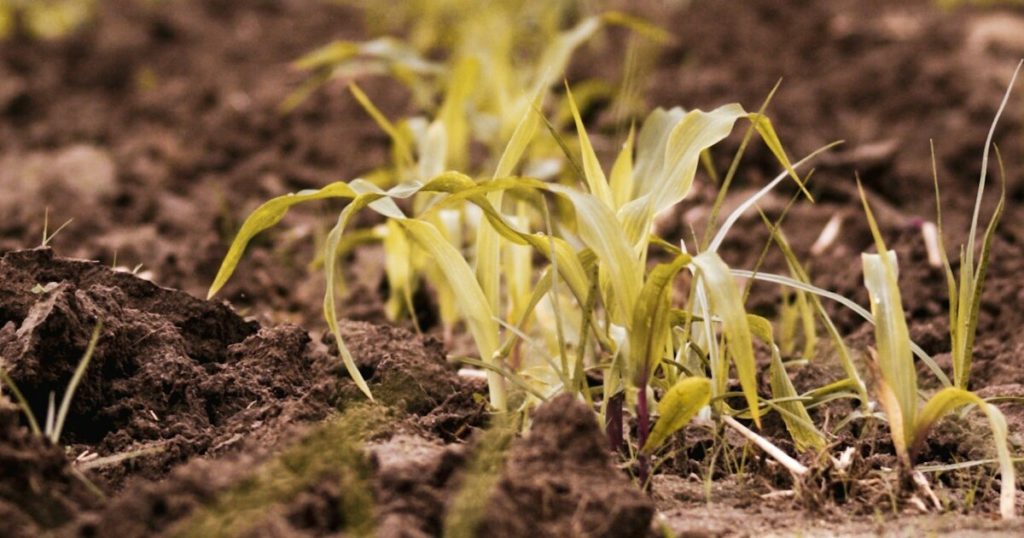
While banana peels are famous for their potassium content, that nutrient isn’t instantly accessible to plants. Unlike store-bought fertilizers, where nutrients are water-soluble and fast-acting, peels need to decompose first to release those goodies into the soil. That process can take weeks, especially if the soil is dry or your local microbial life is sluggish.
This can be disappointing if you’re expecting fast results. I know how tempting it is to throw in a peel and hope for bigger blooms in a few days, but unfortunately, that’s not how it works. You’ll get more reliable results by adding the peels to a well-balanced compost pile where beneficial microbes can do the hard work of breaking everything down efficiently.
They Don’t Replace a Balanced Fertilizer
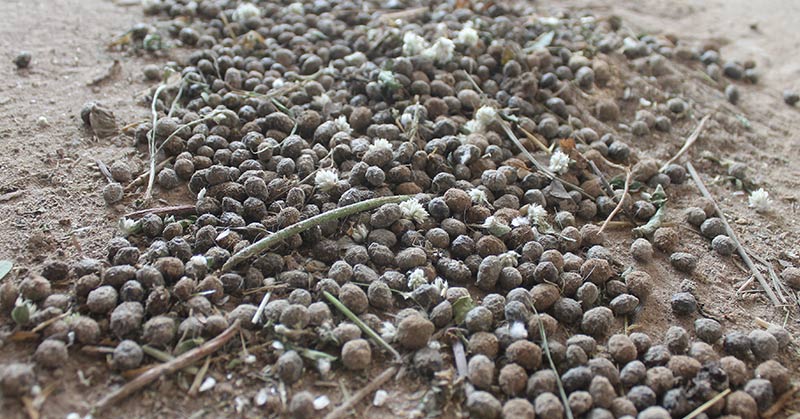
It’s a nice thought that banana peels alone could nourish your entire garden, but they don’t contain nitrogen—one of the most important nutrients for leafy green growth. Without enough nitrogen, plants can end up leggy, pale, or stunted. Banana peels are primarily a source of potassium, with some phosphorus and calcium thrown in, but they’re no substitute for a well-rounded fertilizer plan.
If you’re relying solely on banana peels, you may unintentionally create a nutrient imbalance over time. I’ve seen people toss peels under roses or fruit trees expecting lush growth, only to wonder why nothing is thriving. You’ll need to supplement with compost, aged manure, or other nitrogen sources if you’re serious about plant health.
Banana Peel Tea Isn’t a Miracle Solution
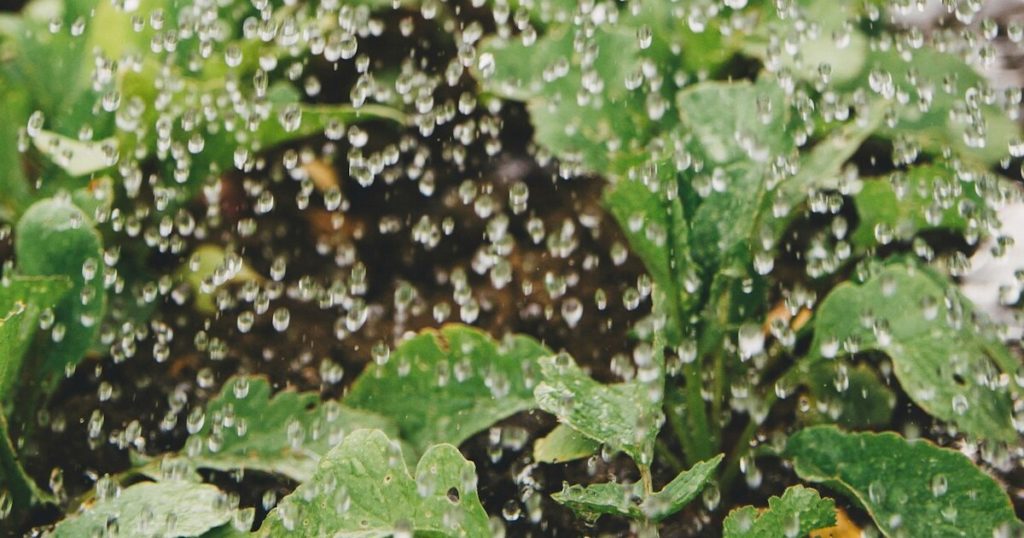
There’s a lot of hype around banana peel tea—soaking peels in water and using the resulting liquid to “feed” plants. It’s certainly easy and feels wonderfully homemade, but there’s little scientific evidence that it does much. Potassium and phosphorus aren’t highly water-soluble in their natural form, so most of those nutrients stay in the peel, not the water.
That doesn’t mean banana tea is harmful, but I’ve tested it myself and didn’t notice any real difference between treated and untreated plants. If you want to try it, go for it—but manage your expectations. You may be better off composting the peels and using finished compost tea, which contains a much broader range of nutrients and microbes.
They Can Throw Off Indoor Soil Conditions

Houseplants are a whole different game. Adding banana peels to container soil indoors can quickly lead to gnats, mold, and unwanted smells. Unlike an outdoor bed, your potting soil doesn’t have the same microbial life or environmental buffers to break down organic matter quickly and cleanly.
I made the mistake of burying half a banana peel under my potted monstera a few years ago—never again! Within a week, the soil smelled off, and I had a swarm of fungus gnats flying around my living room. For indoor plants, composted material or liquid organic fertilizers are a much safer choice.
Bananas Themselves Are Not Native to Most Growing Zones

Bananas are native to Southeast Asia and are cultivated across tropical and subtropical regions, particularly in Central and South America, Africa, and India. They aren’t invasive in the typical sense, but their cultivation has raised ecological concerns due to large-scale monoculture farming. That means your banana peel may come with a heavier footprint than expected.
From a sustainability perspective, it’s good to use every part of the fruit you can, including the peel—but context matters. If you’re importing bananas halfway across the world only to use the peels in the garden, that might not be the most efficient use of resources. Composting those peels keeps them out of the landfill, but expecting them to function as a magic fertilizer is a stretch.
Overuse Can Create Imbalance or Rot
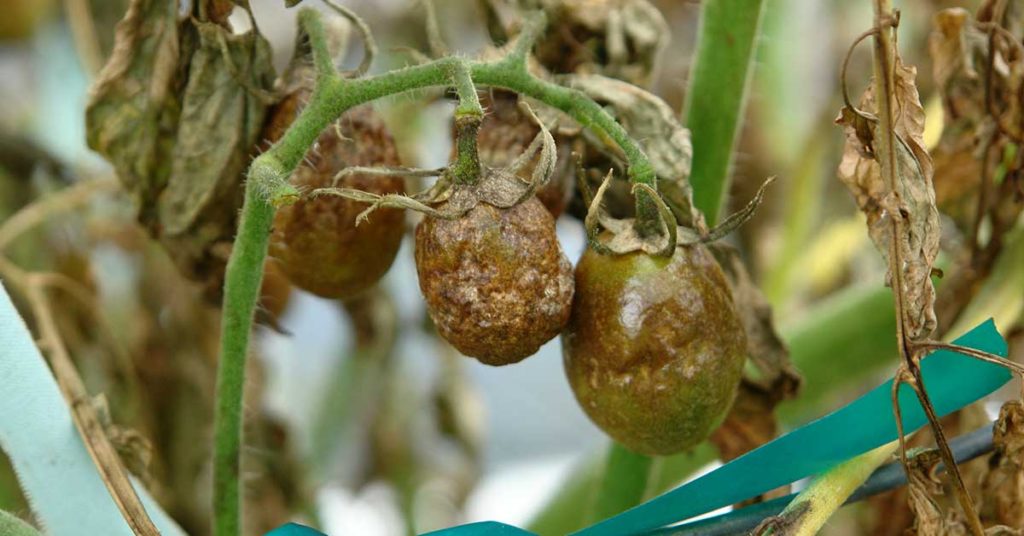
Even organic material can cause harm if used excessively. If you bury too many banana peels around the root zone of your plants, especially in a small space, it can lead to anaerobic rot or fungal blooms. That rotting organic matter takes up oxygen, and roots need oxygen to function properly!
I once tried to plant an entire row of tomatoes with one peel each, thinking it would be a natural fertilizer boost. Instead, several plants ended up with blackened lower stems and root damage due to localized rot. It’s such a shame when good intentions create root zone chaos. Always use moderation and consider breaking the peels down first in compost to avoid creating imbalance.
They’re Better as Part of a Larger Compost Strategy

If I had to sum it up, I’d say banana peels are great—but only when they’re part of a broader composting plan. In a well-managed pile, they break down quickly, attract beneficial microbes and earthworms, and contribute to the creation of nutrient-rich humus that your garden will thrive on. This method also avoids the pest, odor, and nutrient imbalance issues that come with burying them directly.
I’ve found banana peels work best when mixed with brown materials like dried leaves, cardboard, or straw. This keeps the carbon-nitrogen balance in check and speeds decomposition. The resulting compost supports all kinds of life in the soil—from worms and beetles to birds that come in to feed on them. It’s a win-win for soil health and garden productivity.