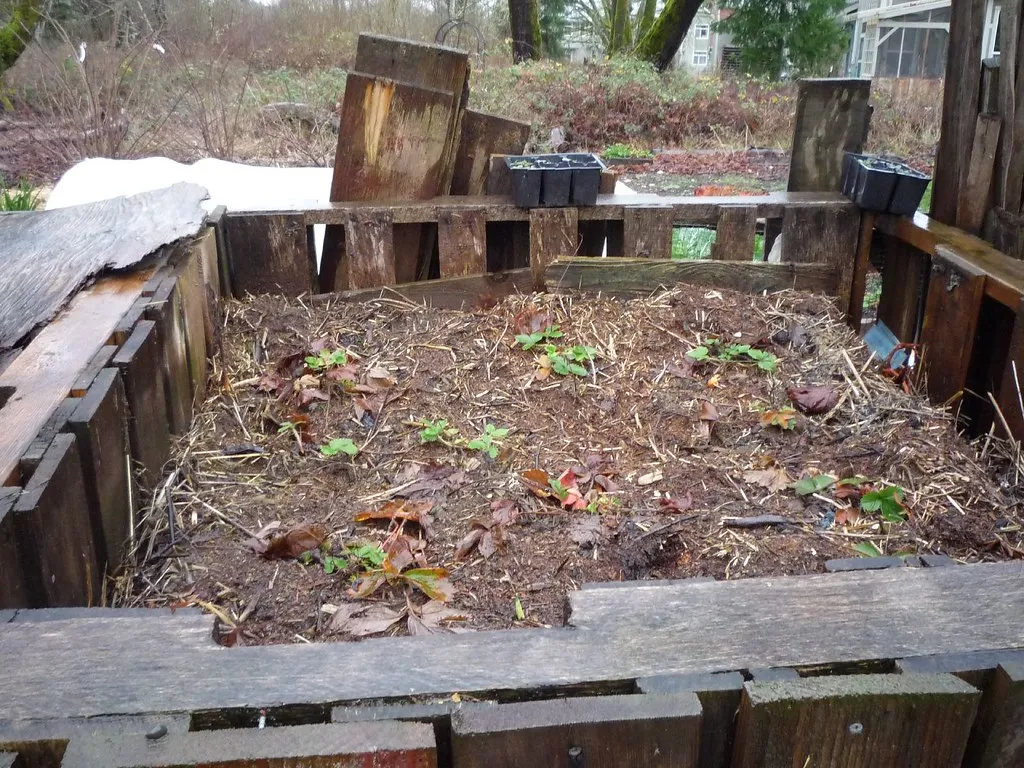

You grab a compostable coffee cup from the office kitchen, feel quietly good about it, and toss it into your backyard compost bin on the way home. It’s a familiar routine. The word “compostable” is printed right there on the label, so the logic seems airtight. Except it isn’t.
The gap between what that label promises and what actually happens in your bin is wider than most people realize. Research from 2024 and 2025 has added considerable detail to a story that the packaging industry has been slow to tell plainly. What follows cuts through the marketing language and gets into what the science actually shows.
The Label Says “Compostable,” But Compostable for Whom?
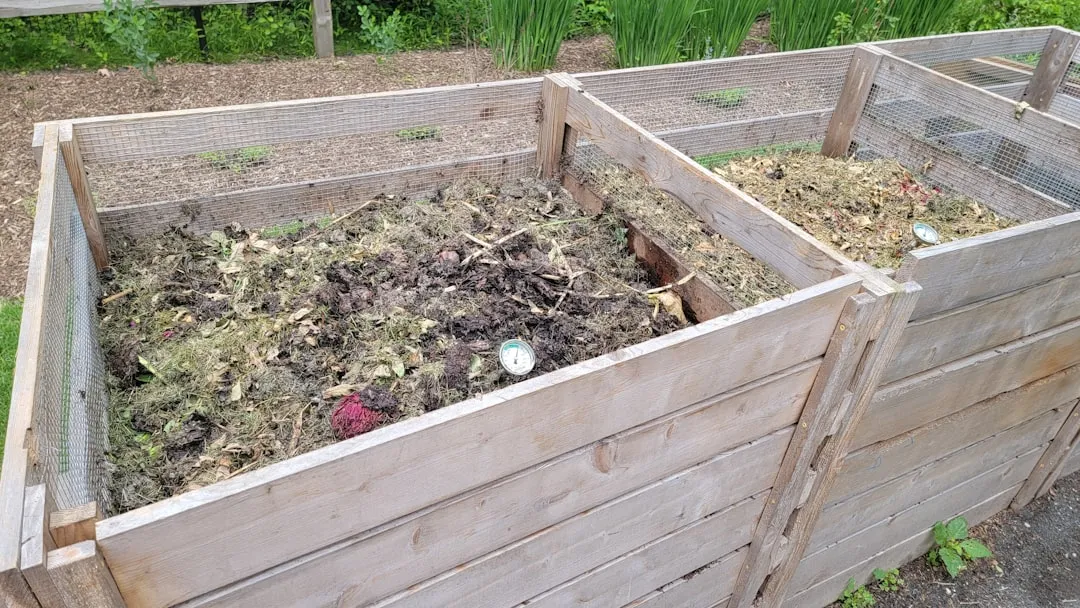
Plastic that is compostable is biodegradable, but not every plastic that is biodegradable is compostable. Whereas biodegradable plastic may be engineered to biodegrade in soil or water, compostable plastic refers specifically to biodegradation into soil conditioning material under a certain set of conditions. That distinction is everything.
In order for a plastic to be labeled as commercially “compostable,” it must be able to be broken down by biological treatment at a commercial or industrial composting facility. Your backyard bin is not that facility.
Unless the label specifically indicates that the product is okay for home composting, you should not try to compost it at home. Most products on the shelf carry no such clarification, which is where the confusion begins.
What PLA Actually Needs to Break Down
Polylactic acid (PLA) is a popular compostable plastic used to make drinking cups, clamshell containers, and plastic cutlery. It requires temperatures of 140°F (60°C) to decompose, which is much hotter than a backyard compost bin can maintain long enough and throughout the complete pile.
Commercial composting facilities carry out composting in closed chambers and routinely reach the higher temperature needed; however, many of these facilities run on a 30-day cycle, and PLA takes 60 to 90 days to decompose. At the end of 30 days, the plastic is still intact and gets filtered out and sent to landfill.
Many consider PLA to be biodegradable, but it’s not in a landfill setting. PLA is also very stable in soil and water. So even when it escapes the compost route entirely, it doesn’t quietly disappear.
The Industrial Composting Infrastructure Gap
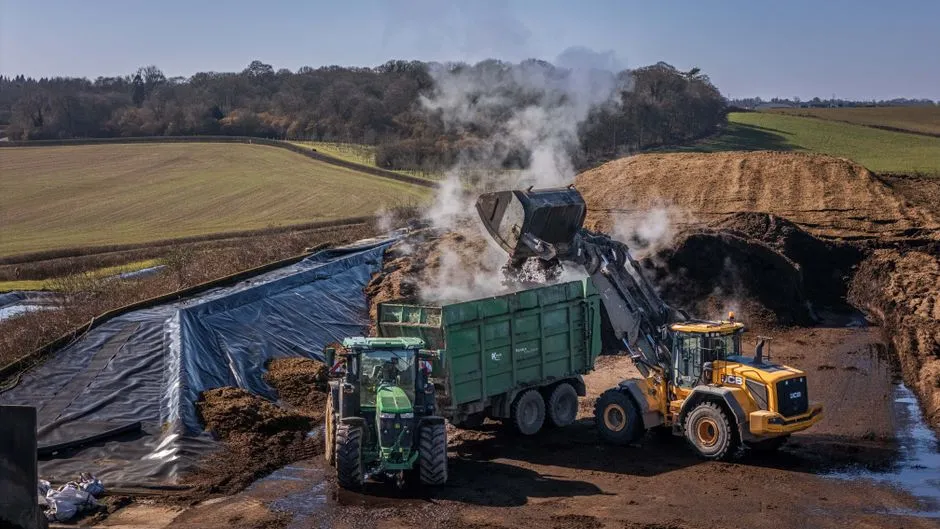
The U.S. has nearly 5,000 composting facilities, but only about 150 to 300 accept food scraps and packaging. That figure puts the infrastructure problem into sharp focus.
According to a Beyond Plastics report, most U.S. commercial and municipal composters don’t accept compostable packaging, with only 46 of 173 U.S. industrial composters reporting they do. That’s a sobering fraction.
One reason is that organic farms, the main customers of composting facilities, aren’t allowed under current U.S. Department of Agriculture rules to use compost derived from compostable bioplastic packaging, due to chemical contamination and bioplastic debris concerns. The downstream market for the finished compost is itself closed off.
Microplastic Contamination in the Compost Pile
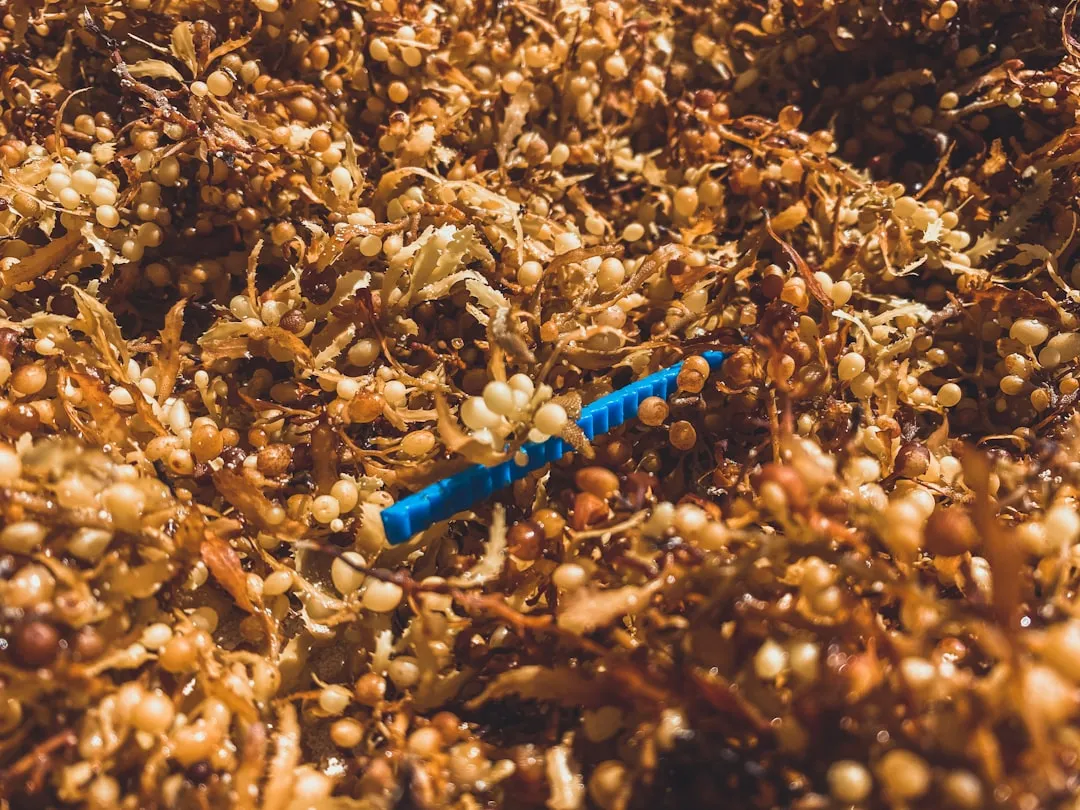
A 2024 paper in Environmental Sciences Europe showed that compostable plastic bags can fragment into microplastics ranging from 1 to 25 micrometers in composting environments within just a week. Many compostable plastics are designed for industrial composting, but they often do not fully compost under typical home composting or in soil and natural conditions.
Research published in 2025 in Scientific Reports found microplastics present in compost products, with an average of roughly 138 microplastic particles per kilogram of dry compost. The fragments don’t simply vanish into the soil.
A UK citizen science assessment known as “The Big Compost Experiment” showed that roughly three in five “home-compostable” items failed to disintegrate after 6 months in home composts, highlighting the gap between certification tests and real home conditions.
The PFAS Problem Nobody Talks About
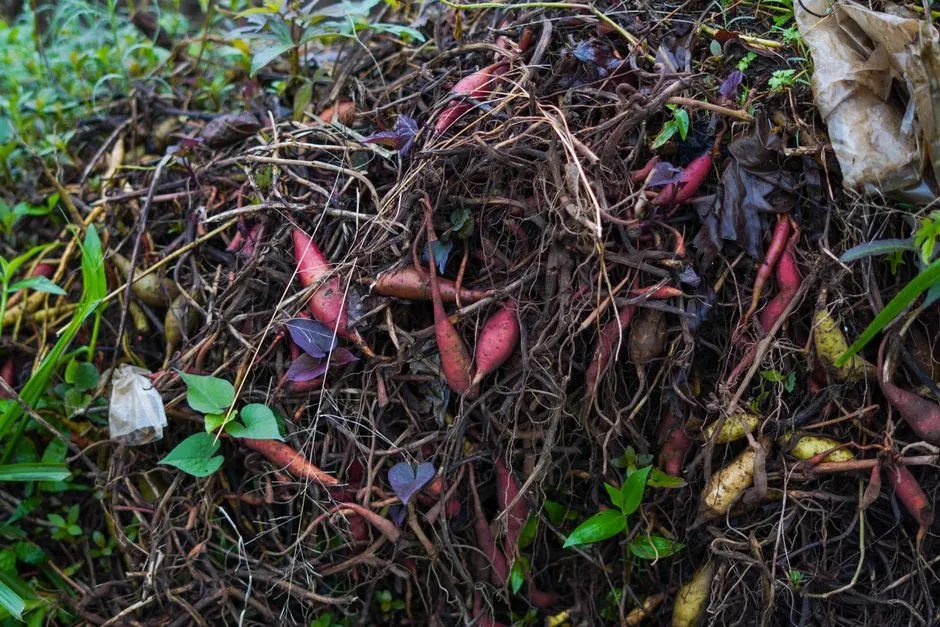
An additional concern with plant-based or other food serviceware labeled as “compostable” is the potential for PFAS to contaminate the environment via compost. Researchers investigated finished compost made from manure and food serviceware labeled “compostable” generated at a large fair, and detected PFAS compounds in all three tested samples.
Finished compost made from manure and food serviceware labeled “compostable” was found to contain 12 or 13 of 28 targeted PFAS compounds, in total concentrations ranging from 209 to 455 micrograms per kilogram. These are the same chemicals regulators call “forever chemicals” because of how they persist in the environment.
Research findings suggest that food packaging exposes people directly to PFAS, which have been linked to serious health effects including increased cancer risk and immune system damage. Once discarded packaging enters waste streams, PFAS enter the environment, where these forever chemicals will never break down.
How Certification Standards Actually Work
ASTM Standards D6400 and D6868 outline the specifications that must be met in order to label a plastic as commercially “compostable.” There are currently no ASTM standard test methods in place for evaluating the ability of a plastic to compost in a home environment.
The BPI seal confirms a product meets ASTM D6400 standards and will break down safely in commercial composting facilities, requiring full biodegradation and disintegration, no eco-toxicity, and safe residue-free compost. TÜV Austria offers two distinct labels: OK Compost INDUSTRIAL for high-heat commercial composting at 55 to 60°C, and OK Compost HOME for ambient-temperature home composting at 20 to 30°C.
Home compost certification is extremely rare for standard PLA, as it requires special enzyme-enhanced formulation. When you see a general “compostable” claim with no logo, it almost certainly means industrial conditions only.
The Regulatory Vacuum That Enables Greenwashing
No federal standards define or regulate bioplastic, biodegradable, or compostable products. Most states do not require “compostable” products to be certified, which leads to consumer confusion. Manufacturers can label products as biodegradable or compostable without meeting any standards.
The FTC requires that any compostability claim be specific, substantiated, and qualified. Saying “compostable” without specifying whether a product requires home or industrial composting, or without holding a valid certification, is considered misleading under current guidelines. The rule exists. Enforcement is another matter.
Persistent knowledge gaps, including confusion over terms like bio-based, biodegradable, and compostable, misperceptions about recycling and end-of-life, price sensitivity, and distrust fueled by greenwashing, significantly influence both purchase and disposal behavior.
The Carbon Footprint Question
Although compostable and bioplastic packaging and serviceware are touted as being environmentally friendly, they may have even greater environmental impacts than their conventional plastic counterparts. That finding tends to get left out of the marketing conversation.
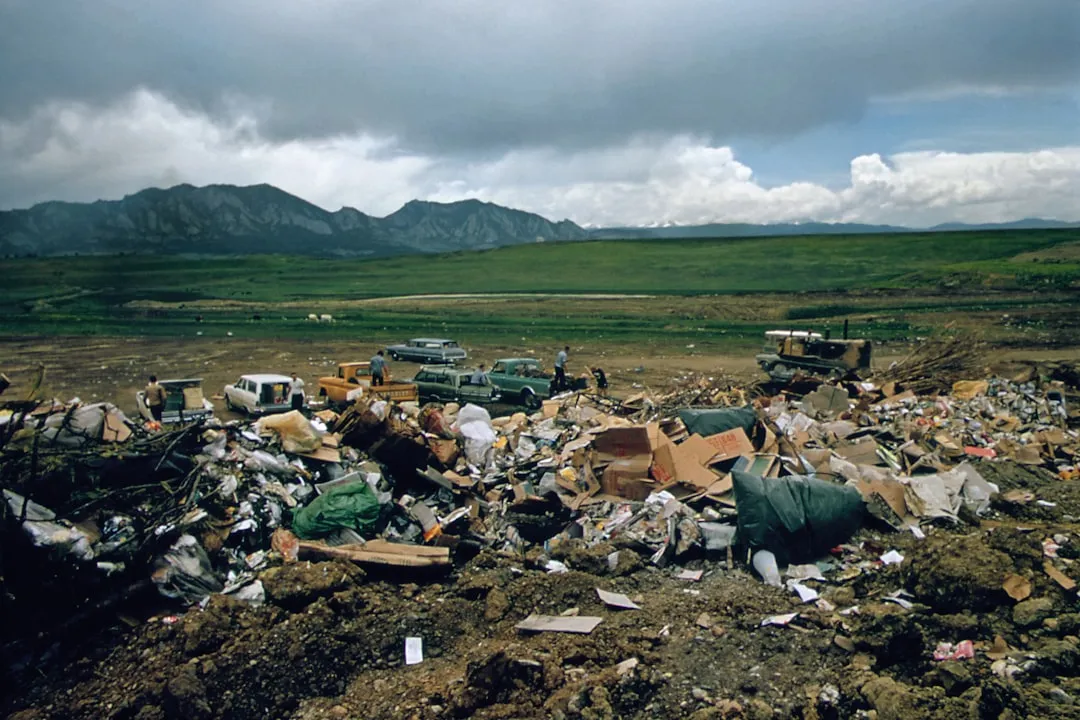
If compostable items end up in a landfill, they are unlikely to decompose due to lack of oxygen and microbial activity, potentially releasing methane, a potent greenhouse gas, as they break down anaerobically. The green promise dissolves entirely under those conditions.
A compostable cup thrown into regular trash might end up in a landfill, where it won’t break down any faster than conventional plastic. Even worse, when these materials enter the recycling stream, they can contaminate entire batches of recyclables.
What the Composting Industry Actually Wants
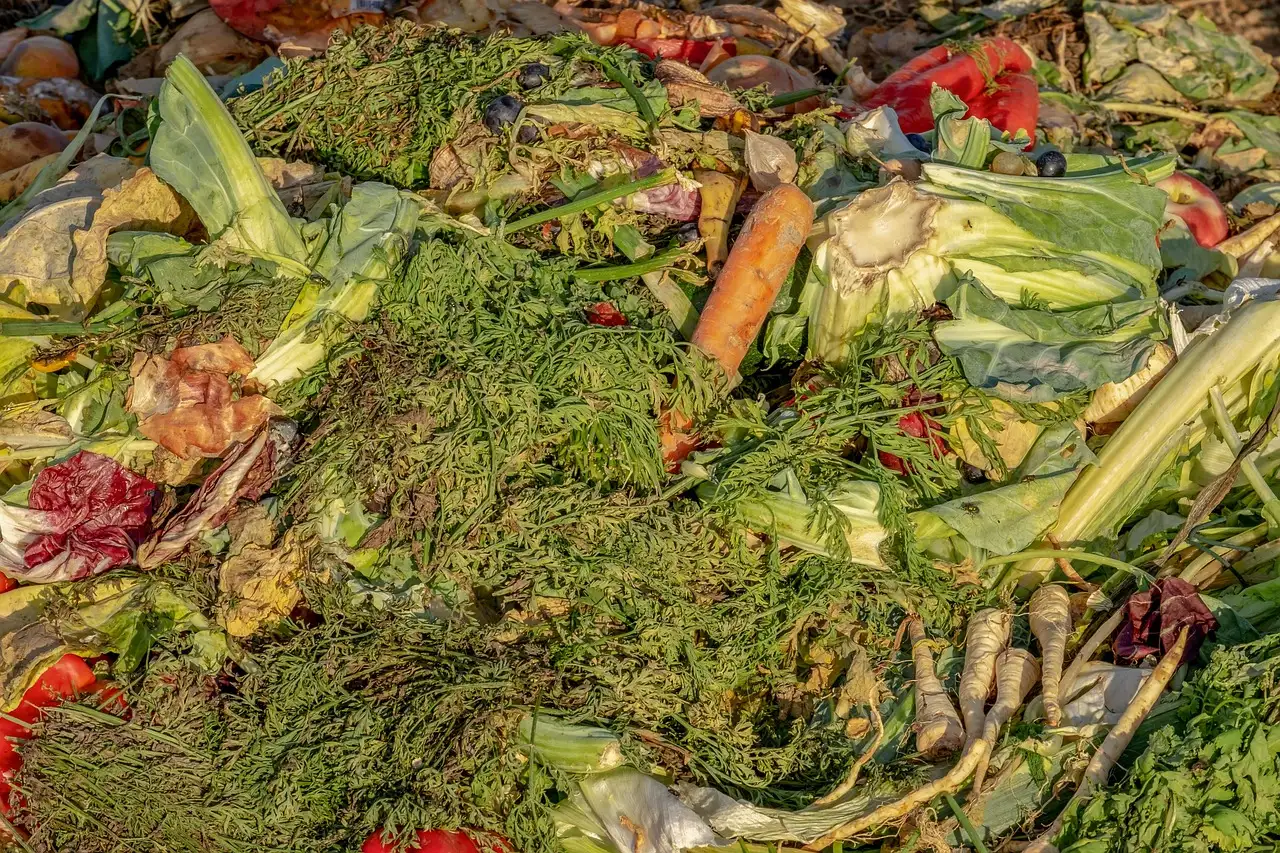
A February 2024 report by the Composting Consortium found that removing contaminants can comprise up to a fifth of a composting facility’s operating costs. That’s a significant financial burden, driven largely by misidentified materials arriving in the wrong bins.
Biogas facilities, for example, remove all plastic wrapping, including bioplastics, from food waste and landfill it, thus negating the supposed benefit of using compostable foodware in the first place.
According to waste management professionals, bioplastics don’t add any nutrient value to compost and even harm the final product. The compost industry isn’t asking for more compostable plastics. It’s asking for cleaner food scraps.
What You Should Actually Do
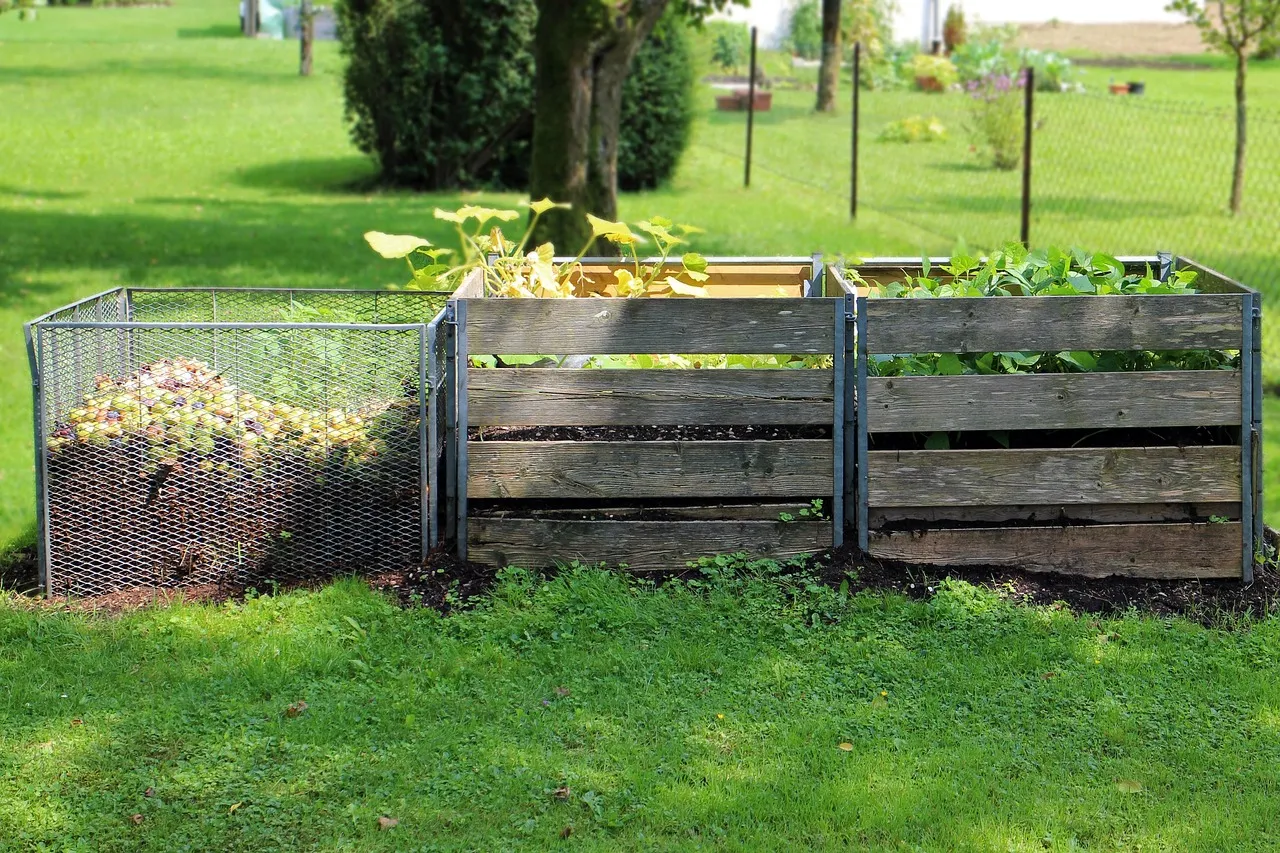
The Biodegradable Products Institute used to only certify items for industrial composting but, in September 2025, launched a certification for items that are compostable both in commercial facilities and at home. To earn the new certification, products must break down completely in the lower temperatures of backyard composting environments, in addition to meeting existing certification criteria. That’s a meaningful step forward.
When plastics are truly necessary, Beyond Plastics recommends looking for GreenScreen or Cradle to Cradle certified products free of hazardous chemicals, while ensuring “compostable” plastics are either certified backyard compostable or accepted by a local commercial composting facility.
As more products become labeled “compostable,” there’s a growing need for clear education on what can and cannot go into a home compost system. The trend in 2025 and 2026 is toward greater clarity: understanding that “compostable” packaging might require industrial facilities, not your backyard bin.
The Bigger Picture
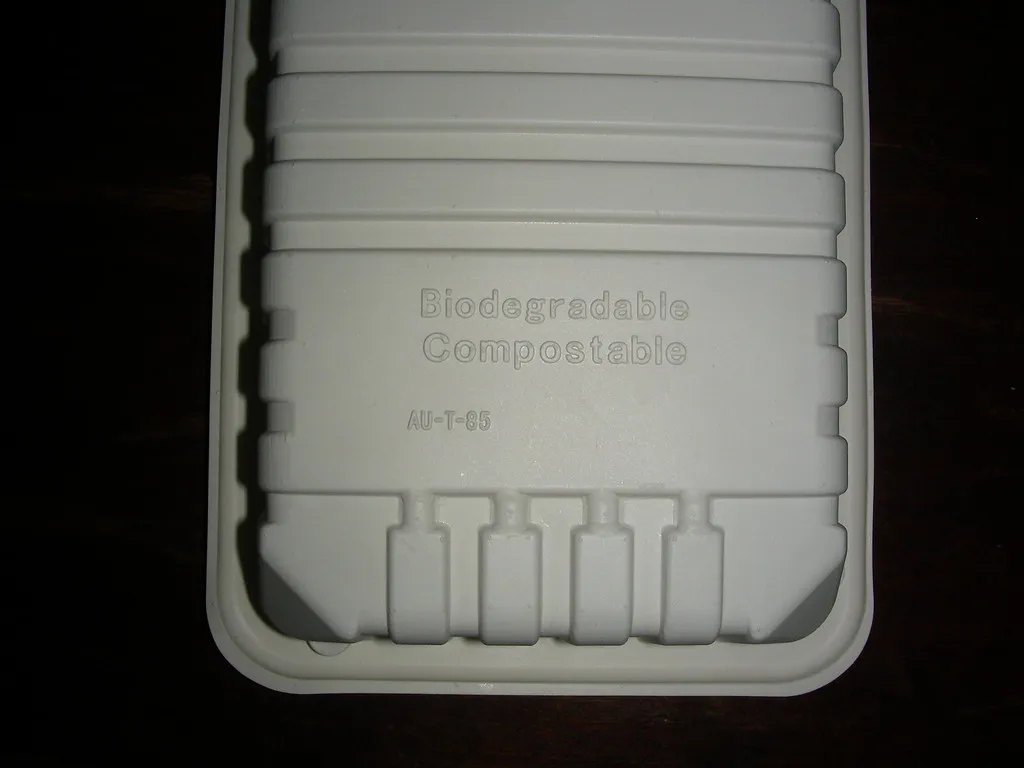
The “compostable” label is not a lie, exactly. It’s an incomplete truth delivered in a way that fills a marketing need more than an environmental one. The global market for bioplastics is expected to grow from roughly 2.47 million tonnes in 2024 to 5.73 million tonnes by 2029. That growth makes clearer labeling more urgent, not less.
The green promise relies heavily on infrastructure that doesn’t yet exist in most places. Until local composting systems can actually handle these materials, and until labels clearly distinguish between home and industrial composting, the conscientious consumer is largely left guessing.
The honest takeaway is this: check for a specific home-composting certification logo before anything goes into your backyard bin. If you can’t find one, the bin in question is almost certainly the trash.
AI Disclaimer: This article was created with the assistance of AI tools and reviewed by a human editor.