
Know Your Window and Work Within It
Timing is the foundation of any good route plan. For Halloween 2026, which falls on a Saturday, trick-or-treating typically starts between 5:30 PM and 6:00 PM, with peak activity around 7:00 PM and many neighborhoods wrapping up by 8:00 PM or 8:30 PM. That gives you a practical window of roughly two and a half hours at most.
The busiest period in many neighborhoods is roughly 6:00 to 8:00 PM, when younger children who started early overlap with elementary-school children and older groups heading out after dinner. Getting out closer to 5:30 PM lets you work the early stretch while foot traffic is lighter and candy bowls are still full.
The later it gets, the more likely you will encounter people running out of candy. Starting early is simply one of the most reliable advantages a family can give themselves.
Prioritize Density Over Distance
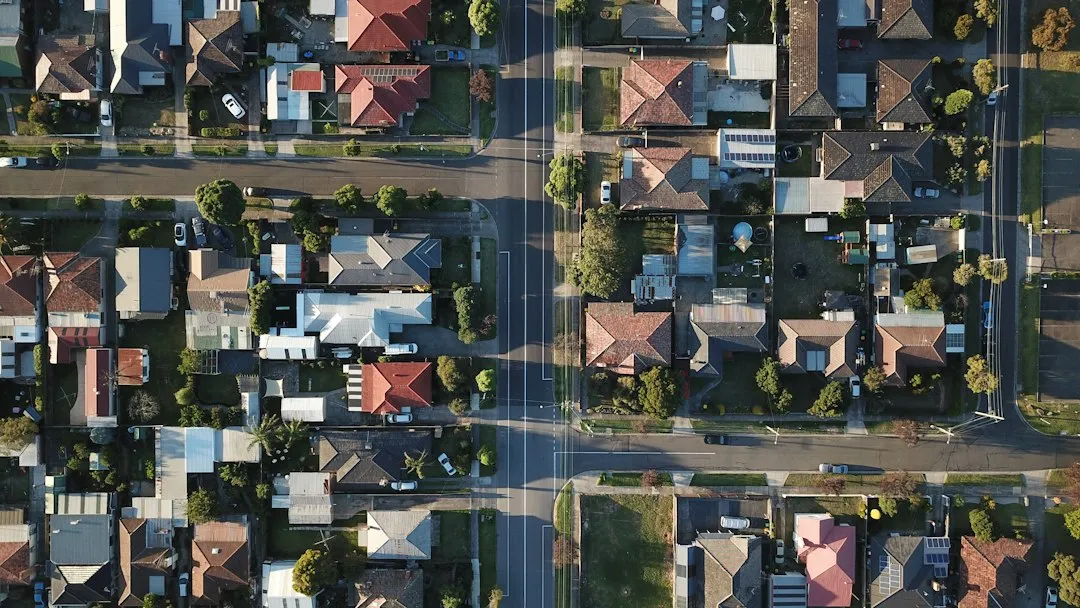
One of the most common mistakes is targeting houses that look impressive from the street but are set far back with long driveways. What makes an area good to trick-or-treat comes down to lots of kids aged 5 to 14, a high share of single-family or two-unit homes where you can easily knock on doors from the street, and how close those homes are together.
Single-family detached homes with visible porch space are the most efficient targets. These structures typically dedicate an entire night to door-to-door distribution, whereas urban condos or apartments often limit access to lobbies or single outposts. The goal is maximizing the number of doors per block, not the impressiveness of any single house.
Dense clusters of two-story homes mean a high candy yield per step. This is the metric worth chasing.
Scout the Neighborhood in Advance
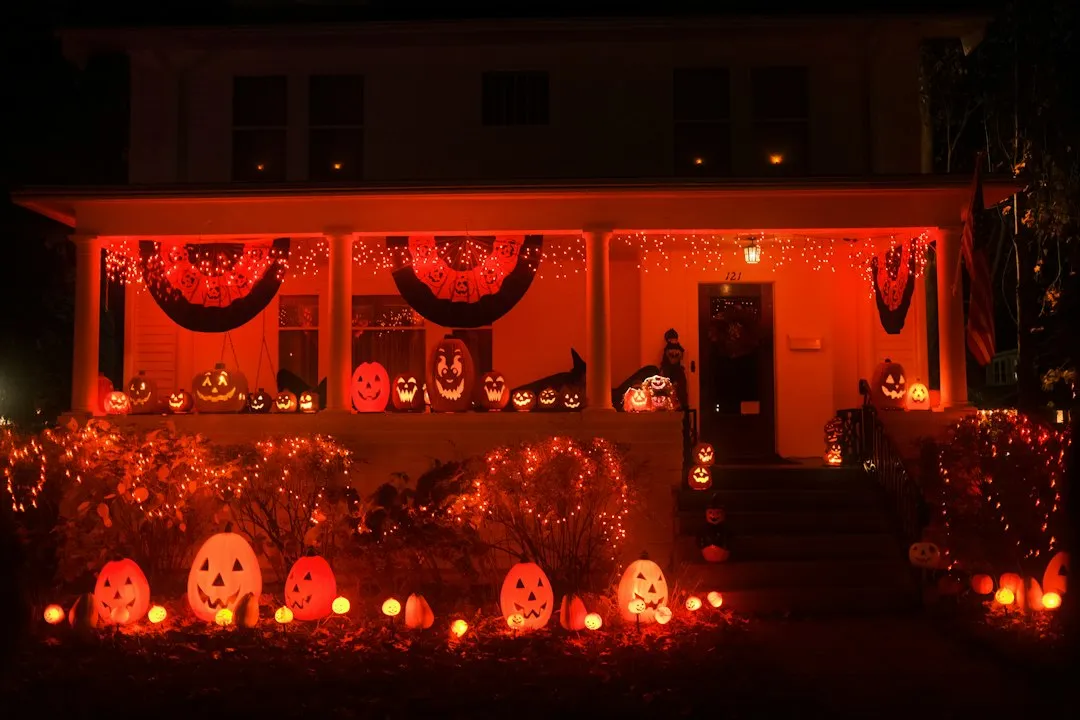
A quick 20-minute walk or drive through a neighborhood in the days before Halloween tells you a lot. Decorations signal participation. Several neighborhoods are known for going all-out for Halloween, with large-scale decorations and lots of candy. Pumpkins on porches, inflatable displays, and string lights are reliable signs that the household will be answering the door on October 31st.
The most important signal on the night itself is the porch light. If the outdoor lights are off, pumpkins have been extinguished, or the homeowner has gone inside, skip that house, even if other homes nearby are still participating.
Checking apps like Nextdoor or local Facebook groups before Halloween can also surface which streets are planning organized events or road closures, which concentrate candy-givers in one spot.
Choose the Right Type of Neighborhood
The most substantial candy hauls often ignore median household income and prioritize community density and Halloween-specific traditions. However, targeting more affluent areas remains a viable strategy for maximizing volume. The real nuance here is that participation matters more than wealth alone.
The key metric is not merely wealth but active participation in neighborhood holiday programs. Many wealthy enclaves organize block parties or assign specific streets for child safety, which concentrates resources on fewer homes. A well-organized middle-income street with high participation can easily beat a wealthy neighborhood where half the houses stay dark.
Zillow’s research on the best neighborhoods for trick-or-treating is based on four criteria: high home values, high population density, walkability, and low crime. Walkability especially matters because it affects how many doors a child can physically reach in an evening.
Plan a Loop, Not a Line
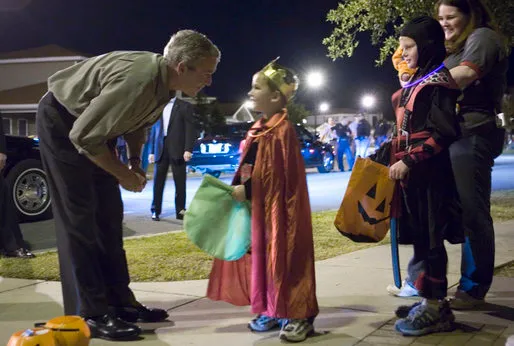
Route shape matters. A loop that starts and ends at the same point is more efficient than a back-and-forth approach, which eats time doubling over ground you’ve already covered. Plan the loop so the farthest point from your car or home is the midpoint, not the turnaround.
Some of the most seasoned trick-or-treaters visit multiple neighborhoods, staying out for several hours and bringing more than one bag or bucket for candy. Planning a route through two adjacent streets with high house density, rather than one long sprawling road, tends to yield more stops in the same amount of time.
Some neighborhoods have blocks that are closed to cars, so families can more safely roam between houses. These car-free streets are almost always worth prioritizing since kids can move faster and safely cross without waiting on traffic.
Watch the Participation Rate on Your Block
Most trick-or-treaters (roughly three quarters) stay within their own neighborhoods. That creates a familiar but often inefficient default. Most local neighborhoods have pockets of low participation mixed with genuine hotspots, and treating every street as equal wastes time.
Most adults in the U.S. are likely to give out some candy when children trick-or-treat at their house, but around one in five adults will pretend not to be home. Those dark or silent houses add up fast when you’re covering ground with young legs. Skip them without hesitation and keep moving.
A participation rate of roughly eight out of ten houses on a given block is the sweet spot. Streets above that threshold are worth prioritizing on your map.
Carry the Right Gear
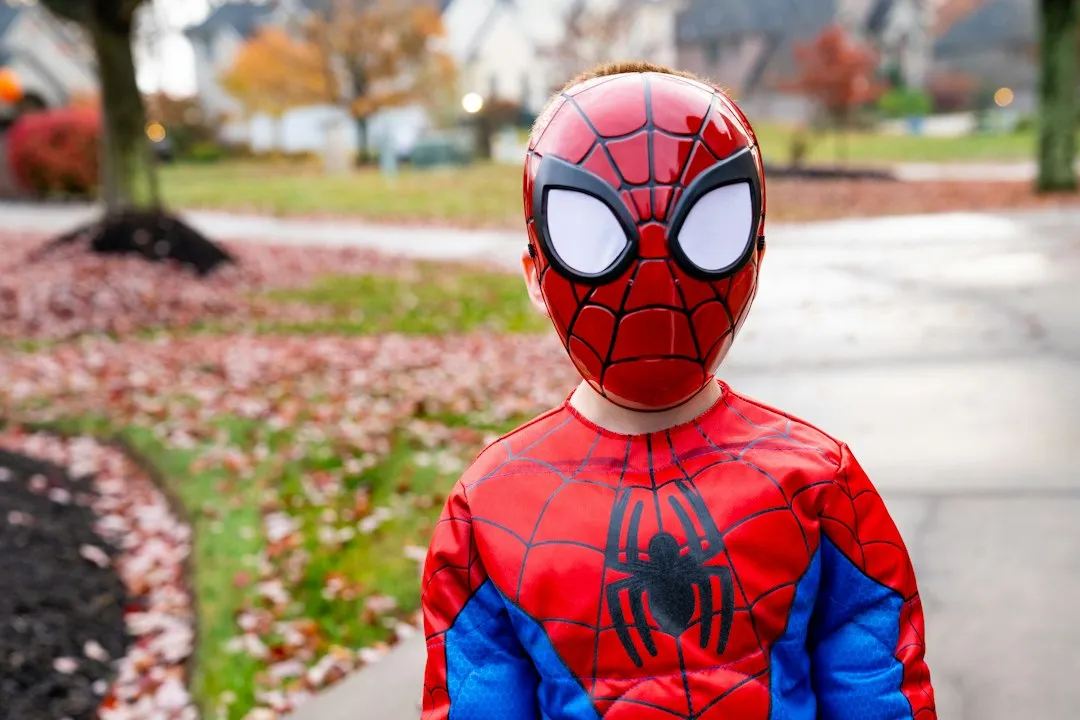
This is practical and often overlooked. Costumes that restrict movement, require frequent adjustments, or involve masks that block vision slow kids down considerably. Speed matters when you’ve got a limited window and a lot of ground to cover. Comfortable shoes over costume slippers can make a surprising difference over the course of two hours.
Bring a second bag. The average American purchases about four and a half bags of candy per season, and most opt for large or party sizes. Generous households may give handfuls rather than single pieces, and a bag that fills too quickly forces you to circle back early or call the night short.
A small flashlight or glow stick attached to the costume improves visibility and helps kids move faster across unlit yards, keeping the pace up through the later part of the evening.
Know What Candy Is Actually Being Handed Out
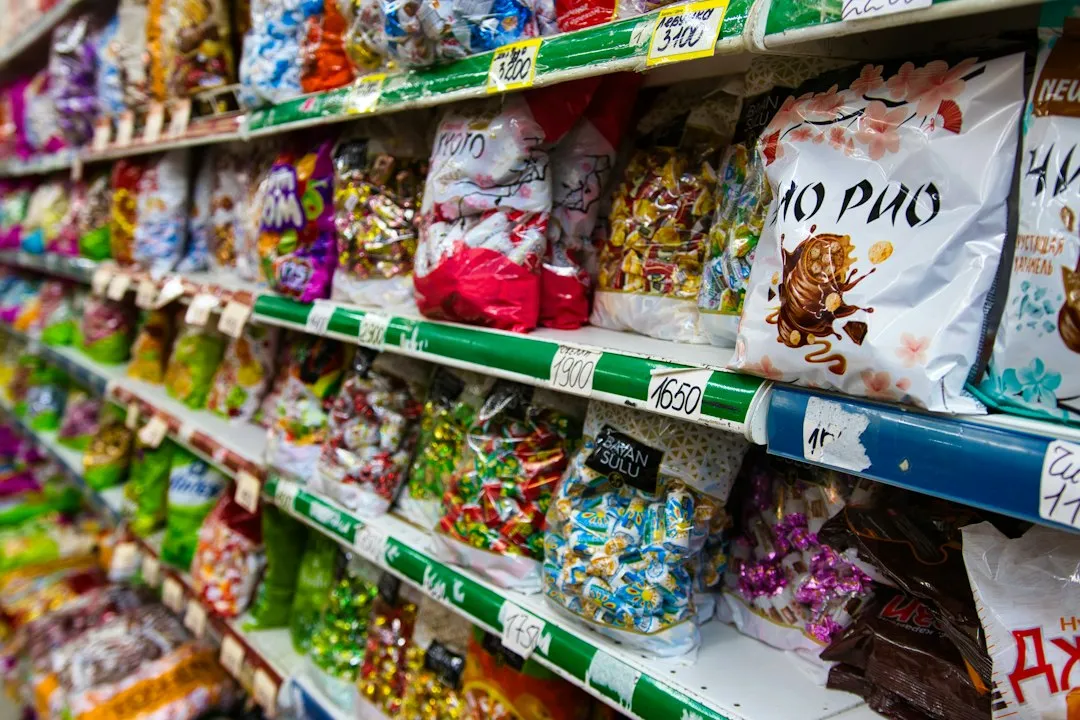
Understanding what households are likely to give can help you decide where to spend your limited time. Chocolate candies remain the most popular confection for trick-or-treating. Of those who plan to hand out treats, roughly three quarters of U.S. households say they will opt for chocolate candies, well ahead of gummy, chewy, or sour candies and hard candies.
Reese’s Peanut Butter Cups ranked as the most popular Halloween candy among both parents and kids. Neighborhoods with higher decoration investment tend to also stock more premium treats. It’s an imperfect but reasonably reliable signal.
Many consumers remain mindful of allergies when stocking up on packaged treats, and one third of U.S. households say that food allergens influence their Halloween plans. That group is more likely to hand out other types of candies than chocolates or peanut butter items. If your child has an allergy, checking in with neighbors in advance about what they’re handing out is well worth the small effort.
Time Your Route Around the Crowd Flow
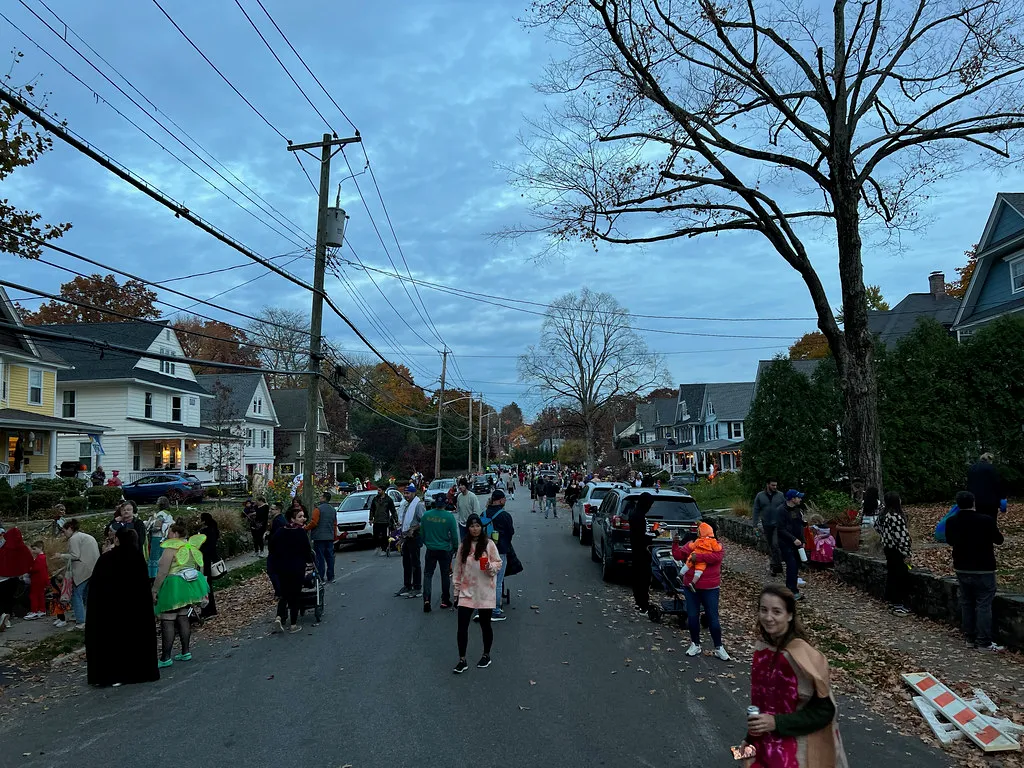
Peak crowd times create their own problems. Bottlenecks at popular houses, slow-moving groups blocking narrow sidewalks, and long waits on porches can eat minutes that add up quickly. Going slightly earlier than most families gives you the same candy availability with a fraction of the congestion.
For most families, trick-or-treating kicks off around sunset, typically between 5:30 and 6:00 PM. Many neighborhoods suggest starting after dinner to avoid interrupting family meals, with 6 PM being a popular start time. Getting out at 5:30 PM on the nose consistently puts you ahead of the biggest waves.
Younger children typically head home and traffic begins thinning around 8:00 to 8:30 PM. If your kids have the energy, this late stretch can actually be productive since some households start giving out larger portions to clear their remaining supply.
Use Trunk-or-Treat Events as a Supplement, Not a Replacement
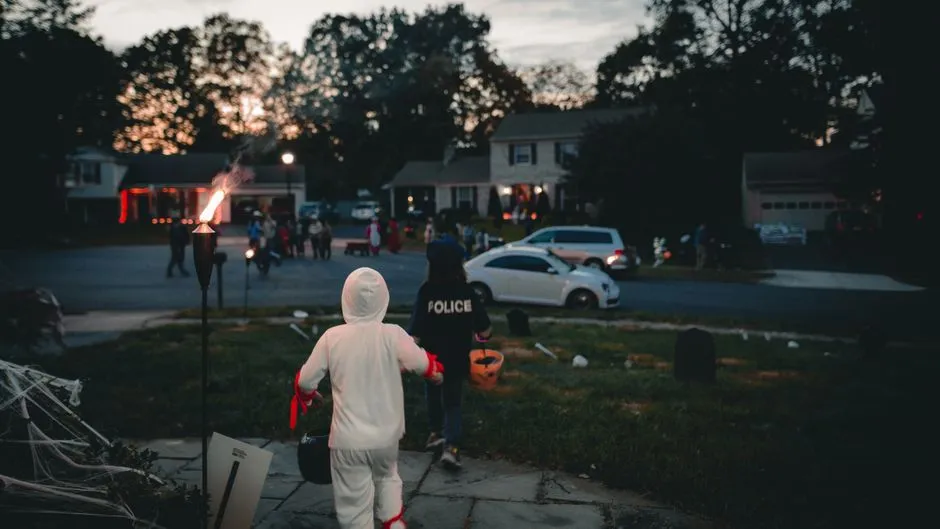
Trunk-or-treat events, hosted in parking lots, school grounds, or community centers, can be a smart addition to the evening rather than the entire plan. They’re especially useful for younger children who tire quickly or for filling gaps between neighborhood stops.
Some neighborhoods or city centers host Halloween events like trunk-or-treat or Halloween festivals with set hours. These tend to start earlier, often between 4:00 PM and 8:00 PM, and are great for younger kids. Using a trunk-or-treat as your warm-up act before heading into the neighborhood lets little ones get in the groove without burning out before peak hours.
Most households, roughly well over half, plan to take part in trick-or-treat or trunk-or-treat festivities. The two formats complement each other well, and a smart route plan accounts for both.
Final Thoughts
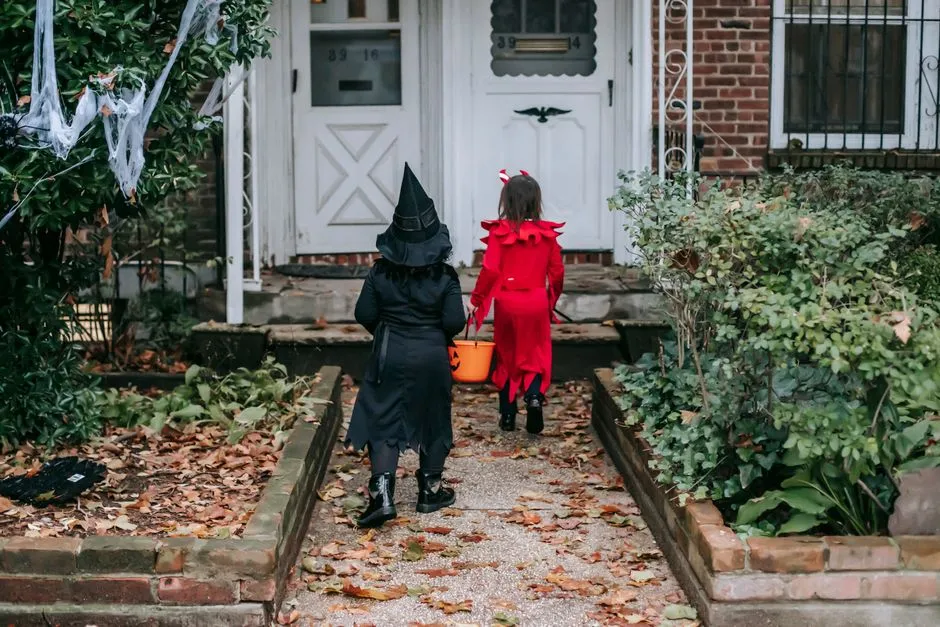
The kids who come home with the most candy aren’t necessarily the ones who ran the fastest or stayed out the latest. They’re usually the ones whose families picked a dense, well-decorated neighborhood, started slightly before the crowd peaked, and moved efficiently through a planned loop rather than wandering.
In 2025, approximately $13.1 billion was spent in the U.S. on Halloween shopping including costumes, decorations, candy, and greeting cards. There’s no shortage of candy in American neighborhoods on October 31st. The only question is whether your route puts your kids in front of the right doors at the right time.
A little planning the week before goes a long way. Sketch the loop, check which streets close to cars, note where the decorations are already going up, and get everyone out the door by 5:30. The rest takes care of itself.
AI Disclaimer: This article was created with the assistance of AI tools and reviewed by a human editor.