
Meet the Black Walnut: A Beautiful, Ruthless Tree
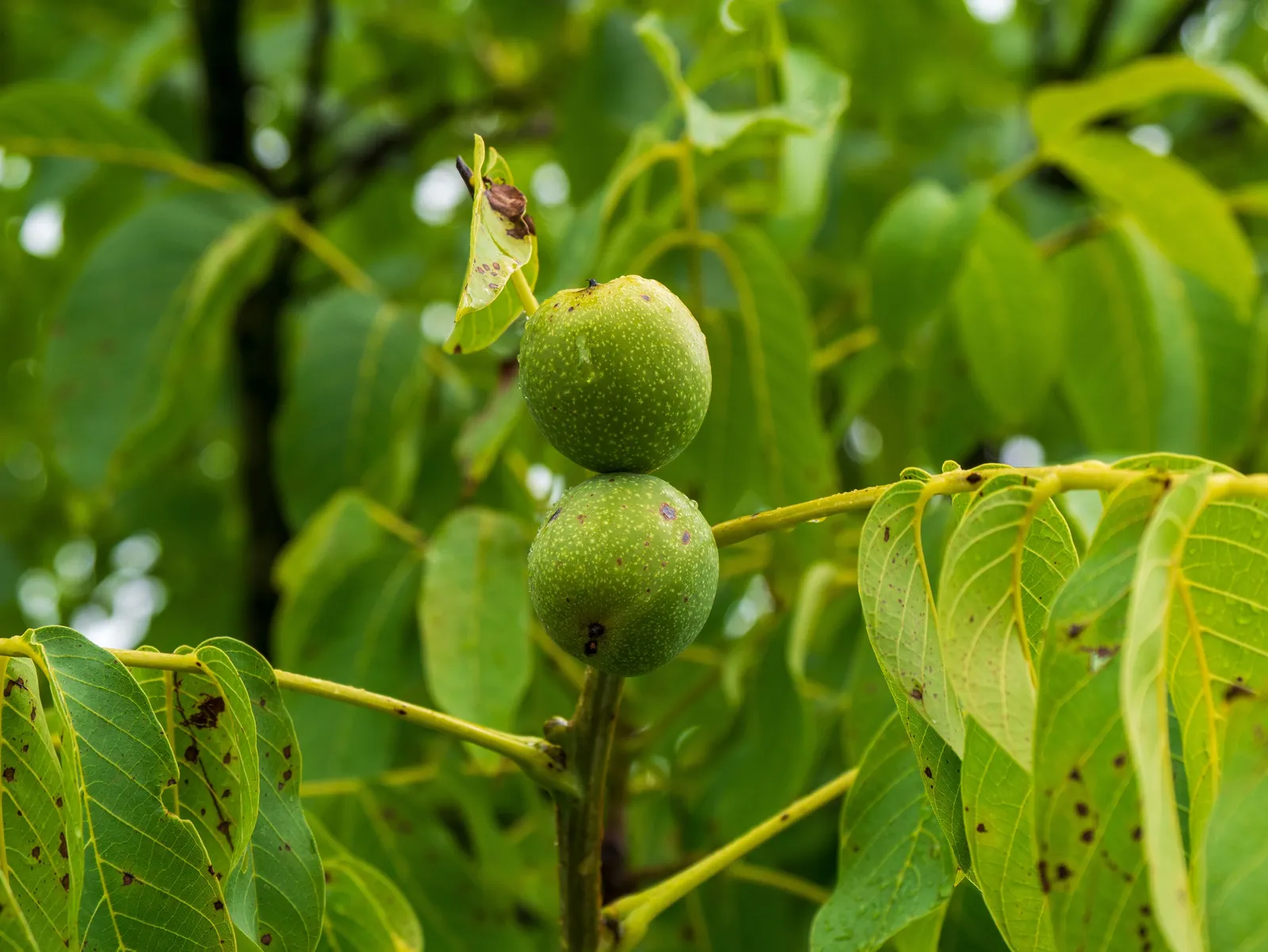
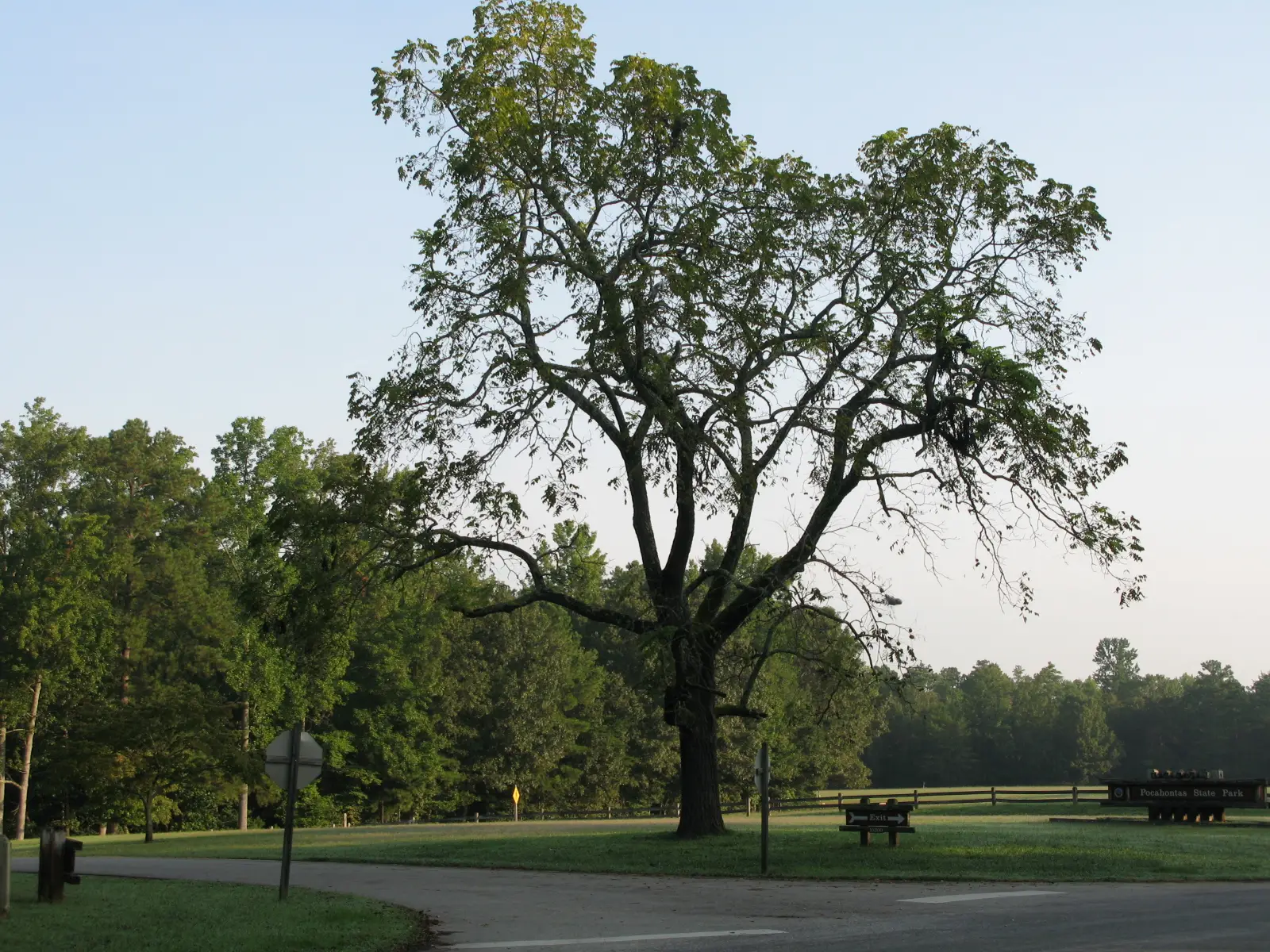
Black walnut (Juglans nigra L.) is a valuable hardwood lumber tree and native to North America, grown in home landscapes as a shade tree and occasionally for its edible nuts. It’s a genuinely striking specimen, with a broad canopy, deeply furrowed bark, and compound leaves that cast dappled shade on summer afternoons. Few people looking at one would guess it’s quietly waging chemical warfare underground.
As early as 77 AD, the Juglans genus was cited by a Roman naturalist as having a poisonous effect on other plants. That’s nearly two thousand years of recorded observation, and yet many gardeners today still discover the hard way that something is terribly wrong after planting beneath one. The tree’s reputation hasn’t always preceded it.
The Chemical Behind the Carnage: What Juglone Actually Is
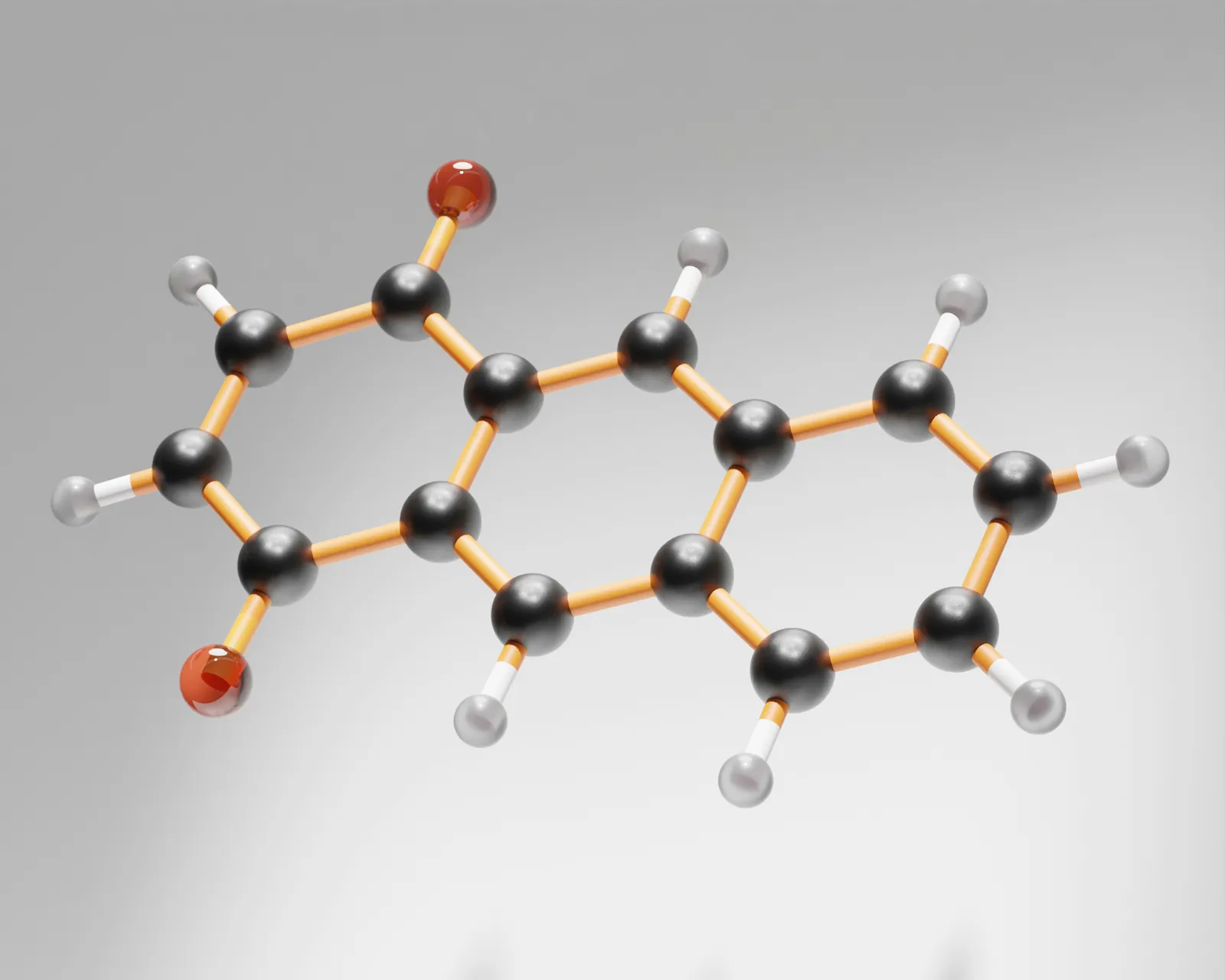
The causal agent is a chemical called juglone (5 hydroxy-1,4-napthoquinone), which occurs naturally in all parts of the black walnut. Juglone has experimentally been shown to be a respiration inhibitor, which deprives sensitive plants of needed energy for metabolic activity.
Juglone itself was first isolated from black walnut in 1856, and was identified as the compound responsible for its allelopathic effects in 1881. The science behind it has been building ever since. What makes juglone so effective is its mechanism: it doesn’t just block growth, it essentially cuts off a plant’s ability to generate the energy it needs to function.
More than 35 phenolic compounds have been identified in walnuts, and more than 12 compounds just in the green fruit husk. Many of these materials have been cited as expressing some level of allelopathic symptoms in other plants and microorganisms.
Where the Poison Comes From: Roots, Leaves, Hulls, and Rain
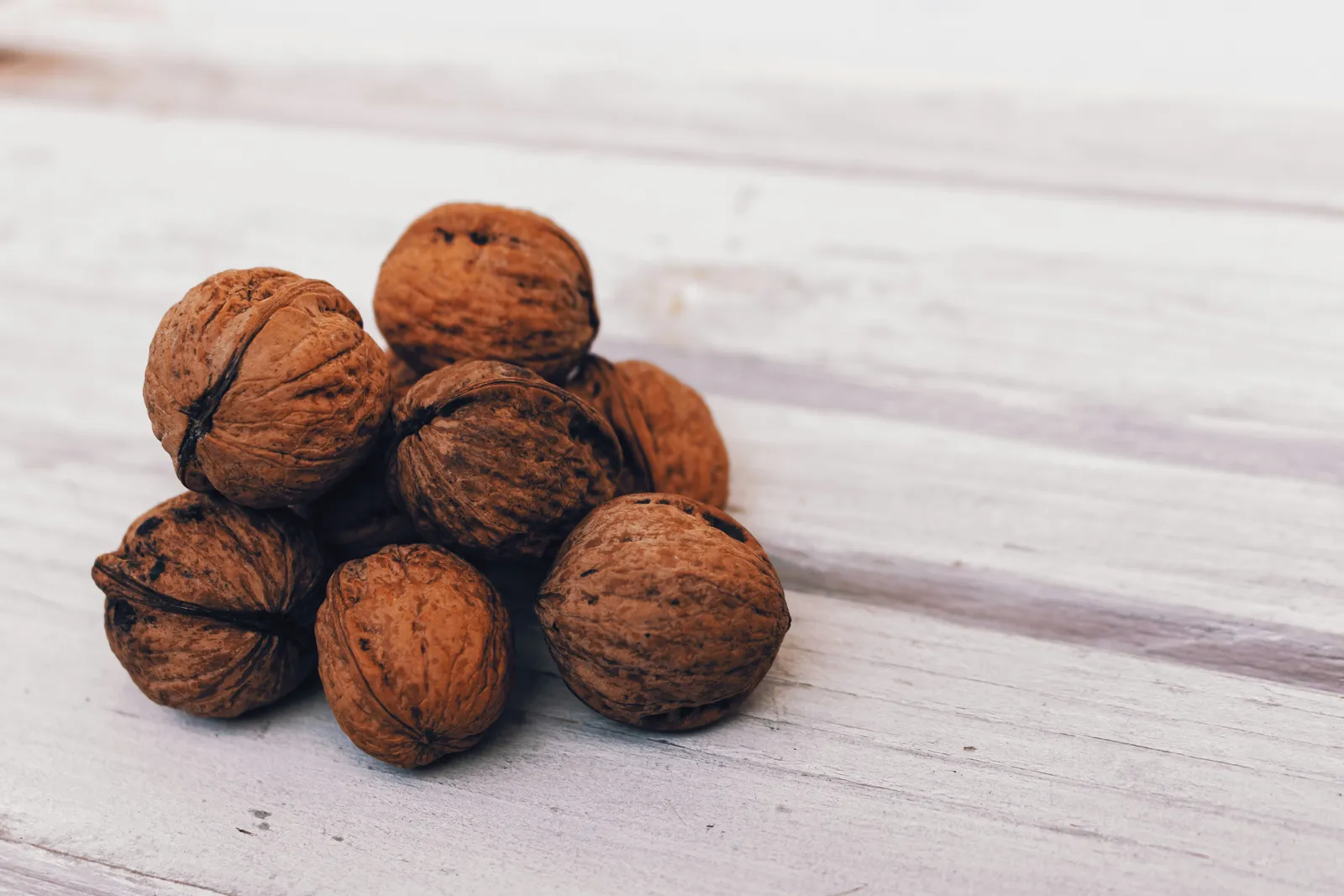
Juglone, which occurs in all parts of the black walnut tree, can affect other plants through root contact, through leakage or decay in the soil, through falling and decaying leaves, and when rain leaches and drips juglone from leaves and branches onto plants below.
Juglone occurs in all parts of the plant, but is most concentrated in the buds, nut hulls, and roots. Greatest quantities are found in the area immediately under walnut trees, where roots are concentrated and decaying nut hulls and leaves accumulate. So every fallen nut, every drifting leaf in autumn, is adding a fresh dose to the soil below.
Even walnut leaves and stems contain a small concentration of juglone. It’s a lower dose than what comes from the roots and hulls, but over a full growing season, the cumulative effect matters. Rainwater washing over the canopy carries traces of the compound directly down to whatever is growing below.
How Far the Danger Reaches
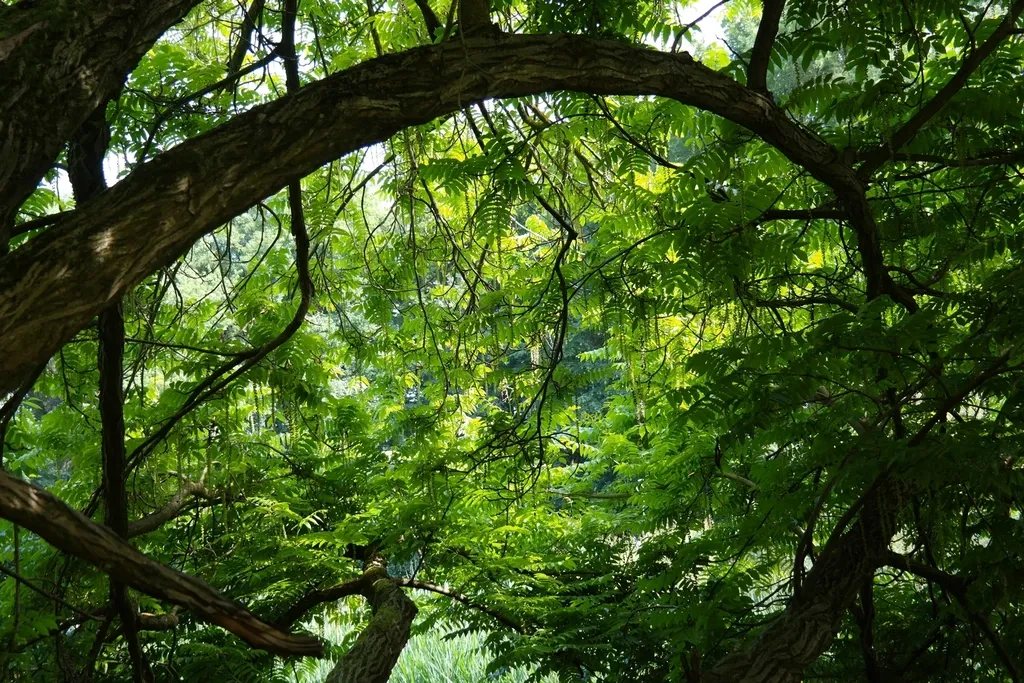
The toxic effects of a mature black walnut tree can extend 50 to 80 feet from the trunk of the tree, with the greatest toxicity occurring within the tree’s dripline. In this area, plants susceptible to juglone may wilt or die; plants tolerant to juglone will grow normally.
Its roots can push 50 to 75 feet outward from the trunk, two to four times the canopy diameter, and feeder roots concentrate in just the top 6 to 24 inches of soil, where most garden plants root too. That overlap in depth is part of what makes the toxicity so effective. The walnut isn’t targeting the deep roots of large trees; it’s hitting the exact layer where garden vegetables and ornamentals live.
The area affected enlarges outward each year as the tree grows. A walnut planted at the edge of a garden today is a walnut whose influence will reach the garden center in ten years.
What Happens to the Plants That Get Too Close
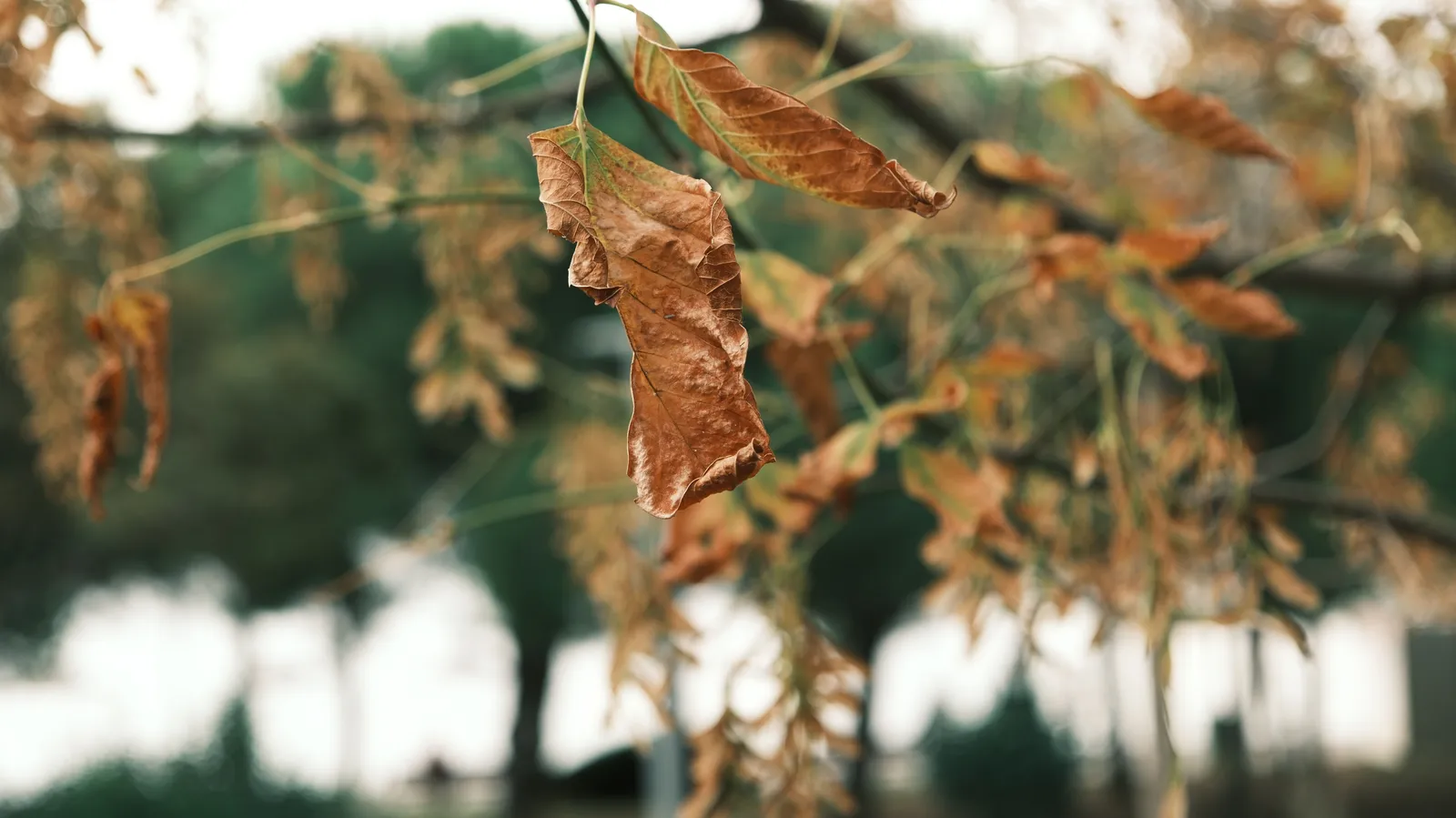
Plants sensitive to juglone may be stunted, have yellow or brown, twisted leaves, exhibit wilting of some or all plant parts, and die over time. Often, the vascular tissue of affected plants will be discolored. Symptoms may occur rapidly, even within a few days after sensitive species are transplanted into a walnut tree’s root zone.
Walnut toxicity will result in complete death in fast-growing annual plants such as potatoes or tomatoes. Toxic reaction often occurs quickly. Highly sensitive plants can go from healthy to dead within one or two days.
Some plants may survive for years near a young walnut tree but then wilt and die as the tree increases in size. That delayed effect is what catches gardeners off guard. A plant that seemed fine for two or three years suddenly collapses without any obvious explanation.
The Plants Most at Risk
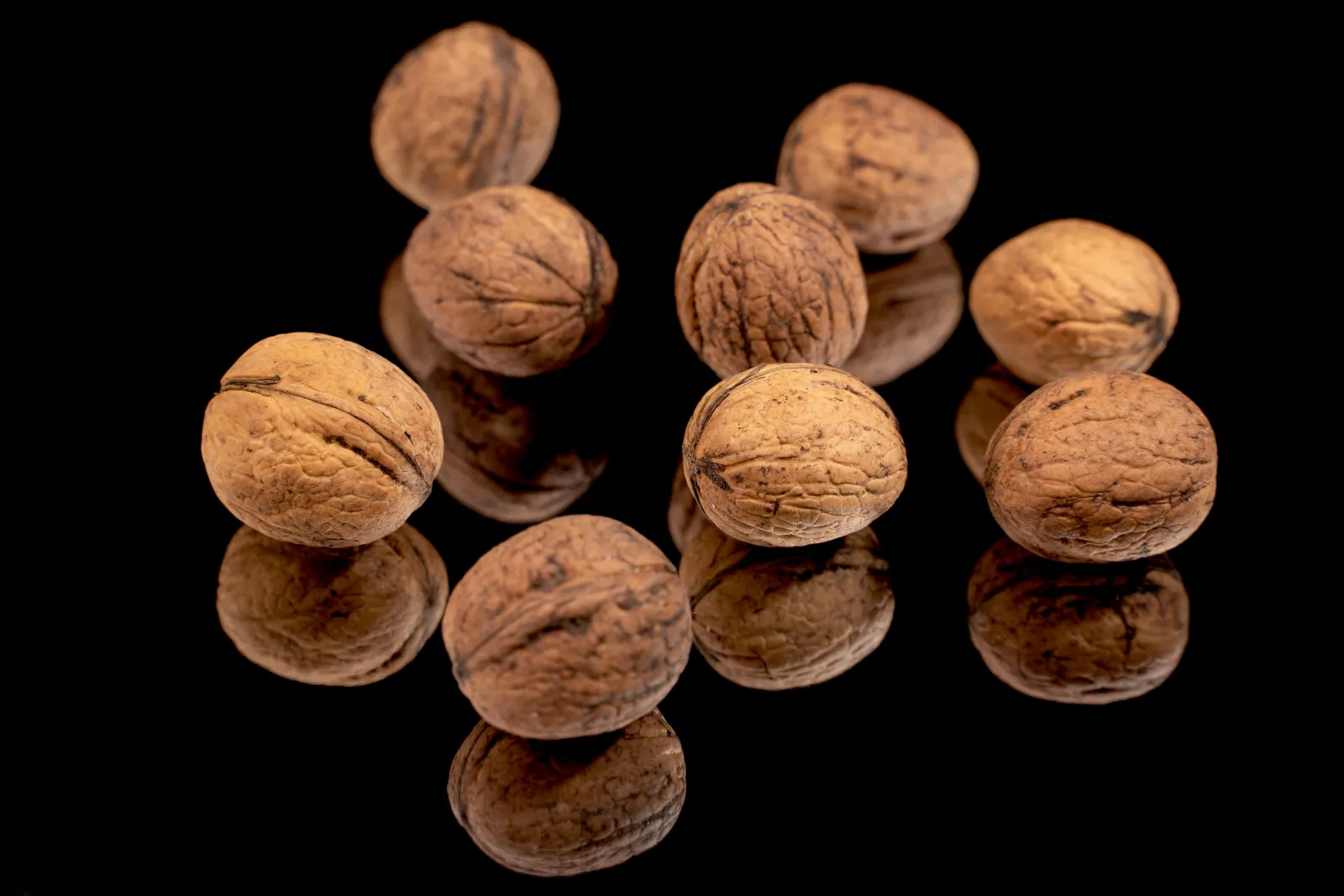
Vegetables such as tomato, potato, eggplant and pepper, and ornamentals such as lilac, peony, rhododendron and azalea are particularly sensitive to juglone. These are, unfortunately, some of the most popular choices in home gardens and landscapes.
Plants sensitive to juglone also include alder, alfalfa, apple, birch, blackberry, blueberry, cabbage, mountain laurel, magnolia, privet, rhododendron, some rose varieties, silver maple, strawberries, and turf grass. The range is wide. It covers fruit bushes, ornamental trees, flowering shrubs, and lawn grass alike.
In 1921, a study observed that tomato plants near black walnut trees exhibited wilted leaves, suggesting an adverse interaction. In 1926, instances of apple tree damage caused by both Juglans nigra and Juglans cinerea (butternut) trees were reported in northern Virginia. These early field observations matched the chemistry that scientists would later pin down in the laboratory.
The Plants That Shrug It Off
Plants resistant to juglone include beans, beets, cedar, cherry, corn, daffodil, elm, ferns, forsythia, hawthorn, hemlock, iris, locust, most maples, oaks, onions, orchard grass, pachysandra, sycamore, viburnums, and wheat. There’s a usable list here for gardeners who want to work with a black walnut rather than against it.
Some juglone-tolerant ornamentals include astilbe, asters, begonia, daylily, ferns, impatiens, pachysandra, sweet woodruff, zinnias, forsythia, most maples, oaks, most viburnums, eastern redbud, pagoda dogwood, arborvitae, and clematis. These species can offer genuine color and variety beneath a walnut canopy.
The distinction between tolerant and sensitive plants isn’t always perfectly clean in practice. Soil drainage, root density, and how close a plant grows to the trunk all influence how badly any individual plant is affected. Still, the lists from university extension programs serve as a reliable starting point.
After the Tree Is Gone, the Problem Remains
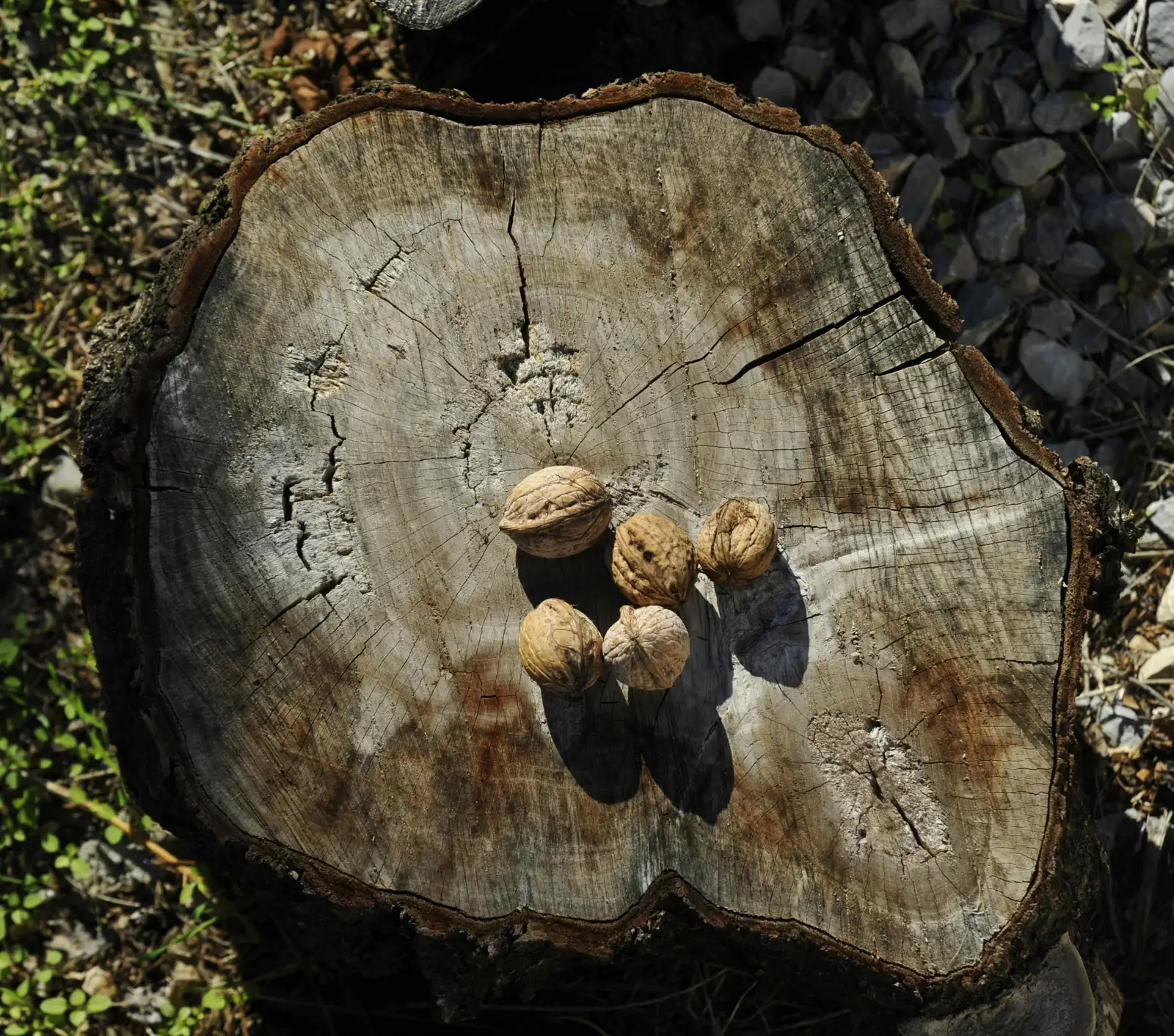
Cutting down the tree will not solve the problem for a long time because juglone can persist in the wood until the roots are decomposed, which can take five years or more. This surprises many homeowners who remove a black walnut thinking the land will be ready for a new garden the following spring.
Juglone from decomposing black walnut roots can persist in the soil for more than a year after walnut trees have been removed. If a black walnut was cut down but the stump was not removed, juglone from the roots can remain active in the soil for as much as five years, although concentrations will decrease over time.
In organically rich, well-aerated soils, juglone may degrade within a few months. However, in poorly drained or compacted soils, it can persist for up to two years. Warm, moist environments speed up degradation, while dry, anaerobic, or clay-heavy soils slow it down.
What Composting the Leaves Actually Does
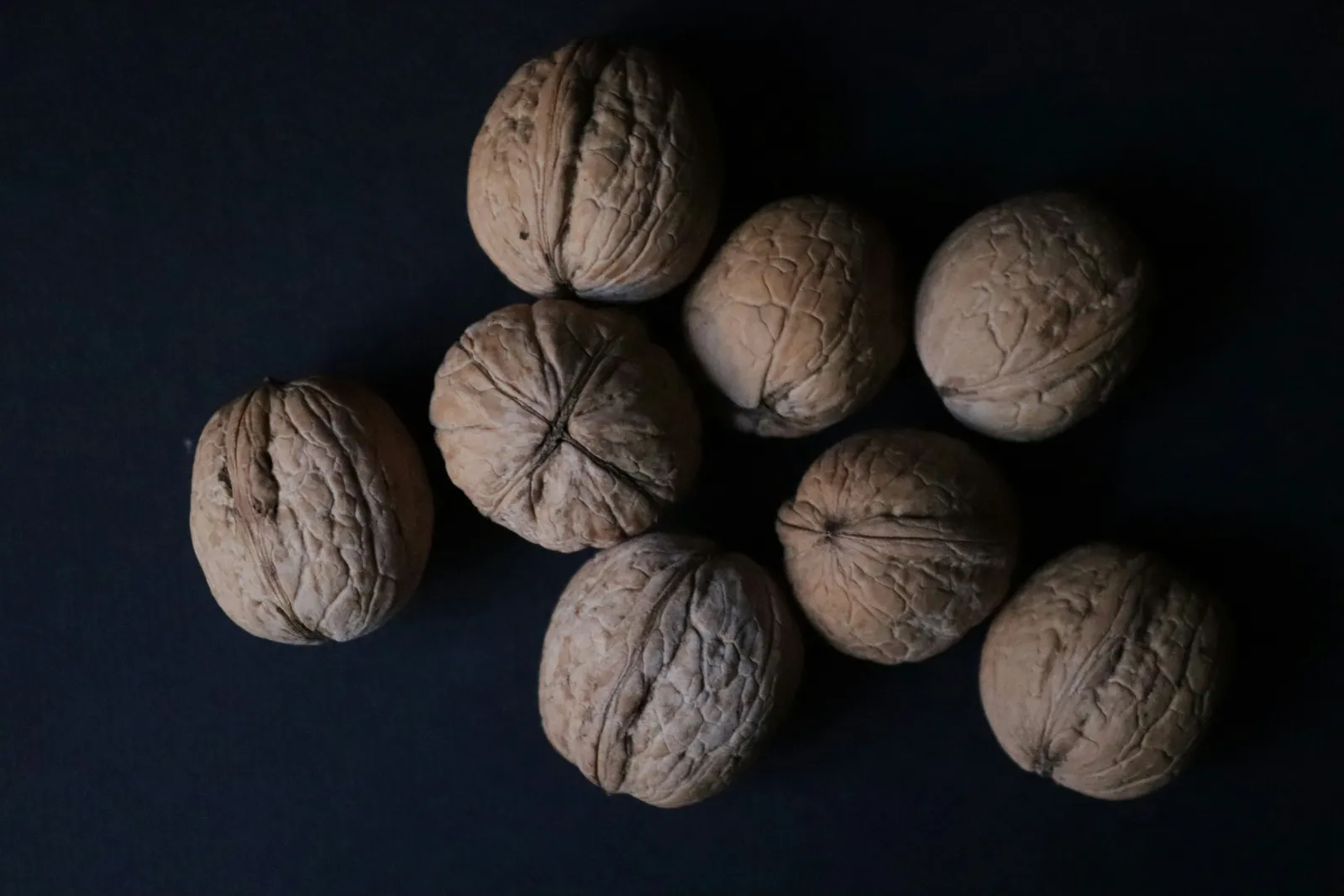
Although black walnut leaves do contain small amounts of the toxic plant chemical juglone, juglone can cause the wilt and death of sensitive plants that encounter a low concentration of juglone. However, black walnut leaves can degrade in two to four weeks, and the juglone degrades when exposed to air, water and bacteria. It does break down completely within two months in a compost pile.
Raked-up leaves, twigs and husks from walnut trees should be composted for one year to ensure all juglone has broken down prior to spreading into gardens or used as mulch around sensitive plants. A simpler test also exists: if in doubt, test for juglone toxicity by planting tomato seedlings in the compost. Tomatoes are very sensitive to juglone, making them a reliable indicator of whether the compost is safe.
Many believe that toxic chemicals in walnut wood chips suppress plant growth. Research has pointed out that virtually no hydrojuglone is present in the wood of the walnut tree. It is mostly in the roots and hulls. Wood chips from black walnut are generally considered safe for use as mulch, though caution is still warranted around highly sensitive species.
The Tree’s Motive: Competition, Not Malice
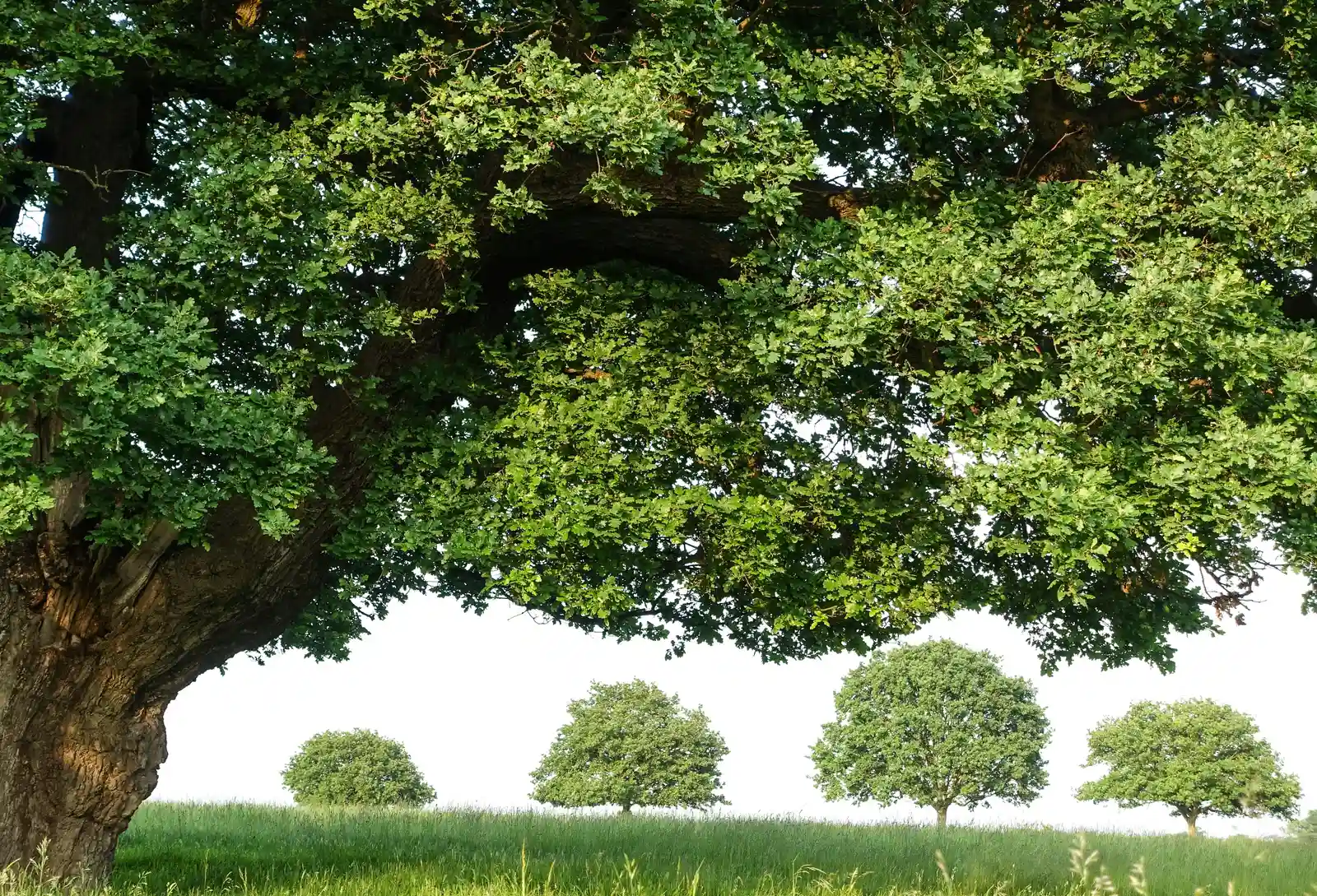
By poisoning other trees around it, the black walnut is effectively eliminating its competition for water and sunlight. This is the ecological logic beneath all of it. The walnut didn’t develop juglone out of anything resembling aggression. It developed it because, over millions of years, trees that could reduce competition survived more successfully than those that could not.
The chemical coadaptation to other organisms and site is termed allelopathy. Allelopathy is the use of many different chemicals produced by many trees to interfere with the growth and development of surrounding plants and microorganisms. This interference impacts essential resource quality and quantity available on a site.
Young walnut trees do not appear to cause toxic reactions with sensitive plants until the trees are seven to eight years old. That gives growers a window, however temporary, before the tree’s chemical influence becomes significant in the surrounding soil.
Practical Strategies for Gardening Near a Black Walnut
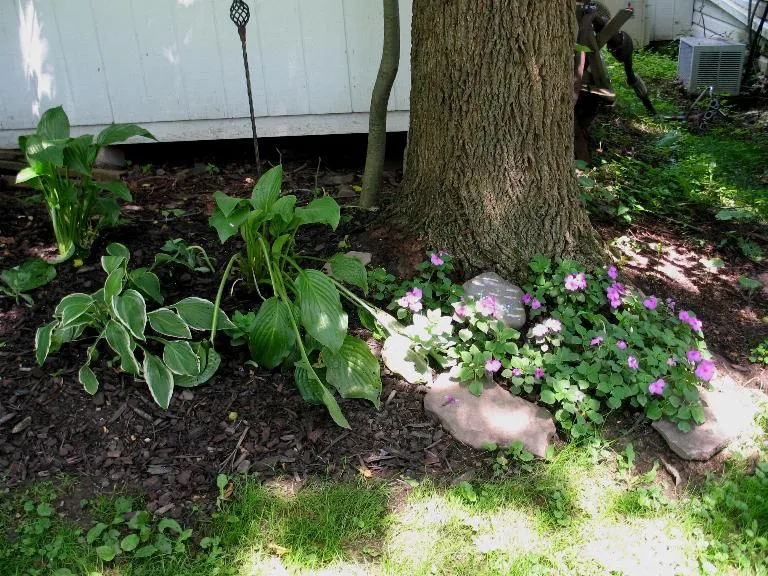
If possible, locate gardens or landscape beds away from the root zone of the tree. Well-drained soils apparently present fewer toxicity problems than poorly drained soils. Avoid mulching garden areas with walnut leaves or nut husks. Root barriers to prevent walnut roots from advancing into garden areas may be helpful.
If you choose to plant near the tree, your best bet is to create raised beds with some type of screening on the bottom to prevent invasion by black walnut roots. Also, be careful that nuts and debris from the black walnut tree don’t accumulate on the raised bed. Make sure the soil in the raised bed is well-drained.
Excellent soil drainage will also help reduce toxicity problems, even among sensitive plant species. In well-drained soil, toxic reactions only occur when direct contact is made between walnut roots and roots of sensitive species.
Final Thoughts
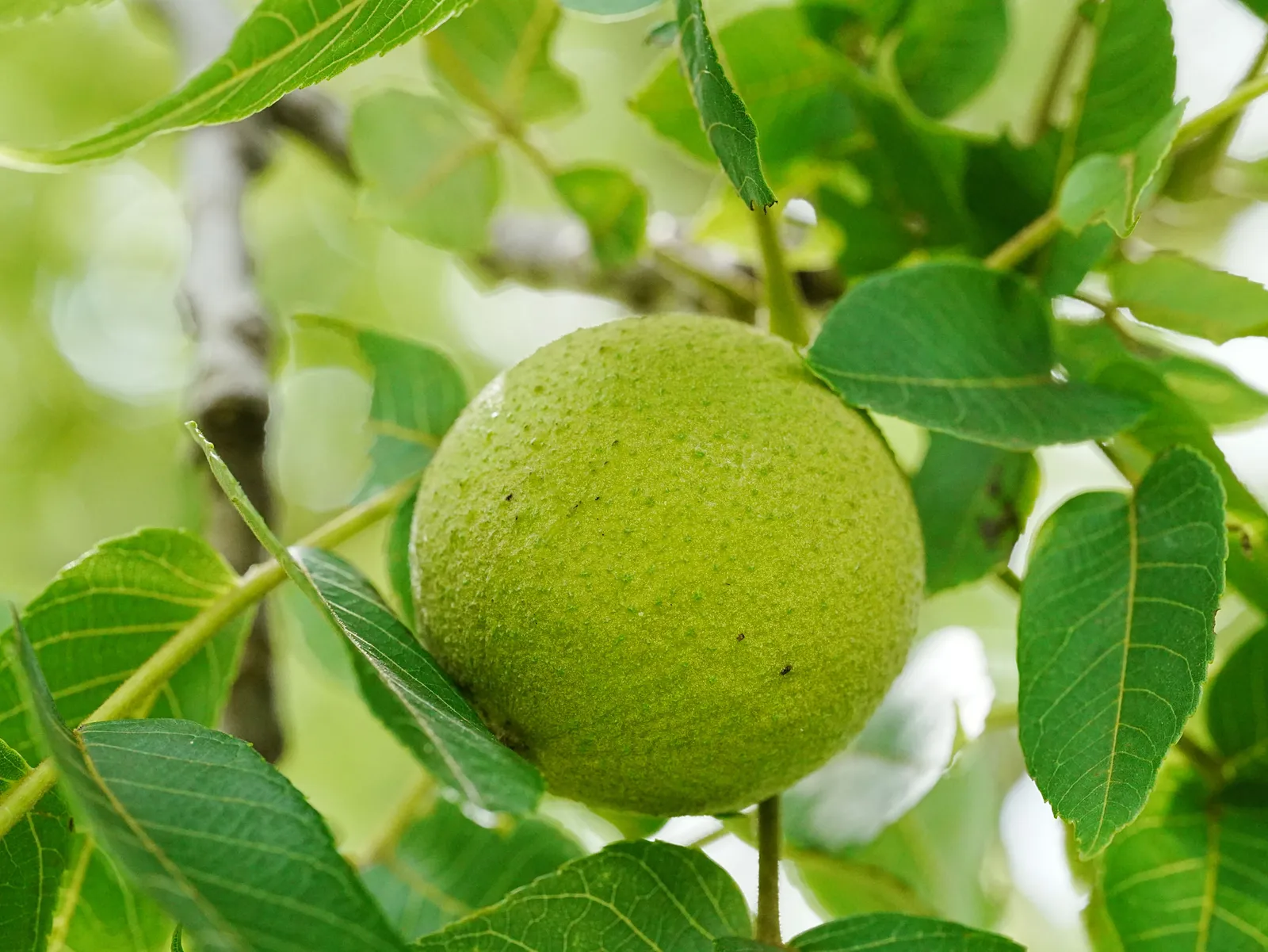
The black walnut is one of nature’s more unambiguous examples of a plant that has learned to shape its own environment. It drops leaves, rolls nuts, and extends roots, all the while quietly rearranging who can survive in its neighborhood. Understanding that process doesn’t make it less disruptive for the gardener who just lost a row of tomatoes, but it does make the whole situation easier to work around rather than fight against.
The lesson, if there is one, is fairly simple: know what’s in your yard before you plant. A single mature black walnut can define the botanical possibilities of an entire property. Plan with it, not against it, and the options are broader than most people expect.
AI Disclaimer: This article was created with the assistance of AI tools and reviewed by a human editor.