
Most dog owners know that treats are a powerful training tool. What fewer realize is that a treat delivered even a few seconds too late can quietly undo everything they’re trying to build. The dog doesn’t experience the world the way we do – time, to a dog, is not a forgiving concept when learning is involved.
The science behind this is surprisingly specific, and the consequences of getting timing wrong show up in ways that look confusing or even like stubbornness. In reality, the dog is simply learning exactly what you’re teaching – it just isn’t what you think you’re teaching.
The Science of the Reward Window
As early as 1938, Skinner demonstrated that learning efficiency decreases as the latency between behavior and consequence increases. That foundational insight has held up remarkably well. Research by Browne in 2015 points to an optimal window of just 0.5 to 1.5 seconds for reinforcement. Beyond that, the clarity of the learning experience drops, making training significantly less effective.
Shorter delays between the dog performing the desired indication behavior and receiving the reinforcer result in better learning. This isn’t a rough guideline – it’s a measurable difference in how firmly the behavior gets encoded. The window is tighter than most owners expect.
What the Dog Actually Learns When You’re Late
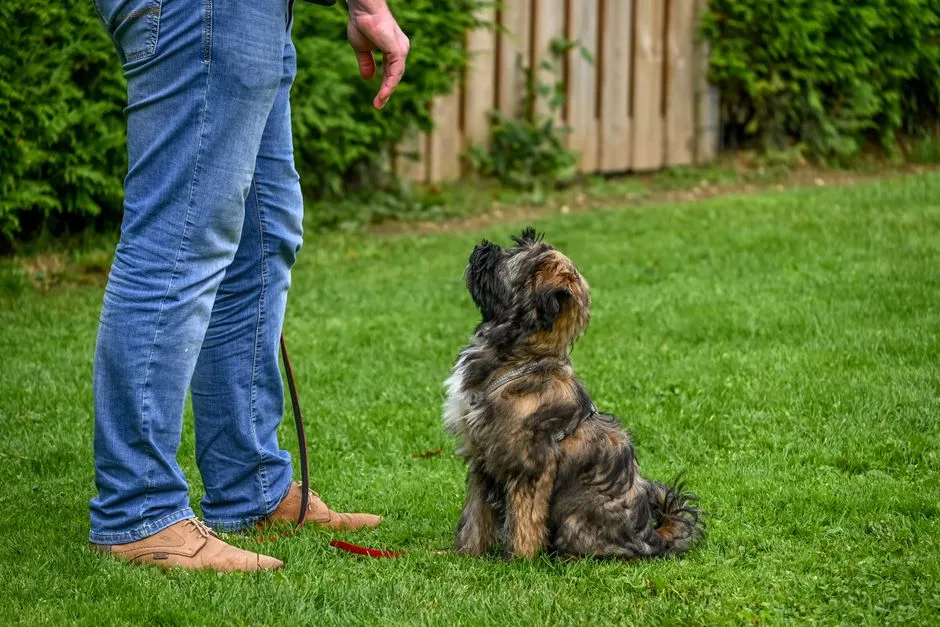
The dog learns whatever they were doing when the marker occurred, not what you intended to mark. This is the core of the timing problem. Poor timing accidentally reinforces wrong behaviors. For example, if your dog sits but stands up before the treat arrives, you’ve just rewarded standing.
If you take too long to deliver the treat, your dog can become confused about what exactly they’re being rewarded for. A typical mistake during house training is to offer the dog a treat when they come back in the house after doing their business – but how does the dog know the treat is for going to the bathroom outside, rather than for coming in the back door? From the dog’s perspective, the most recent behavior is the one being reinforced.
The Housetraining Timing Trap
A mistake that pet parents commonly make during training with treats is giving them too late. Dogs have short attention spans, so if you wait four, five, six, or more seconds before giving the treat, they will have already forgotten why they’re receiving their reward. This plays out constantly in housetraining, where the gap between going outside and receiving the treat is often the entire walk back to the kitchen.
The fix is straightforward in theory: bring treats outside and reward the moment the dog finishes, while all four paws are still on the grass. That physical proximity to the actual event is what closes the loop in the dog’s mind. Waiting until you’re back indoors is simply too late.
Rewarding the Wrong Position
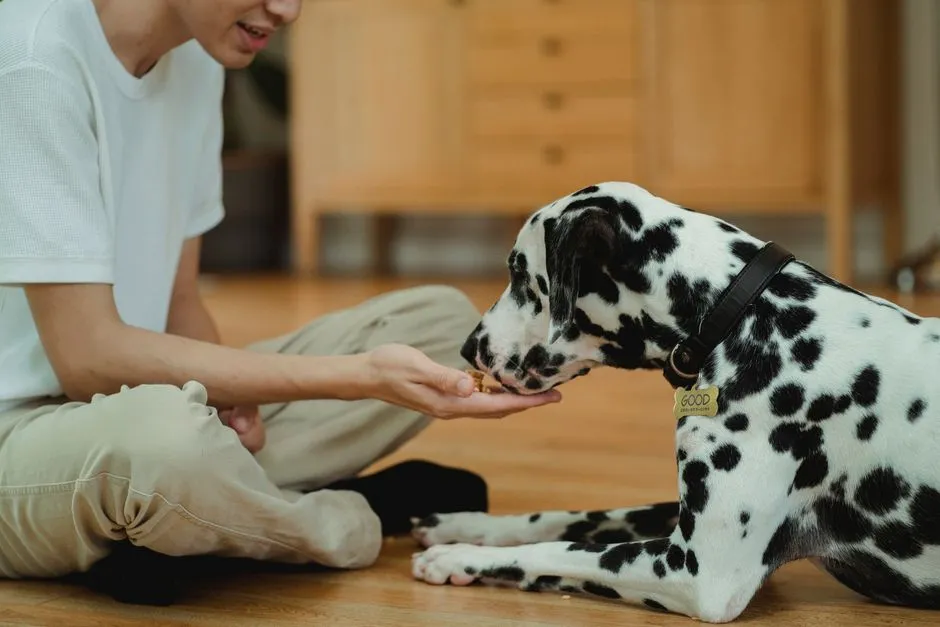
Another common mistake in dog training is rewarding your dog in the wrong position. When teaching new commands, it’s not just the timing of the treat that matters – it’s also the placement. If you instruct your dog to “sit” and they promptly comply, but you accidentally reward them while they are still standing, this can lead to confusion. Your dog might associate the reward with the standing position, making them uncertain about the intended behavior.
You should always reward your dog in the position you’re reinforcing. Rewarding your dog when they aren’t in the correct position can greatly confuse them. For example, if you’ve rewarded your dog after they’ve gotten up, they’ll think you’re being rewarded for that action instead of the original down command.
The Treat Pouch Cue Problem
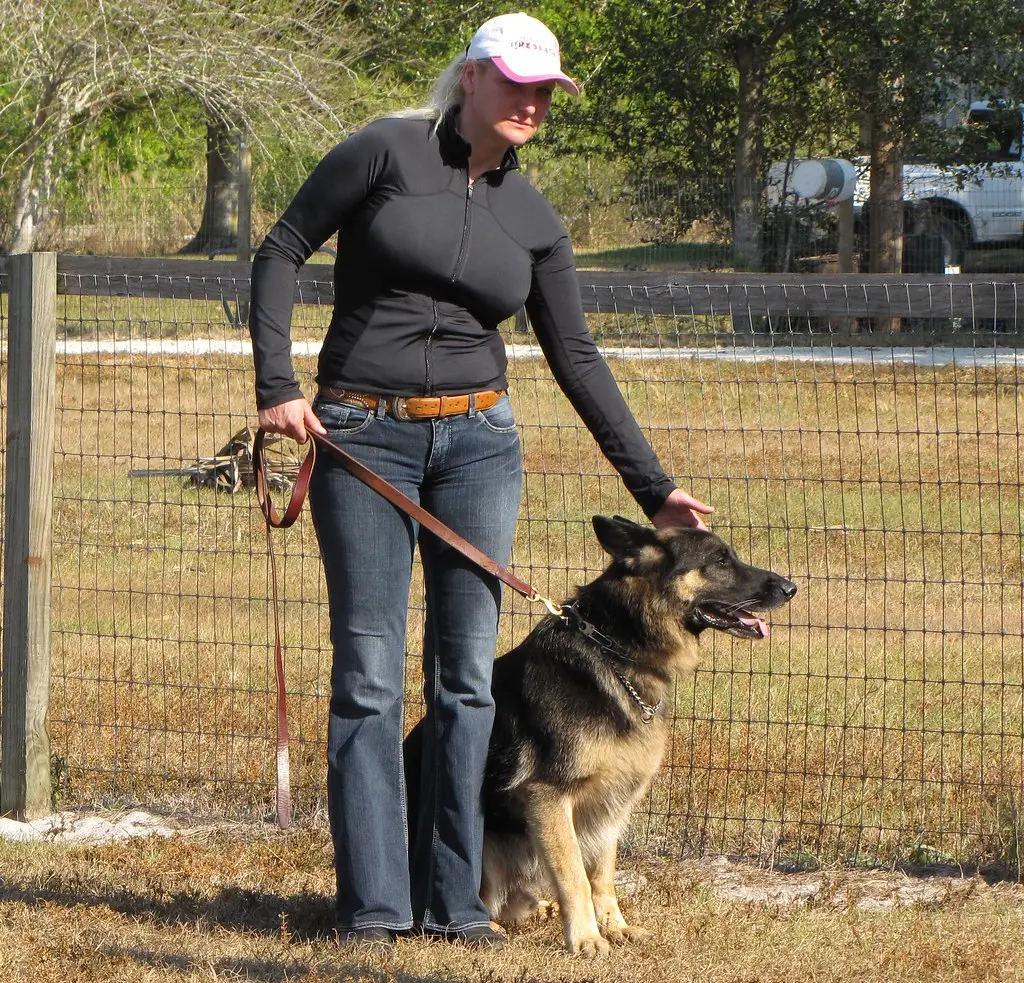
When a dog hears “sit,” if the owner reaches into the treat pouch immediately, the dog sees that hand movement and sits. The owner might assume the verbal command is working beautifully, but the treat-pouch movement could easily have become the more meaningful cue. Over time, the dog learns to watch your hands rather than respond to your words.
Keep your reward hand still and neutral until after you’ve marked the correct behavior. Otherwise, your dog starts watching your pockets instead of listening to your words. This is a subtle but significant form of unintentional communication – and it’s entirely about timing and sequence.
How Markers Bridge the Gap
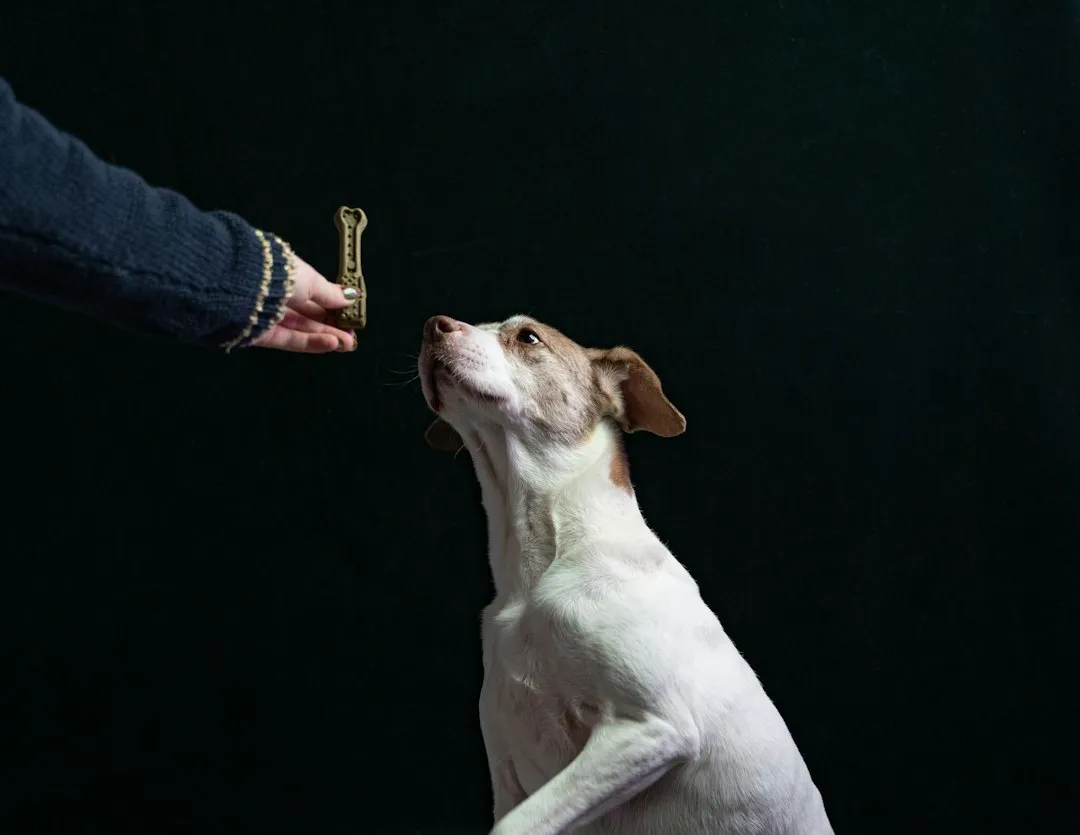
Using a marker helps achieve better timing in training. A clicker or a sharp verbal “yes” marks the exact moment of correct behavior, bridging the gap until the primary reward arrives. Immediate praise strengthens the connection between behavior and reward, even when the treat takes another second to deliver. Without a marker, the dog’s brain cannot reliably associate which part of the behavior sequence earned the reward.
A 2025 study of 28 detection dogs found that marker-trained dogs completed a complex training programme in fewer trials and produced more precise alert behaviours than dogs receiving the primary reward alone. The marker essentially freezes the moment in time, giving the owner a small window to physically deliver the food without losing the behavioral connection.
Stress and Poor Timing Are Linked

Research shows that poor or random timing leads to poor training outcomes and elevated corticosteroids. That matters because stress hormones actively interfere with learning consolidation. A dog that’s physiologically stressed during training is less able to retain new information, regardless of how many treats are offered.
Dogs trained with aversive methods showed measurably higher stress markers than those trained with rewards, according to a study of 92 dogs, and that gap shows up in both behavior and blood chemistry. Consistent, well-timed positive reinforcement keeps the dog’s stress level low enough for real learning to take place. Erratic timing, even without any punishment, adds its own form of confusion that the dog has to process.
The Running Away and Coming Back Problem
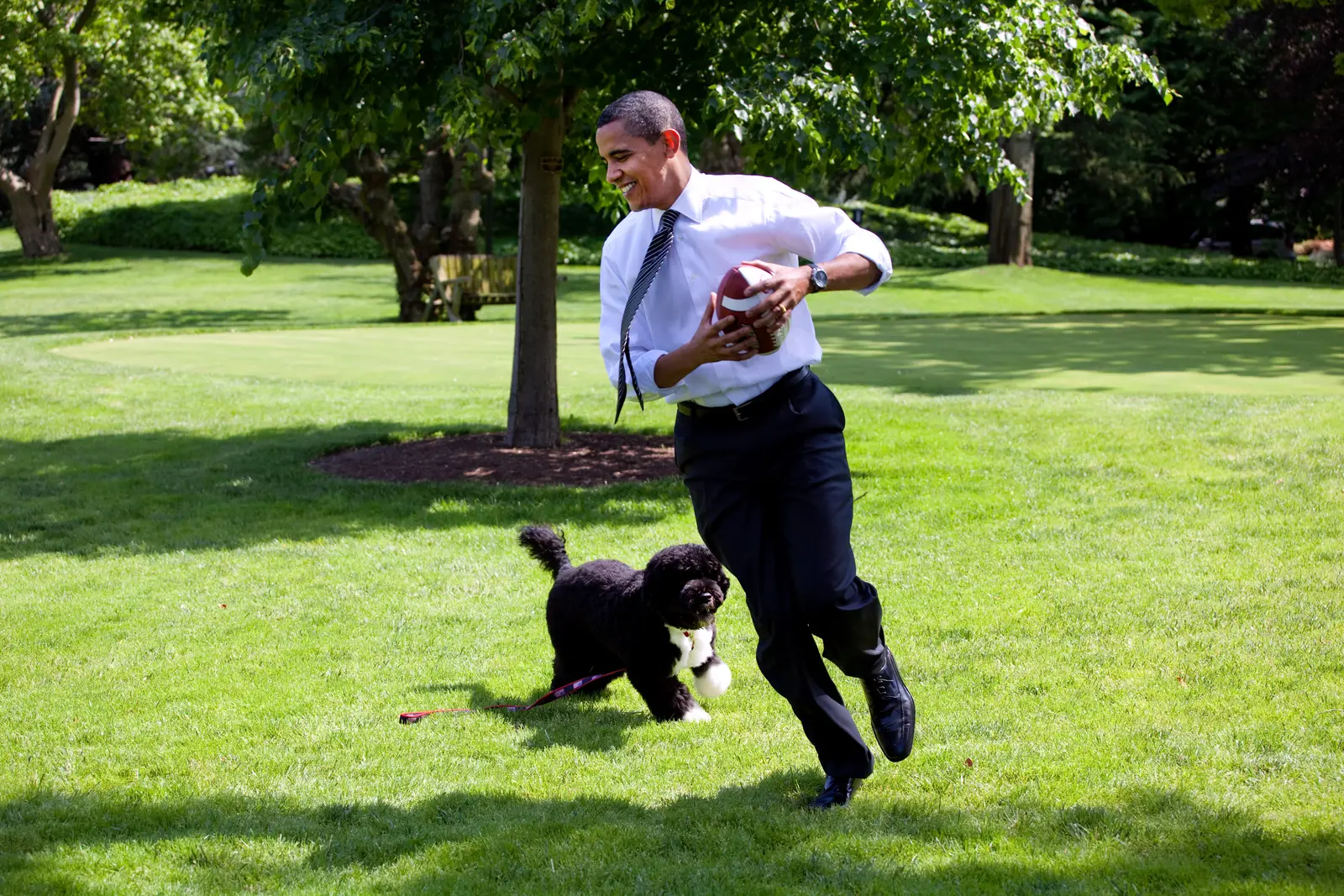
A common scenario involves rewarding a dog for bad behavior entirely by accident. If a dog runs off and you praise them and give a treat for coming back, you’ve rewarded the bad behavior. You’ve essentially taught them that they can run off as much as they want and still get a treat for at least coming back.
This is one of the most frustrating patterns owners encounter, because from a human perspective, it feels right to reward the dog for returning. The behavior you’re seeing at the exact moment of reward, though, is simply “arriving near you” – not “not running away.” The timing makes the distinction impossible for the dog to understand.
Consistency Compounds the Effect
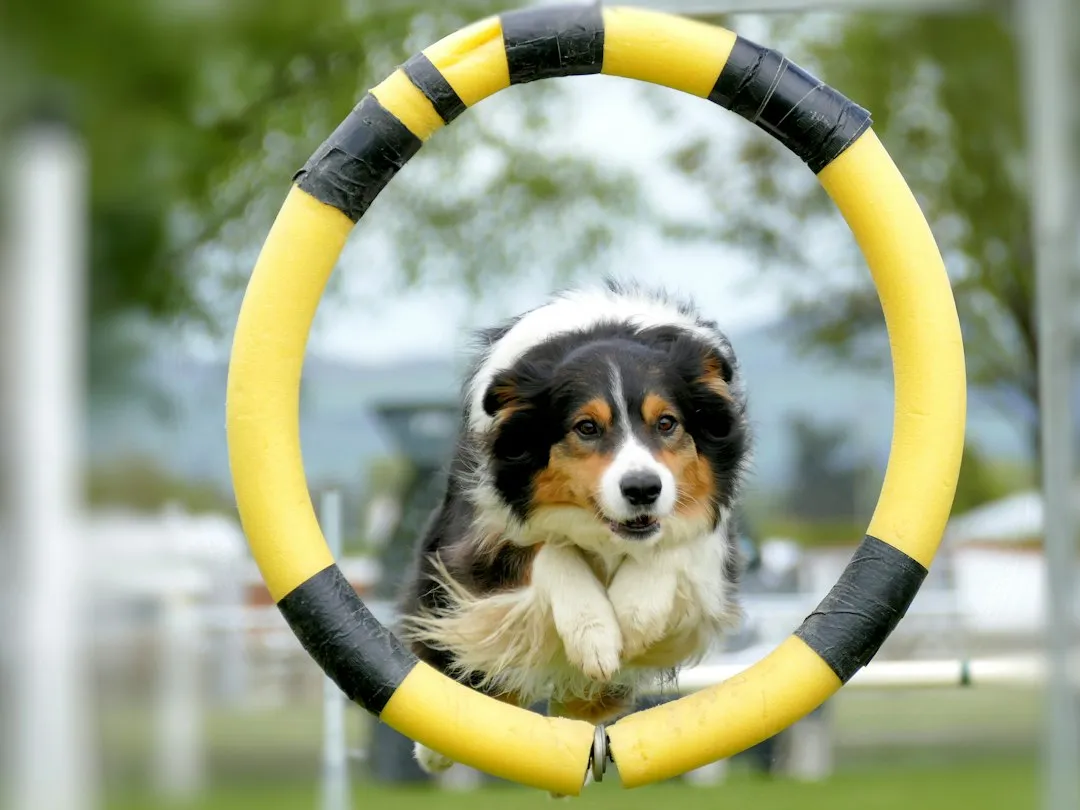
Timing is an important factor affecting a dog’s behavior not only while learning new things, but also in the production of learned desirable behaviors that could occur during everyday interactions. This means that timing errors aren’t just a beginner problem. They can erode already-established behaviors over time if the owner gradually drifts toward later and later treat delivery.
If owners’ actions, such as timing of commands, reinforcement, and punishment, are delayed, there may be a decrease in the probability of the dog obeying the command or showing other preferable behavior such as focusing on the owner. Gradual drift in timing is easy to miss, but the dog notices. Compliance tends to get slower and more tentative when the reward connection becomes murky.
The Treat Lure Becoming a Crutch
A significant error some dog owners make when using treats in training is using them as a bribe or continually displaying them to manipulate their dog’s behavior. When you consistently show a treat in your hand as a way to coax your dog into following a command, you risk making your dog reliant on the promise of a treat, creating an expectation of immediate rewards.
Many owners worry their dog will only listen if they have a treat, and this happens when treats aren’t faded out properly. The dog associates the food in the owner’s hand with the behavior, rather than actually listening to the command itself. The solution isn’t to stop using treats – it’s to shift the treat from being a lure before the behavior to being a reward that arrives after it. The sequence matters enormously.
The Practical Fix: Sharper Habits, Not More Treats
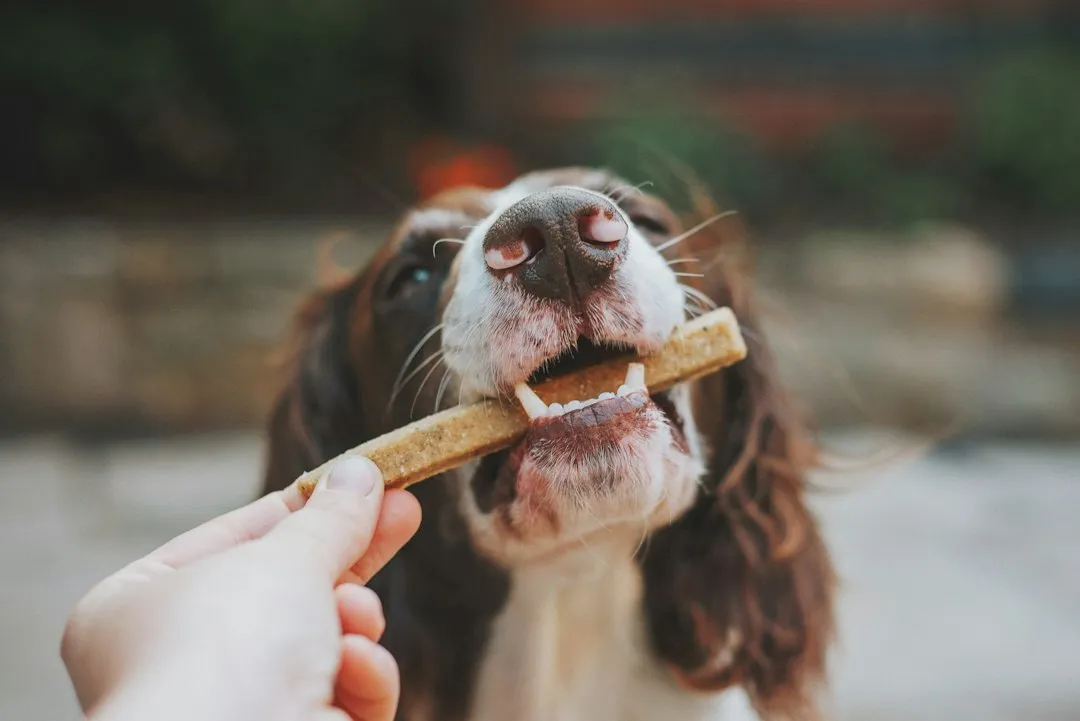
Precise timing is a key factor in a dog’s learning success, whether using positive reinforcement or any other form of consequence. The good news is that improving timing costs nothing. It requires practice and attention, but no special equipment beyond a small treat in a reachable pocket.
Poor timing doesn’t just slow learning; it actively teaches the wrong lessons. Reversing that takes deliberate repetition, patience, and a willingness to reset when the dog moves before the treat arrives. Rewarding within one to two seconds of the correct behavior, using a marker word or clicker immediately before the treat, creates the clearest possible signal for the dog. The goal isn’t perfection on every single repetition, but enough consistency that the dog can build a reliable association.
The Takeaway
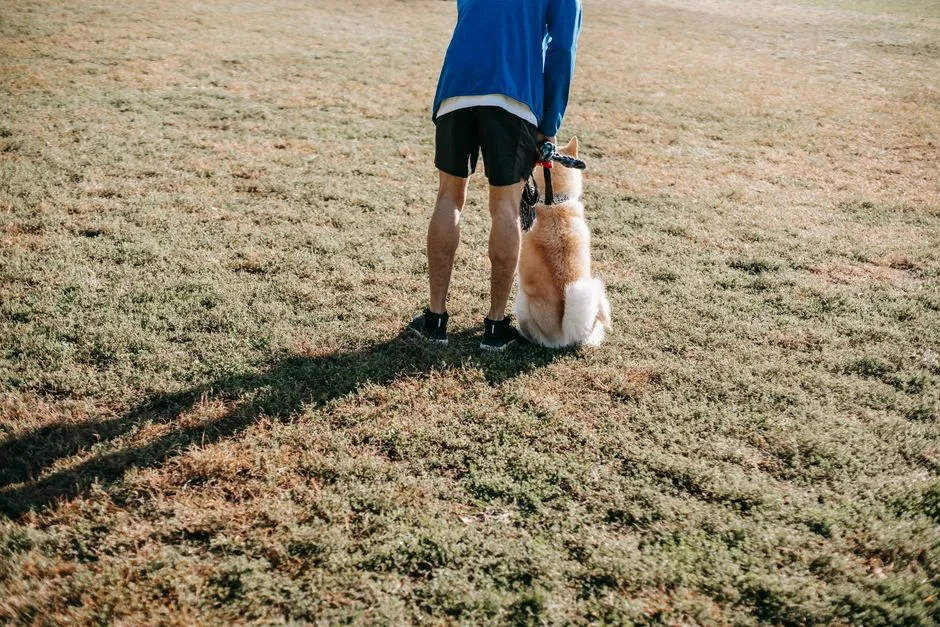
Treat timing isn’t a minor detail – it’s the entire message. When a dog receives a reward, they aren’t thinking about what they did five seconds ago. They’re responding to what just happened, right now, in their body and environment. Every treat you give is a sentence in a language your dog is constantly trying to read.
Getting the timing right isn’t about being robotic or clinical. It’s about being honest with the dog. When the reward lands at the right moment, the communication is clear, the dog relaxes into learning, and training becomes something both sides can actually enjoy. The problem was never the treats. It was always the clock.
AI Disclaimer: This article was created with the assistance of AI tools and reviewed by a human editor.