
The Lid Left Ajar: A Habit More Common Than You Think
Leaving your trash can improperly sealed or overflowing could make your kitchen the setting of a pest infestation. The troubling part is that most households don’t realize they’re doing it. The lid gets nudged out of position, a bag overflows, or someone forgets to press it shut after tossing something in.
Many homeowners don’t realize how easy it is for their trash cans to become home to opportunistic pests. The habit of casually closing a lid without confirming it’s fully sealed is one of the most overlooked pest entry points in the home. It happens daily, usually without a second thought.
What Pests Actually Need From Your Trash

Garbage areas attract pests because they provide food, shelter, and moisture – the three things rodents and insects need to survive. Your trash can, even a modest indoor kitchen bin, satisfies all three of those requirements in a compact and consistently restocked package.
As trash breaks down, it generates heat and strong smells, which are very attractive to insects and rodents. That warmth, combined with organic decay, is essentially a beacon. It signals to nearby pests that a reliable resource is close, and they follow it.
Flies Don’t Need Much to Get Started
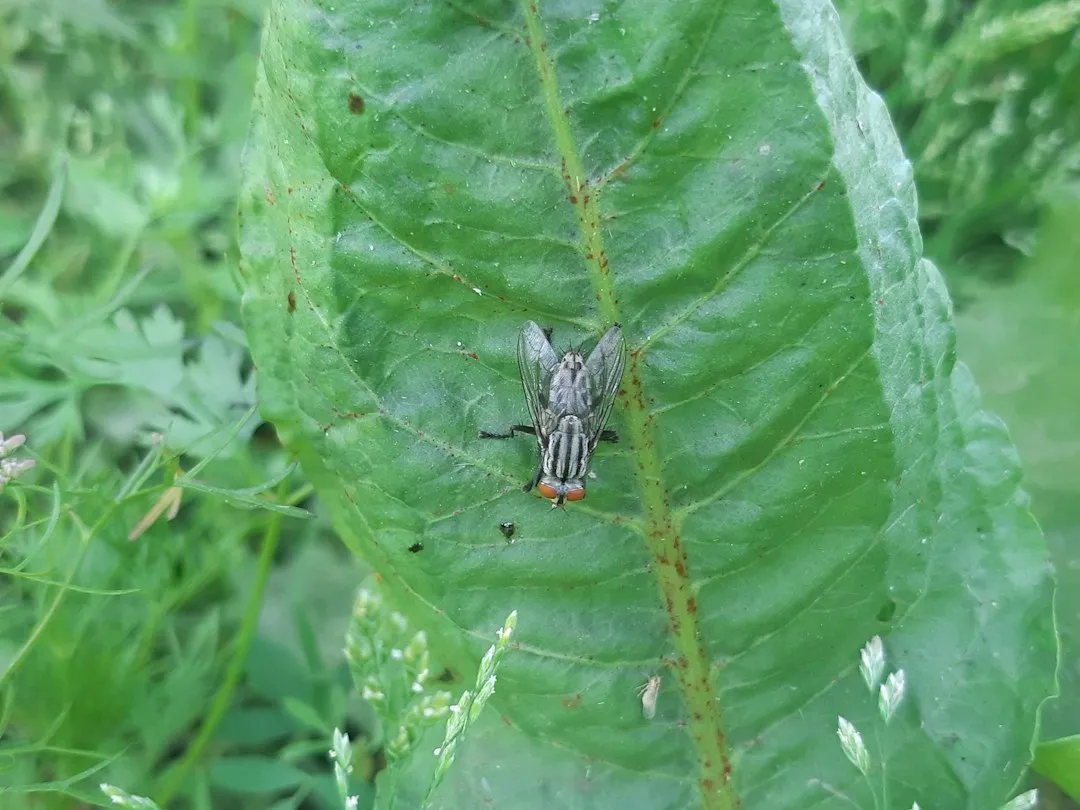
Flies, ants, and rodents can smell the leftover food in takeout boxes or plastic containers. Flies, in particular, can smell rotting food from over four miles away. That’s a remarkable range for what most people consider a minor kitchen nuisance.
A fly’s lifecycle begins with the laying of eggs, which develop into larvae and then pupae, which can mature into adults in as little as seven days. Flies lay their eggs in moist environments like pools of water, trash, and decaying organic material like fruits and vegetables. A lid left open for even a short period during warm weather is genuinely enough time for a fly to lay eggs. The situation escalates faster than most people expect.
The Maggot Problem Nobody Wants to Talk About

Flies lay their eggs in rotting food or organic waste. When flies infest your trash cans, they can reproduce rapidly, leading to maggots and a growing fly population. The cycle is self-reinforcing. More flies mean more eggs, and a lid that isn’t secured tightly gives them continued access.
People drastically underestimate how attractive their bin is to flies. Some practitioners have opened “clean-looking” cans and found maggots writhing in the seams of the lid. Flies don’t need a pile of garbage to lay eggs – they need a smell. Even a bin that looks clean on the outside can harbor larvae in its hinges and lid seams.
The Hidden Health Threat: How Cockroaches Spread Disease
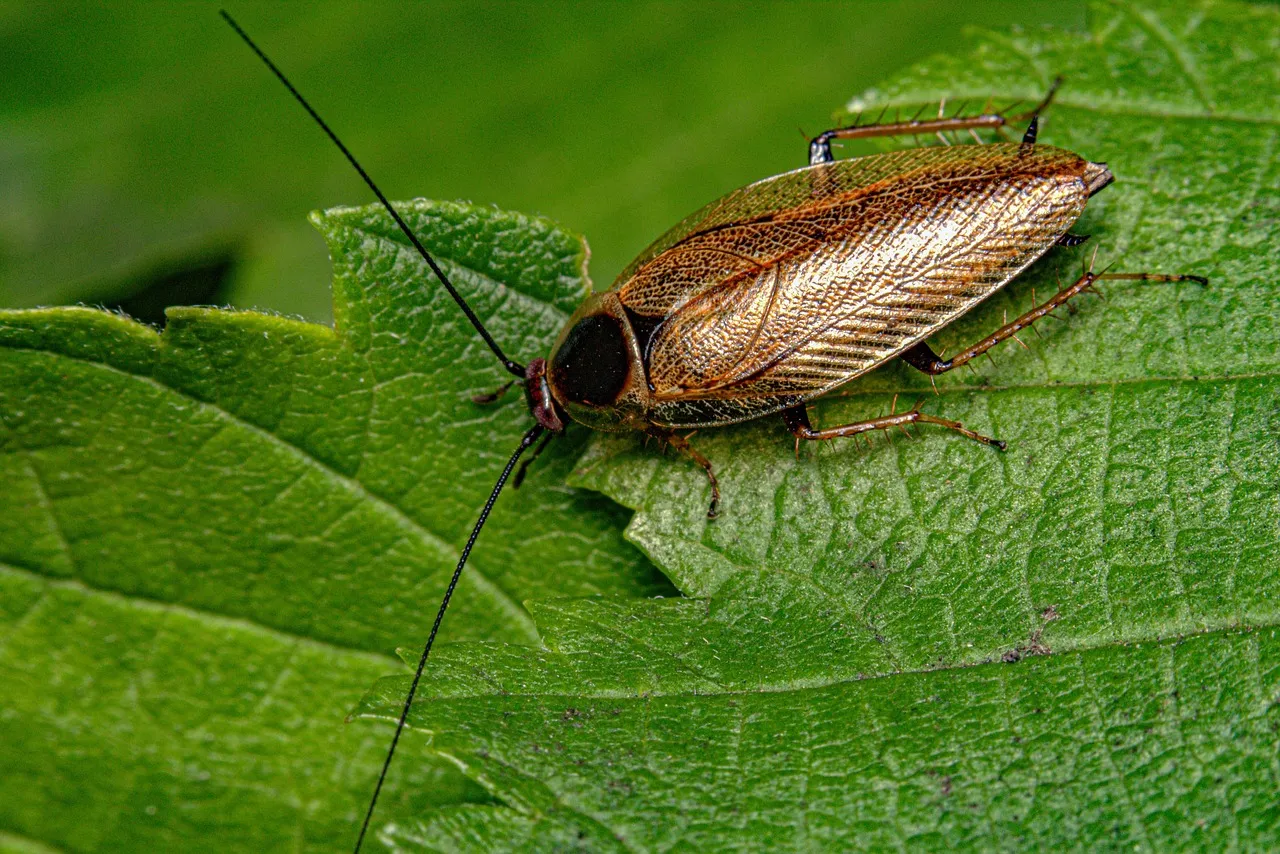
Cockroaches are drawn to food scraps and waste in your garbage, especially in warm, moist environments. Once they find a reliable food source, they can multiply quickly, making getting rid of cockroaches challenging. They are not casual visitors. Once cockroaches identify your bin as a consistent source, they establish themselves nearby.
Cockroaches have spiny legs and sticky pads on their feet that allow them to pick up and transport pathogens. As they crawl over contaminated surfaces, they collect and spread bacteria and viruses wherever they move, including onto kitchen counters, food, and utensils. The path from your trash to your food preparation area is shorter than you’d like to believe.
In scientific studies, more than three dozen pathogens have been isolated from cockroaches. Researchers have been able to identify the pathogens on the cockroach. Many of these pathogens can cause foodborne illness, such as Bacillus cereus, Campylobacter jejuni, Clostridium perfringens, E. coli, and varying types of Salmonella.
Rodents Scout, Then Move In
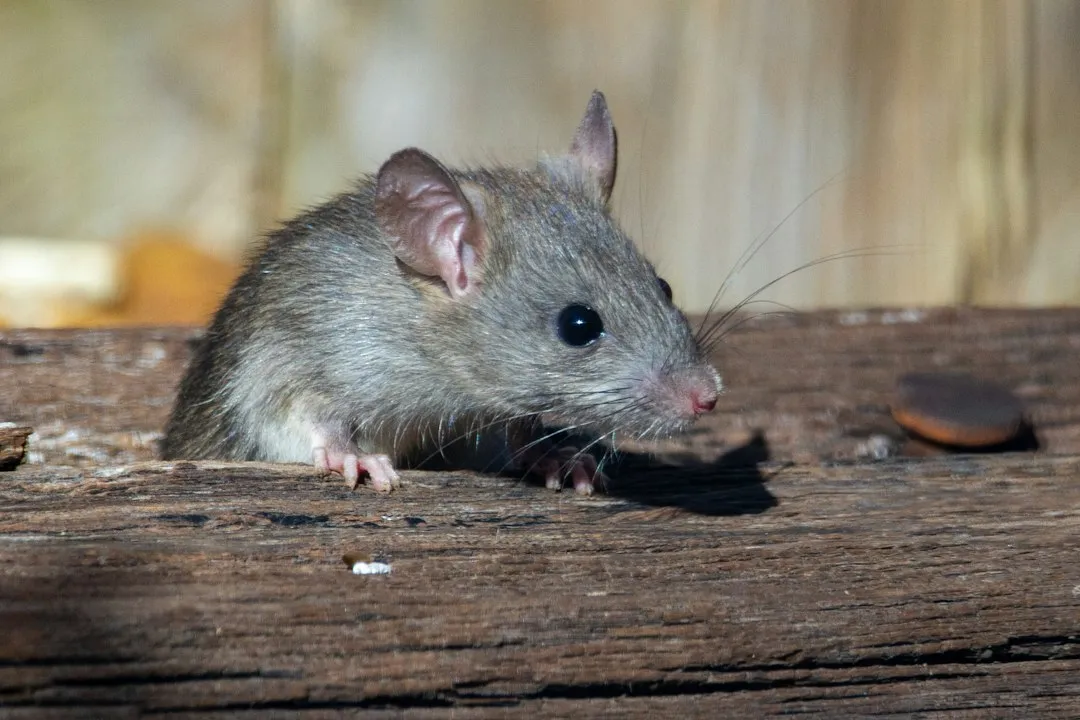
Rodents are opportunists. Once they identify your bin as a reliable food smell, they start scouting nearby structures – your garage, your shed, the corner of your house – for nesting. The trash can is rarely the end goal. It’s the entry point.
Beyond being a nuisance, these pests can bring harmful diseases and cause property damage. Rodents contaminate food and chew through electrical wires and drywall, while cockroaches and flies spread germs and diseases. That damage can be far more expensive than any pest control service.
As rodents’ feet walk through the decomposing food, they also drag their tails through it. Those tails carry bacteria that get spread around wherever they walk – including pathogens associated with salmonella, hantavirus, and even the bubonic plague.
Wind Blown Lids Are a Real and Underrated Problem
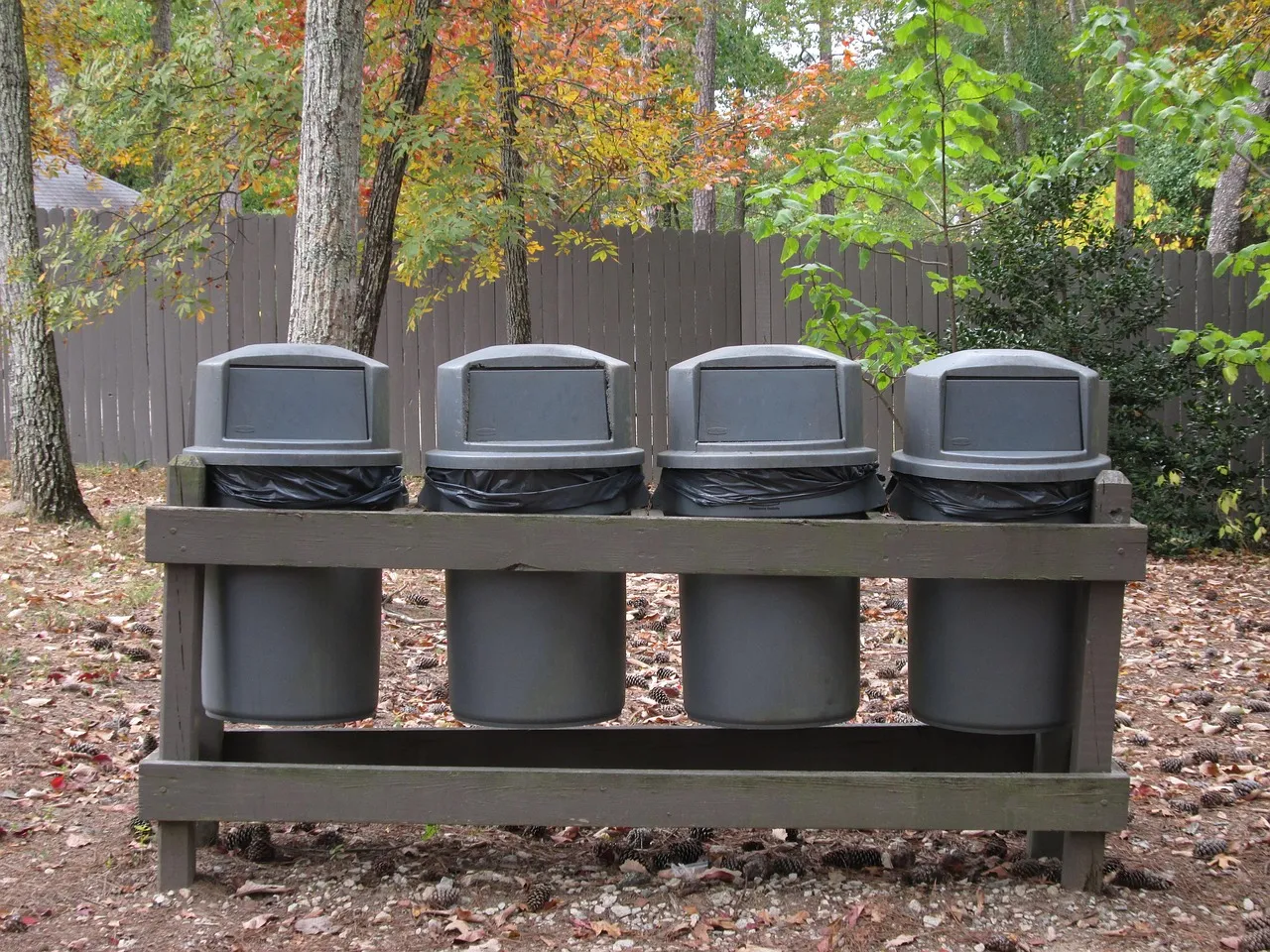
Wind often causes the trash can lid to blow open and act like a sail. The lid catches the wind and causes the trash can to blow down the street where it must be located and retrieved. The lid being open also allows unwanted odors to escape, and further allows unwanted insects or larger animals to access the contents.
Trash cans with flip-top lids are also susceptible to infiltration from rats, raccoons, and other vermin. Flip-top lids are often poorly secured and allow small animals to easily open the trash can and rummage through the trash. Raccoons in particular are very intelligent and are known to tip over the trash can to access the interior. Once tipped over, raccoons can easily open the flip-top lid and remove the trash. This is a common scenario in suburban and semi-rural neighborhoods and one that often goes unnoticed until there’s a visible mess.
Moisture Inside the Bin Makes Things Much Worse

Moisture attracts pests. Cockroaches, flies, and rats are all drawn to damp environments. When liquid from food waste pools at the bottom of a bin, or leaks from a damaged bag, it creates conditions that are nearly ideal for pest breeding.
Pests like flies and mosquitoes are attracted to wet environments. If your garbage area is damp or your trash bags leak, you’re creating the perfect habitat for these pests. An unsecured lid compounds this problem by allowing rainwater to collect inside outdoor bins, adding even more moisture to an already attractive environment.
The Bin Itself Can Become the Problem
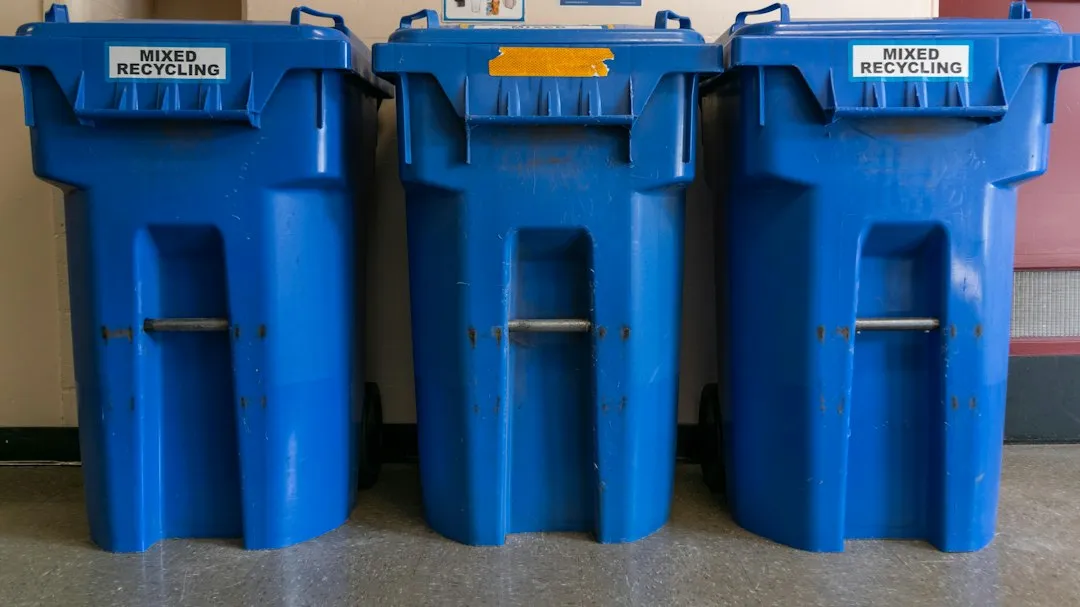
Even if you’re careful about what you throw away, your trash bins can accumulate food residue and moisture over time. This buildup can attract pests. Residue left in the seams, on the lid’s underside, or around the rim is enough to keep drawing insects back even after the bin has been emptied.
There’s no point in investing the time to secure your trash can lids if the rest of the container is ridden with cracks and holes. These holes practically encourage ants and cockroaches to sneak into your garbage cans and infest your trash. Lid discipline and bin condition go hand in hand.
Cleaning your garbage cans at least once a month with soap and water or a disinfectant helps eliminate odors and residue that attract pests. This is a step that most households skip entirely, and it shows.
What Actually Fixes the Problem
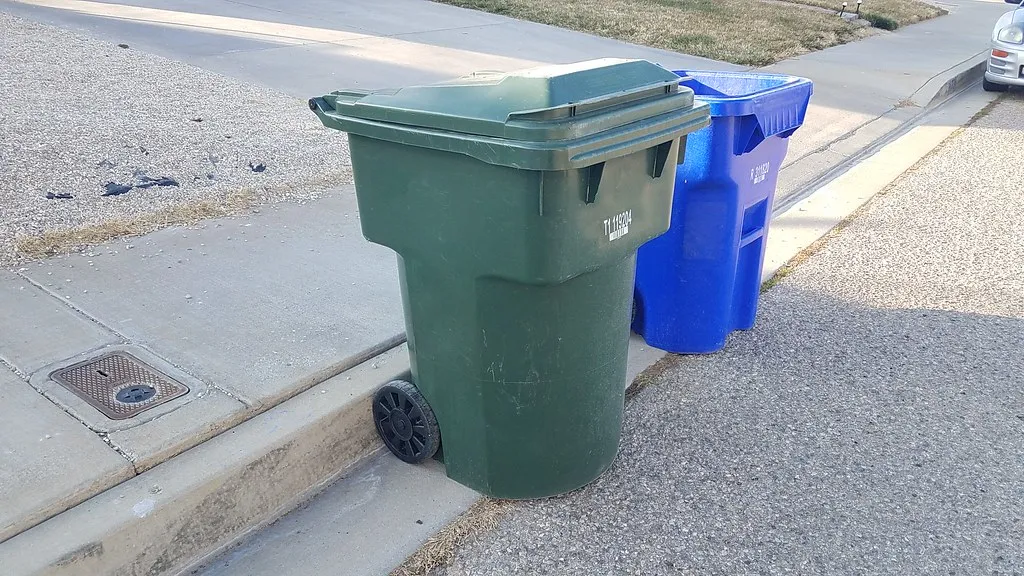
The most fundamental pest prevention strategy is to choose a high-quality bin. High-quality bins have lids, sturdy bases, and they are made from rigid and durable chew-proof materials. Larger bins will be harder for medium-sized pests to knock over. The bin itself matters just as much as the habit of closing it properly.
A short bungee cord used to properly secure the trash can lid can prevent smaller critters and insects from gaining access to the container’s contents. It’s a simple, cheap fix that most people overlook. When standard high-quality bins are not enough, the next logical step is to consider latch mechanisms. You can purchase brand-new containers with built-in latches or consider adding an aftermarket latch to existing containers.
Avoid placing outdoor trash receptacles near your building. Don’t put them immediately next to a window, door, vent, or other pest entryway. Location is an easy variable to control, and it makes a meaningful difference when combined with a properly secured lid.
The Bottom Line
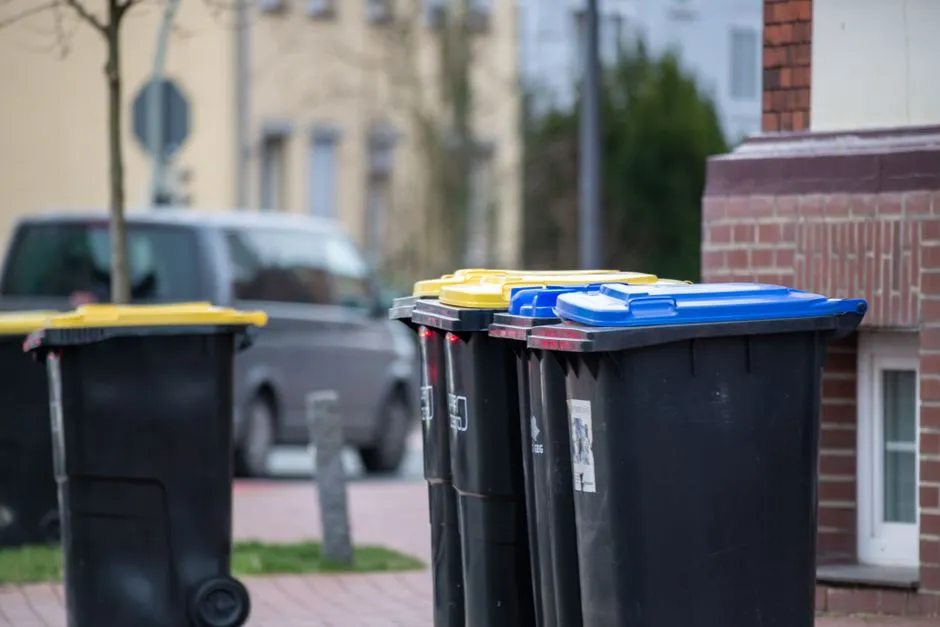
The trash can lid is one of those household details that sits in plain sight without ever demanding attention. It doesn’t seem like a health or safety issue, so it rarely gets treated like one. The problem is that pests don’t see it that way.
A lid that doesn’t seal completely is, from a pest’s perspective, a door left cracked open. The fix is genuinely simple: a better bin, a bungee cord, a monthly rinse, and the discipline to check that the lid is actually closed. None of those things take more than a minute.
Pest problems rarely start dramatically. They start with small habits that quietly accumulate. The lid is one worth paying attention to.
AI Disclaimer: This article was created with the assistance of AI tools and reviewed by a human editor.