

The Anatomy Behind the Confusion

A sinus infection can cause tooth pain, especially in the upper teeth. The largest sinus cavity, the maxillary sinus, sits within your cheekbones right above your upper back teeth. That proximity is really the whole story – when something goes wrong in that sinus, it doesn’t stay quietly to itself.
There are sinuses located behind your cheekbones and above your teeth. The roots of your upper back teeth sit just below the maxillary sinuses, and thin layers of bone are all that separate them. That’s why infections or inflammation in one area can easily affect the other.
In some people, only a thin layer of bone separates the tooth roots from a sinus. A root may even sit partly within the sinus space. This close connection allows sinus inflammation to feel like tooth pain, while an infection near an upper tooth can reach the sinus.
How Common Is This, Really?

Sinus infections, also known as sinusitis, strike more than 30 million Americans each year. That alone makes the potential overlap with tooth pain enormous in scale.
Despite being common, maxillary sinusitis of dental origin is often under-recognized and undiagnosed, with over 40% of maxillary sinus infections originating dentally. That is a striking number, and it tells you just how frequently these two problems blur together.
The American Association of Endodontists recently published a piece on the condition, focusing on the history of the condition as well as the fact that there is little public knowledge of the connection between dental and sinus issues. Despite reported high prevalence, it remains under-appreciated and frequently goes undiagnosed.
How Sinus Pressure Actually Triggers Tooth Pain

Tooth pain can be common with sinus infections, because the roots of the upper molars are close to the maxillary sinuses, which are the pair of sinus cavities located behind the cheekbone. When the sinuses become inflamed, pressure builds up. It can irritate the nerves of the teeth and cause pain.
Sinusitis causes inflammation and swelling of the mucous membranes lining the sinuses. As these tissues swell and mucus or fluids build up, the pressure inside the maxillary sinus increases significantly. Because the roots of your upper teeth are so close to this inflamed area, they can become irritated by this pressure, causing that characteristic toothache feeling.
When those sinuses become inflamed or infected, the resulting pressure and swelling can press directly on the roots of those teeth, producing pain that feels exactly like a toothache. The teeth themselves are completely healthy, but the nerve signals are indistinguishable from dental pain.
When a Tooth Infection Runs the Problem in Reverse

While sinus inflammation can imitate tooth pain, the reverse can also happen. A real tooth infection can spread upward and irritate the sinus cavity, a condition known as odontogenic sinusitis. Research shows that over 40% of sinusitis infections in the main sinuses begin as a tooth infection.
This type of sinus problem often develops when an upper molar or premolar becomes infected and bacteria make their way into the sinus cavity. Symptoms can include long-lasting nasal congestion and sinus pressure on one side of your face. It can also cause recurring sinus infections or a bad taste in your mouth.
The condition typically results from disruption of the sinus membrane by ascending dental infection, odontogenic cysts, or causes such as implant displacement, sinus lift complications, and other dental procedures. Microbiologically, odontogenic sinusitis is generally a polymicrobial infection dominated by anaerobes. In other words, the bacterial makeup of these dental-origin sinus infections looks different from ordinary sinusitis – which is part of why they respond differently to treatment.
The Key Warning Signals: Sinus Pain vs. Dental Pain

Symptoms of a cavity or dental-related tooth pain usually involve a sharp pain or sensitivity in a specific tooth when biting down on a hard piece of food or eating hot, cold, or sweet foods. Sinus-related pain is a continuous pressure or an ache in the vicinity of the upper back teeth, not specific to any one tooth.
Sinus pressure affects all the teeth whose roots are near the sinus floor, not just one tooth. If several upper molars are aching simultaneously, sinus involvement is likely. Leaning over to tie a shoe or bending at the waist increases sinus pressure and typically amplifies sinus-referred tooth pain.
Broad, pressure-like pain plus nasal symptoms leans sinus; sharp, reproducible pain in a single tooth leans dental. That simple distinction is worth keeping in mind before you call the dentist or the doctor.
Other Symptoms That Point to Your Sinuses

Besides pain or pressure in your upper teeth, you may also experience a cough, ear pressure, bad breath, and a reduced ability to smell and taste. These companion symptoms are real clues.
Pain in more than one upper tooth at the same time, pain that gets worse when you bend over or lie down, facial pressure around your cheeks, forehead, or eyes, nasal congestion or post-nasal drip, a headache or ear pressure, and bad breath or reduced sense of smell all point toward a sinus origin rather than a dental one.
Sinus tooth pain typically lasts as long as the sinus infection or congestion persists – often from a few days up to a couple of weeks. If tooth pain continues beyond sinus symptom resolution, you should consult your dentist or healthcare provider.
The Misdiagnosis Problem and Why It Matters
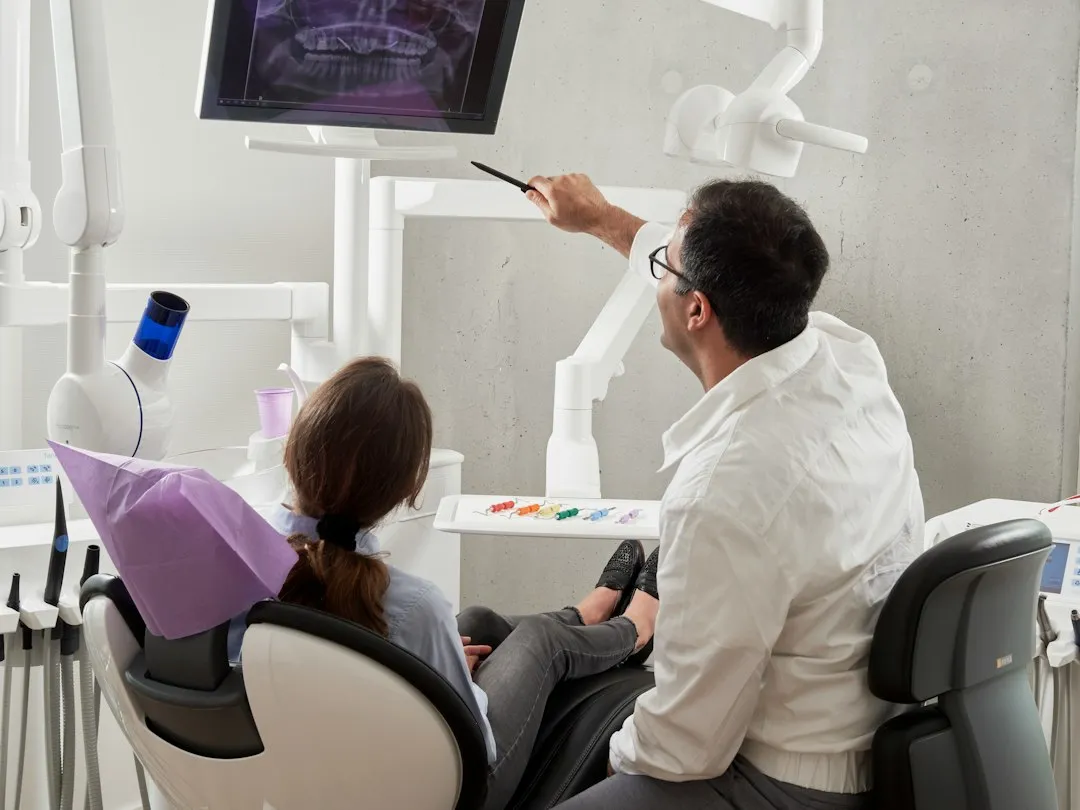
This connection sometimes leads patients to worry unnecessarily about dental problems and even undergo needless treatments. Getting to the wrong provider first is more than just an inconvenience – it can mean unnecessary dental work on healthy teeth.
In one 2025 retrospective study of 186 adults, toothache and gum swelling were more common in people whose sinus disease started with a dental problem than in those whose condition started in the nose. Even so, one research review found that many people with tooth-caused sinusitis do not have dental pain.
Antibiotics can quiet an infection and ease symptoms for a while, which can make it seem like the problem is solved. If an infected tooth is the actual source, the sinus issue is likely to return once the antibiotic course ends. That cycle of recurring sinus infections is often the first real hint that a tooth is involved.
What Happens When a Dental Procedure Triggers It
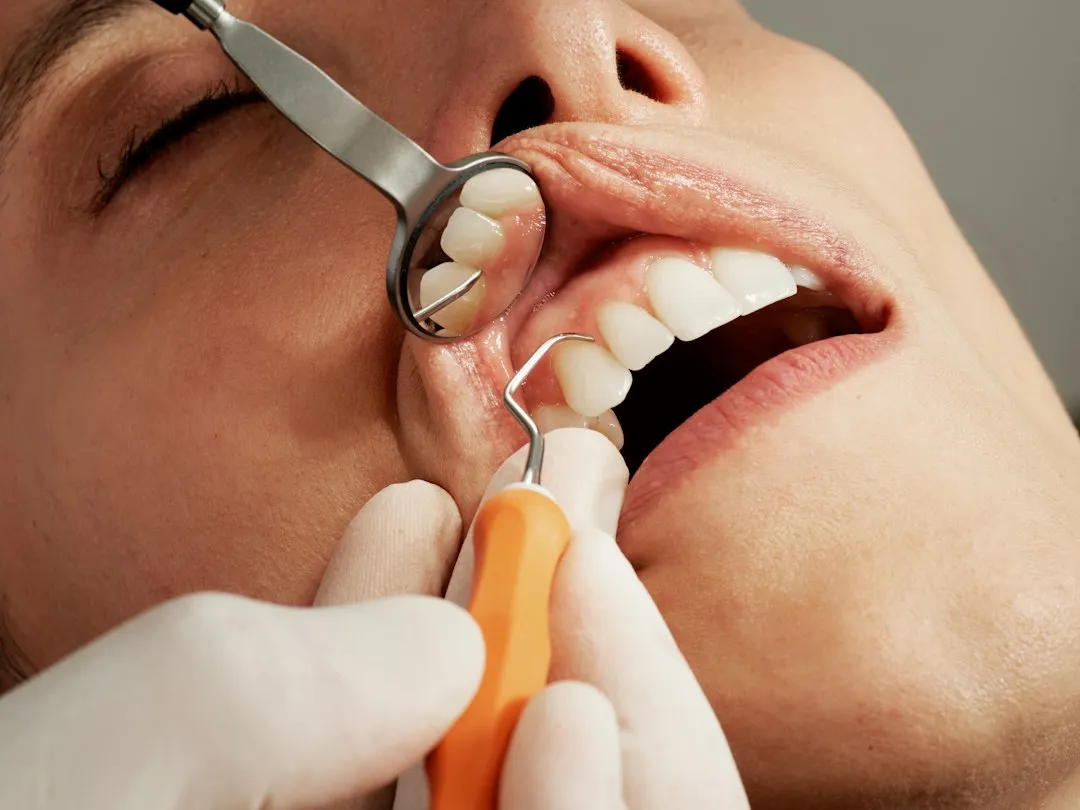
The condition can also result from iatrogenic causes such as implant displacement, sinus lift complications, and other dental procedures. This is a side of the story that surprises many patients – the idea that dental work itself can sometimes open a pathway to sinus trouble.
Research reports a mean distance of less than 2 mm between the posterior maxillary teeth and the maxillary sinus floor. Considering the frequent proximity of the maxillary sinus, endodontic surgery of upper premolars and molars can produce an accidental connection between the mouth and sinus cavity.
Because of their proximity to the upper teeth, the maxillary sinuses are the most important paranasal sinuses in dentistry. Any procedure in that area carries an anatomical reality that both patients and practitioners should understand.
How Doctors and Dentists Actually Diagnose This
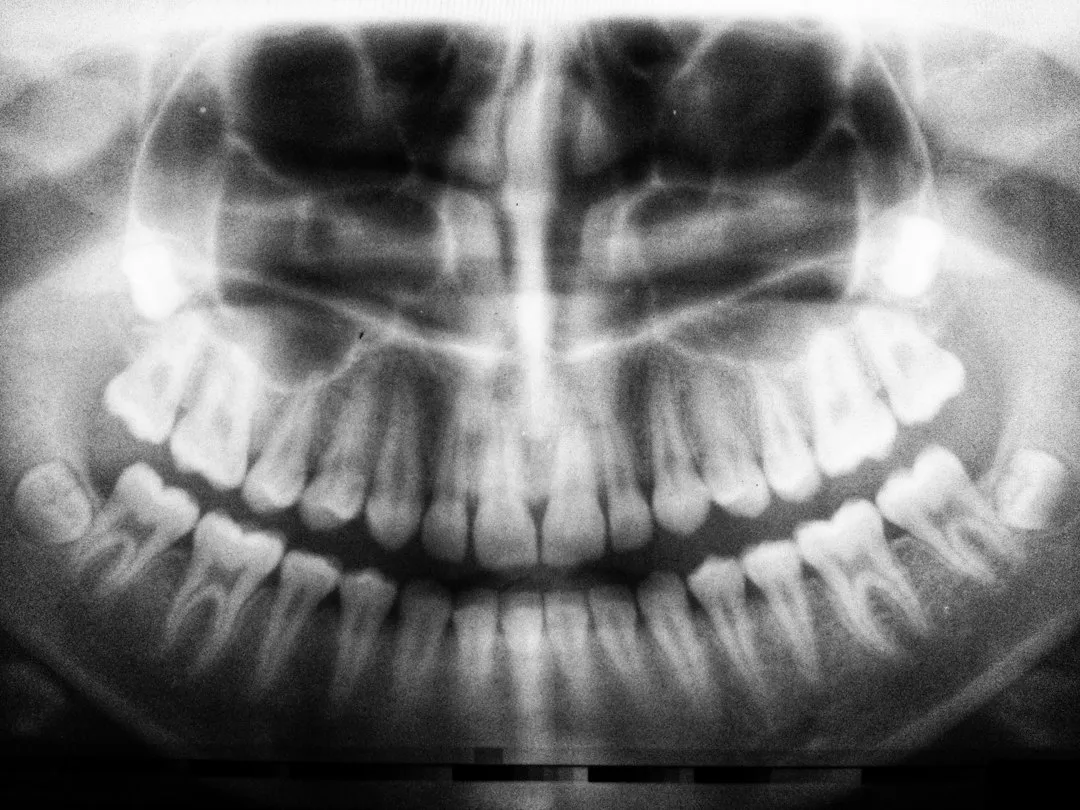
The diagnosis of odontogenic sinusitis is established based on clinical symptoms, nasal endoscopy, paranasal sinus computed tomography (CT), and dental evaluation. It typically takes more than one specialist to piece the picture together properly.
When a tooth source may be driving sinus symptoms, coordinated care between dental providers and ENT is often central to diagnosis and treatment, because addressing the tooth source may be necessary for lasting improvement.
Diagnosis may include dental X-rays to rule out tooth problems. The goal is to identify the true source of pain so treatment is targeted and effective. Jumping to antibiotics or dental procedures without confirming the real source often just delays the fix.
Treatment: It Depends Entirely on the Cause

Studies show most sinus infections tend to resolve on their own in seven to ten days. Antibiotics are generally only necessary if the infection is bacterial or if symptoms persist or worsen after about seven days.
Decongestants and anti-inflammatories often help with sinus-related pain. If the pain persists or worsens with medication, you may need dental care. The response to treatment, in practice, becomes its own diagnostic clue.
When maxillary sinusitis has an odontogenic cause, specific dental treatment such as endodontic treatment or extraction may be required. In cases where the sinus problem has progressed significantly, when dental or medical therapy is insufficient to control infection or restore sinus drainage, surgical intervention is warranted.
The Takeaway
The connection between your sinuses and your teeth is tighter than most people expect. A dull ache spreading across your upper back teeth – especially one that comes with a stuffy nose, facial pressure, or a worsening when you lean forward – may have nothing to do with your enamel at all.
Trial-and-error antibiotics for recurring symptoms can disappoint – if the driver is dental, the sinus won’t fully settle until the tooth source is addressed. The reverse is equally true. Treating healthy teeth for pain that originates in inflamed sinuses helps no one.
The body rarely announces exactly where a problem starts. Knowing that your mouth and your sinuses share more anatomical real estate than you’d think is genuinely useful knowledge – the kind that gets you to the right provider faster, and keeps you from unnecessary treatments on the wrong end of the problem entirely.
AI Disclaimer: This article was created with the assistance of AI tools and reviewed by a human editor.