
The Habit Nobody Questions
For many people, tomatoes are one of those ingredients that often end up chilling in the crisper drawer or sitting on a shelf in the fridge, waiting to be used. It’s an almost reflexive move, born from the reasonable idea that cold storage protects food.
For anyone who has ever bitten into a pale, mealy, oddly tasteless tomato from a cold refrigerator drawer, the evidence is right there on the tongue. Researchers have spent years untangling exactly what happens inside a tomato when temperatures drop below a certain threshold, and the findings are striking.
The problem isn’t marginal. It’s chemical, it’s genetic, and in many cases, it starts within hours of putting the tomato in the cold.
What Tomato Flavor Actually Is
Tomato characteristic flavor is the result of complex interactions among organic acids, sugars, and more than 400 volatile compounds. These volatile compounds are the part of the equation that most people never think about because they’re invisible.
The key volatile compounds of tomato fruits generally derive from fatty acid, carotenoid, phenylalanine, and branched-chain amino acid pathways. Each of those pathways is temperature-sensitive in its own way.
These so-called aroma compounds easily vaporize, and that’s what gives the tomato its distinctive aroma and flavor. When you suppress those compounds, you don’t just lose the smell. You lose the perceived taste along with it.
The Temperature Threshold That Triggers the Damage
The production of flavor-related volatiles is sensitive to temperatures below 12 degrees Celsius, during which the production of volatile compounds is reduced. That’s roughly 54 degrees Fahrenheit, a threshold that most home refrigerators stay well below.
Refrigerators typically range between 40 and 45 degrees Fahrenheit, which can cause a “chilling injury” that harms the tomato’s natural ripening process. That gap between the safe zone and the average fridge temperature is where most of the damage happens.
In contrast, flavor-related substances such as sugars and acids typically are not affected by refrigeration. So the tomato might still register as sweet on a basic level, but the complex aromatic character that makes it taste like a real tomato simply disappears.
The Damage Starts Faster Than You’d Expect
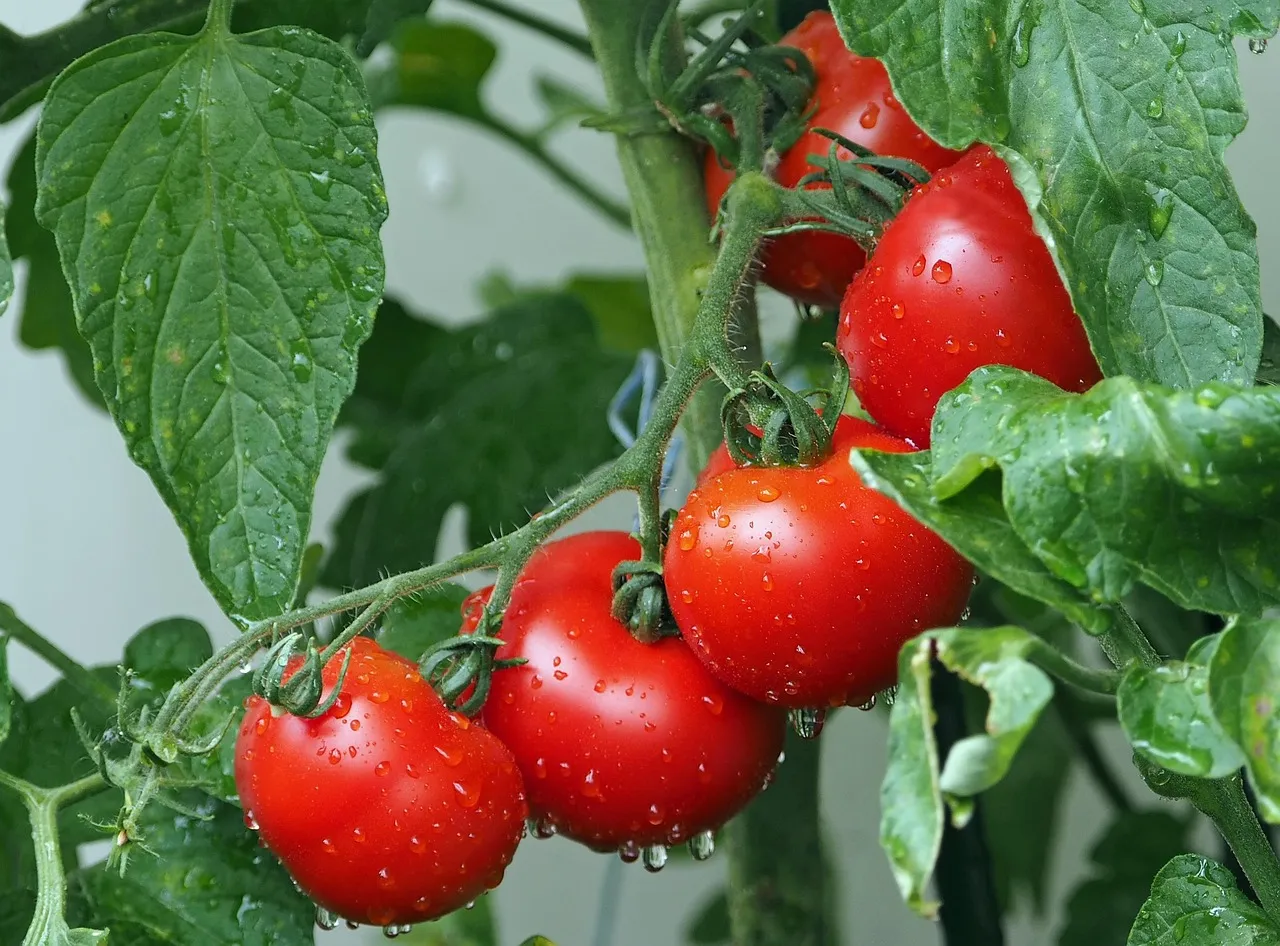
When the product temperature decreases from room to refrigerator temperature, the abundance of most volatile compounds decreases significantly within three to five hours. This is not a gradual process that happens over days. The damage begins almost as soon as the tomato gets cold.
That’s not a minor detail. It means that even a short stint in the fridge, say, leaving tomatoes chilled overnight, can already start compressing the flavor profile. Most people assume a few hours won’t matter. They do.
Tomatoes stored for just one or three days didn’t lose their aroma substances in significant amounts, but the picture changes substantially beyond that window.
Seven Days in the Cold: What the Research Actually Found
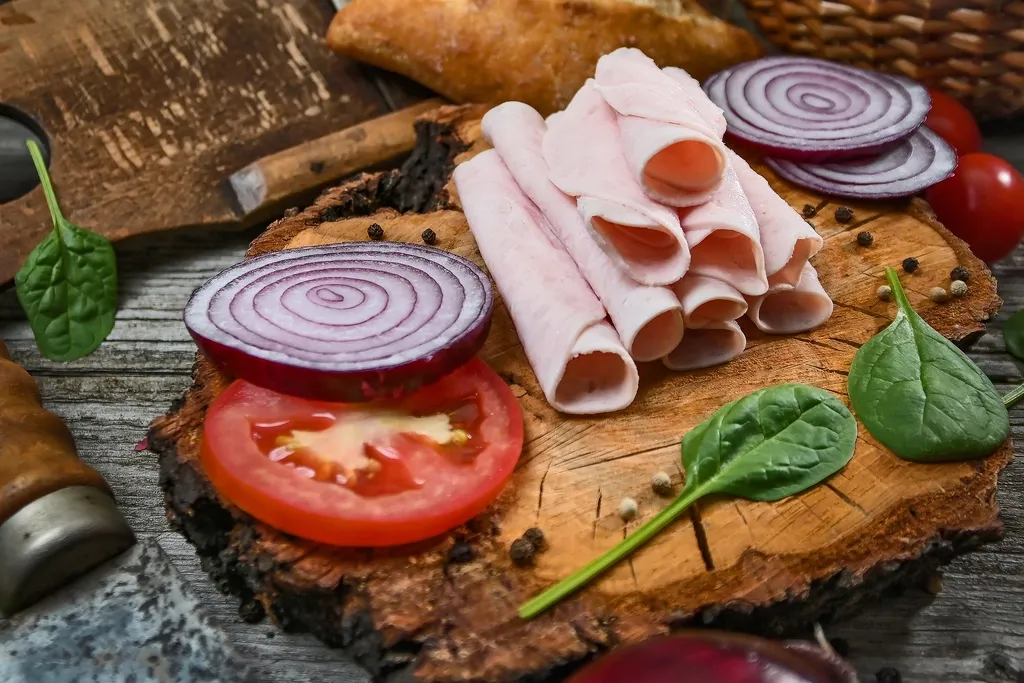
No significant loss of flavor volatile content was observed after one or three days of cold storage, but after seven days in the cold, volatile contents were significantly lower in both cultivars. Even after a three-day recovery period, volatiles remained significantly lower than the day-zero sample.
This landmark finding came from a study published in the Proceedings of the National Academy of Sciences, involving researchers from the University of Florida, Cornell University, and institutions in China. It’s one of the most cited papers on postharvest tomato quality.
The practical implication is sobering: even bringing chilled tomatoes back to room temperature before serving does not fully restore their flavor. The damage, once done, is largely permanent.
Cold Temperatures Turn Off Flavor Genes
The scientists figured out how chilling reduced flavor: cold temperatures actually turned off specific genes, and that, in turn, cut down production of these flavor compounds. This is where the science moves from interesting to genuinely surprising.
This gene-silencing effect makes cold-induced flavor loss far more difficult to reverse than simple evaporation of volatiles. Transcripts for some key volatile synthesis enzymes and the most important ripening-associated transcription factors are greatly reduced in response to chilling.
Further research showed that the prolonged chilling reduced the activity of certain genes that make those compounds. Once those genes go quiet, warming the tomato back up doesn’t reliably switch them on again.
USDA Research Confirms the Scale of the Loss
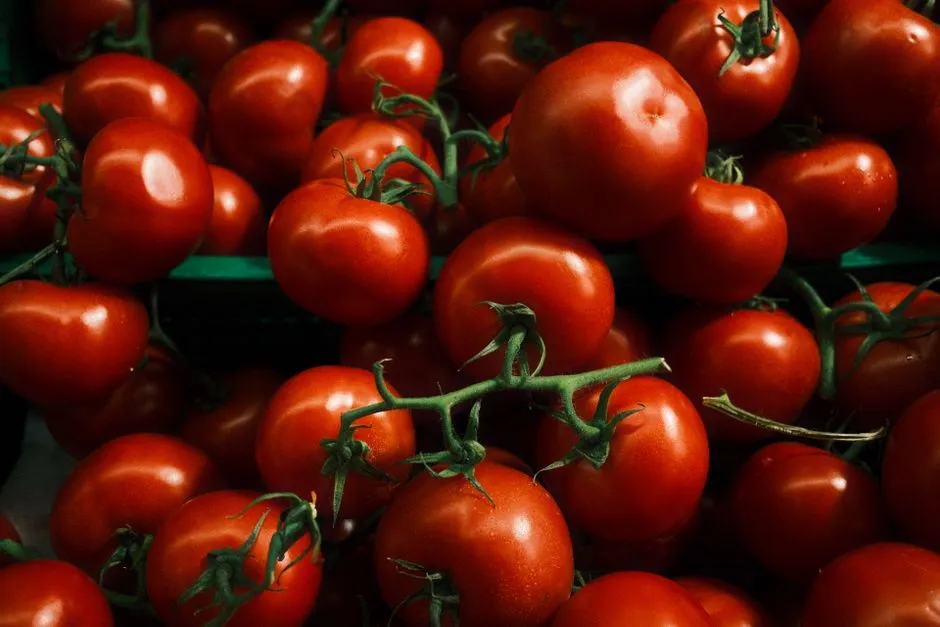
Research from the U.S. Agricultural Research Service showed that refrigeration greatly reduced 25 of 42 aroma compounds and reduced volatile levels overall by 68 percent. That’s not a small dip. That’s the majority of what makes a tomato smell and taste the way it should.
ARS plant physiologist Jinhe Bai and his colleagues at the U.S. Horticulture Research Laboratory studied the effects of refrigerating tomatoes, dividing 60 tomatoes into groups and using gas chromatography and an electronic nose to measure 45 volatile compounds associated with flavor released when the tomatoes were cut up.
The results spell out why it is better to store tomatoes and wash them before use at room temperature. The USDA findings aligned closely with the PNAS study, reinforcing the same conclusion from a different methodological angle.
Not All Tomatoes Respond the Same Way
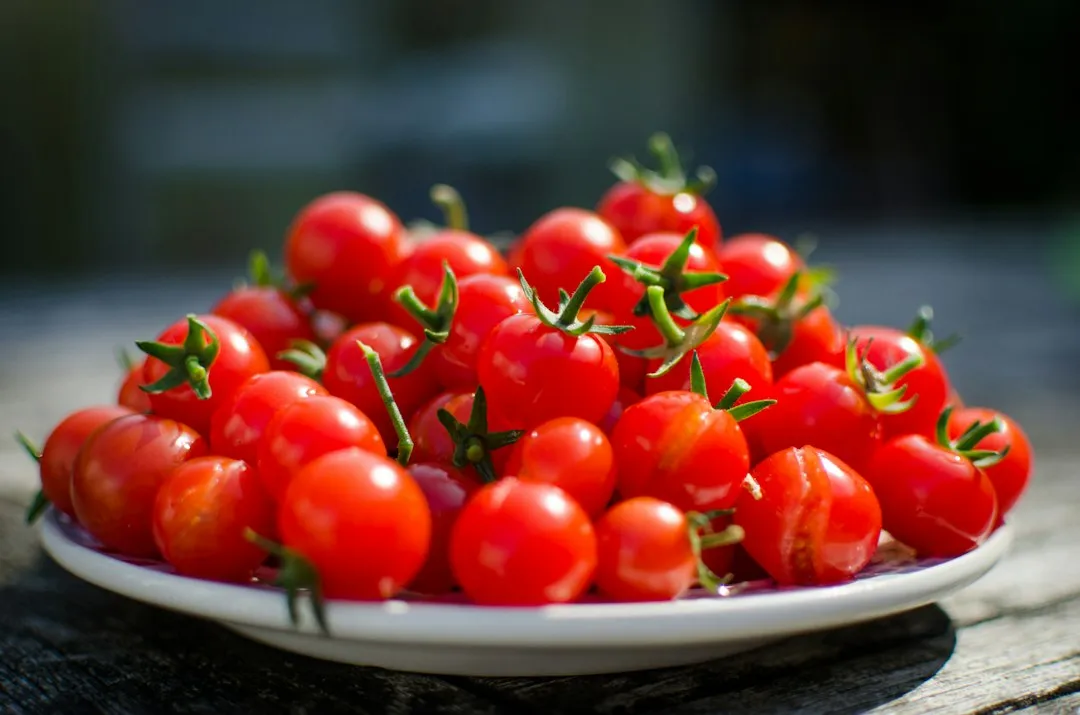
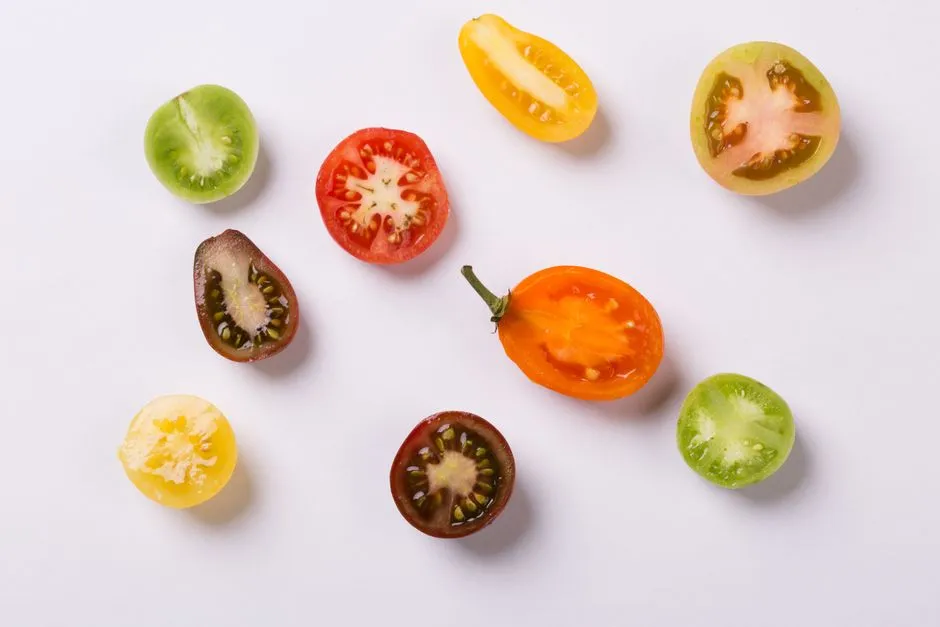
The small but mighty cherry tomato is least sensitive to refrigeration, resisting degradation for longer periods of time with little adverse effect on flavor. This is worth knowing if you regularly buy cherry tomatoes in bulk and can’t use them all in a few days.
Roma or beefsteak tomatoes, however, will benefit more from room-temperature storage, because these varieties have a higher flesh-to-seed ratio that tends to suffer more from refrigeration. The more flesh, the more volatile surface area at risk.
There are some varieties of tomatoes that should never be refrigerated. The iconic heirloom varieties you may find at a farmer’s market or growing in your backyard should always be stored at room temperature, with the vine removed. These varieties typically carry the richest volatile profiles to begin with, making them the most vulnerable to chilling damage.
The Ripeness Factor: When Refrigeration Is Acceptable
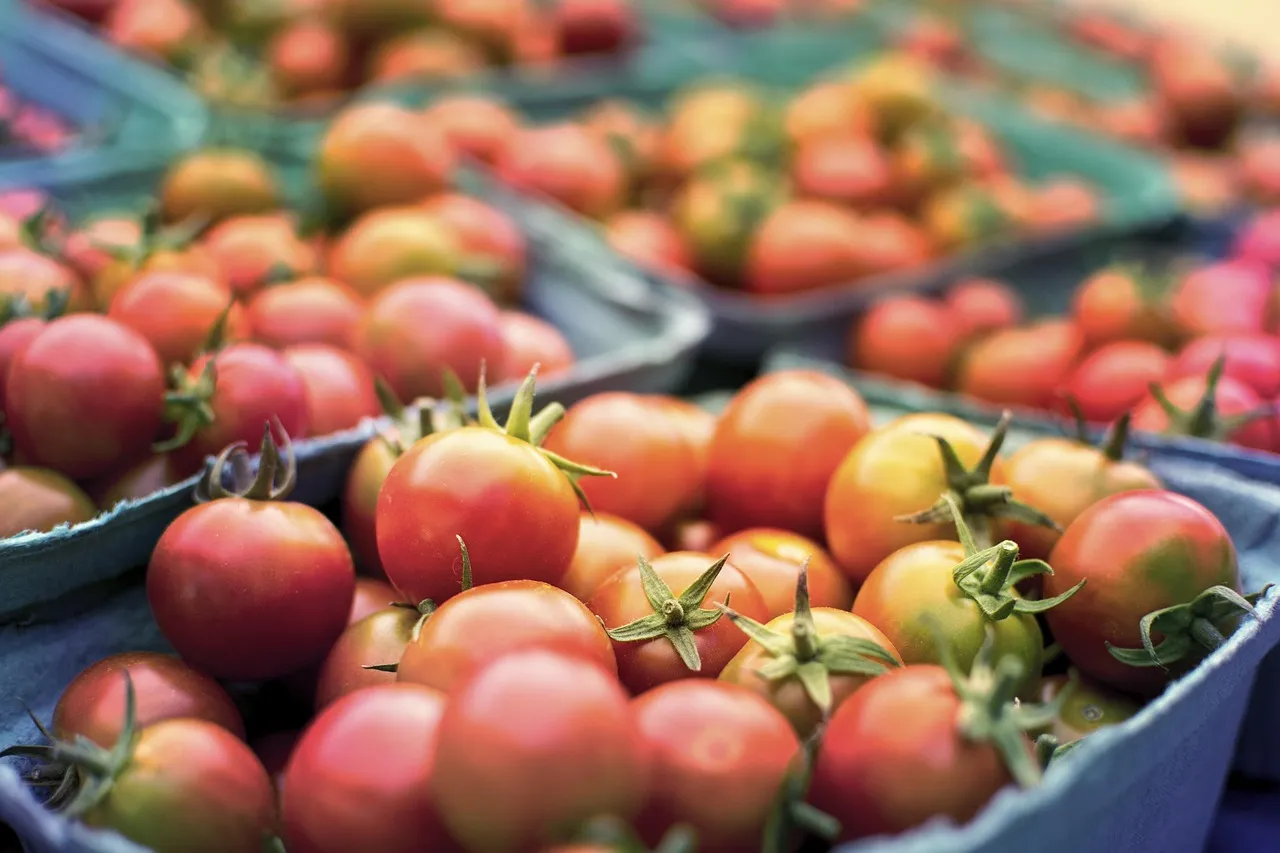
Contrary to popular belief, refrigerating a fully ripe tomato will not ruin the flavor. The cooler temperatures will actually preserve the sweetness, acidity, flavor, and texture of the fruit because it will not over-ripen. This is the nuance that often gets lost in the blanket advice to never refrigerate tomatoes.
The simplest, most actionable advice from the science: the fruit should be at least 90 percent ripe before placing it in the fridge. Anything short of that and you’re taking a real risk with the flavor.
A fully ripe tomato can go into the refrigerator for a day or two and still eat well, but before eating, the tomato should be brought back to room temperature. That last step, letting it warm up before you eat it, is easy to skip and easy to forget, but it makes a meaningful difference.
How to Actually Store Them Right
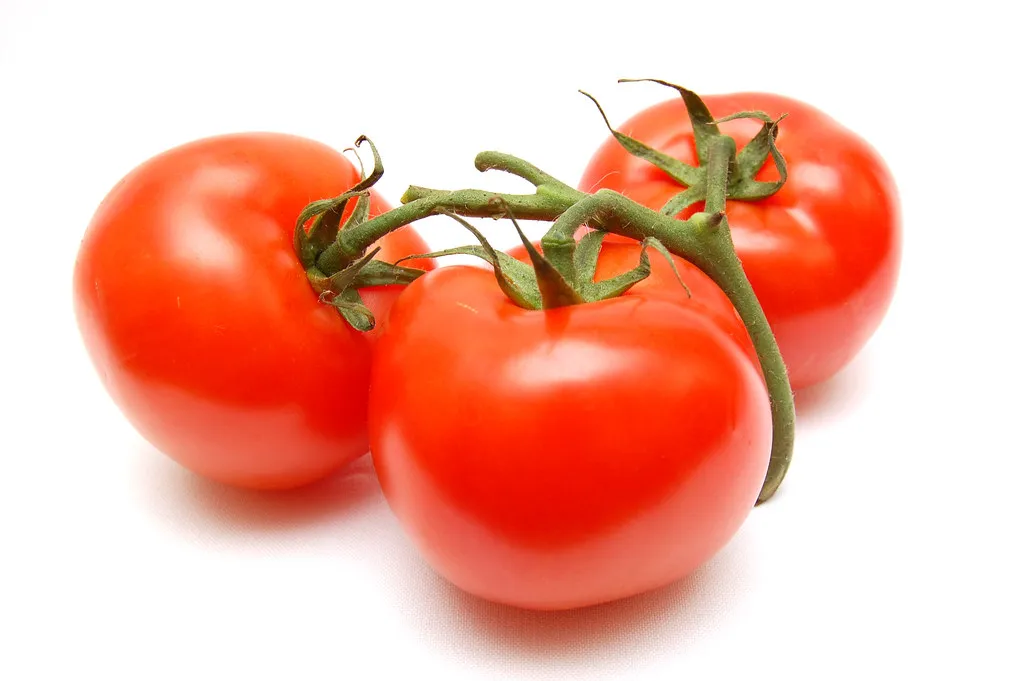
Keep tomatoes stem-side down on a clean plate, shallow bowl, or tray. Store at room temperature, ideally above 55 degrees Fahrenheit. Avoid placing tomatoes in direct sunlight or stacking them. These three steps together cover most of what you need.
Moisture can escape through the top of the tomato at the stem, causing your once plump and juicy produce to dry out and wrinkle. One way to prevent this is to store your tomatoes upside down, with the stem resting on a flat surface to prevent airflow around it. An even better way to accomplish this is to simply tape over the stem.
Chilling didn’t seem to affect nutrition. The chilled tomatoes were just as nutritious as the non-refrigerated ones. So if you’re reaching for tomatoes primarily for lycopene or vitamins, refrigeration won’t cost you there. It only costs you the experience of eating one.
The Takeaway
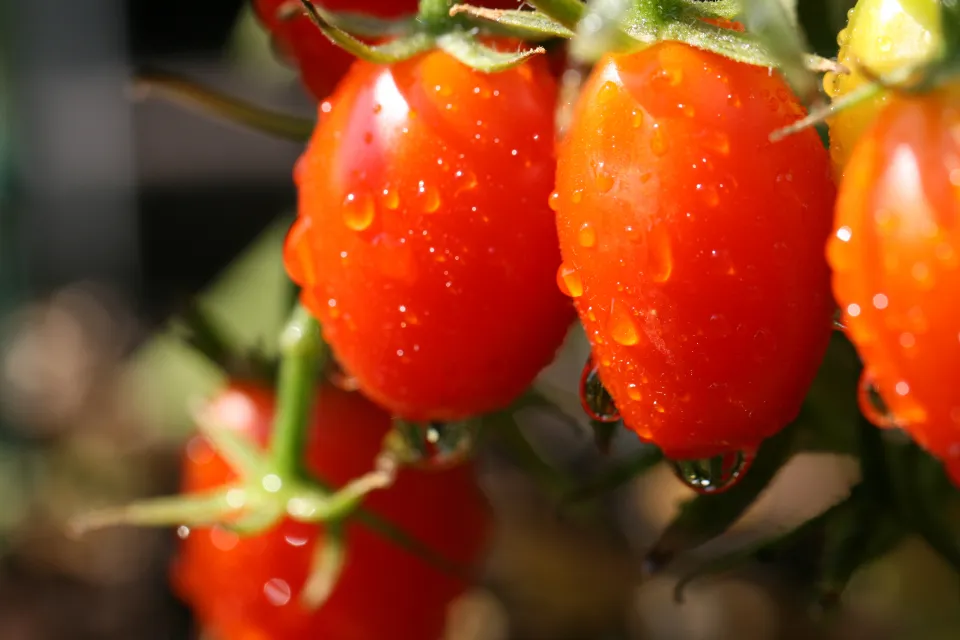
The refrigerator is not neutral territory for a tomato. Below a specific temperature threshold, biochemical processes slow or stop entirely, gene expression shifts, and the volatile compounds responsible for the flavor you actually want begin to disappear. Most of that loss is not recoverable.
The fix is genuinely simple: keep unripe and nearly ripe tomatoes on the counter, stem-side down, away from direct sunlight, and eat them within a few days. Reserve the fridge only for tomatoes that are already fully ripe and only when you truly need to buy an extra day or two. Bring them back to room temperature before eating.
It costs nothing to change this habit. The reward is a tomato that tastes like one.
AI Disclaimer: This article was created with the assistance of AI tools and reviewed by a human editor.