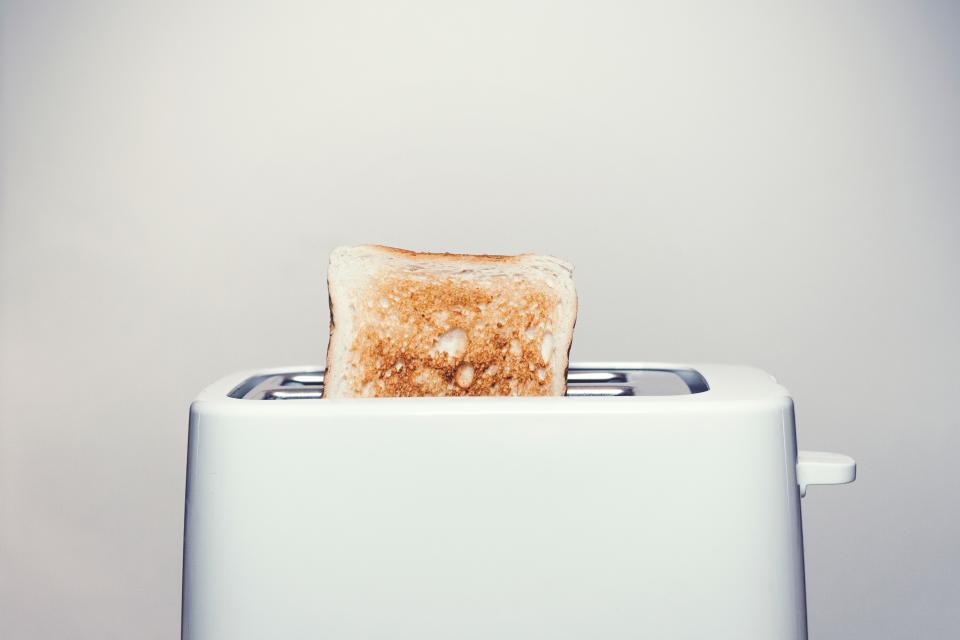

The Tray That Ships with Every Toaster
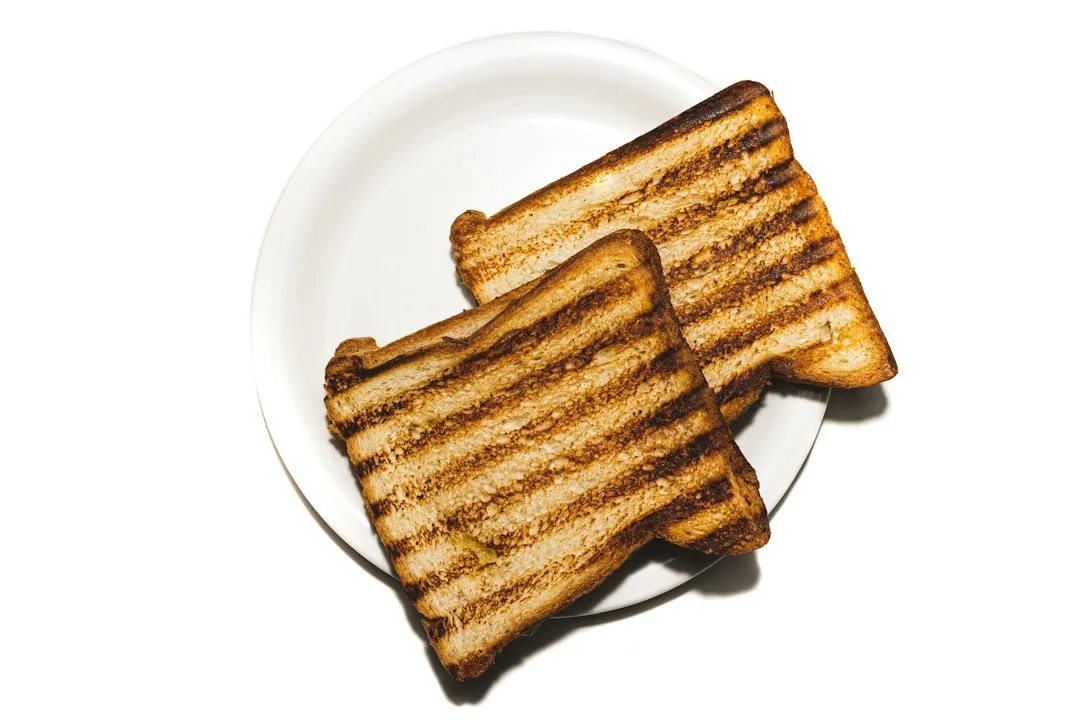
Almost every modern toaster on the market includes a removable crumb tray built into the base of the unit. Toasted bread is fragile and tends to generate crumbs that fall to the bottom of the appliance, and if these crumbs are allowed to accumulate, they can easily catch fire during normal toaster operation. Most toasters include removable trays specifically for easy cleaning. The design has been standard for decades, yet the tray remains one of the most routinely ignored features in any kitchen.
Toasters are a staple kitchen appliance, yet they rarely get the attention they deserve. After the bread pops, many toasters are left to accumulate months’ or even years’ worth of crumbs. The tray is right there. The problem is not access. It is habit.
Crumbs as a Fire Starter
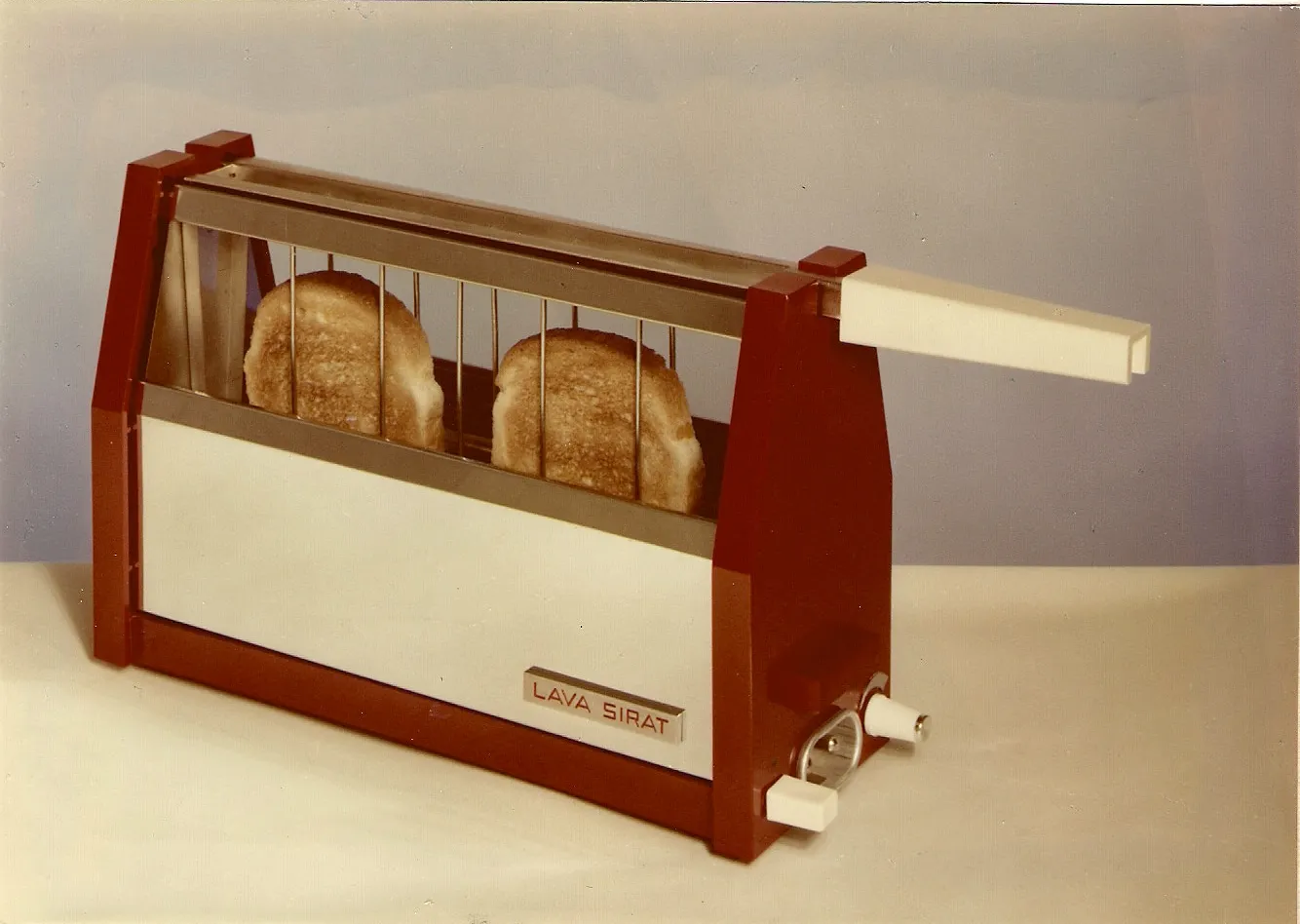
The most common culprit in toaster fires is something incredibly simple: crumbs. Over time, bits of bread and pastries collect in the bottom of the appliance, often in a removable tray that is easy to forget. The real danger is proximity. Those dried crumbs sit directly beneath red-hot heating elements, and it does not take much for ignition to occur.
Crumbs fall to the bottom of the toaster and accumulate over time. They remain close to an extremely hot element until they are either cleaned out or they catch on fire. Regular crumb tray emptying lowers fire incidence by roughly 45 percent. That is a substantial reduction for a task that takes less than a minute.
How Widespread the Problem Actually Is
In the United States, toasters were involved in approximately 1,500 home structure fires annually from 2015 to 2019. More recent figures paint a similar picture. In 2022, U.S. fire departments responded to an estimated 2,900 home fires involving toasters or toaster ovens. That jump in reported incidents suggests the problem has not improved meaningfully over time.
The reported 1,500 annual fires only include incidents that required a fire department response. Many smaller flare-ups are extinguished by homeowners before they spread, and these near-misses often go undocumented. Averting a crisis is a relief, but it also means the root hazard, like crumb buildup or a faulty wire, still persists.
Crumbs Are the Leading Cause, Not Faulty Wiring
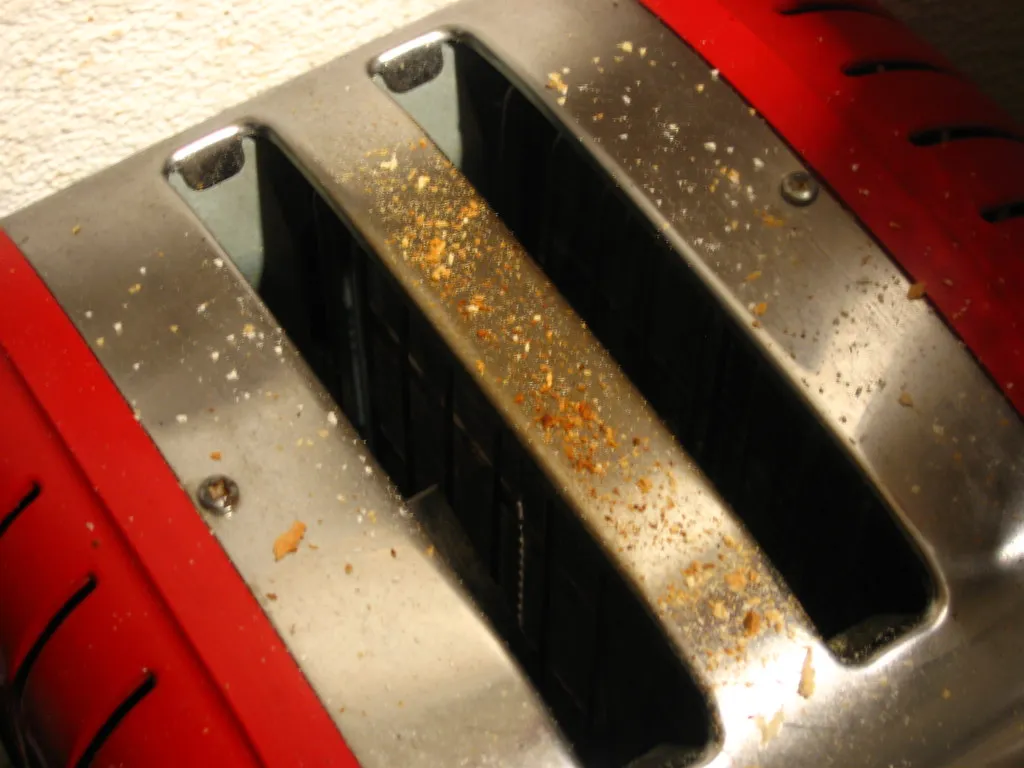
Crumb accumulation in toasters caused 42 percent of all toaster fires, according to NFPA analysis covering 2015 to 2019. That figure consistently ranks it as the top cause, ahead of electrical faults. Faulty wiring in toasters led to 28 percent of electrical fires from the appliance, according to USFA data from 2014 to 2018.
Crumb buildup is the most frequent cause of toaster fires. When crumbs collect in the tray and around heating elements, they can heat up, smoke, and eventually ignite. A burning smell or light smoke during use almost always traces back to an overdue cleaning. The smell is the warning. Most people open a window instead of pulling out the tray.
The Cost in Property Damage

A startling 27 million dollars in property damage across American homes traces back to the household toaster. Between 2007 and 2011 alone, toasters and toaster ovens ignited nearly 3,000 fires, revealing the hidden dangers lurking in this everyday appliance. That figure does not account for indirect costs like temporary relocation, smoke damage restoration, or contents loss.
The documented 27 million dollars in property damage from toaster fires between 2007 and 2011 demonstrates how seemingly minor maintenance oversights can lead to devastating consequences. For context, a crumb tray takes less cleaning effort than wiping down a stovetop. The disproportion between effort and risk is striking.
The Timing Problem: When Fires Are Most Likely

Peak evening hours tell a clear story: roughly 68 percent of toaster fires happen between 6 and 10 PM, when people are preparing dinner or late-night snacks. That timing lines up almost exactly with when kitchens are busiest and attention is most divided. A toaster running on a full crumb tray during a rushed weeknight dinner is close to worst-case conditions.
A faulty timer or broken thermostat can also cause the toaster to remain on, continuously raising the internal temperature. This can cause the food inside to dry out, char, and ultimately combust, a dangerous form of unattended cooking that is a leading factor in kitchen fires. Crumb buildup and inattention make a reliable combination for small disasters.
The Hygiene Issue Nobody Mentions
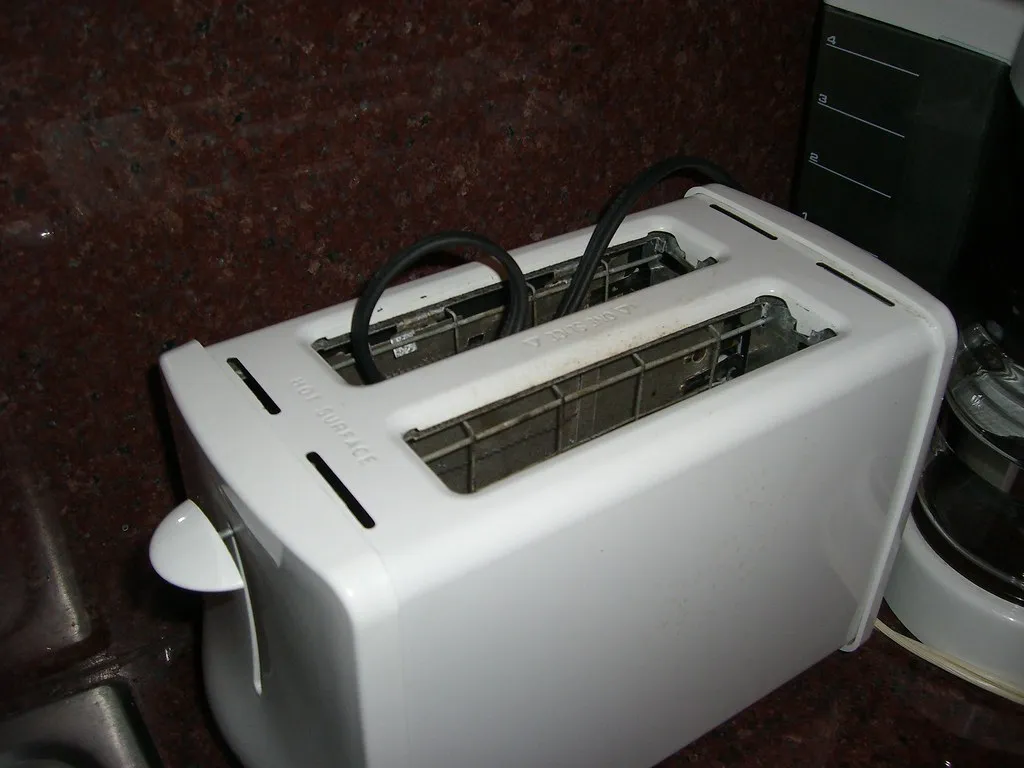
Over time, crumbs, grease, and burnt residue accumulate inside and outside the toaster, leading to performance issues and fire hazards. Old crumbs and grease can also harbor bacteria and cause unpleasant odors. The tray is a warm, enclosed environment with a steady supply of organic material. That is genuinely favorable for microbial growth.
If crumbs and grime are not cleaned out regularly, they can become a fire hazard or attract pests. Regular deep cleaning also helps prevent microbial growth. Pests in particular are drawn to the warmth and food residue inside a neglected tray. It is not a pleasant thing to think about, but it is a real consideration in any kitchen.
How Often Experts Say You Should Clean It
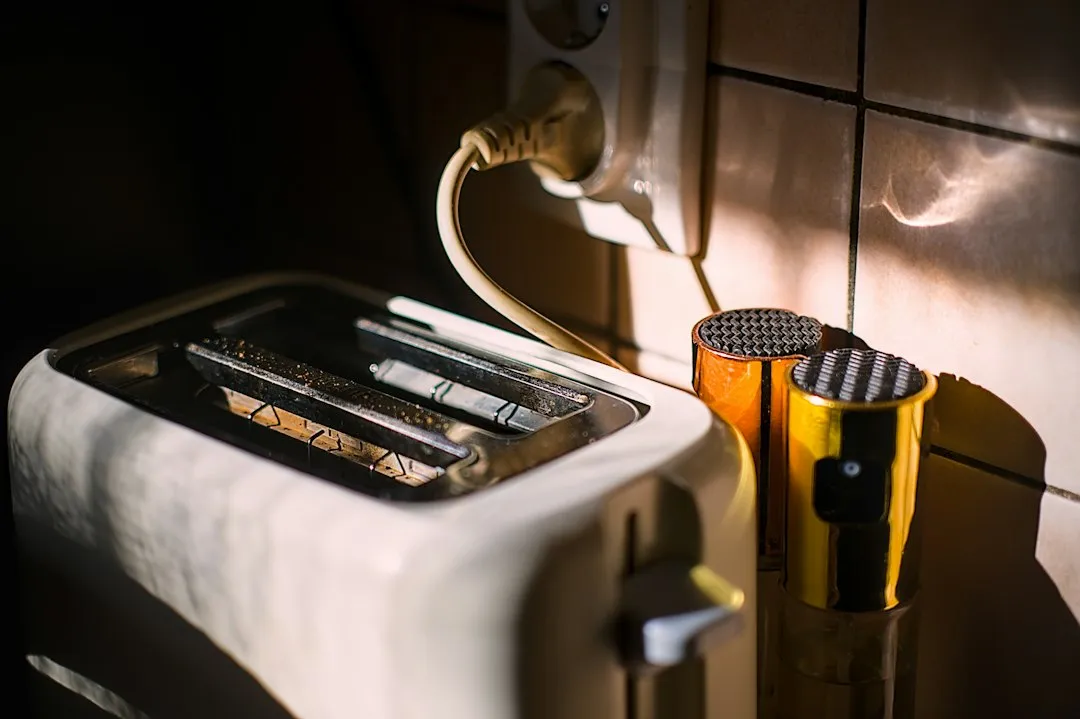
Experts recommend emptying the crumb tray weekly and deep cleaning the toaster once a month to ensure safe and efficient operation. KitchenAid suggests an even more attentive approach. For daily use, cleaning the crumb tray after each use and a thorough cleaning once a week is advised. With less frequent use, a deep cleaning once a month may be sufficient.
Cleaning a toaster weekly keeps crumbs from building up at the bottom, which can become a fire hazard if you use your toaster daily. The actual process is simple. Empty and clean the crumb tray after every two to three uses, as accumulated food particles represent a primary fire hazard. That is the maintenance floor, not the ideal.
The Right Way to Actually Do It

Unplug your toaster and give it the usual upside-down shake over the sink. That step alone is not enough. Pull out the crumb tray and then wash it with warm water and dish soap. Rinse it well and allow it to dry completely before reinserting it into the toaster. Reinserting a damp tray near electrical elements is its own risk, so patience matters here.
While the crumb tray dries, dampen a cotton cloth with a little white vinegar and wipe out the slots where the bread sits. If there is stuck-on food residue on the heating elements, gently brush them with an old toothbrush dampened with white vinegar. The whole process genuinely takes under five minutes, which makes the neglect even harder to justify.
Appliance Lifespan and the Replacement Threshold
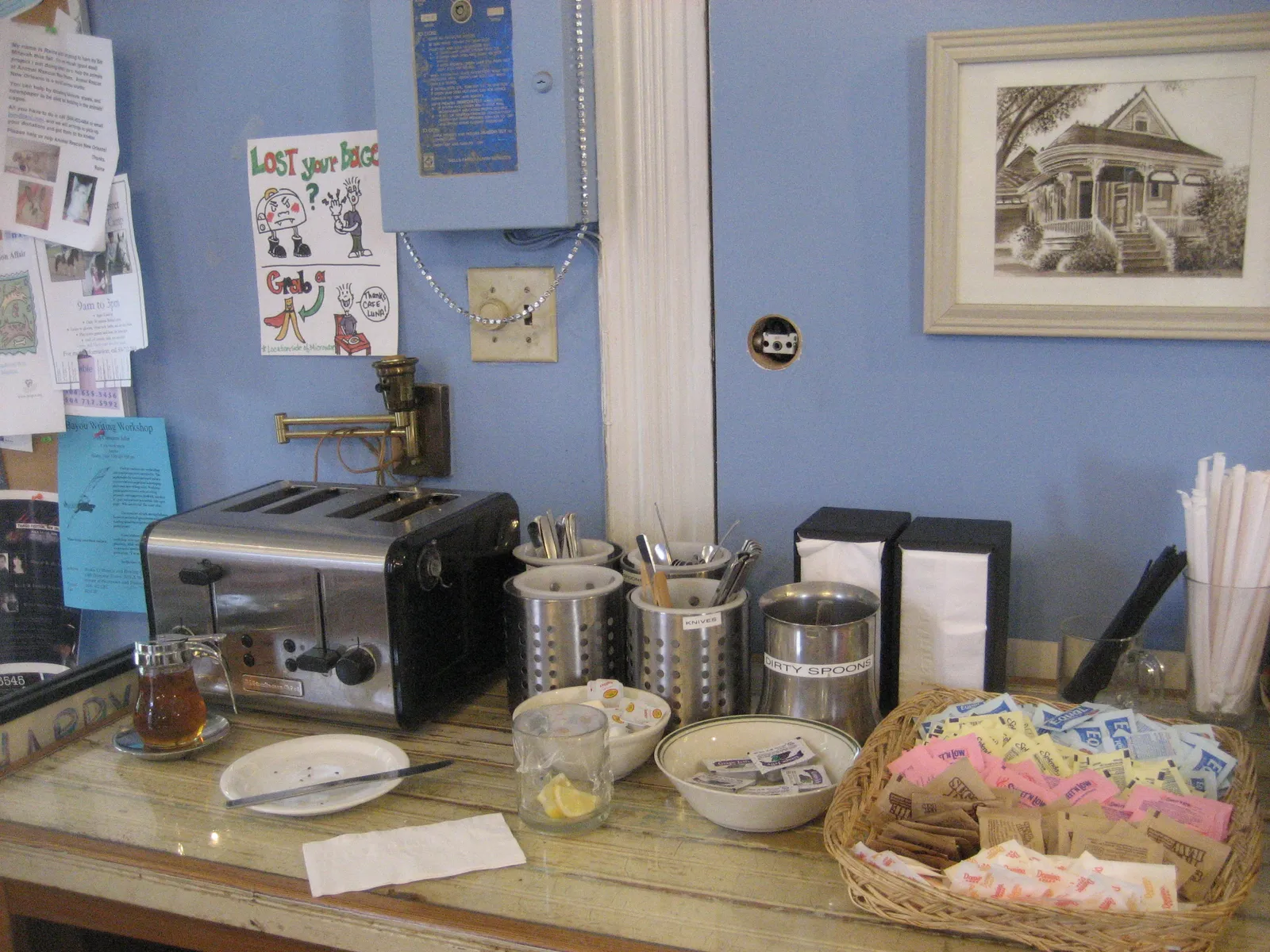
A well-maintained toaster should provide years of reliable service. Regular cleaning not only improves performance but also extends the life of your appliance and reduces fire risks. The few minutes spent on maintenance each month pay off in consistent toast quality and a longer-lasting appliance. Neglect accelerates wear on heating elements, especially when they are repeatedly exposed to burning crumb residue.
Auto-shutoff features in toasters cut fire risk by roughly 35 percent. That safety feature only works if the rest of the appliance is in reasonable condition. A toaster that is years old, never cleaned, and sitting on a full tray of compressed crumbs will find ways around any safety mechanism. Replacing a toaster that is more than a decade old is worth considering, particularly if cleaning has been inconsistent.
The Takeaway
The crumb tray is not a design quirk. It is a safety feature that only works if you actually use it. Every tray emptied is a potential ignition source removed, a pest deterred, and a few more months added to an appliance that otherwise runs silently until something goes wrong.
Toaster fires are preventable in a way that most kitchen hazards are not. The fix is not a renovation or a recall or a new appliance. It is a small metal tray, a trash bin, and thirty seconds of your time. The only question is whether you remember to do it before the toaster reminds you on its own terms.
AI Disclaimer: This article was created with the assistance of AI tools and reviewed by a human editor.