
Gardeners often spot the first signs of trouble only after leaves begin to silver, rust, or wilt. The culprits behind much of that damage remain nearly invisible until populations surge. Yet a small army of predators already patrols those same leaves, quietly reducing the very insects causing the harm.
The Pests That Arrive First
Thrips slip their eggs inside plant tissue, shielding them from weather and many sprays. Once hatched, the translucent nymphs rasp at leaf surfaces and leave behind silvery scars dotted with black waste. Adults eventually emerge and restart the cycle, often after pupating in the soil.
Spider mites reproduce at remarkable speed in hot, dry conditions. Their eggs cluster along leaf veins, and the emerging nymphs molt repeatedly, building up rusty debris and fine webbing. In mild winters the cycle never fully pauses, allowing steady pressure on vulnerable plants.
Whiteflies, despite the name, are closer relatives of aphids. Females lay eggs in neat circles on the undersides of new growth. The mobile crawlers soon settle along veins to suck sap, later forming scale-like nymphs and finally winged adults that excrete honeydew and weaken foliage.
Predators Gardeners Often Overlook
Three insects stand out because they target these pests yet frequently get mistaken for additional threats. Tomato bugs, stilt bugs, and minute pirate bugs all appear on the same plants where damage shows up. Recognizing them changes how gardeners respond.
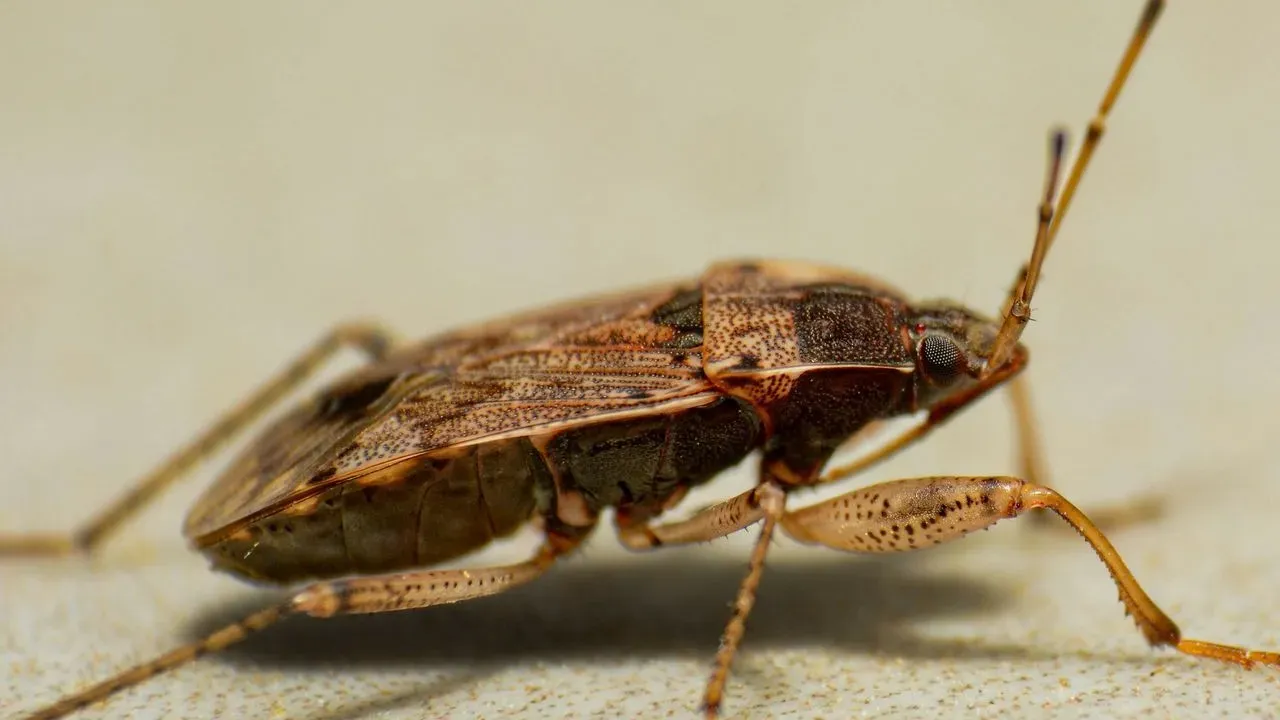
Tomato bugs move quickly across foliage, using sensitive antennae to locate prey. They pierce whitefly eggs and nymphs with needle-like mouthparts and will also consume thrips and mites when available. Only when soft-bodied insects run short do they nibble lightly on plant tissue themselves.
Stilt Bugs and Their Careful Approach
Stilt bugs resemble miniature walking sticks with long, delicate legs. They favor nightshade-family plants where glandular hairs trap smaller insects. Rather than causing harm, the bugs methodically hunt the trapped prey along with free-roaming whiteflies, thrips, and mites.
Their slow, deliberate movement lets them navigate sticky surfaces that immobilize other insects. Over a lifetime each stilt bug removes numerous pests without drawing attention, quietly supporting plant health on tomatoes, peppers, and related crops.
Minute Pirate Bugs and Their Aggressive Appetite
Minute pirate bugs appear as tiny black-and-white specks among flowers and leaves. Despite their size they rank among the most voracious predators in the garden. They often kill more prey than they can eat, leaving partially consumed bodies behind.
Their small stature allows them to reach thrips hiding in tight crevices. They also tear through spider-mite colonies at high speed and will take whiteflies when encountered. Because they remain active even when pest numbers are low, they provide ongoing suppression.
Supporting the Hidden Workforce
These predators already live in many gardens. The key is avoiding broad-spectrum sprays that remove them along with the pests. Providing nectar-rich flowers and maintaining plant diversity encourages the beneficial insects to stay and reproduce.
When damage appears, a quick check for the slender, active forms of tomato bugs or the long-legged stilt bugs can reveal whether natural control is already underway. In most cases the best next step is patience and continued habitat support rather than immediate intervention.
AI Disclaimer: This article was created with the assistance of AI tools and reviewed by a human editor.