
What a Time-of-Use Plan Actually Is
Time-of-use rates vary the price of electricity at different times of the day and are intended to more closely match hourly differences in utility costs compared to average electricity rates. In plain terms, running your dishwasher at 7 p.m. costs meaningfully more than running it at midnight. The rate structure isn’t random – it follows predictable windows, usually labeled peak, off-peak, and sometimes shoulder hours.
Electricity generation costs fluctuate throughout the day based on demand. During summer afternoons when air conditioners run simultaneously, utilities must activate additional power plants to meet peak demand, substantially increasing production expenses. TOU plans pass those fluctuating costs directly to the consumer, rather than spreading them across a flat average rate.
A time-of-use pricing plan breaks up the day into larger intervals with different prices that remain fixed over a season. This method of pricing encourages customers to reduce use during peak demand times by charging a higher price and shifting use to times of lower demand by offering a lower price for those periods.
Peak Hours and How High the Rates Can Climb
The price difference between peak and off-peak windows isn’t subtle. In California, peak rates run roughly 150 to 300 percent higher than off-peak rates, while in Michigan, peak rates run around 25 to 30 percent higher than off-peak. Depending on the state and the specific utility, that gap can be significant enough to double a household’s effective cost per kilowatt-hour within a single day.
Southern California Edison’s TOU-D-5-8PM plan sees peak rates reach 74 cents per kilowatt-hour during summer weekdays, compared to the national average residential rate of roughly 16 to 17 cents per kilowatt-hour in 2025. That’s a dramatic spread for consumers who aren’t watching the clock.
Michigan residents can expect to see an increase in their electricity bills as summer rates go into effect for DTE and Consumers Energy, the state’s two largest utility companies. These summer rates are part of a price plan the utilities began implementing several years ago, called time-of-use rates.
Who Actually Pays More Under These Plans
Whether time-of-use rates benefit or hurt your bottom line largely depends on your flexibility to shift electricity usage patterns. Some customers see immediate savings without lifestyle changes, while others may face higher bills unless they adjust their consumption timing. The issue is that many households simply can’t restructure their daily routines around rate windows.
Families who already use most of their power during off-peak periods, particularly overnight, often see immediate benefits from time-of-use rates. However, households that heavily consume electricity between 4 PM and 9 PM may experience increased bills unless they modify their usage patterns. That window is, of course, exactly when most working families are home cooking dinner, running appliances, and using electronics.
If you don’t change your energy consumption habits, a TOU plan could end up costing you more, even if off-peak rates are low. That’s a direct warning that often gets buried beneath the marketing language of “savings” and “flexibility.”
The Hidden-Cost Problem in the Fine Print
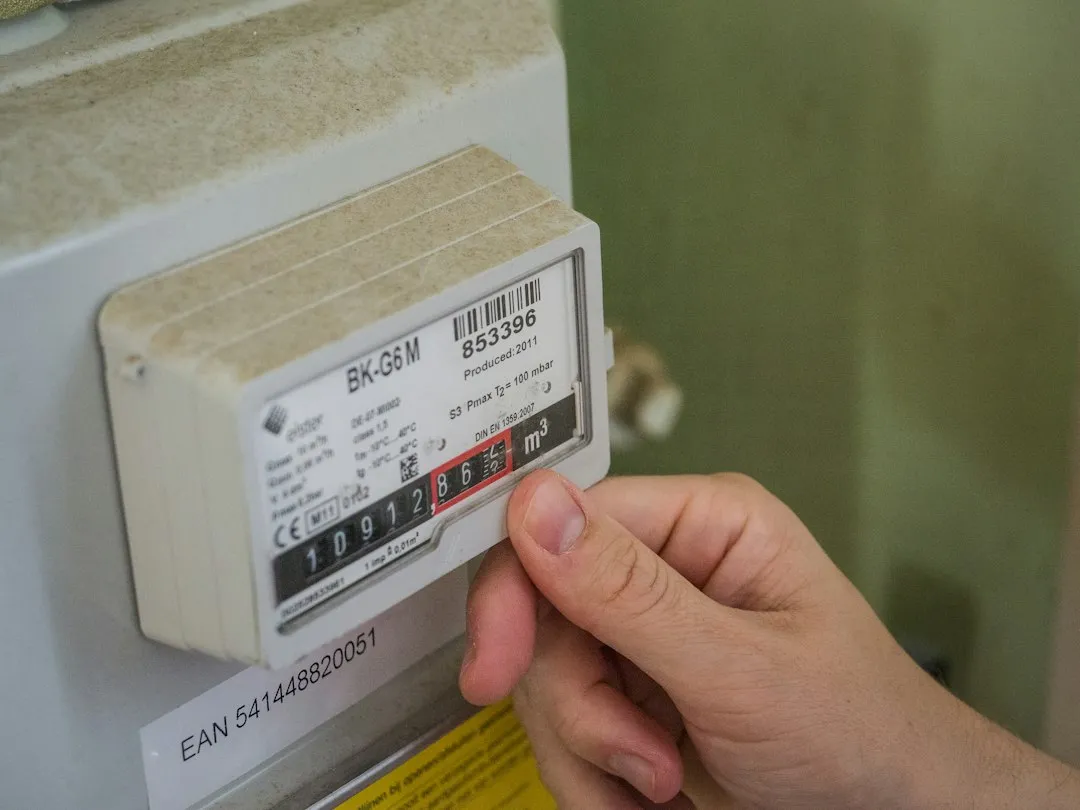
TOU plans often include higher hidden costs, as some retailers structure rates to appear lower while increasing prices during peak hours, leading to higher bills for users with typical daytime consumption. The advertised rate, which often highlights the cheap overnight window, can be genuinely misleading when peak charges are not given equal prominence.
Many consumers sign up for an electricity plan thinking they’ve locked in a great rate, only to find extra charges lurking in the fine print. These hidden fees can inflate bills significantly, making budgeting difficult and increasing overall costs without consumers realizing it.
Certain residential time-of-use plans include demand charges, which are fees based on the highest amount of electricity used at any given moment. This is a layer of cost beyond simple kilowatt-hour pricing, and it catches many customers completely off guard.
Seasonal Rate Changes That Shift Without Notice

One of the more disorienting aspects of TOU billing is that the rates themselves can change by season, sometimes sharply. Summer rates for DTE and Consumers Energy customers go into effect for months at a time and customers are charged more for electricity during peak hours. If you didn’t closely read the terms when you signed up, that seasonal jump can feel like it appeared out of nowhere.
In Southern California, SCE proposed rate hikes for each year from 2025 to 2028. This began in October 2025 with a 12.9 percent increase to the average residential bill, an additional $22 per month. Rate increases stack on top of TOU peak pricing, compounding the cost exposure for customers who aren’t monitoring both.
Since 2020 alone, SCE rates have increased 14 times and decreased just four times, according to rate change advisories from the California Public Utilities Commission. Over that span, a typical homeowner saw their monthly bill increase by $80 per month, or $960 per year.
Default Enrollment: The Switch You May Not Have Chosen
A growing number of utilities are moving customers onto TOU plans automatically, without requiring active consent. Research shows that households enrolled in time-varying pricing plans by default tended to stick to their default enrollment, with only few households choosing to opt out, suggesting the presence of strong default effects – meaning people lean toward the course of action requiring the least effort.
A study from the Smart Energy Consumer Collaborative found that fewer than 40 percent of customers are aware that any kind of alternative rate plan even exists, and many people don’t fully understand how their electric bills work. Nearly half of residential consumers do not know what type of electricity rate plan they currently have.
Automatic transitions to a default TOU rate can anger and confuse many customers, particularly senior customers, who are often on fixed incomes and especially vulnerable to unexpected cost increases tied to inflexible daily routines.
The “Free” Electricity Trap

Within Texas, time-of-use plans are usually optimized for profitability. Plans optimized for profitability will cost more than a traditional fixed-rate plan. Consumers should be very careful with any TOU plan that focuses on the “free” component and ignores the total cost of electricity.
While these plans offer an opportunity for cost savings through strategic energy use, they often can lead to higher monthly electricity bills if usage is not carefully managed. The daytime rate on some free-nights plans is often up to two times higher than a simple fixed-rate plan without time-of-use terms. The word “free” is a powerful hook, but it only applies to a narrow slice of the day.
Time-of-use plans reward usage during off-peak or discounted periods, but costs can rise quickly when usage doesn’t align. For households that realistically can’t do laundry at 2 a.m. or run their dishwasher before sunrise, “free nights” becomes a largely theoretical benefit.
Consumer Awareness Remains Dangerously Low

The awareness gap around TOU plans is real and well-documented. Understanding of time-of-use tariffs is lower than other plan types. A combined total of nearly half of consumers describe their understanding of time-of-use tariffs as limited or say they have no understanding at all. That’s a significant portion of the market being billed under rules they don’t fully grasp.
The abundance of suppliers offering slightly varied rates makes selecting the most cost-effective time-of-use tariff a challenging and confusing task for many households. Even motivated consumers who want to compare options often find the rate structures deliberately complex.
Hidden fees, unclear pricing tiers, and complicated rate formulas can make it difficult to manage electricity usage or predict electricity bills. When consumers can’t predict their bills, they can’t make rational choices. That information asymmetry consistently favors the utility.
When TOU Plans Do Work in Your Favor
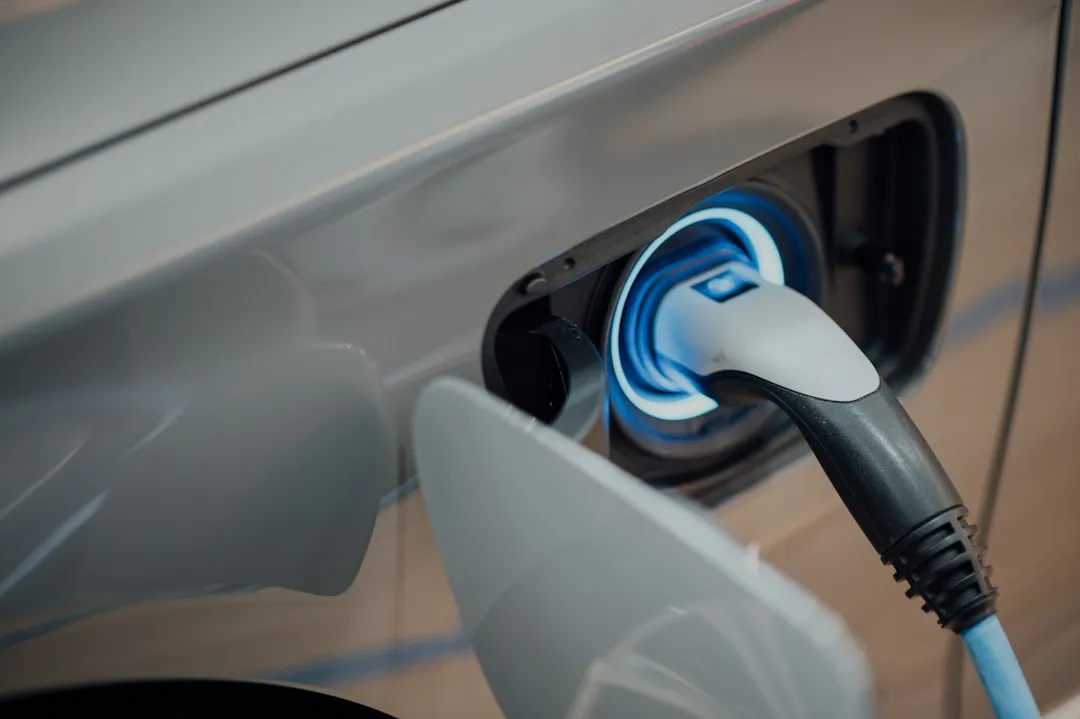
To be fair, time-of-use plans are not universally bad. For households with genuine flexibility, the potential for savings is real. Research shows that by strategically shifting energy consumption patterns throughout the day, consumers could save roughly 10 to 40 percent on electricity bills without sacrificing overall usage.
Electric vehicle owners typically save $200 to $400 annually, while households that can shift 30 to 50 percent of their usage to off-peak periods often see 15 to 25 percent reductions in their electricity bills. Overnight EV charging is one of the clearest and most practical advantages TOU plans offer.
Preliminary data from Xcel Energy suggests that, on average, electric customers have been able to shift usage away from peak periods, meaning that TOU rates have resulted in overall bill savings compared to a non-TOU scenario. The key phrase is “on average.” Individual results vary significantly based on lifestyle and flexibility.
How to Protect Yourself Before Costs Climb
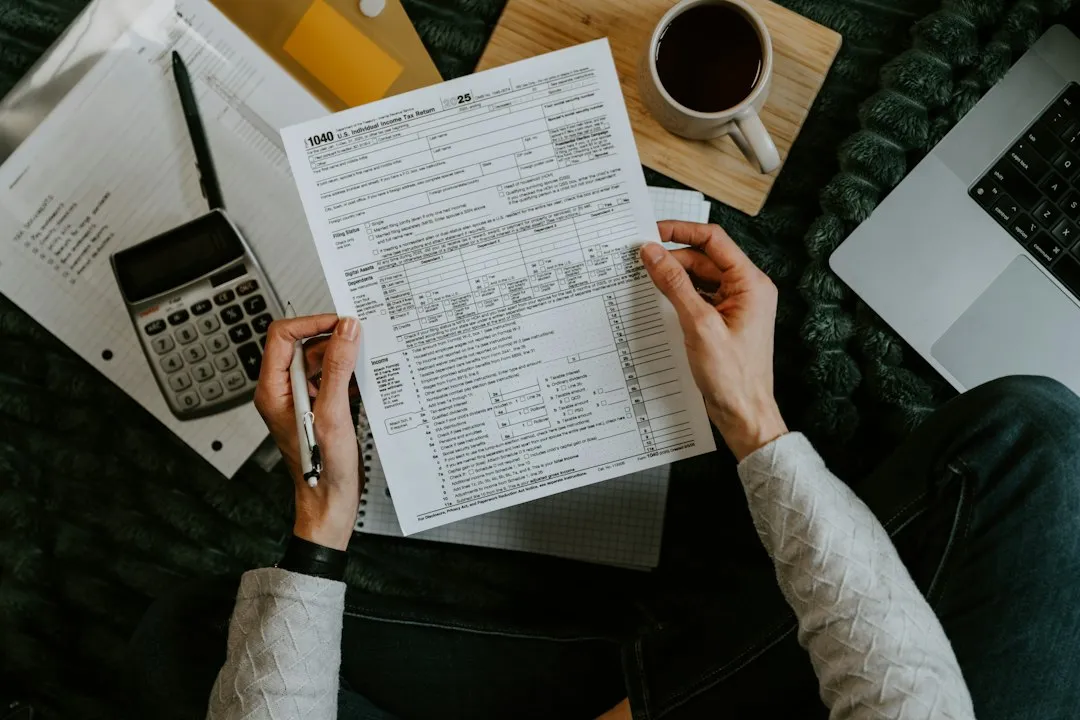
The most effective step is simply knowing which plan you’re on. It is advisable to thoroughly examine the Electricity Facts Label of any electricity plan and consider alternatives, such as simple fixed-rate plans, which may offer more predictable and potentially lower costs. That label exists for a reason, and reading it carefully before you sign is worth the time.
Customers may leave a TOU generation rate to take competitive retail supply or to take non-TOU default service, which means opting out is almost always possible. The problem is that most consumers don’t realize they need to opt out until they’ve already seen higher bills.
Before switching, review your daily energy patterns and see if you can optimize them to take advantage of a TOU plan’s off-peak rates. If your household’s heaviest electricity use falls squarely within peak windows and that’s not something you can realistically change, a flat-rate plan may simply serve you better. Knowing that before you enroll is far preferable to discovering it on your next bill.
The Bigger Picture: Rising Rates on Top of TOU Risk
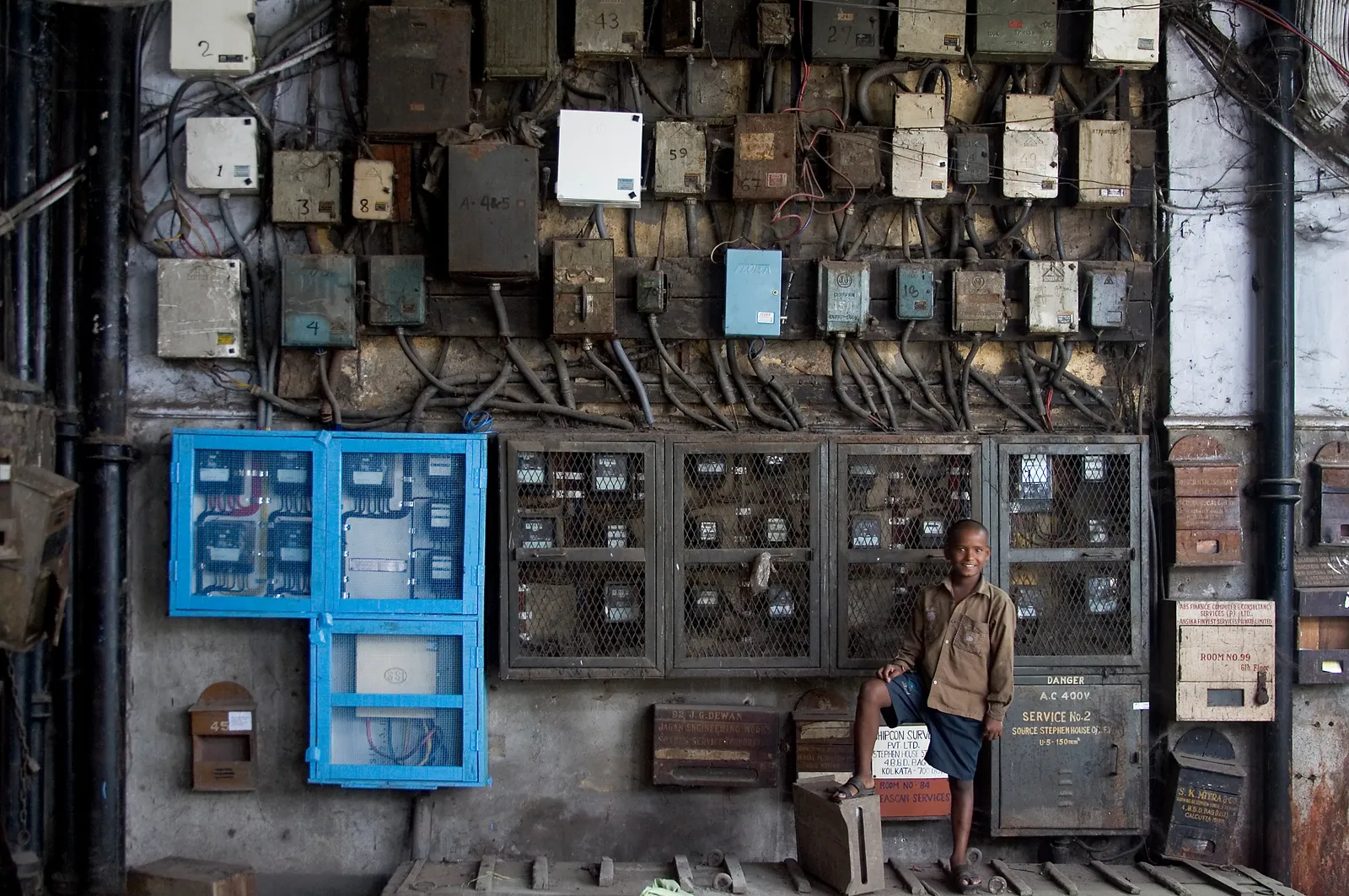
According to the U.S. EIA, average residential electricity prices rose by about 18 percent from 2024 to 2026, pushing many homeowners to look for smarter ways to cut energy bills. TOU plans are often presented as that smarter path, but they operate within a broader environment of rising base rates, meaning the floor keeps moving upward regardless of which plan you’re on.
Total electric utility bills have increased due to higher rates to pay for infrastructure investment, inflation, changes in fuel prices, and higher electric usage, for example, for electric vehicles or from the conversion to electric water heating and space heating. TOU pricing sits on top of those structural cost increases, not instead of them.
On average, American households paid roughly $110, or 6.4 percent, more for electricity in 2025 compared to 2024. Against that backdrop, being placed on an unfavorable TOU plan without understanding its mechanics can accelerate a cost trend that’s already working against the average household.
The Takeaway
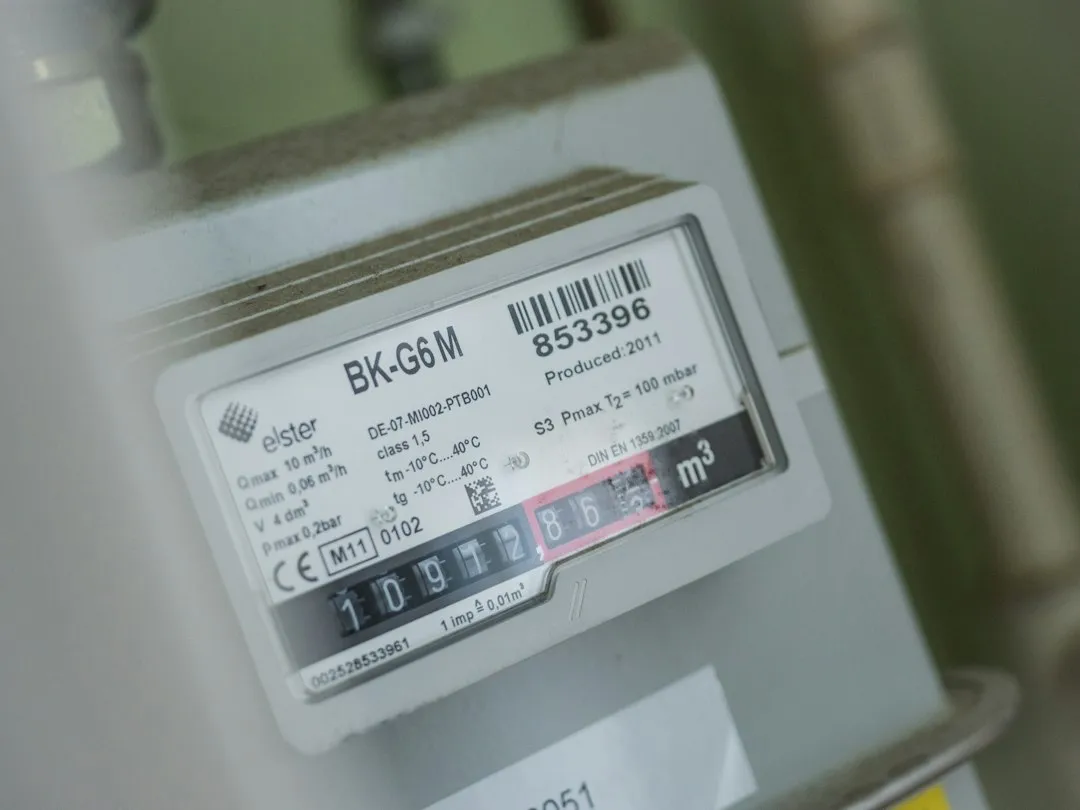
Time-of-use plans aren’t inherently predatory, but they’re not neutral either. They reward a specific kind of consumer: flexible, informed, and willing to restructure daily habits around a utility’s rate schedule. For everyone else, the risk of paying more is genuine and often underestimated.
The combination of seasonal rate shifts, peak-hour multipliers, hidden demand charges, and automatic default enrollment creates a system where cost increases can arrive without any obvious trigger. You don’t use more power. Your bill still goes up.
Understanding your current plan is the most underrated consumer protection available. Check what you’re enrolled in, map your usage against the peak windows in your area, and run the numbers honestly before assuming the plan is working in your favor. The fine print is where the costs live.
AI Disclaimer: This article was created with the assistance of AI tools and reviewed by a human editor.