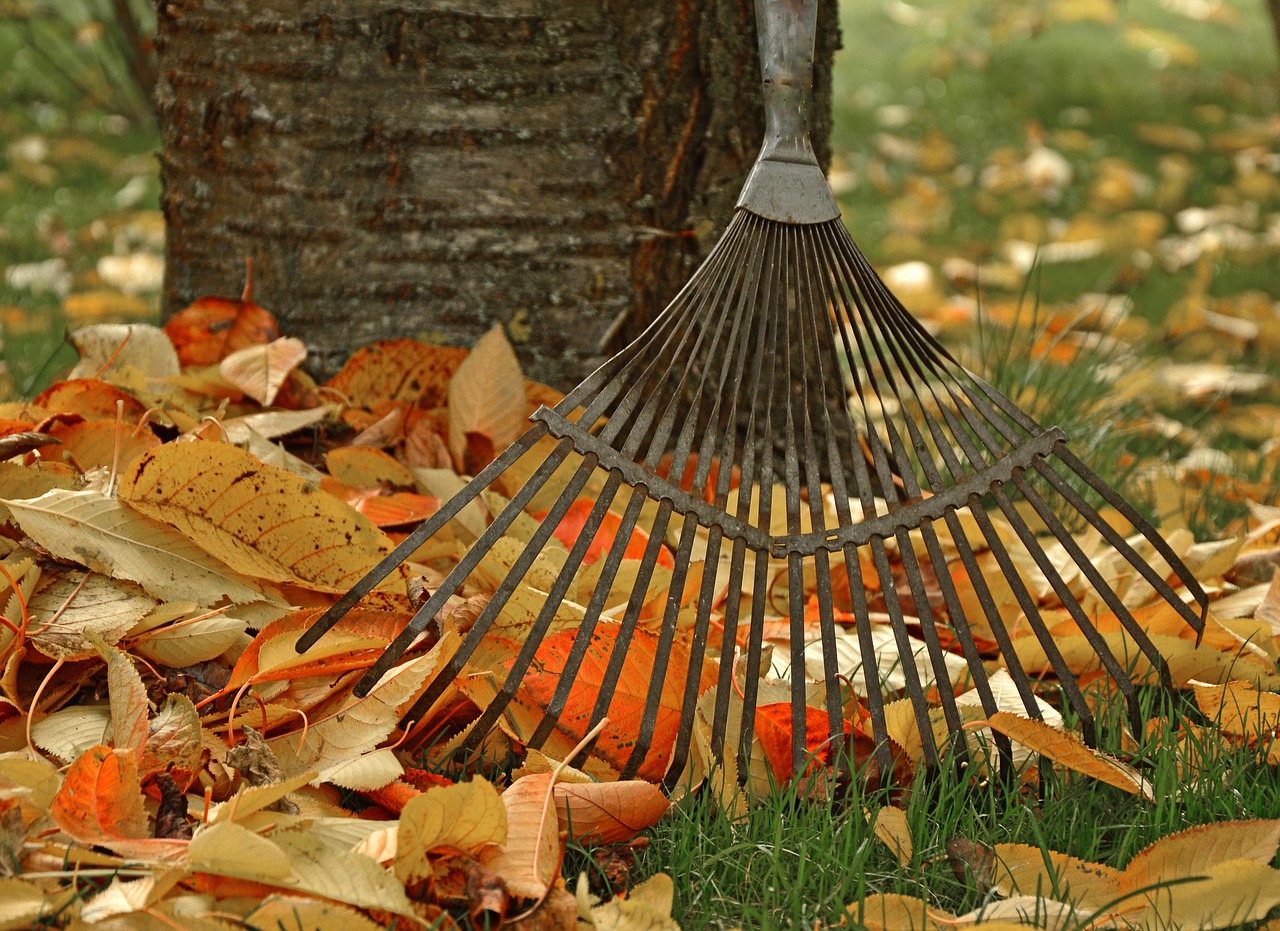

There’s something deeply satisfying about a clean garden bed. Raked clear of leaves, swept free of debris, and trimmed to geometric neatness. It looks cared for, intentional, controlled. Most gardeners take real pride in it.
The problem is that the soil underneath that pristine surface is quietly falling apart. What looks like responsible maintenance is, in ecological terms, a form of slow starvation. The tidier the garden, the more its underground life gets stripped of the raw materials it depends on.
The Living World Beneath Your Feet
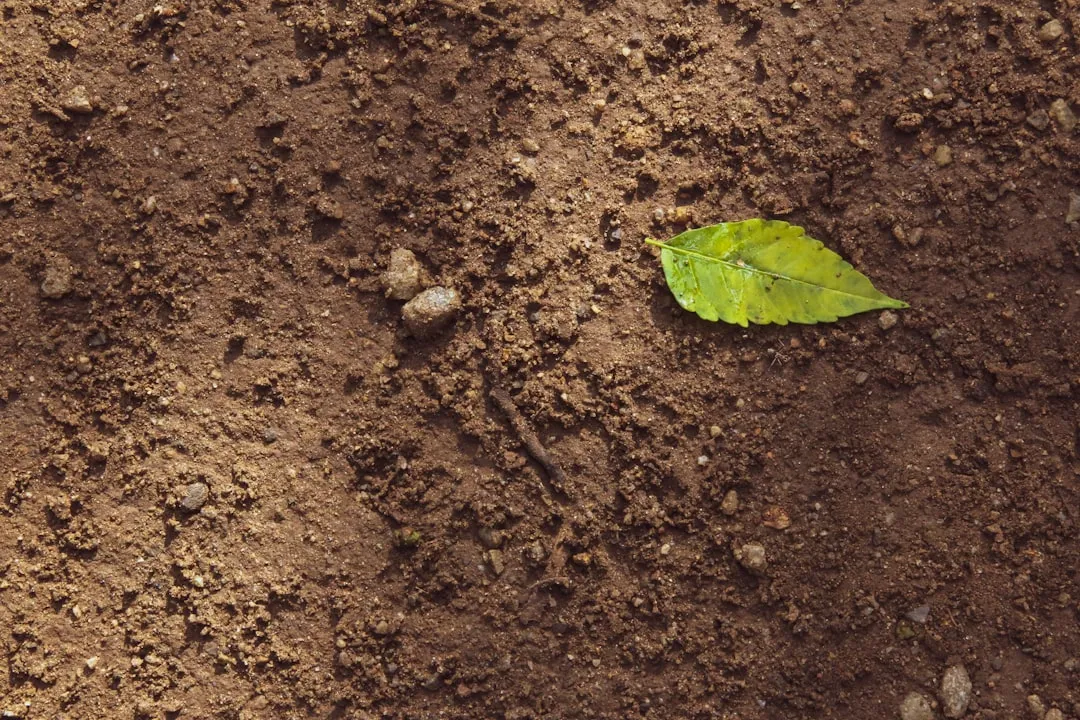
Most people picture soil as inert dirt, a passive medium that holds roots in place. It’s far from that. A single teaspoon of healthy soil can house up to a billion bacteria, several yards of fungal filaments, several thousand protozoa, forty to fifty nematodes, and a variety of smaller insects and arthropods that work harmoniously throughout a complex soil food web.
A productive soil is a dynamic community made up of many species of fungi, bacteria, insects, and mites, and this community depends on organic matter as a food and fuel source. Without a steady supply of organic matter, that community starts to collapse. When you strip a garden bed of every fallen leaf and stem, you are removing the cafeteria that sustains billions of organisms.
What Fallen Leaves Actually Do
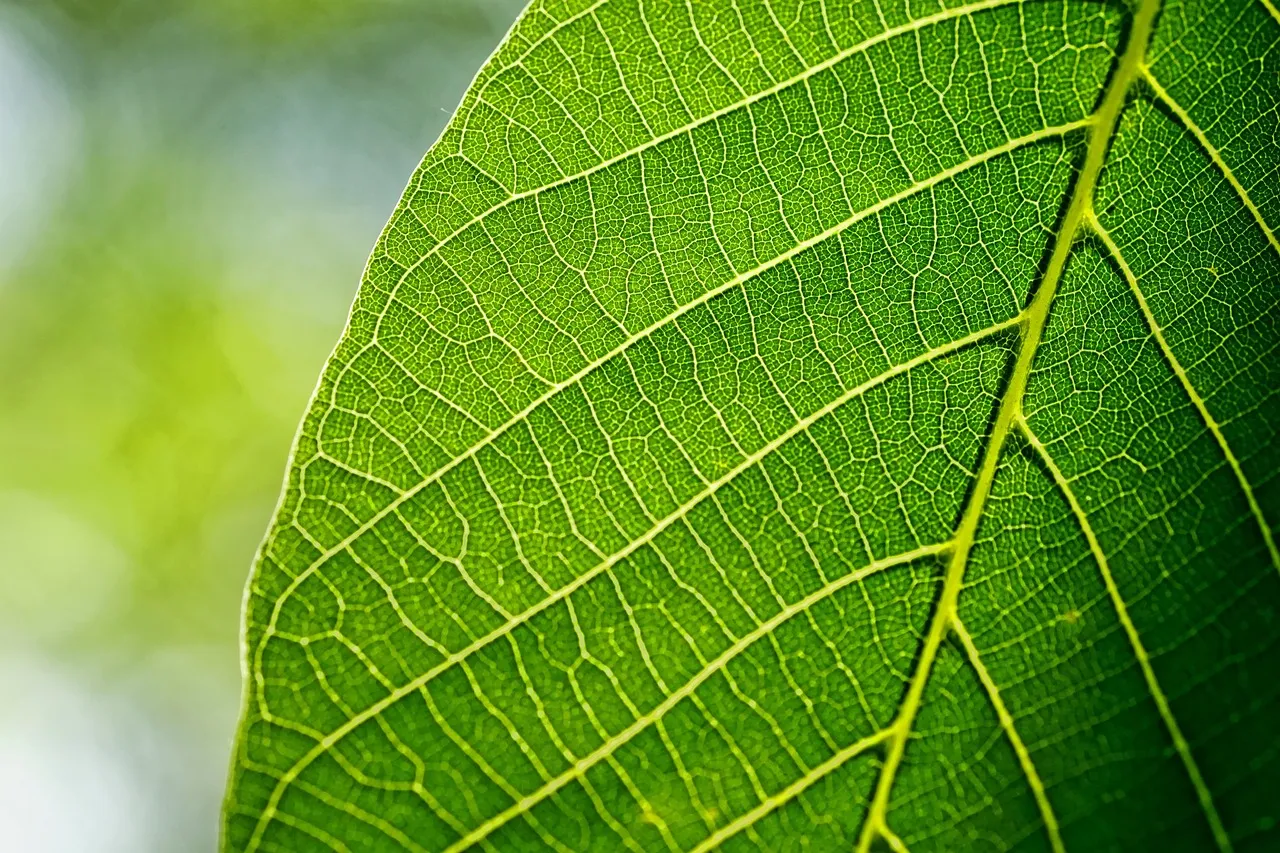
More than one hundred million years ago, trees evolved alongside their natural process of shedding leaves. Countless species of beneficial soil organisms also evolved with leaf drop, decomposing leaves and cycling nutrients for plant uptake while sequestering massive amounts of carbon.
Microbial activity transforms stored carbon and releases essential plant nutrients such as nitrogen, phosphorus, and potassium. As leaves decompose, the nutrients they absorbed while on the tree are made available to other plants. This is not a slow or negligible process. It is the foundation of how most plant communities on Earth feed themselves.
Plant and soil ecosystems have evolved for millennia to feed themselves and stay healthy through the natural process of leaves decomposing and returning organic matter to soil and plants. When leaves are removed, the natural processes that keep our plants and soil healthy are removed too.
The Fungi That Hold Everything Together
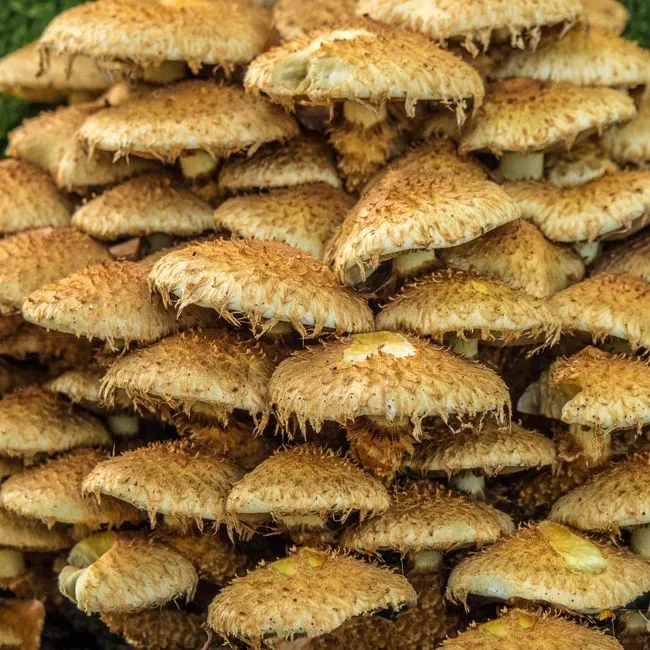
Fungi are the primary decomposers of the soil food web. They grow threadlike structures called hyphae that form mats called mycelia covering large areas when undisturbed. They release enzymes and acids that penetrate and break down tough cellulose plant tissue, absorbing plant nutrients into their cellular structure.
Fungal hyphae can transport nutrients over significant distances, and once inside the fungus, the nutrients are immobilized and not lost from the soil. Constant disturbance, whether from over-raking, digging, or removing surface litter, physically tears these networks apart. Fungi excel at digesting the tough, carbon-rich components like cellulose and lignin that give leaves their structure, and bacteria then further decompose the simpler compounds, playing a major role in nutrient cycling.
Removing Debris Cuts Off the Nutrient Cycle
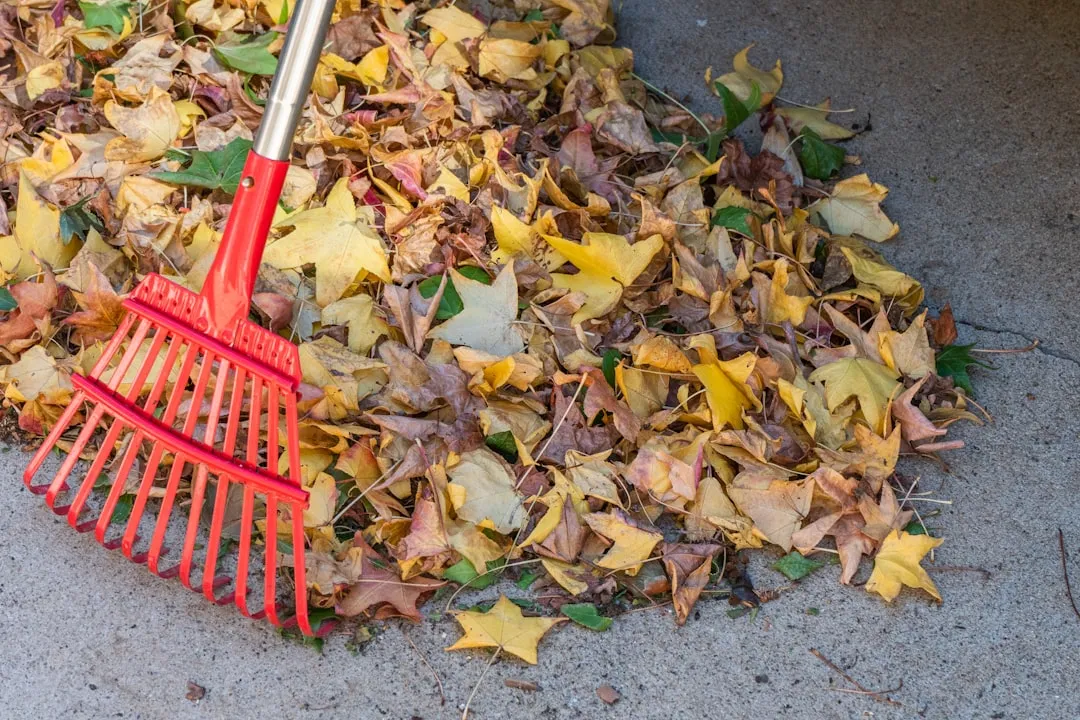
Chemical fertilization and store-bought mulches are no match for all the benefits that leaves provide to soil and plant life: as leaves decompose, essential nutrients are returned to the soil naturally. That’s a strong claim, but it’s grounded in how nutrient cycling actually works. Synthetic fertilizers deliver a narrow band of elements in a soluble rush, whereas decomposing organic matter releases a broad spectrum gradually.
The nutrients once locked within leaf tissues are returned to the earth, ready for uptake by plants. This cycle reduces the gardener’s dependence on synthetic fertilisers, fostering a more sustainable growing environment. Removing leaves regularly interrupts that return, effectively exporting nutrients off-site season after season.
Soil Structure Quietly Degrades
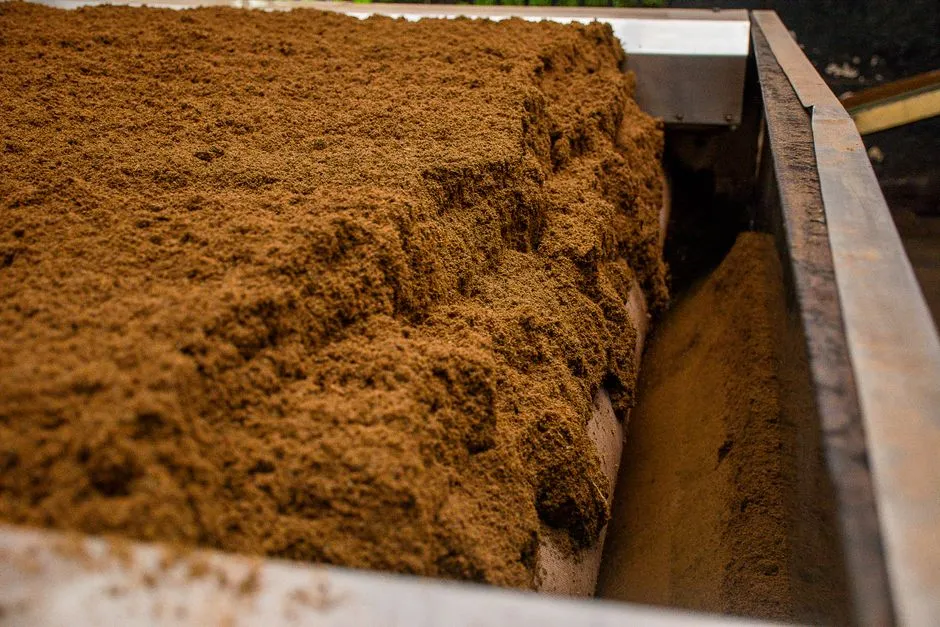
Decomposed leaf matter, often termed humus or leaf mould, significantly enhances the soil. This rich, dark material acts like a binder, promoting soil aggregation by clumping fine mineral particles together. This process creates a crumbly texture that increases porosity, allowing for better aeration and gas exchange within the root zone.
The spongy nature of humus dramatically improves the soil’s water holding capacity. It helps insulate the soil and reduce water loss through evaporation during dry periods. Without regular inputs of organic matter, soil gradually loses this texture. It compacts, crusts, and drains poorly. Compacted soils hinder root penetration and the movement of air and water, creating a poor environment for plants as well as insects, earthworms, and other soil organisms.
The Organic Matter Threshold Most Gardens Never Reach
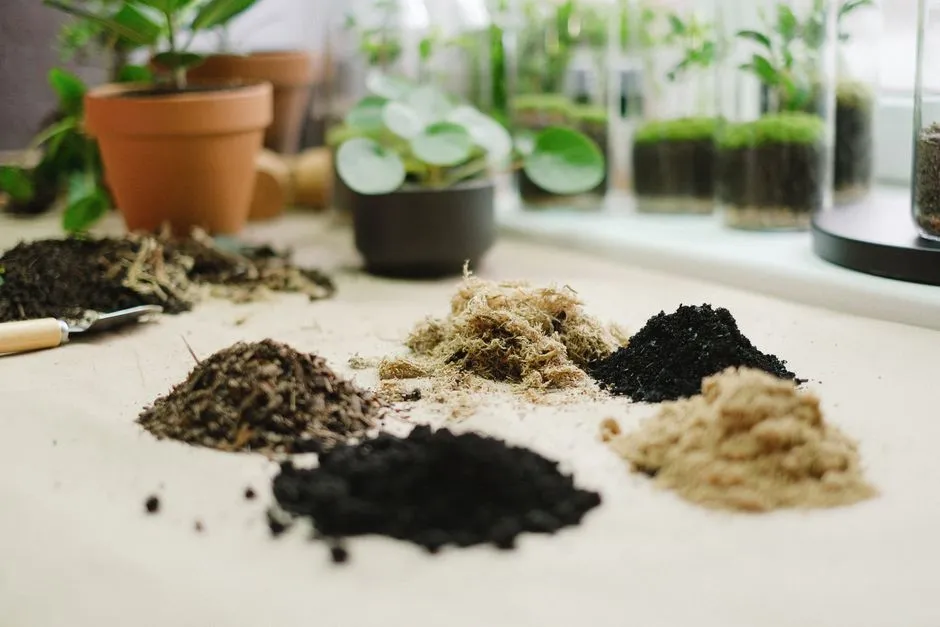
In general, five to ten percent organic matter is considered optimal for healthy plant growth; however, most garden soils range from two to three percent soil organic matter. That gap is significant. It means the average tidy garden is already operating well below what its soil biology needs.
The topsoil is where most of the organic matter accumulates and where most biological activity occurs. Every time debris is removed from the surface, that topsoil layer is denied its primary source of replenishment. Over years, the result is a progressively thinner, less fertile growing medium that demands more and more supplemental feeding just to stay functional.
Beneficial Insects Lose Their Habitat
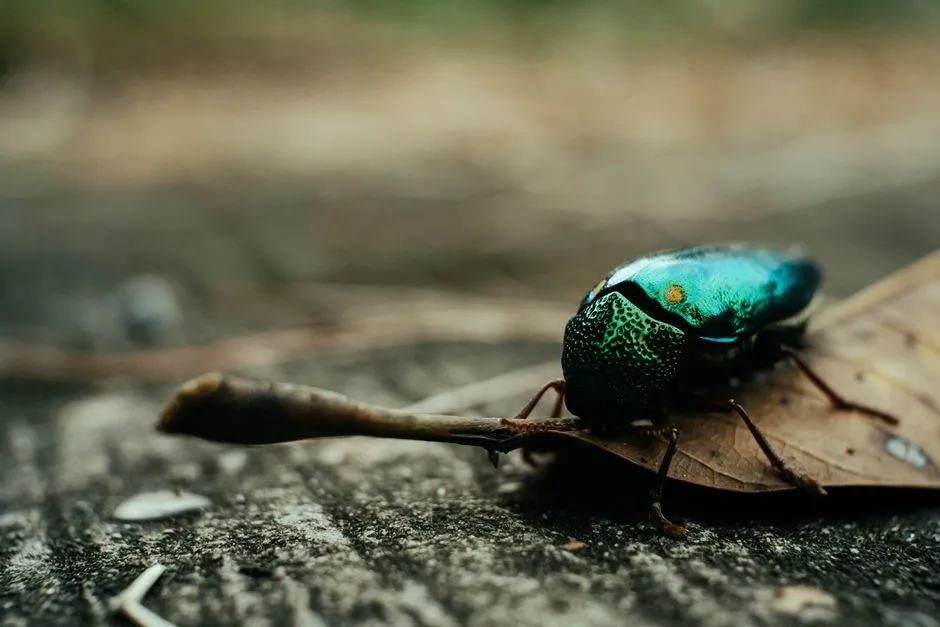
Arthropods and insects evolved with leaf litter, requiring leaves for their survival. This is easy to overlook because it is invisible. The overwintering eggs of ground beetles, the pupae of native bees, the hibernating larvae of countless beneficial species all depend on undisturbed leaf litter to complete their life cycles.
When fallen leaves are regularly removed, beneficial insect populations plummet, which greatly harms healthy ecosystem function. Arthropods, including millipedes, springtails, mites, fly larvae, and beetles, break down organic matter while they themselves provide food for other beneficial arthropods. Remove their habitat and you remove several trophic layers from the soil food web at once.
Tilling Makes It Worse
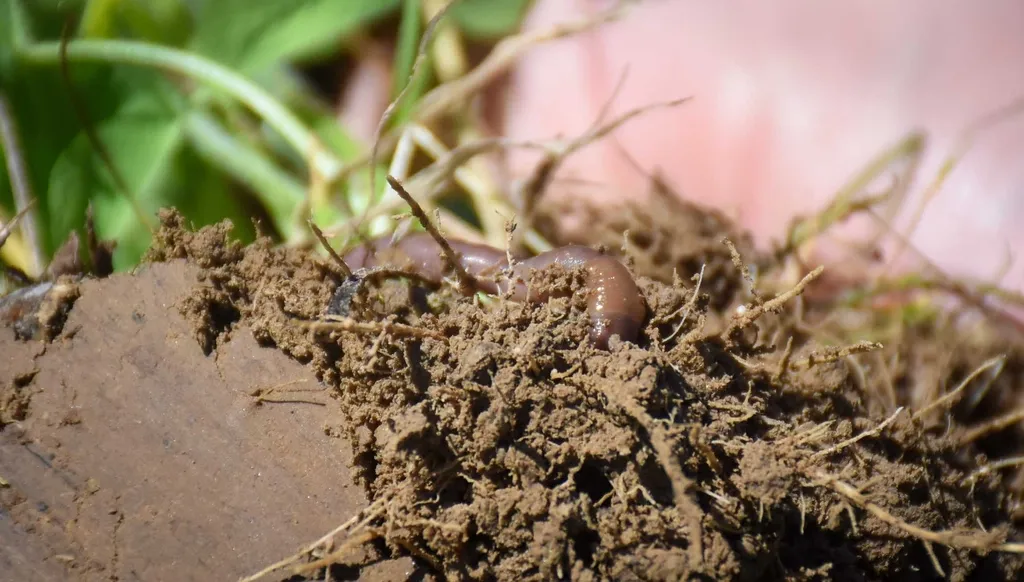
Many gardeners combine tidy raking with autumn or spring tilling, believing it refreshes the soil. The science suggests otherwise. Tilling the soil, particularly when it is wet, damages soil structure and increases the rate of soil organic matter loss through decomposition.
The fungi and bacteria that build nutrient availability are physically disrupted every time the soil is turned. Traditional nutrient management practices, often reliant on excessive chemical fertilizer use, contribute to nutrient losses, soil degradation, and greenhouse gas emissions. Repeated tilling combined with litter removal creates a dependency loop: the soil loses biological function, so more synthetic inputs are added, which further stresses the microbial community.
The Broader Impact on Food Nutrition
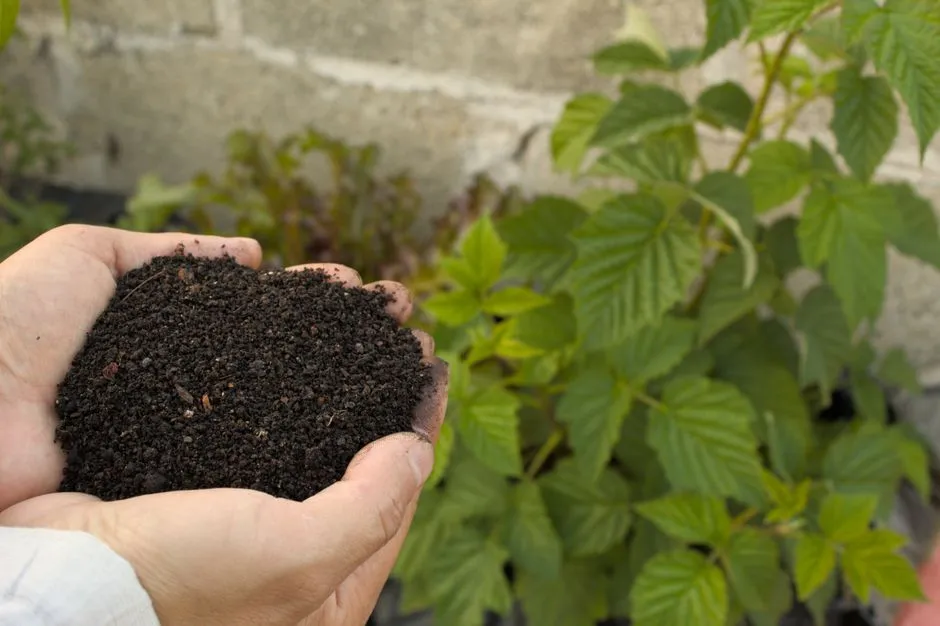
This matters beyond the garden fence. Soil degradation in domestic and agricultural settings has measurable consequences for what food actually delivers. Popular fruits like apples, oranges, and bananas, as well as vegetables such as tomatoes and potatoes, have lost up to a quarter to half of their nutritional density over the past fifty to seventy years.
Changes in farming practices that have impacted soil quality, and led to soil degradation, may be to blame. Research published in a special issue of Foods in 2024 cites environmental factors and soil dilution for this nutrient loss. The home garden, at smaller scale, follows the same trajectory when managed in the same way: bare, clean, depleted.
What to Do Instead
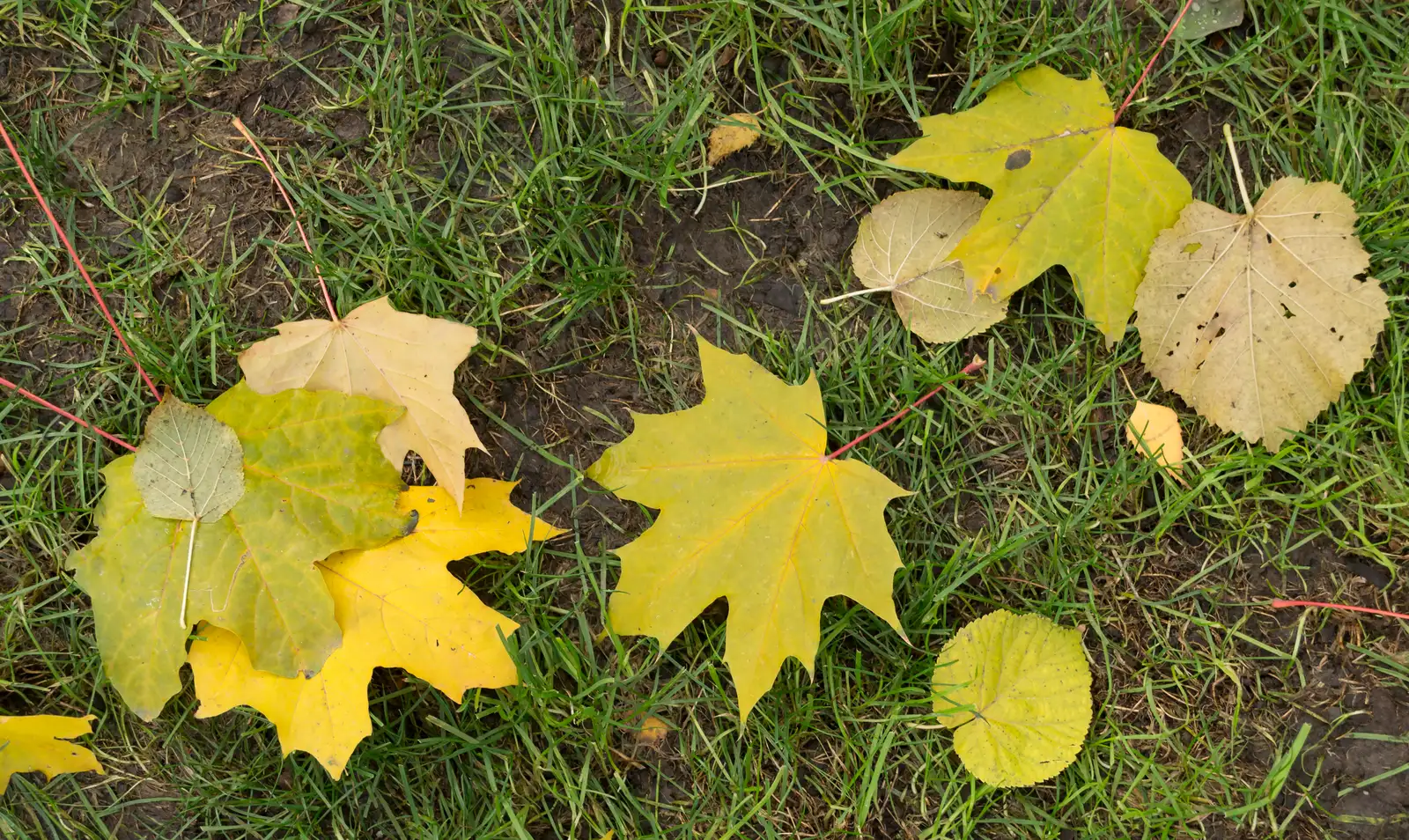
When leaves fall from the trees in autumn, don’t waste them by raking them up and tidying them away. They are valuable for your garden and your plants, according to the Morton Arboretum’s Plant Clinic, and can save you money by replacing purchased products.
Leaf mould, a rich, earthy substance formed from fully decomposed leaves, is particularly beneficial. Unlike compost, which is nutrient-heavy, leaf mould excels at improving soil structure and water retention. It enhances the soil’s capacity to hold moisture during dry spells while allowing excess water to drain freely during wet periods.
Keeping soil covered can increase fungal, bacterial, and insect life. This can be achieved through the use of cover crops and mulches. Shredding fallen leaves with a mower before leaving them in place is a practical middle ground that speeds decomposition, reduces matting on lawns, and still keeps the nutrients on-site where they belong.
The Takeaway
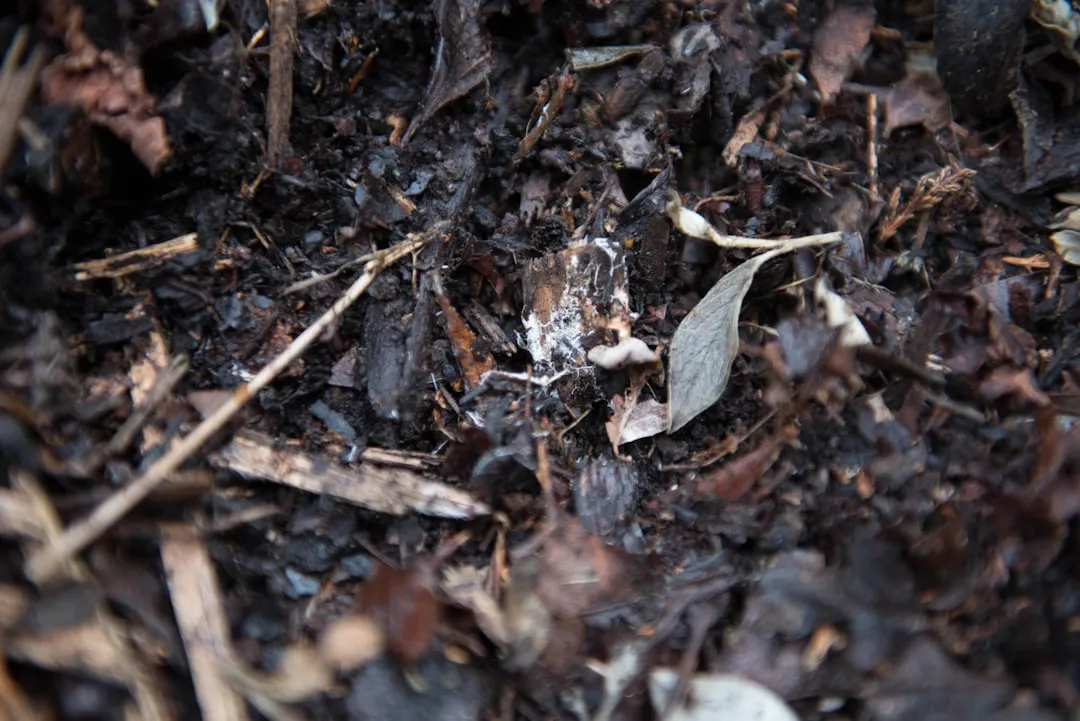
The idea that a good garden is a clean garden is understandable. It comes from a genuine desire to care for a space. But the biological evidence is clear: the garden’s most important work happens in the messy layer between the surface and the roots, and removing that layer consistently undermines the whole system.
Allowing leaf decomposition in place is an ancient building block that sustains all forms of life in the natural food web and significantly contributes to the health of our planet. Tidiness, in this context, is not care. It’s subtraction. The most productive shift a gardener can make might simply be deciding to leave more behind.
AI Disclaimer: This article was created with the assistance of AI tools and reviewed by a human editor.