

Taking It with Breakfast Instead of Before It

The most common mistake pharmacists flag is deceptively simple: patients take their levothyroxine at the breakfast table instead of before it. Levothyroxine is recommended to be ingested in a fasting state, 30 to 60 minutes before breakfast, to avoid interactions with food and drugs. This window exists because food changes the stomach environment in ways that directly reduce how much of the drug actually enters the bloodstream.
Research found that roughly one in five patients took levothyroxine together with breakfast, lunch, or dinner, and over one in five administered the drug less than 30 minutes before a meal. Those are significant numbers for a medication where consistent absorption is critical. Studies have shown that the TSH level is notably higher when levothyroxine is taken during breakfast compared to waiting 30 to 60 minutes before eating.
The Morning Coffee Problem Nobody Talks About

Coffee feels like a harmless habit, but it’s one of the more consistent culprits behind poorly controlled thyroid levels. Coffee interferes with levothyroxine absorption, meaning hypothyroid patients shouldn’t drink it immediately after taking the medication. Coffee should ideally be consumed at least an hour after dosing.
Research has found that patients who drank espresso within minutes of taking levothyroxine experienced a reduction in the amount of the drug reaching their bloodstream compared to those who took it with water. This applies to decaf as well, not just regular coffee. Drinking coffee, milk, or milk products too close to taking thyroid medication can reduce absorption of thyroid hormone and make it less effective.
Calcium Supplements Taken at the Wrong Time
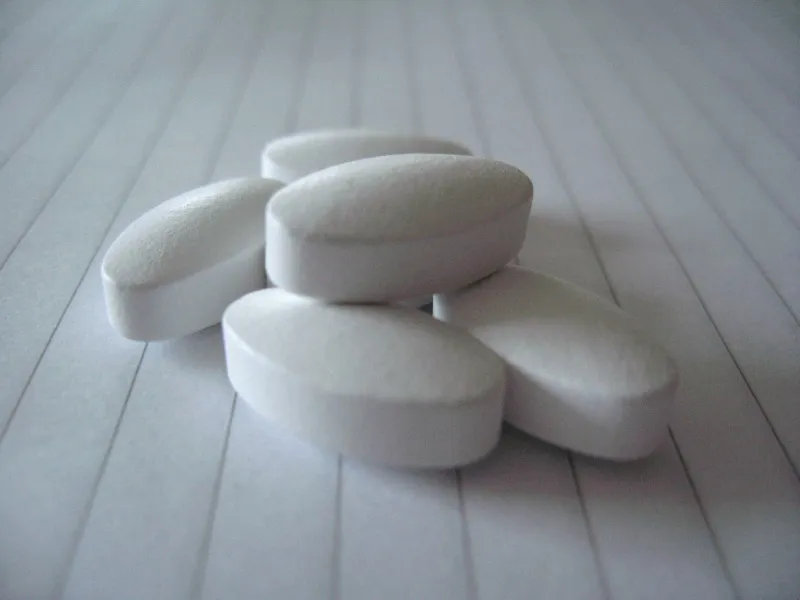
Calcium supplements, often taken for bone health, can interfere with the absorption of levothyroxine, leading to suboptimal thyroid hormone levels. This catches a lot of patients off guard because calcium seems entirely unrelated to thyroid function. The issue isn’t the supplement itself but the timing.
A study comparing the effects of calcium carbonate, calcium citrate, and calcium acetate on levothyroxine absorption found that all three formulations reduced levothyroxine absorption by approximately 20 to 25 percent. That is a meaningful reduction. The FDA prescribing information specifies that levothyroxine and calcium should be taken at least four hours apart. Even Tums antacids, which contain calcium carbonate, fall under this same rule.
Iron Supplements Causing Silent Interference

Like calcium, iron can decrease the absorption of thyroid medication and make it less effective. This becomes particularly relevant for people taking prenatal vitamins or general multivitamins, since many of these products contain iron. The supplement looks harmless in the morning routine, but its effect on thyroid absorption is real.
If you take an iron supplement, including one found in a prenatal or daily multivitamin, it should be separated from thyroid medication by at least four hours. Studies have found that roughly one in three patients reported taking vitamins and supplements at the same time as their levothyroxine therapy. Most of these patients were never told there was a problem.
Skipping Doses and Then Doubling Up

One of the most common mistakes is simply forgetting to take thyroid medication. Life gets in the way, and a morning routine interrupted by travel or stress can break the habit entirely. The reflex that follows, taking a double dose the next morning to compensate, creates its own set of issues.
If a dose is missed, the general guidance is to take it as soon as you remember and then continue the regular schedule. If you are closer to the next dose, skip the missed one and return to your standard time. Doubling up without medical guidance is not recommended. Consistency matters more than compensation with a drug that works on the thyroid axis gradually over time.
Switching Between Brands Without Telling Anyone

When a pharmacy switches from a brand-name levothyroxine to a generic, or from one generic manufacturer to another, it can quietly affect thyroid control. Many patients don’t even notice the change, let alone mention it to their doctor. Switching from a brand-name to a generic thyroid hormone, or vice versa, could affect TSH levels even if the dose on the label is the same. The same applies to switching between brand-name options.
The FDA requires that all levothyroxine preparations deliver between 95 and 105 percent of the potency stated on the label, but the American Thyroid Association notes that even tiny variations could make a difference. This is why guidelines recommend sticking with the same drug type to keep TSH levels steady. If your pharmacy needs to substitute, ask your pharmacist and let your prescribing doctor know so they can reassess your levels.
Storing the Medication in the Bathroom Cabinet

The bathroom medicine cabinet is one of the worst places to store levothyroxine, even though most people instinctively put their medications there. Heat and moisture from showers can degrade the pill over time and reduce its potency. It is important that thyroid medication is not exposed to temperature extremes. Storing it at no more than 80 degrees Fahrenheit is the standard recommendation.
A cool, dry drawer away from the stove and shower is the better option. The degradation from improper storage is gradual enough that it rarely causes an obvious event, but it can contribute to unexplained inconsistencies in thyroid levels over months. It’s the kind of variable that gets overlooked precisely because it seems too mundane to matter.
Ignoring Acid Reflux Medications and Their Effect

Studies have found that more than one in four patients reported using over-the-counter or prescription acid blockers that can influence the dissolution and absorption of levothyroxine tablet therapies. This is a surprisingly large overlap, since hypothyroid patients frequently deal with gastrointestinal symptoms and reach for antacids regularly.
Calcium-based antacids such as Tums and Rolaids, as well as proton pump inhibitors, bile acid sequestrants, and sucralfate, should all be taken at least four hours away from levothyroxine. The same four-hour rule that applies to supplements applies here. Food intake and several medications, including antacids and calcium supplements, can elevate gastric pH, thereby impairing the disintegration and dissolution of levothyroxine in the stomach before its intestinal absorption.
Not Telling the Pharmacist About New Supplements or Diet Changes

Even simple changes like starting a new multivitamin or shifting your diet can alter your thyroid medication needs. Always updating your pharmacist or healthcare provider when making changes to supplements, diet, or other medications is an important step. This sounds obvious, but most patients think of supplements as separate from their medication list and don’t mention them.
Studies show that most patients recalled receiving physician guidance on dosing timing, but only about half remembered discussions about food, vitamin, or supplement interactions with levothyroxine. That gap in communication falls on both sides. Asking your pharmacist proactively rather than waiting for a TSH result to flag a problem is always the more efficient path. Pharmacists, as the most accessible members of the healthcare team, can monitor the effectiveness and safety of thyroid therapy and provide appropriate patient counseling.
Assuming the Prescription Is Fine Because It’s Been the Same for Years

Long-term thyroid patients often develop a kind of comfortable autopilot around their prescription. The dose hasn’t changed in five years, so why question it now? Just because you’ve taken a medication for years doesn’t guarantee that you are taking it correctly. Bodies change, absorption changes, and so do the other medications and habits that surround the pill.
Research has found that between 15 and 20 percent of levothyroxine-treated patients continue to present with hypothyroid symptoms or TSH levels above the reference range despite being on a daily dose considered adequate. For many of them, the issue isn’t the prescription. It’s what’s happening in the hour around when that pill is swallowed. A quick conversation with a pharmacist once a year, reviewing the full medication and supplement list, can catch problems that routine bloodwork alone may miss.
The Takeaway

Levothyroxine is a narrow-margin medication. Small disruptions in how it is taken can have disproportionate effects on how well it controls thyroid hormone levels. The good news is that the mistakes are largely fixable once identified.
Taking the pill on a genuinely empty stomach, keeping coffee and supplements at a safe distance, storing the medication properly, and staying consistent with the same formulation are habits that cost nothing to adopt. The pharmacy counter is an underused resource. Pharmacists field these questions every day and can often spot a timing or interaction problem in a single conversation that might otherwise take months of adjusted dosing to unravel.
AI Disclaimer: This article was created with the assistance of AI tools and reviewed by a human editor.