
The Waterfall Drape: The Signature Move
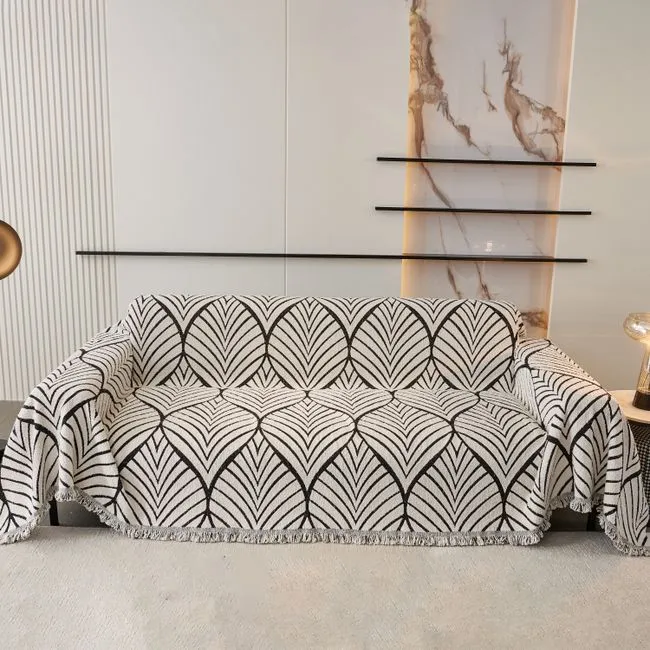
A particular technique has a name among designers: the waterfall. The idea is to fold your throw lengthwise, then drape it across one end of the couch so it falls unevenly, like cascading water. The asymmetry is the whole point. It signals ease without looking forgotten.
Tuck some of the blanket into the side crevice of the couch and place couch pillows nearby for added structure. This anchors the throw so it doesn’t slide, and the slight tension created by the tuck gives the whole arrangement a more intentional look. It takes about thirty seconds to execute and has a surprisingly high visual payoff.
Fold It in Thirds for a Cleaner Aesthetic
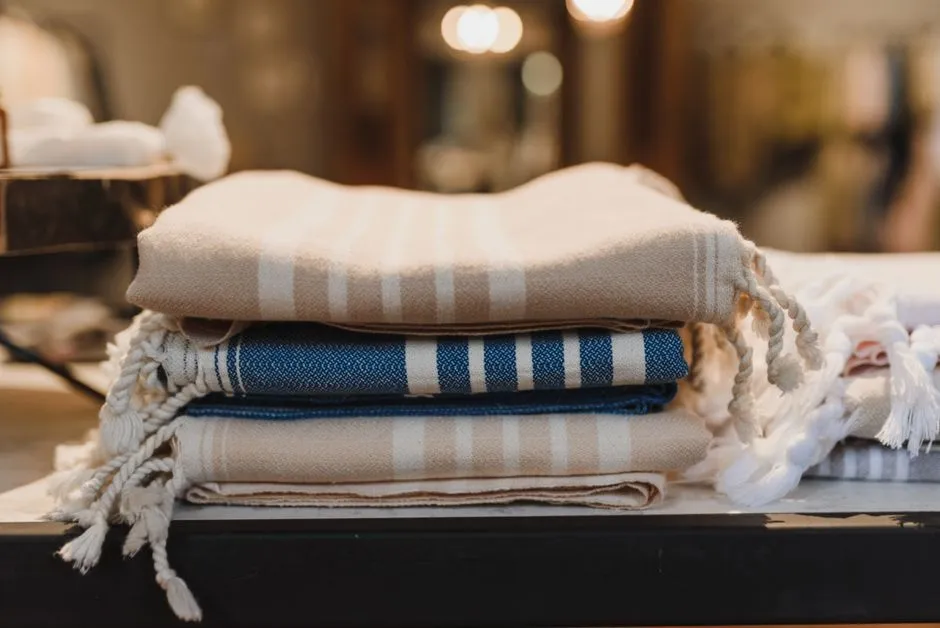
For a clean, formal look, fold the throw in fourths lengthwise and lay it neatly over the back of the sofa so it falls evenly across the cushions. This works beautifully for modern spaces or to balance a busy patterned sofa. The uniformity reads as purposeful rather than casual.
Neatly folding your throw lengthwise into thirds and draping it over the back of the couch, either centered or off-center, creates a tidy, polished result. Off-center tends to look slightly more relaxed and contemporary, while a perfectly centered fold suits more symmetrical room arrangements. For this look to stay clean and chic, don’t overcrowd your couch with too many cushions.
The Arm Drape: Casual but Intentional
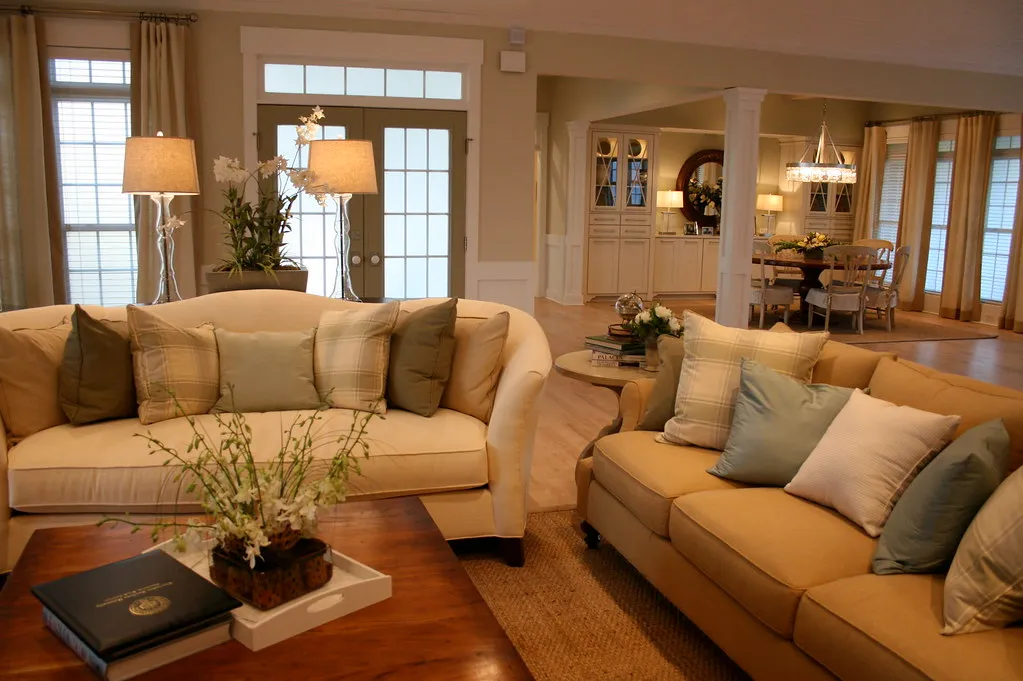
One of the most popular styling techniques used by interior designers is the relaxed drape: simply placing a throw across one corner of the sofa. This creates an organic, lived-in feel that actually takes a bit of practice to get just right. The goal is to look like you didn’t try.
Folding the blanket into a rectangle and draping it over one arm of the sofa, letting a few inches puddle on the seat, reads as tailored and works well with a standard-sized throw. If your sofa has a rolled arm, you can angle the throw to hang lower on the outside, a small detail that makes it feel intentional. These tiny adjustments are what separate a styled room from a merely furnished one.
Texture Contrast Is the Real Secret
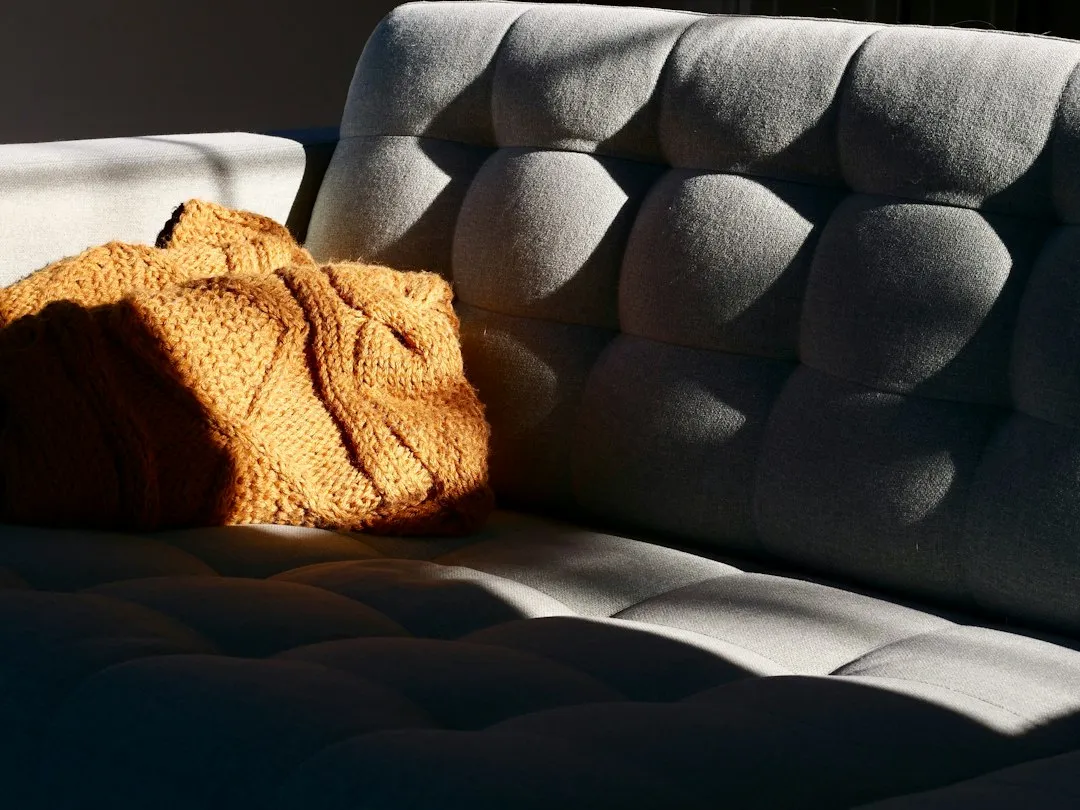
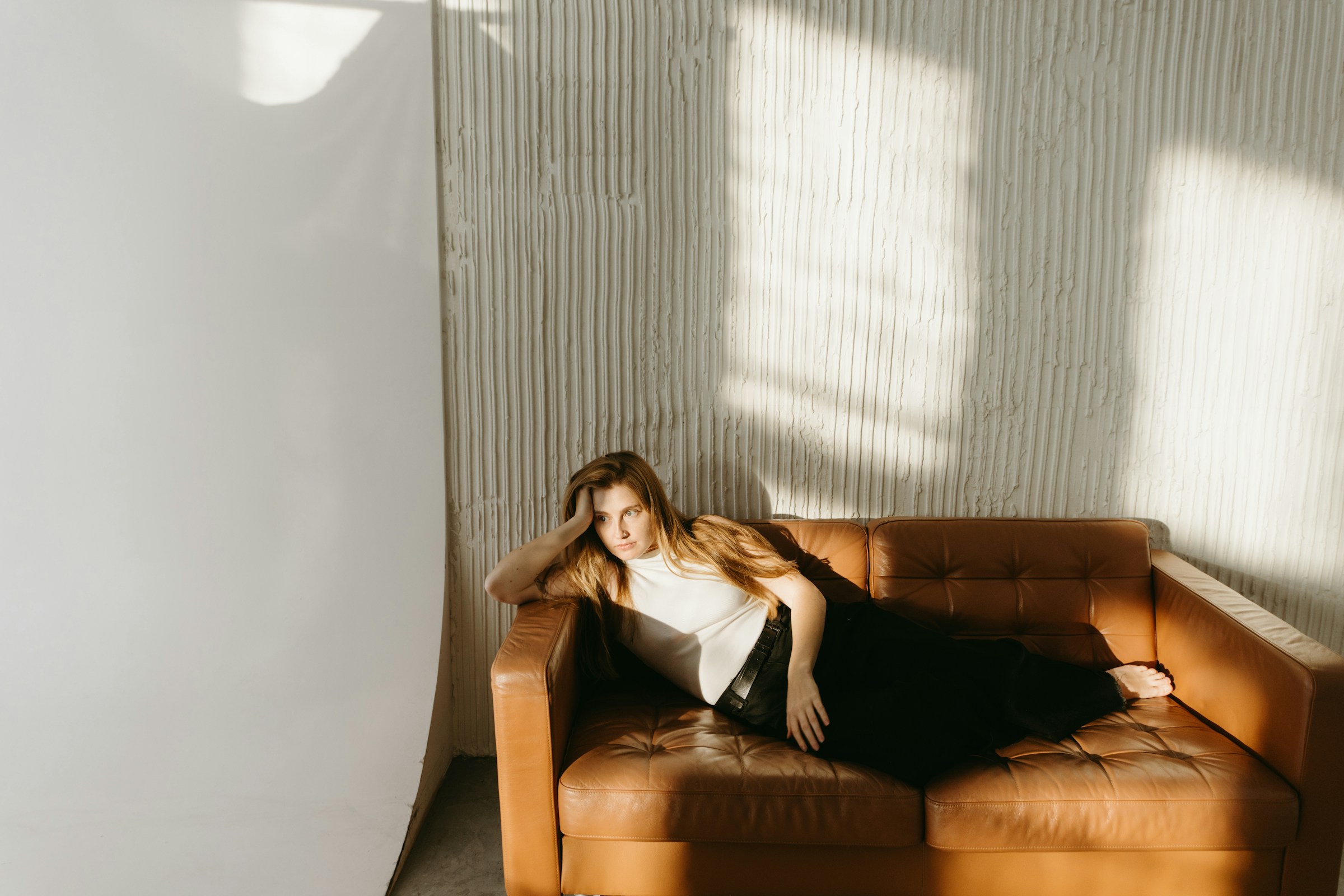
Pairing a chunky knit throw with a smooth leather sofa creates the kind of texture contrast that makes a room feel finished rather than flat. This is one of the most reliable principles in interior styling: opposing textures create visual interest in a way that matching textures never quite manage.
Nothing beats a cozily thrown blanket made from faux fur, cloud-like cables, or cashmere when it comes to texture-forward styling. Using a wool throw on a leather sofa creates a cozy-meets-modern look that feels considered and expensive without requiring a significant investment. The contrast does the decorating work for you.
Choosing the Right Material Makes a Visible Difference
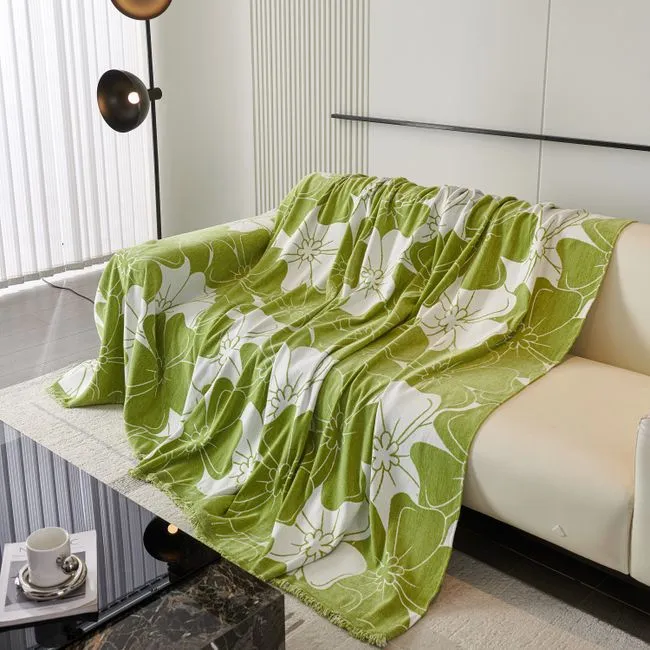
Cashmere’s soft feel and fine texture make it a standout choice for adding elegance to your decor. Merino wool is finer and softer than standard wool, breathable and naturally odor-resistant, making it ideal for sofa throws that see daily use. These natural fibers drape differently from synthetics, with a more relaxed, weighted fall that photographs well and feels genuinely luxurious.
Linen is breathable and crisp, getting softer with each wash, and works best for summer throws and a laid-back coastal aesthetic. A budget fleece throw might be perfect for a household with kids and pets, while a cashmere blend could be the right choice for a quieter, design-focused space. There’s no universal best material, but natural fibers consistently look more intentional on a styled sofa.
Size Matters More Than Most People Realize
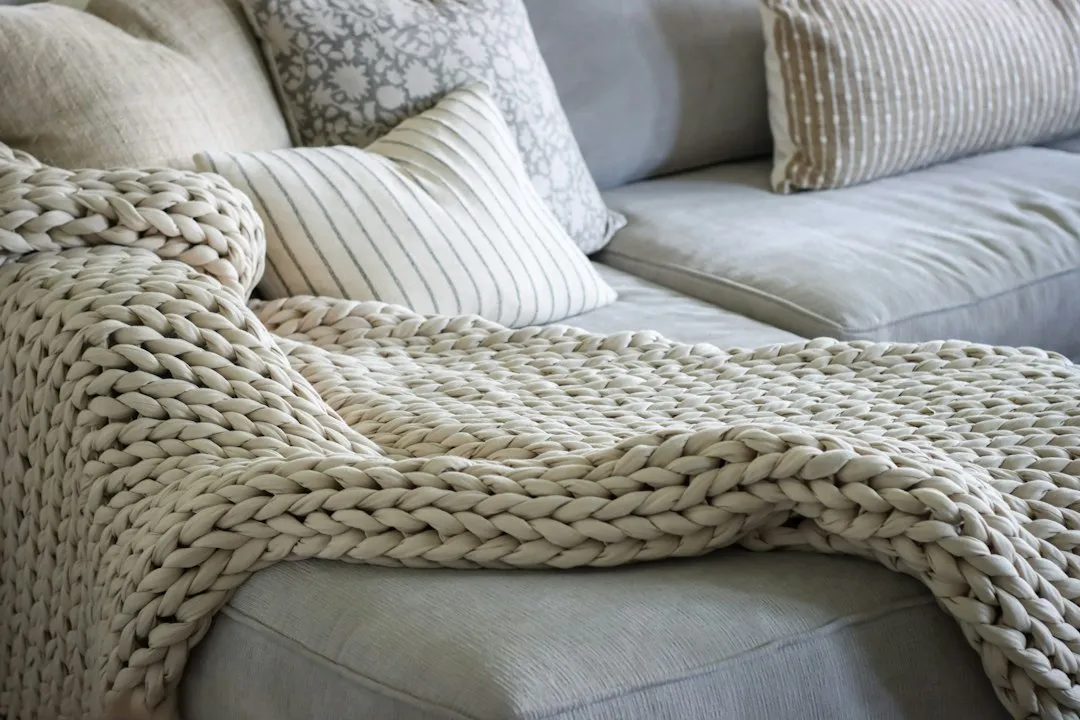
The first step in styling your living room is choosing the right size throw. A small blanket can look out of place on a large sofa, so size matters. A throw that’s too petite looks like it wandered in from a child’s bedroom. Scale needs to feel proportionate to the furniture beneath it.
A throw that barely covers the sofa back or arms will always look a bit like you cheaped out. A small throw on a large sectional or bed can look underwhelming, while an oversized throw on a small chair might feel bulky. Getting the scale right costs nothing but attention, and the result is immediately visible.
Layering Two Throws for a Boutique Hotel Effect
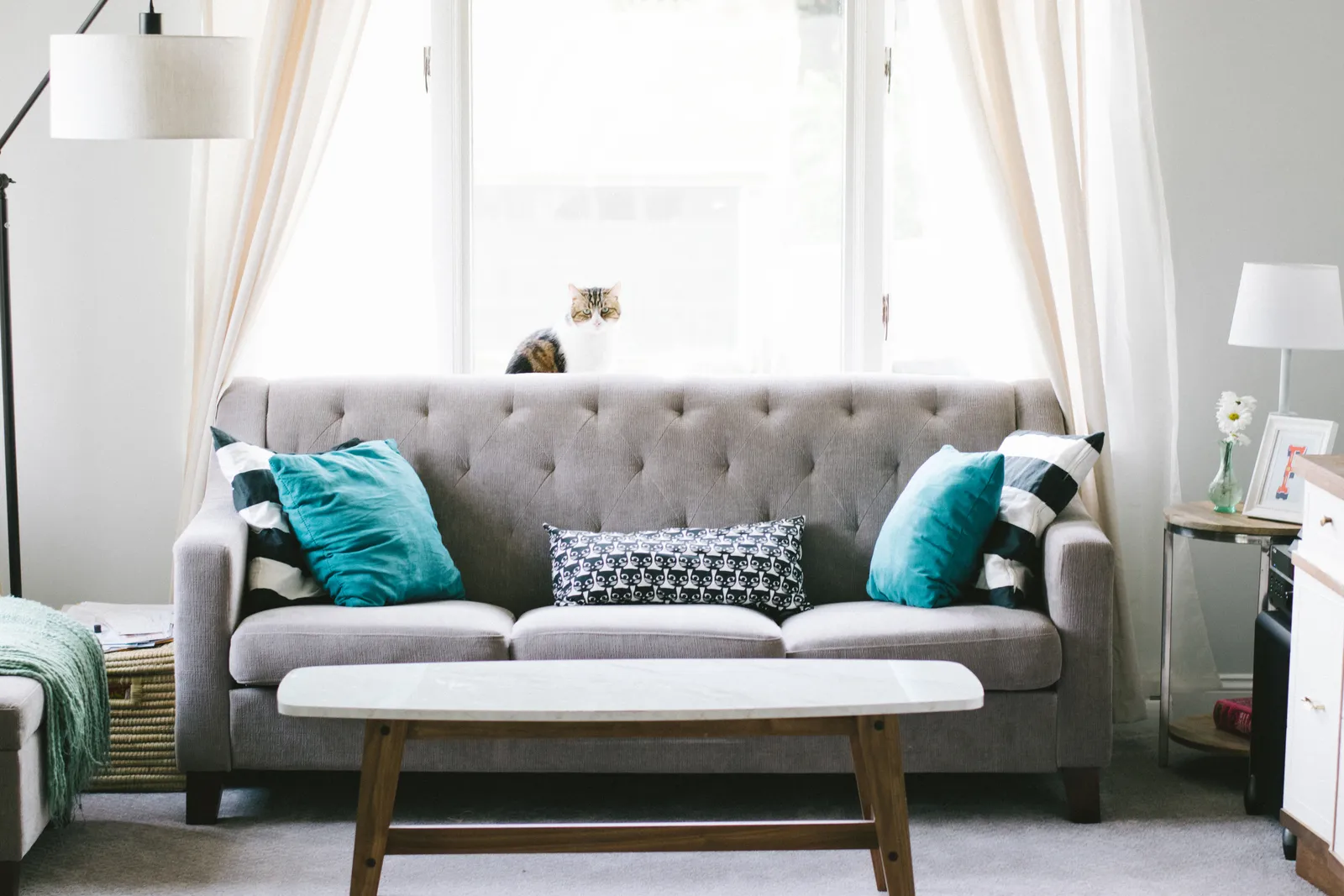
A throw blanket softens the overall look of the sofa, while decorative pillows introduce shape, color, and additional texture. Together, they create the layered, welcoming interiors often seen in boutique hotels and design magazines. Layering two throws takes this principle a step further, adding genuine visual depth.
Starting with a neutral, solid-colored base throw in cream, grey, or beige, then adding a second throw with more texture or color is the most reliable layering formula. Pairing a chunky knit with a smooth linen throw, or a patterned piece with a solid-colored one, gives the arrangement dimension without looking overdone. Keep the second throw slightly smaller and position it at an angle over the first.
Using Color Smartly Without Clashing
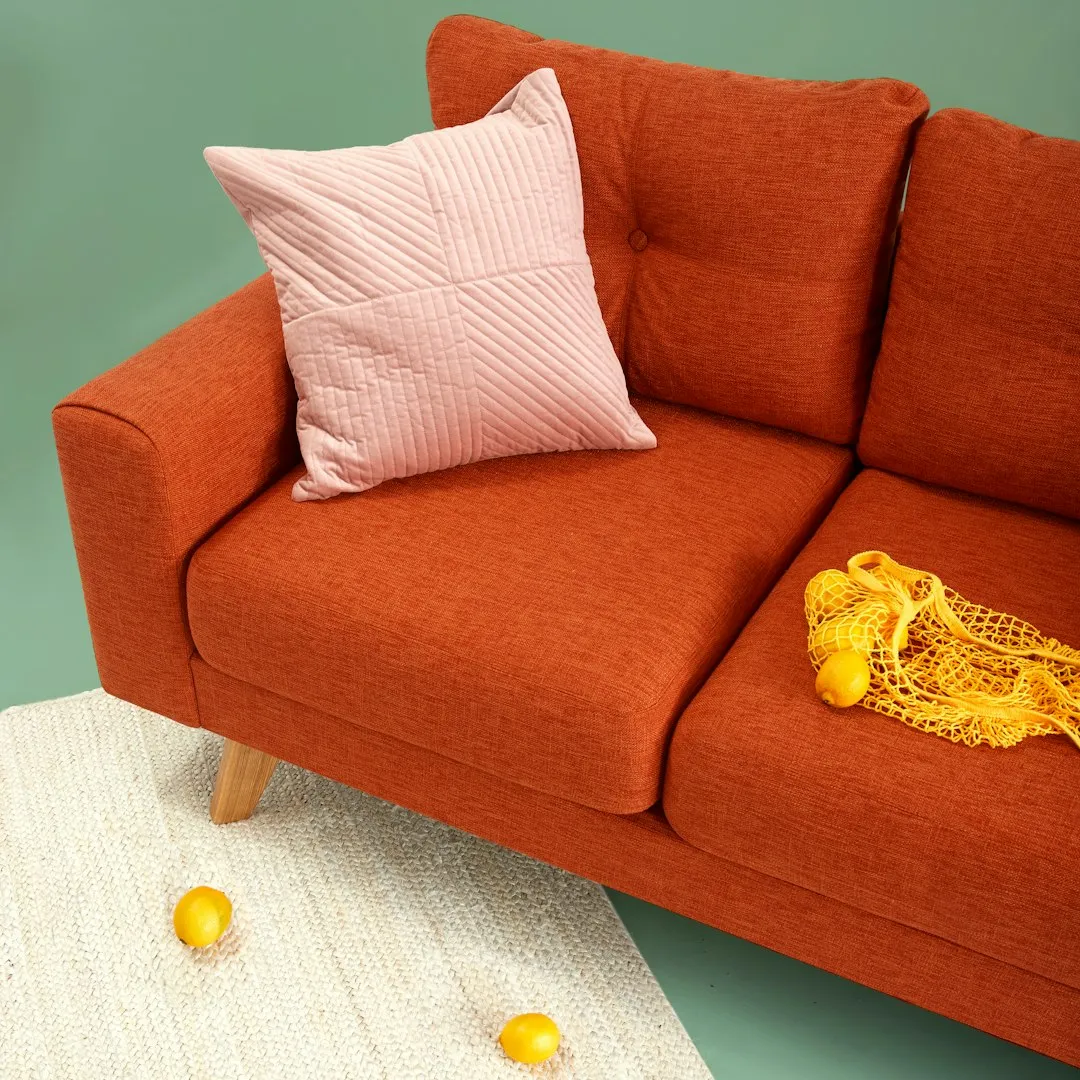
If your sofa is in a neutral color, an accent throw can be the perfect way to introduce new hues that complement or contrast with the upholstery. A terracotta throw might pick up the tones of a ceramic vase, while an olive green blanket can connect beautifully with indoor plants or artwork. This kind of tonal echo is what makes a room feel designed rather than assembled.
If pillows are patterned, a quieter throw often works well. If pillows are simple, a textured throw can add a little depth. This balance prevents the sofa from becoming visually noisy. Sticking to one main color in the throw and keeping patterns minimal is a reliable rule, particularly for smaller living rooms where restraint reads as sophistication.
Tucking the Throw for a Tailored Look
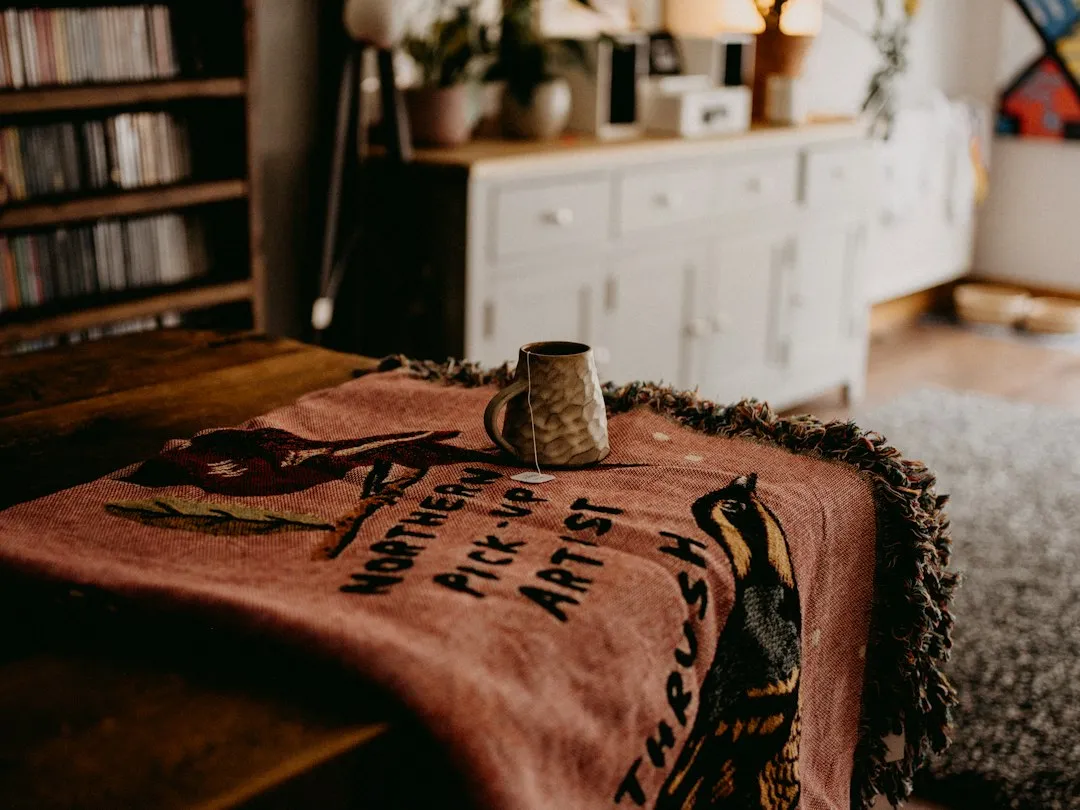
For a more refined and tailored look, tuck the throw blanket neatly into the seat cushions or along the back cushions of your sofa. If you prefer a modern or contemporary style, tucking your throw creates a cohesive look that’s both stylish and neat, without sacrificing comfort.
Folding and tucking a throw blanket behind the back cushion of a sectional adds a clean, intentional touch while still bringing warmth and texture to the space. It creates a tailored look and balances the cozy feel without the messiness of a draped throw. This is particularly useful in busy households where a loosely draped throw rarely stays put for more than an afternoon.
Mistakes That Undermine the Whole Effect
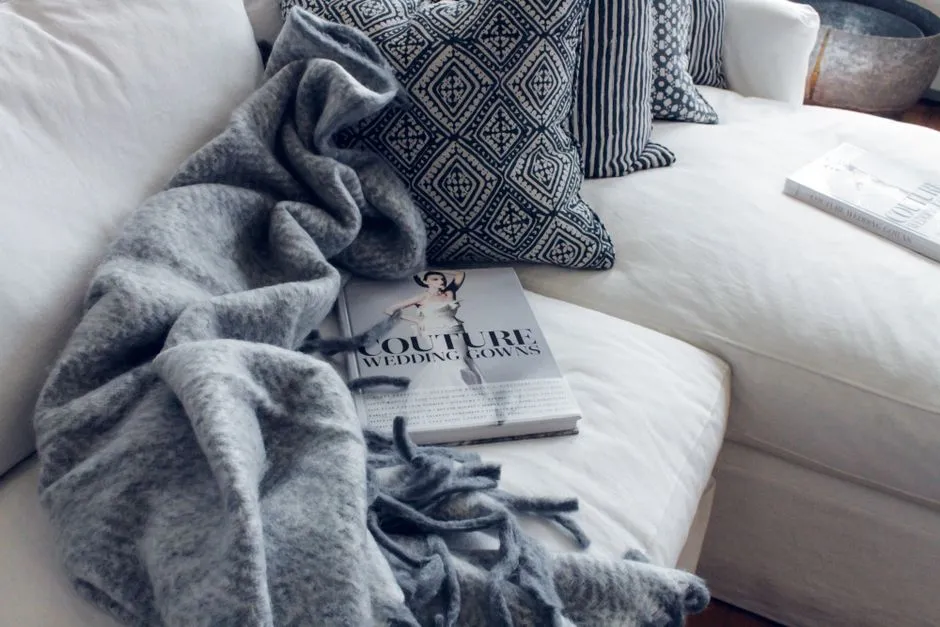
There are many pretty ways to style a throw blanket, and a few that can make a room feel stiff or dated. A throw should look comfortable and easy, not fussy or overworked. Over-folding into a rigid, geometric shape, for instance, strips the throw of its natural softness and makes it look more like a prop than a lived-in accent.
There’s a fine line between relaxed and chaotic. Crumpling the throw into a sad heap is one common error that immediately reads as untidy rather than casual. Using non-slip furniture pads or tucking one corner of the throw into the cushion solves the persistent slipping problem without over-engineering the arrangement. The goal, always, is deliberate ease.
The Takeaway

A throw blanket is genuinely one of the most cost-efficient styling tools in a home. It doesn’t require a renovation or a designer consultation. What it does require is a little attention to material, scale, and placement. The difference between a sofa that looks expensive and one that just looks comfortable often comes down to exactly these small decisions.
The waterfall drape, the textured contrast, the right-sized blanket on a proportionate sofa: none of these tricks are complicated. They’re just deliberate. When you style a throw blanket with intention, it can instantly elevate your space, making it feel complete, comfortable, and considered. That’s a pretty good return on a single piece of fabric.
AI Disclaimer: This article was created with the assistance of AI tools and reviewed by a human editor.