

Most people think of corn, beans, and squash as ordinary garden vegetables. Grown together, though, they form one of the most quietly ingenious agricultural systems ever developed. Long before synthetic fertilizers or modern crop science, Indigenous peoples across North America had already figured out how to make these three plants sustain each other, the soil, and entire communities.
The intercropping method of planting corn, beans, and squash together, commonly called the Three Sisters, has been studied and described by scholars in anthropology, history, agriculture, and food studies for many years. What keeps drawing researchers back is how well it works, and how much it still has to teach.
Ancient Roots: Where the Method Comes From
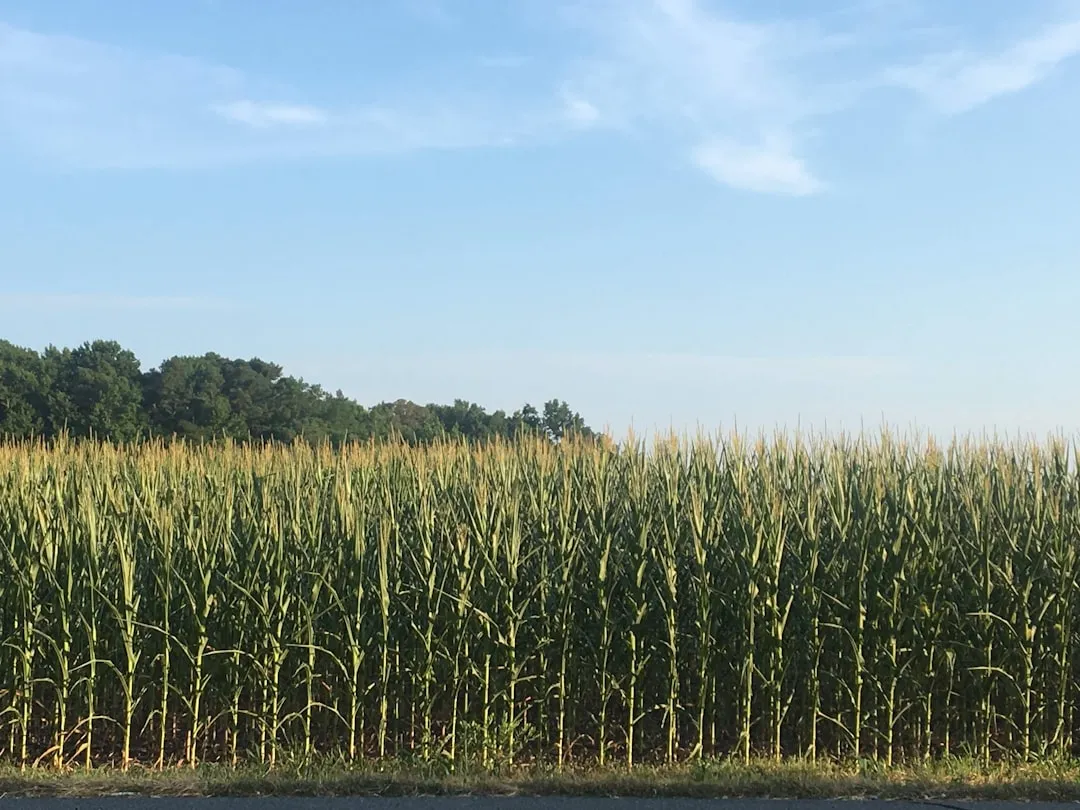
The Iroquois and the Cherokee called corn, bean, and squash “the three sisters” because they nurture each other like family when planted together. The name reflects something deeper than farming technique. The Three Sisters planting method originates from Indigenous agricultural traditions, particularly among the Haudenosaunee (Iroquois) people of North America, who developed sophisticated growing systems rooted in observation, balance, and respect for the land. Corn, beans, and squash were not only staple foods but also central to cultural identity, ceremony, and storytelling.
Archaeological evidence dates the adoption of the Three Sisters complex in North America to 1070 AD. From its earliest appearance in written records, the Three Sisters complex was not simply an agricultural strategy or technology, but a cultural complex, complete with stories, ceremonies, technology, customs and etiquette.
The Maya Connection: The Milpa System
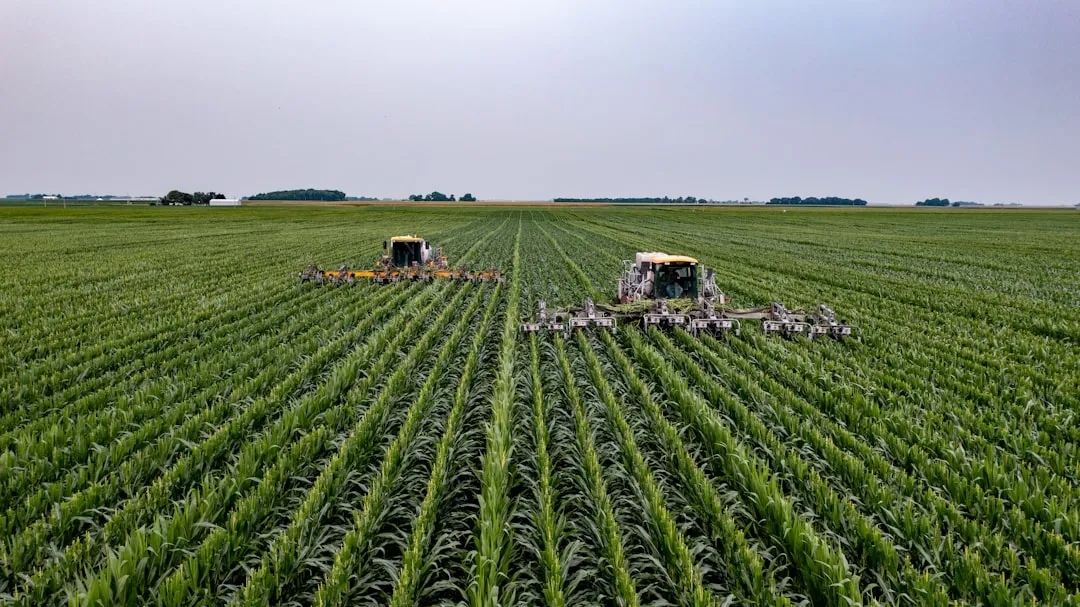
In the Maya culture, the Three Sisters of Agriculture were referred to as Milpa. The Milpa system was used by the Maya people and many others in Mesoamerica, using the same characteristics for intercropping maize, beans, and squash. This wasn’t a regional quirk. This traditional agricultural practice has been around for thousands of years, helping keep food security in Mesoamerica and creating a lasting cultural impact. Milpa has supported soil health, biodiversity, and is high in resource efficiency.
Corn: The Tall Sister
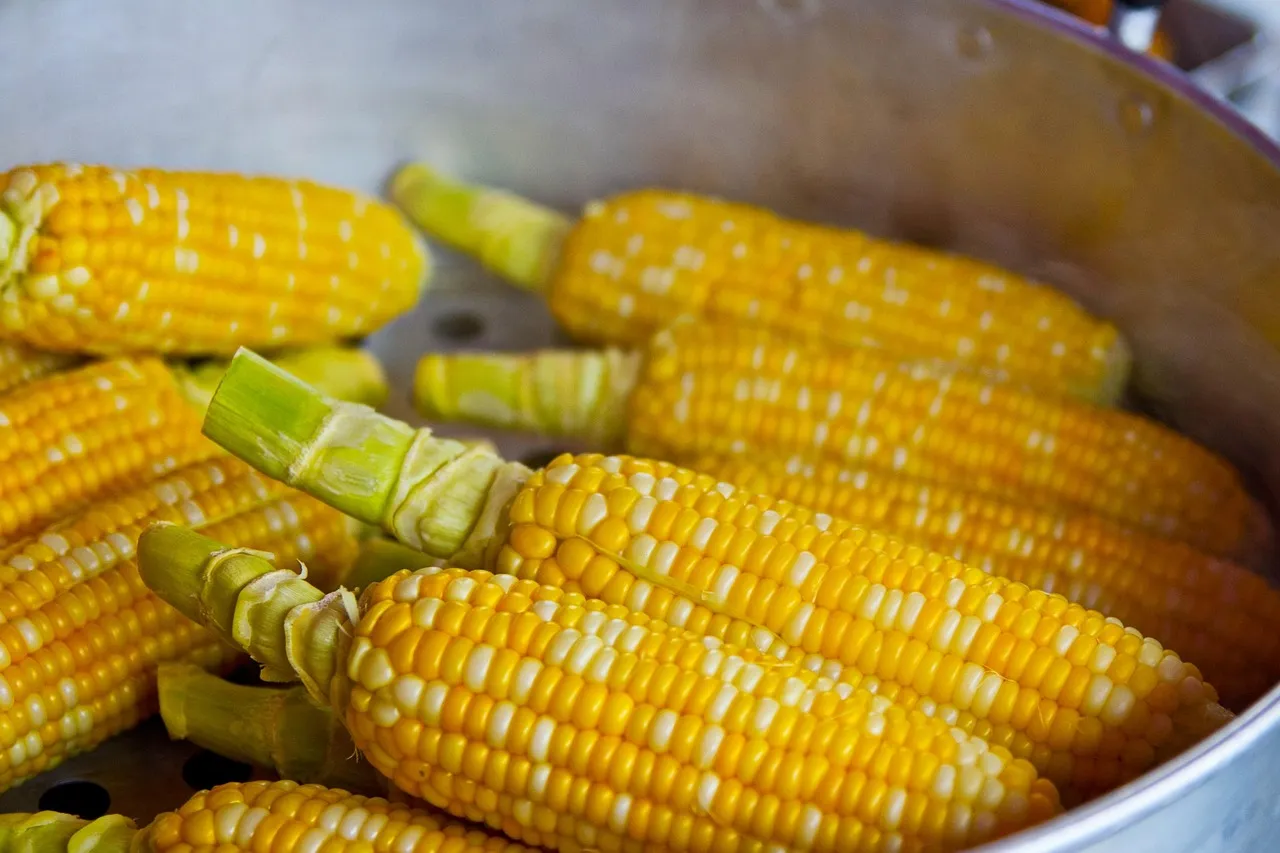
Corn grows as a tall and sturdy trellis for the bean stems as they climb up the corn to reach sunlight. It is the structural anchor of the whole system. The tall stalks of corn provide a natural trellis for the climbing beans, preventing them from being overtaken by the sprawling squash vines. In return, beans help stabilize the corn during strong winds and enrich the soil with nitrogen.
Corn, beans, and squash occupy different vertical zones, optimizing planting density. This layered structure means the trio uses space in a way that a single crop simply cannot replicate.
Beans: The Nitrogen Giver
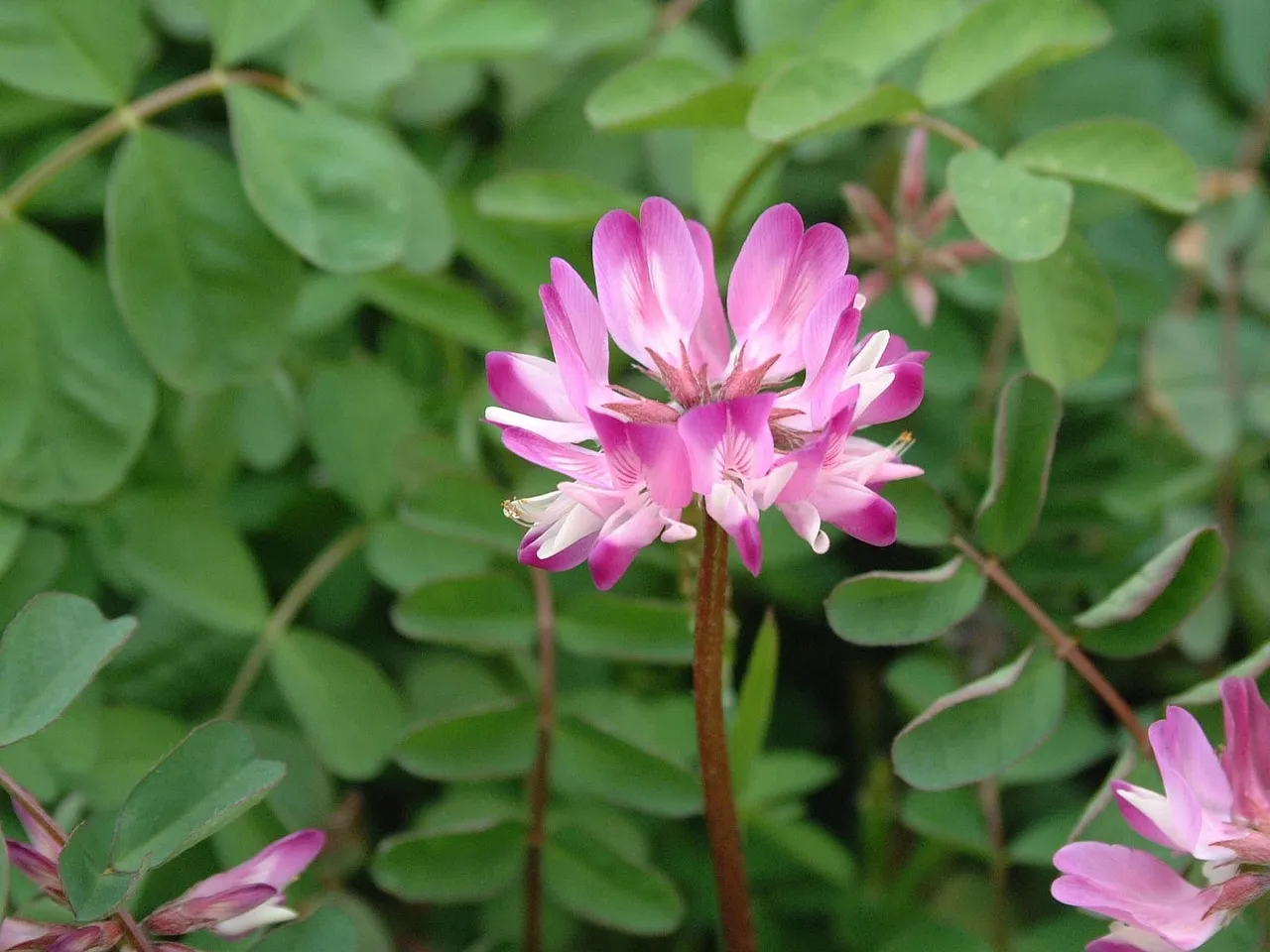
Beans host rhizobia on their roots, bacteria that convert atmospheric nitrogen into forms usable by plants, a process known as nitrogen fixation. This is perhaps the most scientifically significant contribution any of the three plants makes. Legumes are givers in the three sisters combination, as they enhance the availability of a key nutrient in the soil: nitrogen. They help make nitrogen available in the soil by cultivating beneficial bacteria that pull nitrogen from the air and convert it to a form that plants can use.
Pole bean legumes work best in the three sisters trio, as they benefit from being able to climb the corn stalks as they mature and grow. Beans are typically planted a couple of weeks after corn so that corn stalks develop before the beans begin to climb.
Squash: The Ground Protector

Squash is grown at the base of the mounds or in the surrounding area, which allows the large squash leaves to shade out weeds and cool the soil. It is the garden’s natural mulch layer. The protector in the three sisters combination is squash. Squash’s broad leaves provide a blanket of living mulch: a barrier against weeds, hot sun, and high temperatures.
The prickly hairs of some squash varieties deter pests, such as deer and raccoons. That’s a surprisingly effective form of natural pest management, one that requires no chemicals and no extra effort from the grower.
Soil Health: What the Science Shows
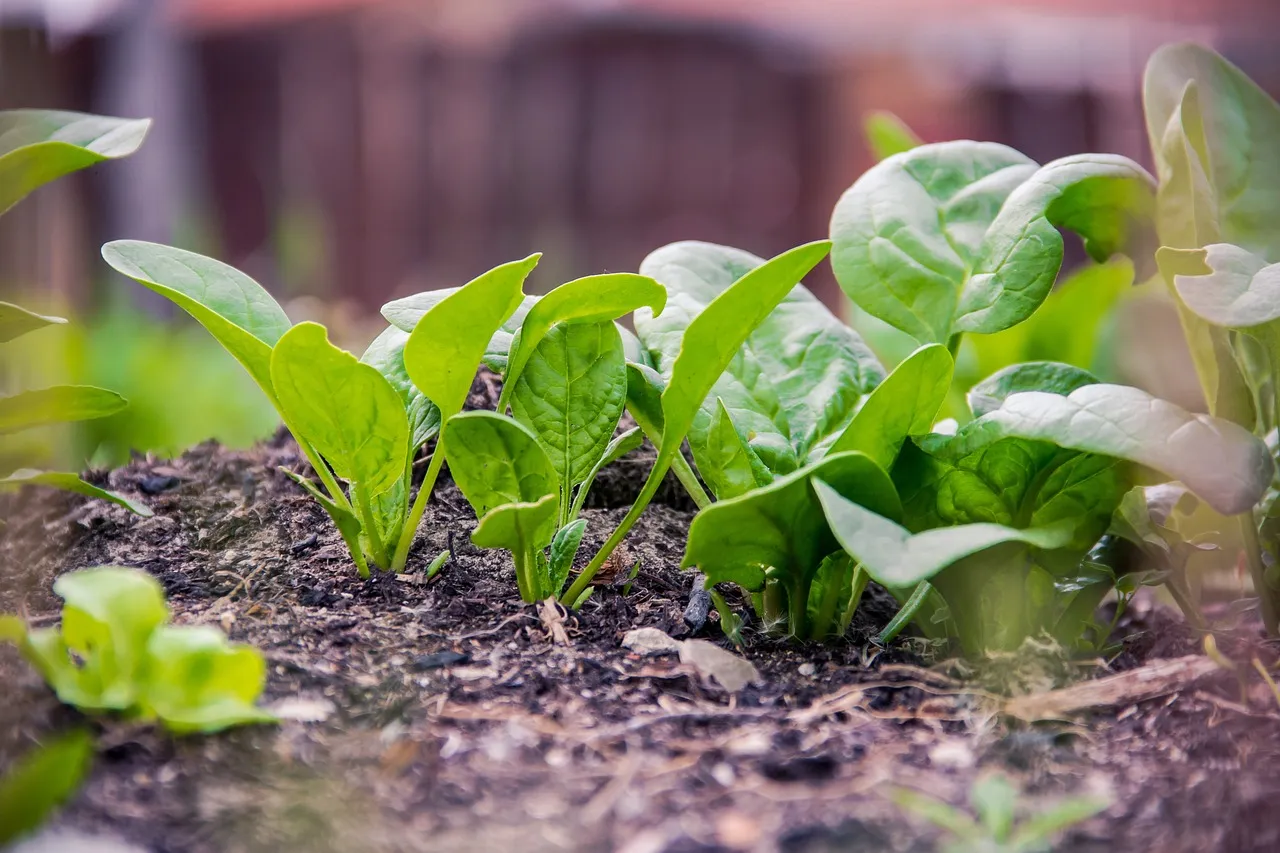
The Indigenous companion planting technique known as the Three Sisters system improves soil health, weed control, and crop yields by combining mutually beneficial crops. Research has been adding hard numbers to this claim. After one year, Three Sisters intercropping increased short-term soil respiration by 24%, decreased salt-extractable nitrate by 54%, and increased the soil microbial biomass carbon-to-nitrogen ratio by 32% compared to the average of monoculture crops.
This method supports biodiversity, increases soil fertility, and reduces the requirement for external nutrients that larger farms might use, such as chemical-rich fertilizers or pesticides. Those are not small gains. They point directly toward the kind of low-input agriculture that farmers are being asked to practice more widely.
Yield and Diversity: Monoculture vs. The Three Sisters
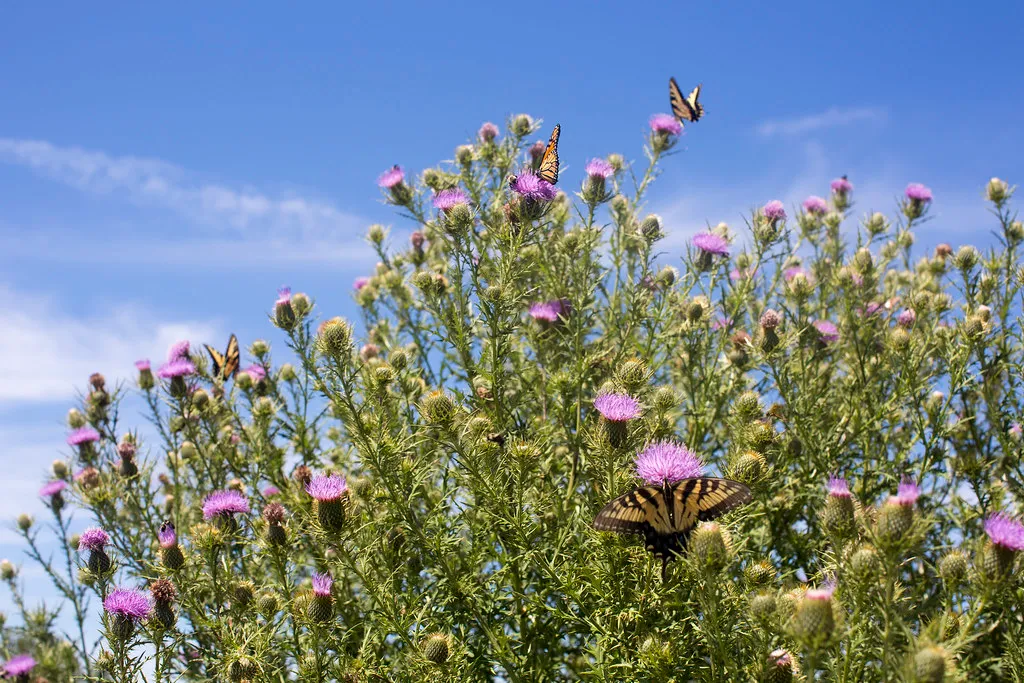
Monoculture plots produced higher individual crop yields, whereas companion planting offered greater produce diversity and a higher total yield of combined crops. This is an important distinction. The Three Sisters system isn’t about squeezing the maximum output of a single crop. Traditional methods like poly- or intercropping were developed to address an assortment of cultural or environmental needs, including expanding dietary diversity, minimizing pesticide and fertilizer use, reducing erosion and water use, maintaining soil fertility, preserving genetic resources, and conserving biodiversity.
Research observed that maize, bean, and squash polycultures produced greater biomass and yield than expected from their component monocultures across all nutrient treatments. That finding, from peer-reviewed laboratory work, suggests the synergy between these crops goes beyond what simple arithmetic would predict.
Nutritional Balance: A Complete Diet on Three Plants
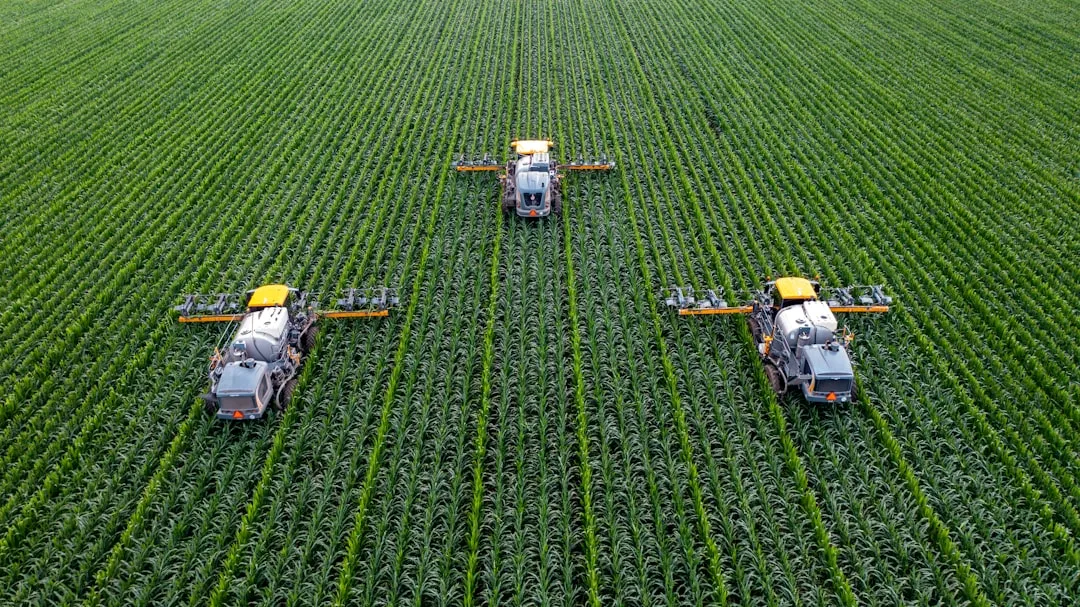
The crops complement each other both visually and nutritionally in two key ways: in the soil through a mutualistic symbiotic relationship, and on the plate, by providing a balanced diet. This dual function is remarkable. Beans are high in protein and contain amino acids that corn lacks. Corn supplies carbohydrates, while squash contributes essential vitamins and minerals not present in the other two crops.
Once harvested, each crop is easy to store, can be prepared in multiple ways, and lasts through the winter. For communities without refrigeration or modern food supply chains, that was the difference between surviving a cold season and not.
What Modern Research Tells Us in 2025

In 2025, research found that the Three Sisters system can be modified to fit into modern mechanized agriculture. Plant spacing and placement can be adjusted to make the system better fit modern equipment constraints while keeping the benefits of intercropping. That finding from the journal Agronomy for Sustainable Development is a significant step. This allows the practice of intercropping to scale up to large farming operations.
The synergy between these crops enhances soil fertility, reduces the need for synthetic fertilizers and herbicides, and optimizes land use, making it a prime example for sustainable, diversified, mixed farming in 2025 and 2026. Given rising fertilizer costs and increasing regulatory pressure on chemical inputs, this timing feels relevant.
The Three Sisters in Today’s Regenerative Agriculture Movement
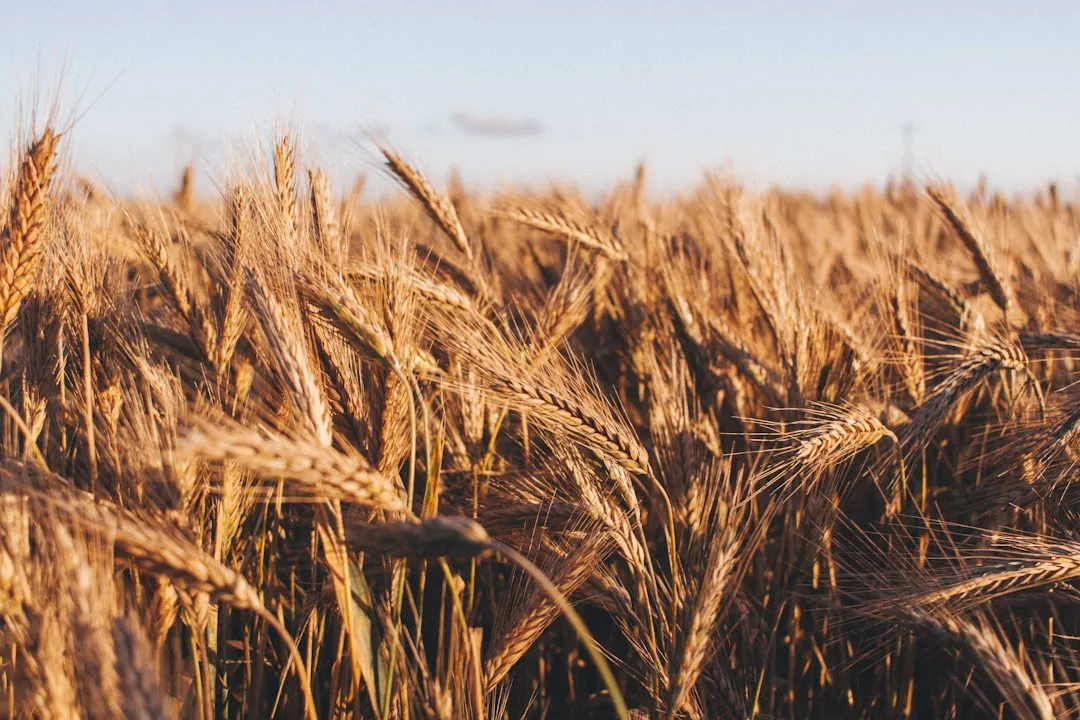
The Indigenous ways of knowing that were used to develop and maintain these complex cropping systems can also guide modern farming practices as we try to steer agriculture toward more sustainable outcomes. That statement from the University of Wisconsin sums up the current academic mood well. Intercropping not only adds nitrogen but also increases system resilience by diversifying root structures, attracting pollinators, and reducing pest pressure naturally.
Instead of planting single rows of a single vegetable, this method of interplanting introduced biodiversity, which does many things, from attracting pollinators to making the land richer instead of stripping it of nutrients. Modern regenerative agriculture has been searching for exactly this kind of model, a system that builds as it produces rather than depleting as it grows.
Conclusion
The Three Sisters method is a reminder that some of the most durable agricultural knowledge was developed not in laboratories, but through generations of careful observation and adaptation. Intercropping techniques like the Three Sisters, where maize, beans, and squash are grown in an intermixed arrangement, have sustained communities in the Americas for thousands of years and continue to be practiced around the world.
The fact that 2025 peer-reviewed research is now exploring how to adapt this system to large-scale mechanized farming says something worth sitting with. The world’s newest agricultural science keeps arriving at conclusions that Indigenous growers reached long ago. Sometimes the most forward-looking thing you can do is look back.
AI Disclaimer: This article was created with the assistance of AI tools and reviewed by a human editor.