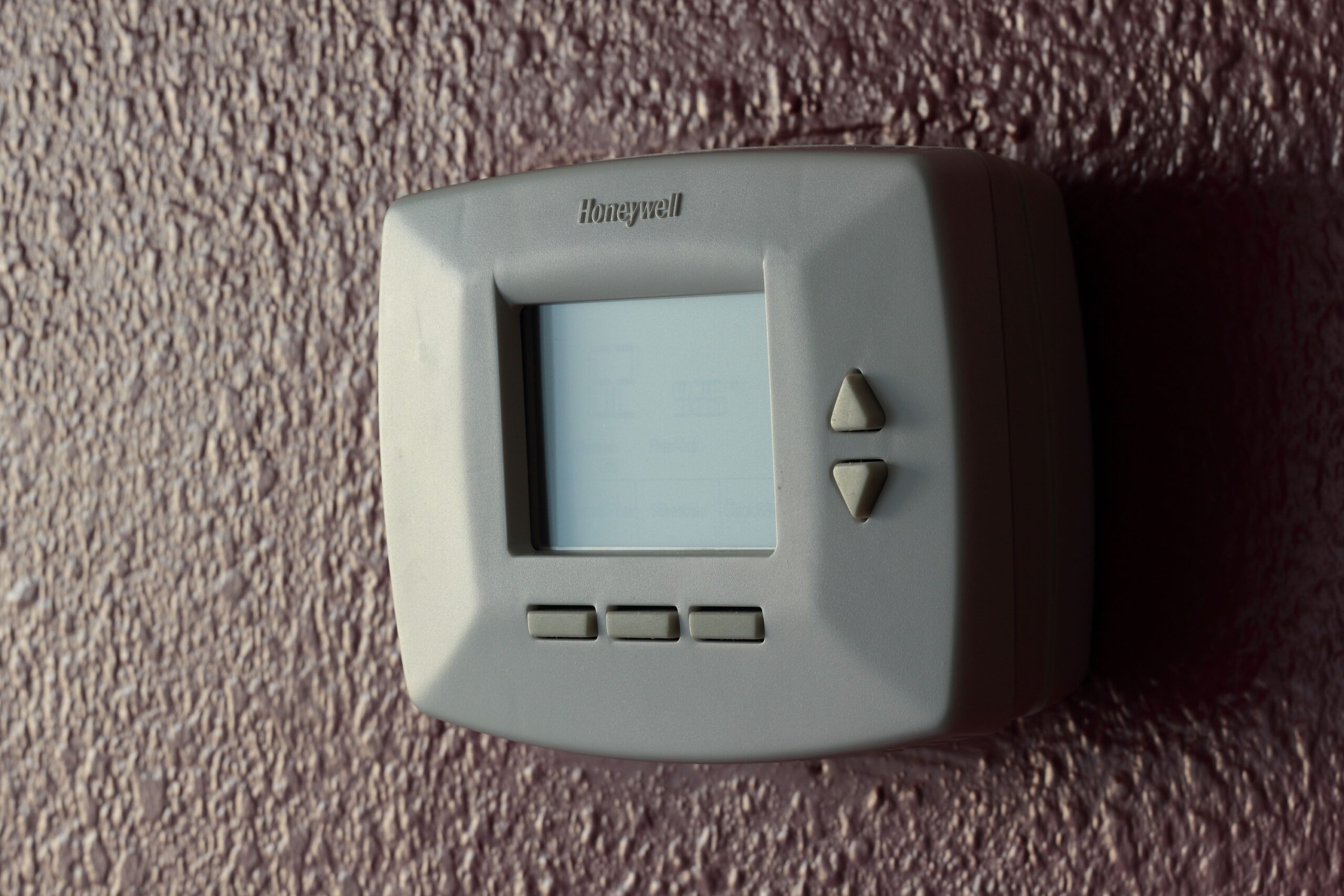

Most homeowners set the thermostat once and walk away, assuming the system will handle the rest. That assumption costs money quietly, and it also chips away at the life of a very expensive piece of equipment. The relationship between a thermostat and an HVAC unit is more nuanced than it appears, and one wrong habit repeated daily adds up to real consequences.
The Temperature Gap Problem Nobody Talks About
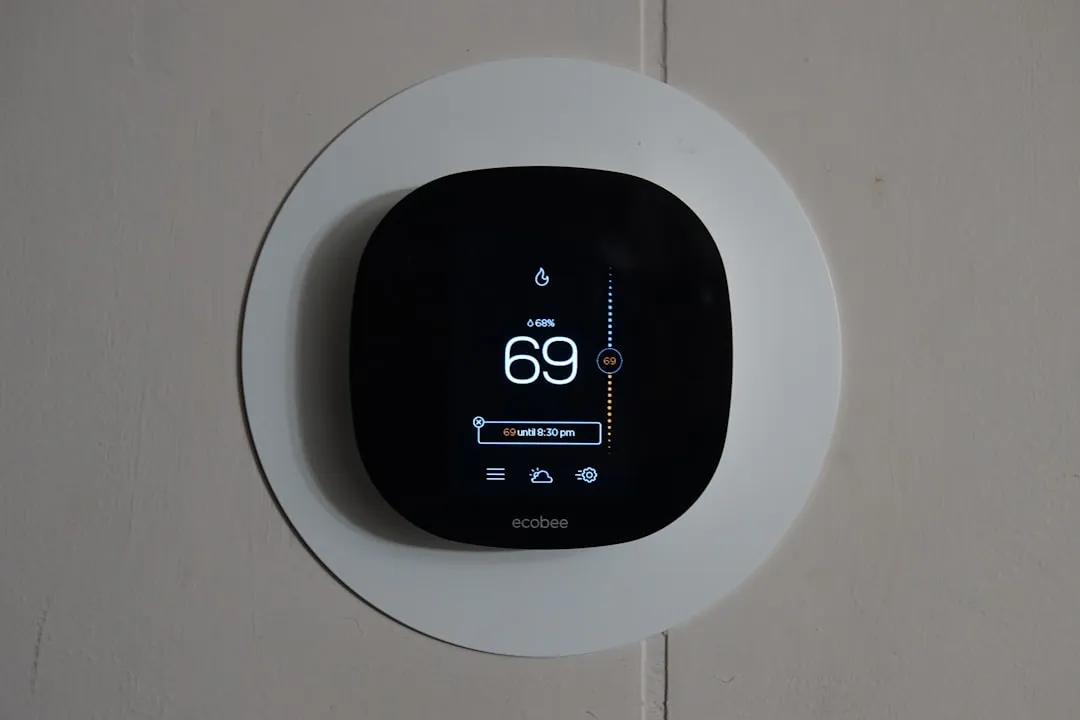
The trick to efficient HVAC operation is keeping the difference between indoor and outdoor temperatures as small as possible, because the smaller the gap, the lower the energy consumption. When homeowners set the thermostat dramatically far from the outdoor temperature, the system has to work against a much larger thermal load.
Every degree of extra heating or cooling can increase both energy usage and costs, so setting the thermostat within a few degrees of the outside temperature prevents your HVAC system from wasting energy unnecessarily. This seems simple, but many people push the gap far wider than needed, especially during peak summer and winter months.
Heating and cooling often account for nearly half of a home’s total energy use, meaning even small changes in thermostat settings can lead to noticeable differences in your utility bill. That proportion makes the thermostat one of the highest-leverage controls in the home.
Setting It Too Low in Summer Triggers Constant Cycling
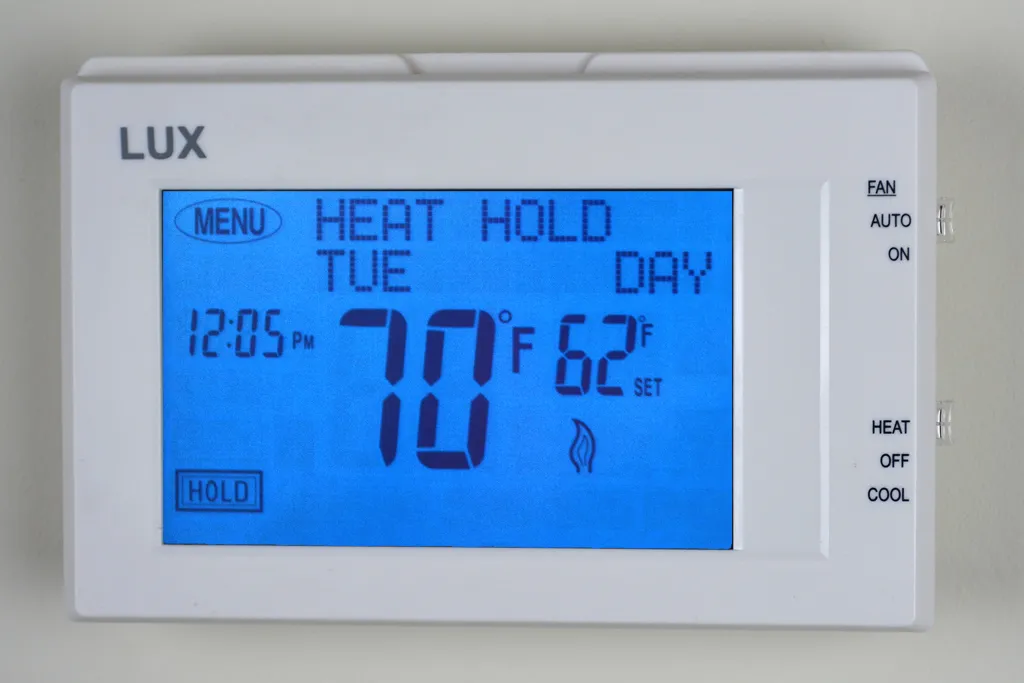
The U.S. Department of Energy says that in order to be energy-efficient while cooling your home appropriately, you should set the air conditioner to 78 degrees Fahrenheit. Most households run their systems far colder than that, which forces the compressor to work almost nonstop during hot days.
Whatever temperature your household settles on, do not try to cool your home faster by setting your thermostat at a colder setting than normal when you turn on your air conditioner. The system cools at the same rate regardless of how low the number is set. Cranking it down only guarantees longer run times and greater wear.
Experts recommend setting the thermostat to 78 degrees Fahrenheit when at home and active, and raising it to around 85 degrees when away, which can foster significant energy savings. Most people resist both of those numbers, but the savings and equipment relief are genuine.
Cranking the Heat Too High in Winter Strains the System
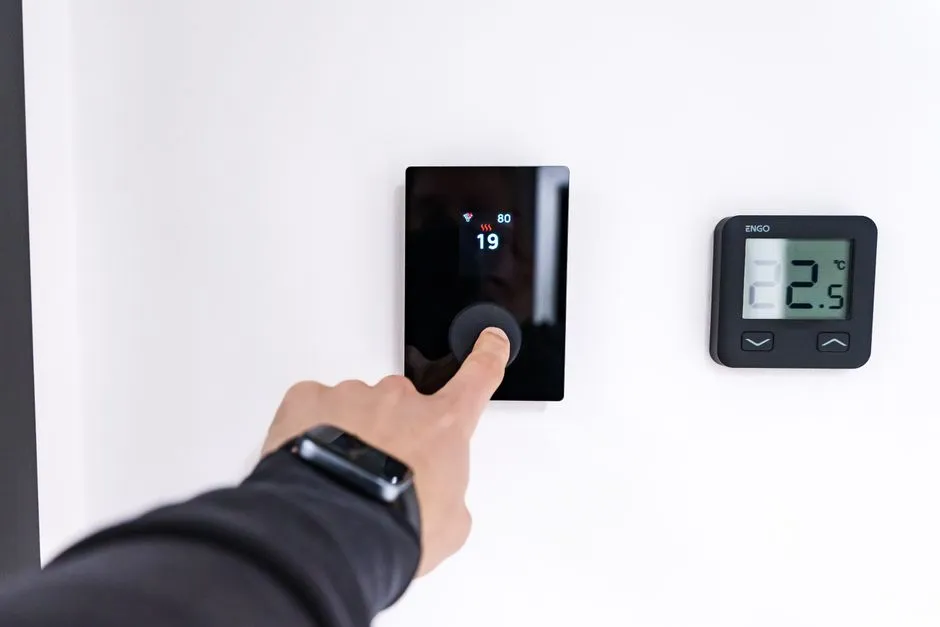
According to the U.S. Department of Energy, the ideal thermostat setting in winter is about 68 degrees Fahrenheit when you’re awake and at home, a temperature that keeps most households comfortable while keeping energy use in check. Pushing the setting well above that forces the furnace or heat pump into extended, labor-intensive cycles.
Starting by setting your heater to 68 degrees and then increasing the temperature by one degree at a time until comfortable is an approach that prevents overheating and wasting energy. Jumping straight to 74 or 76 degrees when 68 would be perfectly fine is one of the most common thermostat mistakes.
Setting the thermostat too high can cause your HVAC system to run longer than necessary, using more energy to maintain temperatures that could be achieved with a lower setting. The system doesn’t know the difference between “comfortable” and “excessive.” It simply follows the number you give it.
Frequent Adjustments Force the System to Restart Repeatedly
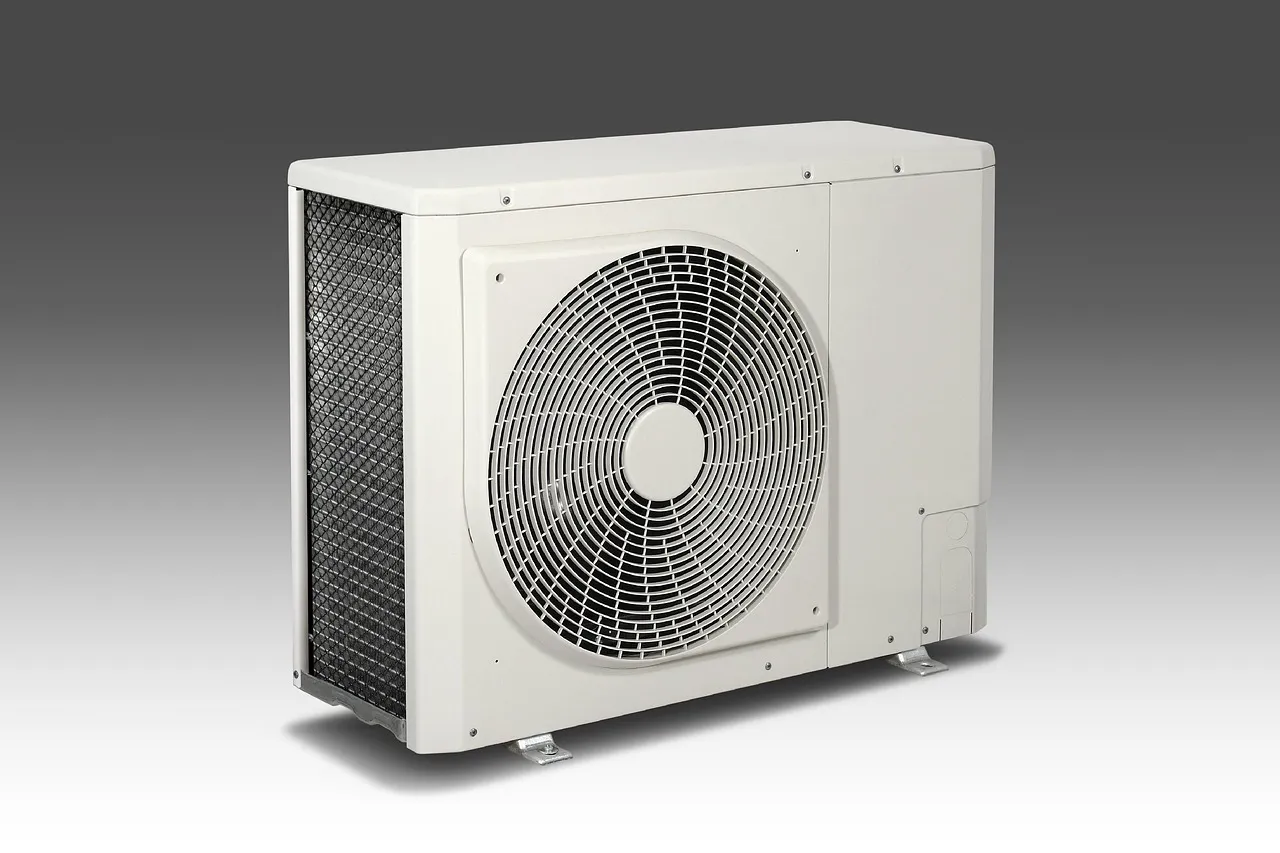
One of the main reasons it doesn’t make sense to frequently change your home’s thermostat settings is because HVAC systems have to expend more energy to constantly maintain new temperatures. It’s simply easier for the system to maintain a baseline temperature than to continuously go a few degrees in either direction.
HVAC motors draw three to five times their normal wattage during startup, meaning that when the system constantly stops and starts, energy bills increase significantly compared to a system running normal, full-length cycles. Each restart is a small but real spike in power draw.
Frequent adjustments and inefficient cycles lead to more wear on the system, increasing the likelihood of issues that require service. Dirty filters, worn components, and reduced airflow are all common results of overworked systems.
Short Cycling: When the Thermostat Setting Causes the System to Shut Off Too Soon
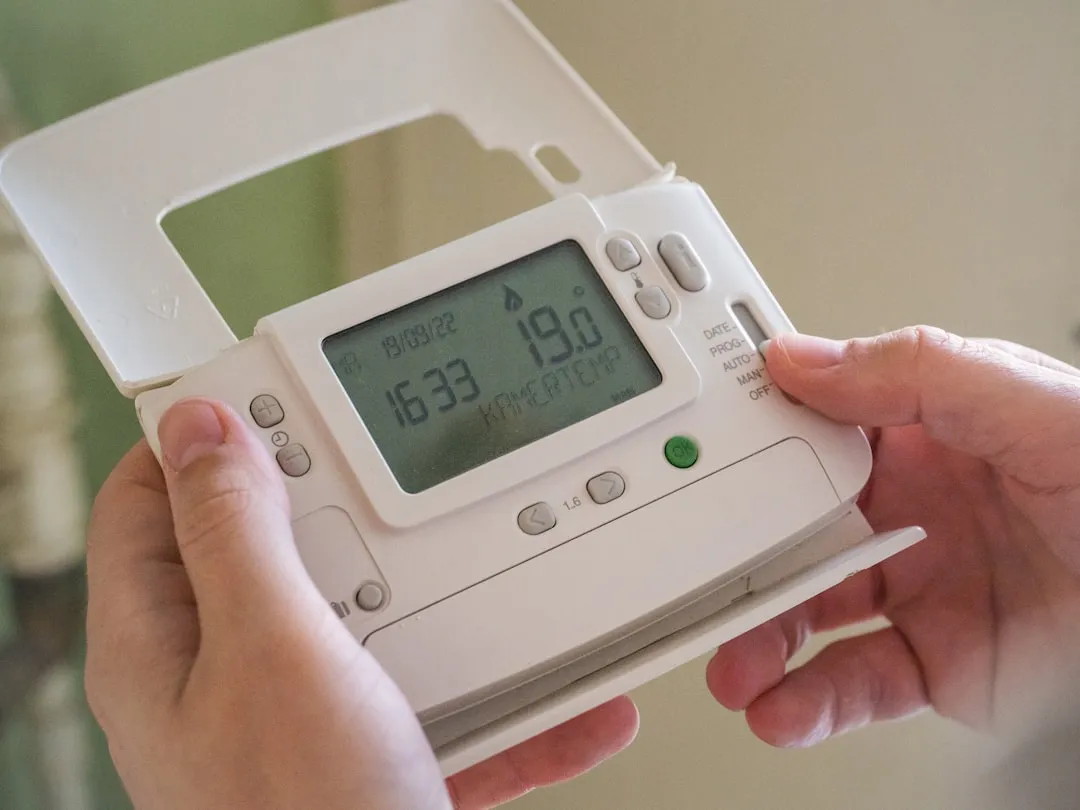
Short cycling occurs when an HVAC system turns on and off repeatedly without completing a full heating or cooling cycle. This is directly connected to thermostat behavior, particularly when settings change drastically or when the thermostat is poorly positioned relative to the actual temperature of the space.
Short cycling can damage your HVAC system, prematurely wearing out parts and causing strain on the furnace, heat pump, or air conditioner. It’s not a dramatic failure. It happens slowly, invisibly, one incomplete cycle at a time.
When the system shuts down too soon, it doesn’t have enough time to push conditioned air to every room, which often results in uneven temperatures, hot and cold spots, and longer recovery times when adjusting the thermostat.
Where You Place the Thermostat Matters as Much as What You Set It To

A thermostat placed in direct sunlight or near heat sources gives false temperature readings and tells the system the home is warmer than it actually is, causing premature shutdowns. This is one of the quieter sources of HVAC stress that rarely gets addressed.
Your thermostat should be installed in a central location, away from air vents and heat-generating appliances, and out of direct sunlight. Many thermostats in older homes were installed decades ago with convenience, not physics, in mind.
A thermostat near a sunny window or appliance may “think” the whole house is warmer or cooler than it actually is, causing unnecessary cycling throughout the day. Repositioning the thermostat is sometimes the most impactful change a homeowner can make.
The Setback Strategy That Actually Protects Your HVAC

According to the U.S. Department of Energy, setting your thermostat back seven to ten degrees for eight hours a day from your normal setting can save you 10 percent on your annual energy bill. More importantly, the system gets genuine rest during those periods rather than running continuously.
Energy.gov reports that turning your thermostat lower by 10 to 15 degrees for 8 hours per day can help you see an energy usage reduction of 5 to 15 percent per year on your bill. That range accounts for differences in climate and system age.
For electric heating, a cautious approach to temperature setbacks is prudent, since a modest reduction can prevent the system from overworking when returning to the set comfort level. The key is keeping the setback reasonable rather than extreme, so the recovery doesn’t undo the savings.
The Fan Setting You’re Probably Getting Wrong
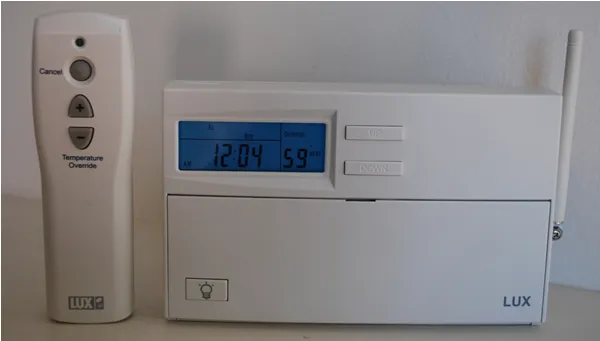
Setting your thermostat fan to “Auto” allows the system fan to run only during heating or cooling cycles, saving energy. In contrast, setting it to “On” keeps the fan running continuously, increasing electricity use. This single setting is often overlooked and quietly inflates monthly bills.
Running the fan continuously isn’t just an energy issue. It also circulates unfiltered or partially filtered air through the system more often, which means filters clog faster and the blower motor runs longer hours than it needs to. Over a year, that adds up to measurable wear.
A well-planned approach like thermostat scheduling helps maintain comfort while reducing energy use, because it aligns the system’s operation with your daily routine, which is far more effective than reactive changes.
The Programmable Thermostat You’re Not Actually Programming
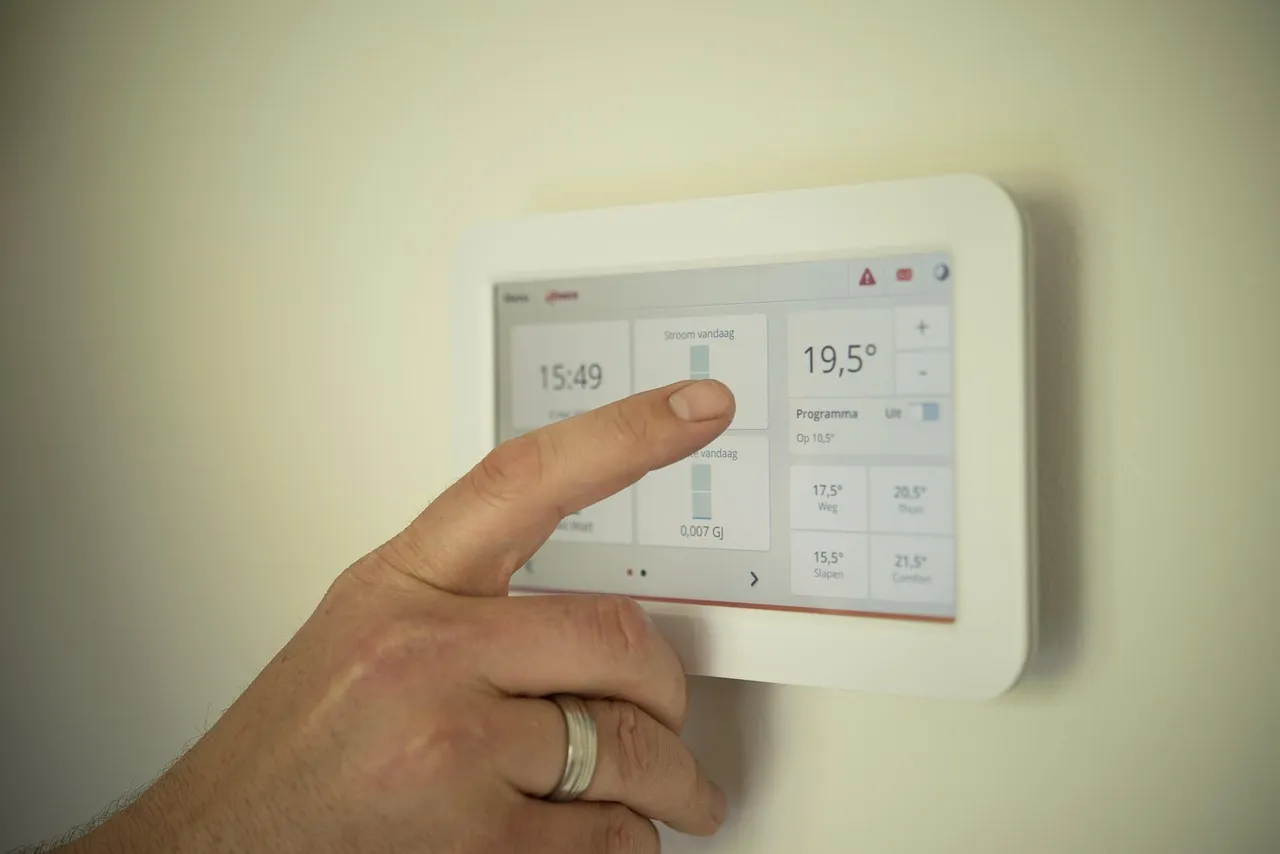
Despite huge potential savings, a recent study found that roughly four in ten people who own a programmable thermostat don’t use the programming features. That means a useful tool is sitting idle while the homeowner manually adjusts temperatures throughout the day.
Programmable thermostats allow you to set different temperatures for various times of day, ensuring the system runs efficiently. For instance, you can program the thermostat to lower the temperature when you’re at work or asleep, then raise it before you return home or wake up. That removes the temptation to make reactive adjustments.
Modern, smart and programmable thermostats are designed with energy efficiency as a priority, but that efficiency can be negatively affected by too many significant changes to the temperature settings. Setting a schedule and leaving it alone is genuinely the best strategy.
How Much a Smart Thermostat Can Actually Change
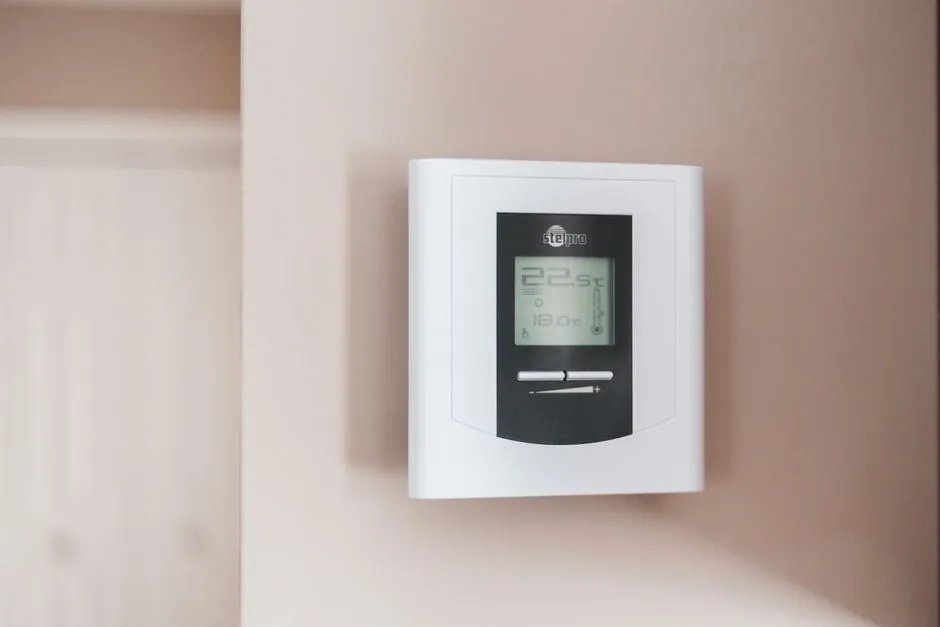
On average, ENERGY STAR-certified smart thermostats save approximately 8 percent of heating and cooling bills, or about $50 per year, with savings potentially greater depending on climate, personal comfort preferences, occupancy, and HVAC equipment. That figure reflects verified real-world data, not laboratory estimates.
For the average American household, almost half of the annual energy bill goes to heating and cooling, which amounts to more than $900 a year. Cutting even a fraction of that through smarter thermostat management reduces both cost and the burden placed on the equipment itself.
Smart thermostats like the Nest Learning Thermostat and the Ecobee3 Lite save $50 to $145 per year on heating and cooling, with the cheapest models paying for themselves in under 4 months after utility rebates, according to ENERGY STAR data from 2025. The financial case is clear, but the equipment protection case is equally strong.
Final Thoughts
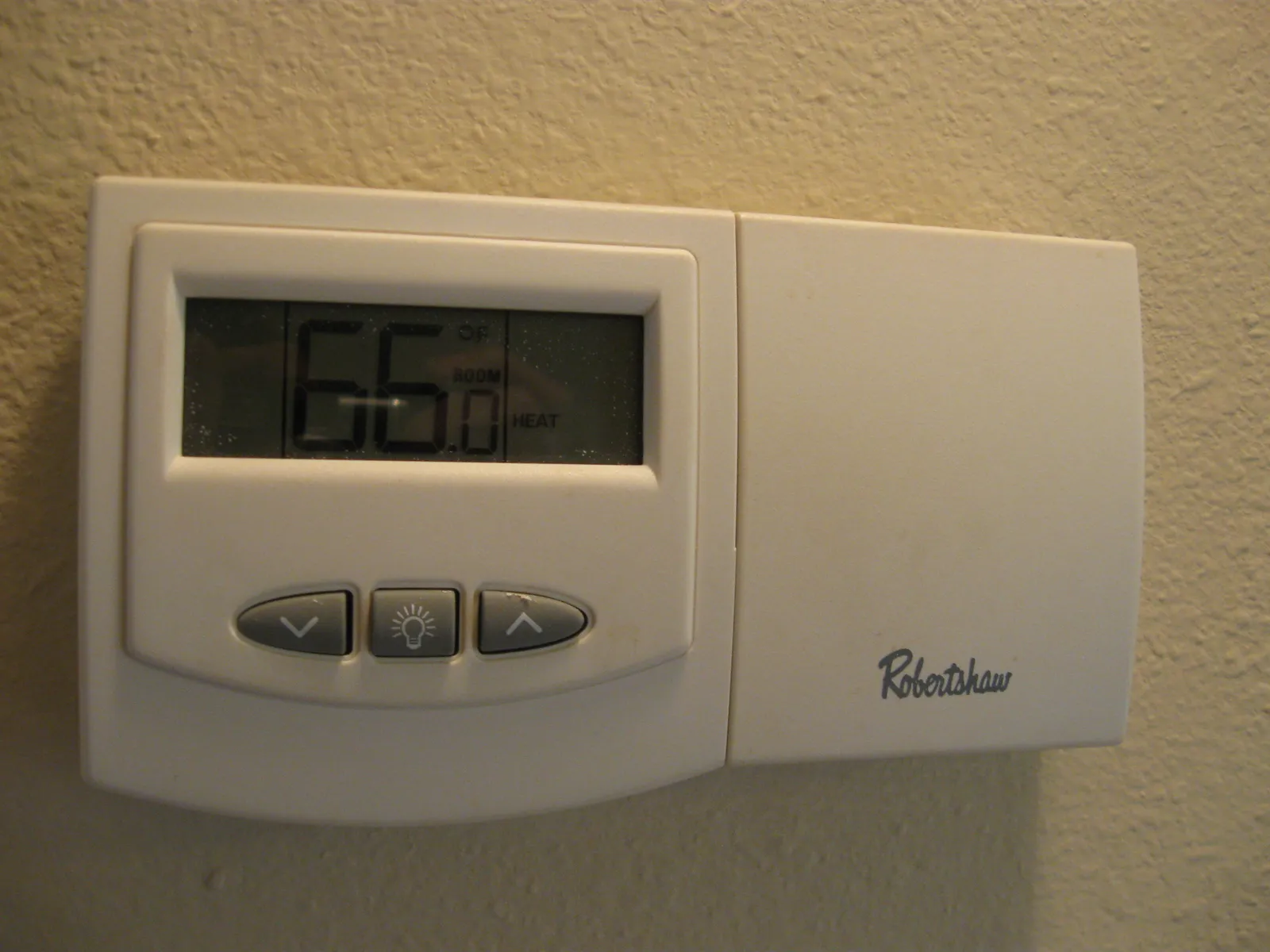
The thermostat is small, quiet, and easy to ignore. That’s exactly why thermostat habits are responsible for so much unnecessary HVAC wear. The setting itself isn’t always the issue; it’s the pattern around it.
Dramatic temperature swings, constant manual adjustments, ignored programming features, and poor thermostat placement all push systems harder than necessary, often without any visible sign until something breaks. The damage accumulates slowly, one inefficient cycle at a time.
Instead of manual adjustments, using structured temperature changes throughout the day, with a change of one to two degrees at a time, allows the system to respond without overworking. That’s the kind of quiet discipline that adds years to an HVAC system’s life, and takes very little effort to put in place.
AI Disclaimer: This article was created with the assistance of AI tools and reviewed by a human editor.