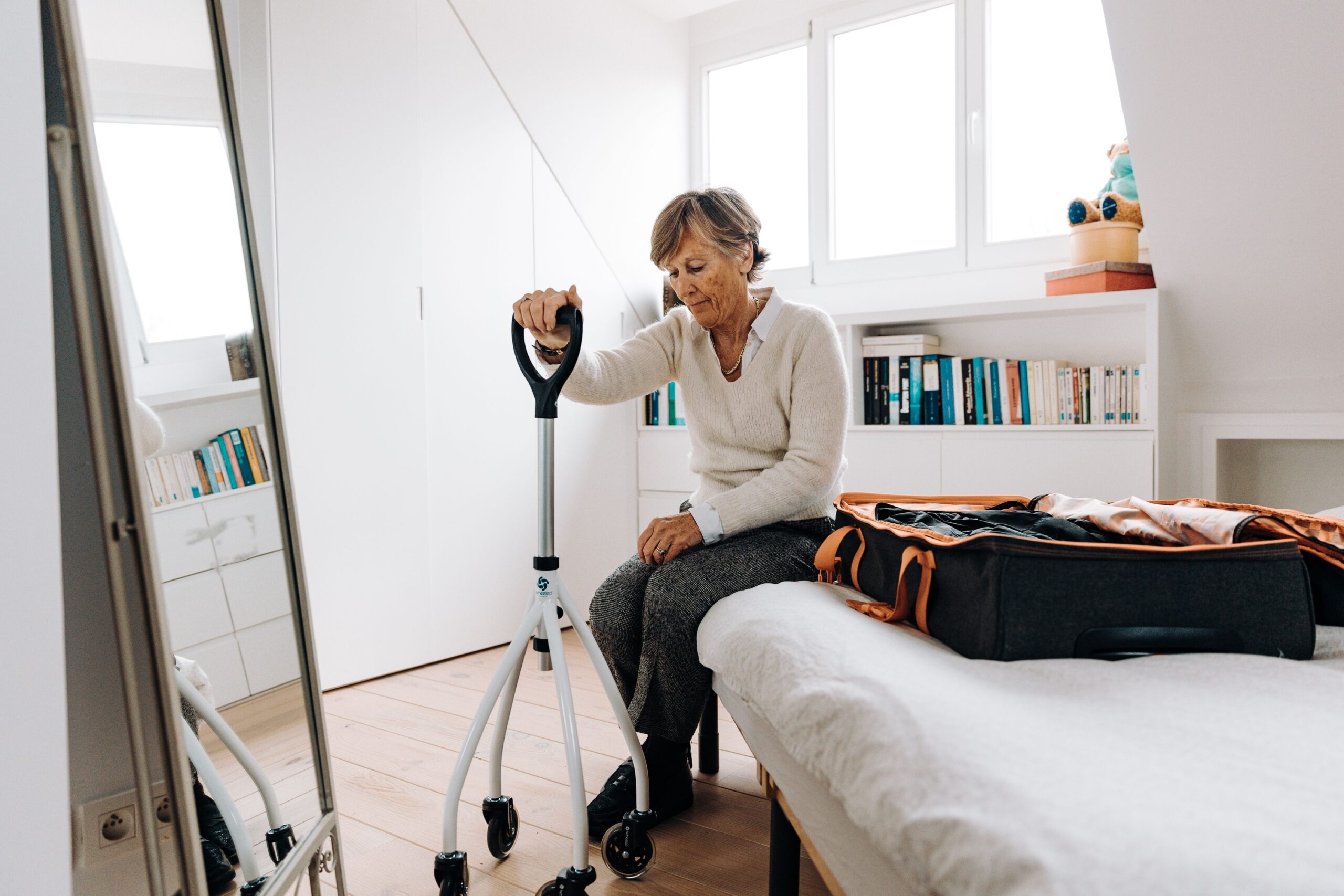

When the Heat Is Turned Down Too Low
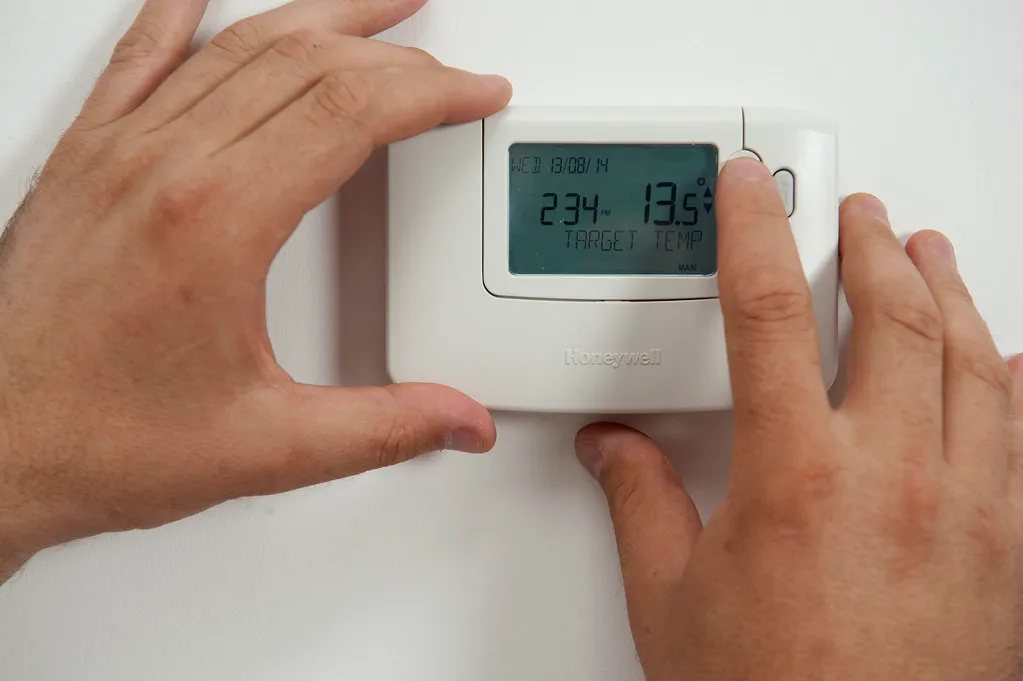
Older adults can develop dangerously low body temperatures inside their own homes, especially during winter months when heating costs climb and some seniors reduce thermostat settings to save money. It seems like a harmless way to cut expenses, but the health consequences can be severe and fast-moving.
Consistent indoor temperatures, especially avoiding settings below 65°F, are crucial to prevent health issues like hypothermia and heat-related illnesses. A home that reads 60°F or lower on a cold winter morning is not just uncomfortable for an older adult. It is a genuine medical risk.
Setting the thermostat no lower than 68 to 70 degrees in rooms an older adult uses is the general recommendation, with adjustments upward if they still feel cold. If you visit and notice the house is well below that range, it is worth asking why.
The Biology Behind the Risk: Why Seniors Feel Cold Differently

According to the National Institute on Aging, older adults lose body heat faster and are more sensitive to temperature fluctuations, making the ideal indoor climate critical for their well-being. This is not a quirk of personality or stubbornness. It is physiology.
Thermoregulation among the elderly has been shown to be deficient, with a decline suggested to occur as early as 40 years of age. The process only accelerates with each passing decade, meaning an 80-year-old has far less physiological buffer than someone half their age.
Older adults naturally run cooler than younger people, with an average oral temperature around 97.2°F rather than the familiar 98.6°F. That lower baseline means a senior can slip into a dangerous range faster and with less warning. The margin between comfort and crisis is simply narrower than most families realize.
The Thermostat Set Dangerously High: A Less Obvious Danger
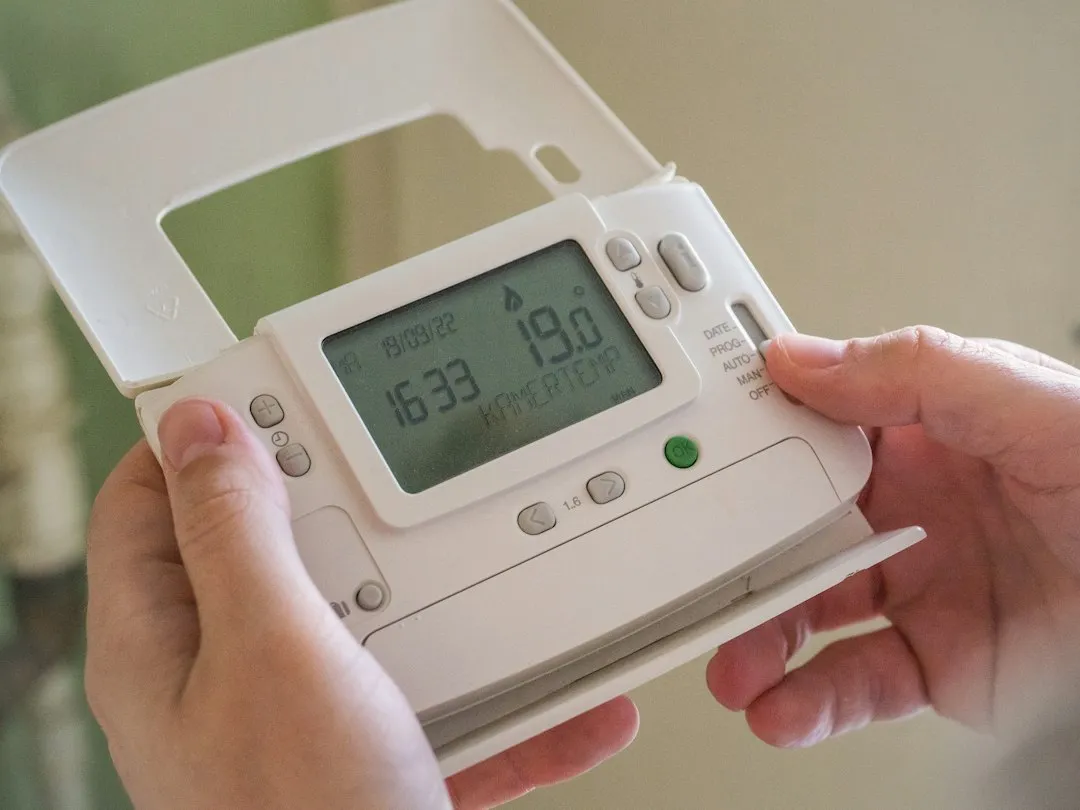
High temperatures can cause heat exhaustion, dehydration, and potentially life-threatening heatstroke. Seniors often have a reduced sense of thirst, making dehydration a hidden danger during hot weather. A home baking at 84°F in summer, with the AC off to save on bills, is a quiet emergency in the making.
Health in Aging, a resource from the American Geriatrics Society, recommends that seniors take active precautions once indoor temperatures exceed 80°F. The risk is not just discomfort, but heat exhaustion and, at the extreme end, heat stroke.
Aging impacts thermoregulation in several ways: older adults store roughly one and a half times more body heat when exposed to the same heat load than younger adults. The body simply cannot shed excess heat as efficiently, which is why a temperature that feels warm but manageable to you can be genuinely dangerous for your parent.
How Extreme Settings Can Signal a Fever or Illness
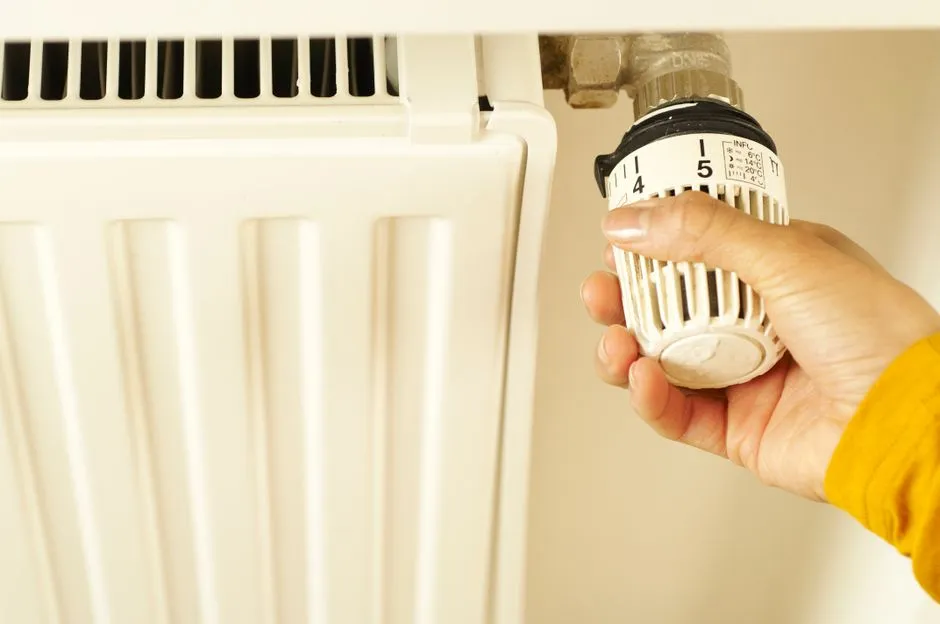
Elderly individuals are generally more vulnerable to sudden temperature changes, and a thermostat can potentially help gauge how a loved one is feeling. If your older loved one is feeling too warm due to a fever, they may attempt to adjust the thermostat before reaching out for help, not realizing they are getting sick.
In this situation, adjusting the thermostat could be dangerous. Older people with compromised immune systems need prompt medical treatment when they develop fevers, and adjusting the thermostat could potentially delay lifesaving care. A sudden change in their usual setting, particularly cranking the heat or the AC to an unusual extreme, is worth paying attention to.
An unexplained shift in thermostat behavior is one of those easy-to-dismiss details that can actually reflect something more serious going on medically. It pays to ask about it directly rather than assume it is a temporary whim.
The Connection Between Indoor Temperature and Cognitive Health
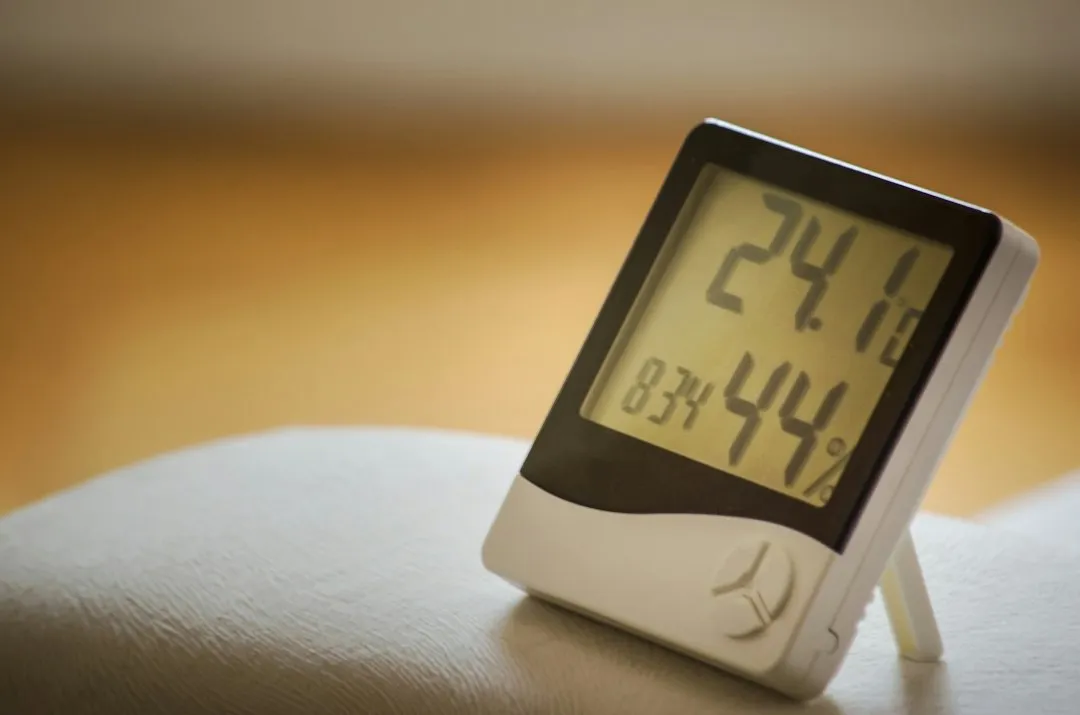
Older adults are more likely to suffer attention difficulties when home temperatures fall outside 68 to 75°F. This highlights the need for climate-resilient housing policies to protect seniors’ cognitive health. This is not a theoretical concern. The evidence has grown considerably in recent years.
According to a 2025 study, keeping a home too warm or too cold can negatively affect brain and cognitive health, especially among those 65 and older. In a related analysis, participants in a warmer room scored worse, with a roughly ten percent average drop in memory, reaction time, and executive functioning compared with their peers in a cooler room.
The 2024 study, published in The Journals of Gerontology: Series A, followed community-dwelling older adults and examined the relationship between home ambient temperature and self-reported attention. The implications for how families think about their parent’s home environment are significant.
When a Parent with Dementia Controls the Thermostat
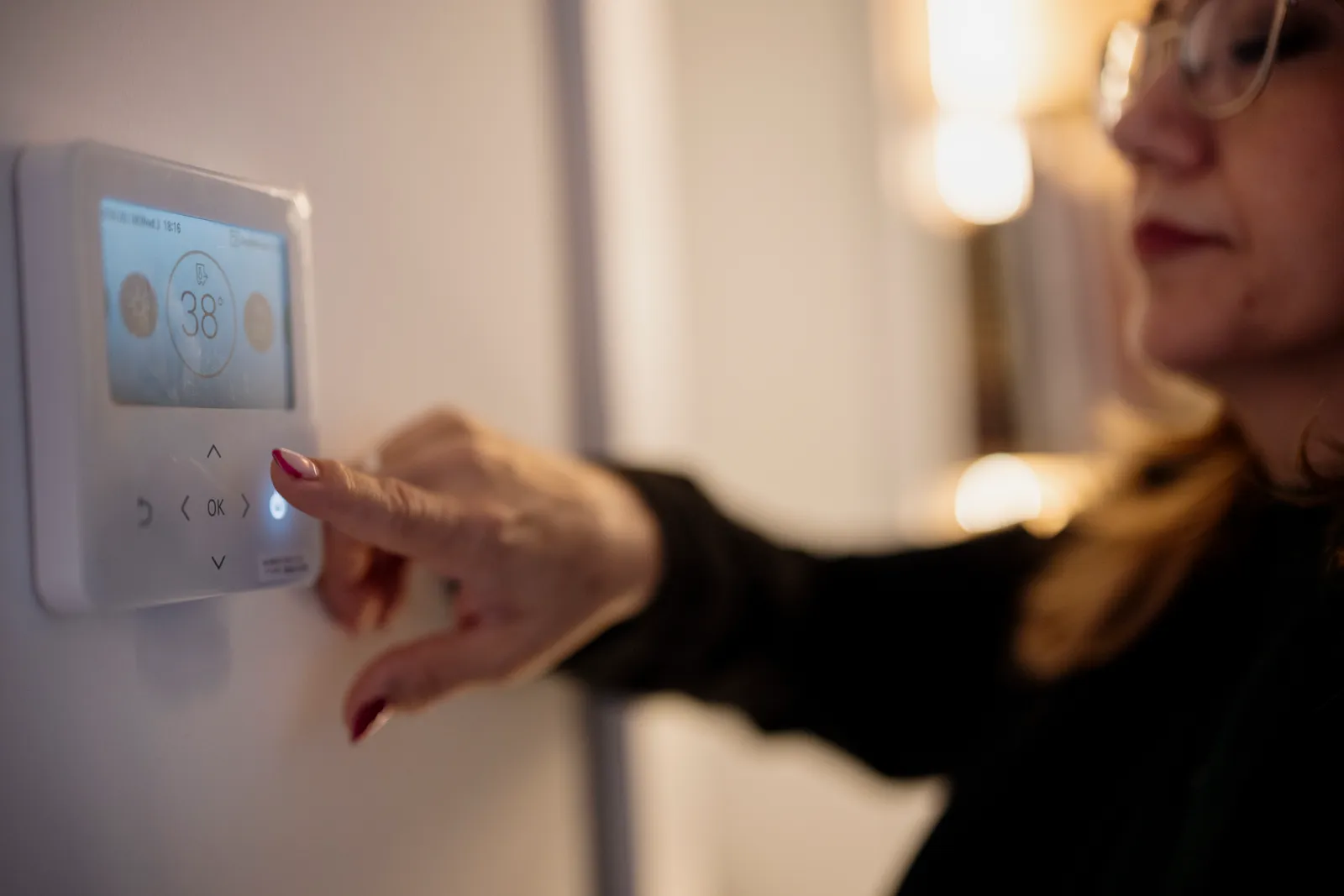
Individuals with dementia often have a disrupted ability to regulate body temperature. This can make them more susceptible to heat-related or cold-induced conditions, such as hypothermia or heat stroke. Cognitive decline can also impair their ability to perceive or communicate discomfort due to temperature changes.
People with Alzheimer’s disease or other conditions that cause cognitive decline can struggle to say they are hot during extreme heat, so caregivers must watch for changes in behavior. The thermostat, in these cases, is not a reliable guide to how comfortable they actually are.
Extreme temperatures often increase confusion, agitation, fatigue, wandering, and behavioral changes in people living with dementia. If you notice your parent has been more agitated or withdrawn than usual, the home temperature is one of the first practical things worth checking.
Financial Stress and the Thermostat: A Difficult Trade-Off
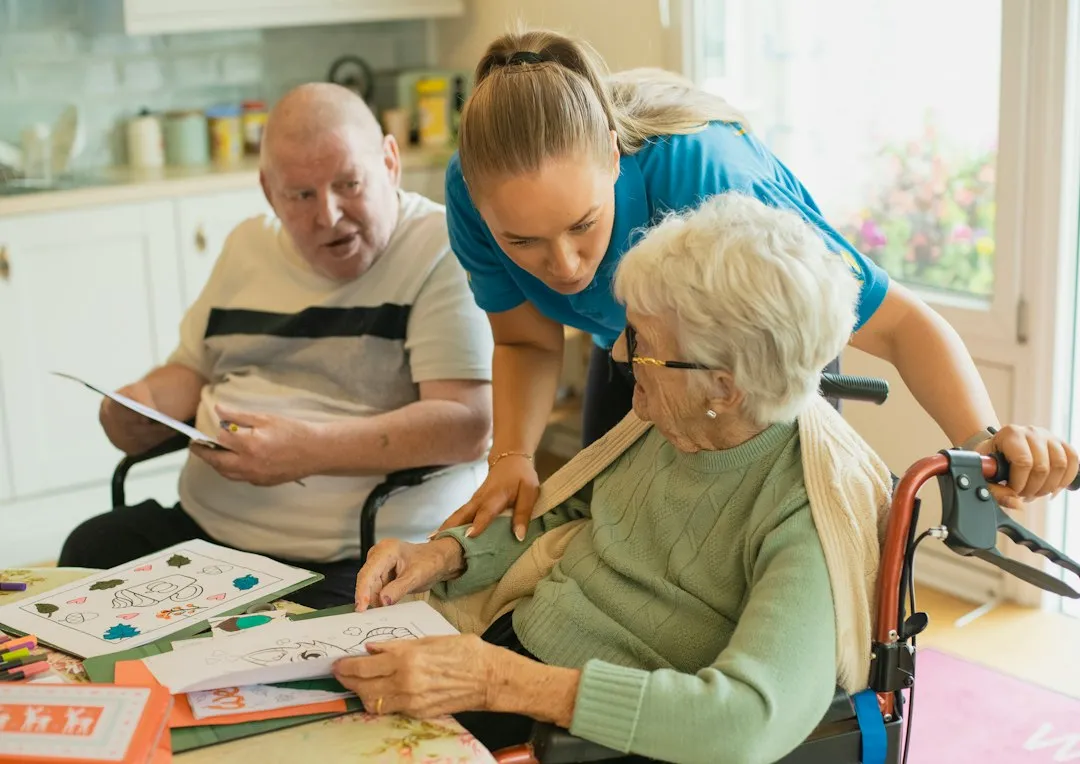
Many seniors keep the heat low to save on energy bills, which is a real and dangerous trade-off. The concern is legitimate: energy costs have risen considerably in recent years, and older adults on fixed incomes feel that pressure acutely.
Socioeconomic factors put older adults at risk. Those with low incomes might keep heat low or air conditioning off to save money on energy bills. The resulting health risk, however, can far outweigh the financial savings, particularly if it results in a hospital visit.
If your parent is keeping the home at unsafe temperatures primarily because of cost, it is worth looking into local utility assistance programs or weatherization support. In many states, these programs exist specifically for older adults and low-income households, and many families simply do not know about them.
What the Hypothermia Threshold Actually Means

A body temperature below 95°F is considered dangerously low for elderly adults and meets the clinical definition of hypothermia. That is the number that triggers emergency care, but the warning signs appear well before the body reaches that point.
Shivering, cold or pale skin, slurred speech, drowsiness, weakness, confusion, and slowed breathing are all signs that something is wrong. Some of these are easy to attribute to normal tiredness or “just getting older,” which is exactly why they get missed.
Research on frail older adults in the emergency department found that those with low body temperature had roughly three times the odds of 30-day mortality compared to those with normal temperatures. That figure puts the stakes in sharp perspective. A cold house in winter is not just uncomfortable. For a frail older adult, it can be life-threatening.
The Thermostat as Part of a Broader Home Safety Check
Many chronic health issues common in older age, such as respiratory problems including asthma and COPD, arthritis, and heart disease, can be worsened by poor temperature control. The thermostat does not sit in isolation. It interacts with everything else going on in your parent’s body.
If an older person lives alone, regular check-ins during extreme weather are one of the simplest and most effective interventions. A brief phone call or visit can catch early signs of heat exhaustion or hypothermia before they become emergencies. The thermostat check is most useful when it is part of a wider, routine conversation about how your parent is actually managing day to day.
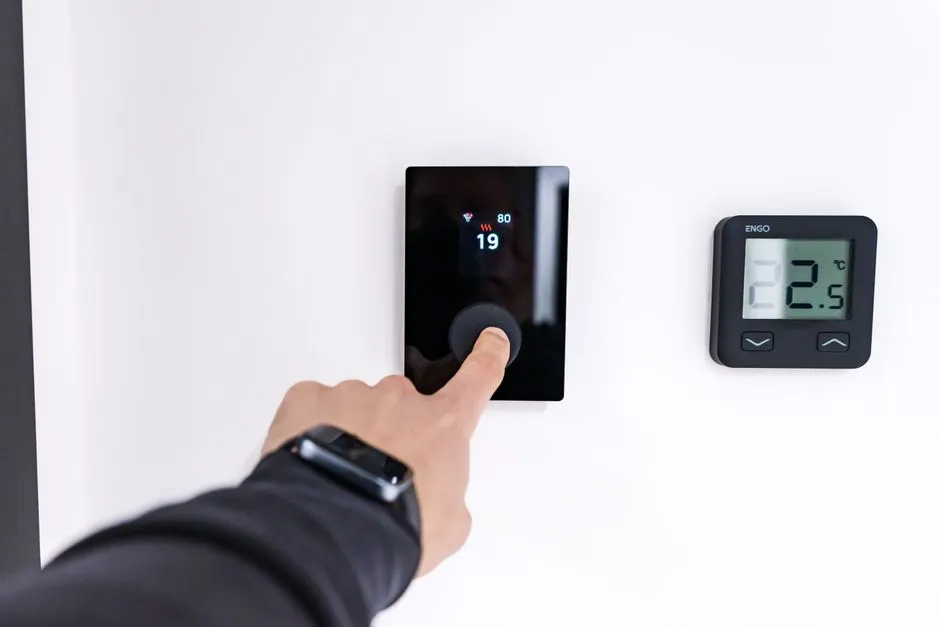
Simple digital or programmable thermostats with large displays are often best for seniors, as complex smart thermostats can be confusing to operate. Choosing the right device matters almost as much as setting the right temperature.
Practical Steps for Families Who Are Concerned
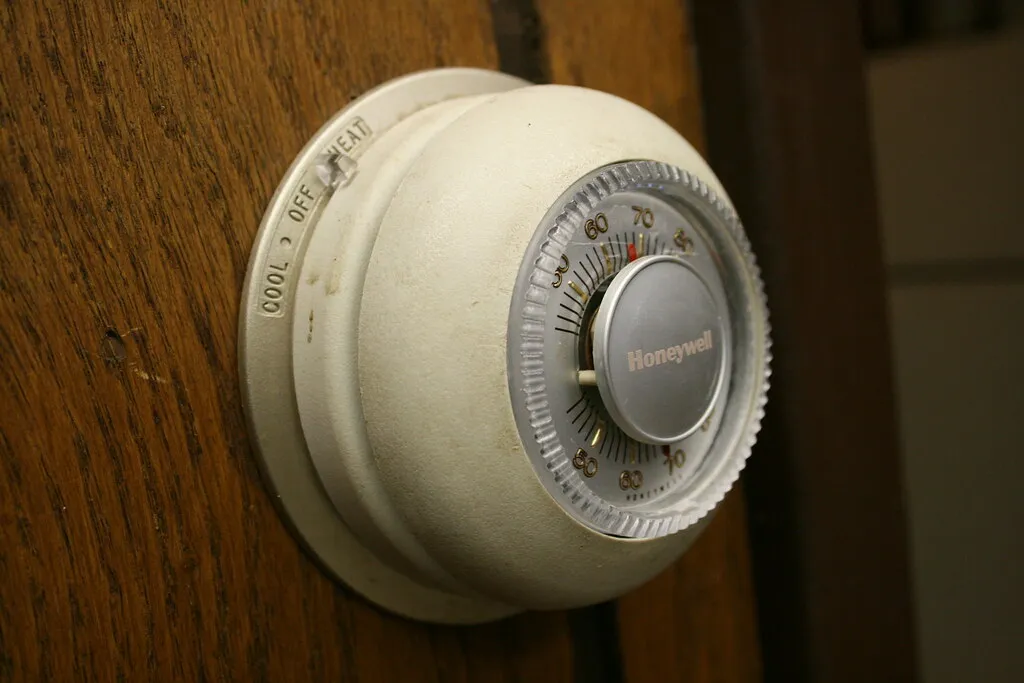
Keeping indoor temperatures between 68°F and 75°F whenever possible is the practical baseline recommendation. When you visit, glance at the thermostat. If the number looks off, gently ask about it without making your parent feel monitored or criticized.
Beyond the thermostat, proper insulation, appropriate clothing, staying hydrated, and regular wellness checks from caregivers are vital components of maintaining a safe environment. No single intervention is a complete solution on its own. The thermostat is one piece of a broader picture.
Installing programmable thermostats to maintain consistent temperatures is a relatively low-cost change that removes the guesswork and the daily decision-making burden from your parent entirely. For families living at a distance, a smart thermostat with remote monitoring can offer real peace of mind without feeling intrusive.
The Takeaway

A thermostat setting is easy to overlook. It sits quietly on the wall, rarely demanding attention. However, for an older parent living alone, that small device reflects something important: whether the home is safe, whether finances are becoming a strain, whether cognition may be slipping, or whether an illness is brewing beneath the surface.
Next time you visit, take a moment to check it. Not as surveillance, but as care. Sometimes the most telling sign of how someone is really doing is not what they say, but what the walls of their home reveal on their behalf.
AI Disclaimer: This article was created with the assistance of AI tools and reviewed by a human editor.