
It’s Disturbingly Common

If you’ve argued with a partner about the thermostat, you belong to a very large club. Almost 57% of survey participants reported arguing with their partner about the perfect indoor temperature. That’s a majority, not a fringe experience.
Indoor temperatures rank as the fourth most common argument in households, behind disagreements regarding things like home improvement budgeting and unexpected repair costs. The fact that it cracks the top five at all says something about how genuinely unresolved this issue tends to stay.
It’s not a quirk of one culture or climate zone, either. Overall, nine in ten Canadian households reported having a thermostat, and while lowering it can save money, things may get heated when it comes to choosing the ideal temperature setting. The fight travels well.
The Numbers People Want Are Surprisingly Far Apart
People don’t just disagree a little. Their preferred temperatures can fall on genuinely opposite ends of a range. While the energy-efficient summer recommendation sits at 78 degrees Fahrenheit, nearly half of people prefer somewhere between 70 and 73 degrees, only about one in seven prefers the 74 to 78 degree range, and a striking 37% prefer their home below 70 degrees.
When you spread those preferences out across a single household, conflict is almost mathematically inevitable. One person’s “comfortable” is another person’s “how are you not freezing right now.”
Biology Explains a Lot of It
Studies have found that women, on average, tend to prefer rooms at 77 degrees Fahrenheit, while men feel comfortable at 71 degrees. Women generally feel colder than men at the same temperature, thanks to their physiology. That’s a six-degree gap, which might sound manageable in theory but feels enormous when you’re living in it.
The physiology of men and women is crucially different, with differences in body size and fat-to-muscle ratios being a main cause of this discrepancy. Women generally have a higher fat-to-muscle ratio, and fat cells produce less heat, while a lower resting metabolic rate compounds the difference.
The average man has about 30% more muscle than the average woman, and muscles generate significant amounts of body heat. So the person who “runs warm” usually isn’t imagining things, and neither is the person who’s always reaching for a blanket.
The 1960s Are Still Setting the Temperature
The discomfort women feel in cool indoor environments isn’t just a personal quirk. It’s partly a design problem with very old roots. The model used to determine the ideal workplace temperature was developed in the 1960s based on the average worker of the era, a 40-year-old, 154-pound man dressed in a business suit.
This model was established before women made up half the workforce, and it doesn’t account for women’s physiological differences. Decades later, many office and residential building standards still trace back to that original benchmark, which means the baseline everyone argues from was skewed from the start.
It’s Also About Who Wins, Not Just What’s Comfortable
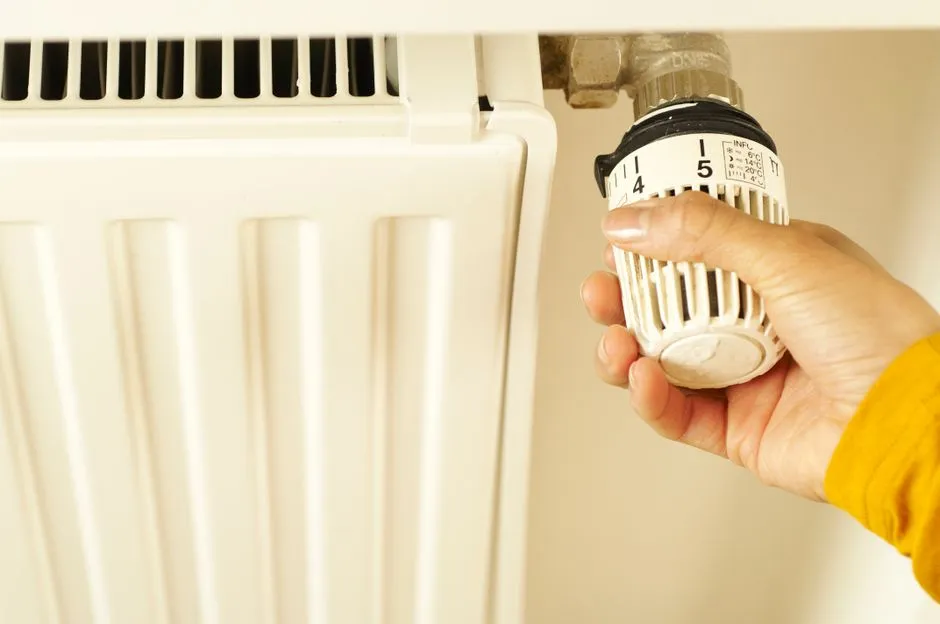
The thermostat fight isn’t purely about temperature preference. Research suggests there’s a real power dynamic built into who actually controls the dial. Fixed effects analyses find that women are marginally more likely to report engaging in conflicts, whereas men are significantly more likely to report engaging in agreements and compromises, both of which are associated with a greater likelihood of adjusting thermostats within a given day.
The literature suggests that women are less likely to negotiate for their needs in the first place, and when engaged in a negotiation, may be less likely to achieve desired outcomes, particularly if there is a disagreement, in which case they may compromise or defer to others.
This means the thermostat’s final setting often reflects who pushed hardest, not whose comfort was most at stake. A subtle but consequential distinction.
Three Ways These Arguments Tend to Play Out

Not every household thermostat dispute looks the same. Research on Ohio households identified three distinct patterns that tend to emerge. A total of three specific interaction types were identified: “agreement,” which occurred when two or more household occupants agreed with respect to their thermal comfort at both the beginning and end of the interaction; “conflict,” defined as occurring when two or more household occupants disagreed at both the beginning and end of the interaction; and “compromise,” which occurred when two or more household occupants disagreed at the beginning of the interaction but agreed by the end of it.
The uncomfortable truth is that many of these disputes stay in the “conflict” category, meaning they end without resolution and simply restart the next time someone feels too warm or too cold. That cycle is what makes the thermostat fight feel endless.
The Financial Stakes Are Real
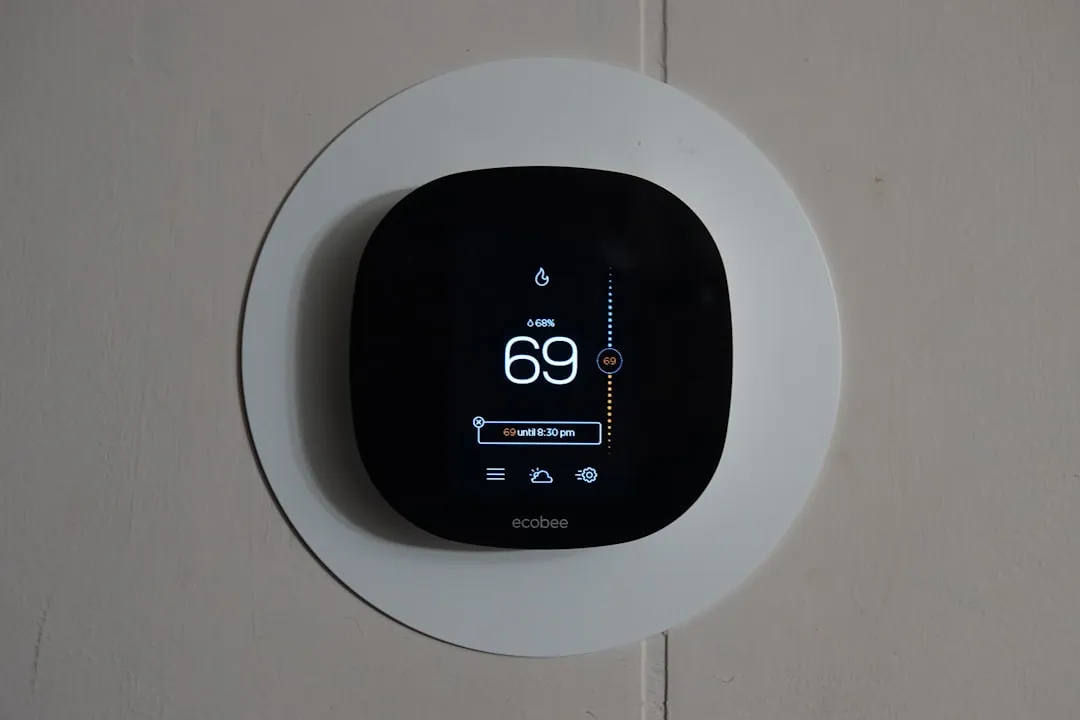
Beyond the comfort argument, the thermostat fight has genuine money attached to it. The average US household paid around $144 per month for electricity in 2024, and by 2025 that figure rose another 9.6%, pushing average bills higher still.
The US Department of Energy says homeowners can save up to 10% per year on heating and cooling simply by adjusting their thermostat 7 to 10 degrees Fahrenheit for eight hours per day. When household members are constantly overriding each other’s settings, those savings tend to evaporate.
Research reveals that households that manually adjust their thermostat or set it to a single fixed temperature maintain less-efficient temperatures than those relying on smart thermostat automation, up to 2.3 degrees Fahrenheit warmer in winter and 2.2 degrees cooler in summer. Every override costs something.
Smart Thermostats Help, But They Don’t End the Fight
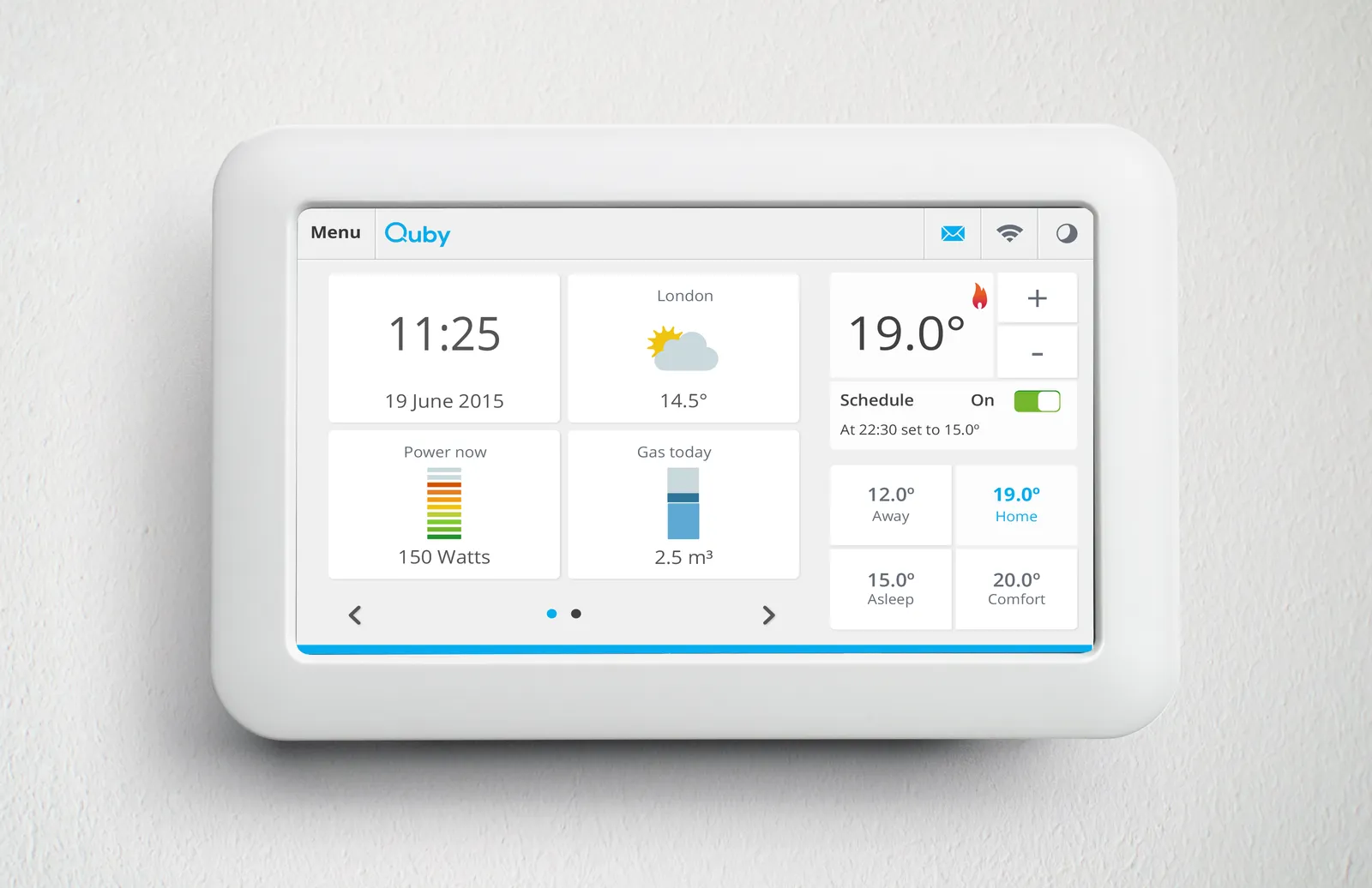
Smart thermostats have been marketed partly as a solution to household temperature disputes, and they do offer real advantages. A Honeywell Home study revealed that thermostat users save on average 22% on heating energy consumption and 17% on cooling energy consumption when using the recommended scheduling consistently.
Still, the technology doesn’t resolve the underlying disagreement about who should be comfortable. Advanced thermostat technologies offer energy efficiency potential, but these devices alone do not guarantee savings. Household occupants often deviate from thermostat programs, perhaps due to differing thermal comfort preferences, which are strong drivers of residential energy use.
Households that frequently override preprogrammed schedules show inertia, remaining at the overridden setpoints for long periods and only partially reverting to their preprogrammed setpoints. In other words, the human tendency to override a “compromise” setting is remarkably persistent, even with smart technology involved.
Seasonal Differences Add Another Layer

The thermostat fight doesn’t stay the same year-round. Its character shifts with the seasons, and what works as a truce in winter can collapse entirely in summer. Half of Canadian households reported lowering the temperature on the thermostat during the winter, down from 57% six years earlier. Behavior clearly evolves, but not always in the same direction for everyone in the home.
Women generally favor warmer indoor temperatures around 75 to 77 degrees Fahrenheit, while men prefer slightly cooler settings around 72 to 74 degrees. In summer, these preferences can flip the dynamic in unexpected ways, since the person who wanted more heat in winter may suddenly want the air conditioning turned up. Seasonal context matters more than most people acknowledge in the moment.
What Actually Helps (and What Doesn’t)
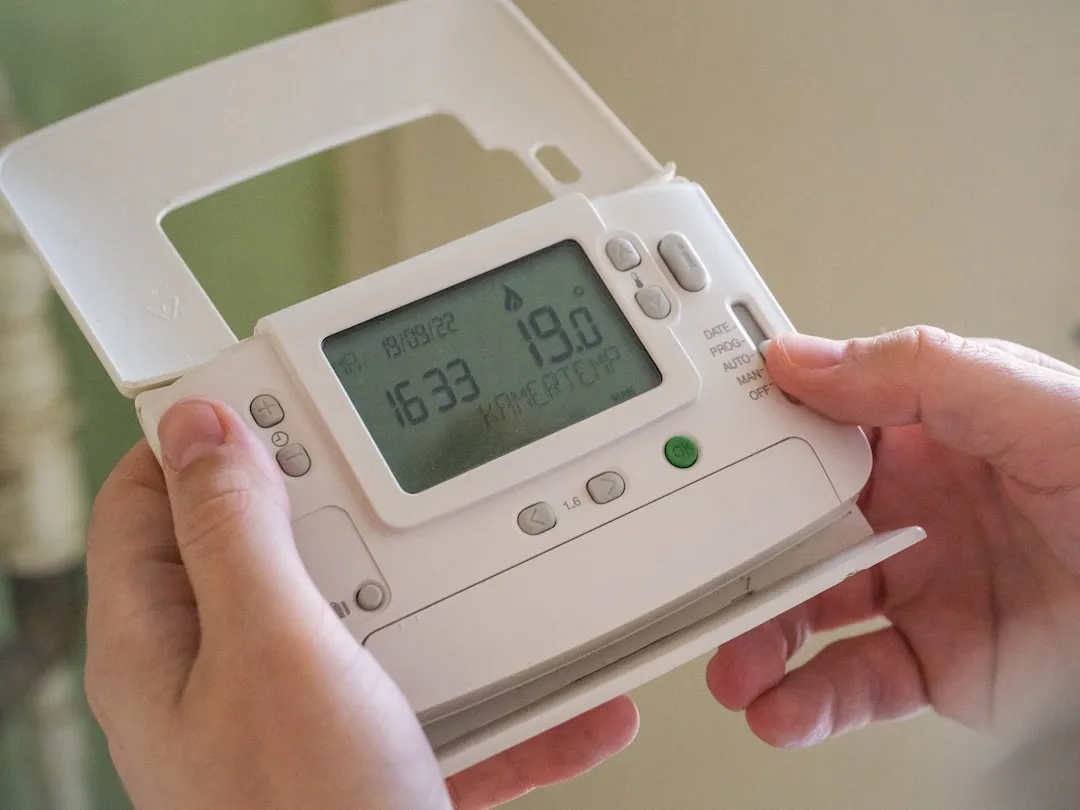
There’s no perfect fix for a disagreement rooted in genuine physiological difference. Compromise tends to work better when both sides understand why the other person feels what they feel. Framing it as a biology gap rather than a battle of wills changes the tone of the conversation.
Adjusting the thermostat to maintain energy-efficient settings overnight is one approach many households settle on, and many modern thermostats now feature learning capabilities that optimize schedules based on actual usage patterns. Letting the device learn the household’s real rhythms often produces a workable middle ground that pure manual negotiation never quite reaches.
Zoned heating and cooling systems, programmable schedules for different rooms, and even personal solutions like electric blankets or desk fans can shift the conflict away from a single number on a shared device. The goal isn’t to find the one correct temperature. It’s to stop treating temperature as a zero-sum argument when it genuinely doesn’t have to be.
The Takeaway
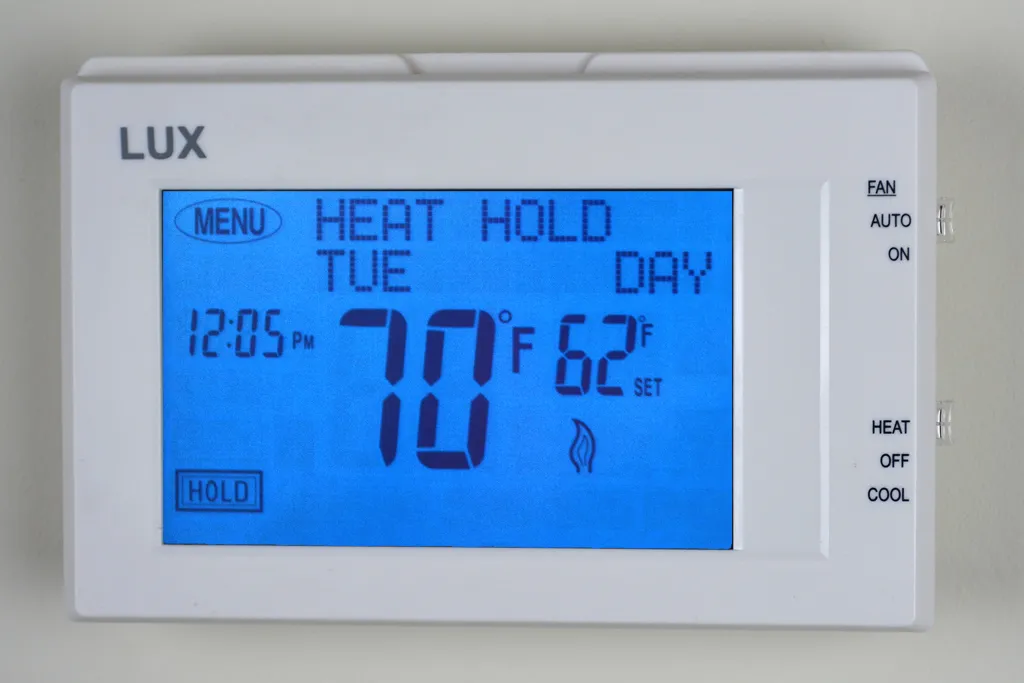
The thermostat fight persists because it’s genuinely hard. It sits at the intersection of real biological difference, household economics, comfort expectations, and the subtle politics of who gets what they want in a shared space. None of those things resolve easily.
What the research makes clear is that the argument is legitimate on both sides. Neither person is being irrational. They’re both responding to how their body actually experiences the air around them. Knowing that doesn’t make the dial easier to agree on, but it does make the fight a little less personal, and probably a little less worth having.
AI Disclaimer: This article was created with the assistance of AI tools and reviewed by a human editor.