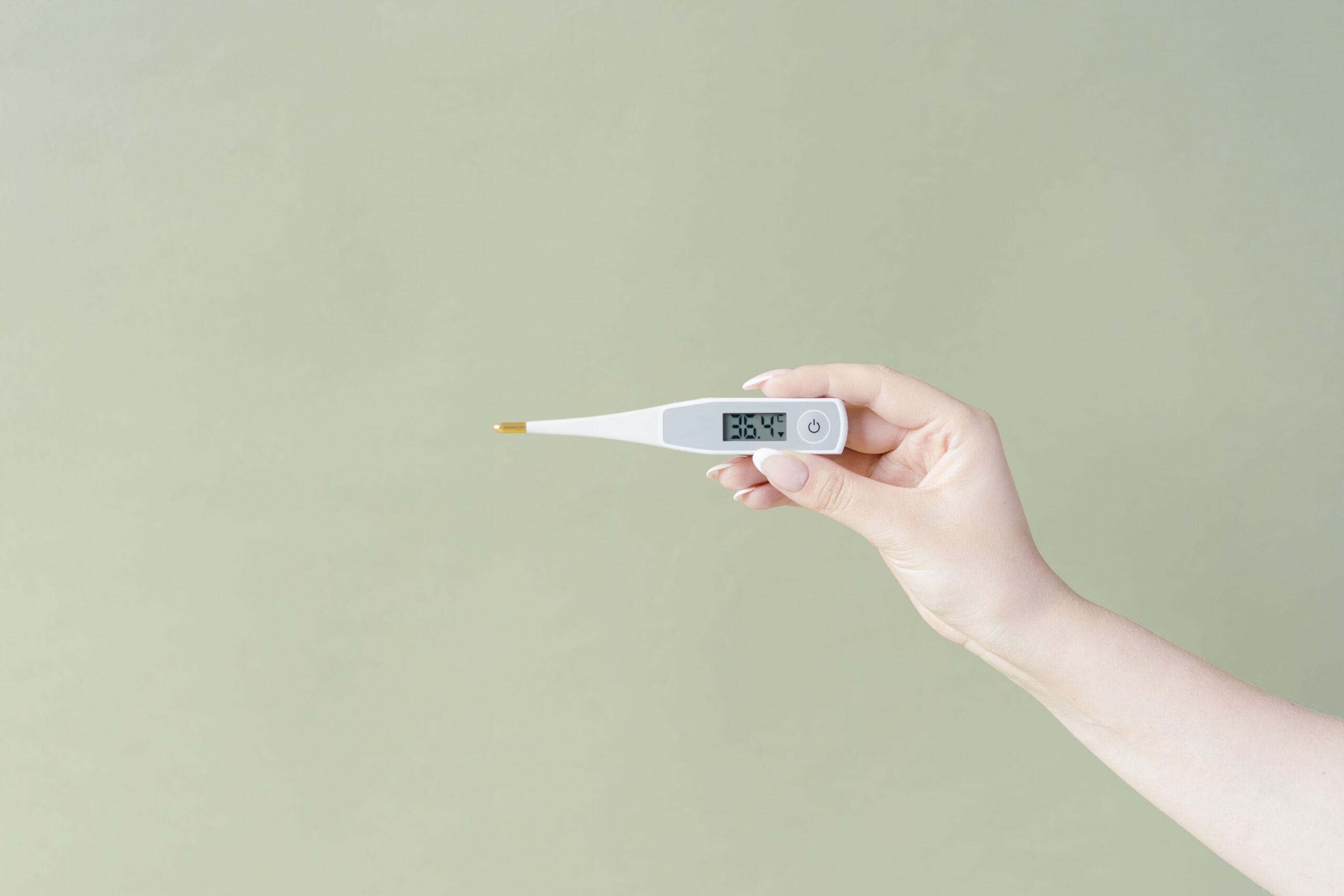

Most people trust their thermometer the same way they trust a smoke alarm. If it goes off, something must be wrong. The trouble is, thermometers are far more sensitive to user error than most of us realize, and a single bad habit can push a perfectly normal reading into fever territory.
Getting a false high or false low is more common than the packaging suggests. The device itself is often fine. The problem is how, when, and where it gets used. Here are ten mistakes that quietly sabotage your reading.
Eating or Drinking Right Before an Oral Reading
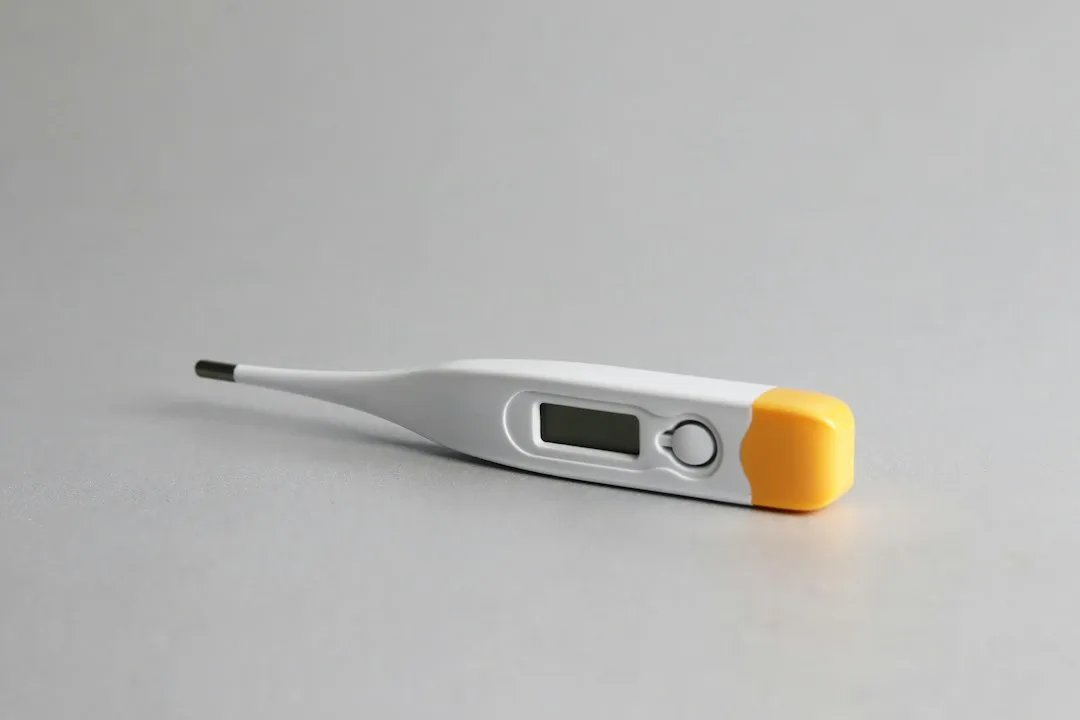
Oral temperature is the most influenced by outside factors like drinking, chewing, smoking, and breathing through the mouth. Intake of cold drinks and food will lower oral temperature, while hot counterparts do the opposite. So that cup of coffee you had ten minutes ago? It can easily push a reading well above 99°F without any actual illness involved.
If you are checking your temperature using an oral thermometer, wait 15 to 20 minutes after eating or drinking. Oral intake does not impact core body temperature but can cause a false reading on your thermometer. The mouth tissue simply needs time to return to its resting state before a reliable measurement is possible.
Using a Forehead Thermometer from the Wrong Distance
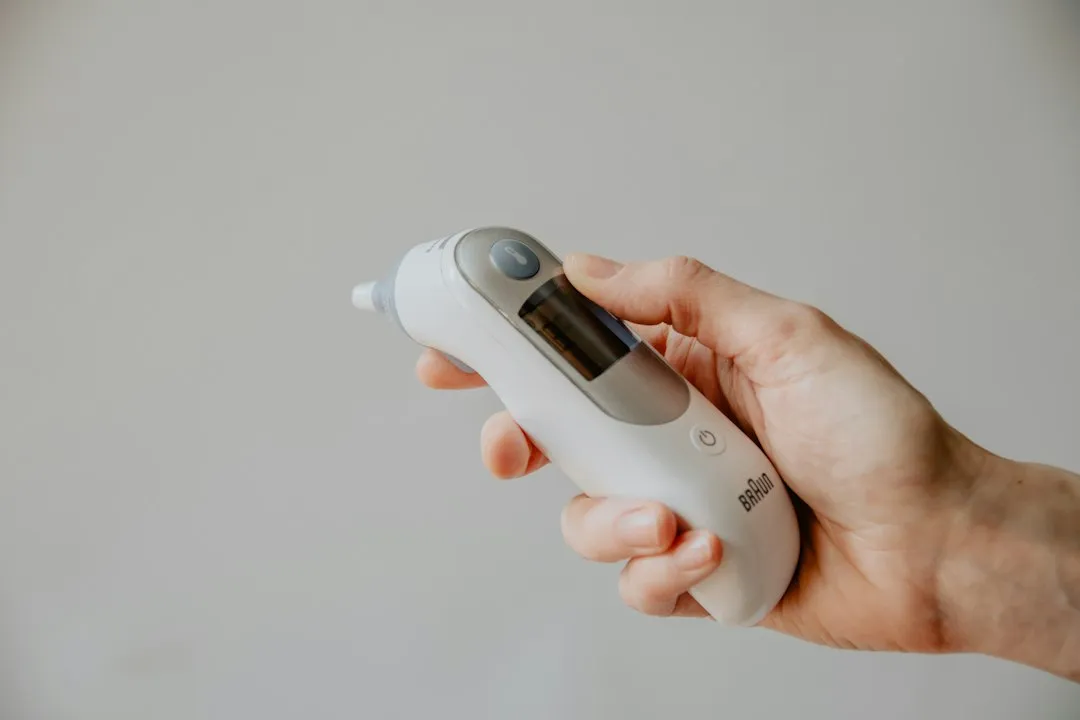
Scanning a forehead from too far away causes the sensor to miss skin heat, and the reading drops. Many people hold the device several inches away, thinking it works like a TV remote. It doesn’t. The infrared signal needs to capture the actual radiated heat from the skin surface at close range.
Conversely, pressing the device directly against skin can trap ambient heat and push the number upward. The lens of the thermometer is sensitive and reacts not only to changes in temperature but also to dirt or grease. A smudged or dusty lens is enough to distort what should be a straightforward scan, so keeping it clean matters more than most people expect.
Removing the Oral Thermometer Before It Beeps
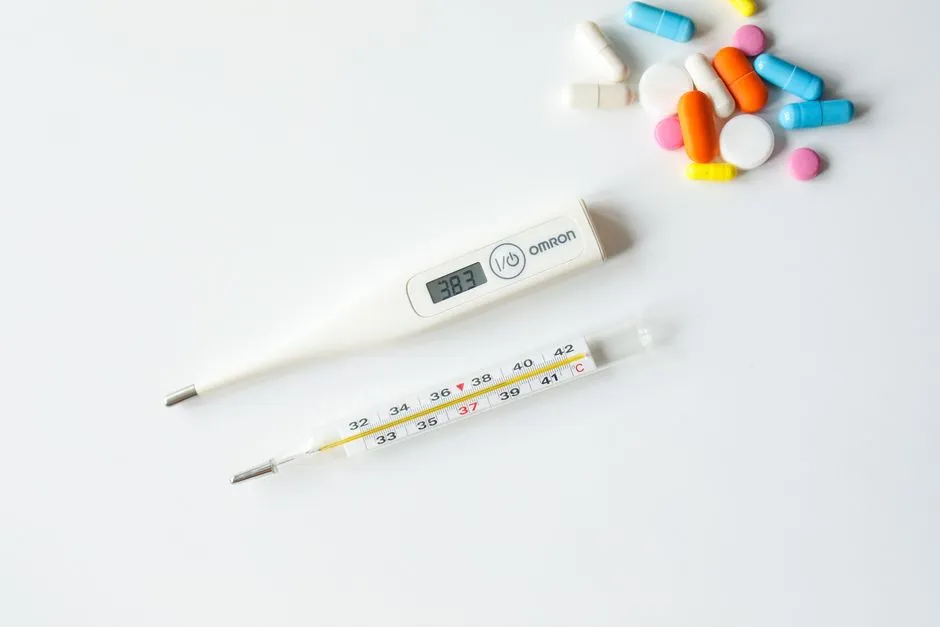
Removing an oral thermometer too early means the sensor has not stabilized, and the resulting reading is low. The fix is simple: wait for the beep or hold a glass thermometer in place for at least three full minutes. Rushing the process is one of the most frequent mistakes people make, especially when checking a restless child.
The one thing you’ve got to know about thermometers is that they’re all a little bit different. The one you put in your mouth has to go under the tongue, and you’ve got to keep your mouth closed until that little beep goes off, which is probably one of the most accurate methods for adults. Keeping your mouth open or talking during the reading lets cool air in and skews the result downward.
Aiming the Ear Probe at the Wrong Angle
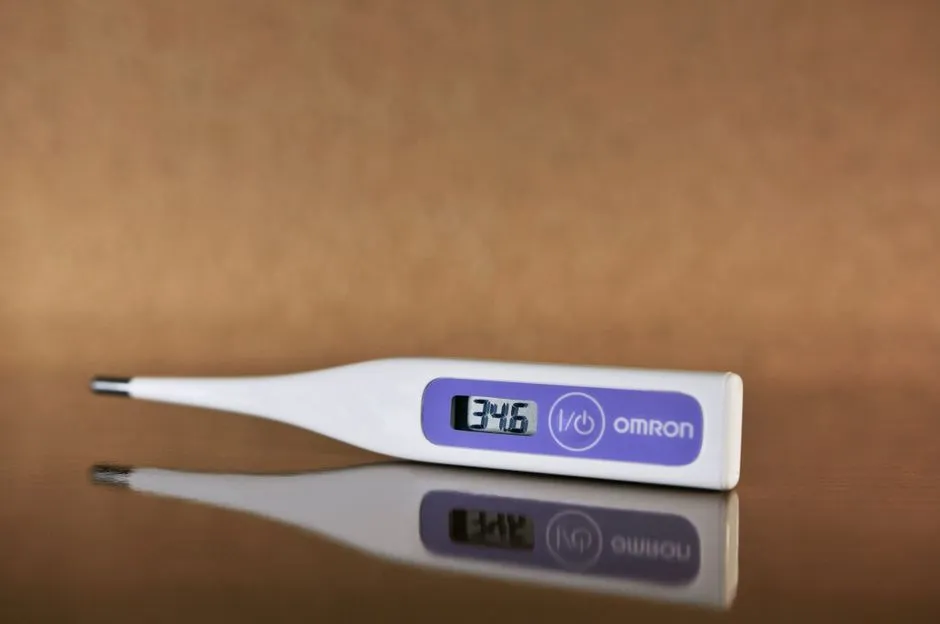
Tympanic or ear thermometers are notoriously position-sensitive. The ear probe aimed at the canal wall misses eardrum heat and produces an inaccurate reading. The correct technique is to pull the ear back and up, then point the probe toward the opposite eye. Most adults skip that pulling step entirely, which is why the reading can come out several tenths of a degree short of the true temperature.
Children under one year old are particularly tricky with this method because their ear canals are narrower and shaped differently. Excess earwax buildup can also block the probe from reading the tympanic membrane cleanly, which is one reason clinicians prefer rectal measurement for infants despite it being more involved.
Trusting Temporal Thermometers Unconditionally
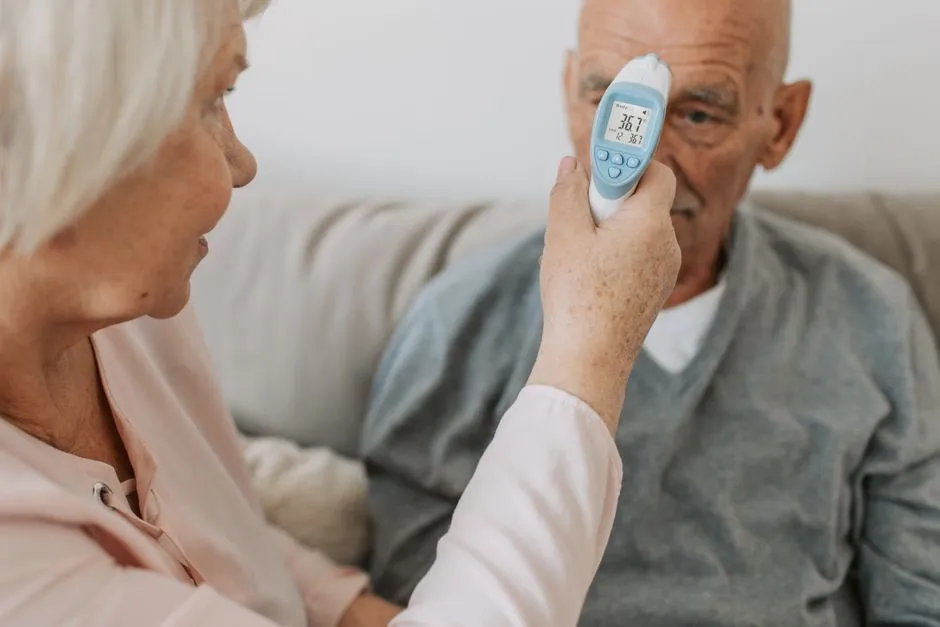
Temporal thermometers are frequently used given their efficiency in assessing children for fever, especially in the pediatric emergency department. However, research published in Academic Pediatrics in 2025 found significant accuracy problems with this device type. Children 12 years old and younger have two to three times higher odds of a missed fever compared to older patients when temporal thermometers are used alone.
A secondary check is required using another thermometer when the child’s temperature is above 38°C. Non-contact forehead infrared thermometers are proposed for screening but not for definitively measuring the temperature. For the latter, an accurate and reliable thermometer should be used. Think of the forehead scan as a first pass, not the final word.
Using a Non-Contact Infrared Thermometer as a Standalone Diagnosis Tool
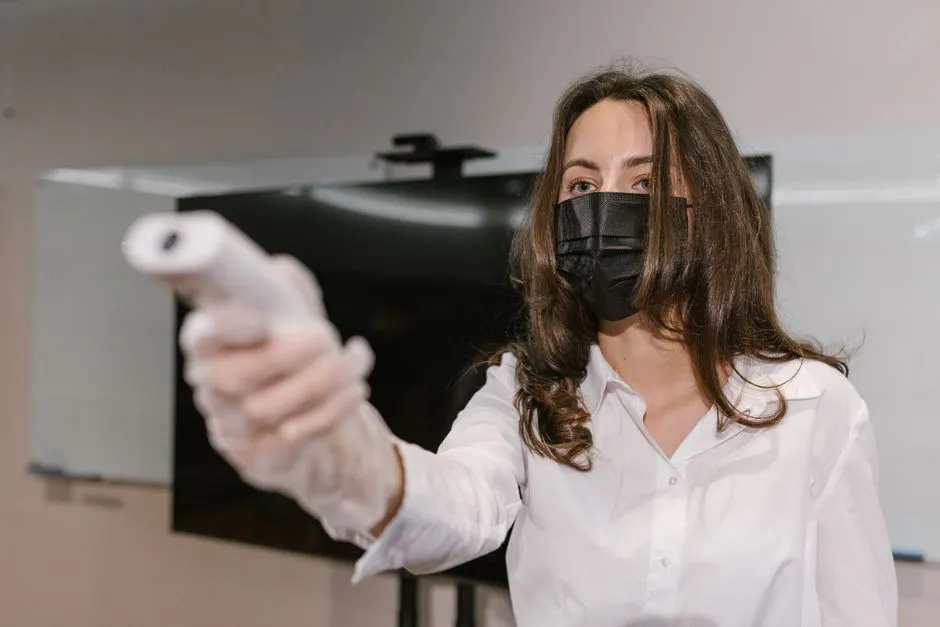
Non-contact infrared thermometers became ubiquitous during the pandemic, but their accuracy record is uneven. Four of six non-contact infrared thermometer models tested in one published study had a sensitivity below 0.5, with two below 0.1, meaning four of the six had a false negative rate of more than 50%. That figure is striking for a device that millions of households rely on without a second thought.
Some non-contact infrared thermometer devices may not be consistently accurate enough to be used as a standalone temperature measurement tool. Model-to-model variability and individual model accuracy in the displayed temperature are a major source of concern. Brand and model quality vary widely, and not all of them are tested to the same clinical standard before reaching store shelves.
Measuring Temperature Right After Exercise or a Hot Bath

Vigorous exercise prior to measuring temperature can raise the body temperature and give a false reading. This applies to forehead readings too, since increased circulation and sweating both affect skin surface temperature. A person who just finished a workout and immediately takes a forehead scan may get a reading that looks alarming when their body is simply doing what it’s supposed to do during physical exertion.
A warm bath or shower has the same effect in reverse. The skin temperature rises significantly, which inflates forehead and temporal readings. The standard advice is to rest for at least 20 to 30 minutes in a temperate environment before measuring, giving the skin time to return to a resting baseline before you interpret the numbers as meaningful.
Ignoring the Loose Arm Problem During Axillary Readings
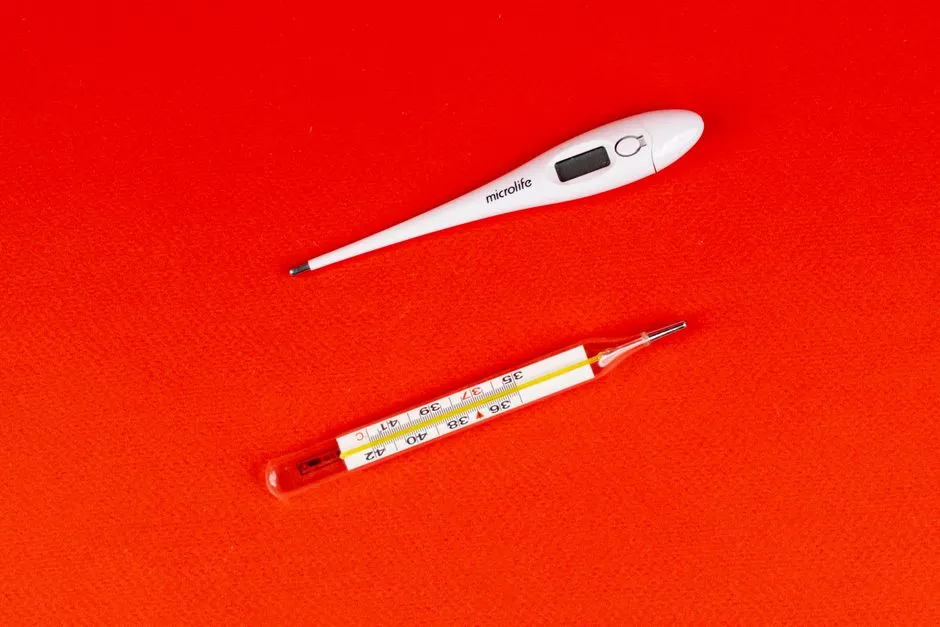
Armpit measurements are widely used for young children, but they’re particularly vulnerable to a simple positioning failure. During an axillary reading, a loose arm allows air to reach the sensor and the result drops. The correct technique is to press the elbow firmly against the chest until the beep sounds. Even a small gap lets ambient air circulate, cooling the probe and producing a reading that may be a full degree or more below the true temperature.
This can be especially misleading in the opposite direction when heavy clothing or blankets are bunched around the armpit. A child who’s been wrapped in thick bedding can have an artificially elevated axillary reading from trapped heat rather than a genuine fever. The surrounding environment matters just as much as the technique itself.
Not Accounting for a Thermometer That Has Aged or Deteriorated
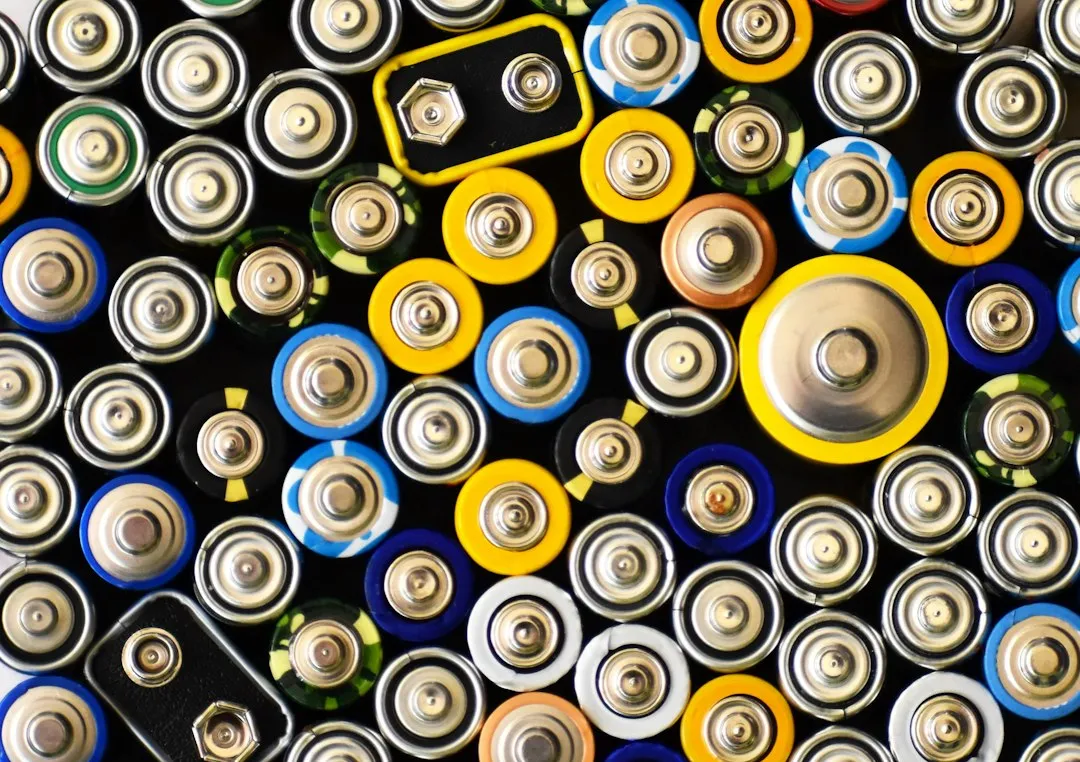
Experts suggest checking your thermometer once or twice a year to confirm it’s reading what you would expect for a normal temperature, and replacing your thermometer every few years. Like any small electronic device, thermometers drift in accuracy over time, especially if they’ve been dropped, stored in extreme temperatures, or left with low batteries for extended periods.
Inaccurate results can be caused by all kinds of things, including empty batteries. A weak battery might not produce an outright error message. Instead, the device may simply register a number that’s slightly off, and there’s no obvious signal to alert the user. Swapping batteries and testing against a known baseline reading is a simple habit that’s easy to skip and easy to regret.
Reading the Numbers Without Considering Measurement Site Differences
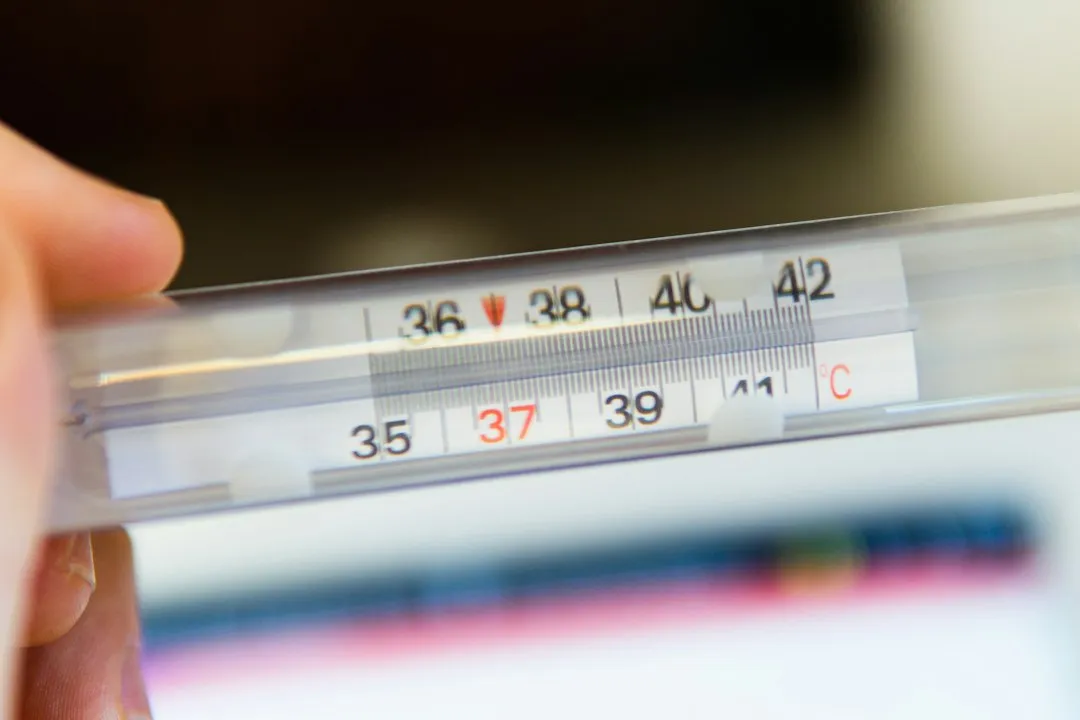
A temperature of 99.5°F means something different depending on where you measured it. Rectal readings run roughly 0.5 to 1 degree Fahrenheit higher than oral readings, while axillary readings tend to be lower than oral ones. Common errors during temperature measurement include patient movement, accidental button presses, and insufficiently deep rectal or esophageal probes. Each site has its own range, and comparing readings across different sites without adjusting for those differences leads people to the wrong conclusions.
Inaccurate measurements of body temperature can mislead the diagnosis of febrile disease. Exact body temperature measurement is therefore necessary in clinical settings. At home, the same principle holds. Knowing which thermometer type you’re using, and what that site’s normal range actually is, changes how you interpret every single reading you take.
The Takeaway
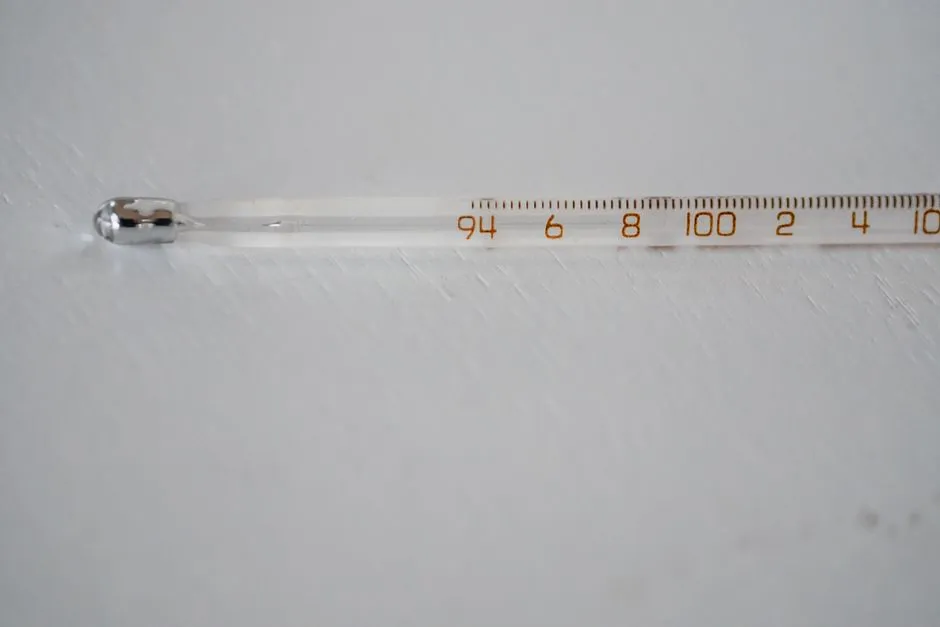
A thermometer is only as reliable as the person using it. The device rarely lies on its own. What creates a false fever reading is almost always a combination of technique, timing, and device limitations that most people never think to question.
The fixes are genuinely simple: wait after eating, clean the lens, hold still, check the positioning, and replace old devices. None of it requires special training. It just requires slowing down for a minute when it matters most. Because the difference between a false alarm and a missed fever is often nothing more than a small, correctable habit.
AI Disclaimer: This article was created with the assistance of AI tools and reviewed by a human editor.