
A Wag Is Not Just a Wag
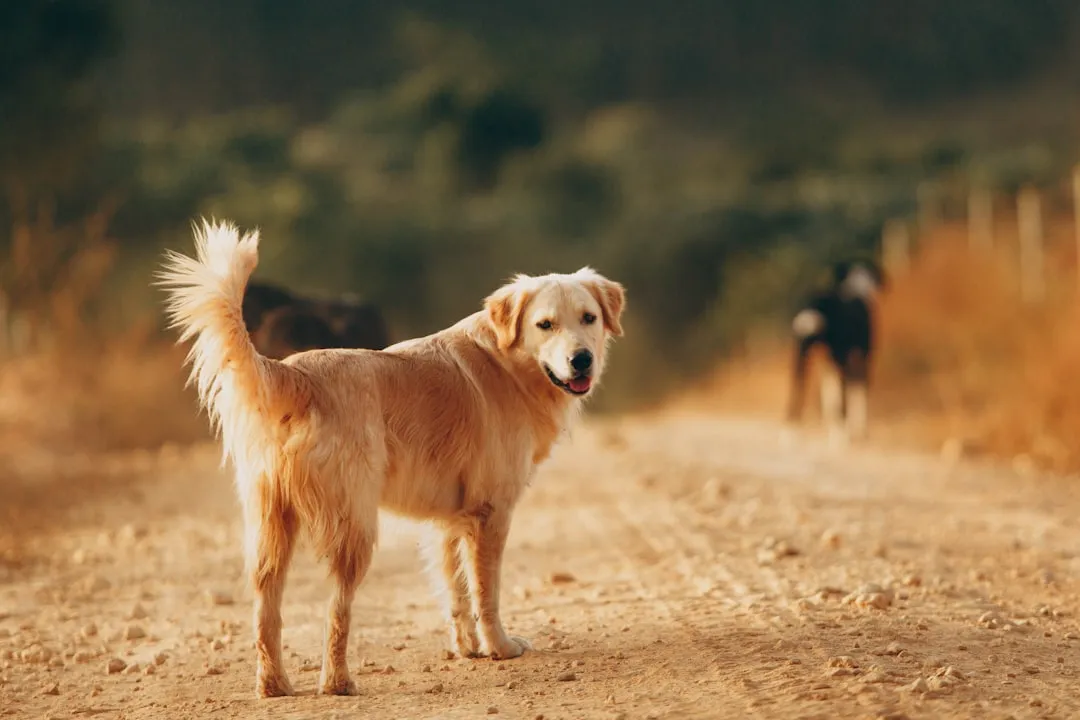
When a dog wags its tail, it is not merely showcasing its happiness. This behavior is a complex communication tool, and researchers have discovered that the direction and speed of a wag can signify different emotions.
Tail wagging is a multidimensional trait that can differ according to various parameters, including tail carriage, wag direction, wag speed, wag asymmetry, and wag amplitude. Each of these elements layers information on top of the other, meaning no single feature tells the whole story on its own.
Dogs tend not to wag their tails unless there is another animal or human nearby with whom to interact. That detail alone reframes everything. The wag is social, it’s intentional, and it’s directed at you.
Fast Wag: Excitement or Arousal?
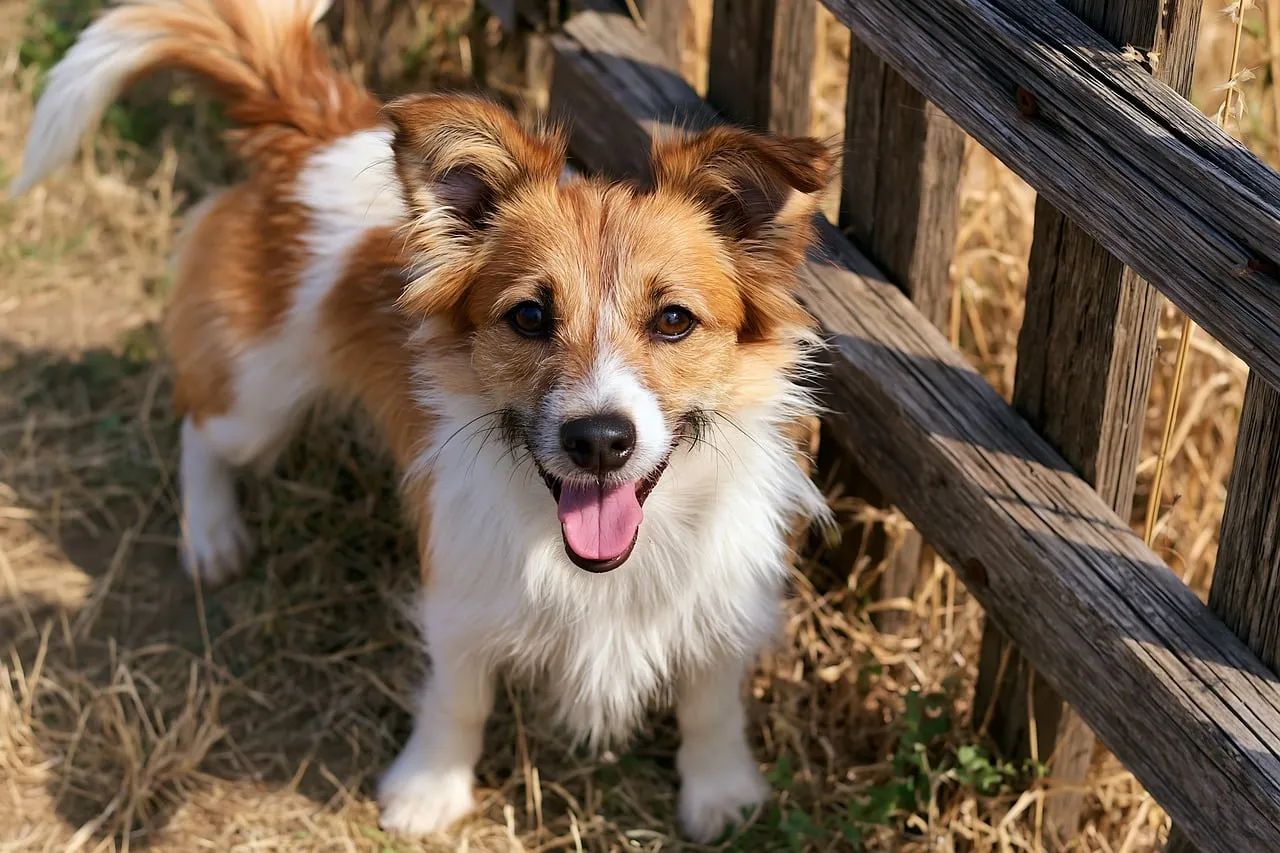
A fast, loose wag, especially one that involves the entire rear end, is usually a sign of excitement or friendly intent. Most dog owners will immediately recognize this as the classic greeting wag, the one that comes with a wiggly body and sometimes an inability to stand still.
The rate at which a tail moves contributes to the dog’s communication, as does the position of the tail while wagging. As a dog’s arousal increases, the tail may wag more quickly regardless of the nature of that arousal. This is the part that trips people up. Speed signals arousal, not necessarily joy.
Studies have shown that the speed of wags indicates arousal levels, with faster wags associated with heightened excitement or stress. So a very fast wag paired with stiff body posture is a very different message than a fast wag paired with a loose, relaxed body.
The Slow Wag and What It Usually Means
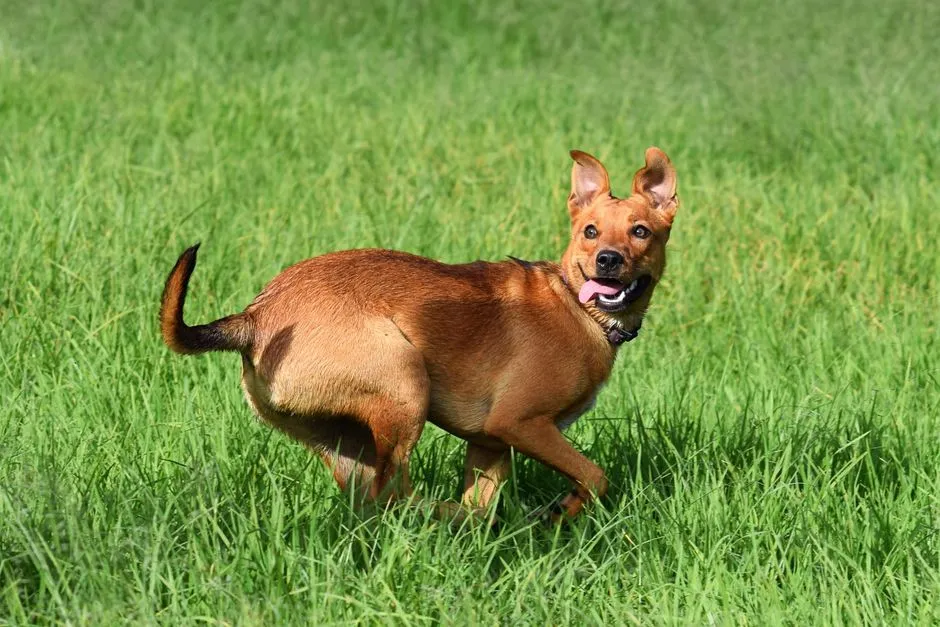
The speed of the wag also matters: a rapid side-to-side motion usually means excitement, whereas a slow wag suggests uncertainty about the situation. You might notice this kind of wag when your dog meets someone new or steps into an unfamiliar room.
A slow wag can indicate uncertainty or curiosity, and your dog may be assessing a situation and deciding how to react. It reads less like enthusiasm and more like a quiet, hedging gesture. The dog is present but not yet committed to the interaction.
A dog might wag its tail slowly and cautiously when feeling unsure or submissive. Combine that with lowered ears or a slightly crouched posture, and the picture becomes clearer: this dog needs patience, not pressure.
The Stiff, Fast Wag: A Warning Sign
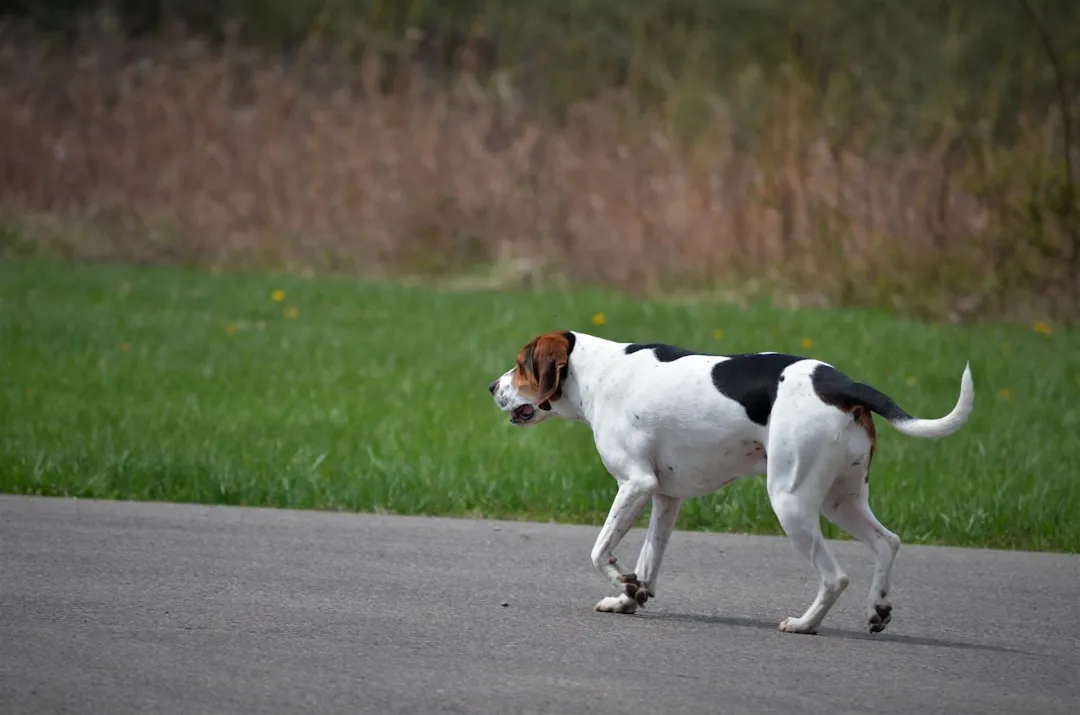
A slow and stiff wag typically indicates hesitation and tension. In some cases, a slow, deliberate wag can precede a bite if the dog feels threatened or simply doesn’t know what else to do.
High, stiff wags can precede aggressive behavior. Approximately 60% of dog bites occur while the dog’s tail is wagging, proving that wagging alone cannot determine a dog’s emotional state or intentions. That statistic alone makes the case for learning to read the full picture, not just the tail.
Loose wags indicate friendliness, while stiff, fast wags suggest a more intense emotion, like assertion or agitation. Stiffness in the tail is the key flag here, one that pairs with wag speed to completely change the meaning of the signal.
Tail Height Changes the Message Entirely
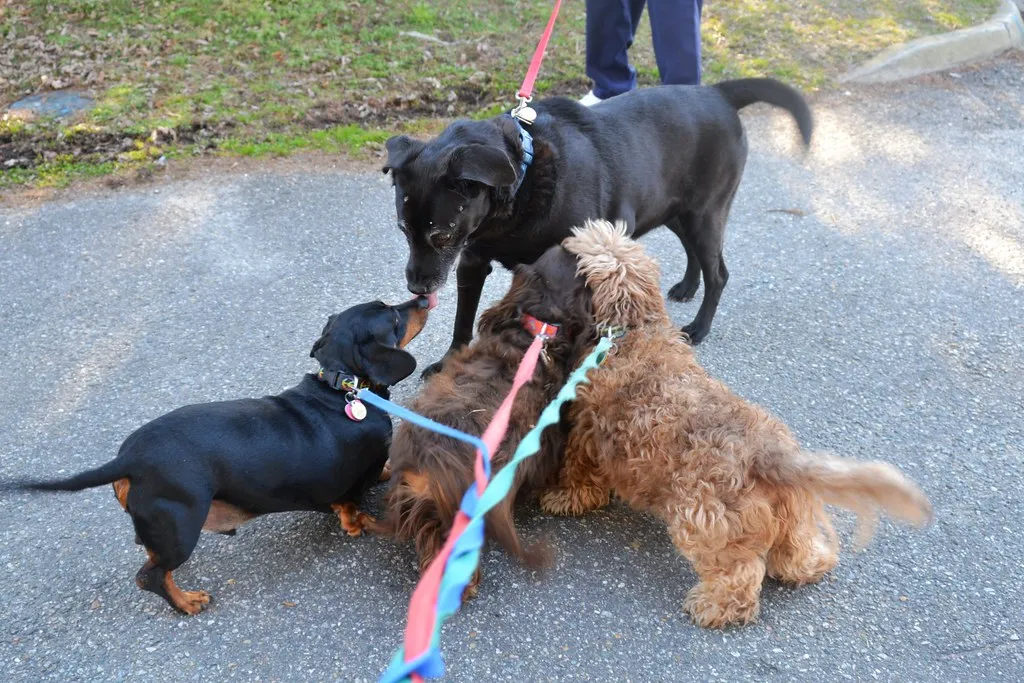
A fast wag is equivalent to excitement, but excitement doesn’t always equate with happiness. A tail held high and wagging fast most often signals arousal. Conversely, a lower tail wag, especially combined with relaxed body language, is more likely to indicate a calm, friendly dog.
According to a study in Behavioural Processes (2016), a tail held high and wagging vigorously is often associated with a confident dog. On the other hand, a tail that is tucked between the dog’s legs or held low and wagging slowly may indicate that the dog is fearful.
A low, gently wagging tail is typical of subordinate individuals, while a tail tucked tightly between the hind limbs signals fear, uncertainty, or conflict de-escalation by reducing the animal’s apparent body size.
The Direction of the Wag Is Tied to Brain Lateralization
As researcher Giorgio Vallortigara of the University of Trento explains, in dogs, movements to the left and to the right are controlled by brain mechanisms located on the other side. If a dog moves their tail to the right, that’s due to activity in the left hemisphere of the brain, and vice versa.
A 2024 review in Biology Letters analyzed over 100 studies, confirming that rightward wags consistently correlate with positive emotional valence and approach motivation, while leftward wags signal withdrawal and negative affect, with variations influenced by context and individual factors.
One study found that rightward tail movement generally indicates positive emotions, such as joy when reuniting with the owner. In contrast, leftward movement is often associated with negative reactions, such as fear or aversion in response to unfamiliar or threatening situations.
Other Dogs Can Read These Signals Too
Seeing a fellow dog swing its tail to the right keeps canines relaxed, while a wag to the left side of the dog’s body seems to induce stress. In a study where 43 pet dogs were outfitted with vests that monitored their heart rates, dogs that watched left-side tail wagging behaved more anxiously and their heart rate sped up, while those watching right-side wagging stayed calm.
Dogs respond to conspecifics differently in relation to the conspecifics’ wagging laterality. When seeing other dogs wag with a left-biased tail, dogs experienced increased heart rate and displayed anxious behaviors. This demonstrates that dogs are able to detect emotion in conspecifics when lateralization is present.
High-speed video recordings have refined these findings further, showing that the direction and amplitude of wags convey emotional valence to other dogs, eliciting approach or avoidance behaviors. Dogs have, in essence, a shared visual grammar built around tail movement.
The “Helicopter Tail” and Other Variations
A circular wag, often referred to as the “helicopter tail,” signals extreme joy, especially when greeting someone they like. Most dog owners who’ve experienced this know it’s a whole-body event. The rear goes one way, the tail goes another, and the dog can barely contain itself.
A low tail with rapid motion shows friendliness mixed with uncertainty, often during greetings. This combination is common with younger or more submissive dogs. They want to be friendly but aren’t fully confident yet, and the tail reflects that tension precisely.
Tail wagging is frequently associated with both positive and negative arousal. Dogs also wag their tails in response to non-social stimuli, such as food, with tail wagging in these situations thought to indicate positive emotions and high arousal.
Arousal vs. Happiness: An Important Distinction
Research results showed that dogs were more likely to wag during positive anticipation, whereas in the negative condition, despite tail amplitude being more prominent, increased speeds reflected arousal rather than valence. In plain terms, a fast wag during something stressful is the dog’s nervous system talking, not its happiness.
When dogs are eager for an interaction, they may wag their tails quickly, typically in a neutral or high position. When dogs are fearful, they may also wag their tails rapidly, typically in a low position. When dogs are tentative about a pending interaction, their tails often wag more slowly, typically in a neutral or slightly low position.
In a comprehensive review published in Applied Animal Behaviour Science (2018), scientists examined various contexts in which dogs wag their tails. The review indicates that while a wagging tail can signal happiness, it can also occur in situations of fear, aggression, or uncertainty.
How Domestication Shaped the Wag Itself
A 2024 study in Biology Letters investigates the origins and functions of dog tail wagging, proposing that domestication shaped this rhythmic behavior either as a by-product of tameness or through human preference for rhythmic cues. It’s a fascinating question: did dogs develop elaborate tail signaling partly because humans responded to it?
Studies indicate that dogs exhibit more frequent and intense tail wagging in response to human presence compared to inanimate objects. This heightened responsiveness likely arose as a by-product of selection for tameness or directly from human preference for rhythmic, affiliative displays during the domestication process.
Several studies have documented positive correlations between time spent tail wagging and heart rate, although links between wagging and heart rate variability are less clear. Science is still piecing together the full picture, which is part of what makes this research so compelling to follow.
The Takeaway: Read the Whole Dog, Not Just the Tail
The tail is a remarkable communication channel, but it doesn’t work in isolation. Certain positions, directions, and the speed of the tail wag can provide clues about a dog’s state of mind and intentions, yet none of those clues land without the context of the dog’s full body posture, ears, eyes, and breath.
A tail held low or partially tucked while wagging often suggests fear, uncertainty, or pain. When the wag leans more to the left, it can indicate anxiety, fear, or uncertainty. Scientists believe this reflects how the brain processes emotion: the left hemisphere is linked to approach behaviors, while the right hemisphere is associated with withdrawal.
The more fluent you become in reading these signals together, the more clearly your dog’s inner life comes into focus. That fast wag at the door is probably pure joy. The stiff, rapid wag at the park may need a second look. Learning the difference is one of the most practical things any dog owner can do.
AI Disclaimer: This article was created with the assistance of AI tools and reviewed by a human editor.