
The Scale of the Problem Is Staggering
In 2025, the Federal Trade Commission received more than 330,000 complaints involving government impersonation, a 25% jump from the previous year. The Social Security Administration remains one of the most frequently targeted agencies in the country.
Impersonation scams are among the top reported frauds to the FTC, with losses totaling $2.95 billion in 2024. And that number kept climbing: the FTC reports that consumers lost nearly $3.5 billion to impersonation scams in 2025.
As of November 2024, government imposter scam losses for 2024 exceeded $577 million, indicating that the scammers are still succeeding in their ruses. These are not small-time operations. This is organized, persistent fraud on a massive scale.
Social Security Numbers Cannot Actually Be Suspended
If you receive a call informing you that your Social Security number has been suspended, you can rest assured it is not true. Social Security numbers do not get suspended. This is the foundational lie that the entire scam is built on, and it’s worth repeating clearly.
SSNs are never suspended. The SSA doesn’t freeze bank accounts, doesn’t take payment to fix problems, and doesn’t threaten arrest. The concept of a “suspended” Social Security number is a legal and administrative fiction with no basis in how the agency actually operates.
The SSA has published a clear list of things it will never do: tell you your Social Security number is suspended, demand immediate payment or threaten arrest, ask for credit or debit card numbers over the phone, request gift cards or cash, or promise benefit approval or increases in exchange for money or personal information.
How the Call Actually Works

Victims receive an email with the subject line “Alert: Social Security Account Issues Detected,” containing an official-looking attachment on fake SSA OIG letterhead titled “SUSPENSION OF SOCIAL SECURITY NUMBER DUE TO CRIMINAL ACTIVITIES.” This high-pressure scam claims the recipient’s Social Security number will be suspended within 24 hours and their case referred for criminal prosecution, listing several charges.
If you call the number provided, a scammer may answer as the “Social Security Administration Office of the Inspector General,” or an automated message may prompt you to send a text. The scammer impersonates an SSA employee and may use a real employee’s name to request personal information.
In a slightly less frightening version of the scam, victims are told their Social Security number has been suspended due to suspicious activity. The scammer will say you must speak to a Social Security representative to reinstate the number. You’ll be asked to share personal information, such as stating the last four digits of your Social Security number, to make sure it matches.
The “Safe Account” Trap Is Especially Dangerous

A particularly dangerous version of the scheme claims criminals have compromised your bank account along with your Social Security number. The supposed government official then offers a solution: transfer your savings into a “protected” or “safe” account while the investigation takes place. SSA explicitly identifies instructions to move money to a protected bank account as a scam tactic, along with threats that your existing bank account will be seized.
Once you initiate a transfer yourself, recovering the money can become much harder, particularly when criminals move the funds again quickly. No legitimate Social Security employee needs you to relocate your savings to protect your Social Security number.
Gift Cards, Crypto, and Gold Bars Are All Red Flags

Some scammers skip bank transfers and instruct victims to resolve the imaginary problem using gift cards, cryptocurrency, cash, prepaid debit cards, wire transfers, or even precious metals. SSA’s current scam guidance specifically warns that criminals use all of these payment methods and may even arrange for someone to collect cash or gold in person.
The FTC issued a July 2025 consumer alert about scammers posing as government agents and telling seniors their bank accounts were under investigation. Victims are instructed to withdraw funds or buy gold bars, which a “courier” then collects in person. The FTC is explicit: no real government agency will ever ask you to buy gold or hand cash to a courier.
Older Adults Are Bearing the Heaviest Financial Burden

Adults ages 60 and over are most likely to report losses of tens of thousands or hundreds of thousands of dollars from scams. The number of older adults who reported losing $10,000 or more to scams went up more than four times from 2020 to 2024. In those same years, the number of older adults who reported losing more than $100,000 jumped nearly seven times.
Most notably, combined losses reported by older adults who lost more than $100,000 increased eight-fold, from $55 million in 2020 to $445 million in 2024. That is an extraordinary acceleration in financial harm concentrated among the people least likely to recover from it.
While younger consumers also have reported these scams, older adults were much more likely to report these extraordinarily high losses. The targeting is not random. Scammers know who is most likely to comply under pressure.
Scammers Use Caller ID Spoofing to Look Legitimate
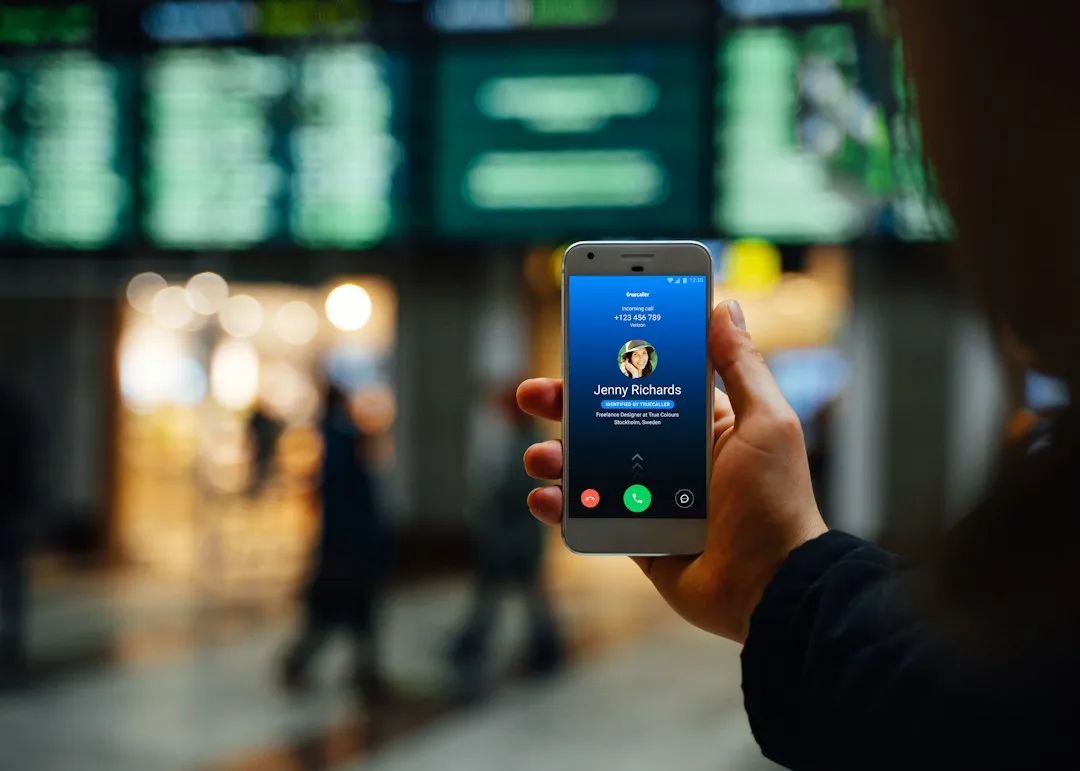
To appear legitimate, scammers frequently alter caller ID displays to spoof real agency phone numbers. They may also send fraudulent photos of fake agency credentials via email or text, distribute realistic-looking official letters by mail, and leverage paid search engine ad placements to intercept public inquiries.
These scam messages often resemble official SSA communication, referencing issues with a Social Security number or account records. The visual and verbal mimicry can be precise enough to fool people who consider themselves careful. A call that appears to come from a real SSA phone number, combined with a letter bearing convincing government letterhead, creates a very persuasive fiction.
SSN Scams Now Dominate Government Fraud Complaints

According to the Office of Inspector General, most Social Security scams, a full 61%, center around Social Security numbers or benefits issues. In 2024, there were 265,975 reported government fraud scams, with Social Security being the number one government agency that scammers pretended to impersonate.
The Social Security Administration and SSA Office of the Inspector General continue to receive reports of scammers impersonating government employees or alleging a Social Security-related problem to steal money or personal information from victims. The sheer volume of incoming reports keeps the OIG in a near-constant state of issuing new public warnings.
What the Real SSA Will and Won’t Do
The SSA contacts people by mail, almost always. The SSA does make phone calls, typically scheduled ones about a claim you already filed, but it will never call out of the blue to demand personal information or payment, and it’s fine with you hanging up and calling back on the official line.
The Social Security Administration, IRS, and Medicare do not email or text the public. They will send paper mail if they need your attention and action. Knowing this single fact takes away most of the scammer’s leverage. If the contact arrives by phone or email demanding urgent action, that alone is a warning sign.
The SSA has always stated it will never call to threaten suspension or demand payment of any kind. SSA employees do contact people by phone for legitimate business, but only after you have applied for benefits or requested a callback.
How to Respond If You Get This Call

If you receive a call that appears to be from the SSA but aren’t sure what to do, begin by hanging up. Look up the publicly listed number for this agency and call them back directly at that number. The verified SSA main line is 1-800-772-1213. Use it, not any number a caller provides you.
An August 2026 SSA Office of the Inspector General warning specifically tells consumers not to provide or confirm personal or bank information when someone unexpectedly contacts them. A scammer may also use details learned during the first conversation to make a later call sound even more convincing. If you’ve already provided sensitive information, don’t assume that avoiding an immediate payment means the danger has passed.
File a report with the SSA Office of the Inspector General at oig.ssa.gov/report or the fraud hotline at 1-800-269-0271, and separately with the FTC at reportfraud.ftc.gov. Reporting doesn’t just protect you – it’s how these agencies track and shut down active campaigns. If you shared your SSN or sent money, consider a fraud alert or credit freeze at the credit bureaus, which are free and don’t affect your score, check your credit reports, and create your own my Social Security account at ssa.gov before someone else does.
The Takeaway
The “suspended Social Security number” call works because it weaponizes two things most people have: a Social Security number and a fear of government trouble. The technical execution is often convincing. The emotional pressure is deliberate and calculated.
The good news is that one clear, verifiable fact dismantles the entire scheme: Social Security numbers cannot be suspended. No government agency will demand gift cards, wire transfers, cryptocurrency, or gold bars over the phone. Full stop.
Sharing this information widely, especially with older family members, is probably one of the most practical things anyone can do right now. Scammers rely on people not knowing the rules. The rules are simple, and they’re on your side.
AI Disclaimer: This article was created with the assistance of AI tools and reviewed by a human editor.