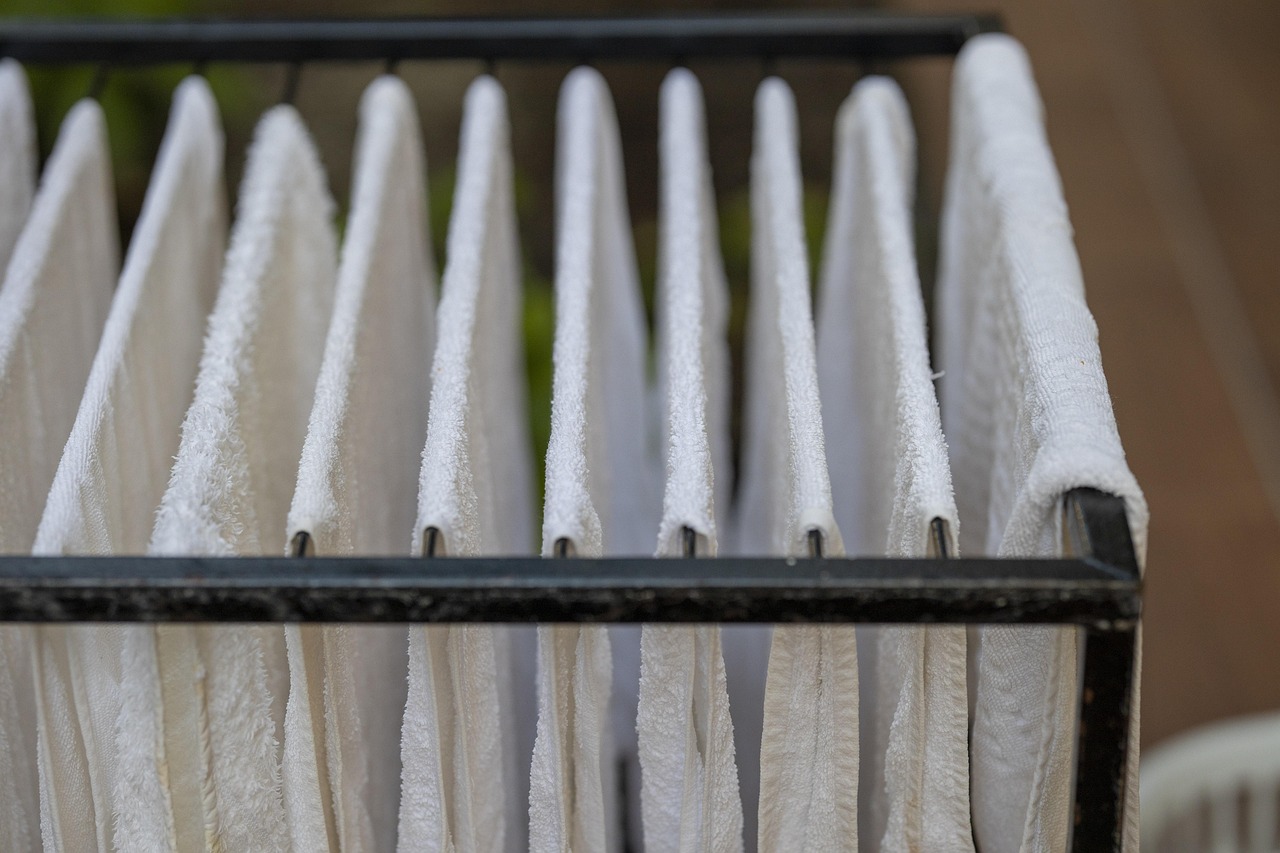

You step out of the shower, reach for your towel, and it feels… fine. Not bad. Just fine. Then you think back to your last hotel stay, where that same post-shower moment felt genuinely luxurious. The towel was dense, plush, and somehow wrapped you in warmth instead of just drying you off. That gap between your bathroom and the hotel’s isn’t accidental, and it’s not about spending a fortune.
The real reasons behind hotel towel softness come down to a specific combination of fiber science, laundry chemistry, and habits most of us have never been taught. Some of them are genuinely surprising. Here’s what’s actually going on.
It Starts with the Cotton Itself
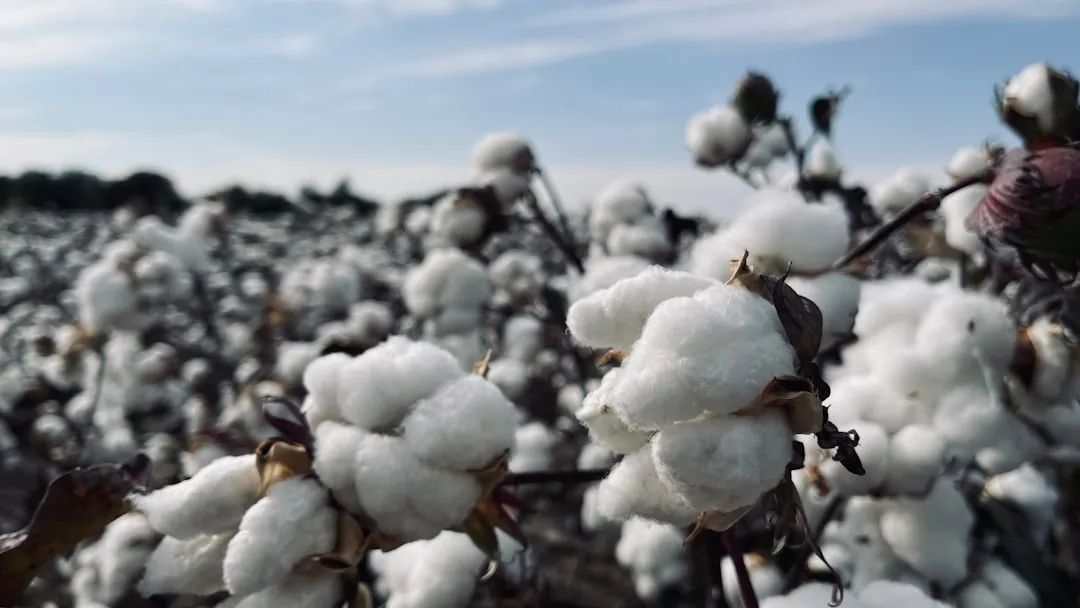
The primary reason luxury hotel towels feel superior starts with the cotton itself. Hotels overwhelmingly choose long-staple or extra-long-staple cotton rather than the standard short-staple cotton found in most retail towels. The length of the fiber matters more than most people realize.
Longer fibers mean fewer joins in the yarn, which means a smoother, softer surface and a towel that gets softer with every wash rather than harder and scratchier. Standard cotton uses shorter fibers that pill and roughen over time. It’s why that towel from the supermarket feels fine on day one but disappointing by month three.
Egyptian cotton is often considered the gold standard due to its long, fine fibers. These fibers are naturally soft and absorbent, making for a luxurious and plush towel. Turkish cotton is another popular choice, known for its durability and absorbency.
GSM: The Number on the Label That Most People Ignore
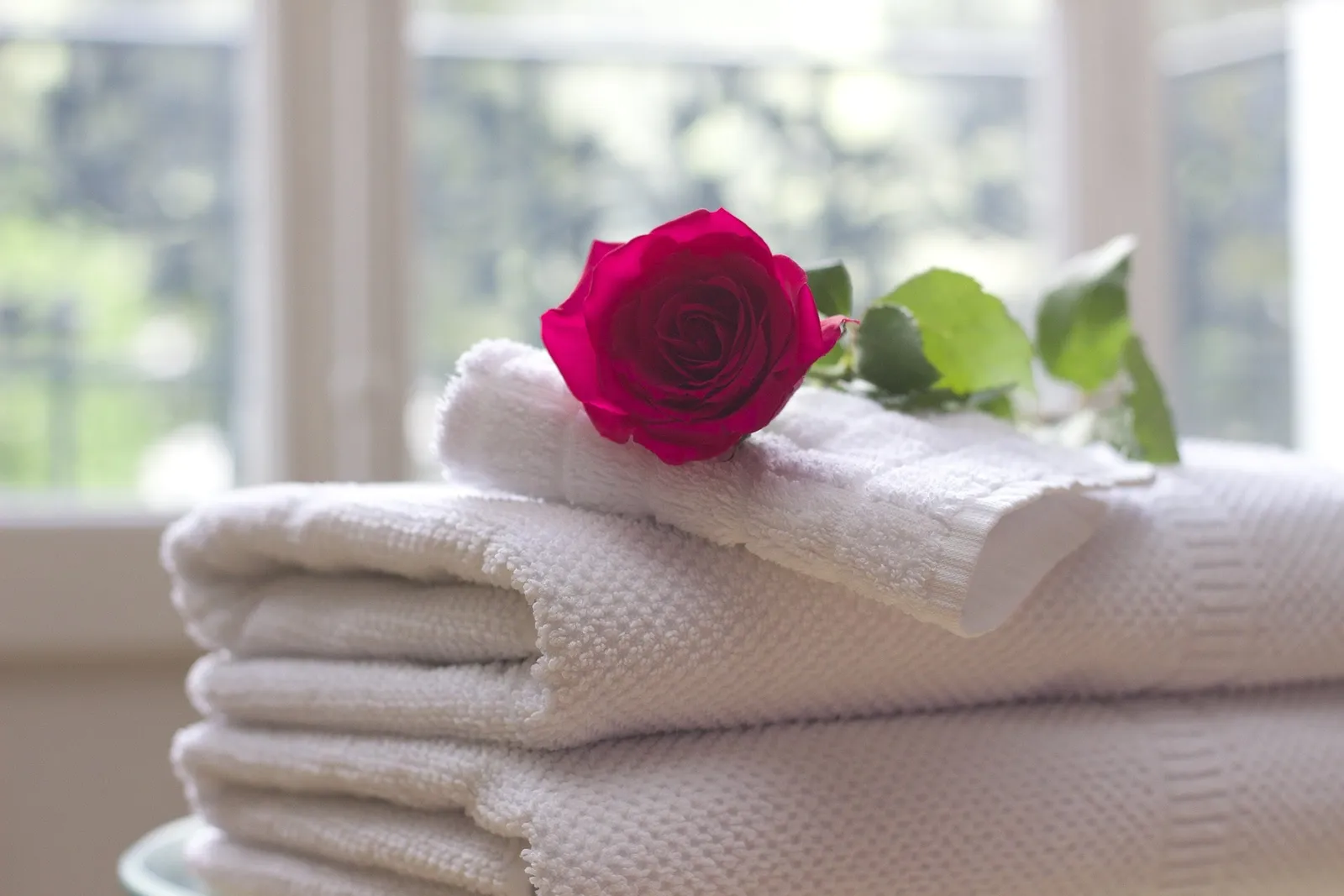
GSM, or grams per square meter, is a measure of towel weight expressed as a number. GSM is used for both cotton and bamboo towels and is directly aligned with a towel’s quality, feel, and performance. It’s the single clearest indicator of how plush a towel will feel against your skin.
Hotel-grade towels usually range between 450 and 600 GSM, offering a balance of fluffiness and durability. In contrast, many retail towels for home use fall below 400 GSM, making them thinner and less plush. Luxury hotels typically select towels in the 600 to 700 GSM range. This substantial weight is what gives them that unmistakable plush, spa-like feel and superior drying power.
GSM alone does not guarantee hotel quality. Fiber quality, weave construction, and finishing techniques matter just as much as the weight. A 650 GSM towel made from short-staple cotton will pill and lose softness faster than a 550 GSM towel made from extra-long-staple cotton.
The Fabric Softener Trap
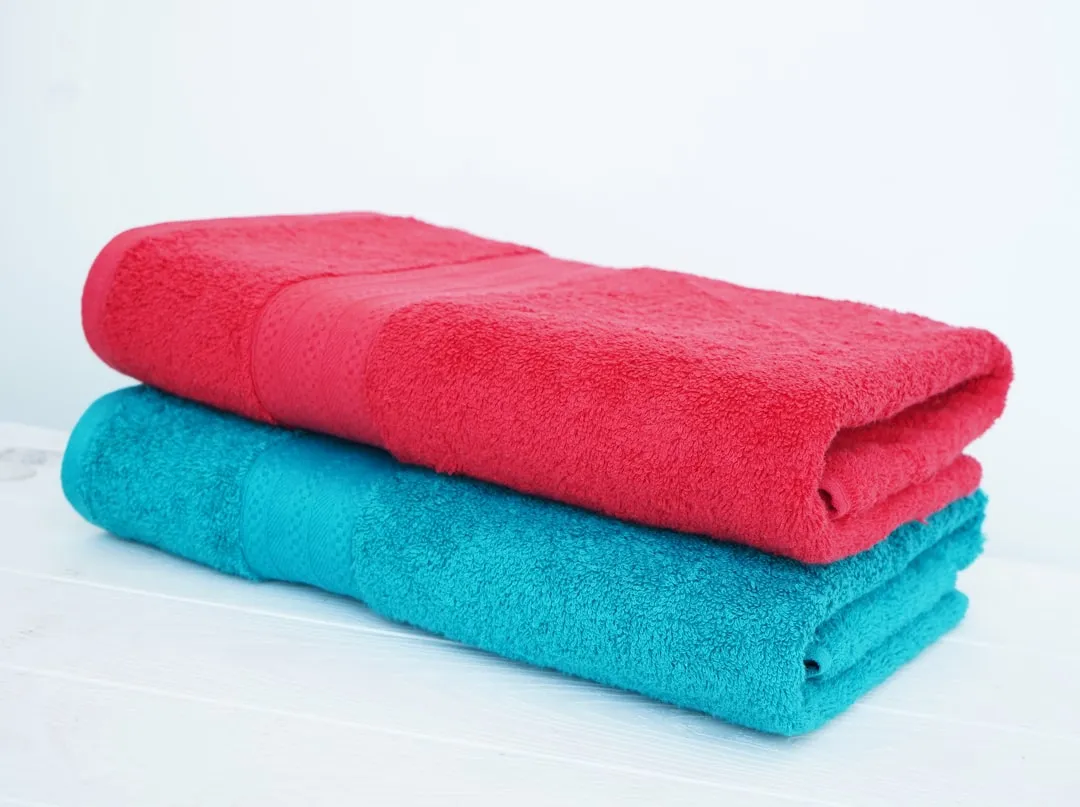
This is probably the biggest misconception in home laundry care. Most people assume fabric softener makes towels softer. Hotels know otherwise. In most cases, hotels do not use fabric softener. Fabric softener smells nice, but it coats the fibers with a thin layer of oil that repels water. That’s exactly what you don’t want in a towel.
Hotels universally avoid traditional liquid fabric softeners. These products work by coating fibers in a thin layer of silicone, which feels soft initially but ultimately reduces absorbency, traps odors, and creates a waterproof barrier on your finest towels.
Contrary to what many consumers assume, hotels do not rely on fabric softener to maintain that fluffy feel. Fabric softener coats cotton fibers with a waxy residue that reduces absorbency over time. The result is a towel that smells fresh from the dryer but slowly becomes less effective at drying you off.
Hard Water Is Working Against You
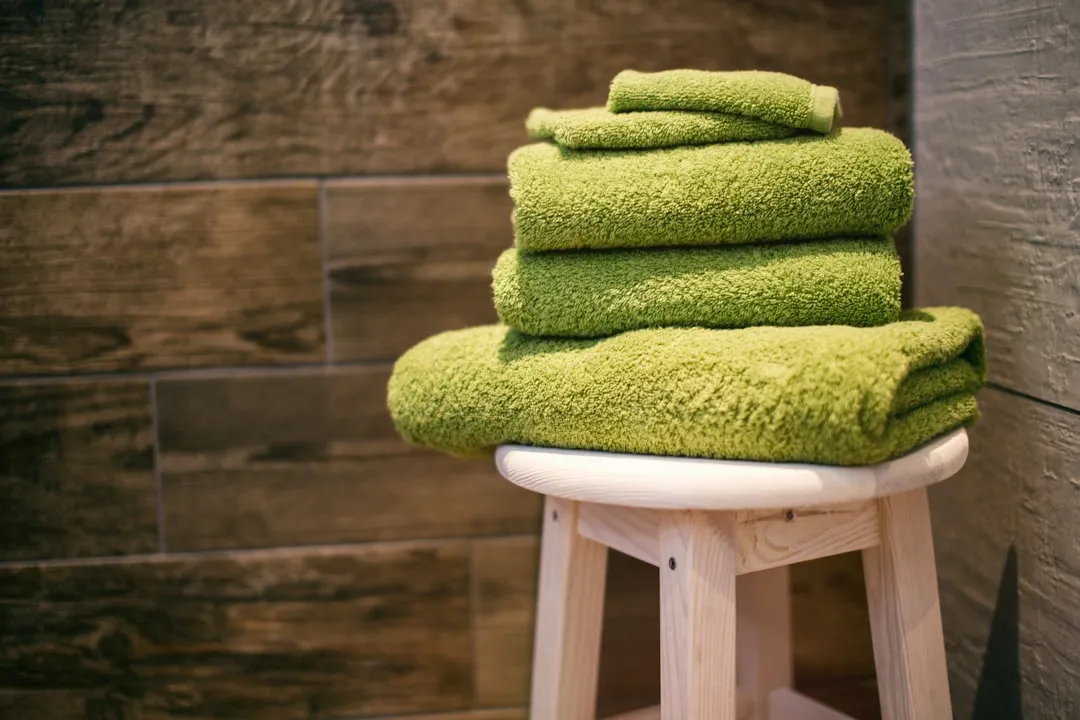
One of the least talked-about causes of stiff, scratchy towels at home has nothing to do with what you’re washing them with. It’s what the water itself is doing to your fibers. Hard water, which affects roughly 85 percent of U.S. households according to the U.S. Geological Survey, contains minerals like calcium and magnesium that cling to towel fibers, creating a crunchy texture.
The minerals in hard water, specifically calcium and magnesium, build up on the towel fibers. Over time, hard water will cause the fibers of your bath towels to weaken and break down, which shortens their lifespan. Hard water also makes it difficult for laundry detergent to properly dissolve and do its job, which can lead to soap scum and residue building up on towels for a scratchy, stiff feel.
Hard water leaves mineral deposits that can stiffen towels over time. Hotels use water softeners to prevent buildup and maintain the towels’ softness. That’s a step most home laundry setups simply skip entirely.
Hotels Use Commercial Machines That Rinse More Thoroughly
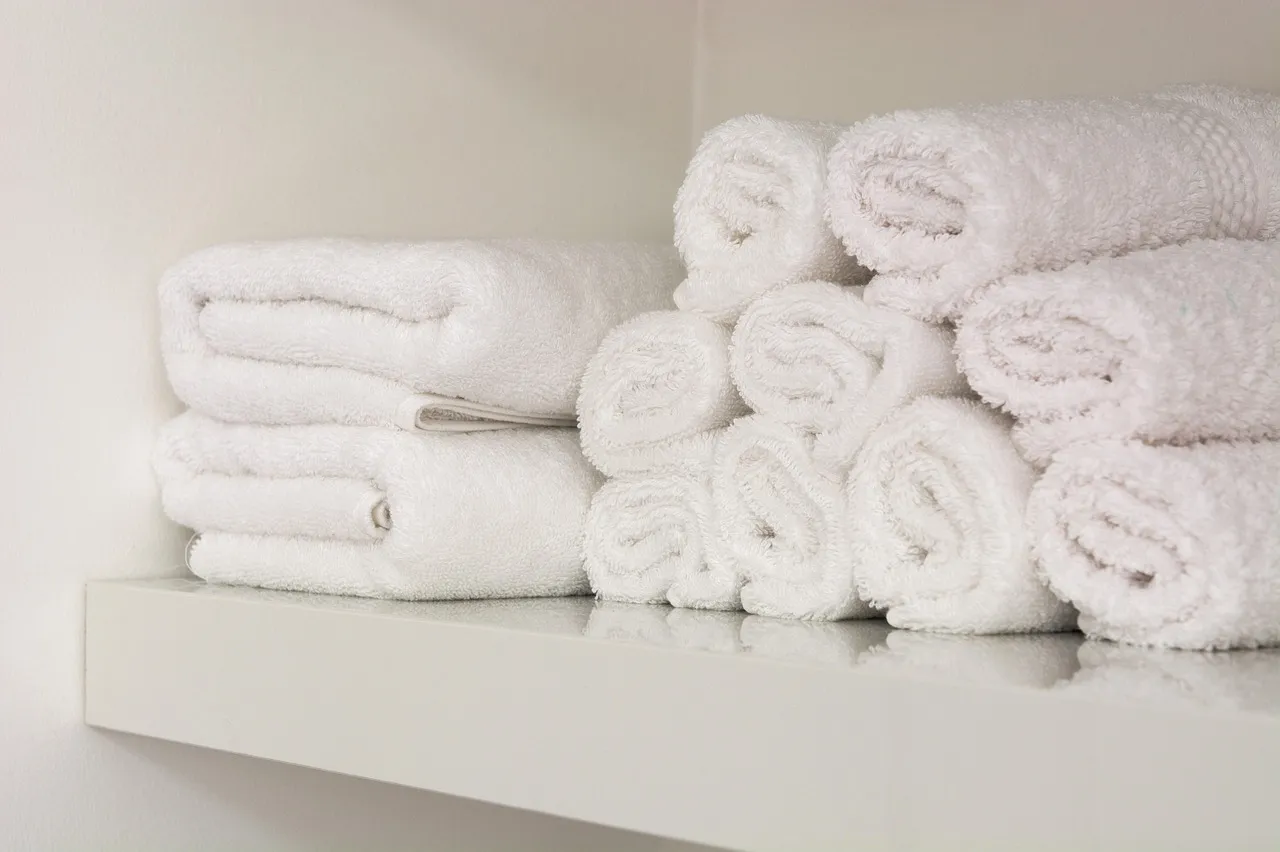
Your home washing machine simply can’t compete with the industrial laundry systems hotels use. Commercial washers are beasts. They have larger capacities, higher spin speeds, and incredibly precise temperature controls. The difference in rinsing power alone is significant.
To ensure that all residues of detergent are eliminated and the linens are fresh and skin-friendly, hotels often use additional rinse cycles. Doing a double rinse at home can help avoid irritation and residue accumulation.
Hotel laundry practices are calibrated to take the best care of each product they clean. The size of the load, chemicals, water temperature, and wash time are all set to the particular fabric of the items, so sheets are treated differently from towels. It’s a precision operation, not just a high-volume one.
Too Much Detergent Is a Silent Softness Killer
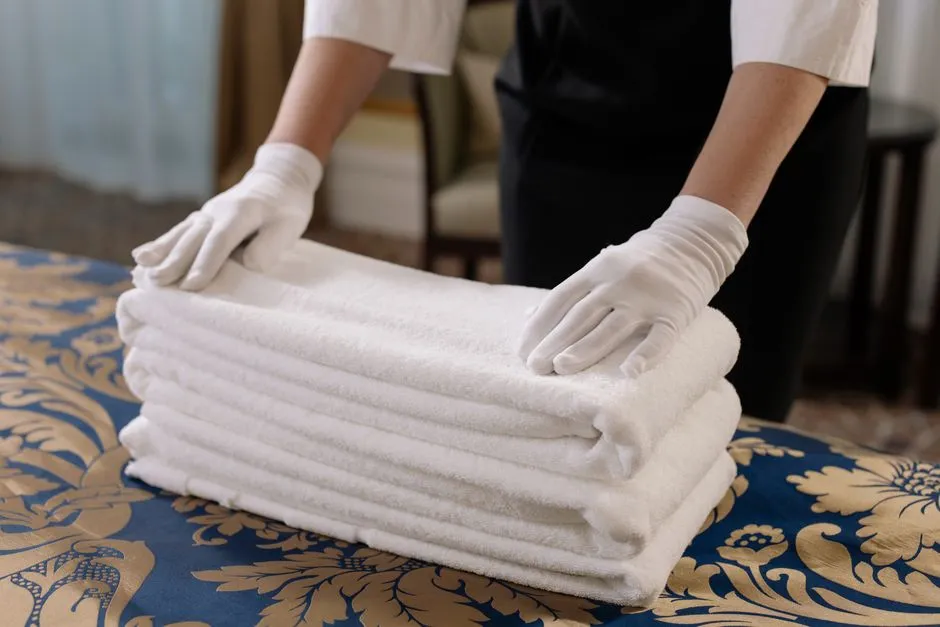
It’s an easy assumption to make: more detergent means cleaner towels, which means softer towels. The opposite is closer to the truth. Hotels do the opposite of what most people do at home, often using about half the manufacturer’s recommended amount of detergent. Excess soap doesn’t get rinsed away; it builds up on the fibers, creating a stiff, scratchy residue.
If you use less detergent on your towels, it will be easier to get rid of the soap from the fibers. Towels tend to build up soapy residues and hence get stiff over time, ending up losing their absorbency. This is why your towel feels stiff and rough after repetitive washing.
Hotels use commercial laundry products that are generally more concentrated and effective than laundry detergent sold in stores for ordinary consumer use. They can afford to use less of it because the formulas are more efficient, not because they’re cutting corners.
The Loop Structure of the Towel Gets Destroyed at Home
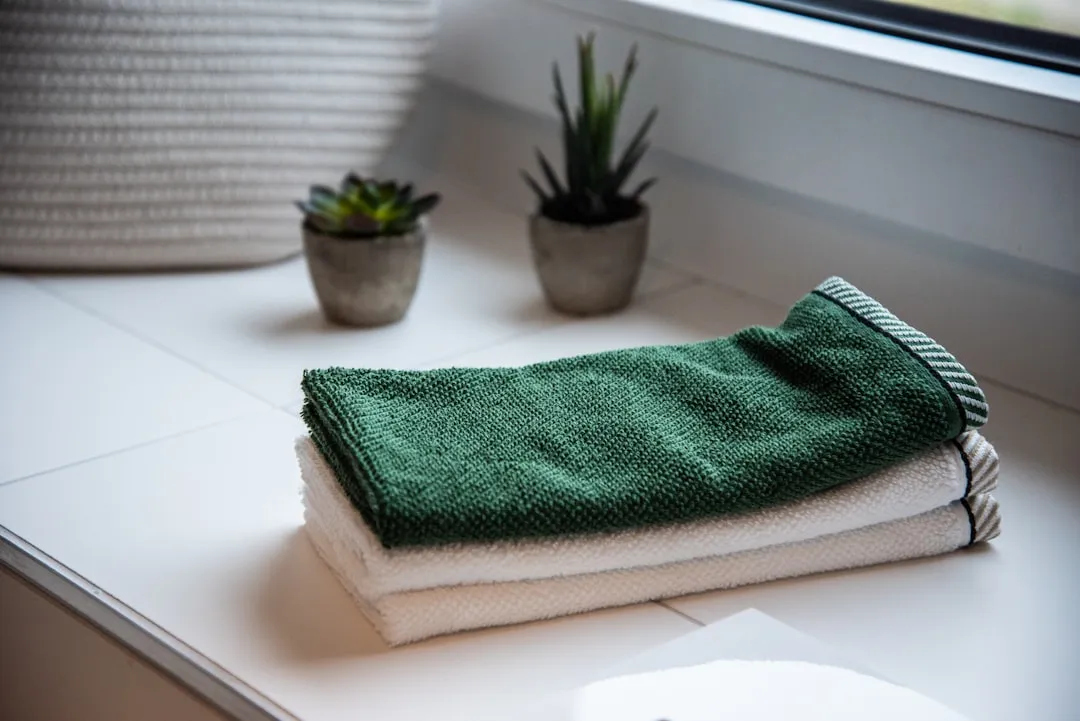
There’s a structural reason hotel towels feel so thick. Hotel-grade towels boast a higher loop density and a longer pile height. This creates more surface area, which is fantastic for trapping air and absorbing water. When these loops remain upright and intact after countless washes, the towel feels thicker and more substantial. Poor laundering, however, can crush or break these loops, leading to that familiar stiff, flat feeling.
Twisted towel fibers add strength and durability but add little to towel softness or performance. Untwisted loops create a uniquely plush and airy texture that increases in softness and absorbency with each laundering cycle. Most budget towels use twisted fibers, which is why they don’t improve with washing.
High-quality hotel linen cotton, especially combed or ring-spun cotton, enhances softness, absorbency, and durability, regardless of GSM. Poor-quality cotton can make even high-GSM towels feel stiff and short-lived.
Overloading the Washing Machine Makes Everything Worse
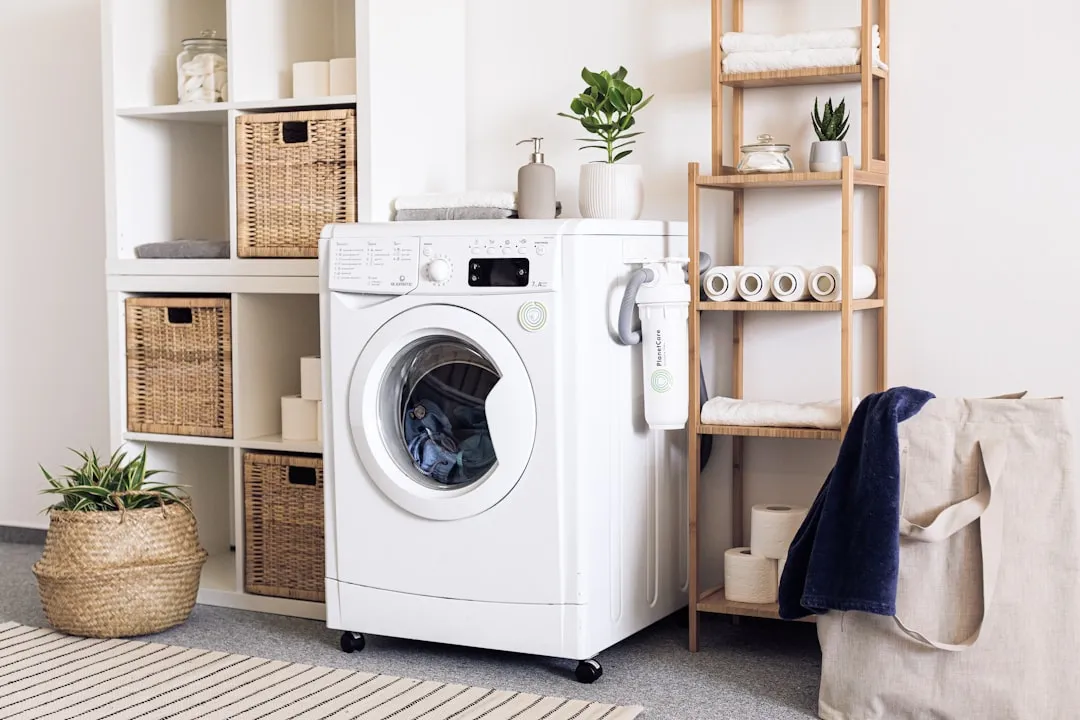
Cramming six towels into a machine designed for three isn’t just inefficient. It actively damages the fabric. Overcrowding a machine prevents towels from tumbling freely, which is essential for a thorough rinse. This ensures all detergent residue is washed away, leaving nothing but pure, clean cotton.
Overloading the washing machine with too many towels reduces agitation and prevents thorough rinsing. Residual detergent stiffens the fabric. Two or three towels per load is the hotel standard. It’s a simple habit, but almost nobody follows it at home.
Overloading is one of the most common mistakes in hotel laundry. Hotels are trained to always leave enough space for towels to move freely. Movement during washing is what actually cleans fibers rather than just soaking them in soapy water.
Drying Temperature Matters More Than You Think

Drying affects softness more than washing. Over-drying damages fibers and makes towels feel rough. This is a detail most home dryers encourage you to get wrong by defaulting to high heat settings.
Hotels use lower heat in the drying cycle and tumble-dry towels for slightly shorter periods, which preserves the natural loft of the cotton loops. Once washed, hotel towels are dried in industrial dryers set at a specific temperature to avoid overheating, which can damage the fabric and make towels feel stiff. To keep towels fluffy and soft, many hotels use dryer balls or add an extra drying cycle.
Because fabric softeners coat fibers and decrease absorbency, hotels avoid using them. To keep towels soft, fluffy, and full of volume, they shake them before drying to loosen the fibers and then tumble dry them with dryer balls. The shake before the dryer is something almost nobody does at home, but it makes a real difference to the final texture.
The Vinegar Trick Hotels Actually Use
Among the more practical habits hotels have adopted is one that costs almost nothing. Some properties use a small amount of white vinegar in the rinse cycle to strip detergent buildup and keep fibers open. It works because acid neutralizes the mineral and soap deposits that build up inside the fabric structure over time.
Many hotels use minimal fabric softener to avoid reducing absorbency and incorporate vinegar rinses to remove detergent residue and keep the towels fresh. These professional techniques ensure that hotel towels maintain their softness and absorbency despite constant use and washing.
If you know your water is hard, adding a half cup of white vinegar to your wash cycle along with your detergent allows the acid in the vinegar to neutralize the minerals and prevent them from building up on your towels. It’s one of the simplest, most accessible changes you can make right now, with zero special equipment required.
What This Means for Your Bathroom at Home
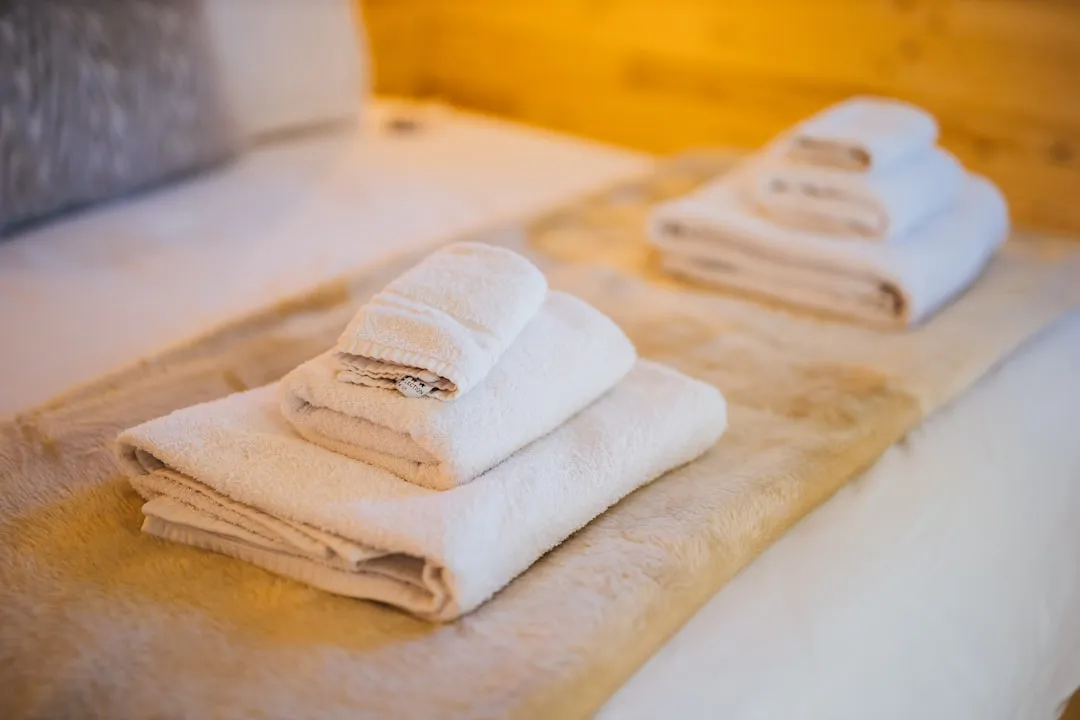
The gap between your towels and a hotel’s isn’t really about luxury for its own sake. It’s about a combination of small, compounding decisions that add up over time. The difference between luxury hotel towels and regular household towels is not accidental. It’s the result of deliberate choices made at every stage, from fiber selection to the final shake before the dryer.
Closing that gap at home doesn’t require commercial-grade equipment. When buying new towels, check the label for GSM and fiber type. Opting for 100 percent long-staple cotton with a GSM above 450 will get you noticeably closer to a hotel-like feel. Beyond that, skip the fabric softener, reduce your detergent dose, stop overloading the machine, and add a half cup of white vinegar to the rinse cycle. Those changes alone will outperform whatever brand of softener you’re currently using.
Hotels invest in superior quality not just for the immediate luxurious feel, but for longevity and a consistent guest experience. Simply put, you cannot make a poor-quality towel permanently soft, no matter how well you wash it. The right starting material matters. Everything else is maintenance.
AI Disclaimer: This article was created with the assistance of AI tools and reviewed by a human editor.