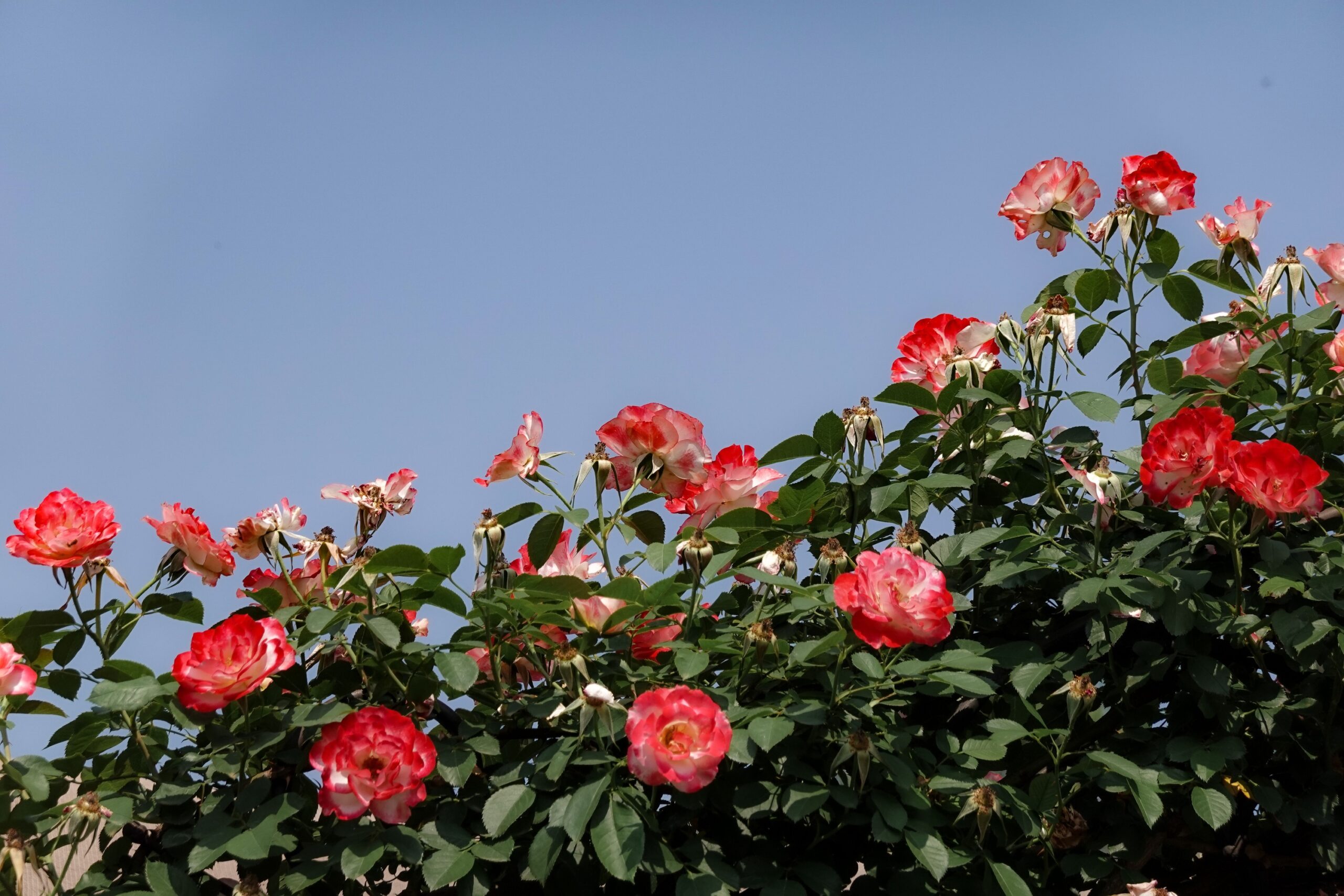

You water them. You fertilize them. You’ve even talked to them on particularly desperate mornings. Yet somehow, the rose bushes next door keep producing wave after wave of color while yours sputter out by midsummer. It’s a frustrating pattern, and the explanation is rarely one dramatic mistake. It’s usually a quiet collection of small decisions your neighbor is getting right – and you might not even realize you’re getting wrong.
They’re Growing a Repeat-Blooming Variety

Only repeat-blooming rose types flower in cycles throughout the season. Many older roses bloom just once in spring, then stop entirely. This is often the most overlooked variable between two neighboring gardens.
The 2025 rose market has seen strong interest in roses that fall into three major categories: extremely fragrant, variegated or unusual coloration, and repeat blooming. If your neighbor visited a well-stocked garden center recently, there’s a decent chance they went home with one of these long-season performers.
For steady color across the season, choosing repeat-blooming varieties and giving them regular water, sun, and food makes a real difference. Genetics matter before the first bloom even opens.
The Deadheading Habit Nobody Talks About Enough
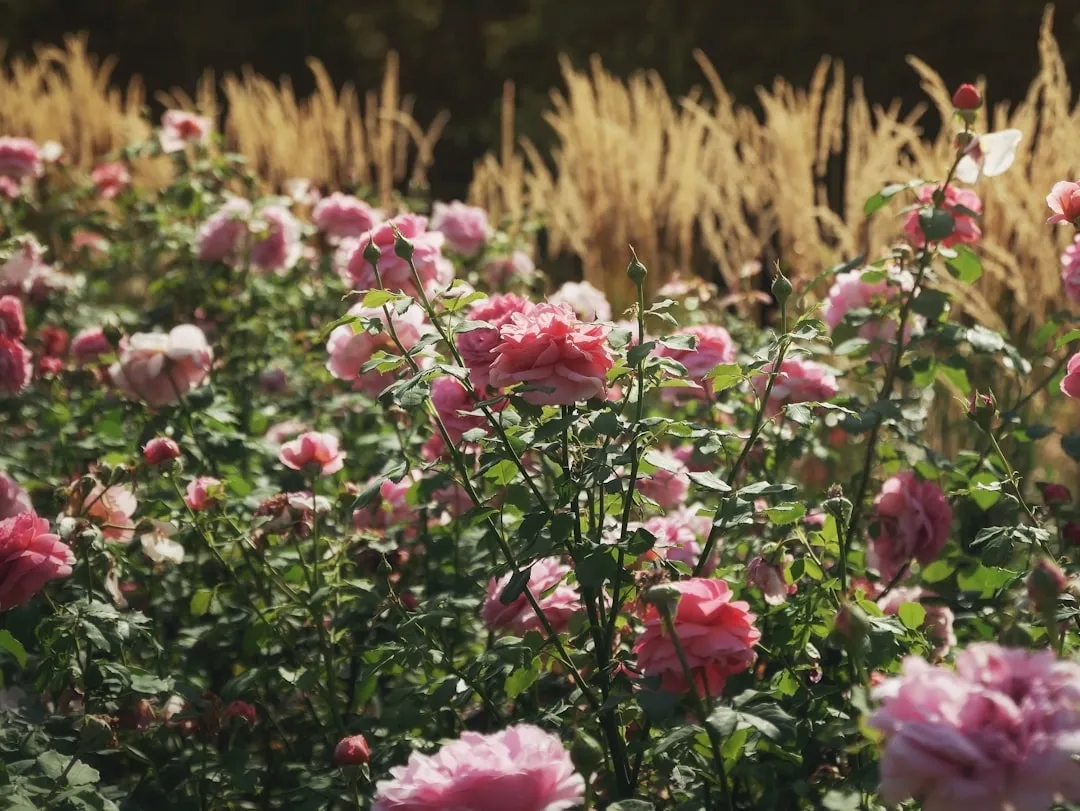
Left untouched, a spent flower signals to the plant that its reproductive work is complete. The rose then shifts its energy away from flower production and into developing seed pods, known as rose hips. That’s a quiet sabotage happening in plain sight.
Deadheading, which means removing spent blooms, helps roses flower longer and keeps plants looking tidy. Removing faded flowers encourages roses to put energy into new blooms rather than seed production.
Published research shows flush cycles of four to six weeks in deadheaded hybrid teas versus seven to ten weeks in those left to develop hips. That’s a substantial difference in how much of the summer you actually spend enjoying your roses.
The Cut Point Matters More Than You Think
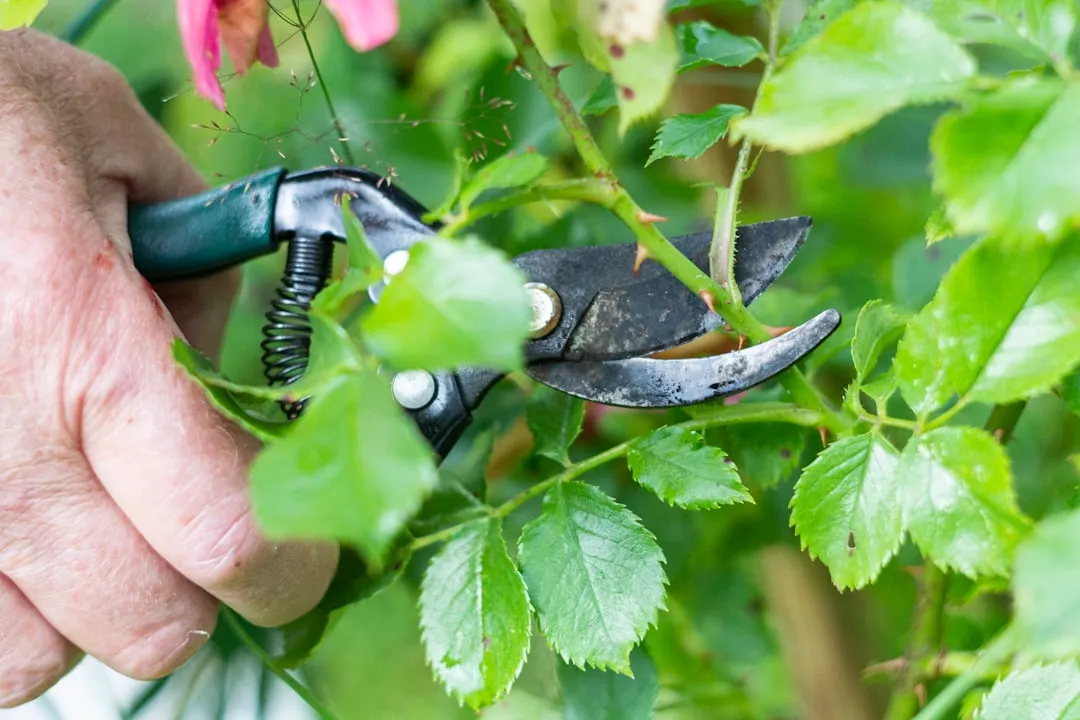
New research has shown that roses flower more prolifically when old flowers are removed just above the first leaf below the flower rather than at the first set of five leaves, which is the standard method promoted by most people. Subtle, but real.
Published rose research supports the finding that the exact cut point matters significantly. A casual snip just below the flower is not the same as a proper cut made above a strong outward-facing five-leaflet node. The difference in subsequent bloom quality is observable within one to two flush cycles.
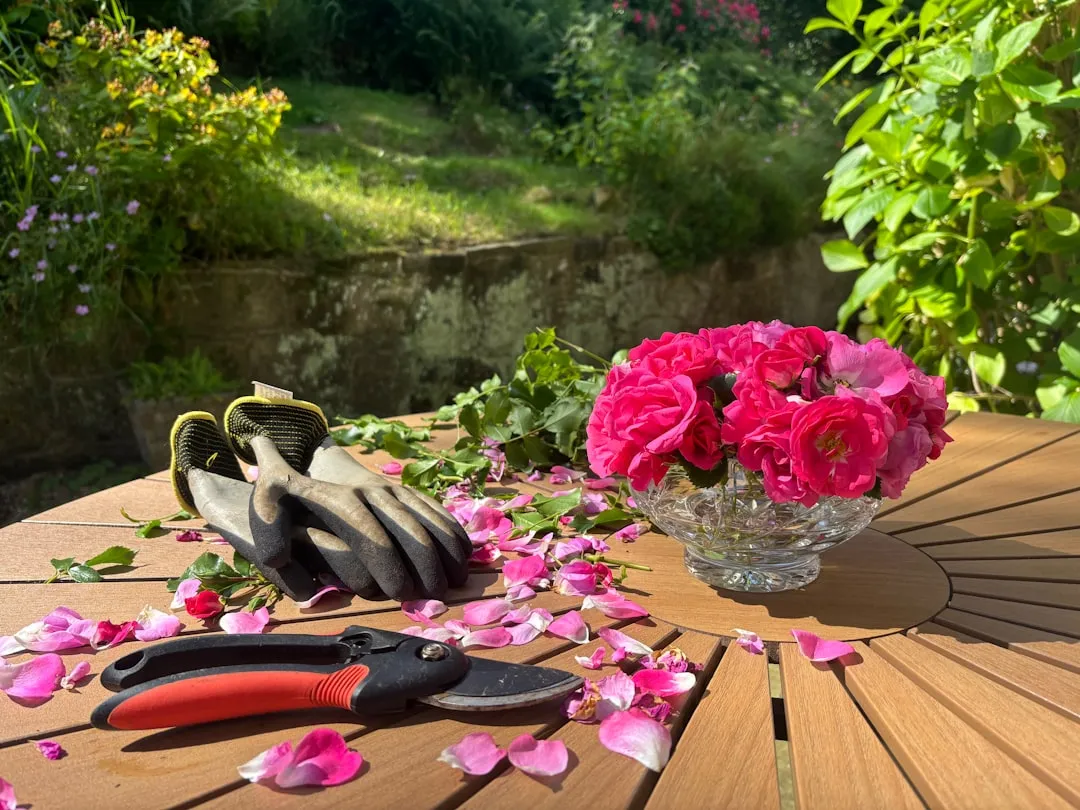
Using sharp pruning shears to cut faded flowers at a 45-degree angle above healthy leaves is one of those small details your neighbor may have simply picked up somewhere and stuck with. You’d never guess it from the sidewalk.
Their Soil pH Is in the Right Window

Rose roots absorb the most nutrients when they are in water soluble form and the soil pH is between six and seven, with the sweet spot being 6.5. If soil pH is out of this range, many important fertilizer elements will not be available or may even become toxic.
Soil pH controls which nutrients dissolve into the soil water that roots can absorb. Above pH 7.0, iron and manganese start binding to soil particles in forms roots can’t access. Below pH 5.5, phosphorus becomes unavailable and aluminum can impair root function. The 6.0 to 6.5 range is the chemical window where all the nutrients roses need stay soluble and accessible.
You could be spending money on premium fertilizer and still see underwhelming results. Without the right soil pH, much of that investment simply won’t reach the plant.
They’re Feeding Smarter, Not Just More
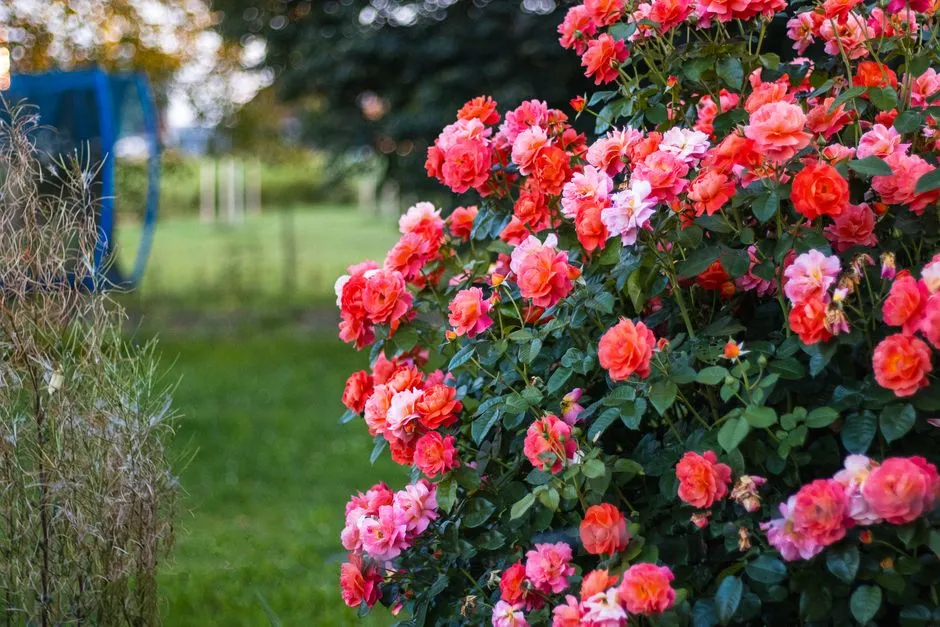
Roses need a well-balanced nutrient profile to keep blooming, resist disease, and push out strong stems. A good fertilizer should support all of these goals with a proper mix of nitrogen for leafy growth, phosphorus for flowering, and potassium for root development and resilience.
Phosphorus is for roots and blooms, so a higher phosphorus food should be supplied from three weeks before blooming until blooming is underway. Potassium provides overall plant health and acts as a catalyst for nitrogen and phosphorus, while also building hardiness to heat, drought, and cold.
Excessive nitrogen can lead to excessive vegetative growth at the expense of flower production. So the neighbor who appears to do less might actually be feeding with more precision.
Mulching Is Doing More Than You’d Expect
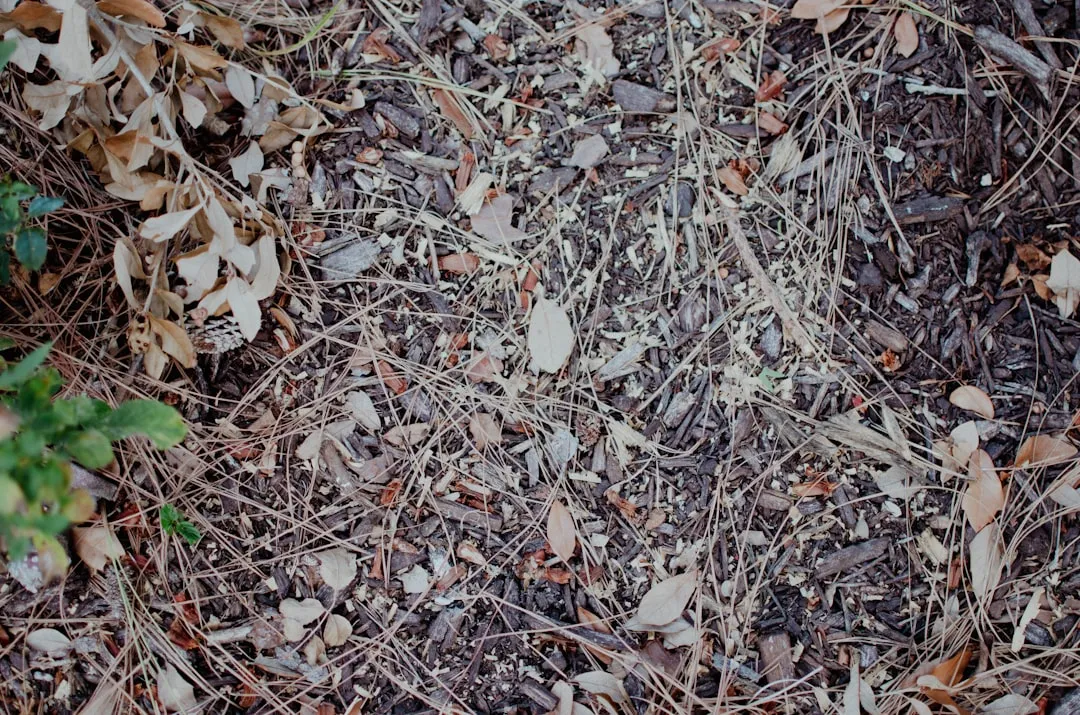
A two- to three-inch layer of organic mulch helps retain moisture, suppress weeds, and regulate soil temperature. It also prevents soil from splashing onto leaves, reducing disease risk. As it breaks down, mulch enriches the soil with nutrients.
Mulching keeps the soil cooler during heat waves, which reduces stress on plants and helps sustain repeat blooming cycles through late summer. During prolonged dry stretches, this matters even more.
Texas A&M AgriLife Extension points out that organic mulches like cedar or wood chips suppress weeds, keep the soil moist, and add nutrients. That’s three benefits from one relatively simple task.
They’re Watering Deeply, Not Just Frequently
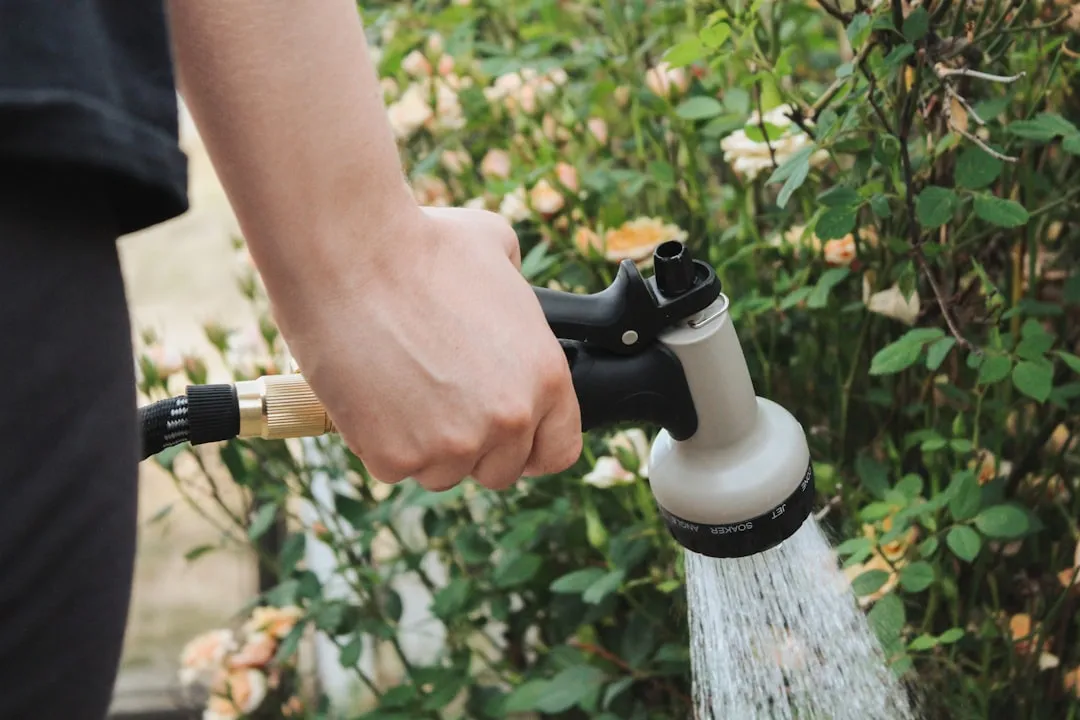
Frequent shallow watering often encourages weak, surface-level roots that struggle during periods of heat. Instead, deep watering at the base of the plant helps develop stronger root systems and supports consistent flowering throughout the season.
Using drip irrigation or a soaker hose to ensure moisture reaches roots without soaking foliage is a key step in keeping plants healthy and blooms vibrant. Wet foliage is an open invitation for fungal problems.
Roses thrive in well-draining soil, since standing water leads to root rot. Improving aeration by mixing in compost, sand, or perlite, and planting in raised beds or mounded soil provides better drainage, especially in clay-heavy areas.
Sunlight Placement Is a Calculated Decision
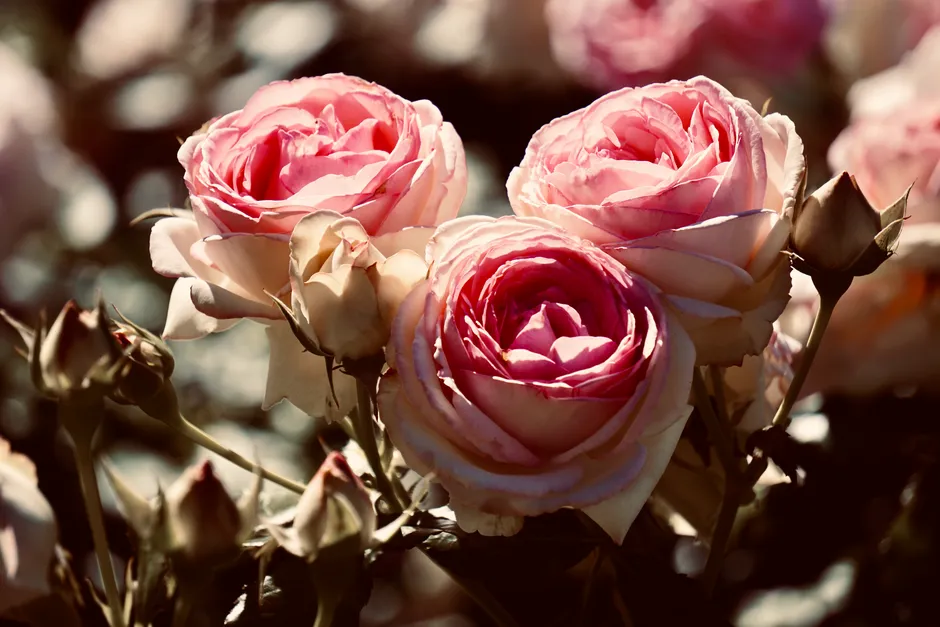
Roses grow better when they get plenty of sunlight, especially in the morning. The sun helps to dry dew quickly, reducing the risk of fungal diseases like black spot.
Roses require direct sunlight, not simply bright conditions, to produce abundant flowers. Most repeat-blooming varieties perform best with at least six hours of direct sun daily. Roses growing in increasingly shaded locations may continue producing healthy foliage while significantly reducing flower production.
Looking for a spot with open exposure rather than placing roses under trees or beside large shrubs, which can block light and compete for nutrients, is a foundational choice that shapes the entire season’s performance.
They Stay Ahead of Black Spot
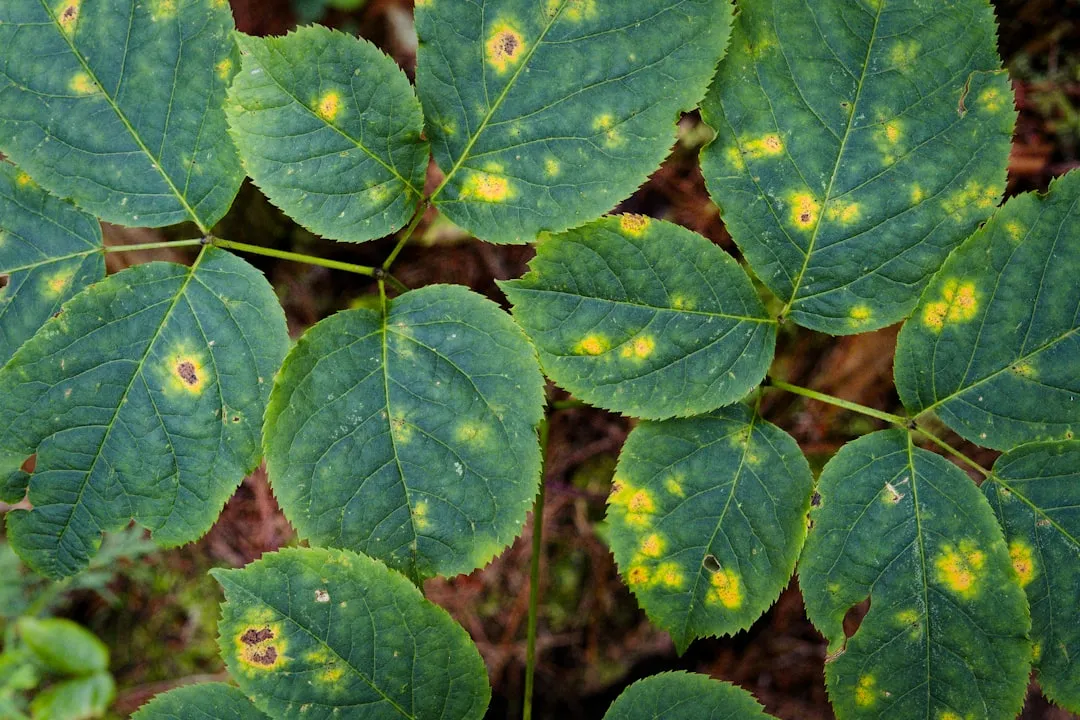
Infected leaves develop black spots, turn yellow, and drop prematurely from the plant. Premature defoliation decreases plant energy reserves and results in reduced flowering, as well as weakening the plant and making it more susceptible to other stresses.
Leaves infected with black spot produce the plant hormone ethylene. In leaves, high ethylene content leads to leaf drop. As a result, rose plants infected with black spot are defoliated early and look bare.
Keeping leaves dry, improving airflow, and removing what are essentially spore factories makes the biggest difference. Watering in the morning so foliage dries quickly and pruning to open the center of the plant are the two most effective preventative habits.
Pruning for Airflow, Not Just Appearance
Overcrowded canes reduce airflow and sunlight, two factors roses need to stay disease-free and productive. Pruning in early spring to remove weak, crossing, or inward-growing branches is essential. The goal is to open the center of the bush like a vase so light reaches all canes.
Proper pruning, airflow, and healthy roots from consistent watering and good soil help stay on top of most fungal issues naturally. It’s a system rather than a single fix.
Pruning midseason to shape and thin also encourages more blooms and prevents fungal buildup. Your neighbor’s roses don’t look effortless because they are. They look effortless because the effort is timed well and spread across the whole season.
The Real Takeaway
The difference between a garden that peaks in June and one that rolls into October is rarely a single secret. It’s a sequence of small, well-timed decisions, from choosing the right variety to making the right cut in the right place at the right moment. None of these steps is technically difficult.
Abundant flowering comes from understanding the plant’s needs and creating the right growing conditions. By evaluating sunlight, watering, nutrition, pruning, deadheading, and disease management, gardeners can often transform a once-blooming disappointment into a season-long display of color.
Your neighbor probably isn’t a professional rosarian. They’ve just quietly gotten a few of these things right, one season at a time. Now you know exactly which ones.
AI Disclaimer: This article was created with the assistance of AI tools and reviewed by a human editor.