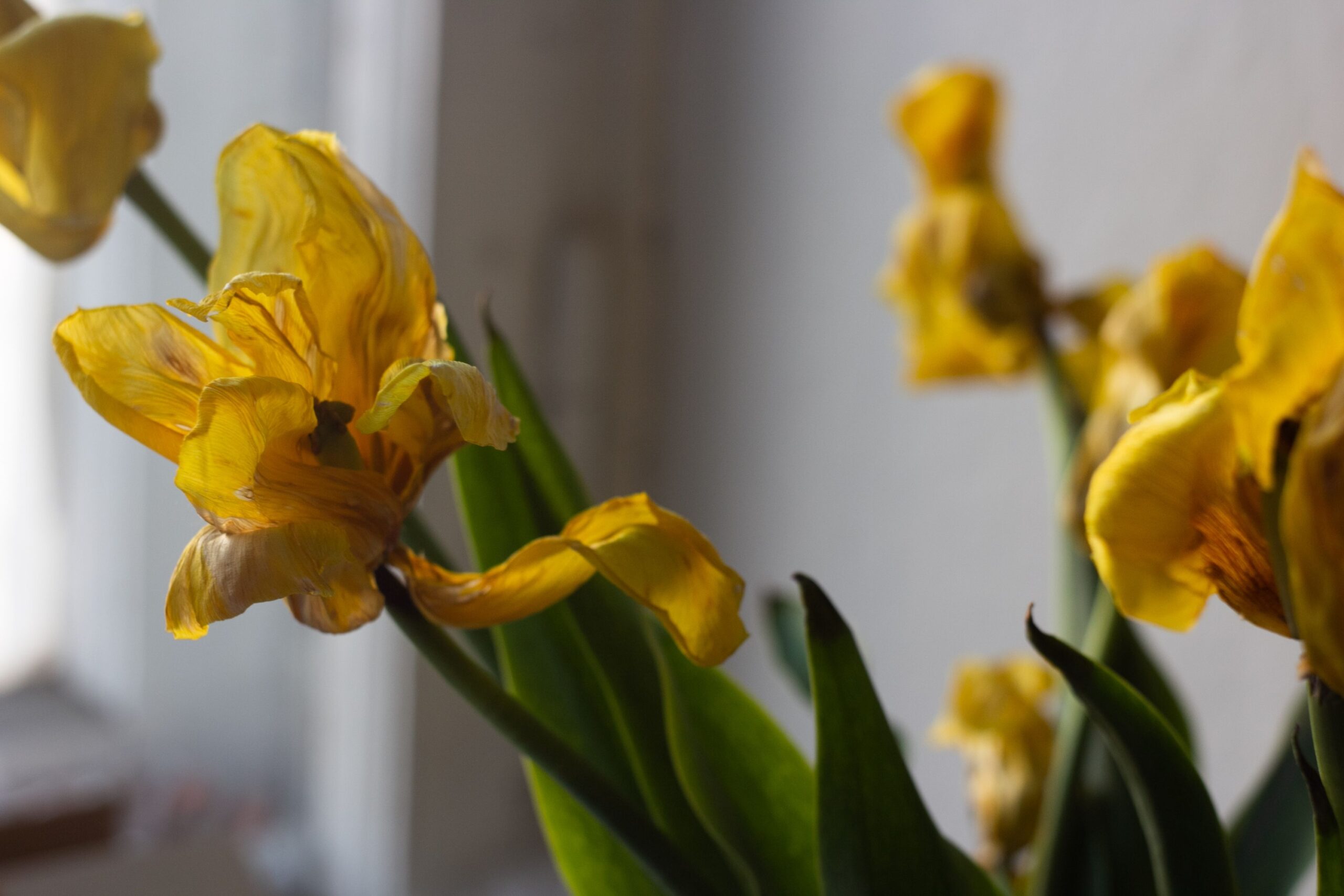

Most people assume their houseplants are dying in winter because of cold air sneaking through the window or a lack of sunlight. Those things matter, but they’re rarely the whole story. The real picture is messier, involving heating systems, watering habits, root chemistry, and the biology of plants that were never designed to live in a heated apartment in the first place.
About two-thirds of U.S. households have at least one houseplant, and yet every January, social media fills with photos of yellowing leaves and drooping stems. Understanding the cluster of reasons behind winter plant decline is what separates the plant owners who lose half their collection each season from the ones who don’t.
Your Heating System Is the Quiet Culprit
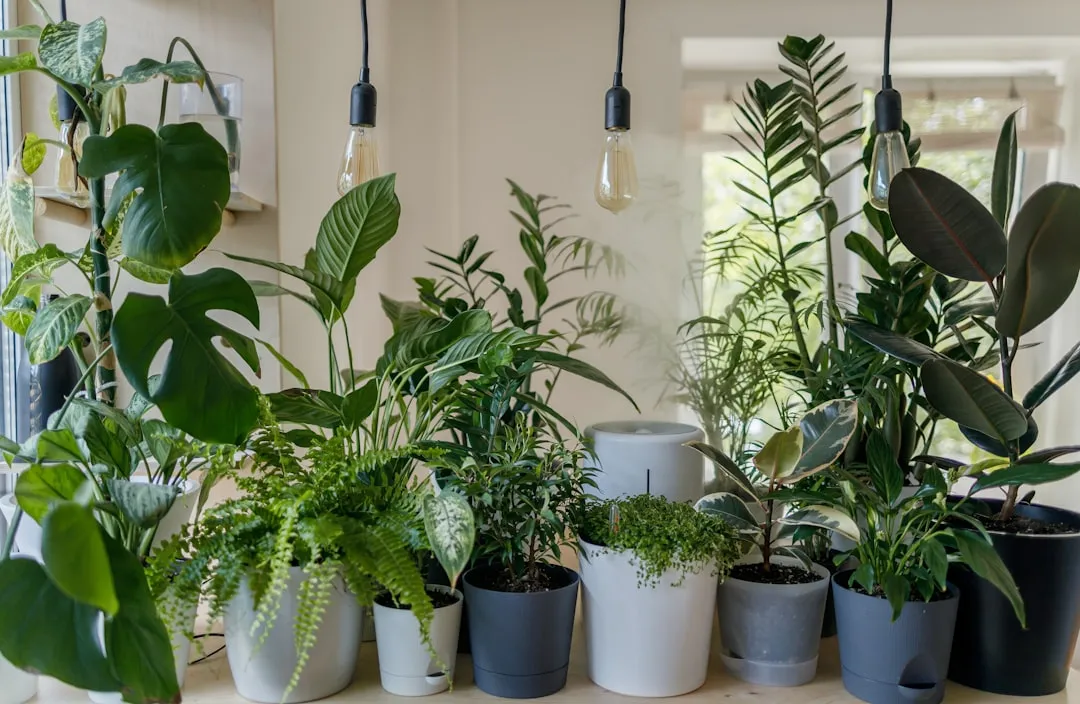
Central heating systems dry out indoor air, creating an environment that is less than ideal for tropical houseplants like the peace lily and philodendron. These plants thrive in humidity levels of roughly fifty percent or higher, but indoor humidity often plummets to twenty percent or less during winter. That gap is enormous, and most plant owners never think about it.
Home humidity in winter can fall as low as ten to twenty percent, but most plants prefer it closer to fifty percent. This invisible shift in air quality is one of the leading causes of crispy leaf tips, yellowing foliage, and unexpected leaf drop that plant owners tend to blame on everything else.
Dry air can cause leaves to turn brown and crispy along the tips and edges, produce yellow foliage, or trigger leaf drop. The fix is often simpler than people think: a humidifier, grouped plants, or even a pebble tray filled with water beneath the pot can all help restore some of what the heating steals.
The Light Problem Is Worse Than You Think
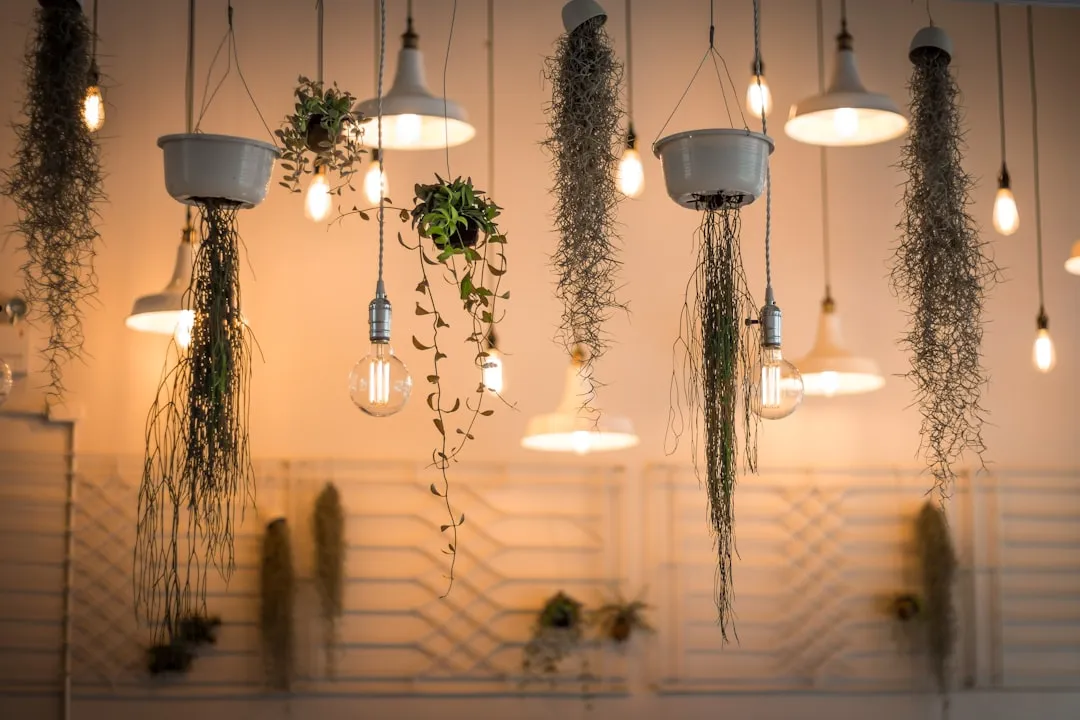
Plants depend on photons for photosynthesis, and the total number of useful photons reaching a leaf drops through winter, through glass, and with distance. The plant-relevant concept here is the daily light integral, often shortened to DLI. DLI describes the total amount of photosynthetically useful light a plant receives across a day. In winter, DLI can fall dramatically because light is weaker and days are shorter.
Shorter days and overcast skies mean plants are receiving less sunlight, a key ingredient for photosynthesis. Even plants that tolerate low light, such as the ZZ plant and snake plant, can struggle in winter. A room that looks perfectly bright to human eyes might be deeply inadequate for a plant trying to sustain any meaningful growth.
Proper lighting is crucial for photosynthesis, which is the process plants use to convert light into energy. Without adequate light, growth can slow down, and plants might become leggy or lose their vibrancy. Moving plants closer to south-facing windows, or using grow lights, can genuinely offset what shorter days take away.
Overwatering: The Number One Killer
![Overwatering: The Number One Killer (EraPhernalia Vintage . . . [''playin' hook-y''] ;o, Flickr, CC BY-SA 2.0)](https://nvmwebsites-budwg5g9avh3epea.z03.azurefd.net/thegardenmagazine/c3f2581cbde9a7d6718ac9431a30ca3d.webp)
The number one reason for dying houseplants is usually overwatering. Overwatering leads to root rot and plant death. This surprises a lot of people who consider themselves careful, attentive plant parents. The problem isn’t just volume – it’s timing and frequency relative to what the plant actually needs.
When days shorten, plants slow down. They photosynthesize less, grow less, and use less water. Indoor temperatures fluctuate more, and soil stays cooler. In that cooler, airless environment, excess water pushes oxygen out of the root zone. The result is roots sitting in waterlogged soil, slowly suffocating regardless of how carefully the water was measured out.
Depending on how much light the plants receive and how warm the room is, it can be very tricky to judge just how much water indoor plants need. Too many people assume that watering once a week is the right interval between waterings. In winter, that assumption can be fatal.
Winter Dormancy Is Real, and Most People Ignore It
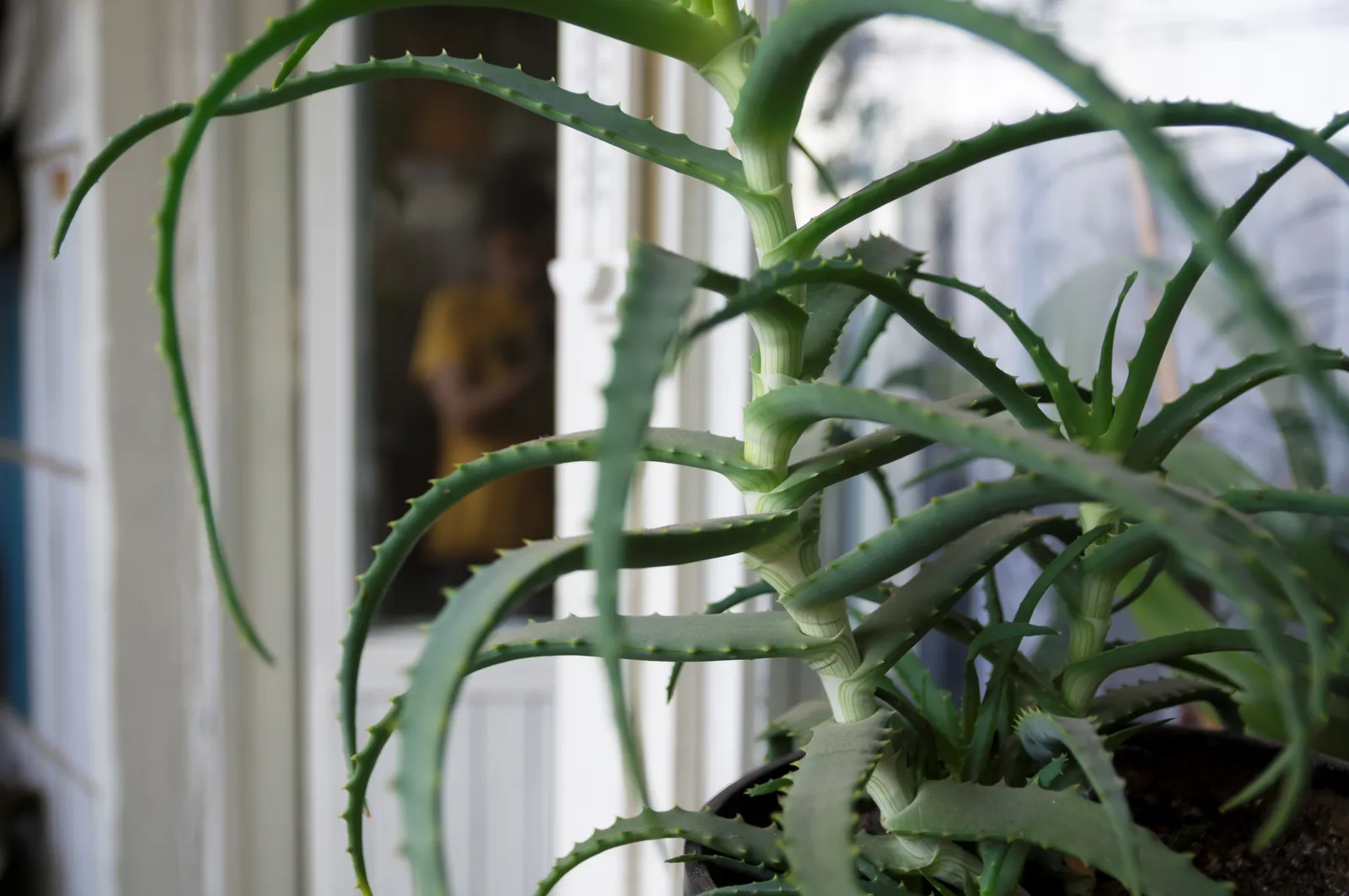
Most houseplants go into a state of dormancy or hibernation during the winter. They don’t need as much water, fertilizer, pruning, or repotting as they do in the warmer months. Continuing to treat them as if it’s still June is one of the most common seasonal mistakes in indoor gardening.
Indoor dormancy and winter slowdown usually start when several small changes line up: shorter days reduce photosynthesis, cooler root zones slow water uptake, substrate dries more slowly, and heated rooms can lower humidity around sensitive new growth. It’s a cascade, not a single trigger.
Think of dormancy as the plant version of hibernation. It’s a survival adaptation that allows plants and trees to survive poor growing conditions – essentially a state of arrested development in which growth slows and metabolism decreases. Fighting that process with heavy feeding or frequent repotting only adds stress at precisely the wrong time.
Cold Drafts and Temperature Swings Do Real Damage
Cold winter drafts seeping inside through mail slots, ill-fitting door frames, poorly insulated windows, and other cracks and gaps can create sharp, localized drops in temperature indoors. A plant sitting six inches from a single-pane window may be experiencing temperatures far colder than the rest of the room.
Sudden drops in temperature, cold drafts from windows, or heat blasts from radiators can stress your plants. Tropical varieties like the peace lily and philodendron are especially sensitive to these changes. The issue is the swing, not just the cold. A plant can tolerate a cool room more readily than it can tolerate a room that fluctuates sharply throughout the day.
Most houseplants originate in tropical or desert regions that experience warmer temperatures. Ideal indoor temperatures during the day are between sixty-five and seventy-five degrees Fahrenheit, while plants can tolerate nighttime temperatures around ten degrees cooler. Colder temperatures can cause stress and shedding of leaves.
Dust on Leaves Quietly Blocks Light Absorption
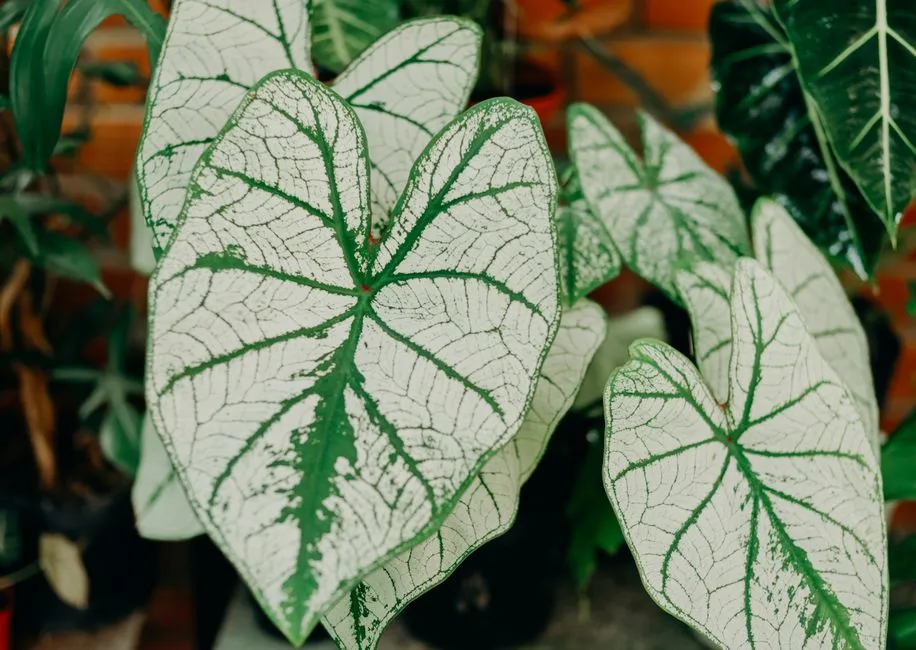
Houseplants can acquire dust from indoor heating systems, which impairs the ability for plants to absorb light through their leaves. Dusting off leaves with a damp cloth every few weeks, or rinsing plants in a sink or shower, helps address this. It’s a simple task that most people overlook entirely through the colder months.
Dust and residues can build up on plant leaves. Not only is this unattractive and slows plant growth, it creates an environment for insects and mites. When you combine reduced winter light with leaves that are partially coated in dust, the plant’s ability to photosynthesize drops even further.
A warm, damp cloth wiped across each leaf every few weeks takes about three minutes and genuinely makes a measurable difference. It’s the kind of maintenance that sounds trivial but compounds over a season.
Winter Pests Are a Bigger Problem Than Summer Ones
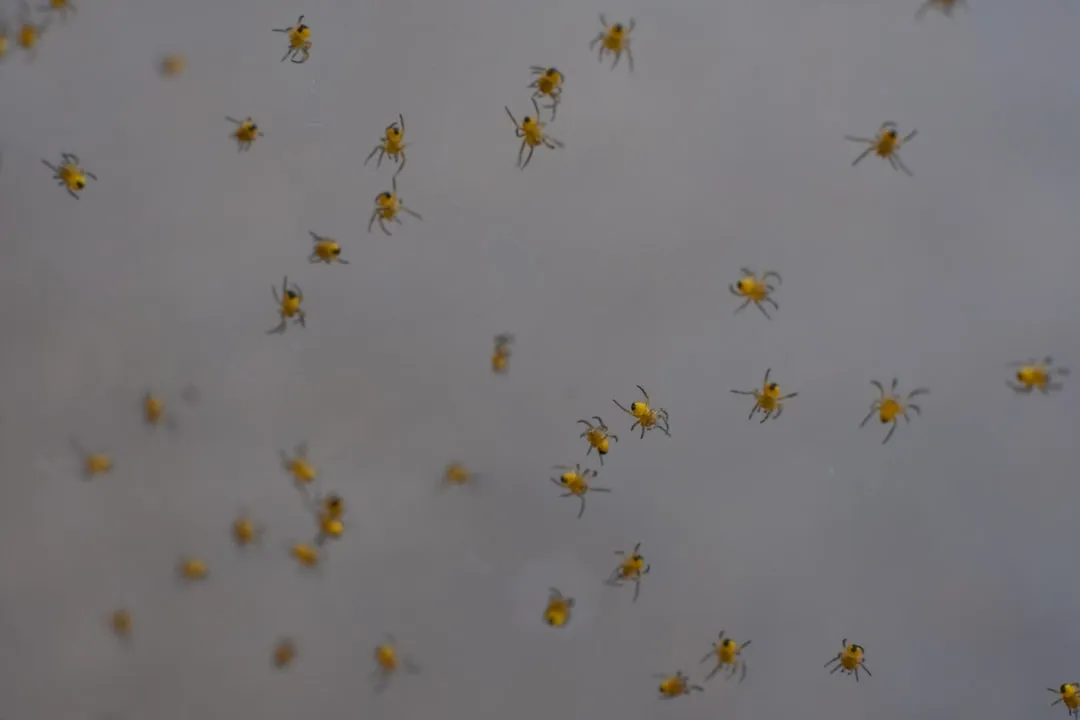
Winter doesn’t mean a reprieve from pests. In fact, dry indoor air can attract spider mites, while overwatered plants may become breeding grounds for fungus gnats. Both problems tend to escalate in heated, dry indoor environments where the conditions quietly favor the pest over the plant.
Fungus gnats and shore flies are the two most common pests you will see when soil conditions are too moist. Checking with sticky cards helps scout for the adults that fly around. The larvae of these insects survive in wet soil conditions and feed on fungus, algae, and plant roots.
Spider mites, in particular, love the warm, dry air that heating systems produce. They reproduce quickly and can colonize a plant before the damage becomes obvious. Regular inspection of leaf undersides through winter is worth building into a weekly routine.
Fertilizing in Winter Backfires Badly
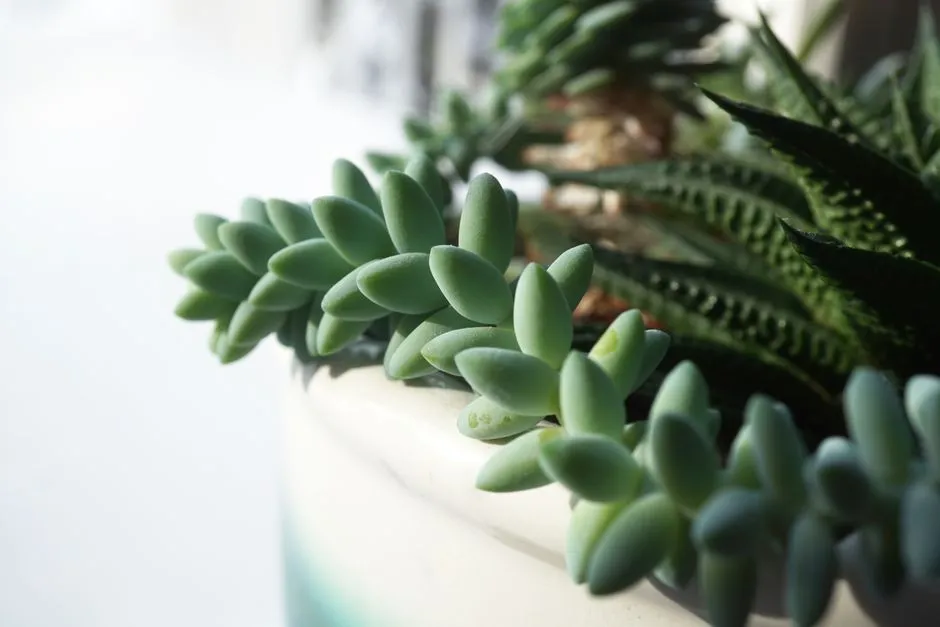
While houseplants are fertilized periodically from spring through summer, fertilization is generally not necessary during winter months. Plants are growing much slower during winter. Resuming fertilization in March or April, as conditions become more favorable, is the better approach.
Most houseplants grow slowly in winter and rely on stored energy, so additional fertilizer isn’t needed – and overfertilizing can damage leaves. When a plant isn’t actively growing, it has no mechanism to use the nutrients being pushed into the soil. Those unused salts accumulate and eventually burn the roots.
Skipping fertilizer entirely from around October through February isn’t neglect – it’s restraint, and it’s exactly what most houseplants need. Coming back to feeding gradually in early spring, when light levels improve, gives the plant a much gentler transition back into active growth.
Cold Water Shocks the Root System
Cold water can shock roots. Always let tap water sit until it reaches room temperature before watering. This is one of those small details that sounds almost fussy until you understand that tropical roots are simply not designed to receive a sudden flush of near-freezing water in the middle of a cold season.
Cooler root zones already slow water uptake significantly in winter, so adding the thermal shock of cold tap water on top of an already sluggish root system compounds the stress in ways that show up weeks later as yellowing or wilting. Filling a watering can the evening before and leaving it out overnight is a practical and effective habit.
The difference between room-temperature water and cold tap water might seem negligible, but for a tropical plant already under winter stress, it’s one fewer insult the root system has to absorb.
Most Tropical Plants Were Never Designed for This Environment
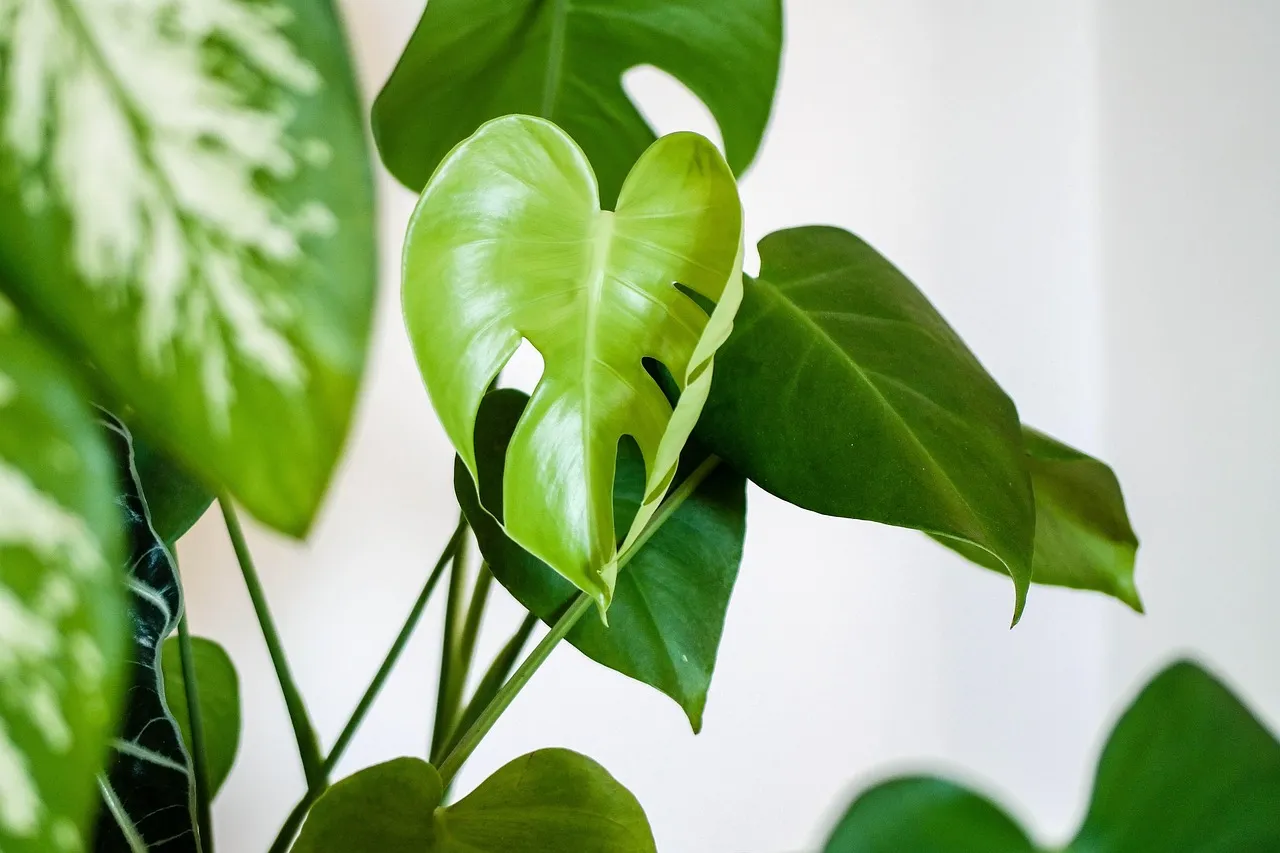
Many houseplant species have tropical origins. They evolved in environments with high, consistent humidity, warm temperatures year-round, and strong light for long portions of the day. A modern heated home in winter is almost the opposite of all of those conditions simultaneously.
Many houseplants originate in tropical regions with high humidity, and that background shapes everything about how they respond to seasonal change. When the heating comes on and the humidity drops, when light fades and temperatures swing, these plants aren’t just uncomfortable. They’re operating well outside the range their biology was shaped for.
Research highlights many benefits of having plants in our homes, so it’s important for both plant and human health to take care of them. Understanding where your specific plant comes from, and what conditions it originally adapted to, is genuinely the most useful starting point for keeping it alive through the season.
The Takeaway

Winter plant loss isn’t usually the result of one dramatic mistake. It’s the slow accumulation of small mismatches between what a plant needs and what a heated, low-light home provides. Humidity drops quietly. Light fades. Soil stays wet longer than expected. And the natural response of the conscientious plant owner – more water, more feed, more care – often accelerates exactly the decline it was meant to prevent.
The counterintuitive truth is that winter care means doing less on most fronts while becoming more attentive on a few specific ones: humidity, light position, and soil dryness before each watering. Plants don’t need more in winter. They need the right things, delivered at the right time. That shift in thinking alone is what tends to separate the thriving plants from the ones that quietly give up before spring.
AI Disclaimer: This article was created with the assistance of AI tools and reviewed by a human editor.