
The Core Idea: A Natural Drainage Layer with Added Benefits
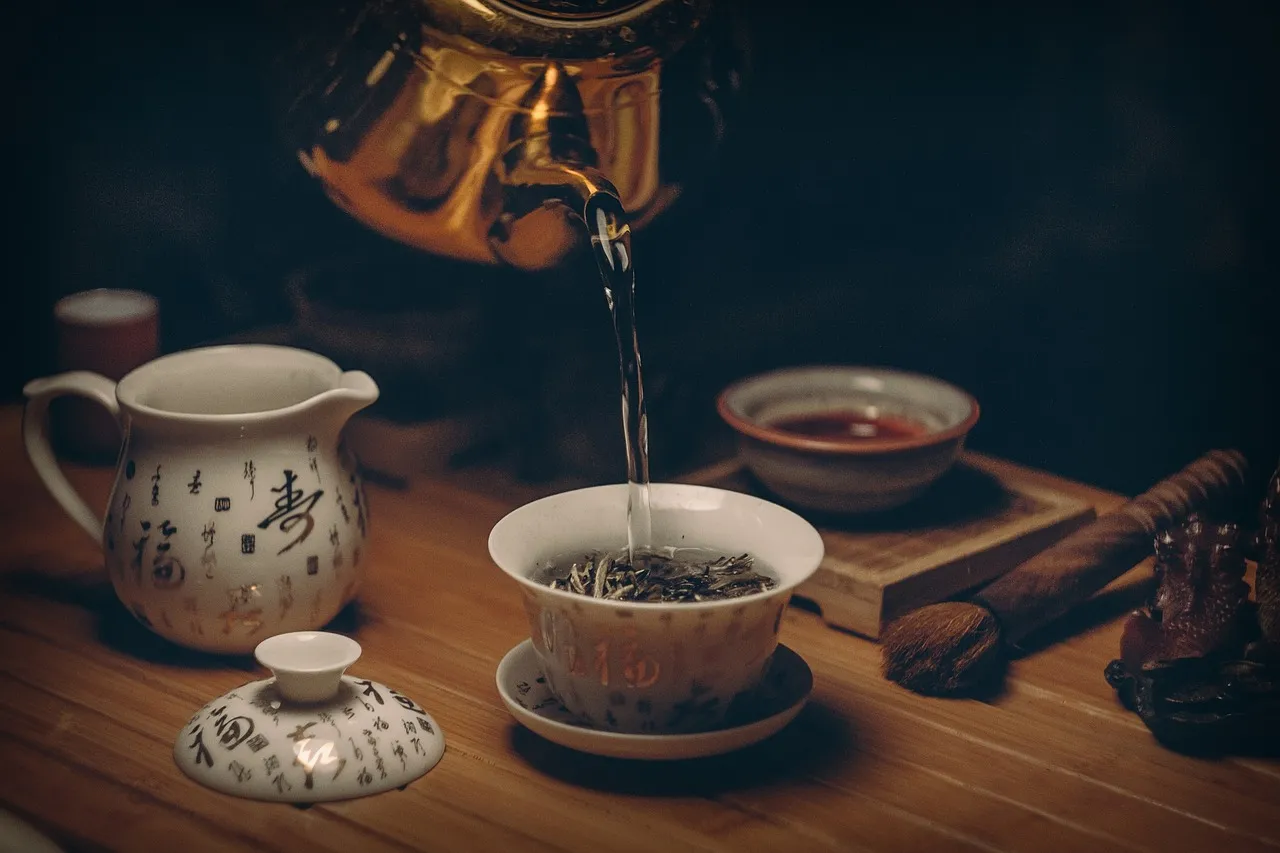
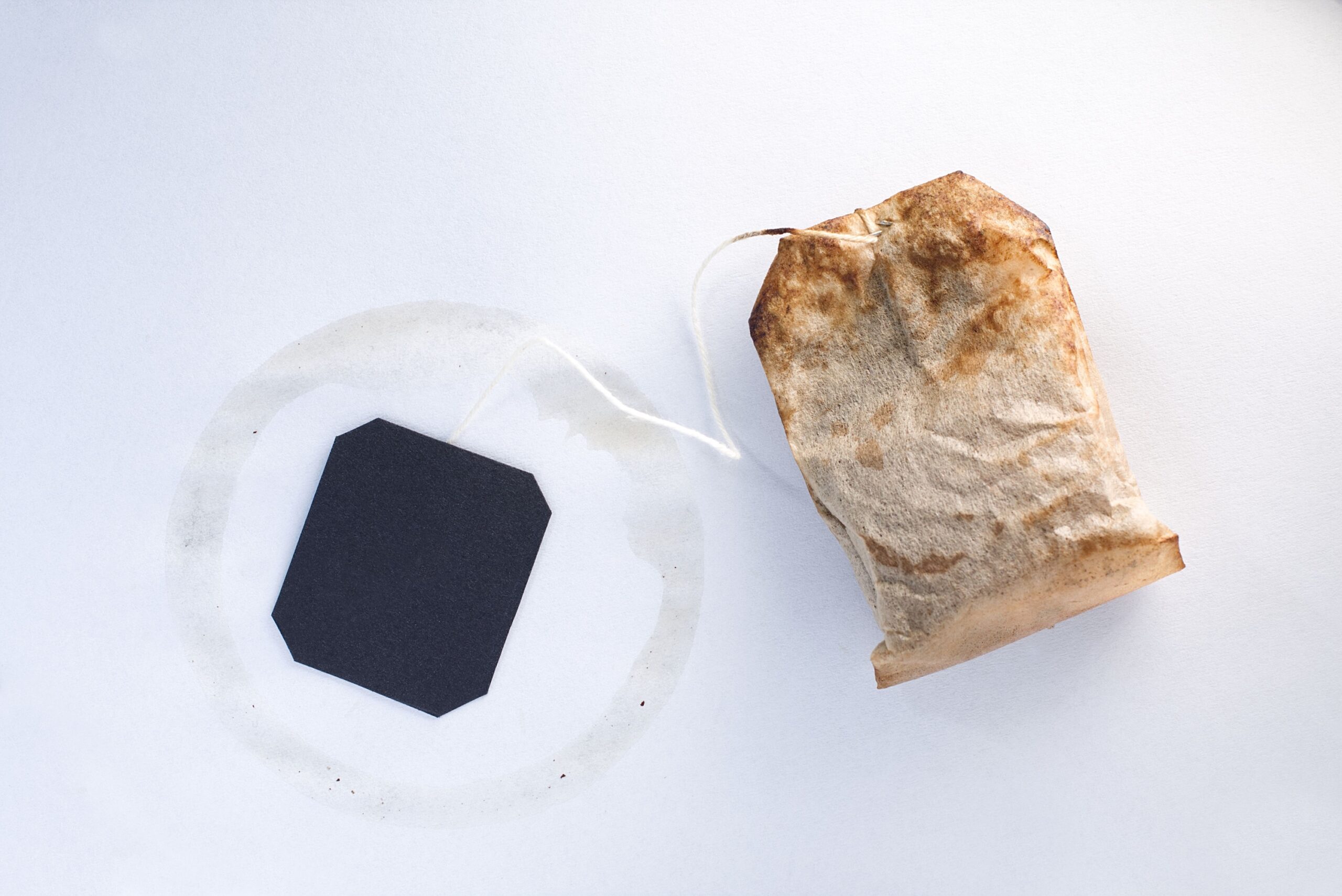
Spent tea leaves are mostly cellulose, along with small amounts of nitrogen, potassium, and trace minerals. As those leaves break down in soil or a compost pile, they release those nutrients slowly and add bulk that helps the ground hold moisture. Placing whole bags at the base of a pot means they can act almost like a sponge layer, intercepting water before it drains away too quickly.
As the material breaks down, it creates more tiny pores and channels in your soil. Water moves through more slowly, lingering long enough for roots to drink deeply rather than just tasting the passing shower. The result is that plants may stay perkier between waterings, especially during long, hot days.
Slow-Release Nutrients That Feed Roots Over Time
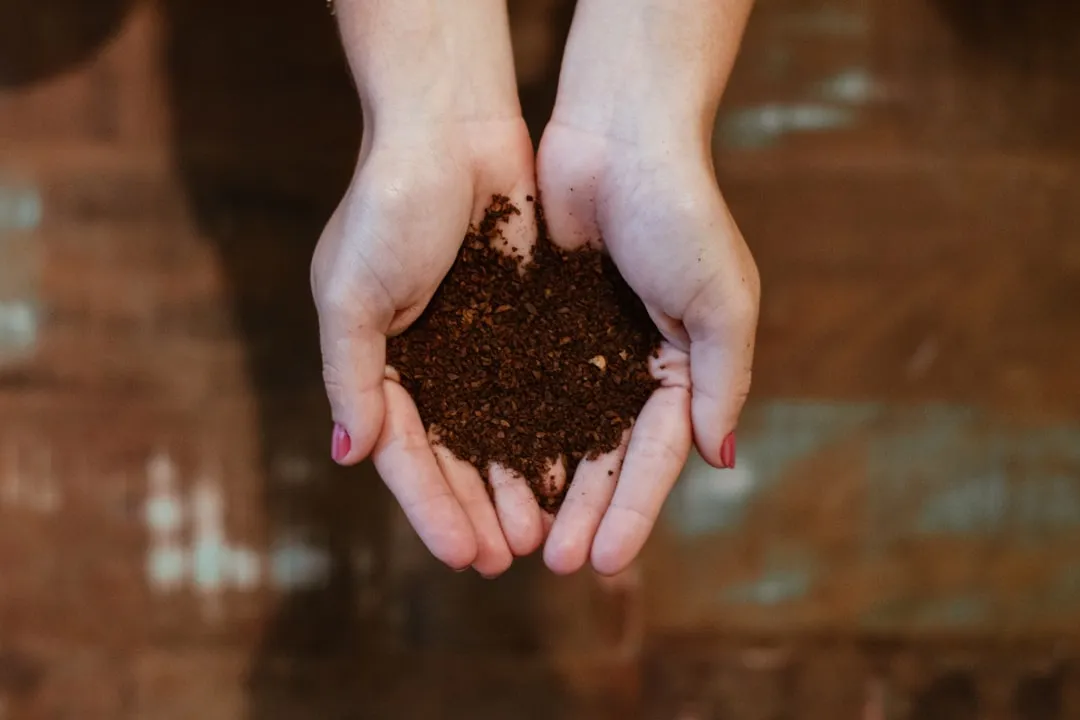
Used tea leaves are rich in nutrients like nitrogen, potassium, and phosphorus, making them an excellent natural fertilizer. What makes this particularly useful at the bottom of a pot is timing. Nutrients don’t flood the soil all at once; they trickle in gradually as the bag decomposes.
While tea bags are not an irrigation system, they contribute to maintaining consistent moisture levels. As the tea leaves break down, they provide small doses of nitrogen, potassium, and phosphorus, gently enriching the soil and benefiting plant health. For potted plants that rely entirely on what’s inside the container, that steady supply matters more than most people realize.
Moisture Retention: The Main Event
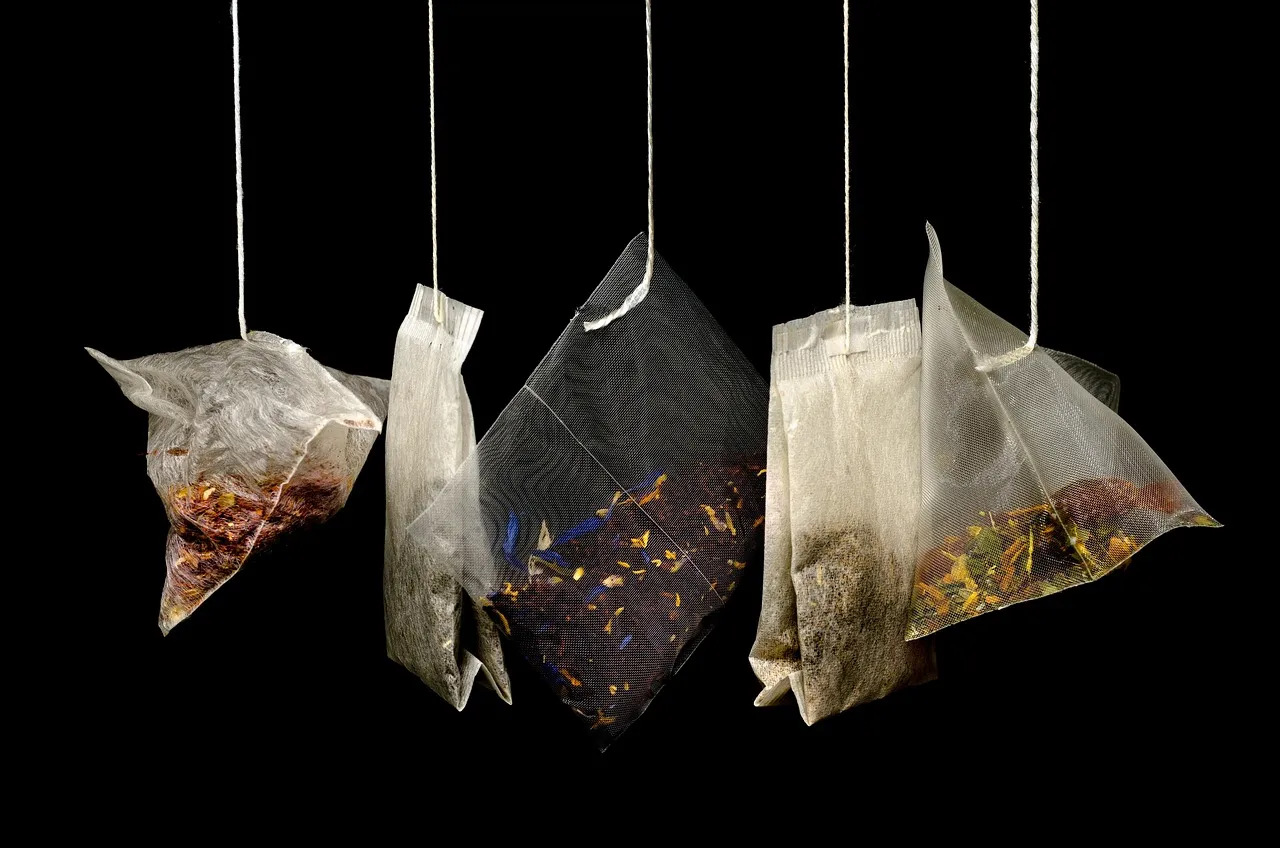
Tea bags can help improve the moisture retention of the soil. The tea leaves and paper in the tea bags can act as a mulch, which can help retain moisture in the soil. In a pot, where the soil volume is limited and drying happens fast, this effect is more pronounced than in a garden bed.
If your soil has a gritty, sandy feel, tea bags are especially helpful. Sand drains quickly; water sinks past the root zone before it can be fully used. Organic fibres from tea help bridge the gaps between sand grains, providing pockets where moisture can collect. Even a single bag tucked beneath the potting mix can make a measurable difference over the course of a dry week.
How Tannins Offer a Degree of Fungal and Pest Protection
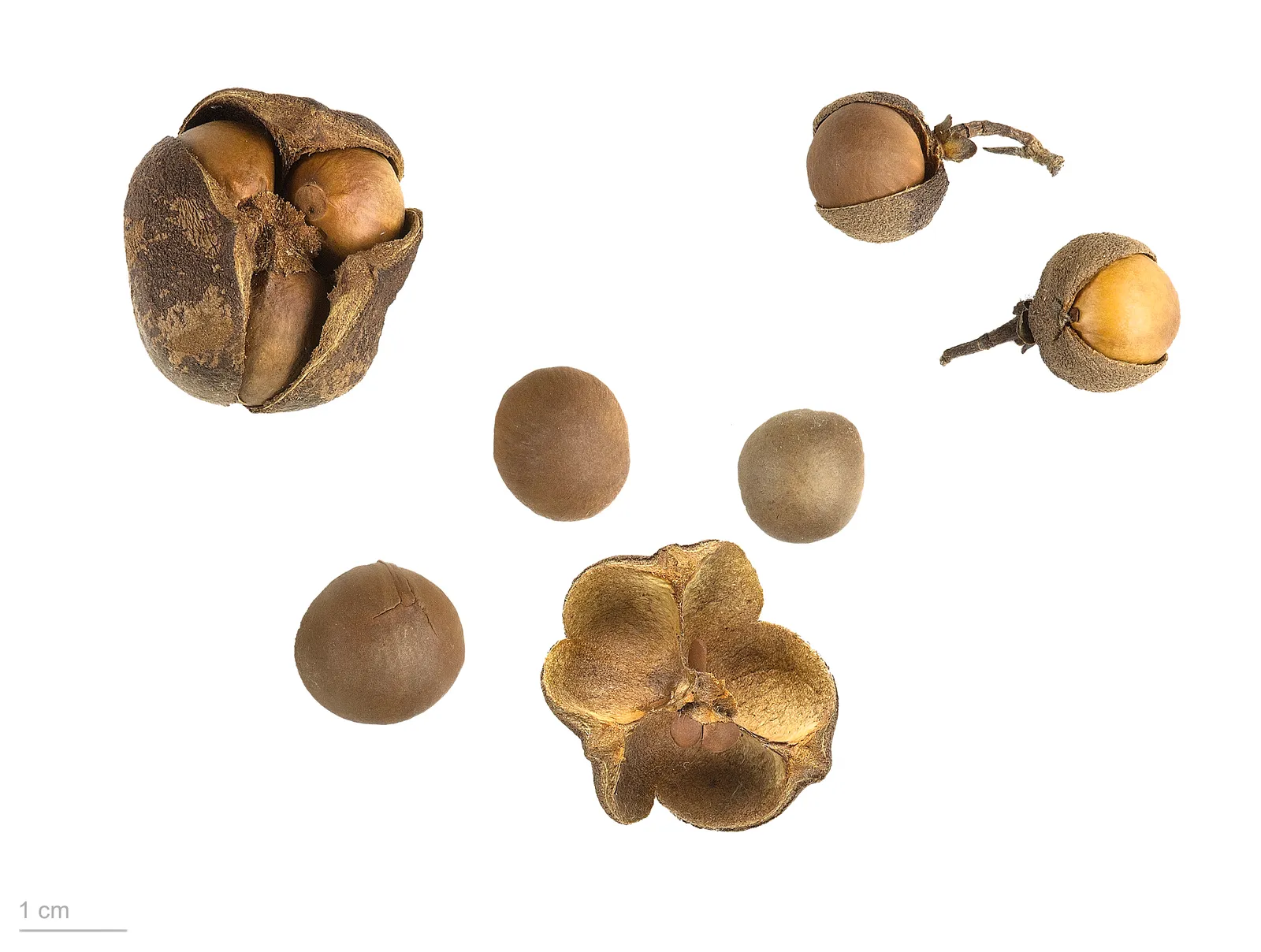
Tannins have been reported as antibacterial, antifungal, and antiviral compounds by preventing enzymatic activities. They exert antifungal action through multiple pathways, inhibiting fungal growth by disrupting fungal physiology. Tea leaves are naturally high in tannins, which is precisely what gives brewed tea its characteristic bite.
In terms of plant protection, tannins are useful as a pesticide, herbicide for weeds, antibacterial, antifungal, and even antiviral agent. By binding action, they can inhibit proteins and enzymes, destroy them, manipulate cell walls, or inhibit the absorption of key compounds needed for pest growth. The concentrations involved in a single used bag are modest, but as a passive, cost-free layer of protection, it’s a reasonable bonus.
Earthworms Love What Tea Bags Leave Behind
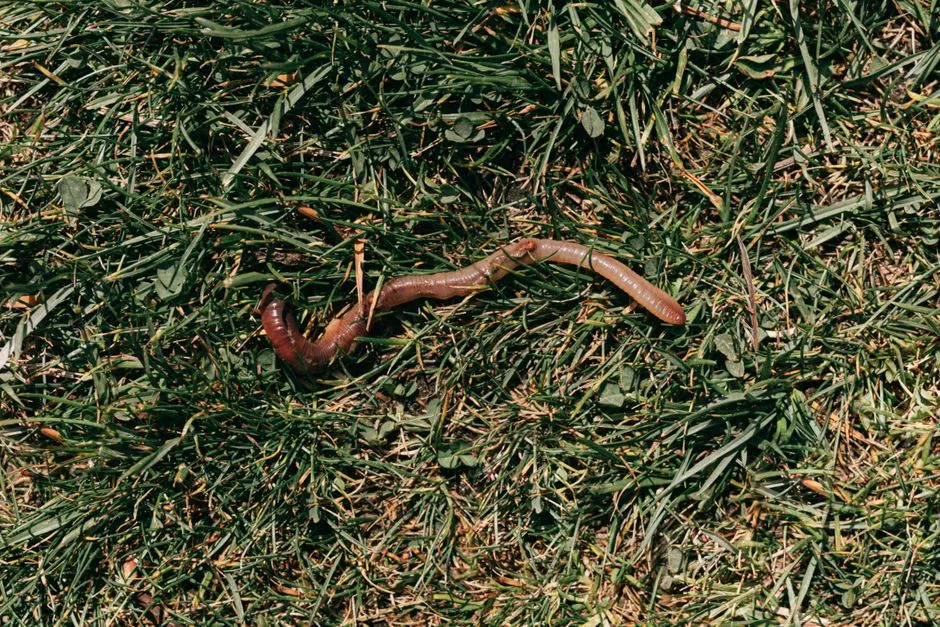
Tea bags can repel pests and fungal diseases while providing nutrition. They also increase nitrogen levels, thereby improving soil structure and, in turn, giving earthworms something wholesome to eat. For outdoor pots or raised beds, this earthworm activity is a genuine win.
As tea bags decompose, they can also increase the soil’s oxygenation, which is beneficial for the growth of plants. The decomposition process can also attract earthworms, which can help improve the soil’s drainage. Better drainage in a pot directly reduces the risk of root rot, one of the most common ways houseplants fail.
Which Plants Actually Benefit the Most
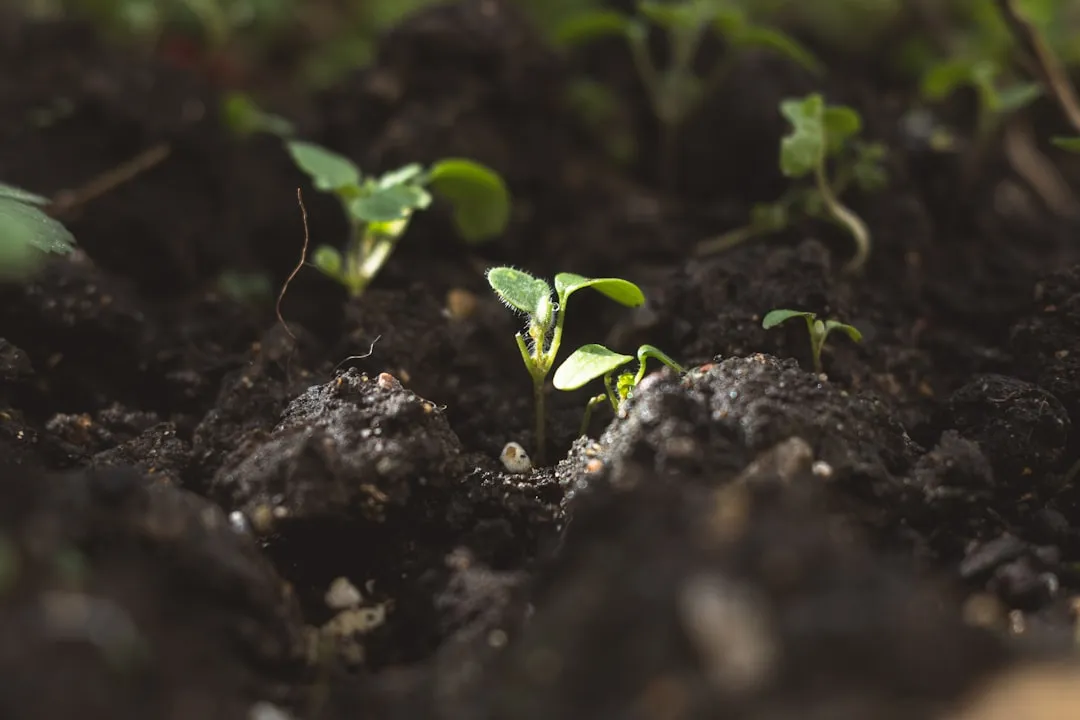
Tea suits plants that already prefer slightly acidic ground. Roses, azaleas, ferns, blueberries, and many houseplants respond well. Plants that like alkaline or neutral soil, such as lavender and most vegetables, get little benefit and can be set back if you overdo it, so go light and watch how they react.
Acid-loving plants and those that thrive in nitrogen-rich soil will appreciate tea leaves in their growing environment. These include roses, which flourish with the tannins and nitrogen found in tea leaves, promoting deep green foliage and more abundant blooms. Ferns and peace lilies are other strong candidates, since they thrive in consistently moist, well-structured soil.
The Plastic Problem You Can’t Ignore
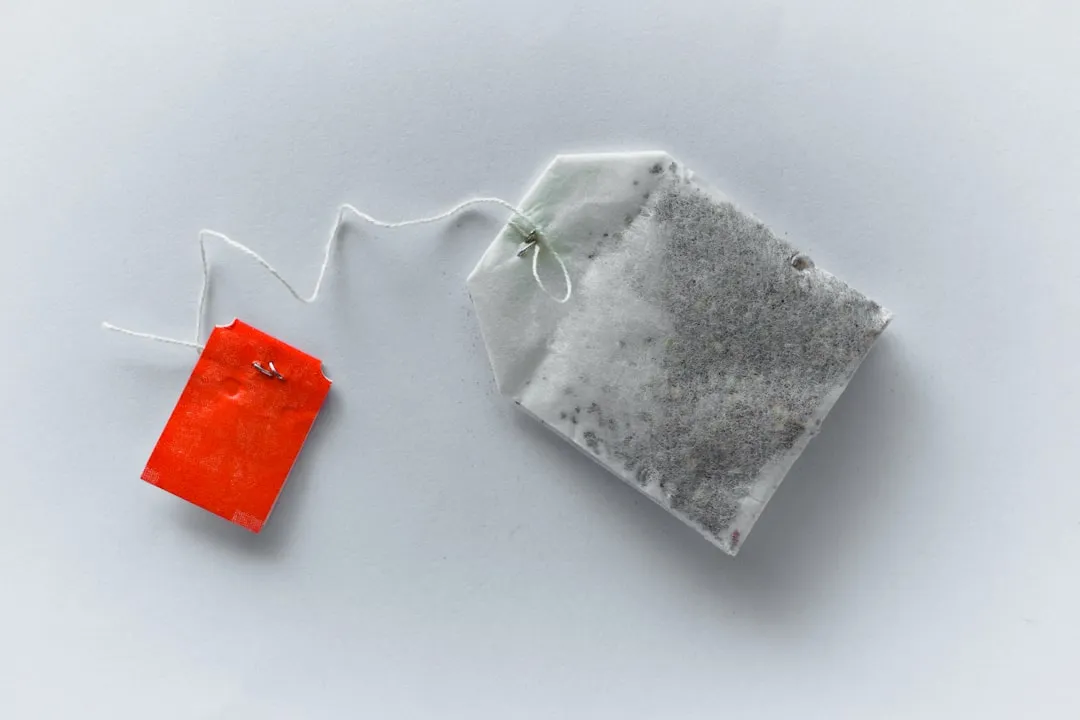
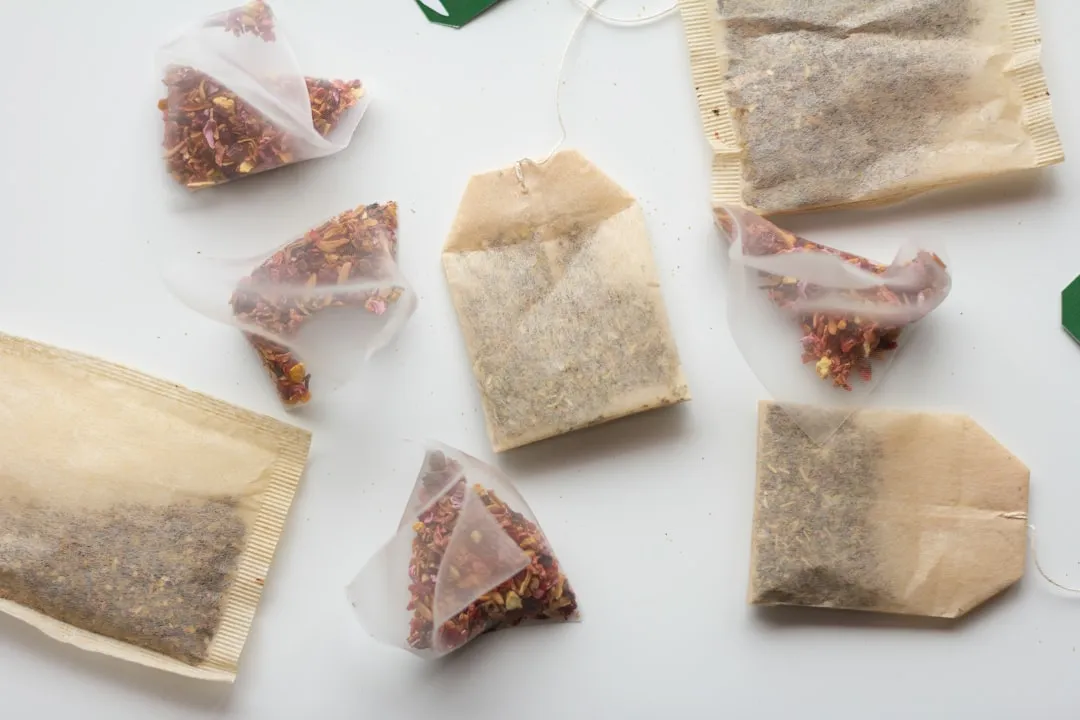
This is where the gardening advice gets a necessary reality check. Not all tea bags are created equal, and the material matters enormously. A study investigated the degradation of tea bags from eight different brands, five petroleum-based and three plant-based, tested under real environmental soil conditions over a 12-month period.
Petroleum-based tea bags produced the highest numbers of plastic fragments over time, and fragmented tea bags were still found after 12 months. Plant-based tea bags made of cellulose only or a blend of cellulose and PLA were absent from soil samples after just 3.5 months, including no fragments. The practical takeaway: always check what your bag is made from before burying it in a pot.
If your tea bags are made from a naturally biodegradable material such as paper, cotton, or other plant fibers, it’s fine to put them directly in the soil. Some tea brands with non-toxic bags include Traditional Medicinals, Pukka, and Numi Organic Tea. When in doubt, cut the bag open and just use the leaves.
How to Do It Right: Practical Placement Tips
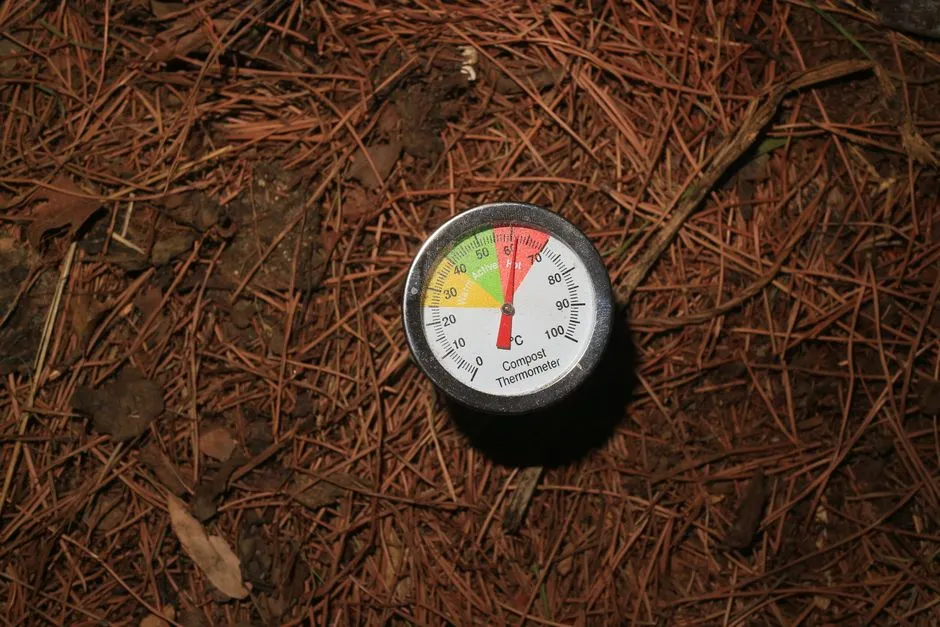
It’s best to open the bags and mix the tea leaves lightly into the top layer of potting mix, or bury the entire bag shallowly. Avoid piling too many in a small pot, as excessive organic matter can lead to soggy soil or mould. A few tea bags per month per medium-sized pot is usually enough to subtly improve moisture retention.
Indoors, don’t pile damp bags on top of potting soil. Leaves left sitting on the surface can grow surface mold and attract fungus gnats, which is the opposite of what you want on a windowsill. Work the leaves under the soil instead, or send them to the compost. The bottom of the pot, tucked beneath the drainage layer, is the sweet spot.
Managing Expectations: This Is a Supplement, Not a Miracle
A single used tea bag won’t transform a flower bed, and the popular claim that tea dramatically acidifies soil is overstated. Brewed leaves are only mildly acidic and trend close to neutral once they’ve been steeped. The effect is gradual and cumulative, not instant.
The real value shows up over time and in volume, which is why composting tea bags works better than scattering one here and there. Think of used tea bags as a consistent, low-effort supplement to good potting practice, not a replacement for proper watering, quality soil, or appropriate fertilization.
The Sustainability Angle Worth Mentioning
In a world increasingly concerned with sustainability, using tea grounds in the garden is not only beneficial for the plants but also supports eco-friendly practices. Millions of tons of tea bags and grounds end up in landfills each year. By opting to use tea grounds in your gardening efforts, you’re not only enriching your garden soil but also significantly reducing waste.
Most tea bags are safe for composting or gardening, but ensure the bags are a biodegradable material and free from plastic fibers to avoid environmental harm. When the bag is genuinely compostable, the act of burying it in a flower pot closes a small but real loop between kitchen waste and plant health.
The Takeaway
The habit of placing used tea bags at the bottom of flower pots isn’t pure gardening mythology. The moisture retention, the slow-release nutrients, the mild tannin protection, and the earthworm attraction are all grounded in real, observable plant science. The key conditions are simple: use biodegradable bags, keep the quantity modest, and match the practice to plants that appreciate slightly acidic soil.
It won’t replace a proper feeding schedule or transform a struggling plant overnight. What it will do is quietly improve the growing environment over time, which is often exactly what a potted plant needs most. Sometimes the best gardening tips are the ones that cost nothing and come from your morning cup of tea.
AI Disclaimer: This article was created with the assistance of AI tools and reviewed by a human editor.