
The Kitchen Is Often the Worst Room for Flowers
The kitchen feels like a natural place for a vase of flowers. It’s a gathering spot, and a bouquet on the counter looks cheerful and welcoming. The problem is that the kitchen typically combines nearly every condition that shortens flower life: warmth from the stove, ripening fruit, and constantly fluctuating temperatures.
Ripening fruit, especially apples, bananas, and pears, releases ethylene gas, which speeds up the aging process in cut flowers. A bouquet placed beside a fruit bowl will wilt noticeably faster than one across the room. Most people have no idea this is happening, because the gas is completely invisible and odorless.
Fresh flowers wilt quickly when bacteria, air, or crushed tissue block the stem’s internal water channels. Once water delivery slows, petals lose pressure, heads bend, and blooms fade even though the vase appears full. The warm, busy kitchen accelerates every one of these processes at once.
Ethylene: The Invisible Aging Gas
Ethylene (C₂H₄) is a gaseous plant hormone involved in regulating a wide range of biological processes in plants, including fruit ripening, leaf abscission, and flower senescence. It’s a natural part of plant biology, but in high concentrations around cut flowers, it becomes destructive.
Studies have shown that ethylene levels as low as 0.1 parts per million can significantly affect sensitive flowers. Not all flowers are sensitive to ethylene, but some of the staples in the industry, like roses, carnations, and lilies, are very prone to wilting and petal drop if even a little ethylene is in their immediate environment.
As cut flowers age, damaged or dying stems produce increased amounts of ethylene gas. Not only does the ethylene produced by one decaying stem affect its own lifespan, but it can trigger nearby flowers to produce more ethylene, creating a cascade effect. Exhaust fumes, industrial smoke, tobacco smoke, and ripening fruit are some of the sources that pollute the atmosphere with ethylene.
How Heat Turns a Room Against Your Flowers
Temperature directly influences how long flowers last after cutting. Warm environments increase the rate at which flowers use stored energy and moisture. A room that feels comfortable to us can be quietly draining a bouquet of everything it needs to stay alive.
Higher temperatures increase the rate of transpiration, the process by which plants lose water vapor through their leaves and petals. This exacerbates water stress, especially in cut flowers that are already severed from their root system. The increased water loss contributes to cellular dehydration, leading to drooping, wilting, and ultimately, petal abscission.
Heat accelerates water loss and drains energy from your flowers, causing them to wilt faster. Cool temperatures, on the other hand, slow down respiration and help extend vase life. Maintaining cool storage and display conditions, typically between 4 and 8 degrees Celsius, significantly extends vase life by mitigating the effects of increased respiration, transpiration, ethylene production, and microbial growth.
Air Vents, Drafts, and the Dehydration Problem
Sudden temperature changes and air movement can induce wilting through cold shock or drying drafts. Placing a flower near an air conditioning vent or a drafty window can cause rapid, localized dehydration of the tissues. This is one of the most overlooked causes of fast wilting because the room may otherwise seem perfectly cool.
Where flowers are displayed significantly impacts their lifespan, yet many people position arrangements based solely on decorative considerations rather than flower needs. Common locations that accelerate flower deterioration include direct sunlight, heat sources near registers or radiators, and draft exposure from air conditioning or heating vents that cause uneven moisture loss.
Warm indoor temperatures are a major reason flowers wilt overnight. Heat from heaters, vents, fireplaces, or direct sunlight causes flowers to lose moisture rapidly. Flowers thrive best in cool, stable environments. Sudden temperature changes or constant warm air can stress them significantly.
Direct Sunlight Is Not Your Flower’s Friend

A sunny windowsill looks like a beautiful spot for flowers. In practice, it’s one of the fastest ways to shorten their life. Placing arrangements in direct sunlight or near heat sources such as ovens, heaters, electronics, or radiators raises the surrounding temperature and causes blooms to wilt faster.
Excessive heat and direct light cause the plant’s transpiration rate to spike dramatically, leading to faster evaporation from the leaf surface through the stomata. For a cut flower with no root system to replenish what it loses, that’s a rapid death sentence.
Cut flowers are technically dying from the moment they are harvested. Putting them in a hot, sunny window accelerates moisture loss and causes severe wilting. Bright, indirect light is enough for display. The flowers don’t need photosynthesis the way a houseplant does.
Bacteria in Vase Water: A Quiet, Deadly Blockade
Even when your vase looks clean and the water appears clear, bacteria can already be at work destroying your bouquet from the inside. Even the cleanest-looking vase water can quickly become a breeding ground for bacteria. As leaves, petals, and stems decay, they release organic matter that clouds the water and feeds microorganisms. These bacteria form sticky residues on the vase walls and block the vascular bundles inside flower stems, the channels that carry water. Once blocked, flowers can no longer hydrate properly, resulting in drooping petals and shortened vase life.
A clear vase does not equal clean water. Microbial buildup often begins long before cloudiness appears. Bacteria grow rapidly in vase water, especially when leaves are submerged or the vase wasn’t cleaned properly. Those bacteria clog the tiny channels inside the stem, blocking water flow even when the vase is full.
Warm, stagnant water encourages bacterial growth and speeds wilting. Warmer rooms make this problem significantly worse, because higher temperatures accelerate bacterial multiplication in the water itself.
Why Postharvest Losses Are Surprisingly High
The wilting you see at home is part of a broader pattern that begins well before flowers reach your vase. Nearly 20 to 30 percent of cut flowers are lost in postharvest stages. Ethylene is one of the significant factors affecting floriculture products. Other factors include temperature, light, nutrition, irrigation, water quality, pests, diseases, and flower maturity.
Ethylene disperses quickly in the air and can harm neighboring plants. Moreover, it is autocatalytic and triggers more ethylene production in flowers and fruits. Ethylene is active and can influence plants in small quantities of just 1 part per billion. That’s an almost undetectably small amount.
The science matters here because it confirms that the problem isn’t always the flowers themselves. Households that routinely order fresh flowers online often notice longer vase life because professionally conditioned stems arrive less stressed and respond better to correct placement at home. Room placement still makes a significant difference after that point.
What Science Now Tells Us About Why Flowers Wilt at All
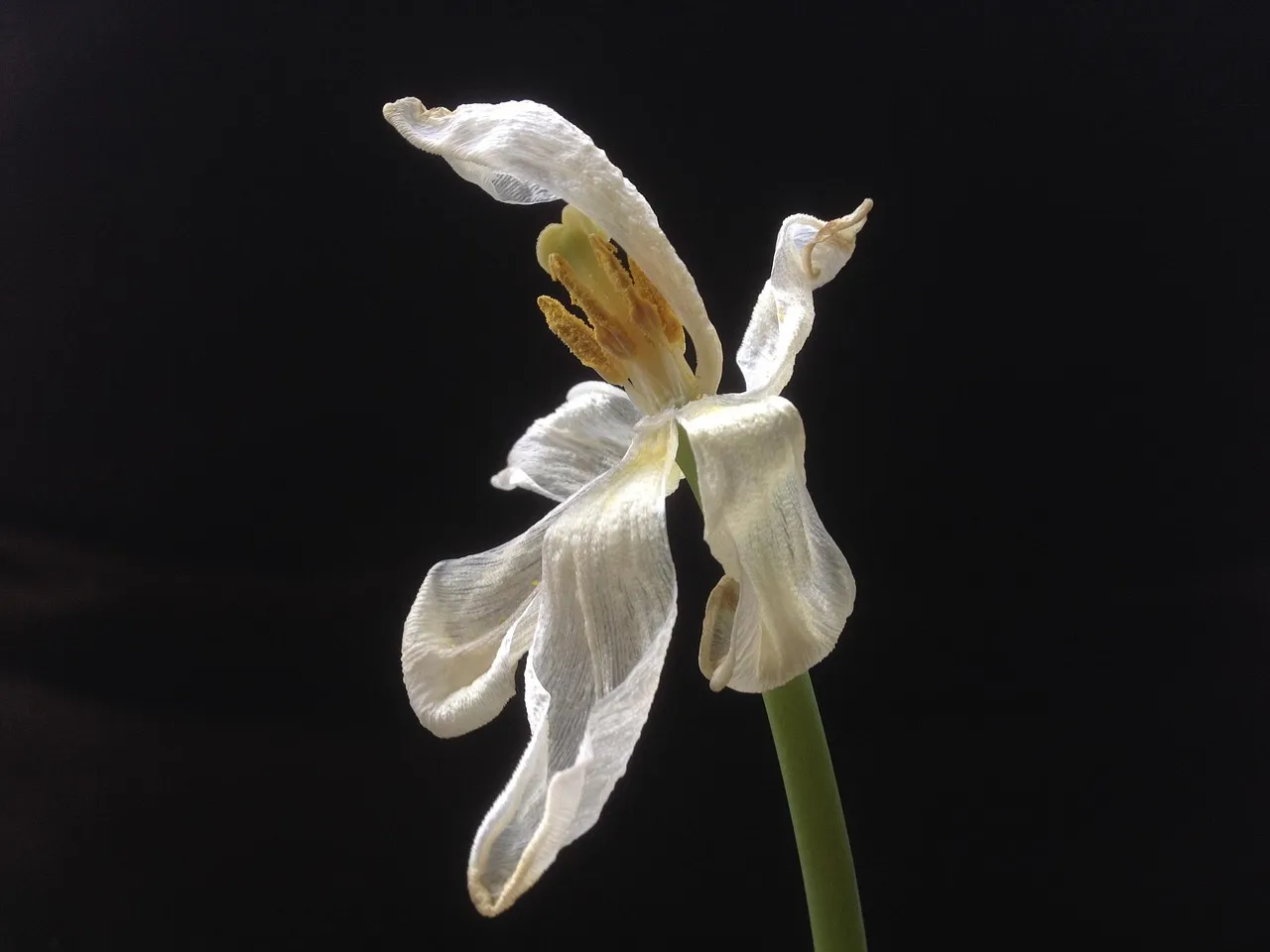
A fascinating study published in the journal Plant Biology in late 2024 reframed how researchers think about wilting. Researchers verified, for the first time, that plants may benefit from salvaging resources from wilting flowers and reusing these resources for subsequent reproduction. Plants reuse these resources to promote reproduction during subsequent flowering, and not during current flowering by either the same flowers or other flowers on the same plant.
These plants salvage resources invested in reproduction during one flowering season and reuse these resources during the next flowering. Blandfordia grandiflora transfers resources from its wilting flowers, storing this chemical energy underground in corms and roots to then help produce new flowering stems in the subsequent season. It’s a deliberate biological strategy, not simply a failure.
Results from this research showed plants with wilting flowers were more likely to reflower the next season than those where wilting was prevented. For cut flowers in a vase, this biological drive toward senescence is still running, even without soil or roots. The room environment either speeds that process up or slows it down.
Stem Blockage: What Happens at the Cut End
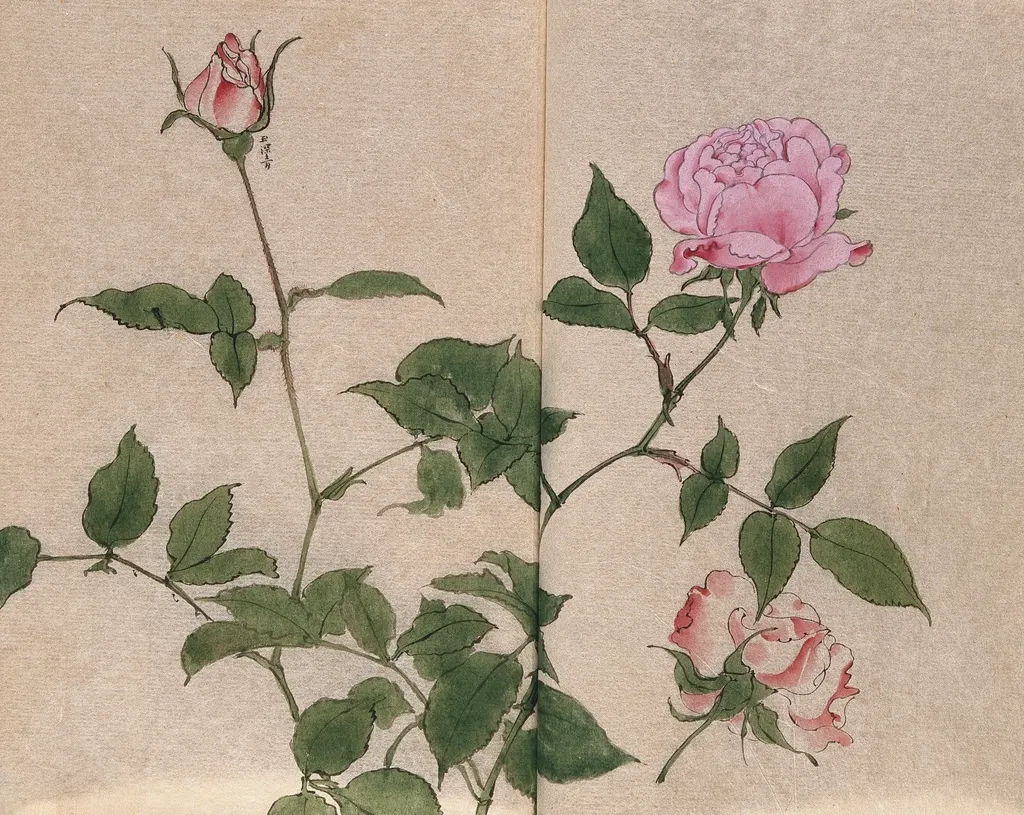
When a stem sits out of water for more than 30 minutes, the cut end starts to seal over. That seal, plus any air bubbles that form inside, blocks water from travelling up the stem. This is why florists always recut stems before placing them in a vase, and why a fresh trim is usually the first revival step.
When a stem is cut in the air, an air bubble known as an air embolism is immediately drawn into the xylem vessels, halting the upward movement of water. This physical obstruction prevents hydration, causing the flower to wilt prematurely. To prevent this, stems should be re-cut underwater, allowing water to be drawn into the xylem immediately.
Flat or crushed cuts reduce the surface area available for water uptake and can seal against the vase bottom. Dull scissors collapse vascular tissue, creating an invisible choke point at the stem base. In a warm room, where the flower is already losing moisture faster, a blocked stem becomes critical within hours.
Not All Flowers Are Equally Vulnerable
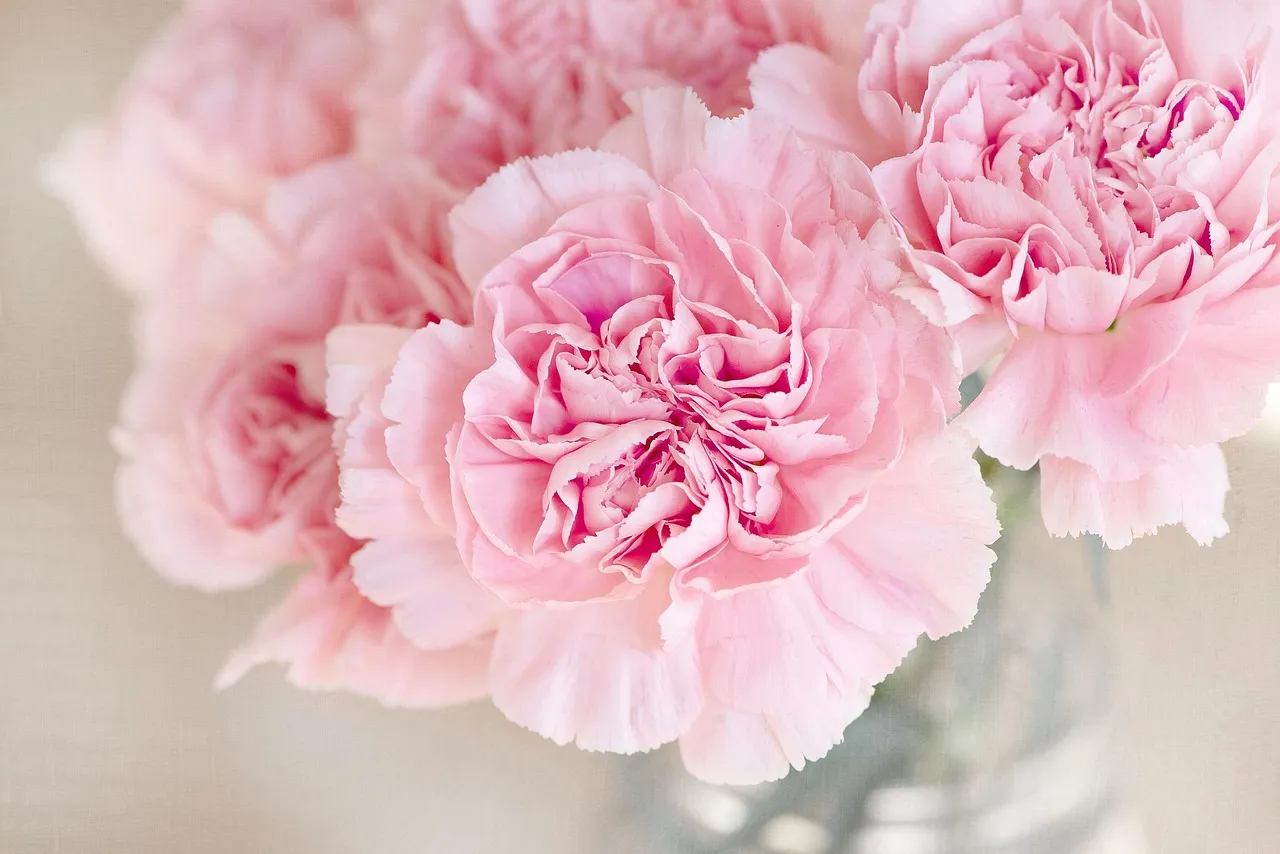
The variety of flower matters considerably when it comes to room sensitivity. Certain flowers like carnations or lilies are stronger and stay longer, while others like tulips or peonies are weaker and can wilt fast. Knowing which flowers you have helps predict which rooms they can tolerate.
Some flowers like tulips are especially sensitive to ethylene gas. Other flowers like lilies have some ethylene-resistant qualities. This is one of the reasons why lilies are considered a non-wilting flower. Flowers particularly sensitive to ethylene include snapdragons, stock, campanula, lilac, viburnum, and foxglove.
Some crops are relatively insensitive to ethylene while others are very sensitive. For example, Poinsettia shows little change after a 24-hour 1 ppm ethylene exposure, yet Cuphea hyssopifolia abscises all flowers after a 24-hour 0.01 ppm exposure. That’s a staggering difference in sensitivity from one variety to the next.
The Takeaway
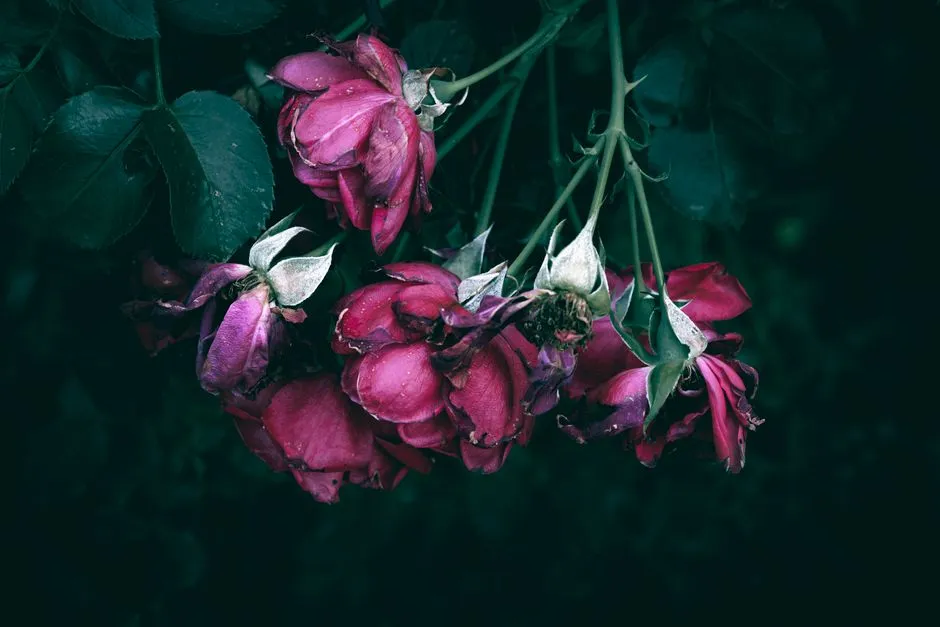
The room you choose for flowers isn’t just a décor decision. It’s a decision about how long those flowers will actually last. The kitchen counter near the fruit bowl, the sunny windowsill, the table beside the heating vent – each of these spots stacks multiple wilting factors on top of each other.
A cooler room with indirect light, away from ripening produce and air drafts, is not a complicated ask. Keeping a bouquet away from direct sun, heating vents, drafts, and ripening fruit extends its life considerably. If your home runs warm, popping the arrangement in the fridge overnight can add days to its life.
Flowers are already on a biological countdown the moment they’re cut. The room environment doesn’t start that countdown, but it absolutely controls the speed. Small changes in placement, based on what the science shows, can easily double the time your flowers stay beautiful.
AI Disclaimer: This article was created with the assistance of AI tools and reviewed by a human editor.