
A Staggering Amount of Eggshell Waste Goes to Landfills
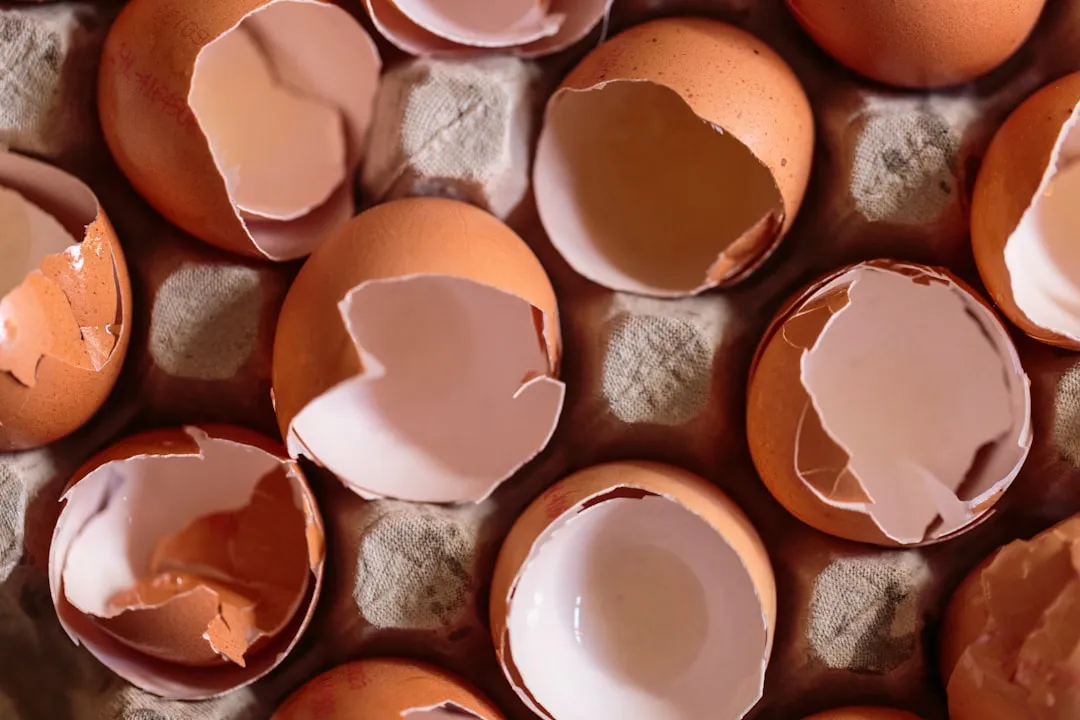
Global egg production for the year 2018 was 78 million metric tons, contributing approximately 8.58 million metric tons of eggshells, which are being discarded mostly as waste. That number has only grown since then. Eggshell waste has been ranked as the 15th major food industry pollution problem by the Environmental Protection Agency.
In typical landfill environments, eggshells can persist for hundreds of years without significant degradation. That means a shell you throw out today could still be intact when your grandchildren are adults. Many landfill owners avoid eggshells because the protein-rich membranous part attracts rats and other vermin.
The Real Chemistry Behind the Shell
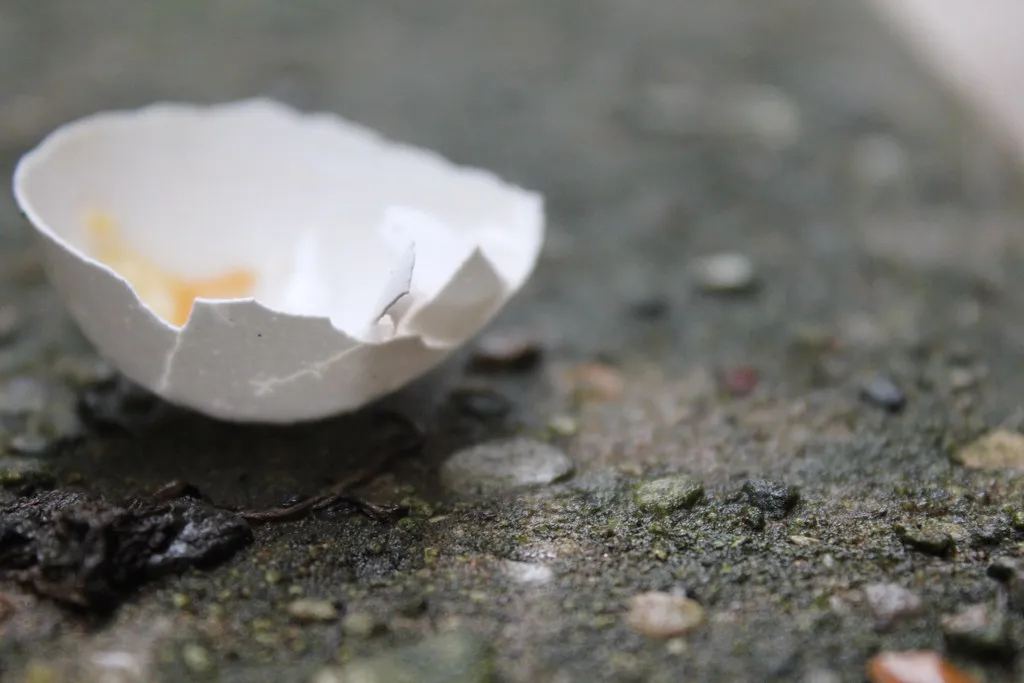
Eggshells are primarily calcium carbonate, at about 95 percent by dry weight, and they also contain a small organic protein matrix and trace minerals like phosphorus and magnesium. This layered structure is the reason they behave so differently depending on where they end up. In a landfill, that calcium carbonate sits largely inert.
In soil or compost, microorganisms initiate the decomposition process by breaking down the organic protein matrix within the eggshell. As the organic components are degraded, the calcium carbonate is slowly exposed and then dissolves. This natural process integrates the calcium and other minerals into the surrounding environment, enriching the soil over time.
Why Size Matters More Than You Think
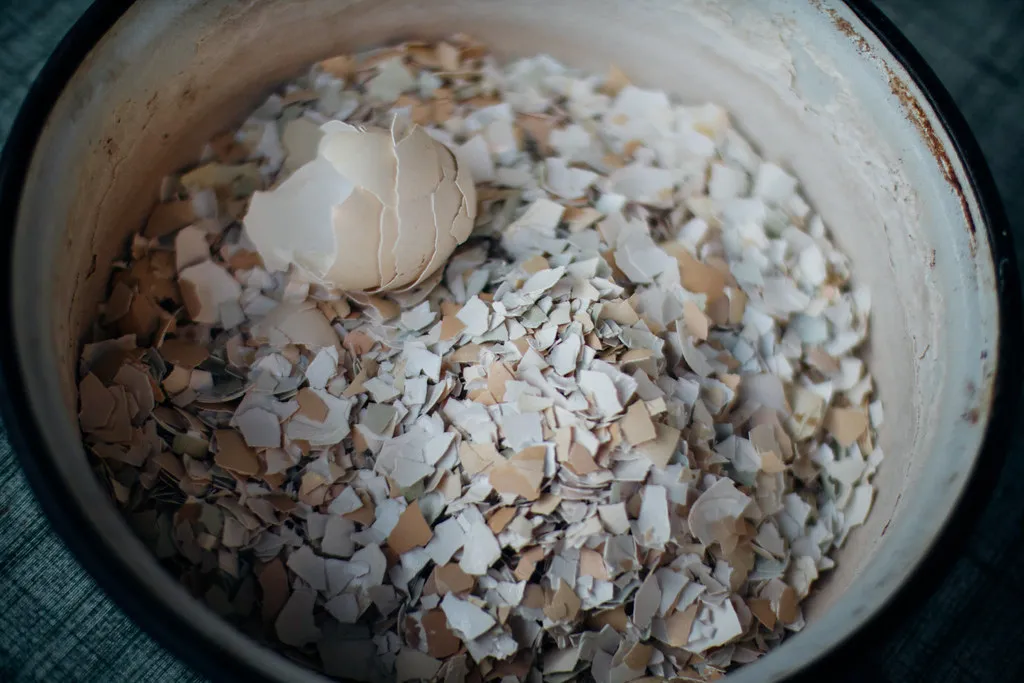
Whole or large fragments of eggshells placed in garden soil or a compost pile can take several years to break down, with some studies showing them largely intact even after five years. That is the central frustration many gardeners run into. They add shells expecting quick results and find brittle white pieces still sitting there a season later.
For the quickest decomposition, eggshells should be finely ground into a powder. In this powdered form, they can decompose within a few months, often around three months, especially when incorporated into an active compost system. The difference in outcome between whole shells and powdered shells is dramatic. A coffee grinder or food processor handles the job in seconds.
Calcium’s Role in Healthy Plants
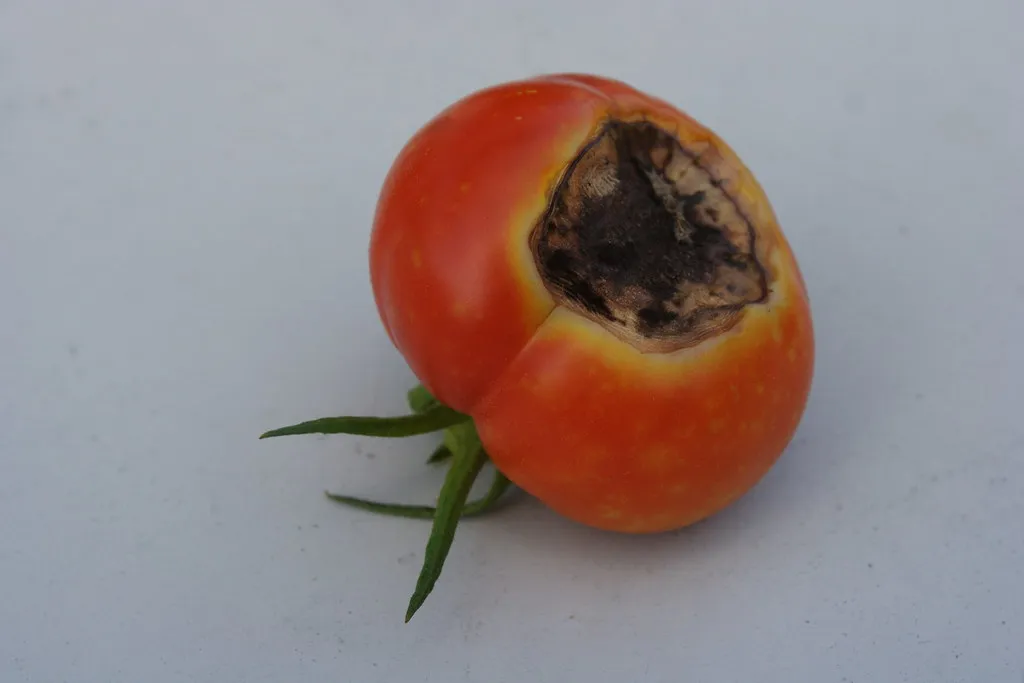
Calcium is vital for plant cell wall development, preventing common issues like blossom end rot in fruiting plants, and can improve soil structure over time. Most gardeners know calcium matters for tomatoes. Fewer realize it matters just as broadly across the garden.
Adequate calcium supply helps prevent physiological disorders such as blossom end rot in tomatoes, peppers, and melons, and tip burn in leafy greens. Beyond calcium, eggshells contain trace amounts of other minerals, including phosphorus, potassium, magnesium, and various micronutrients. That trace mineral profile is something most synthetic fertilizers skip entirely.
The Truth About Blossom End Rot
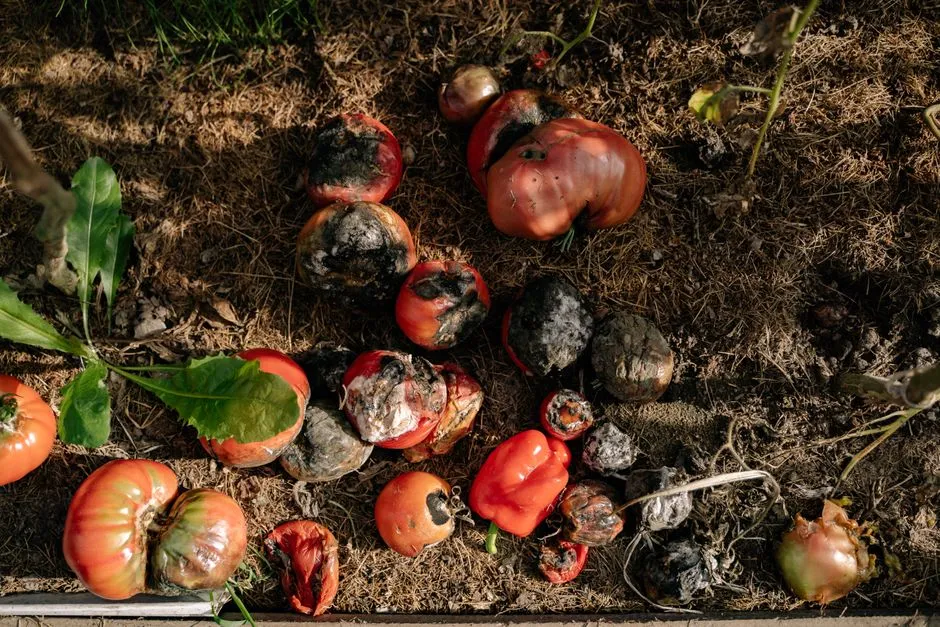
Here is where the science asks gardeners to pump the brakes slightly. Blossom end rot is a calcium deficiency, but that deficiency is normally caused by uneven water availability to the plant. In other words, even if your soil has plenty of calcium, the plant cannot take it up if there is not enough moisture in the soil.
Even if you did need the calcium in your soil, eggshells generally decompose too slowly to be effective. However, the smaller the pieces are, the faster they will decompose. The takeaway here is not that eggshells are useless, but that they are a long-term soil investment rather than a quick fix. Crush them finely and add them to your compost pile, where they will break down over time and contribute to long-term soil health.
How Eggshells Shift Soil pH
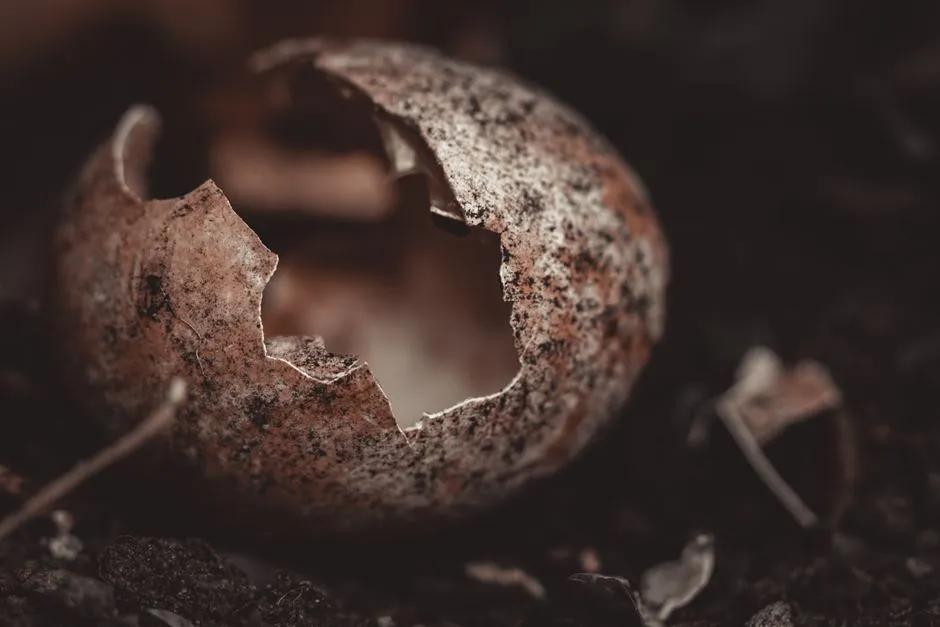
Eggshells raise soil pH in the same way commercial lime does, just more slowly. In a 2024 study testing ground eggshells in acidic soils, pH increased significantly within the first seven days of application. The change was most rapid in the first two weeks, then stabilized around day 30.
After 120 days, soils treated with eggshells showed a pH increase of more than 1.4 units, a relative jump of nearly 30 percent. There was no significant difference between eggshells and agricultural lime at the same application rates. That is a meaningful result. For gardeners dealing with acidic soil, finely ground eggshells in compost are a genuinely comparable option to commercial liming products.
Eggshells Improve Compost Structure, Not Just Chemistry
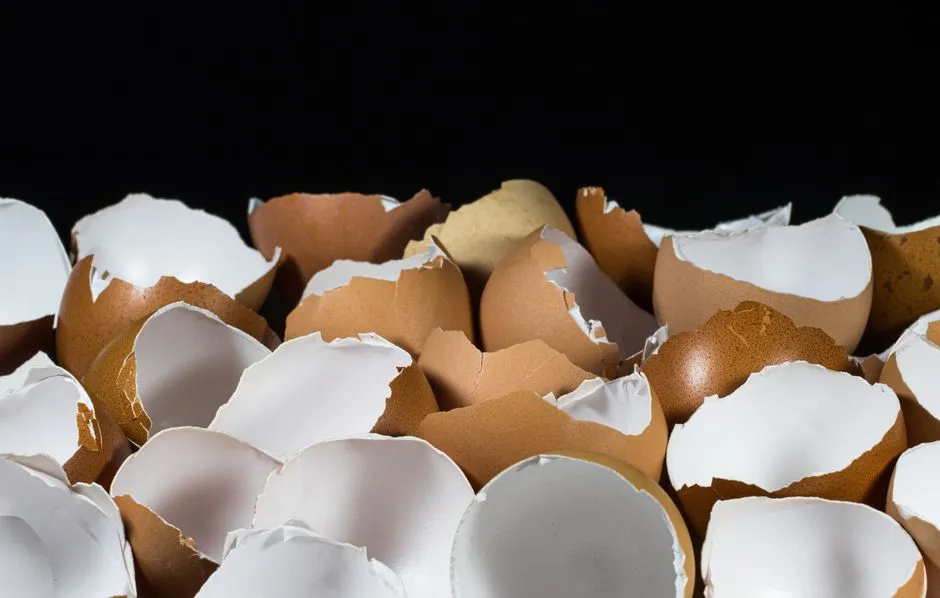
The nutrient side of the story gets most of the attention, but the structural benefit is just as real. Eggshells improve compost structure because their fibrous texture increases aeration, decreases bulk density, and boosts water-holding capacity. They also raise the calcium content of the finished compost, which benefits every plant in your garden when you spread it.
Adding eggshells to compost can enhance microbial activity, aiding in the breakdown of organic matter and speeding up the composting process. A published study in ScienceDirect found that eggshell waste addition accelerated green waste decomposition and enhanced the degradation and humification of that organic material. That kind of research-backed synergy is worth paying attention to.
The Bigger Picture: Food Waste and Landfill Pressure
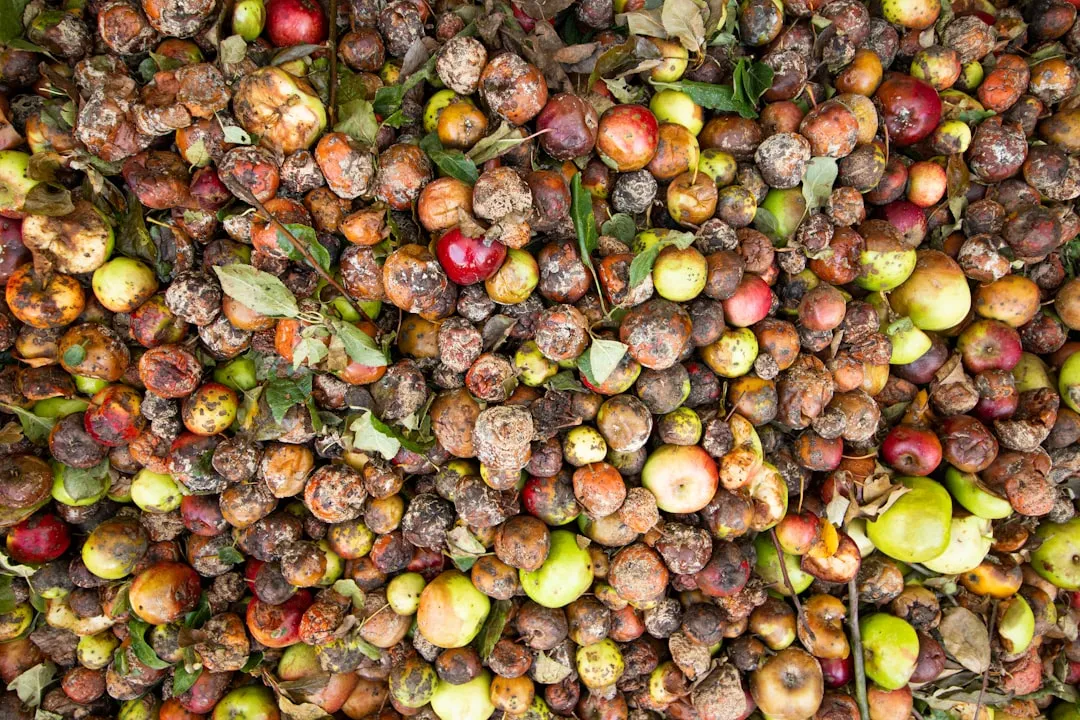
In 2019, 66.2 million tons of wasted food were generated in the food retail, food service, and residential sectors in the United States. Only 5 percent of that wasted food was composted. Eggshells are part of that overlooked stream. They are not glamorous, but they represent a real diversion opportunity that most households are simply missing.
Food waste takes much longer to break down in landfills than it does in compost piles, as landfills are sealed off, anaerobic environments. In this case, anaerobic decomposition is stinky and inefficient compared to aerobic decomposition, the type that takes place in a well-maintained compost pile where aerobic microbes thrive because of the presence of oxygen. The comparison is striking when laid out plainly like that.
Practical Steps for Getting the Most Out of Eggshells in Compost
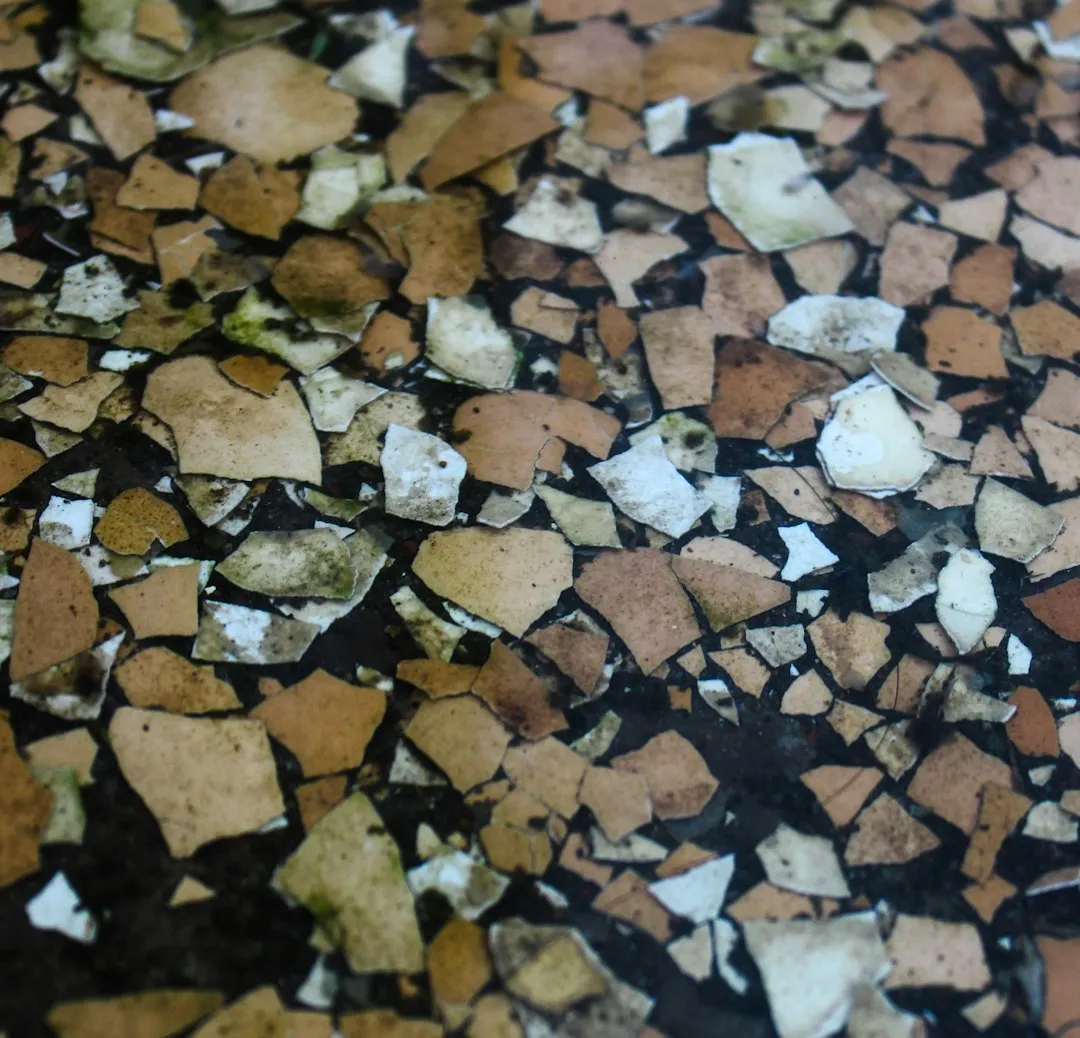
For faster decomposition, grind eggshells into a fine powder. This is also a great way to save storage space. Avoid adding large pieces of eggshell to your compost, as they may take longer to break down. Rinsing the shells briefly before drying them also cuts down on any residual odor during storage.
Composting eggshells integrates their calcium more effectively into the soil ecosystem. Composting neutralizes potential pathogens, reduces odor, and breaks down the shells into a more bioavailable form over time. That process takes patience, but it turns something nearly everyone discards into a quietly valuable garden input.
What Plants Actually Benefit Most
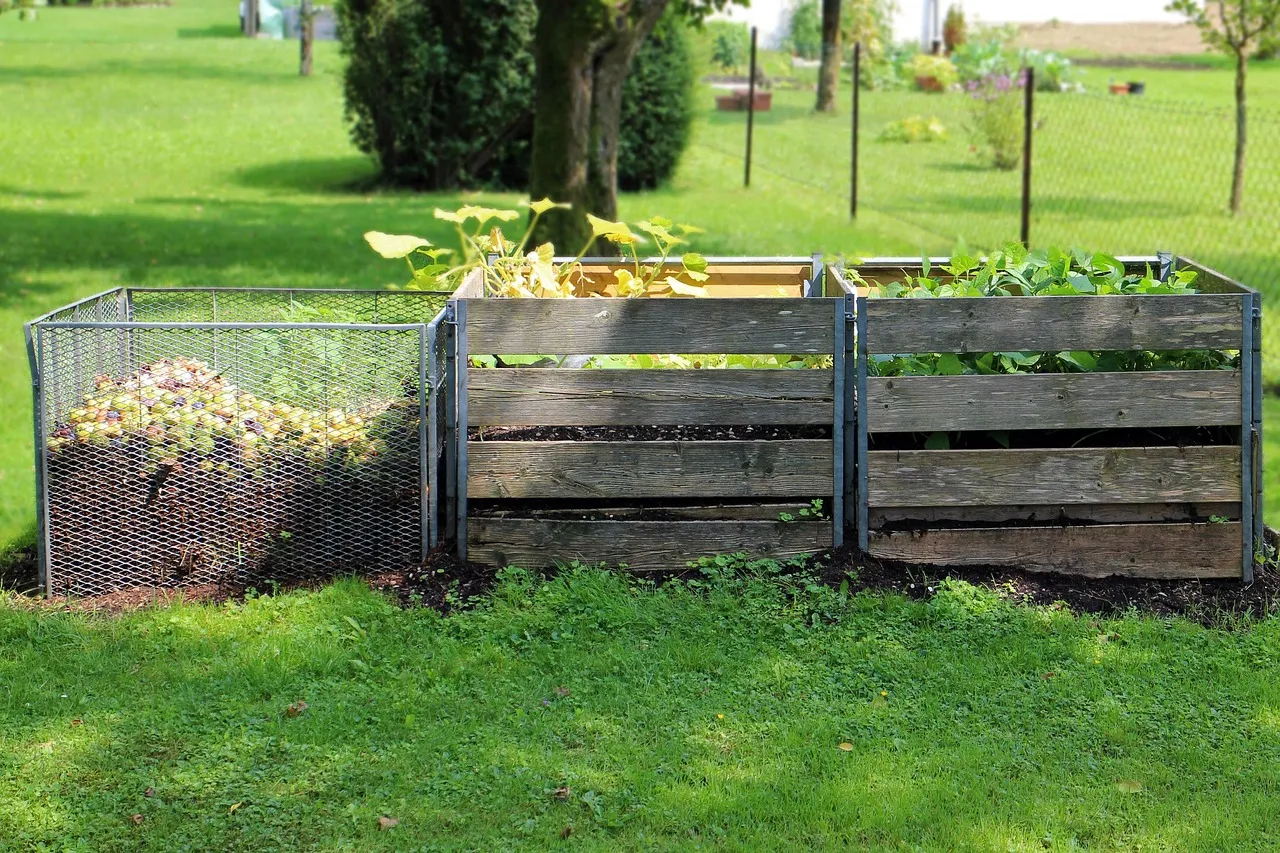
Vegetables like tomatoes, peppers, and squash are particularly fond of the calcium boost provided by eggshells. Similarly, flowering plants like roses and snapdragons flourish when eggshell plant material is added to the soil. These are all plants that tend to struggle when calcium availability is low or when soil pH drifts too far toward acidity.
Adding eggshells contributes minimal nitrogen, phosphorus, or potassium, so they are best viewed as a specialized calcium amendment rather than a complete fertilizer. That nuance matters. Eggshells in compost are not a substitute for a balanced soil program, but they pull their weight as one reliable piece of it. Adding eggshells to the compost pile will benefit your plants, whether they are flowers, herbs, vegetables, or fruit.
The Takeaway
The case for composting eggshells is not about miracle results. It rests on something more durable: a simple, evidence-backed practice that diverts waste from an already-strained landfill system, returns real minerals to garden soil, and costs nothing beyond a few seconds of effort.
The science is clear that grinding matters, that patience is required, and that eggshells alone will not rescue a struggling tomato plant. Incorporating eggshells into your compost is an excellent way to divert waste from landfills and provide a sustainable, beneficial nutrient boost for your garden, leading to healthier, more robust plant growth. Sometimes the most useful things in a kitchen are the ones we have been throwing away all along.
AI Disclaimer: This article was created with the assistance of AI tools and reviewed by a human editor.