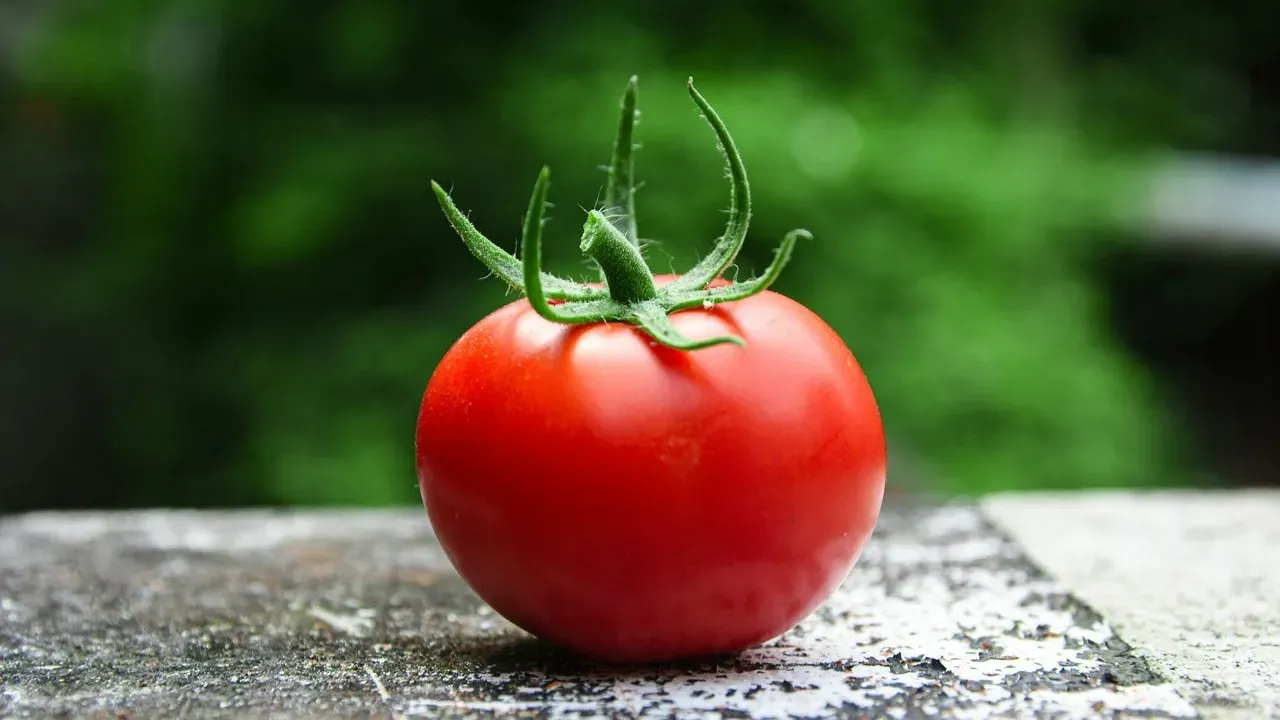

Tomatoes continue to rank among the most popular crops in home gardens, prized for their versatility and flavor. As commercial fertilizer prices fluctuate and interest in sustainable practices grows, many gardeners are exploring low-cost alternatives drawn from everyday household items. These natural options can supply essential nutrients while reducing reliance on packaged products. The approach appeals to those seeking both practical savings and environmentally considerate methods.
Why Homemade Fertilizers Matter for Tomato Growers
Tomato plants demand steady supplies of nitrogen, phosphorus, potassium, and calcium to produce abundant fruit and resist common disorders. Commercial blends deliver these elements reliably, yet they often come with recurring expenses and potential runoff concerns. Household-based alternatives provide a direct way to recycle kitchen waste into plant food. This shift supports gardeners who want measurable results without added complexity.
Many of these methods draw on materials that would otherwise be discarded. Over time, consistent use can improve soil structure and microbial activity around the root zone. The result is often stronger plants that set fruit more reliably through the season. Gardeners report noticeable differences in plant vigor when these inputs replace or supplement store-bought formulas.
Common Household Items That Supply Key Nutrients
Banana peels, coffee grounds, eggshells, and vegetable cooking water appear frequently in discussions of tomato care. Each contributes specific minerals that align with the crop’s needs at different growth stages. Application is usually straightforward, involving simple preparation steps before mixing into soil or watering cans. These ingredients remain accessible regardless of garden size or location.
Used coffee grounds add organic matter and mild acidity that many tomato varieties tolerate well. Crushed eggshells release calcium gradually, helping reduce blossom-end rot in susceptible plants. Banana peels break down to release potassium, supporting fruit development and overall resilience. Vegetable rinse water carries trace minerals that accumulate with repeated use.
Practical Ways to Incorporate These Materials
Gardeners typically begin by collecting scraps throughout the week rather than making large batches at once. Drying or chopping materials speeds decomposition once they reach the soil. Some prefer to steep items in water for several days to create a mild liquid feed that can be applied during regular watering. Others work the solids directly into planting holes or top-dress established beds.
Timing matters. Early-season applications focus on nitrogen-rich materials to encourage leafy growth. As flowering begins, emphasis shifts toward potassium and calcium sources. Dilution remains important with liquid versions to avoid root burn. Regular observation of leaf color and fruit set helps adjust the routine as needed.
Observed Outcomes and Limitations
Many home gardeners note improved fruit quality and fewer deficiency symptoms after adopting these practices. Soil that receives consistent organic inputs often retains moisture better and supports beneficial organisms. The low cost allows experimentation without financial risk. Results vary with soil type, climate, and the specific tomato cultivars grown.
These methods do not replace basic soil testing or attention to watering and sunlight. Over-application of any single ingredient can create imbalances, so moderation is advisable. Gardeners who combine homemade inputs with sound cultural practices generally see the most consistent benefits across multiple seasons.
What matters now is recognizing that effective tomato nutrition does not always require purchased products. Small, repeated additions of kitchen-derived materials can deliver meaningful support when integrated thoughtfully into an existing routine.
AI Disclaimer: This article was created with the assistance of AI tools and reviewed by a human editor.