
The Classic “Junk Drawer” Is the Main Offender
The junk drawer is something almost every household has and almost every professional organizer quietly dreads. While drawers might make your kitchen look organized from the outside, the sight that awaits inside is often a very different story. If you’re constantly battling drawers that don’t open smoothly or are crammed with miscellaneous stuff, you’re far from alone.
Professional organizer Di Ter Avest puts it plainly: “We’ve all got that weird gadget we used once five years ago, and now it just takes space. Holding on to rarely-used or ‘maybe one day’ items eats up valuable real estate. Be honest – if you haven’t used it in the last year, it’s time to donate or store it somewhere else.”
According to a 2025 survey, roughly two thirds of respondents listed organizing kitchen drawers as a top priority for the year. The desire to change is clearly there. The follow-through is the harder part.
Duplicate Tools: The Space Drain Nobody Talks About
Seemingly brilliant tools are only brilliant if you actually use them. Items that are typically classified as kitchen standards – things you only own because you think you’re supposed to – are simply taking up space.
Tools you use so often that you think you need a backup, or even a backup to the backup in case it’s dirty or misplaced, are a real problem. An overabundance of spares eats up valuable storage and becomes another thing to clean and maintain.
Professional organizer Dilly Carter made a pointed observation about this on television: “Let’s stop those utensil drawers from being a danger zone. Do you really need four peelers, 12 wooden spoons and three garlic presses?” Probably not. Most households don’t.
Medications and First Aid Supplies Don’t Belong There
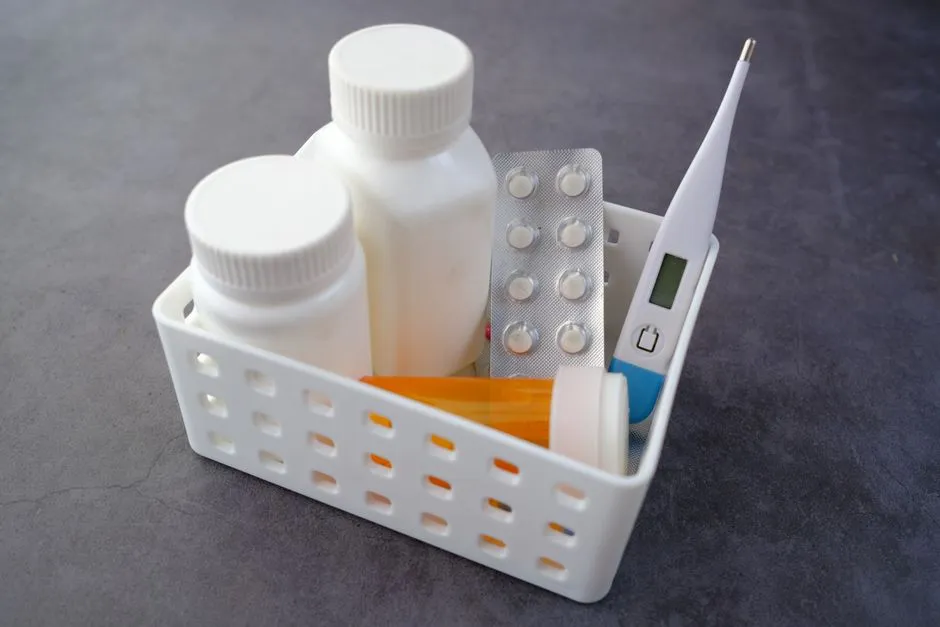
This is perhaps the most surprising one. Many households tuck pain relievers, cold medicine, or even prescription bottles into a kitchen drawer for “easy access.” Professional organizers consistently push back on this habit. Kitchen drawers are not stable storage environments – they’re subject to heat, humidity, and constant disruption from daily use.
Beyond the practical issue of medicine degrading faster in warm, humid environments, there’s also a safety concern. Medications buried among spatulas and rubber bands are difficult to track, harder to keep out of reach from children, and easy to forget about until they’re expired. A dedicated, cool, and ideally lockable location elsewhere in the home is the standard recommendation from organizing professionals.
Professional organizer Shantae Duckworth advises discarding duplicates, broken tools, or items that haven’t been used in ages. That logic extends just as readily to expired medications quietly sitting in the back of a drawer.
Old Instruction Manuals and Paper Documents

Paper is one of the most persistent kitchen drawer offenders. Instruction manuals for appliances purchased years ago, old takeout menus, expired coupons, and loose sticky notes tend to accumulate in layers, making the back of any drawer feel like a small archeological dig.
Before organizing drawers, professional organizer Dilly Carter emphasizes getting the layout right: “Where you have things in your kitchen really matters, so don’t just chuck anything into any cupboard or drawer – make sure that your drawers have purpose and a certain segment for everything.”
Paper has no place in a purposeful kitchen drawer. Most product manuals are available digitally today, and anything truly important – warranties, receipts – belongs in a dedicated filing system, not folded under a spatula.
Gadgets You’ve Used Exactly Once
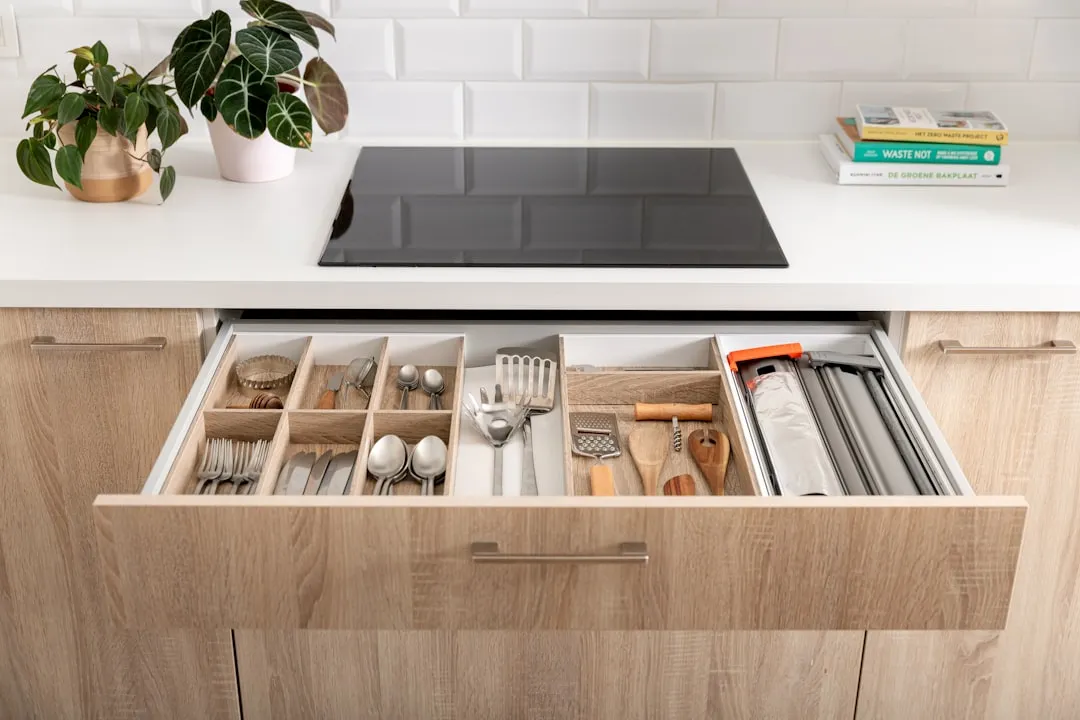
Unlike cabinets, kitchen drawers are best suited to smaller items that don’t have a designated home elsewhere – things like knife sharpeners, spare charging cables, and birthday candles. A cherry pitter or a spiralizer attachment for a blender you no longer own does not fit that description.
The one-time gadget problem is remarkably common. People receive specialty kitchen tools as gifts, use them once for a seasonal recipe, then store them in a drawer indefinitely “just in case.” Over time, these items crowd out the tools actually needed on a daily basis.
Professional organizer Lucy Mansey agrees that giving proper thought to what you’re storing is an important step. She recommends starting by taking everything out and laying it on a surface, so you can see exactly what you’ve got and start to work out which storage systems might work.
The Real Cost: Clutter and Mental Load
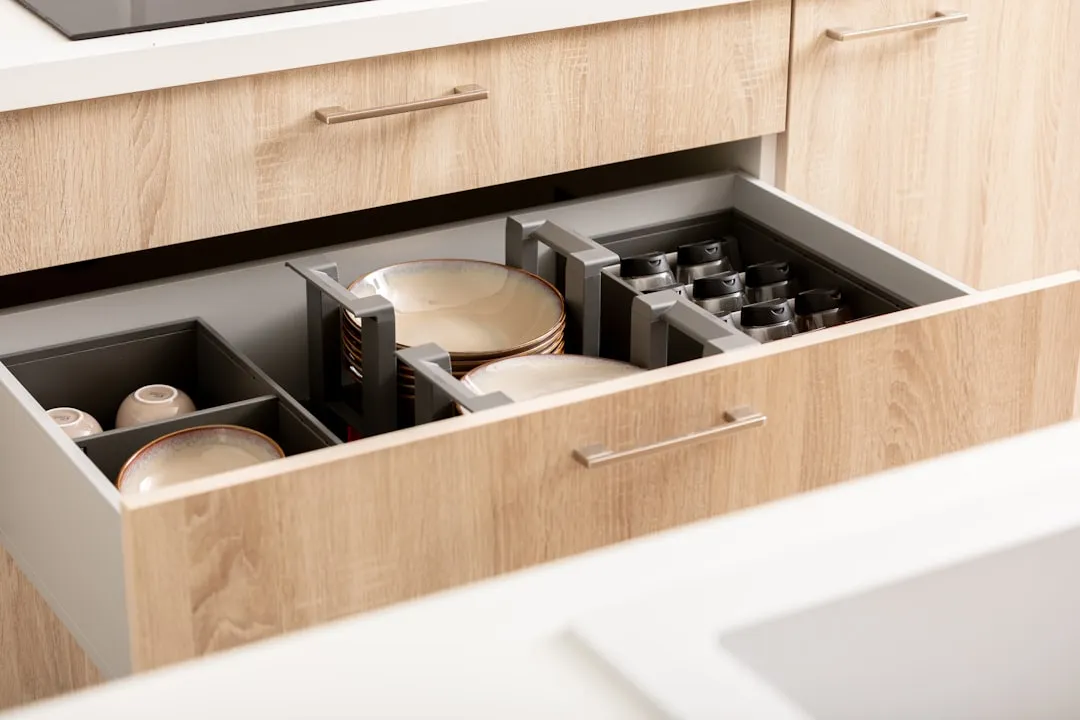
There’s a reason professional organizers treat kitchen drawer clutter as more than an aesthetic problem. Studies have shown that clutter increases cortisol levels – a stress hormone. Physical clutter not only fills spaces but also minds, leading to mental fatigue, stress, irritability, and heightened anxiety.
Over half of those surveyed believe an organized kitchen would help reduce stress, and these results paint a clear picture: clutter isn’t just a nuisance – it’s an issue that impacts how most homeowners feel about one of the most-used spaces in their homes.
Clutter triggers measurable neurological responses within 200 milliseconds, activating stress pathways that elevate cortisol and worsen anxiety symptoms. That’s not a metaphor. A cluttered kitchen drawer is, in a small but real way, making daily life harder to manage.
The No-Dividers Mistake That Makes It All Worse
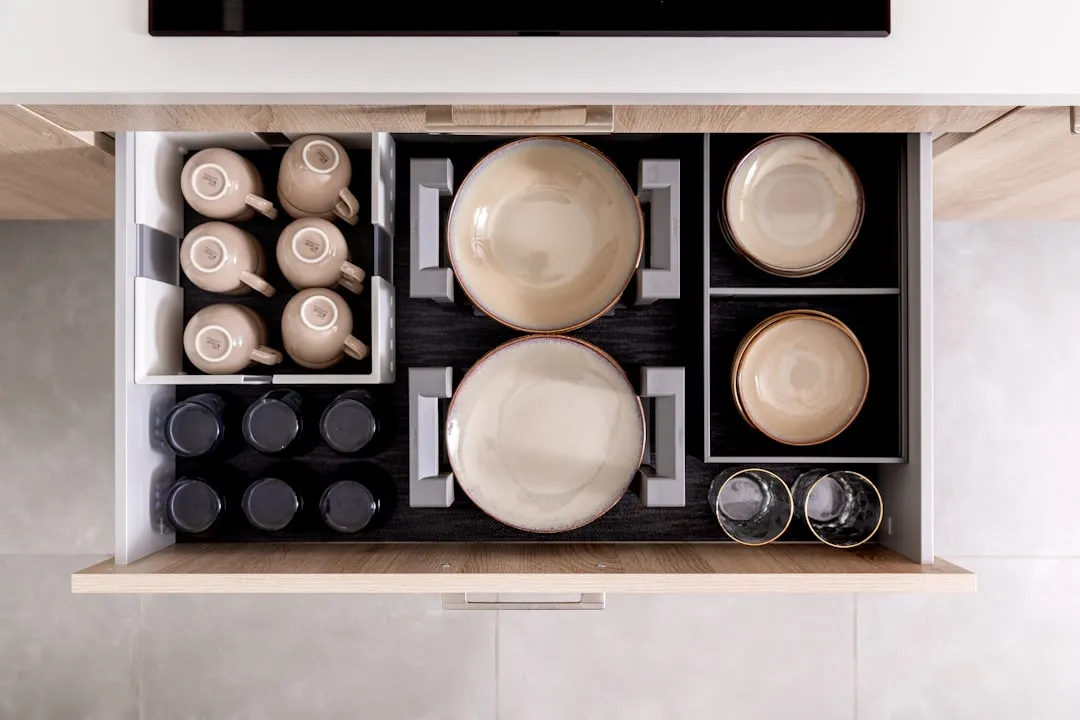
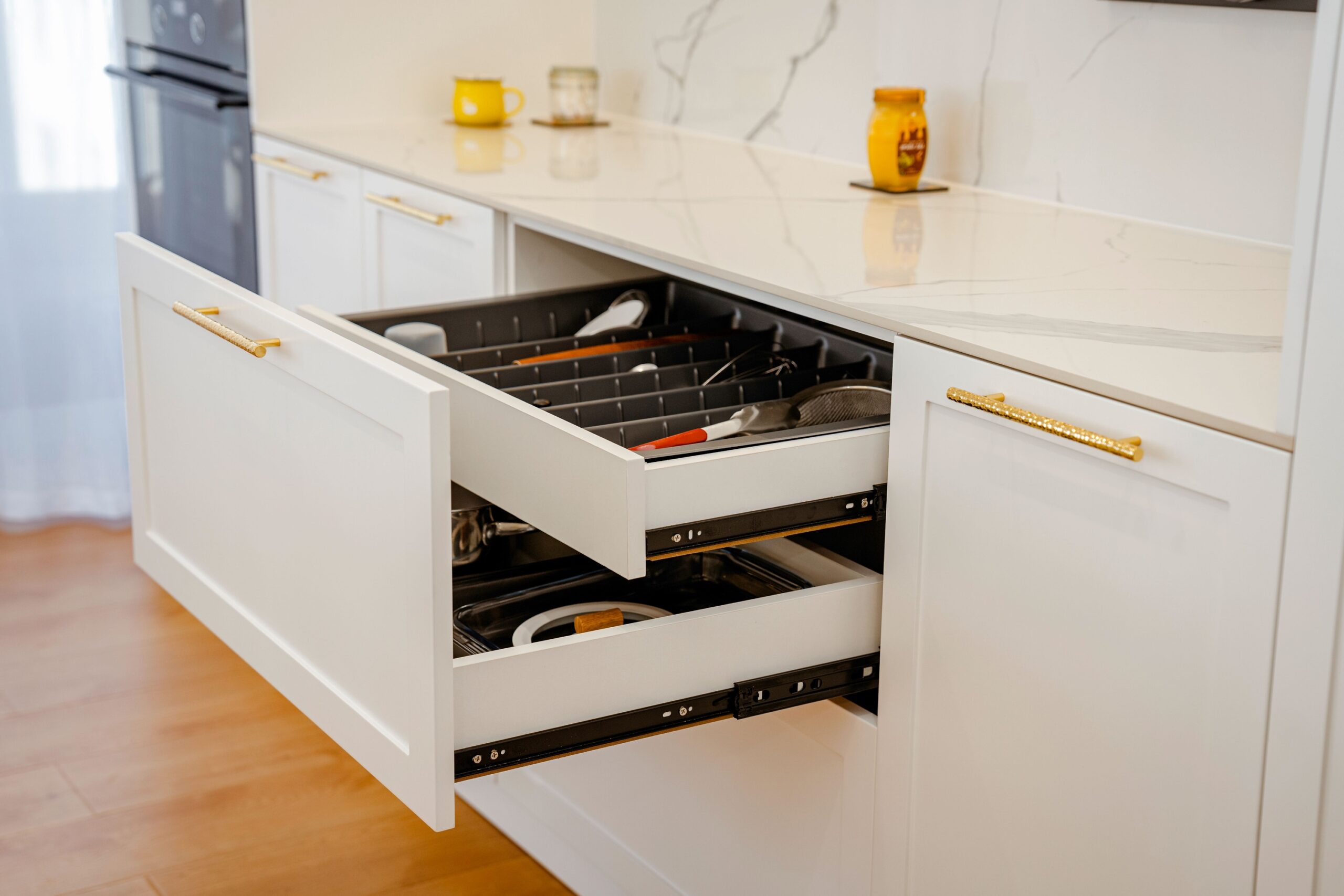
Even when the right items are in the right drawers, organization falls apart without some kind of internal structure. Without a system that allows you to organize contents into separate compartments, kitchen drawers will resemble a scrap heap. “Without dividers, things shift around every time you open or close the drawer, and it’s nearly impossible to find what you need,” explains professional organizer Di Ter Avest.
Dividers prevent items from getting lost or rattling around when opening and closing drawers. It sounds simple, and it is – but most people skip this step entirely, then wonder why their “organized” drawer reverts to chaos within a week.
Dilly Carter recommends containing everything using drawer dividers: “These are great because they extend, so whatever size your drawer is, they will work.” Most are inexpensive and available widely.
Overloading the “Everything” Drawer
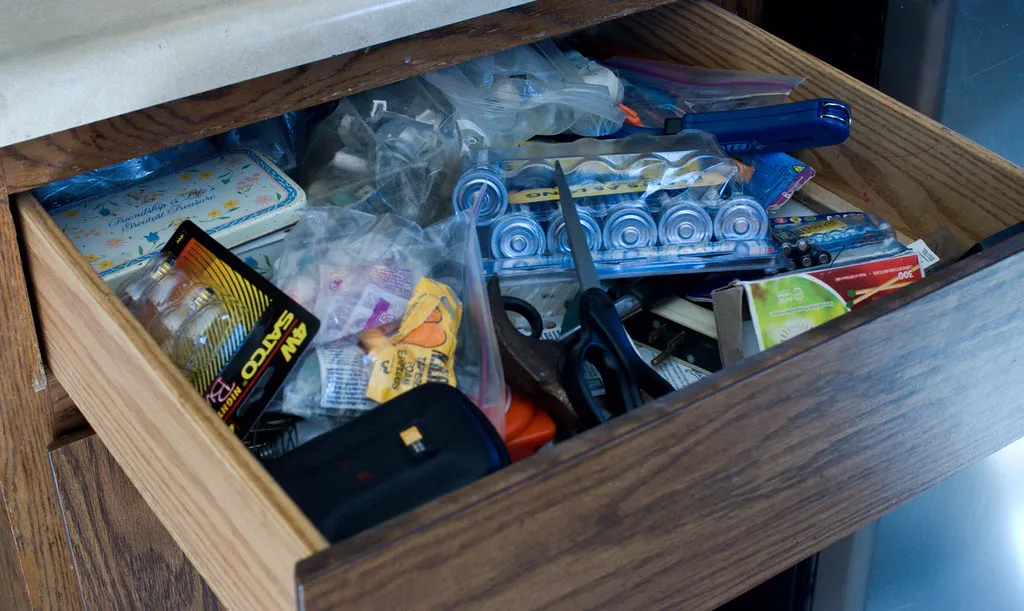
The larger long-term trouble spots are usually areas people can close off and ignore – such as drawers and cupboards. Items in these spaces often aren’t needed regularly, so they get tucked away “for now” and, over time, fill up without ever being revisited.
Professional organizer Di Ter Avest notes that even the best-organized drawer will slowly fill with extras you don’t need. “It’s easy to ignore because it’s hidden away, but that clutter adds up.” She urges a habitual once-over of drawers every couple of months to prevent them from filling up.
The organizing principle here is simple: every drawer should have a defined category, and anything that doesn’t fit that category has no business being there. A utensil drawer is not a utility closet.
What Professional Organizers Actually Measure First
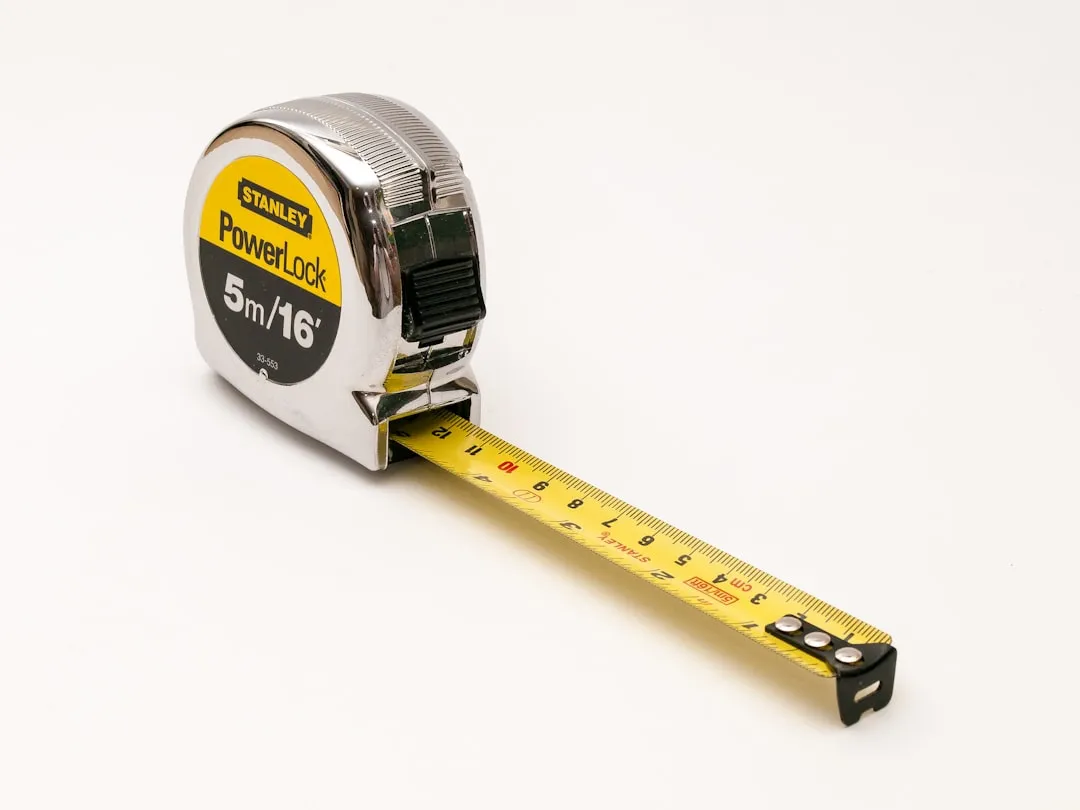
Before buying a single organizer or bin, professionals do something most people skip entirely. They get out a tape measure. Noting the length, width, and depth of a drawer is critical because the most useful organizer is the one that actually fits. In fact, professional organizers never buy a clutter solution without measuring first.
When it comes to silverware organizers, professional organizer Amélie Saint-Jacques is a fan of expandable models. “It’s always important to measure the drawer before buying a utensil organizer,” she explains. An organizer that slides around inside the drawer defeats its own purpose.
This is a step that costs nothing and saves real money. Buying organizers that don’t fit is one of the most common and easily avoidable mistakes in the whole process.
The “Zone” Principle That Changes Everything
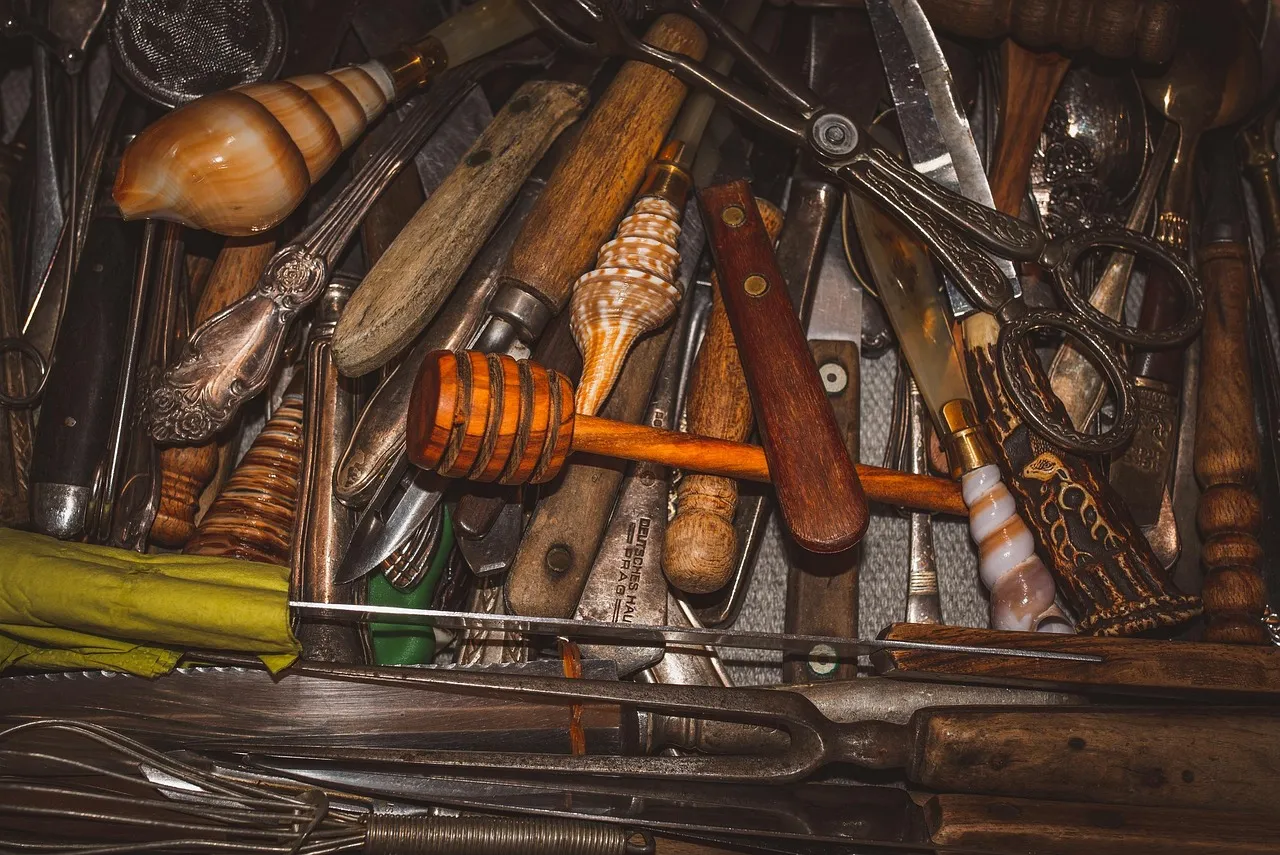
The deeper logic behind what professionals never keep in kitchen drawers comes down to one concept: zones. Every drawer should serve a specific function tied to where it sits in the kitchen. Placing frequently used items in easily accessible locations is key. Top drawers should be reserved for essentials and daily-use items, with specific drawers designated for specific purposes – such as a baking drawer or a utensil drawer.
Dilly Carter suggests using drawer dividers to separate utensils into different categories: “We’ve got all our serving utensils, such as spatulas and spoons, in one section. Then we’ve got all the cutting devices and then we might have all our baking goods.” Each zone has a logic that makes cooking faster and retrieval effortless.
Consider whether you’ve been making room for things you barely use and discard them. That single habit – applied consistently – is what separates a kitchen that works smoothly from one that quietly fights you every morning.
The Takeaway
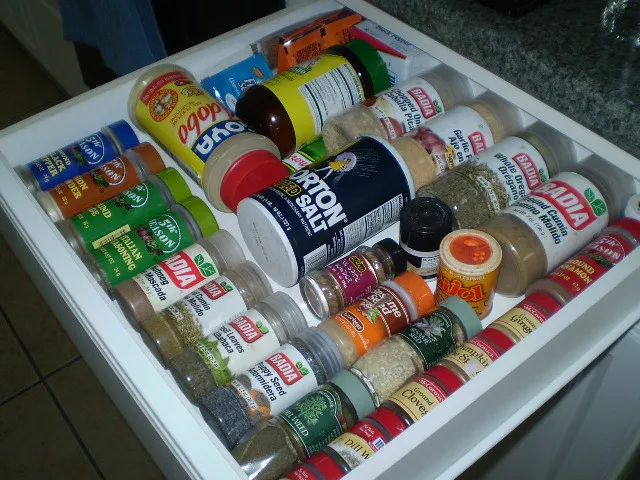
The surprising item professional organizers never keep in kitchen drawers isn’t just one specific object. It’s the category of things that ended up there without a decision ever being made: the duplicates, the one-time gadgets, the paper clutter, the medications, and the mystery items that have outlasted their relevance by years.
More than half of people surveyed said an organized kitchen helps them feel more relaxed. That’s a meaningful return on something as modest as clearing out a drawer. The kitchen is used more than almost any other room in the home, and that frequency means its friction points – the jammed drawer, the impossible-to-find item – add up fast.
The real lesson from professional organizers isn’t about having perfect bins and beautiful labels. It’s about making a deliberate decision about every single item before it gets a home in your kitchen. Once you start making those decisions, the drawers tend to sort themselves out.
AI Disclaimer: This article was created with the assistance of AI tools and reviewed by a human editor.