
Most people assume a clean, cold fridge is enough to keep food safe. Organize things reasonably well, keep the temperature down, and everything should last. Except it doesn’t always work that way, and the reason is sitting right there in your crisper drawer.
The culprit isn’t mold you can see or a temperature dial that’s slightly off. It’s the apple, the ripe pear, or the bag of stone fruit quietly releasing an invisible gas that speeds up the decline of everything around it. Understanding how this works changes how you use every inch of your refrigerator.
The Invisible Gas You’ve Never Thought About
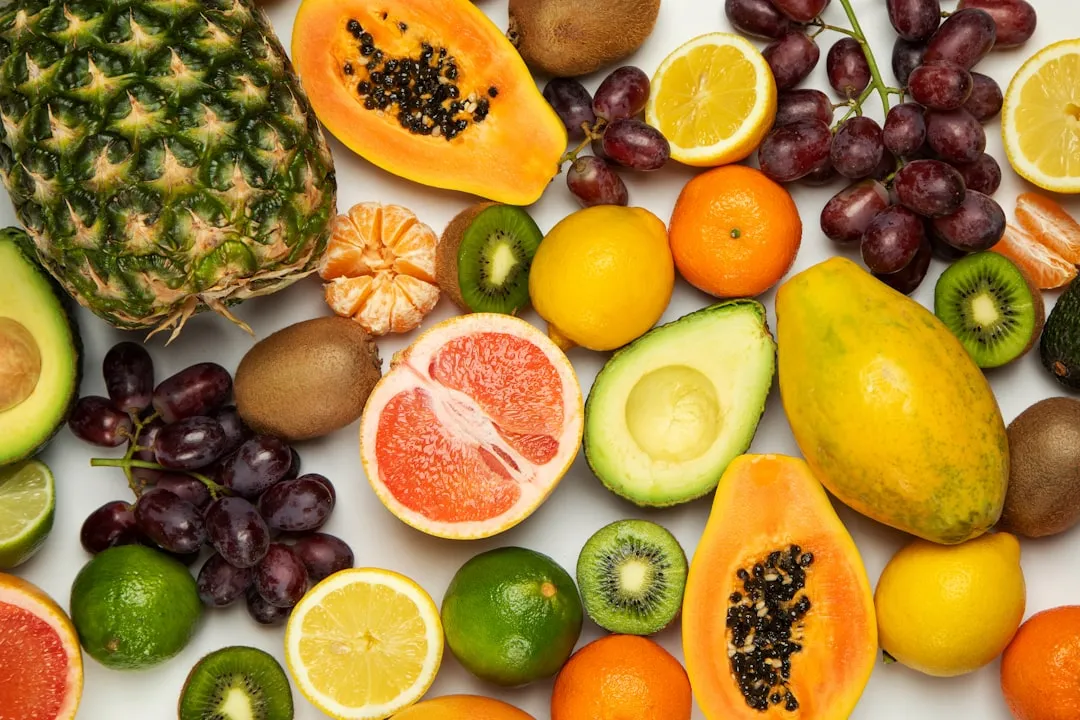
Consumers perplexed by why produce purchased days earlier seems to go bad too quickly may find the culprit is ethylene, an odorless, colorless gas released by fruits and vegetables. Ethylene is a gaseous ripening agent released by most fruits and some vegetables. It’s entirely natural and completely undetectable without lab equipment, which is why most people never connect it to their spoilage problem.
Even in the reduced temperatures within a refrigerator, the gas can cause produce to wilt, spot, or go bad. The fridge slows things down, but it doesn’t stop them. Refrigeration only slows ethylene production; it does not stop it. Apples and other producers will continue emitting ethylene in the fridge.
Apples Are the Biggest Offender
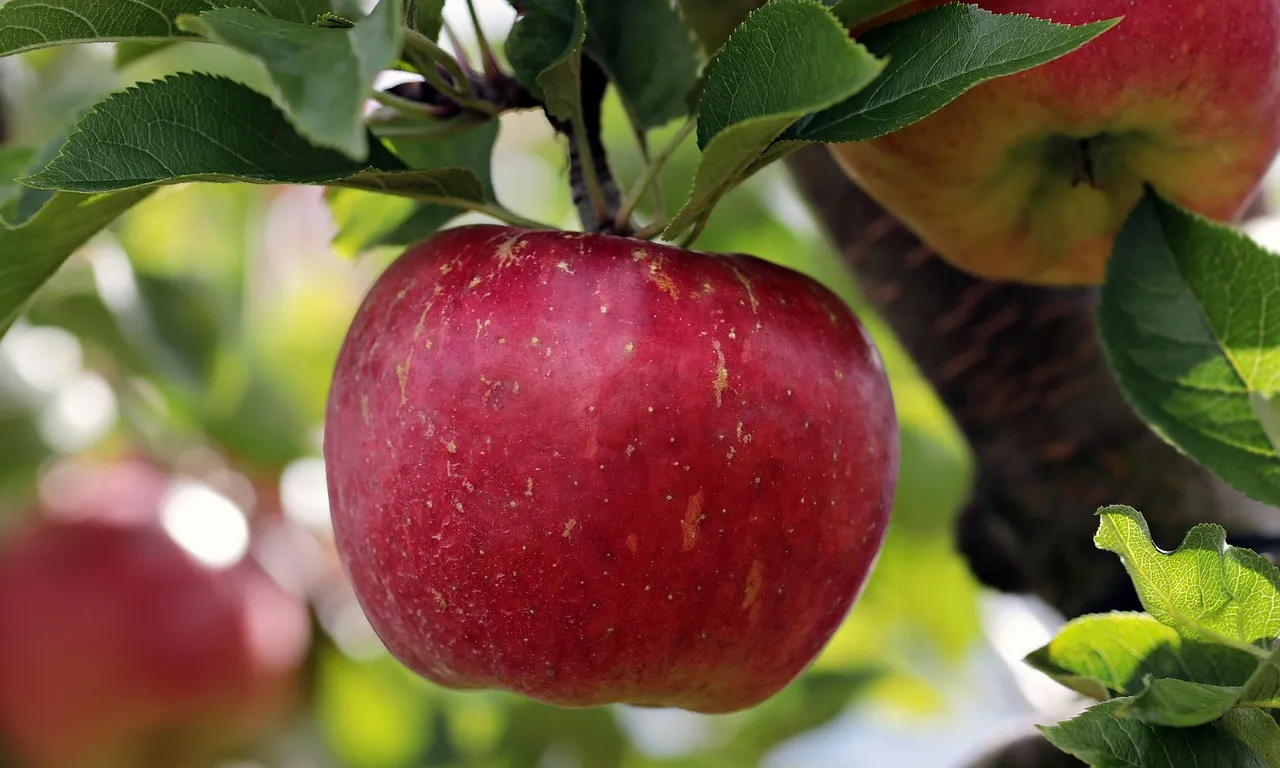
Apples are a notoriously high producer of ethylene gas, which is why storing them with other fruits can cause rapid spoilage. They’re one of the most common items people keep in the refrigerator, which makes them the most frequent source of this invisible problem. Most households don’t think twice about tossing apples in the crisper alongside everything else.
Storing a bag of apples in the same crisper drawer as broccoli or spinach produces noticeably faster spoilage of the greens. Storing high producers next to sensitive foods can cut storage life by roughly half. That bag of apples sitting on top of your lettuce creates an ethylene cloud that wilts greens in half the normal time. That wilted salad you threw out on day three didn’t spoil on its own schedule.
Other High-Producing Foods in Your Fridge Right Now
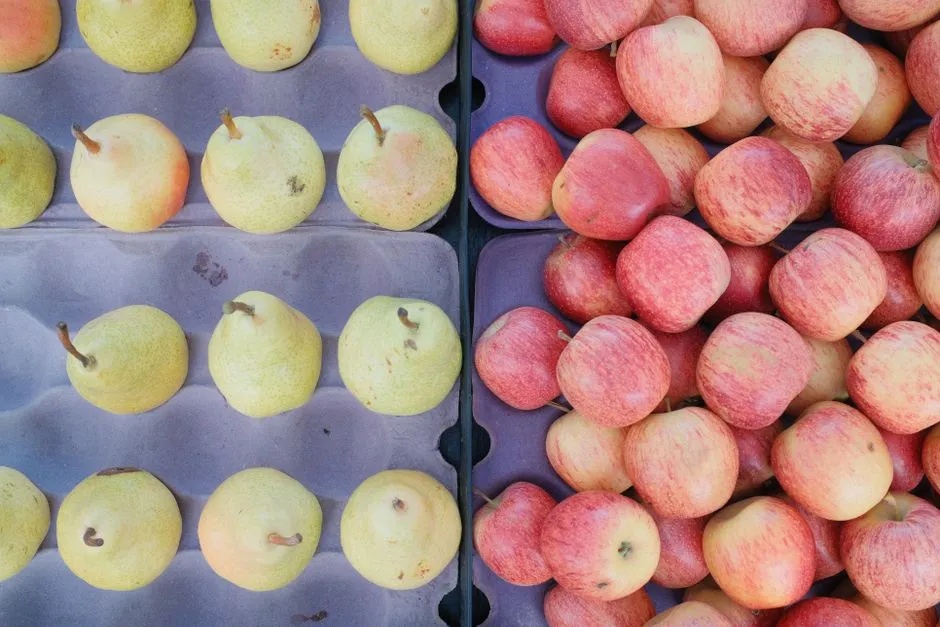
Most tree fruits produce large amounts of ethylene, particularly apples and pears. Other high ethylene producers include apricots, avocados, cantaloupes, nectarines, papayas, and peaches. These are all common refrigerator staples, and many households store them loosely alongside vegetables without any separation.
Tomatoes are botanically a fruit and are also moderate to high ethylene producers, especially when fully ripe. Most gourd vegetables tend to be sensitive to ethylene, including cucumbers. Cucumbers will experience an accelerated yellowing and decay when exposed to ethylene, especially around bananas, melons, or tomatoes. Keeping ripe tomatoes near cucumbers in the same drawer is a combination that guarantees early waste.
The Vegetables Most Damaged by Ethylene Exposure
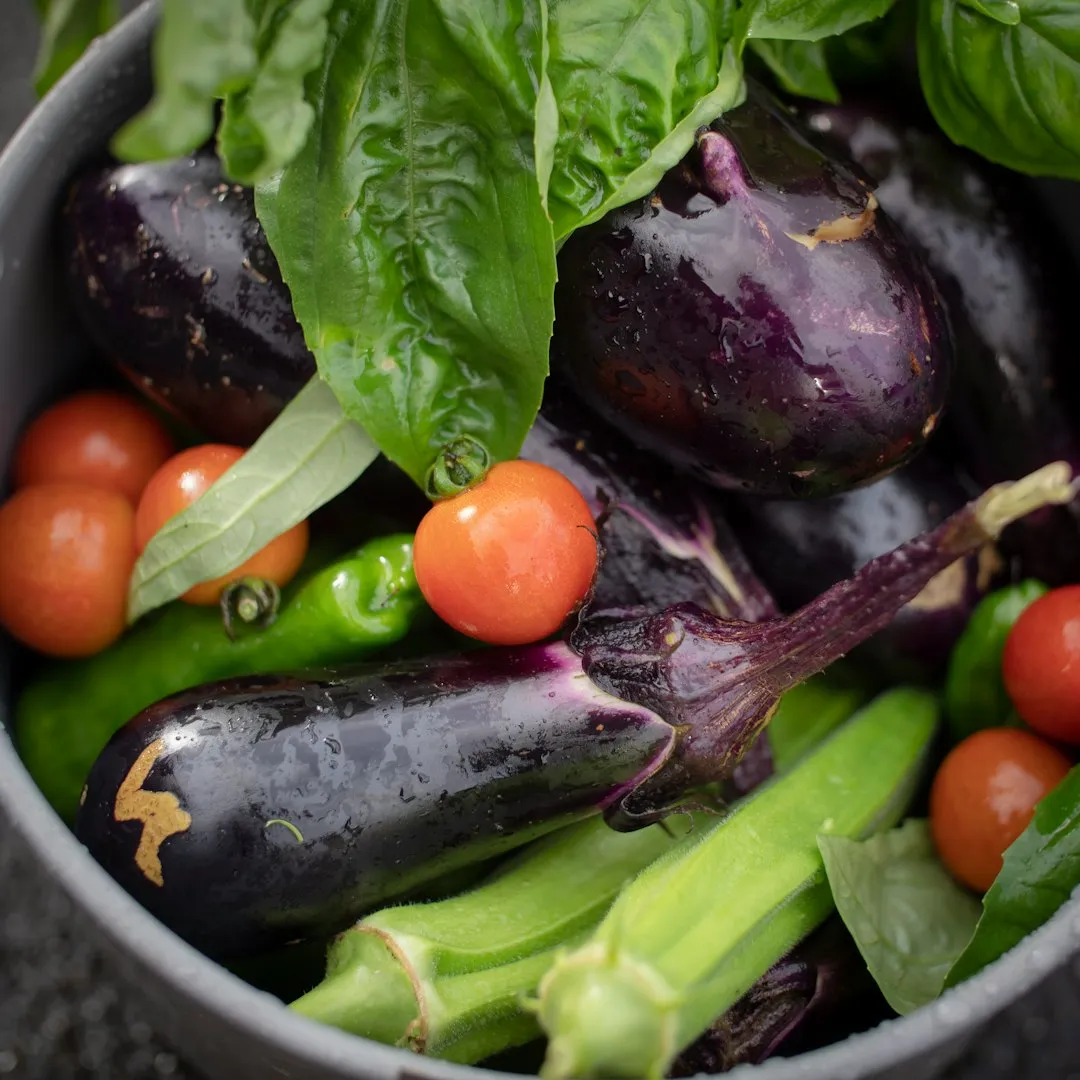
Ethylene-sensitive vegetables include leafy greens like lettuce and spinach, broccoli, cauliflower, carrots, asparagus, and cucumbers. Exposing them to high ethylene levels can cause them to yellow or spoil quickly. These are also, not coincidentally, the vegetables people tend to buy in large amounts and expect to last through the week.
Cauliflower is highly sensitive to ethylene. The vegetable will start to yellow and leaves will detach themselves from the stalks, so it is highly recommended to store it away from ethylene producers like apples, melons, and tomatoes. Even modest amounts of ethylene in the storage environment dramatically accelerates yellowing, softening, and deterioration.
Fresh Herbs: The Quiet Casualties
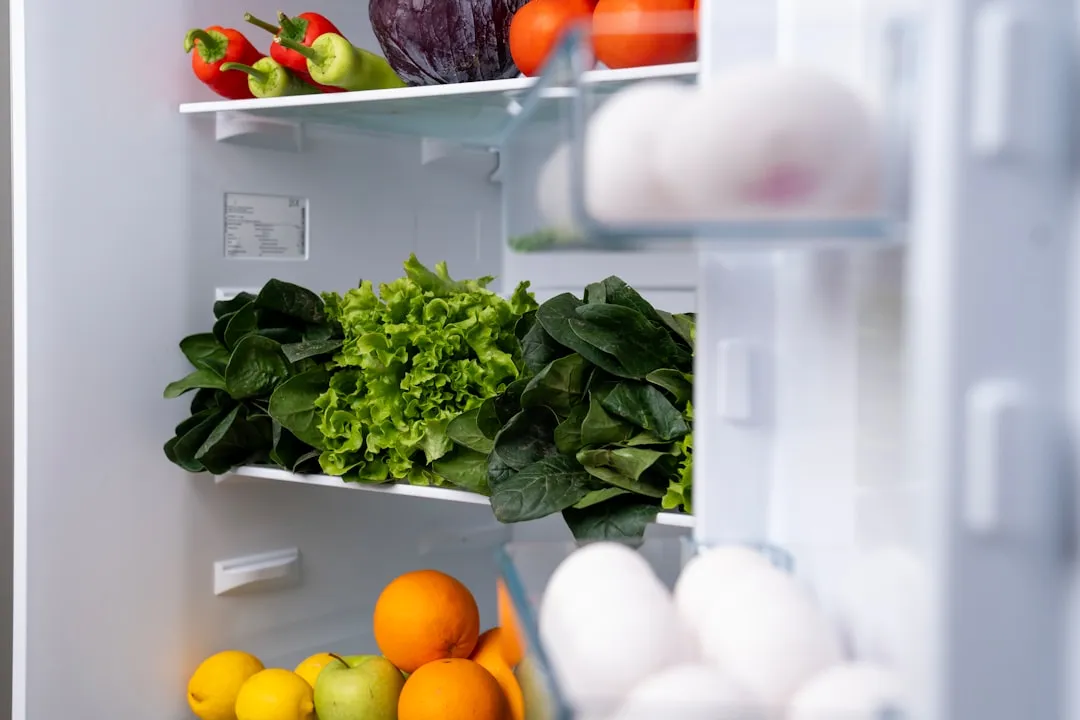
Some fresh herbs are more sensitive to ethylene compared to others. Marjoram, mint, parsley, and oregano are very sensitive to ethylene. When exposed, herbs will start to yellow, experience epinasty when the stem curves, and leaves will start to fall from the stem. That’s the reason a bunch of parsley bought on Monday looks limp and sad by Wednesday, even stored in the fridge.
In the fridge, herbs will last seven to ten days. They can last one to two months in the freezer. The gap between those two outcomes is often explained entirely by where and how herbs are stored, not by any inherent weakness in the herbs themselves. Moving them away from ethylene producers is one of the most straightforward ways to stretch their life.
Uncovered Leftovers Make Everything Worse
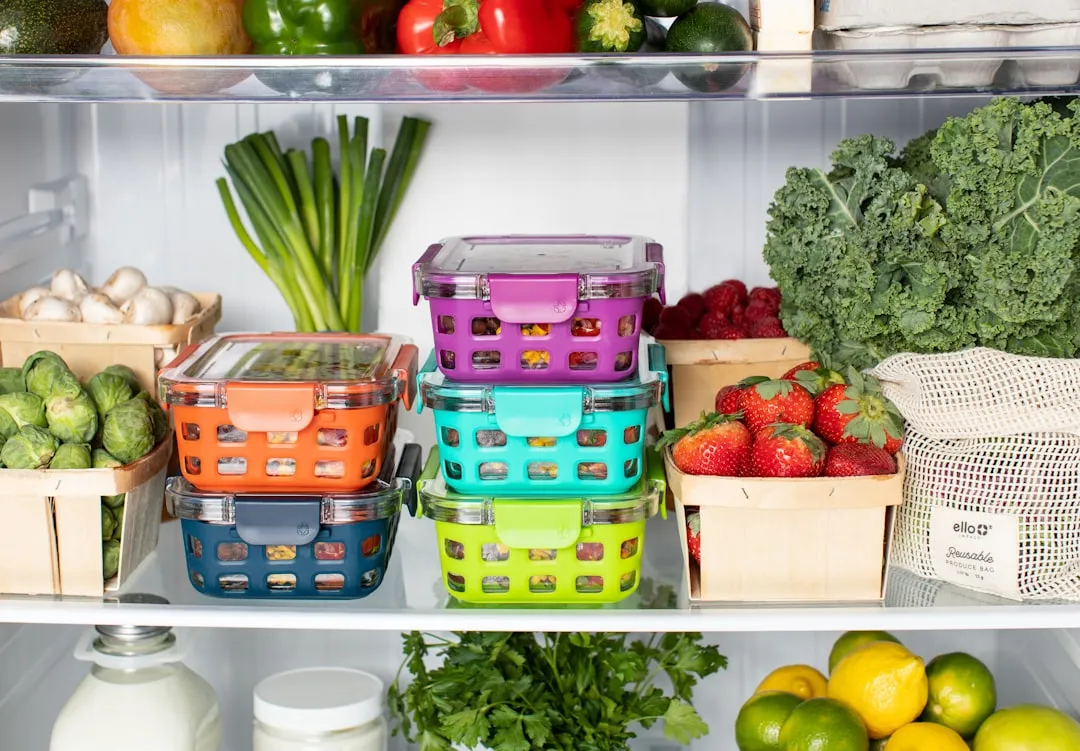
Putting an uncovered plate or container in the fridge is a mistake. Open food can be cross-contaminated with uncooked foods like raw meat. Uncovered food also dries out quickly and can absorb any fridge or food odors. The problem compounds quickly when ethylene is already present in the air.
The moisture in your fridge also carries flavors between foods. That uncovered onion doesn’t just dry out. It releases volatile compounds that your butter, milk, and leftovers absorb. This cross-contamination affects taste before visible spoilage appears. Leftovers stored in open containers are absorbing the chemical environment of the entire fridge, not just sitting peacefully on their shelf.
The Temperature Zones in Your Fridge Are Not Equal
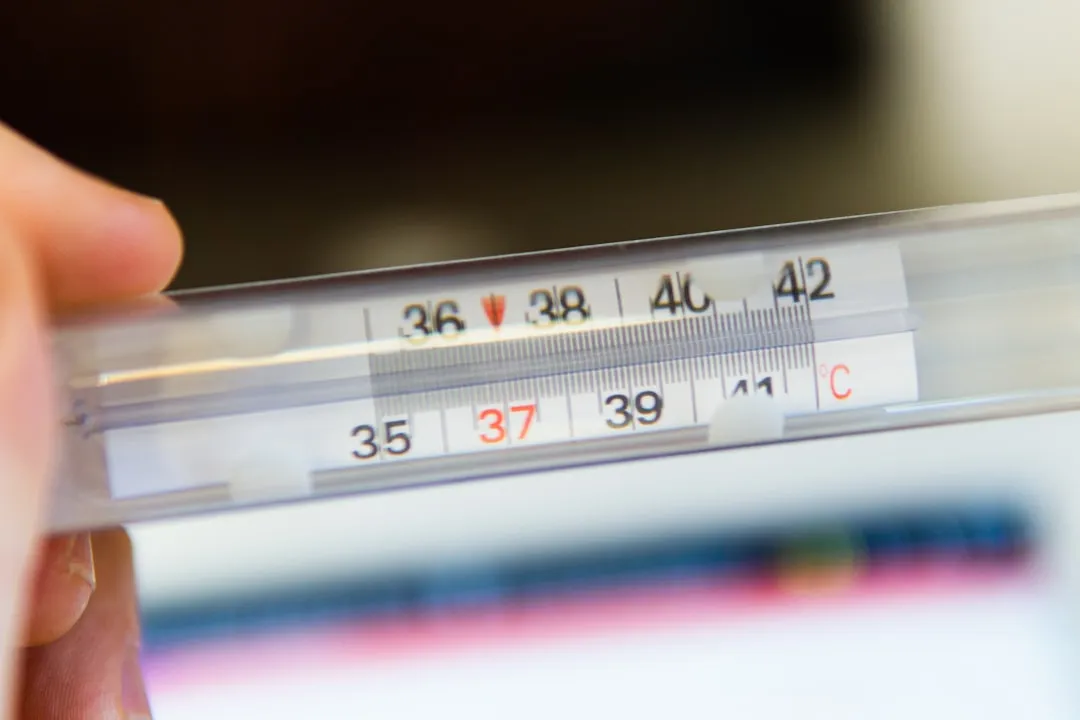
The temperature inside your fridge is not the same everywhere. The door is the warmest spot, which makes it a poor choice for milk, eggs, or leftovers. The back of the lower shelves stays coldest and most consistent, and that is where raw meat, fish, and anything that needs to stay cold should go. Most households keep leftovers wherever there’s space, which often means the door or the front of a shelf.
The refrigerator door is the warmest part of the fridge. You can store condiments there, but it is not recommended to store milk or eggs in the door. The lower shelves are the coldest part of the fridge. Store meat, poultry, and fish there. Putting perishable leftovers in the door essentially keeps them in the warmest zone in the appliance, shortening their safe window considerably.
The Cost of Getting This Wrong
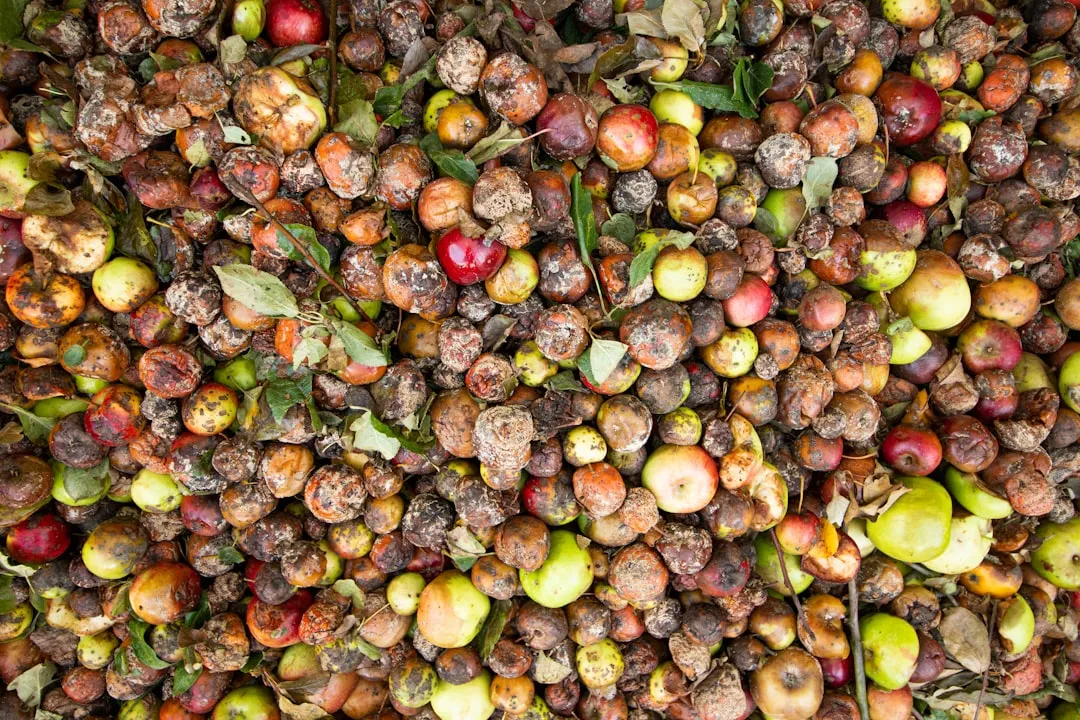
In 2024, the average American spent over $760 on food that went uneaten. Including uneaten groceries and restaurant plate waste, consumer food waste accounts for almost half of surplus food in the U.S. at a cost of $259 billion. A meaningful share of that waste happens not because people bought too much, but because of how they stored what they bought.
Food waste in American households runs at roughly thirty to forty percent of the food purchased, and a meaningful portion of that waste isn’t from buying too much or forgetting about leftovers, but from storing food incorrectly in ways that accelerate spoilage well beyond what proper storage would allow. One third of all food in the United States goes uneaten. Ethylene mismanagement in the home refrigerator is a quiet contributor to that number.
What Bacteria Does Inside a Cold Fridge
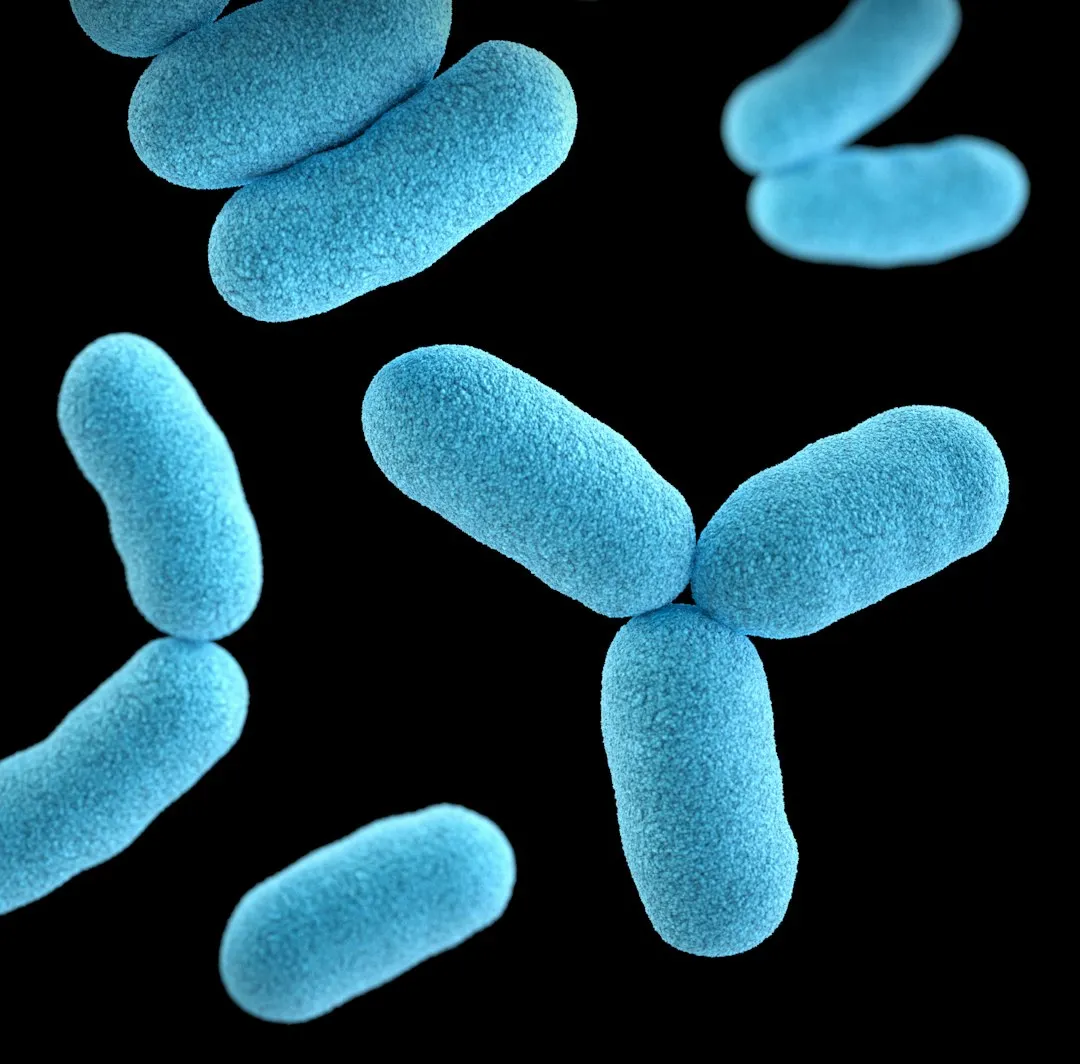
Your refrigerator harbors millions of microorganisms. Most are harmless, but pathogenic bacteria like Listeria monocytogenes actually thrive at refrigerator temperatures. According to the CDC, Listeria can grow at temperatures as low as 32°F, making proper food rotation essential. Cold storage is not the same as safe storage, and the distinction matters when leftovers are involved.
These microorganisms don’t appear spontaneously. They hitchhike on your groceries, hands, and shopping bags. Once inside your fridge, they establish colonies in spills, crevices, and expired foods. A single moldy strawberry releases millions of spores that settle throughout your refrigerator, waiting for the right conditions to bloom. One forgotten piece of overripe fruit becomes a contamination source for everything nearby.
Simple Fixes That Actually Work
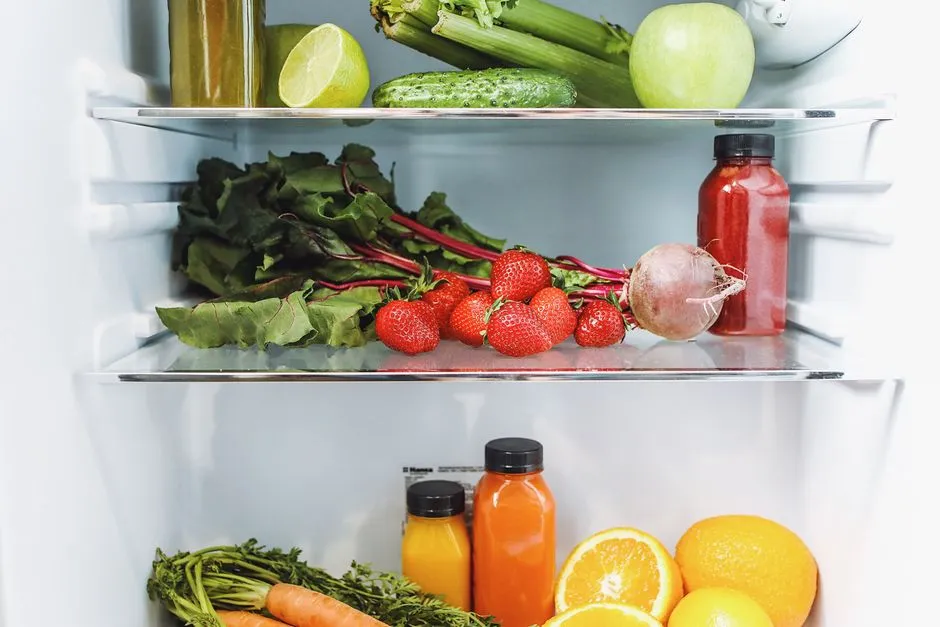
The solution is fairly simple: separate produce that is sensitive to ethylene from the produce that emits large amounts of the gas. The crisper drawers are designed to control humidity. The high-humidity drawer is for leafy greens and herbs. The low-humidity drawer is for produce that releases ethylene gas, like apples, pears, and stone fruit. Mixing them together speeds up spoilage for both.
Keeping high ethylene producers in a separate crisper drawer from ethylene-sensitive vegetables is the most impactful single refrigerator organization change most households can make for reducing produce waste. Many refrigerators have two crisper drawers specifically because this separation is beneficial, so use one for fruits and the other for vegetables rather than mixing them based on available space. It’s a habit that takes about thirty seconds to establish and pays off every single week.
Move food to an airtight container or seal it with plastic wrap before putting it in the fridge. This will keep it fresh and prevent food spoilage. Refrigerators should be set to maintain a temperature of 40°F or below. Those two steps alone, combined with proper crisper drawer use, address the vast majority of premature spoilage in a typical household fridge.
The Takeaway
The apple in your crisper drawer is not the problem by itself. It becomes a problem the moment it shares space with spinach, fresh herbs, or leftover cooked vegetables sitting in an open container on the shelf above. The mechanism is invisible, the damage is gradual, and the solution is genuinely simple once you understand what’s actually happening inside your fridge.
Ethylene is just a plant hormone doing exactly what it evolved to do. Managing it takes no special equipment, no expensive products, and no major reorganization. Just two drawers used correctly, airtight containers for leftovers, and a general awareness that not everything belongs together. The food you stop throwing away is essentially money you stop losing, one quietly saved bunch of parsley at a time.
AI Disclaimer: This article was created with the assistance of AI tools and reviewed by a human editor.