
What Actually Causes A Floor To Squeak

Before fixing anything, it helps to know what is really happening under your feet. Floor squeaks occur due to friction between floorboards or between the floor and the subfloor. For that reason, wood floors aren’t the only culprit, since laminate, tile, and even carpeted floors can creak. The noise is not a sign the floor is broken. It is simply two surfaces rubbing against each other because something has come loose or shifted slightly out of place.
The Real Culprit Is Almost Always Movement

Every expert who studies flooring problems keeps landing on the same word: movement. First, movement is always the primary cause and eliminating movement is the only solution. That single idea reframes the whole problem. You are not trying to silence a sound directly, you are trying to stop two pieces of material from shifting against each other in the first place.
Why So Many People Get The Diagnosis Wrong
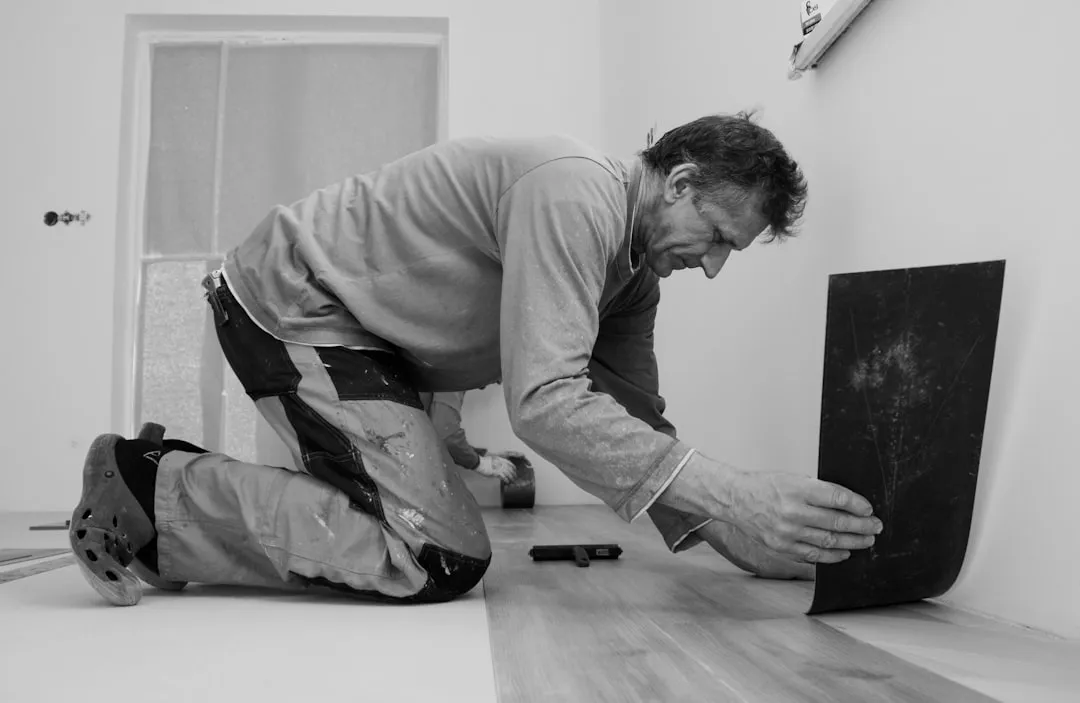
A common mistake is assuming the flooring material itself is defective. In reality, squeaks in flooring are often not about the floor covering, since the sound is usually a symptom of the sub-flooring as it becomes loose from the framing. Homeowners searching for a fix often start by inspecting the visible boards when the actual issue is happening below, between the subfloor and the joists. This is why so many surface level fixes, like recoating or refinishing, do nothing for the noise.
The Surprisingly Simple First Fix: Powder, Not Power Tools

Here is the part that surprises most people. For squeaks caused by simple friction rather than structural gaps, the fix does not require a drill at all. Sprinkling a little powdered graphite or talcum powder between the floorboards, then stepping back and forth over the area to work it into the gaps, helps reduce friction between boards. It sounds almost too easy, yet it works because it addresses the exact mechanism causing the noise, wood rubbing against wood.
Finding The Squeak Before You Touch Anything
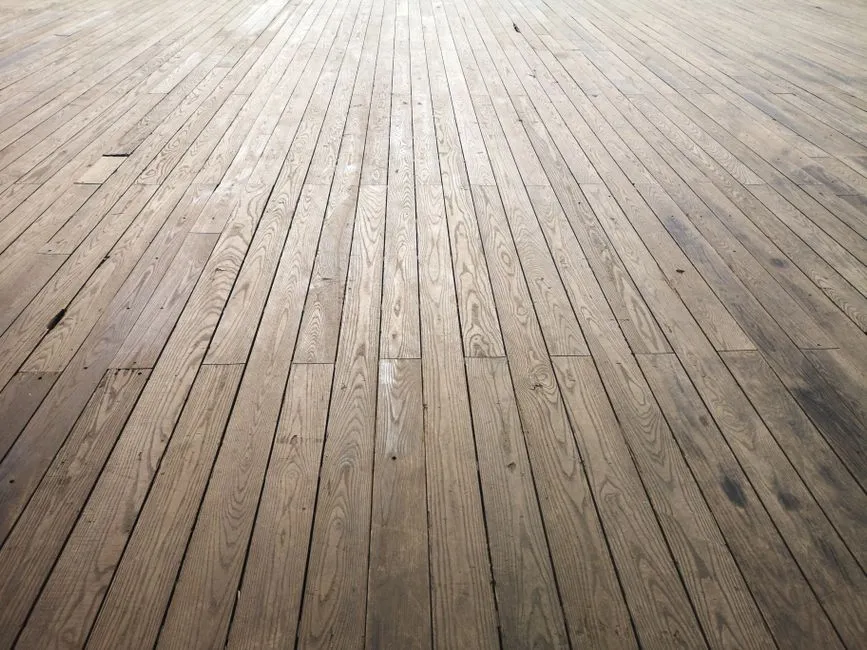
No fix works if you are attacking the wrong spot. The standard approach is methodical: have a helper spring up and down on the squeaky area while you listen and watch for subfloor movement from below. If you have basement or crawlspace access, this step becomes much easier because you can literally watch the board flex in real time. Without that access, careful walking and marking each squeak location with tape becomes the workaround.
Construction Adhesive: The Fix Contractors Actually Trust

If the squeak comes from a genuine gap rather than surface friction, adhesive tends to outperform nails or screws alone. Over time, the normal expansion and contraction of floor boards can loosen the fasteners, which can cause the wood to move and produce squeaking noises, but subfloor adhesive can fix this issue by ensuring the boards are properly secured to the subfloor using glue in addition to fasteners. One widely used product in this category is designed specifically for this job. LOCTITE PL Subfloor Foam Construction Adhesive is a fast-applying, heavy-duty polyurethane adhesive that reduces floor squeaks and fills gaps, with expanding foam that delivers strong bond strength and can be applied to damp or cold surfaces.
Working From Below When You Have Access
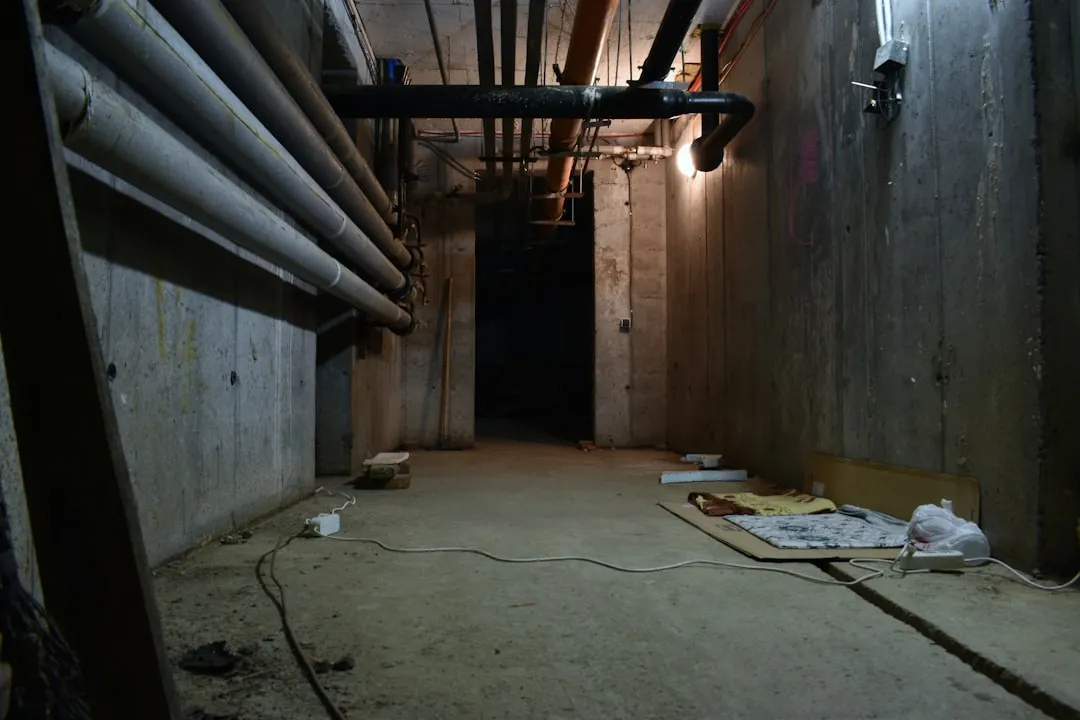
If your squeaky floor sits above a basement or open crawlspace, you have the easiest version of this repair available. In unfinished basements or crawlspaces, you can often pinpoint the squeak from below and add a short screw or wood shim to secure the subfloor to the joist. The advantage here is cosmetic as much as practical. You never touch the finished flooring above, so there is no patching, no matching wood filler, and no risk of marring the surface you actually walk on.
Shims For Gaps Between Subfloor And Joist
Sometimes the squeak comes from a specific, narrow gap rather than general looseness. When gaps are less than half an inch deep and roughly a foot or so long, fitting thin wood shims between the joists and floorboards can stop the movement, and after locating the creak you spread wood glue along one flat side of the shim and slide it into position glue side up. This is one of the cheapest fixes available, often costing only a few dollars in materials, and it works particularly well in older homes where lumber has shrunk slightly over the decades.
Specialized Squeak Relief Screw Kits
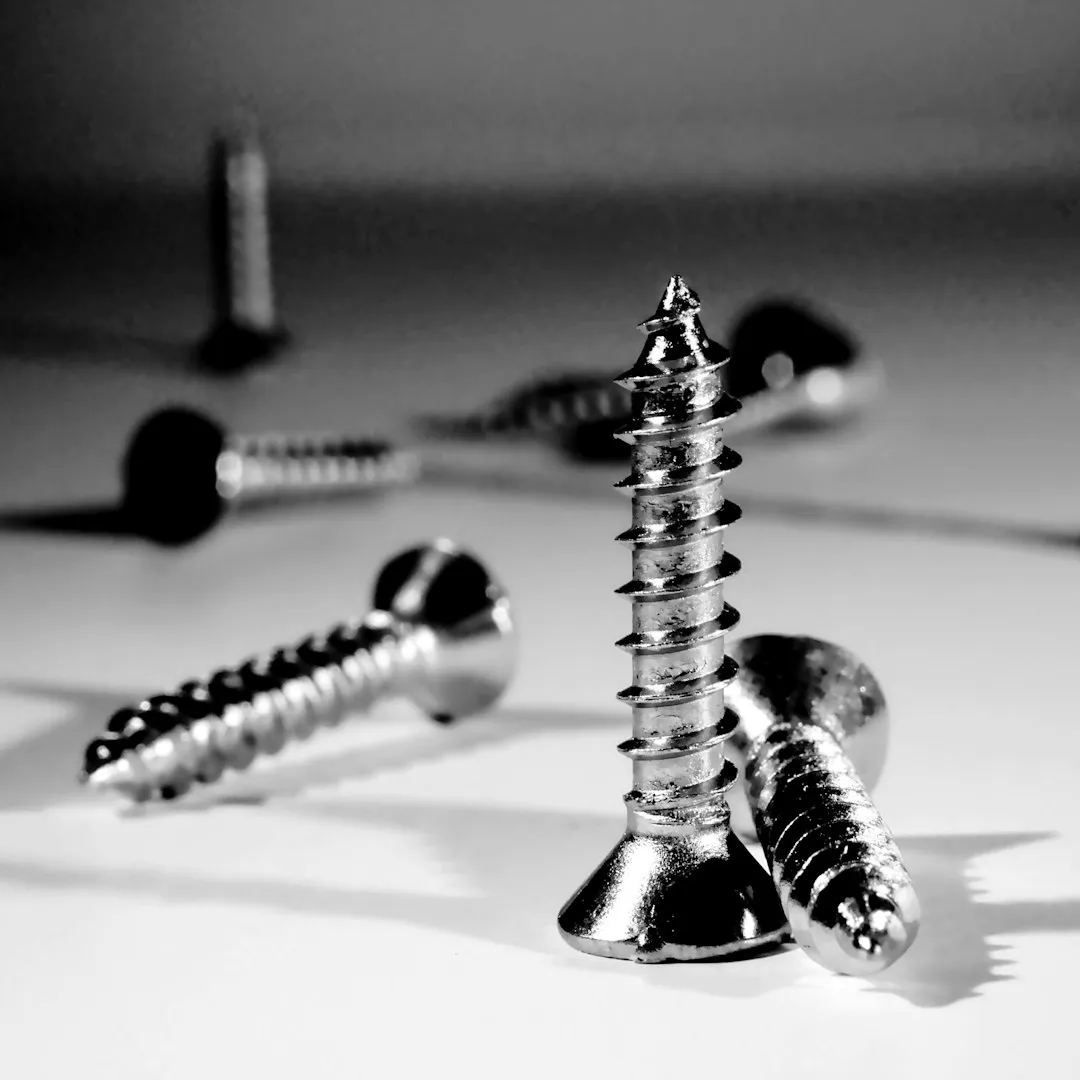
For those who prefer a packaged solution over mixing adhesive and cutting shims, screw kits designed specifically for this problem have become widely available. Specialized screws, such as counter snap or squeak relief types, can be driven through the floorboard and subfloor into the joist, pulling the layers tightly together to reduce movement and noise, and the screw heads can then be broken off or concealed to maintain the floor’s appearance. These kits are aimed at people without basement access, since they work entirely from above the finished floor. One such product, sold under the name Squeeeeek No More Kit, allows for top screwing boards with screws that break away beneath the surface of the wood, leaving a small hardly noticeable hole for easy filling.
When The Squeak Signals A Bigger Problem
Not every squeak is harmless, and it helps to know the difference. A professional may be needed if the simpler fixes don’t yield results, especially if you notice sagging or significant movement in your floors. Persistent, widespread creaking across multiple rooms, rather than one isolated spot, is worth mentioning to a home inspector or contractor, since it can occasionally point to weakened joists or long term moisture damage rather than simple seasonal wood movement.
Squeaky floors rarely mean something is seriously wrong with your home. In most cases, the fix is closer to a tube of adhesive or a pinch of talcum powder than a full renovation. Knowing which small, targeted repair matches your specific squeak is really the whole trick, and once you find it, that daily creak tends to disappear for good.AI Disclaimer: This article was created with the assistance of AI tools and reviewed by a human editor.