

The Eyelids: The Number One Missed Spot

If there’s a single area that dermatologists and researchers point to above all others, it’s the eyelids. Analyses using UV-sensitive cameras revealed that eyelid and periorbital regions are disproportionately missed during routine sunscreen application, with a median of roughly fourteen percent of the eyelid region going unprotected, compared to about seven percent for the rest of the face.
Despite increasing sun awareness and sun protection usage, between seventy and ninety percent of basal cell carcinomas develop in sun-exposed head and neck regions, and five to ten percent of all skin cancers occur on the eyelids alone. That’s a striking figure for such a small area of skin.
On average, people miss nearly ten percent of their whole face, with the most commonly missed areas being the eyelids, where on average over thirteen percent of the eyelid is missed, and the medial canthal region, the area between the inner corner of the eye and the bridge of the nose, which was missed by roughly three quarters of participants. As applying sunscreen in these areas is not necessarily practical in light of manufacturers’ warnings to keep products out of the eye, it is important to use other forms of protection such as sunglasses.
The Ears: Forgotten and Frequently Damaged
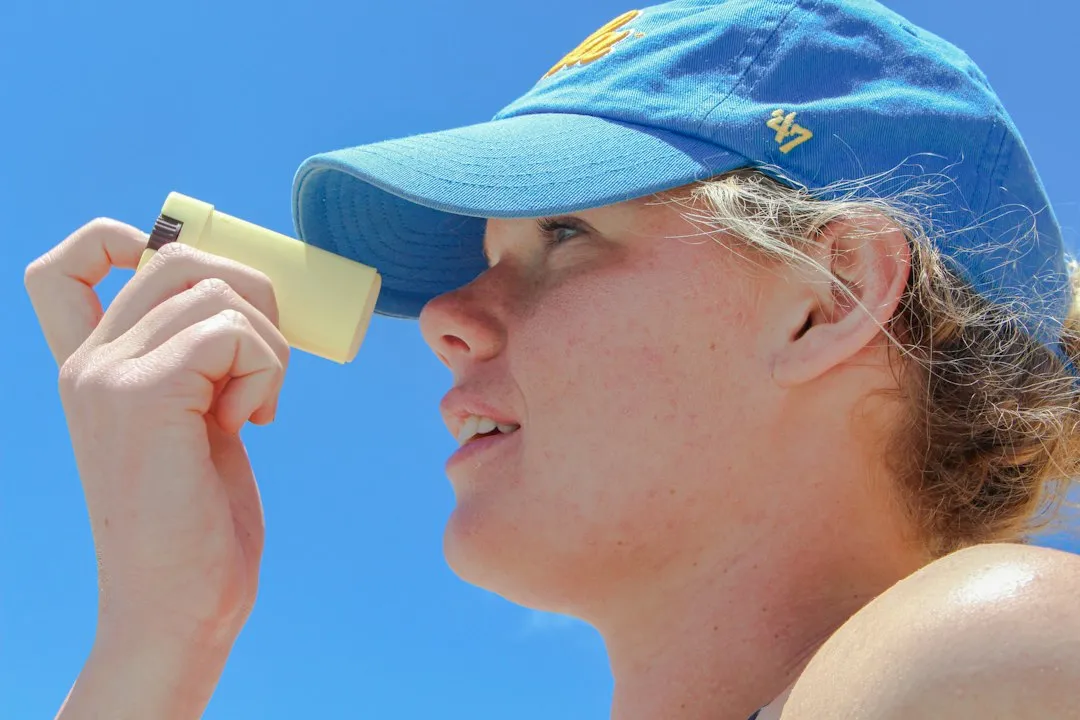
Ears are the third most common location for skin cancers. That ranking alone should be enough to make anyone pause before heading outside. Yet ears are almost universally skipped during sunscreen application, even by people who are otherwise diligent about sun protection.
About seven percent of head and neck melanomas are found on the ears. Dermatologists theorize that our ears are often exposed when we’re in cars. Although windshields are treated to block UV rays, car door windows typically aren’t.
Skin cancer can occur on any sun-exposed site, but the neck, scalp, hands, and ears are often not protected as diligently as the face or the rest of the body. These areas are also often in direct sunlight, like the scalp. It’s important to apply sunscreen to the entire ear, top to bottom, including the inside crevice.
The Lips: A High-Risk Zone That Gets Chapstick, Not SPF

Lips are at an increased risk of developing skin cancers, including scaly, discolored, pre-cancerous spots called actinic cheilitis. Most people moisturize their lips regularly but rarely think to reach for an SPF lip balm instead.
Skin cancers of the lip most frequently occur in fair-skinned men older than age fifty. The lower lip is about twelve times more likely to be affected, owing to its greater exposure to sunlight. The geometry of the face means the lower lip sits at an angle that catches rays more directly.
The skin of the lips and ears is thinner and receives greater sun exposure, increasing the likelihood of squamous cell carcinoma. These regions also have a richer blood supply and lie close to lymph nodes, which can allow cancer cells to spread more easily if not treated promptly.
The Scalp: Hair Isn’t Enough Protection

Your hair is only a so-so protection against the sun’s ultraviolet rays. Your scalp, especially if you’re bald and in the parts of your hair, directly faces the sun, much like the tops of your feet. Even people with a full head of hair have a part line that sits completely exposed for hours at a time.
It is well established that continuous exposure to ultraviolet radiation is highly detrimental to the skin. Extensive research has demonstrated the harmful effects of UV light on various skin components, including keratinocytes, fibroblasts, collagen, and blood vessels. Over time, the cumulative damage from UV exposure leads to significant alterations in these cellular structures. This ongoing photodamage creates an environment that significantly increases the risk of developing skin cancer.
The clear association between chronic scalp sun exposure and skin cancer is still not commonly addressed in recommendations for patients. Dermatologists suggest a gel-based or spray sunscreen for scalp coverage, and a wide-brimmed hat remains one of the simplest and most effective solutions.
The Back of the Neck: The Patch You Can’t See

The neck receives substantial sun damage, and it is a common place for skin cancer to develop in men and women. The back of the neck in particular tends to be forgotten, partly because it’s out of sight and partly because most people apply sunscreen from the front.
Dr. Neera Nathan, a skin surgeon and dermatologist in Boston, Massachusetts, gained hundreds of thousands of views on a viral video in which she told viewers not to forget to apply sunscreen on the back of the hands, neck, and ears. The visibility this kind of reminder gets speaks to how widespread the oversight actually is.
The neck is chronically exposed during outdoor activities, gardening, driving, and walking. Sun damage here tends to accumulate over decades before it becomes visible, by which point the underlying cellular changes may already be well underway.
The Backs of the Hands: Aging and Cancer Both Start Here
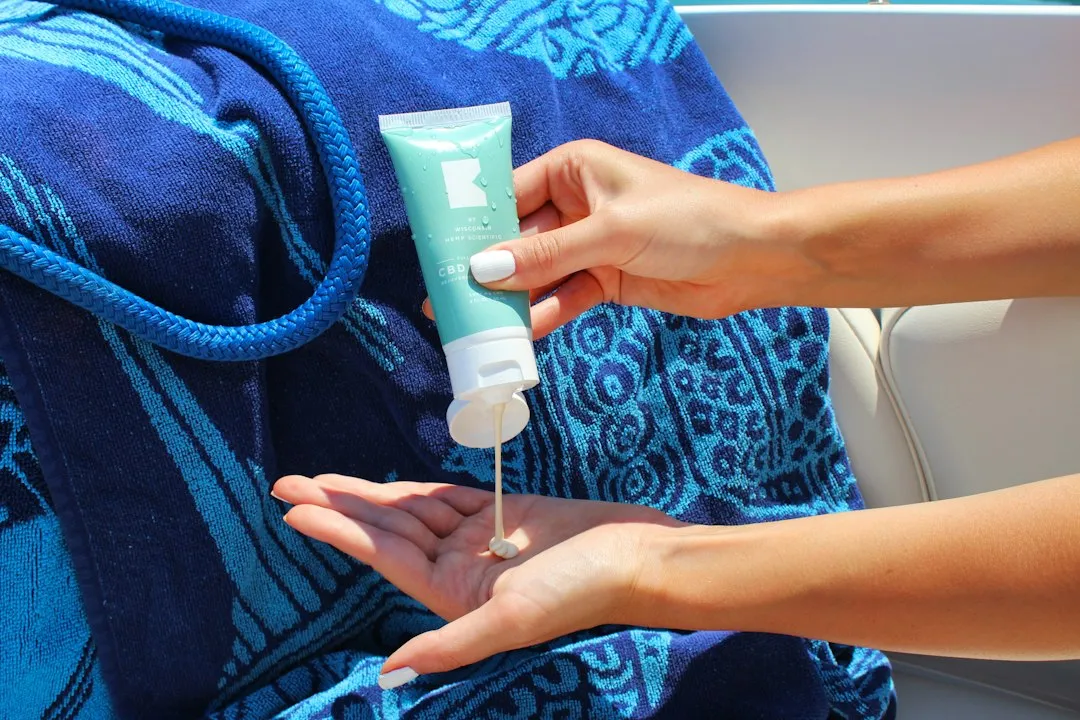
The hands are one of the most sun-exposed parts of the body and among the most consistently neglected during sunscreen application. People wash their hands constantly throughout the day, which means that even when sunscreen is applied, it’s often gone within minutes without reapplication.
The lips and eyelids are susceptible to sun damage and skin cancer formation, and dermatologists recommend wearing SPF chapstick or lip product and sunglasses that block UVA and UVB. The same principle applies to the hands, which dermatologists consistently flag as a high-neglect zone.
Board-certified dermatologists explain why hands, lips, and scalp are considered high-risk areas for skin cancer development, noting that skin cancers forming in these areas have higher rates of bad outcomes. Keeping a small tube of SPF 30 or higher near the sink can make reapplication a more natural habit.
The Tops of the Feet: Obvious in Hindsight, Always Overlooked
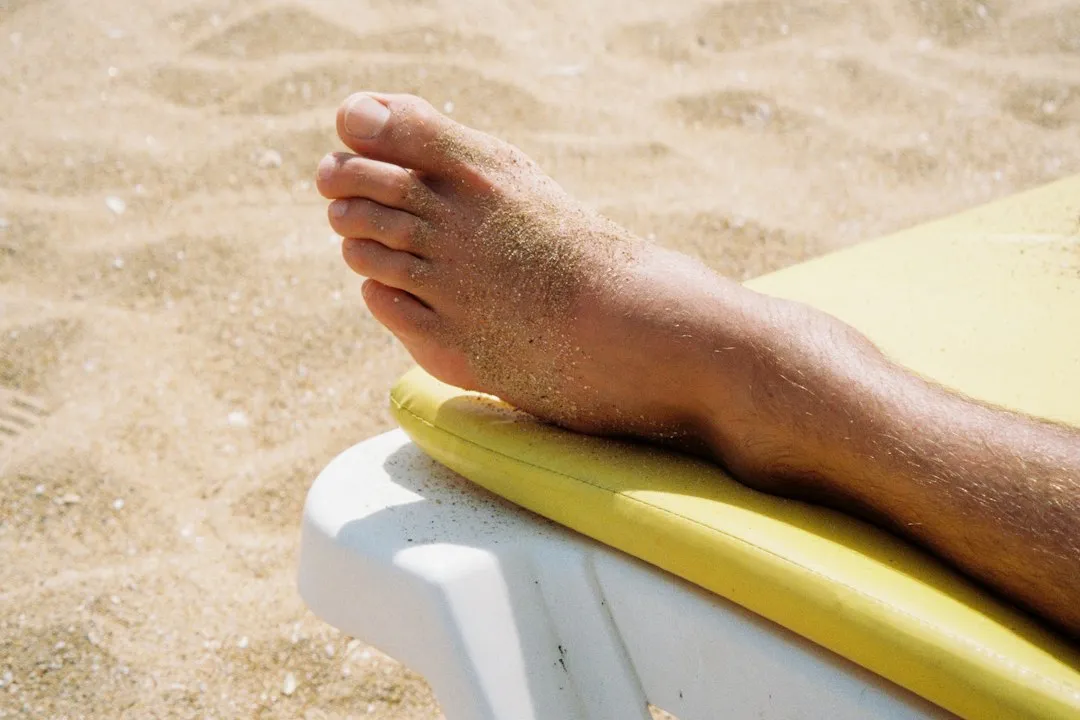
Common places people miss include the ears, eyelids, lips, scalp, the top of the feet, and places near the edges of clothing, such as straps. The tops of the feet sit in full sun whenever someone wears sandals, flip-flops, or no shoes at all, yet they almost never receive sunscreen before a day at the beach or pool.
The skin on the tops of the feet is thin and rarely toughened by habitual UV exposure the way facial skin sometimes becomes, making it particularly vulnerable to burning fast. A sunburn here is also notoriously painful and slow to heal, given that the foot moves constantly throughout the day.
The fix is simple: before stepping into sandals, apply SPF across the top of the foot just as you would your shoulders. It takes about ten seconds and prevents a painful burn that can linger for days.
The Medial Canthal Area: The Tiny Corner Everyone Skips
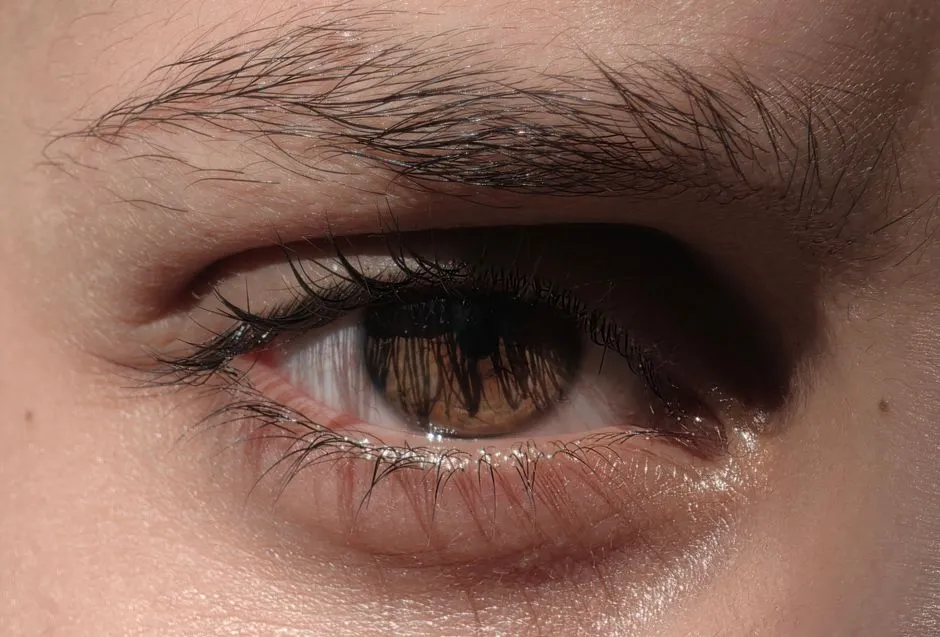
This is the small triangular area sitting between the inner corner of the eye and the bridge of the nose. It barely registers in most people’s minds as an area that needs sunscreen, and UV imaging research has confirmed it’s almost always left unprotected.
According to a study published in research on UV imaging, the most commonly missed areas during sunscreen application on the face are the eyelids and the area between the inner corner of the eye and the bridge of the nose. Even when participants were provided with health information and asked to repeat the application, the medial canthal area was still frequently missed.
These data reveal that a public health announcement-type intervention could be effective at improving coverage of high-risk areas of the face, however high-risk areas are likely to remain unprotected, and other mechanisms of sun protection such as UV-blocking sunglasses should be widely promoted.
The Application Gap: It’s Not Just Where, It’s How Much
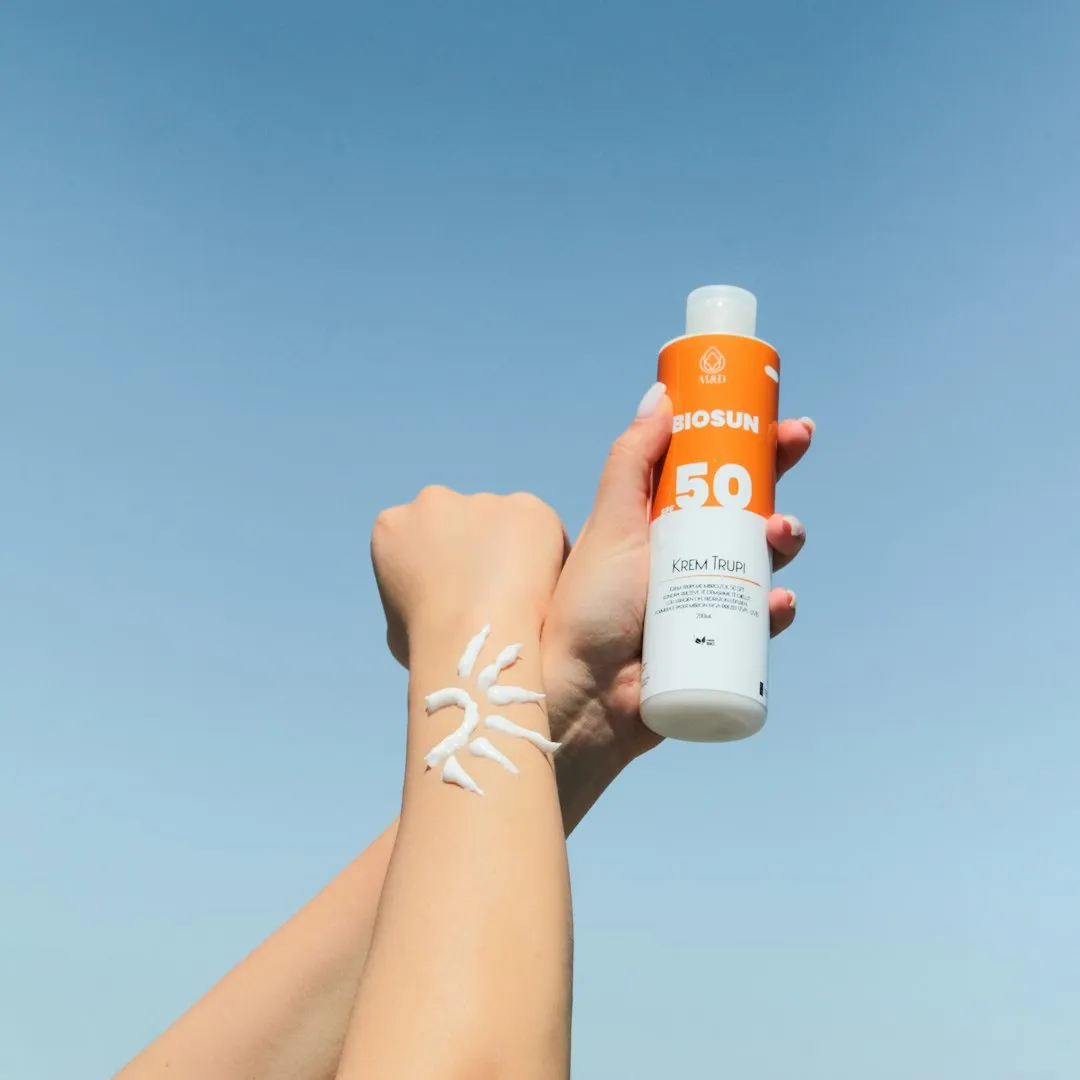
Even on the spots people do remember, they typically don’t use enough product. Research has shown the gap between a properly sized application and what most people actually use is significant enough to meaningfully reduce effective SPF protection.
Participants in one study missed a median of roughly twenty percent of their available body surface after a single sunscreen application. After a double application, they had missed about nine percent. The decrease in missed areas was significant for the whole body surface and for each of the body regions separately.
Because of people’s tendency to apply too little sunscreen, dermatologists recommend going with a higher SPF rating than you might otherwise choose, so you end up with adequate protection. SPF ratings are also not linear: an SPF of 15 offers protection from about ninety-three percent of UVB radiation, while SPF 30 blocks ninety-seven percent and SPF 50 blocks ninety-eight percent.
The Broader Picture: Skin Cancer Numbers Make This Urgent
More than eight thousand people are expected to die of melanoma in a single year, according to the American Cancer Society. According to a recent study in the UK, roughly eighty-six percent of those melanomas were caused by sun exposure. These are preventable deaths, connected directly to habits that are easy to change.
Despite enjoying being in the sun, nearly two thirds of Gen Z survey respondents said they often forget to apply sunscreen, and only about a third believe that skin cancer prevention is the most important reason to use sunscreen. The awareness gap remains wide across age groups, not just among younger adults.
On average, a person’s risk for melanoma doubles if he or she has had more than five sunburns in a lifetime. Dermatology organizations recommend daily use of a broad-spectrum, water-resistant sunscreen with an SPF of 30 or higher, applied in sufficient quantity and reapplied regularly when outdoors. Reapplication every two hours, and immediately after swimming or sweating, remains one of the most consistently repeated pieces of advice from dermatologists.
The Takeaway

Sunscreen routines are rarely as complete as people assume. The research is clear that even well-intentioned application leaves key areas exposed, and those areas, the eyelids, ears, lips, scalp, neck, hands, and feet, are among the most common sites for skin cancer to develop.
The good news is that none of these fixes require special products or extra time. A few additional seconds of attention and a mental checklist before heading outside covers most of the gaps. It’s one of those rare situations where a small behavioral change carries real, long-term consequences for your health.
Sunscreen won’t do its job halfway. Neither should the person applying it.
AI Disclaimer: This article was created with the assistance of AI tools and reviewed by a human editor.