
Most gardeners know the basics: some plants need sun, others prefer shade. The trouble is that knowing it and truly understanding it are two different things. Thousands of plants in home gardens are sitting in the wrong light right now, slowly struggling under conditions that look perfectly fine at first glance.
The stress doesn’t always arrive as a dramatic collapse. It builds quietly, through bleached leaves, stunted growth, and a slow decline that can take weeks to become obvious. Understanding why this happens requires looking a little deeper than plant labels and sunlight charts.
The Core Problem: Shade Plants Are Built Differently
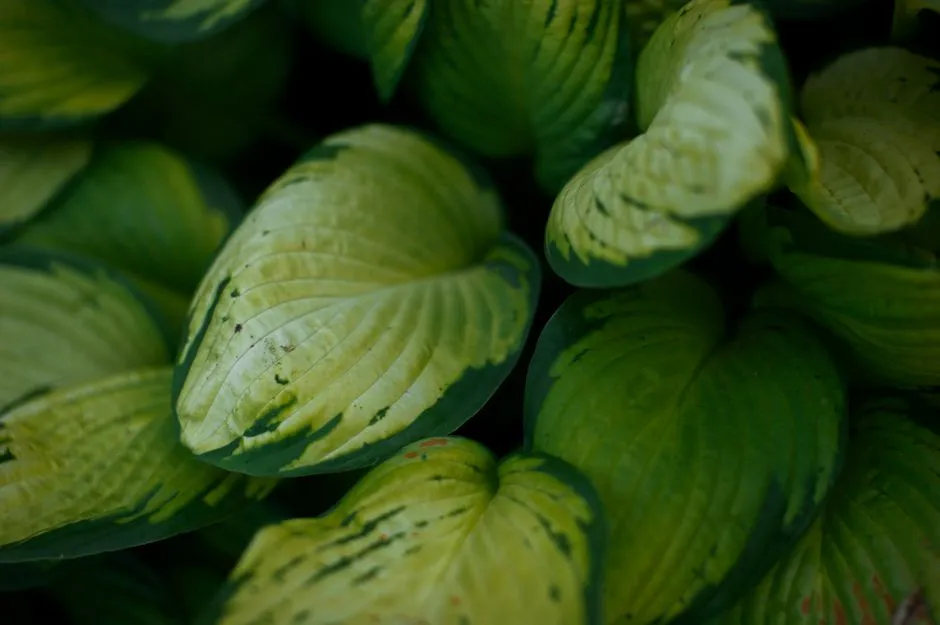
Shade-loving plants didn’t just adapt to lower light as a compromise. They evolved around it, structuring their entire photosynthetic system to function efficiently under a gentle canopy. Shade plants have a lower photosynthetic maximum than sun plants, which means they experience more excess light at a given photon irradiance above saturation. In practical terms, what feels like an ordinary sunny afternoon to us is already overwhelming to a fern or hosta.
Plants cannot move from shade to sun when light is limited, and conversely, cannot evade from sun to shade when exposed to too much sunlight. They have to respond to changing light conditions in other ways. That inability to simply walk away from harsh light is what makes overexposure so quietly damaging.
What Photoinhibition Actually Means
Transitions of shade-grown plants to full sunlight can cause reductions in the efficiency with which light is used in photosynthesis, a process called photoinhibition. It sounds technical, but the consequences show up plainly enough in the garden. The leaf stops processing light effectively, and rather than gaining energy, the plant begins to sustain damage at its cellular core.
Photoinhibition often occurs when light energy is excessive, which reduces photochemical efficiency and can even cause photooxidative system damage. For a shade-adapted plant, the threshold at which this tipping point occurs is far lower than for a sun-loving species. The plant’s photosynthetic machinery simply wasn’t built to handle the load.
The Chlorophyll Breakdown You Can See
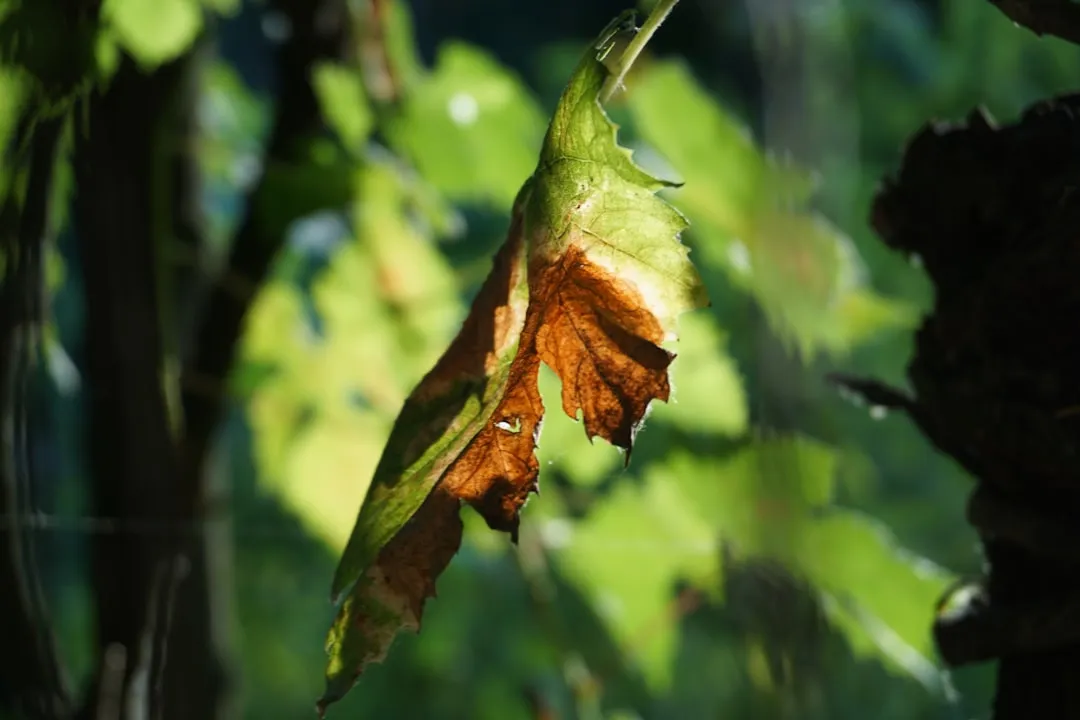
When shade-loving plants are exposed to full sun, leaf scorch or sunburn can occur. Strong sun and heat cause the breakdown of chlorophyll in the leaf. Damage appears as pale, bleached, or faded areas, and these areas eventually become brown and brittle. This is the visible signature of a plant under photochemical stress, and it usually appears on the most exposed surfaces first.
Leaf scorch due to direct sunlight during the growing season is often caused by a sudden change in exposure caused by tree removal or transplanting from shady areas into sunny areas. This is one of the most common scenarios in home gardens. A tree comes down, or a plant gets moved, and within a few weeks the foliage looks scorched without any obvious reason.
Reactive Oxygen Species: The Invisible Damage
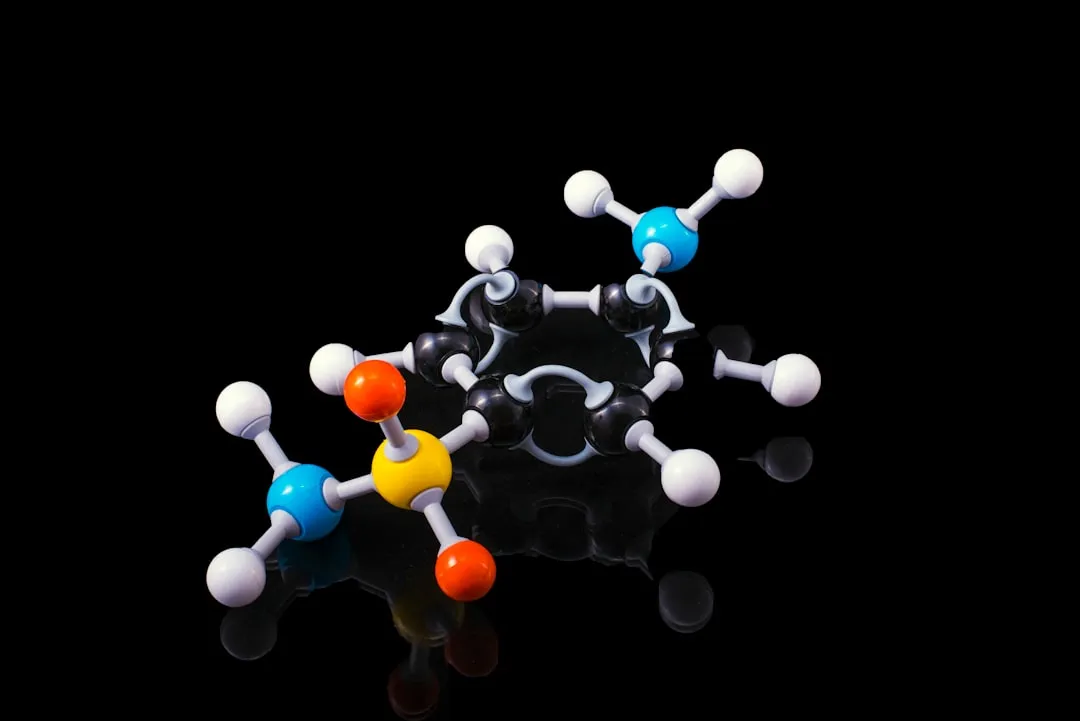
Beyond the visible browning, something more serious is happening at the cellular level. In the light reactions of photosynthesis, reactive oxygen species such as superoxide anion radical, hydrogen peroxide, singlet oxygen, and hydroxyl radical are continuously generated at basal levels and kept in homeostasis by antioxidative systems. Under abiotic stress conditions, this balance is disrupted, and the increased ROS production leads to oxidative stress, which is involved in the growth retardation of plants.
ROS are potentially harmful, with the ability to damage iron-sulfur proteins, oxidize amino acid residues, and generate further radicals and reactive electrophiles resulting in lipid peroxidation and DNA damage. For a shade-adapted plant receiving excess light, this kind of internal damage accumulates faster than its protective systems can address. The plant isn’t just uncomfortable. It’s chemically under attack from within.
Why Afternoon Sun Is Especially Harmful
Morning sun is cooler and less intense. It does not lead to leaf scorch and stress. Some plants can tolerate a lot more sun if it was morning sun as opposed to the hot, scorching afternoon sun. This distinction matters enormously in practice, yet it gets overlooked more often than not when people choose planting locations.
If those three hours of direct sun land between 2 and 5 p.m. on the west side of the house, you have just planted into the hottest, driest part of the day. Afternoon sun stresses shade perennials far more than the same number of morning hours. Three hours of afternoon sun can do more harm to a hosta than six hours of gentle morning light.
Seasonal Shifts That Catch Gardeners Off Guard
The angle of the sun and the length of daylight hours change constantly throughout the year, and this is an important consideration in garden planning. Yearly changes in sunlight, whether direct or indirect, long or short periods, can have major consequences for plant health. A spot that seemed ideal in the cool, low-sun days of early spring can become dangerously exposed by midsummer.
A bed under a sugar maple looks blissfully shady in July when you are planting. That same bed may be in full sun during April and early May when hellebores, bloodroot, and trilliums are pushing their tender new growth. The plant is most vulnerable precisely when the canopy is most absent. That timing mismatch does quiet but real harm every year.
Light Intensity Varies More Than Labels Suggest
It’s important to think about more than just how many hours of sun a plant gets. The quality, or intensity, of that sunlight is just as critical. A plant label that simply says “shade” was not written with your specific garden’s latitude, elevation, or local climate in mind. It’s a starting point, not a guarantee.
Latitude, season, and time of day all affect light intensity, and sunlight gets more intense the closer you are to the equator. This is why shade-loving plants like hostas will tolerate more sun in the North than they will in the South. Two gardeners growing the same species in different regions can have completely different outcomes following the same label instructions.
The Hidden Danger of PSI Photoinhibition
Research published in Frontiers in Plant Science found that the damage caused by excess light in shade-tolerant plants goes beyond the commonly discussed Photosystem II. PSI photoinhibition is the basis for the sensitivity of shade-tolerant plants to high light conditions, and PSI photoinhibition might be a vital reason for explaining why shade-tolerant plants cannot grow under high light. This finding is significant because it points to a deeper structural incompatibility, not just surface-level stress.
After exposure to very high light for two hours, the maximum photo-oxidizable P700 decreased by roughly forty percent in the shade-established species tested, compared to only nine percent in a sun-established species. These results indicate that the shade-established species is incapable of protecting Photosystem I under high light. That is a substantial loss of photosynthetic capacity from a relatively brief exposure.
The Hardening-Off Window Most People Skip
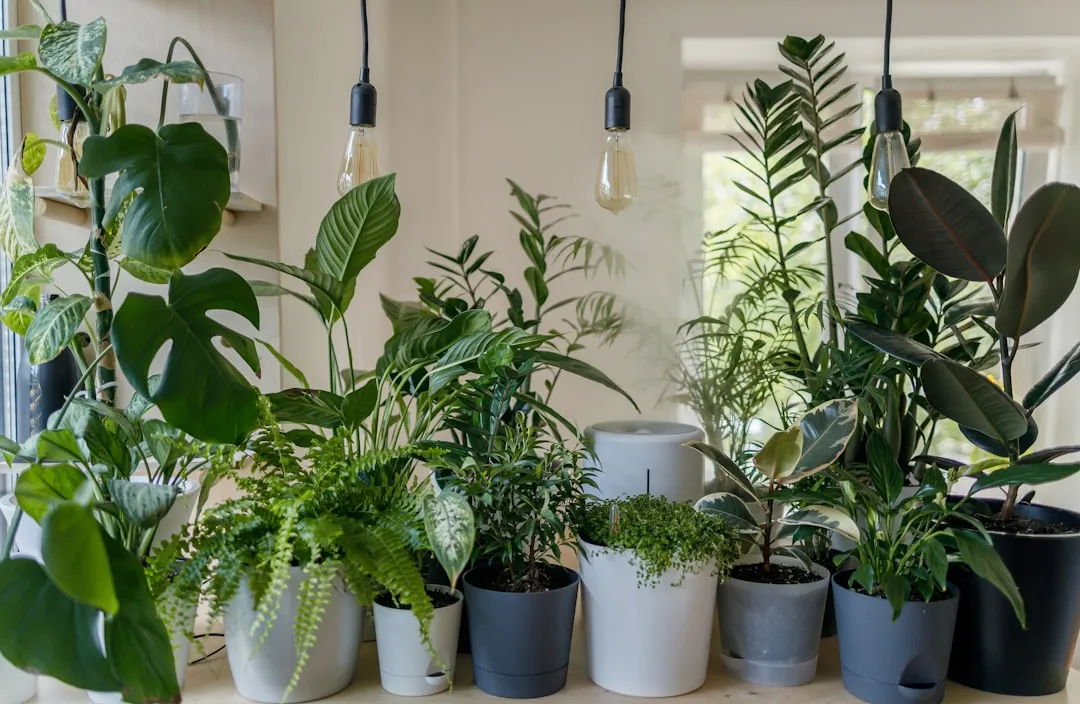
Moving a shade-adapted plant into brighter conditions without a transition period is one of the most damaging things a gardener can do, even if the final destination looks manageable. Sunburn may also occur on indoor plants that are adapted to low light conditions and moved directly outdoors without a “hardening off” period. The plant’s photosynthetic system needs time to restructure itself for the new conditions.
A gradual introduction acclimates indoor-grown plants to sunlight, wind, and outdoor conditions, preventing stress or plant death. Typically, this process takes seven to fourteen days depending on plant type and weather conditions. Rushing through this window, or skipping it entirely, is where most of the silent damage happens.
What Stressed Shade Plants Are Trying to Tell You
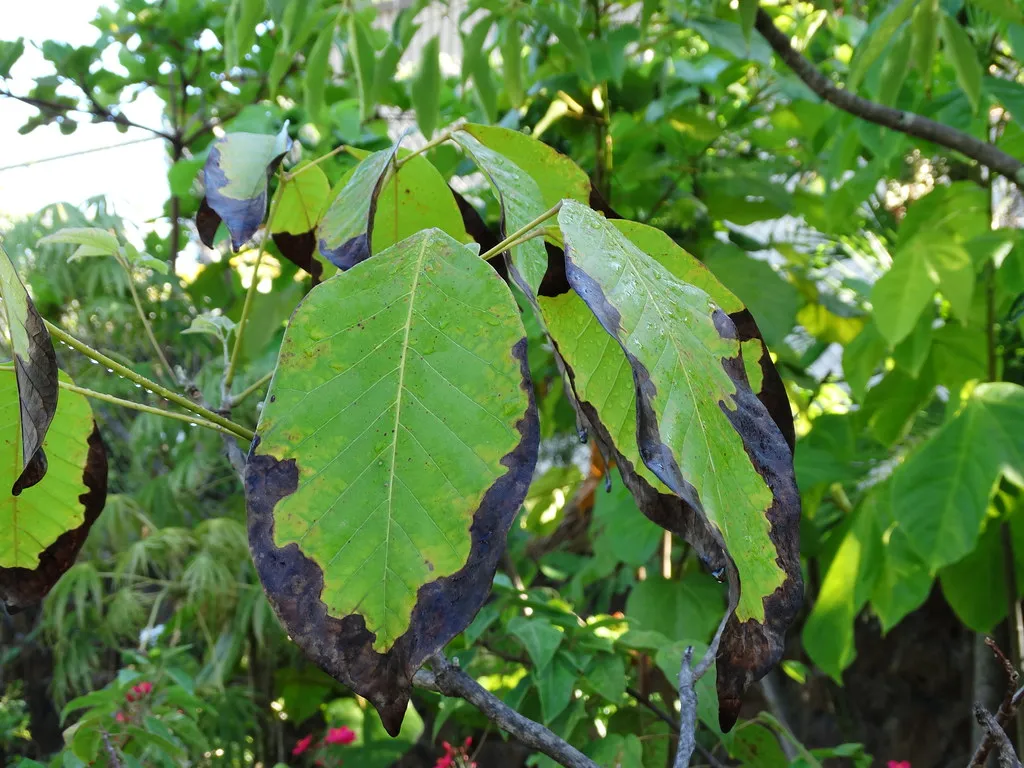
Brown leaf edges are common on hostas, as well as other shade-loving plants, when the temperatures rise or the sun is too intense. These brown edges, known as scorch, occur when the plant loses more water than is available or faster than the plant can absorb. The browning isn’t purely cosmetic. It reflects a physiological failure under compounding stress.
Symptoms are more severe when strong sun is combined with dry soil conditions. That combination of excess light and moisture stress is especially common during late summer heat waves, precisely when a plant has already been dealing with months of suboptimal placement. To avoid problems caused by excess sunlight, select plants suited to the growing conditions in your yard. Most shade-loving plants will tolerate morning sun, as long as adequate moisture levels are maintained.
A Quiet Fix With Lasting Results
The good news is that the solution doesn’t require major garden restructuring. Most shade plants that have suffered light stress can recover well once relocated or protected. Avoid planting in locations exposed to strong mid-day sun. That single adjustment resolves the vast majority of cases.
Beyond placement, timing matters. Gradually acclimate indoor plants to outdoor conditions over the course of a week or ten days. The first few days, place the plants in a sheltered spot out of the wind with light shade, then gradually move them into a place with a bit more exposure, starting with morning sun and shade in the afternoon. Patience during this window pays dividends for the rest of the season.
The Takeaway
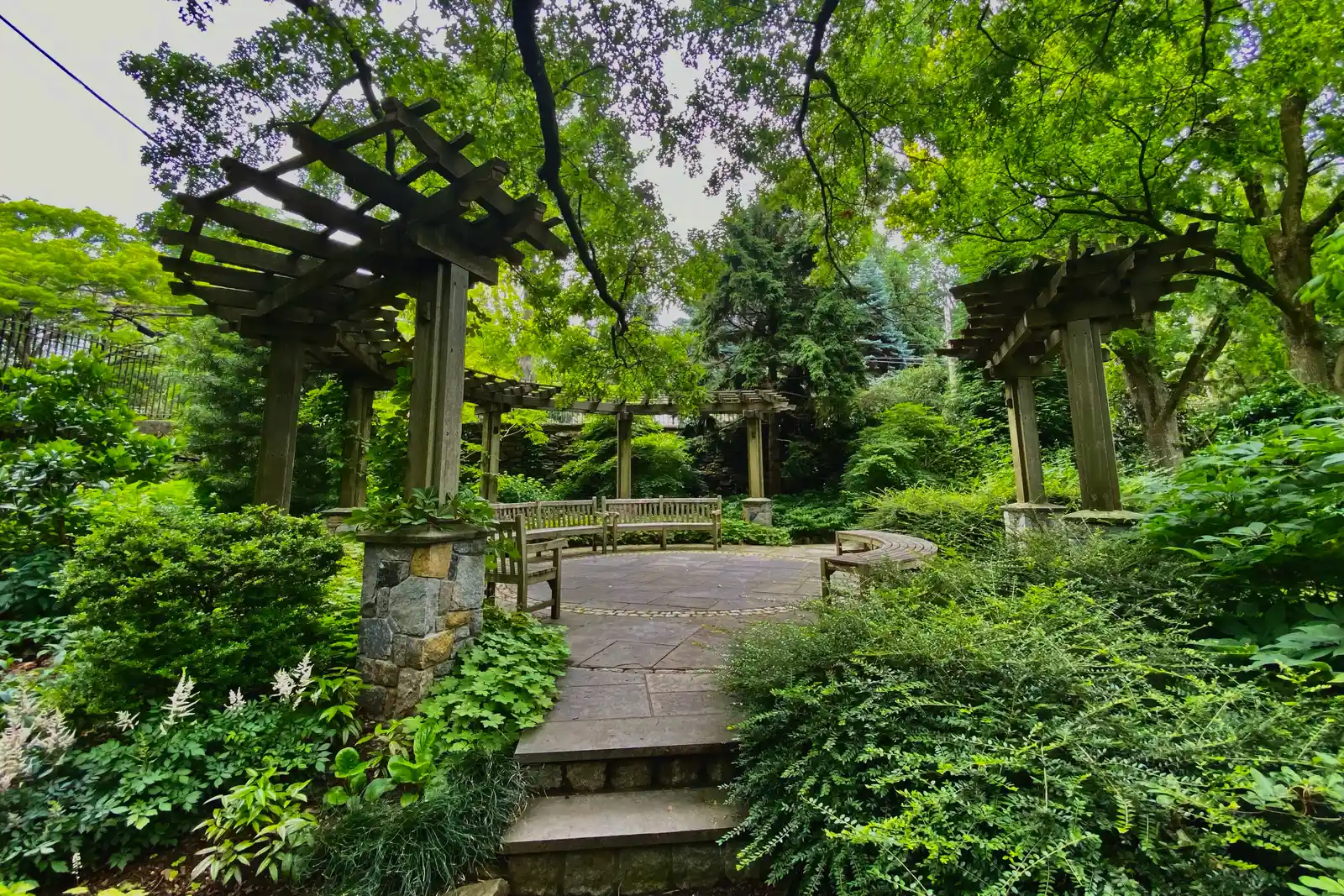
Shade-loving plants don’t fail dramatically. They fade, scorch at the edges, stall in growth, and quietly struggle while looking vaguely unwell. The underlying biology is now well-documented: excess light overwhelms their photosynthetic systems, triggers reactive oxygen damage, and breaks down the very chlorophyll they depend on to survive.
The sunlight mistake isn’t usually careless. It’s genuinely subtle, involving shifting canopies, misleading labels, and afternoon angles that no one bothers to measure. But once you understand what’s actually happening inside those leaves, the fix becomes straightforward. Match the light to the plant, not the other way around, and the garden tends to take care of the rest.
AI Disclaimer: This article was created with the assistance of AI tools and reviewed by a human editor.