
Most home gardeners do everything right on paper. They water consistently, feed the soil, and choose reputable seed varieties. Yet come harvest time, the yields are thin, the fruits are small, and something feels persistently off. The culprit is rarely the soil or the seeds.
The real problem is sunlight. More precisely, it’s a consistent misjudgment of how much sunlight the garden is actually receiving versus how much gardeners assume it is getting. That gap between assumption and reality is where harvests quietly fall apart.
The “Good Enough” Sun Trap Most Gardeners Fall Into

Most garden vegetables require at least 6 to 8 hours of direct sunlight daily for optimal growth, and one of the most common garden mistakes is simply not giving vegetables enough of it. The problem isn’t that gardeners are careless. It’s that a bed that looks bright and open in the morning can lose hours of direct exposure by the time afternoon rolls around.
One of the most important questions you can ask when planning a vegetable garden is how much sunlight your growing area actually gets, because sunlight is the engine that drives plant growth, and without enough of it, no amount of water, fertilizer, or careful attention will make up the difference. Gardeners routinely overestimate their sun hours by two or even three hours a day, which is enough to push a productive bed into underperformance.
Why Fruiting Vegetables Suffer Most from Low Light
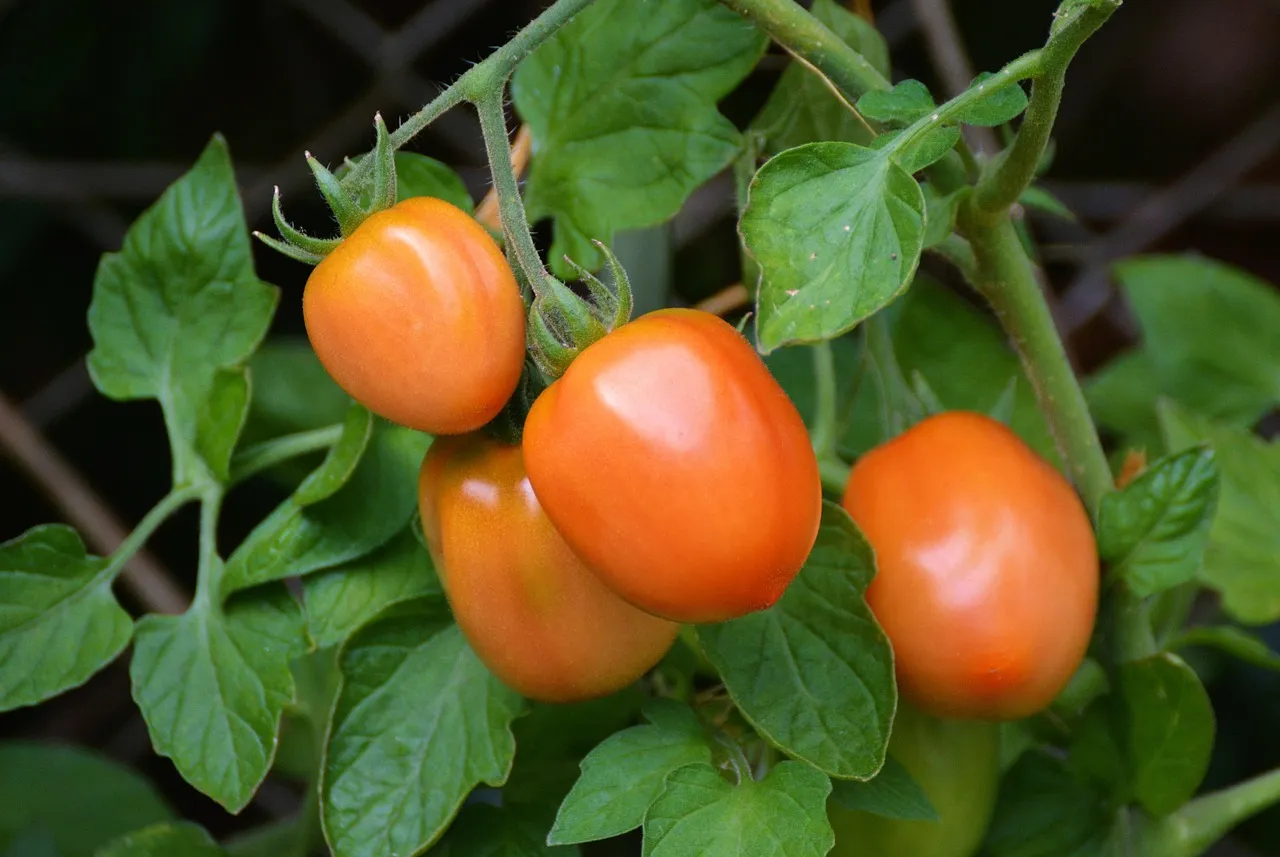
Fruiting vegetables such as tomatoes, peppers, squash, cucumbers, and beans are more demanding of sunlight and typically require 7 to 8 hours or more of direct sun for successful fruit development. When they don’t get it, they don’t simply grow a little slower. They redirect their energy toward survival rather than production.
With fruiting and flowering vegetables, the less sun they receive, the less they will produce, and when the available sunlight becomes too low, they will not produce at all. That’s a hard limit worth taking seriously. A tomato plant limping along in five hours of sun won’t just yield fewer tomatoes. It may yield none worth eating.
The Three-Category Rule That Changes How You Plan
A useful shortcut is this: leafy vegetables are the most adaptable to low light conditions, root vegetables are next in line, and fruit-bearing vegetables need the most sunlight. Simply put, if it makes a fruit, it wants full sun. This simple mental model saves a lot of wasted planting decisions.
Plants from which we primarily harvest the fruit, such as tomatoes, melons, peppers, eggplants, and squash, require the most sunlight and warmth, optimally liking 8 to 10 hours of sun, and it is probably unwise to attempt growing any of these if your site receives less than six hours of sunlight a day. Meanwhile, with as little as three hours of sun, you may successfully grow leafy vegetables including lettuce, endive, arugula, spinach, kale, chard, and mustard greens.
How Shadows Lie to You Throughout the Day
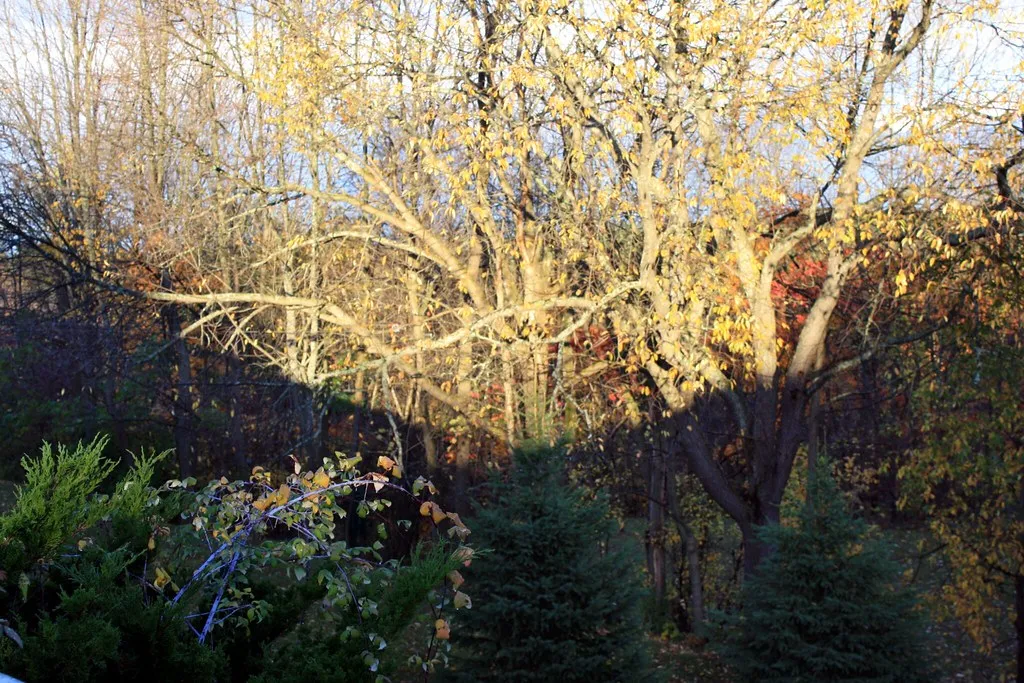
Sunlight patterns shift across yards as the day progresses from morning to evening, and trees, fences, and buildings cast shadows that change available light throughout the growing space. What feels like a sun-drenched bed at 9 a.m. may be sitting under a fence shadow by 2 p.m.
One of the biggest mistakes gardeners make involves crowding sun-loving plants into shaded corners. Tomatoes, peppers, and cucumbers need strong light, yet they often end up under trees or next to tall structures. This mistake leads to weak stems, fewer fruits, and disappointing harvests. The frustrating part is that these plants can still look reasonably healthy for weeks before the damage to yield becomes visible.
Morning Sun vs. Afternoon Sun: They’re Not the Same

Morning sun often delivers gentler light that supports young plants and tender leaves, while afternoon sun brings stronger intensity that benefits fruiting crops and heat-loving vegetables. This distinction matters more than most gardeners realize when they’re counting their daily sun hours.
Late-afternoon sun is more intense than morning sun, which matters significantly for heat-sensitive plants. So a bed that receives six hours entirely in the morning is functionally different from one receiving six hours that extend into mid-afternoon. Morning sun feels gentle, but afternoon sun delivers the strongest growth punch for most crops.
The Seasonal Blind Spot That Wrecks Summer Crops
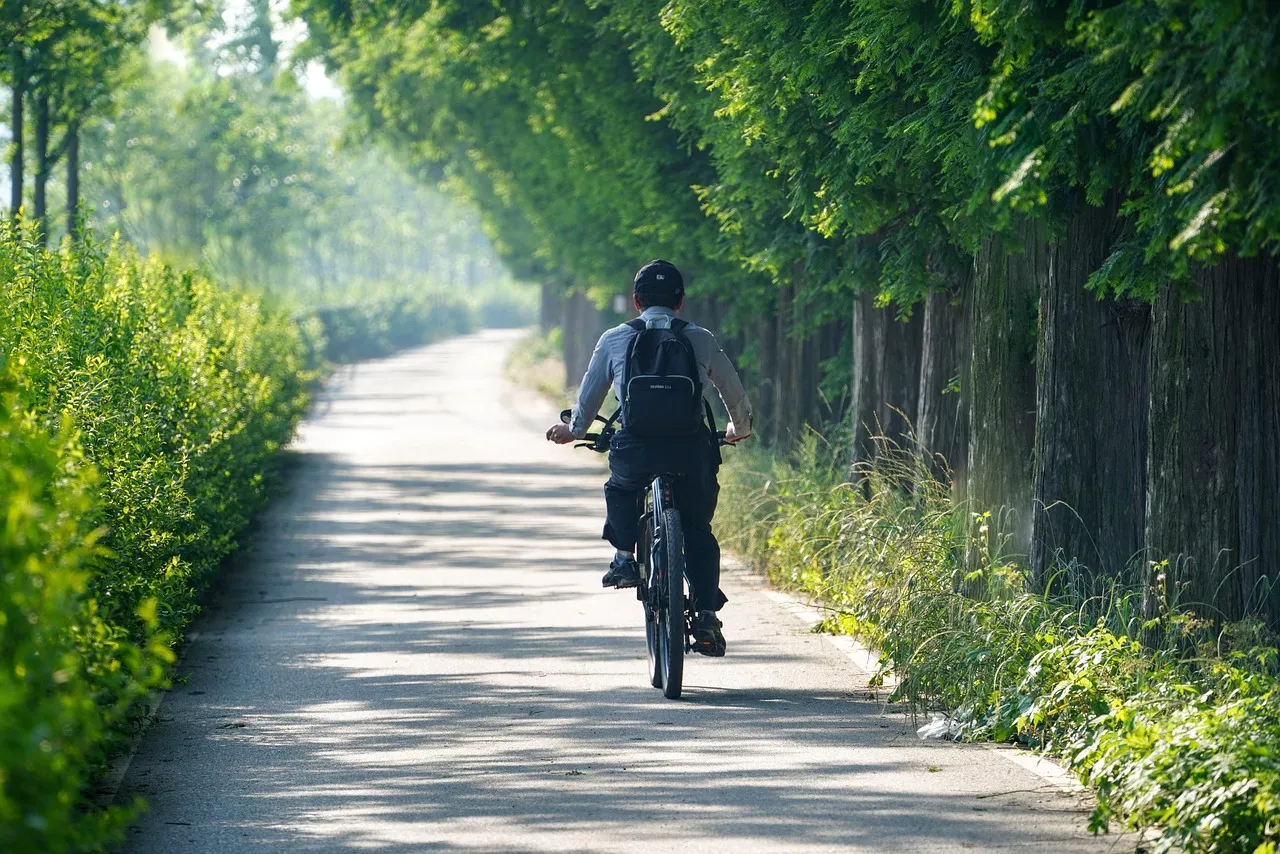
Seasonal changes also shift sun angles and alter how long each area receives direct exposure. A garden assessed in early spring, before nearby trees have fully leafed out, can look entirely different by June. Many gardeners plan once and forget to re-evaluate.
Another common issue comes from ignoring seasonal light changes as trees grow leaves or expand shade coverage. Gardeners sometimes plan in spring and forget how summer transforms the yard. Since season matters, a spot with full sun in spring might be shaded by trees in summer, so it’s important to test when trees have their leaves.
What Sunlight Deprivation Actually Looks Like on Your Plants
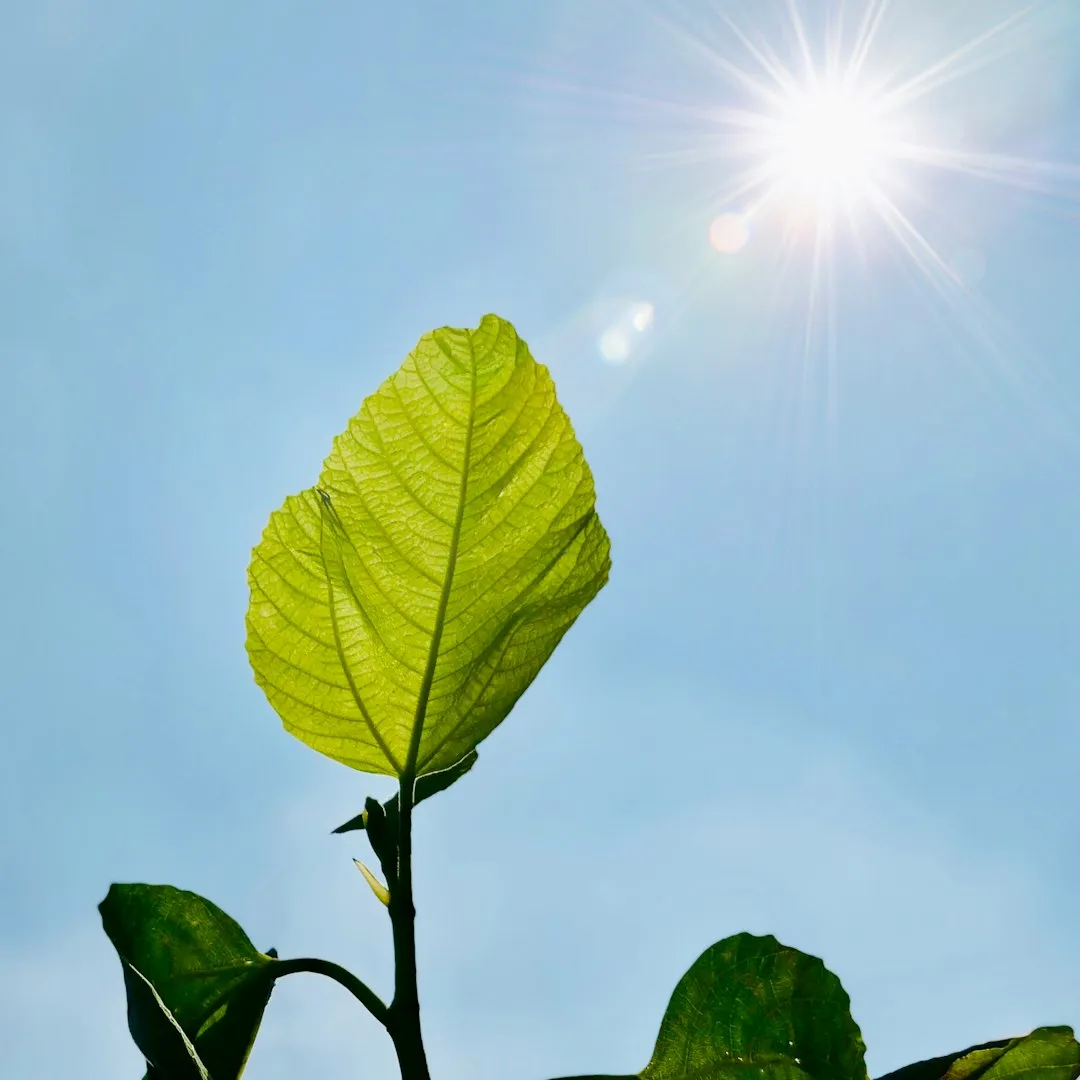
Signs that your vegetables aren’t getting enough sunlight include leggy or stretched growth, pale or yellowing leaves, and generally poor fruit and flower production. If plants are growing tall and spindly in search of light, it’s a clear indication that they’re not receiving adequate exposure.
Too little sunlight causes light green foliage, lack of production, and typically lanky stalks as the plants try to access more light, and weak plants are more susceptible to disease and pests. These symptoms are often misread as nutrient deficiencies, which leads gardeners to add fertilizer that doesn’t solve the actual problem. The plant doesn’t need more feeding. It needs more light.
How to Actually Measure Your Garden’s Sun Hours
Start with shadow tests throughout the day, marking where shadows fall hourly. Sunlight meters provide precise measurements of light intensity, while sun calculators help predict sunlight hours across seasonal changes. Neither approach requires expensive equipment or technical knowledge.
Taking a picture of your garden from the same spot every hour or two is a simple way to review how shadows shift throughout the day. Digital sunlight calculators like SunCalc can be placed in the garden to measure cumulative light over several days. Smartphone apps like Sun Seeker or Sun Surveyor use augmented reality to show the sun’s path. Any one of these methods is more reliable than guessing.
Smart Layout Adjustments That Recover Lost Yield
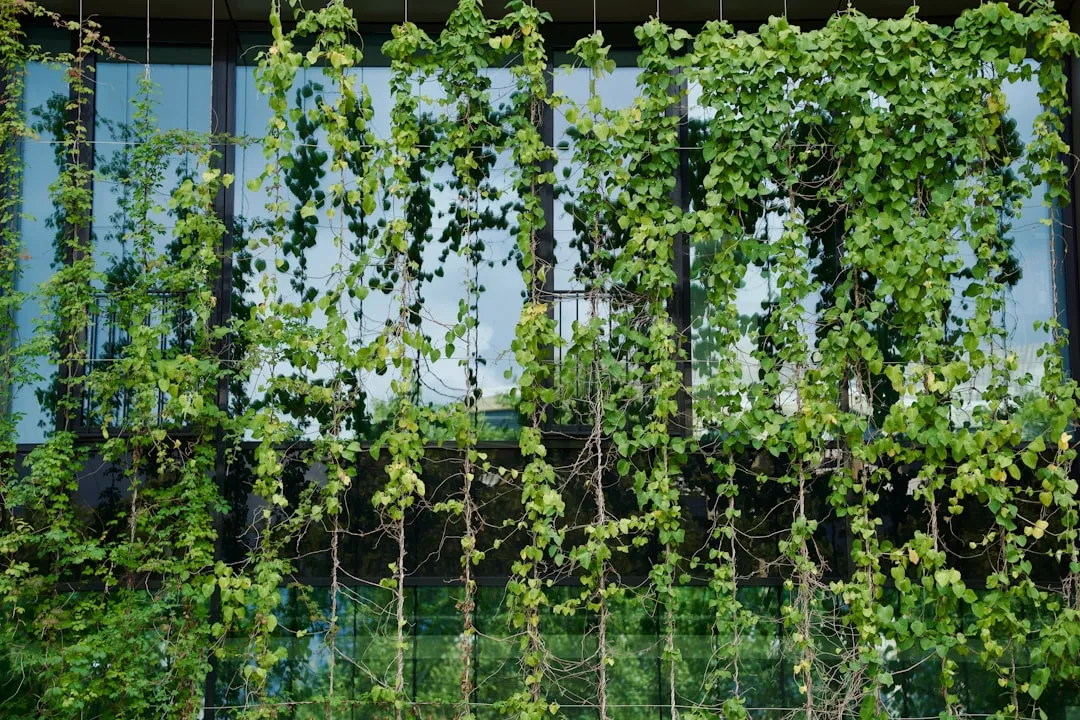
Place tall plants on the north side of the bed. Once you have found the right location for your food garden, you can use a few strategies to maximize sun exposure by planting taller plants on the north side of the garden and shorter plants on the south side, so the tall plants won’t block the sun from the shorter ones.
Trellises or other structures can maximize sun exposure for climbing plants like tomatoes, cucumbers, and beans. Vertical growing lifts light-hungry crops above competing shadows. Spacing vegetables generously to let in as much light as possible also improves airflow and helps reduce mildew while encouraging stronger growth.
Matching the Right Vegetables to Your Actual Light Conditions
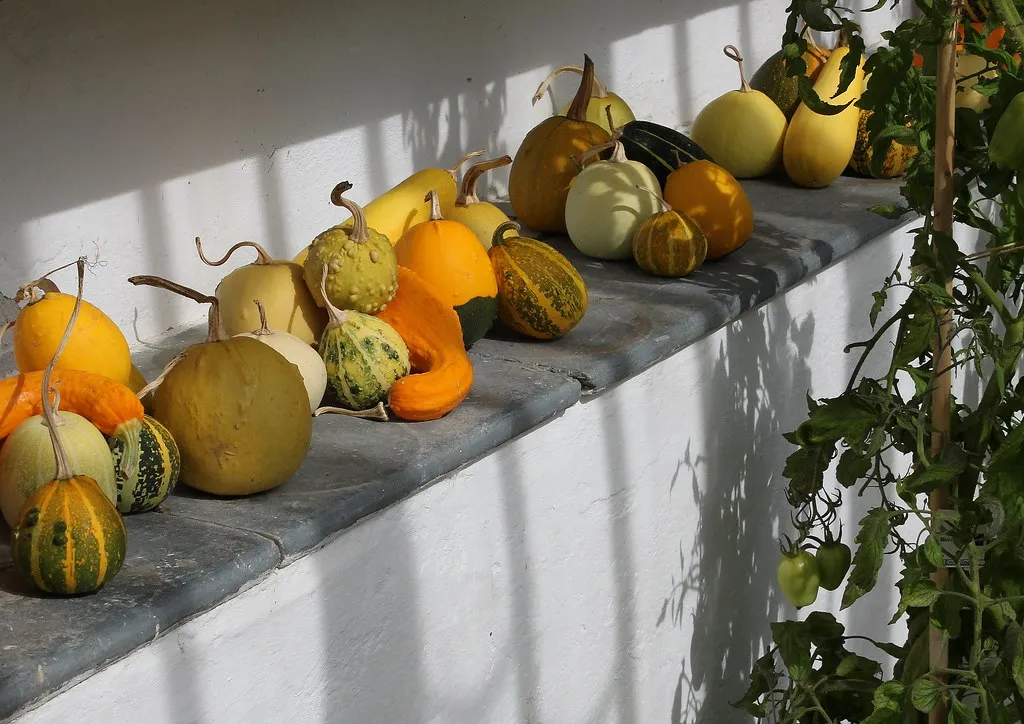
Full-sun crops like tomatoes need 6 to 8 hours daily, while leafy greens thrive with just 3 to 6 hours of direct sunlight. You can grow lettuce, spinach, kale, and herbs in areas with only 3 to 4 hours of morning light. The key shift is accepting your garden’s real conditions rather than fighting them with crops that simply won’t cooperate.
Root crops such as beetroot, carrots, onions, and potatoes have moderate light requirements, can grow in slightly less light, and can produce in locations that only receive 4 to 6 hours of direct sun a day. The good news is that even if your yard doesn’t get full sun all day, there are still plenty of vegetables you can grow successfully. A realistic appraisal of your space is always more productive than wishful planting.
The Takeaway
Sunlight is the one input that money can’t fully replace and that fertilizer certainly can’t substitute for. Getting an honest read on how many hours of direct sun your beds actually receive, and then choosing plants that match those conditions, is the simplest and most overlooked lever available to any home gardener.
The miscalculation isn’t dramatic. It’s usually a matter of two or three hours overestimated across a growing season. Accurate light tracking prevents mistakes that reduce harvest quality and plant health. Fix the light assessment first. Everything else tends to follow.
AI Disclaimer: This article was created with the assistance of AI tools and reviewed by a human editor.