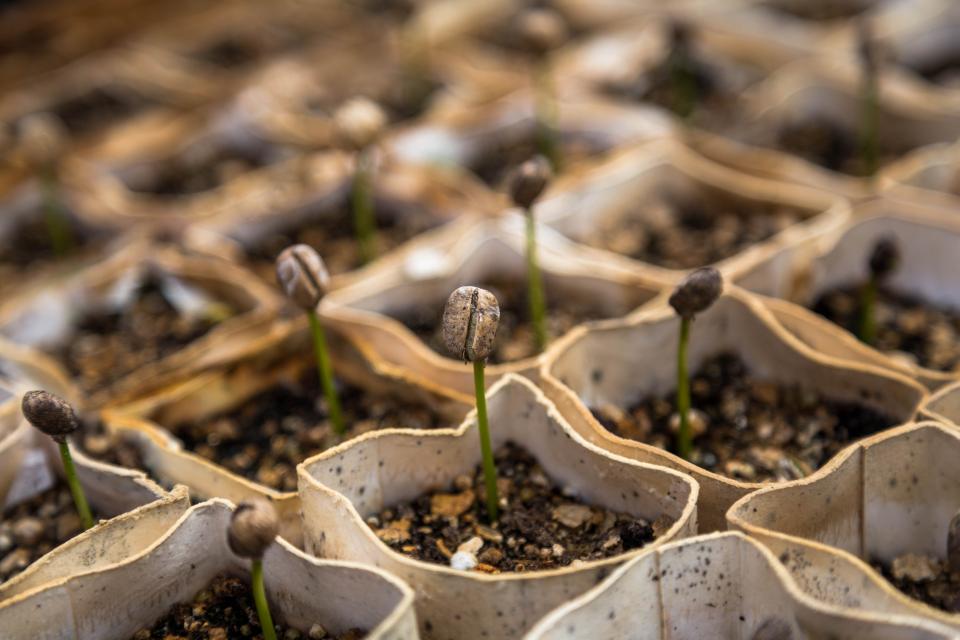

Something old is finding new life in community halls, library lobbies, and backyard gatherings across the country. Neighbors are showing up with small labeled envelopes, folded paper packets, and glass jars full of saved seeds, ready to trade with whoever pulls up a chair. It’s low-tech, unhurried, and surprisingly powerful.
This is the seed swap, and it’s having a real moment.
A Practice as Old as Agriculture Itself
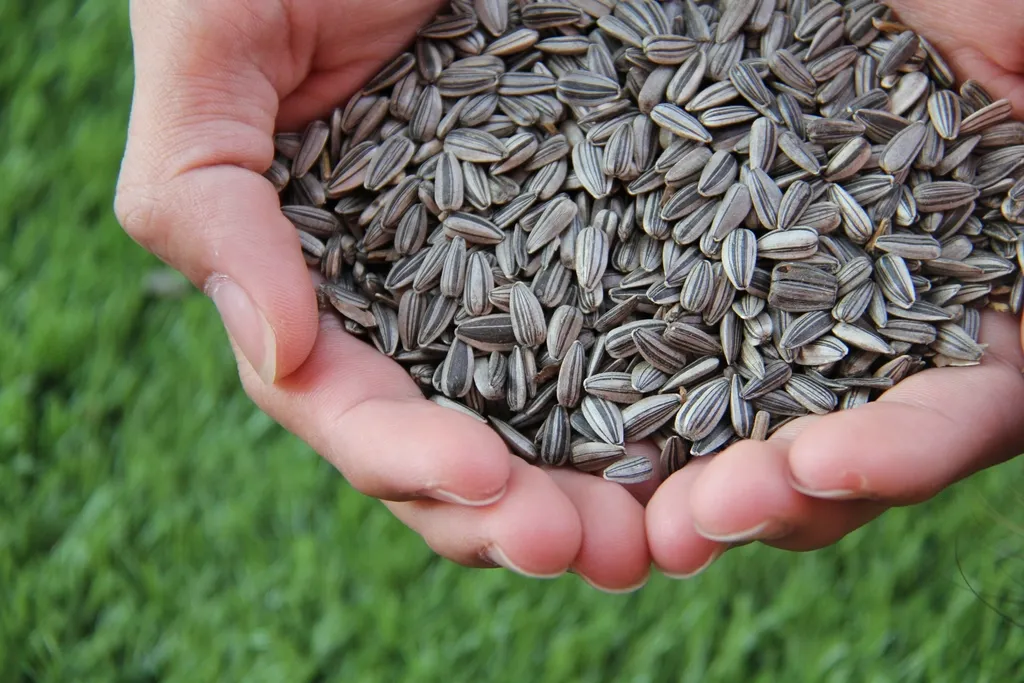
Seed trading is not a new idea that sustainability bloggers recently invented. Long before seed catalogs and garden centers existed, neighbors exchanged seeds as a way to survive, adapt, and build community. Seeds were among the earliest traded commodities, and farmers carried them across continents, using them as both currency and a way to establish new roots. The ritual is woven into the earliest chapters of human agriculture.
In North America, early colonists and Indigenous peoples relied on seed exchanges to cultivate staple crops like corn, beans, and squash. The knowledge embedded in those trades, which varieties thrived in which soils, which plants needed early starts, passed from hand to hand alongside the seeds themselves. That transfer of living knowledge is exactly what modern seed swaps are trying to reclaim.
How National Seed Swap Day Put It on the Calendar
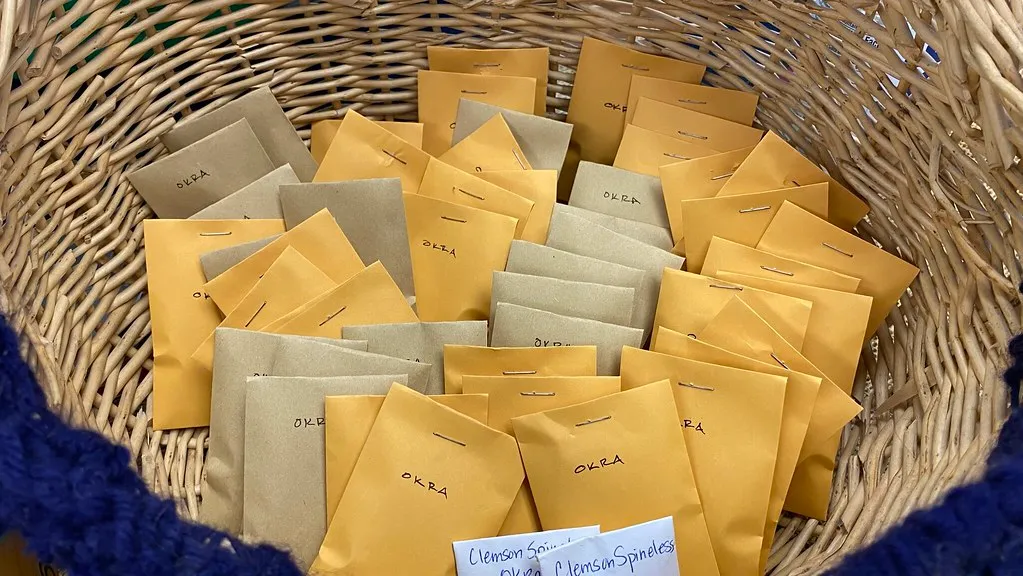
National Seed Swap Day was established by Washington Gardener Magazine editor Kathy Jentz, who organized the first seed-swapping event in Washington, D.C., on January 26, 2006. The success of the event inspired other states to join, and in the following weeks, the final Saturday of January was officially declared as National Seed Swap Day. What started as one event in one city now ripples out each January across the whole country.
In places like the greater Chicago region, National Seed Swap Day has grown into a full season of seed-sharing events. From Master Gardener groups and park districts to libraries, nature centers, and local garden clubs, organizations host seed swaps and plant exchanges from late January through early March. Some are large, well-established gatherings, while others are smaller neighborhood events rooted in local communities. The scale varies, but the spirit stays the same.
What Actually Happens at a Seed Swap
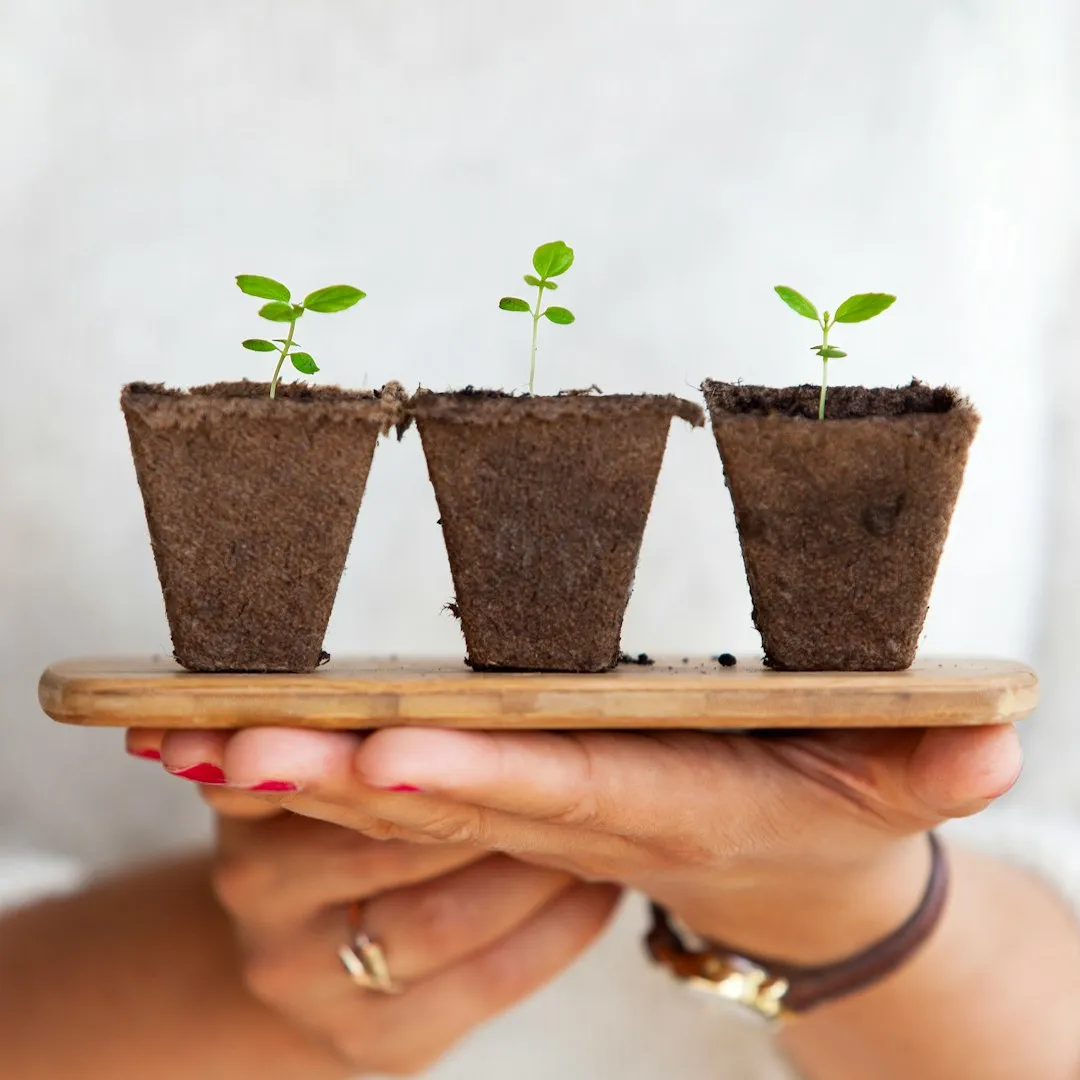
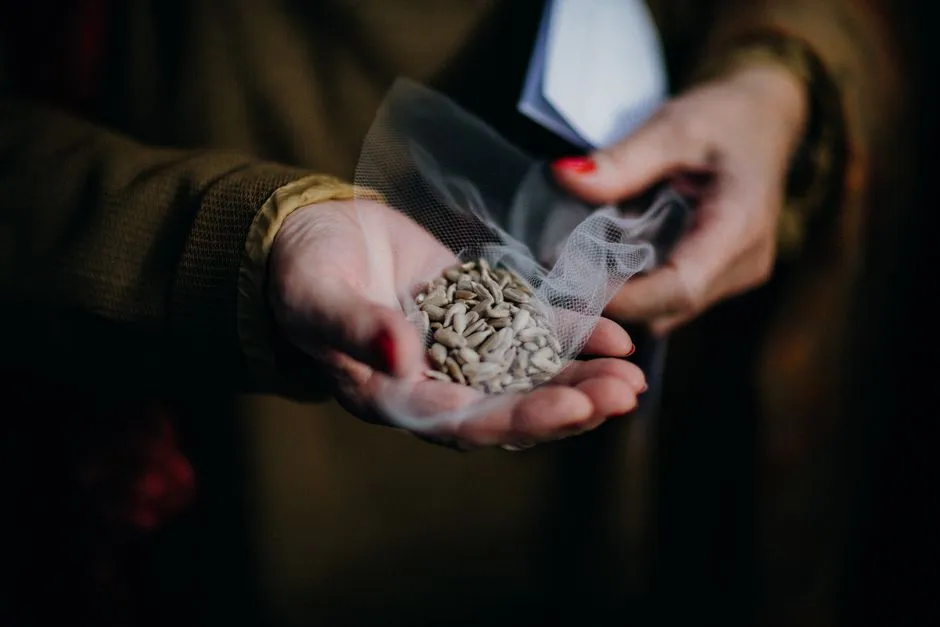
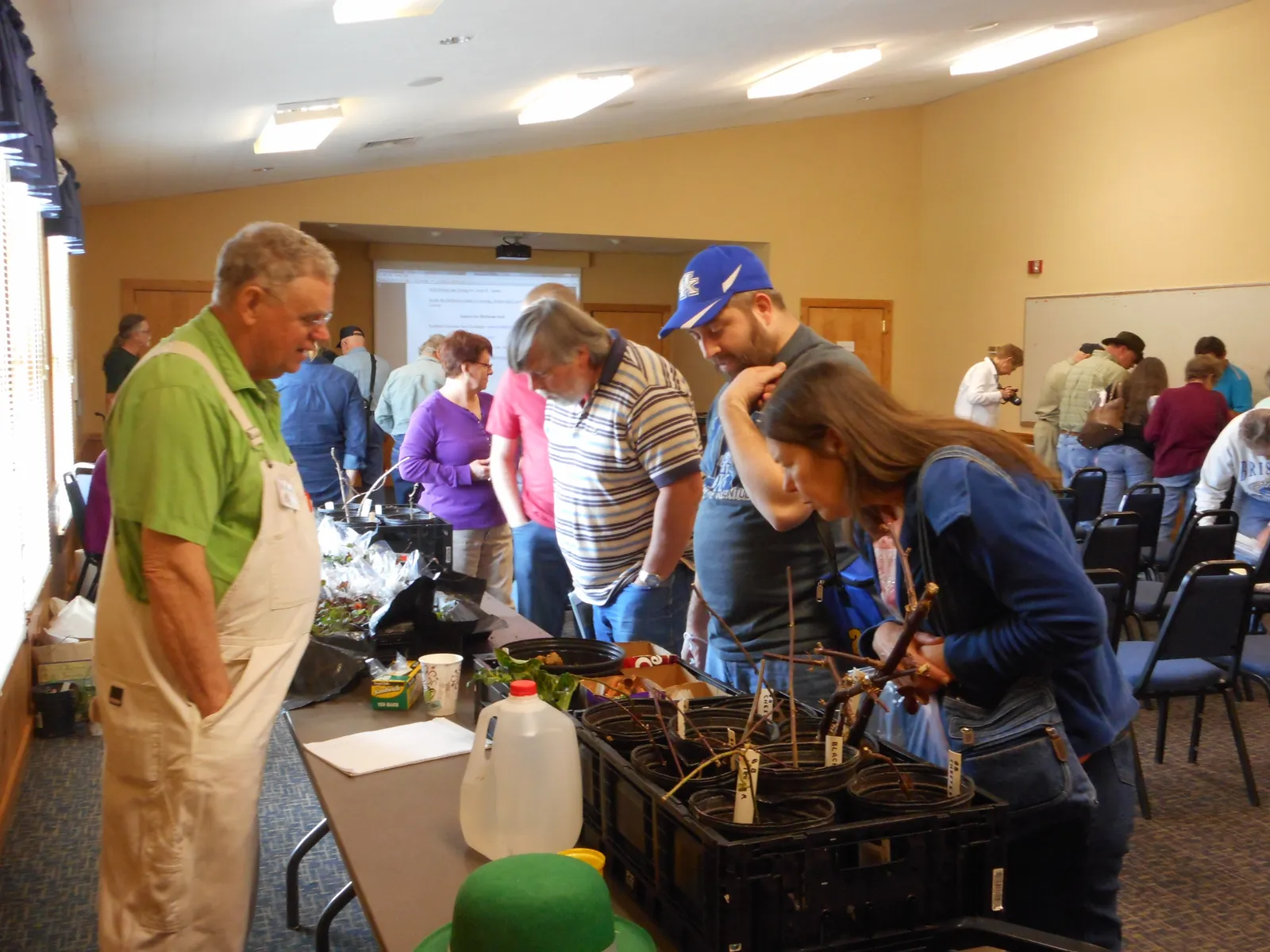
Gardeners show up with envelopes, jars, and tiny packets filled with seeds they saved from their best plants. They leave with new varieties they might never find in a store, including rare tomatoes, colorful beans, and fragrant herbs. There’s no price tag, no transaction. It runs on reciprocity.
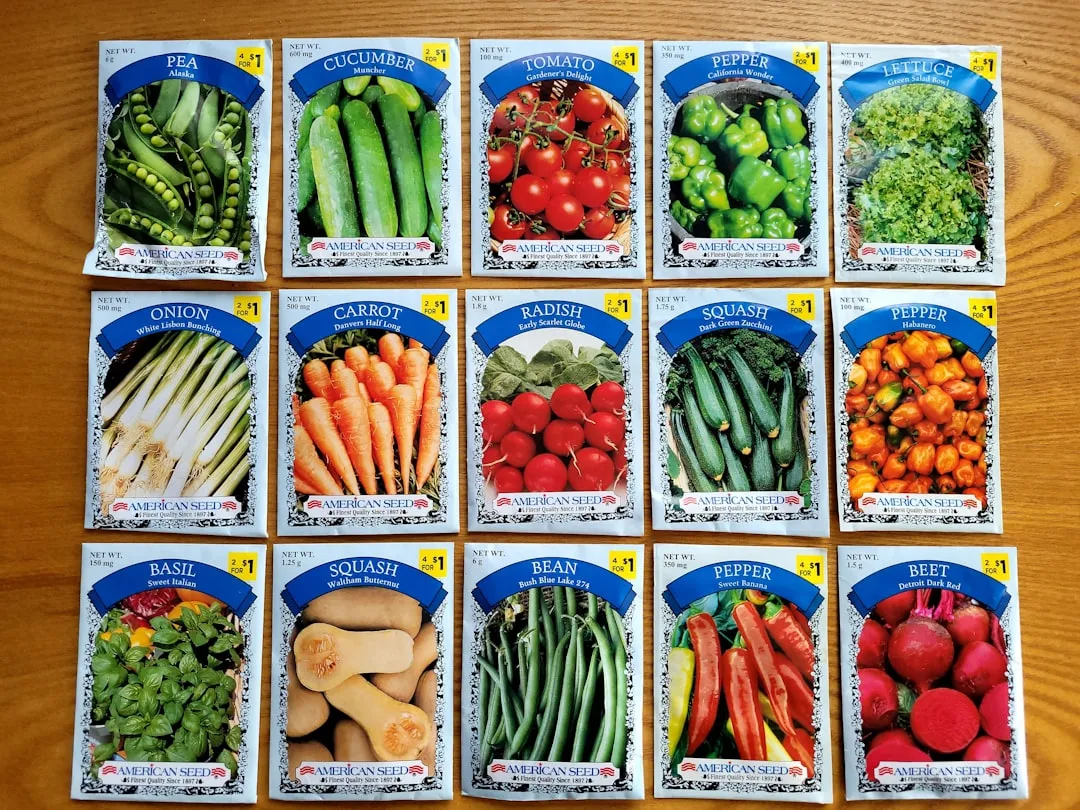
A typical seed swap features seeds for vegetables and herbs alongside native prairie plants, pollinator varieties, and annual flowers, as well as a few unusual or hard-to-find seeds and some houseplants. Tables often include heirloom favorites saved from last season alongside extra packets purchased for the year ahead. The mix keeps things interesting, and the casual browsing tends to spark real conversations.
Seed swaps also spark conversations that go beyond plants and into shared knowledge, local climate tricks, and hands-on growing advice. People exchange stories about what worked in their soil, which pests caused trouble, and which plants surprised them with heavy harvests.
Libraries Are Quietly Becoming Seed Hubs
One of the more unexpected homes for this revival is the public library. Local libraries offering seed libraries, where donated seeds are sorted into card catalogs and can be “checked out” by patrons to grow at their homes, and then save and return the seeds from plants they grow, have increased from none in 2020 to six expected to be operating this spring in Kalamazoo County, Michigan, alone. That’s a remarkable rate of growth in a single county.
Similar to checking out books, patrons are able to check out seeds for personal use. By borrowing seeds, growing a plant, and sending seeds back to the seed libraries, patrons help keep the programs going. The borrow-grow-return model mirrors how a traditional library works, which is probably why it fits so naturally inside one.
During 2024, more than 200 library patrons utilized the seed library at Cleveland County, North Carolina, and approximately 12 percent of these patrons were repeat users. In 2022, 748 total seed packets were distributed. That rose to 1,444 packets in 2024, a nearly doubling in two years. Numbers like these suggest the demand is real and growing.
The Biodiversity Argument That’s Hard to Ignore
Public seed gatherings, whether in big exhibit halls or small town libraries or at local farms, are increasingly popular celebrations of plant biodiversity at a time when many experts worry about a dramatic reduction in the variety of plants the world grows and eats. This isn’t abstract concern. It reflects a measurable trend in how food is produced at scale.
In 2024, 186.3 million acres of genetically engineered crops were planted in the United States, more than half of all American cropland. These patented seeds cannot be saved and planted again in the years that follow. When saving seeds becomes legally restricted or practically obsolete, the knowledge of how to do it starts to disappear too.
Over the past century, the world has lost the vast majority of its seed varieties, leaving the global food system more vulnerable to disease, climate extremes, and collapse. Preserving and reintroducing heirloom and traditional seeds is not just about nostalgia or flavor; it is about ensuring there are genetic tools available to feed a growing population in a rapidly changing world.
Heirloom Seeds and What Gets Lost Without Them
Heirloom seeds, passed down for generations, embody both cultural heritage and genetic resilience. Unlike hybrid or patented seeds, heirlooms can be saved and replanted, ensuring their survival across time. That simple fact, the ability to replant next year from this year’s harvest, is what makes seed swaps more than a pleasant hobby.
Beyond their ecological benefits, heirlooms also contribute to the socio-economic resilience of food systems. Seed saving practices, often associated with heirloom cultivation, empower farmers and communities by reducing their dependence on external seed suppliers. For neighborhoods with limited food access, that kind of self-sufficiency is genuinely meaningful.
Organizations Carrying the Torch
Seed Savers Exchange cares for a collection of over 20,000 different varieties of vegetables, herbs, and flowers, one of the largest and most unique seed collections of its kind. Each variety is a part of shared history and a step toward a more diverse and resilient food system. In 2024, the organization helped build community through gardening and seed sharing, preserve cultural traditions from around the world, and teach the time-honored practice of seed saving.
Seed Savers Exchange also facilitates The Exchange, the largest online community of gardeners and seed stewards, sharing and swapping rare and homegrown seeds you might not find anywhere else. The digital side complements the in-person gatherings rather than replacing them. Online listings help gardeners find what they’re looking for; the actual event is where connections form.
More than 1,500 volunteer growers are helping SeedLinked, the USDA, and Seed Savers Exchange solve one of the biggest bottlenecks in plant breeding, the lack of affordable, large-scale field data. Through the Community-Supported Germplasm Initiative, this partnership uses crowdsourcing and digital tools to evaluate underused genetic material, lowering trial costs and unlocking new insights into crop performance.
The Cross-Generational Classroom Effect
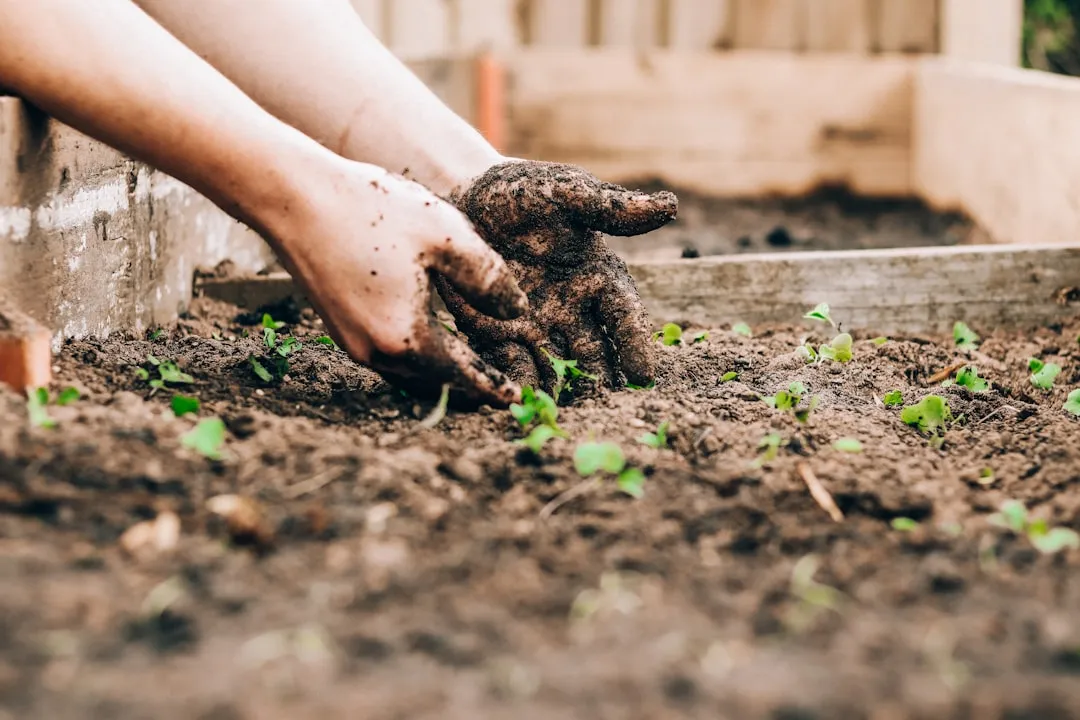
Community gardening events encourage learning across generations, which strengthens the appeal even more. Older gardeners bring decades of experience with heirloom varieties, while younger participants introduce fresh ideas about sustainability and urban growing. Conversations flow naturally as people compare harvest sizes, planting techniques, and soil improvements. These interactions turn seed swaps into living classrooms where knowledge passes freely without formal instruction.
If you are a beginning gardener and would like advice on starting seeds or gardening, experienced participants are often happy to answer your questions during these events. That informal mentorship is not something a YouTube video can fully replicate. It happens naturally in shared physical space, over a folding table full of seeds.
Food Security and the Practical Stakes
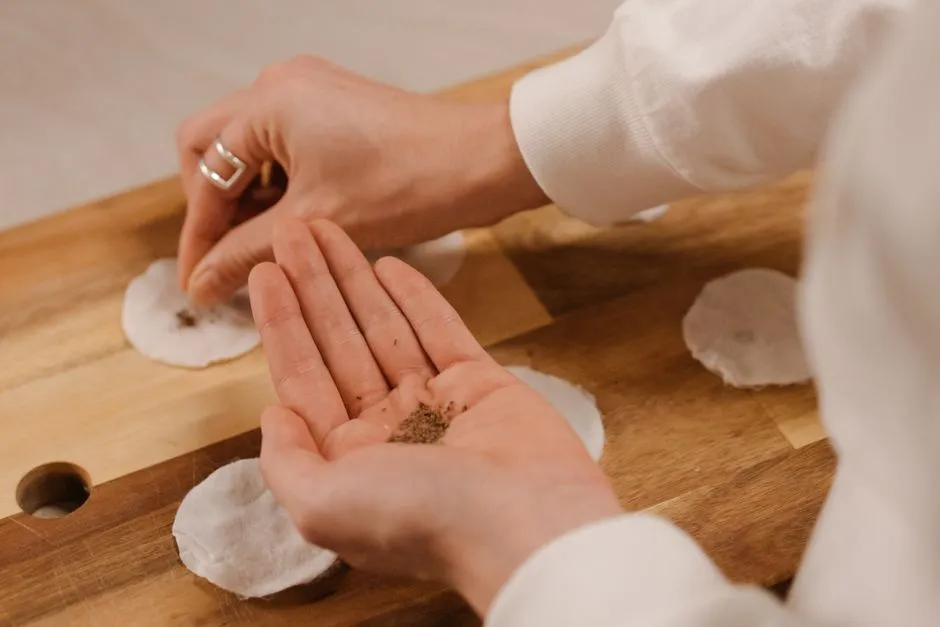
Seed swaps are not just a charming pastime. For many communities, they carry real practical weight. As genetic biodiversity in plant life collapses due to climate change, seed libraries are being recognized as a community-centered service that can combat food insecurity while celebrating biodiversity. Researchers at the Council on Library and Information Resources made exactly this case in a 2024 report on the modern seed library movement.
According to the Capital Area Food Bank’s 2024 Hunger Report, roughly a third of Cleveland County households experienced food insecurity at some time during the past year. Programs that put free, productive seeds directly into those households address the problem at the root, so to speak. Growing even a modest kitchen garden shifts how a family relates to its food supply.
Why the Sunday Format Sticks
There’s something about Sunday that suits the seed swap particularly well. It’s relaxed, unhurried, and free of the week’s obligations. Seed swaps have become a winter tradition across many regions, offering a welcoming way for gardeners to gather, share seeds, and look ahead to the growing season. These events bring people together during the quiet winter months, when gardens are resting but plans for spring are already taking shape.
This growing movement blends old-fashioned tradition with modern sustainability goals in a way that feels fresh and practical. The result creates a gardening culture that feels more connected, more creative, and far more adventurous than store-bought planting ever delivers. That combination, practical and convivial at once, is a rare thing to find in a single Sunday morning activity.
The Quiet Momentum Worth Watching
What’s happening with seed swaps doesn’t look like a trend so much as a return. The annual celebration has grown significantly since its inception, reflecting a broader movement to preserve seed diversity, strengthen local communities, and reconnect people with the timeless tradition of sharing seeds. The drivers behind it, food insecurity, climate concern, a desire for neighborhood connection, are not going away.
For 50 years, Seed Savers Exchange as a nonprofit has worked at the intersection of preservation, conservation, and possibility. Through its network of members, gardeners, educators, and seed stewards, the organization has helped ensure that thousands of threatened heirlooms remain alive, in circulation, and in use. The approach is participatory, community-centered, and grounded in the belief that biodiversity is safest in the hands of people.
The seed swap offers something quietly countercultural: a transaction with no app, no receipt, and no algorithm involved. You bring what you grew. You take what you need. You leave knowing a few more people by name. Every seed carries a story: where it came from, who grew it, and how it adapted over time. Passing that story to a neighbor, across a folding table on a Sunday morning, turns out to be one of the more durable things a community can do.
AI Disclaimer: This article was created with the assistance of AI tools and reviewed by a human editor.