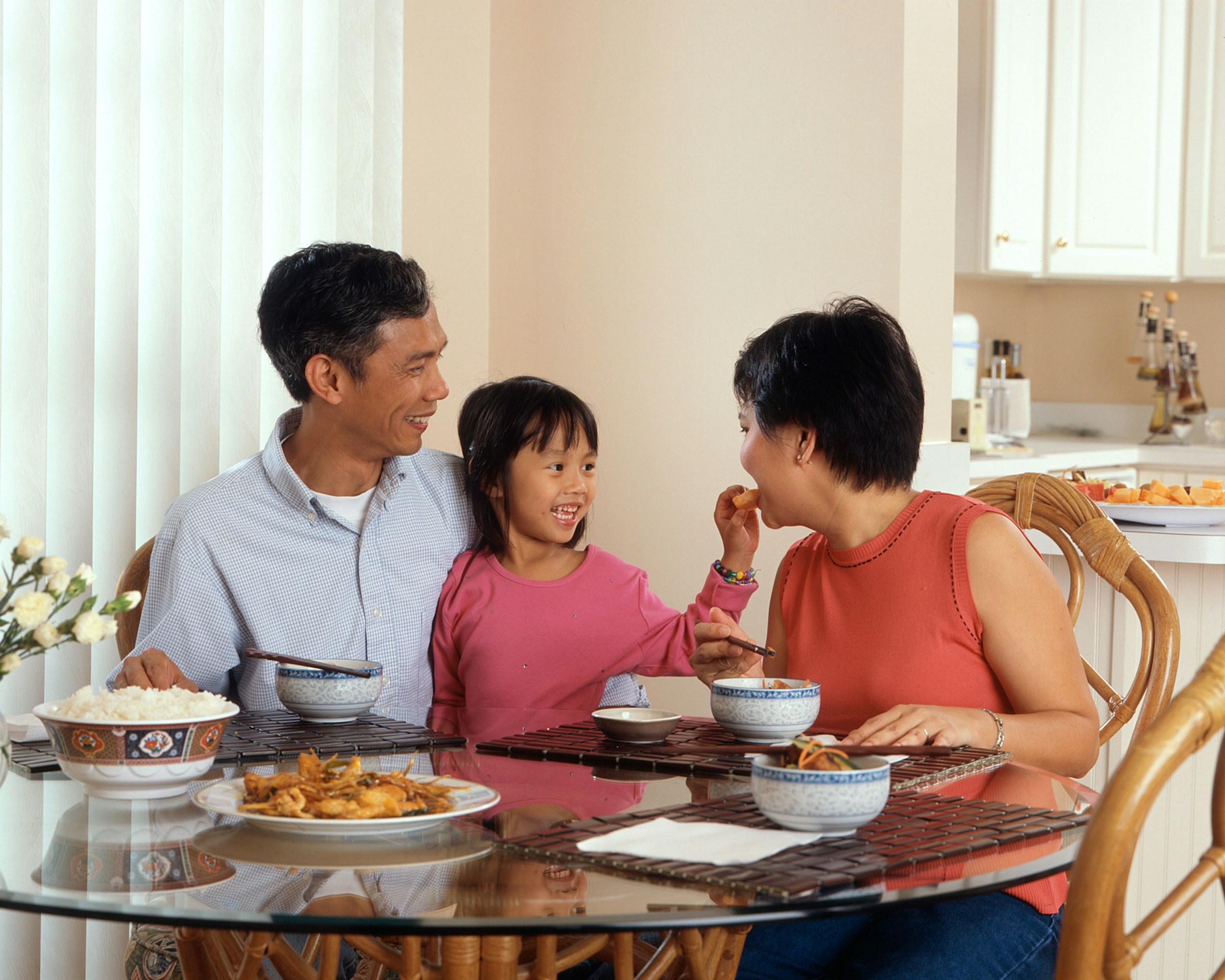

There’s something quietly radical about the way previous generations approached Sunday. It wasn’t complicated: you slowed down. You gathered. You cooked something, sat together, and let the day breathe. Nobody called it self-care, and nobody needed an app to schedule it.
Today, many of us burn through Sunday the same way we burn through Tuesday. Emails, errands, doom-scrolling, half-finished chores. Therapists and researchers are increasingly noting what this costs us. The habit our grandparents practiced without thinking twice turns out to be one of the most powerful mental health tools we keep ignoring.
The Sunday Family Meal: More Than Food on the Table
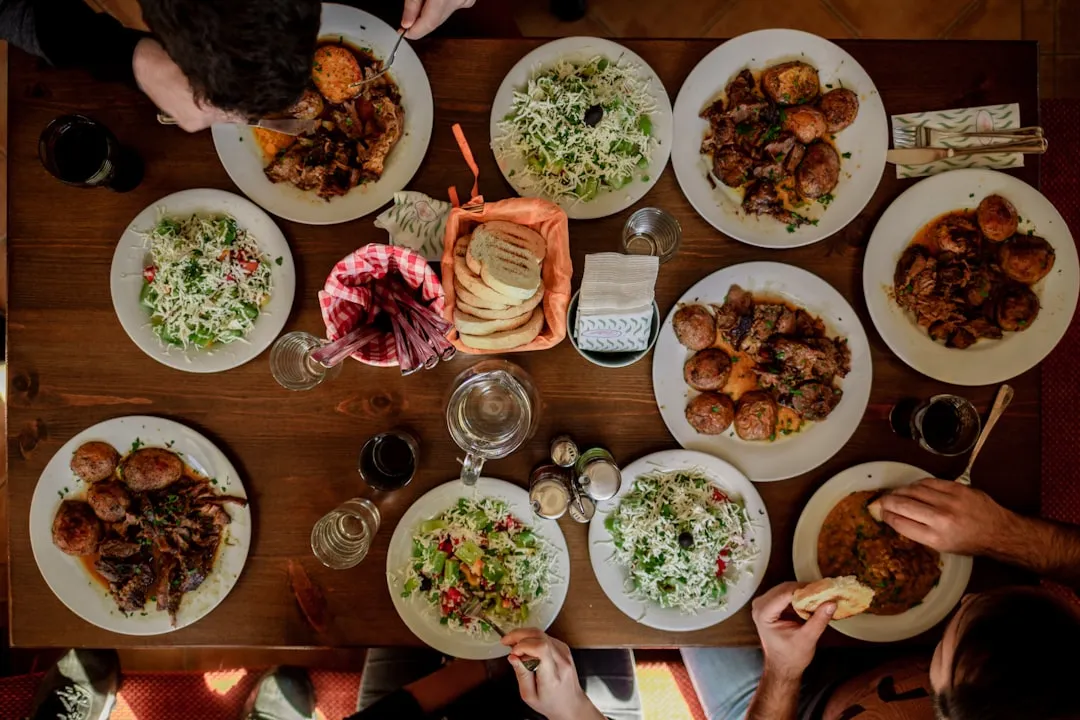
The centerpiece of the old Sunday was almost always a shared meal. Not fast food at separate screens, but an actual sit-down gathering where conversation was the main event. Regular shared meals predict better mental health outcomes, reduced loneliness, and improved emotional regulation, particularly crucial for developing teenagers navigating identity and social challenges. This isn’t a nostalgic claim. It’s backed by a substantial and growing body of evidence.
According to the 2025 World Happiness Report, meal sharing ranks among the strongest predictors of well-being. Similarly, a recent study published in Clinical Nutrition revealed that adolescents who regularly shared meals with others reported fewer symptoms of stress, anxiety, and depression than their peers who ate alone.
More than half of Americans believe that family meals make them feel more connected, according to the FMI Foundation. In a recent survey, one-third of Americans said family meals make them feel calm, and roughly four in ten said family meals are relaxing and fun, and improved their quality of life.
Rituals Are Not the Same as Routines
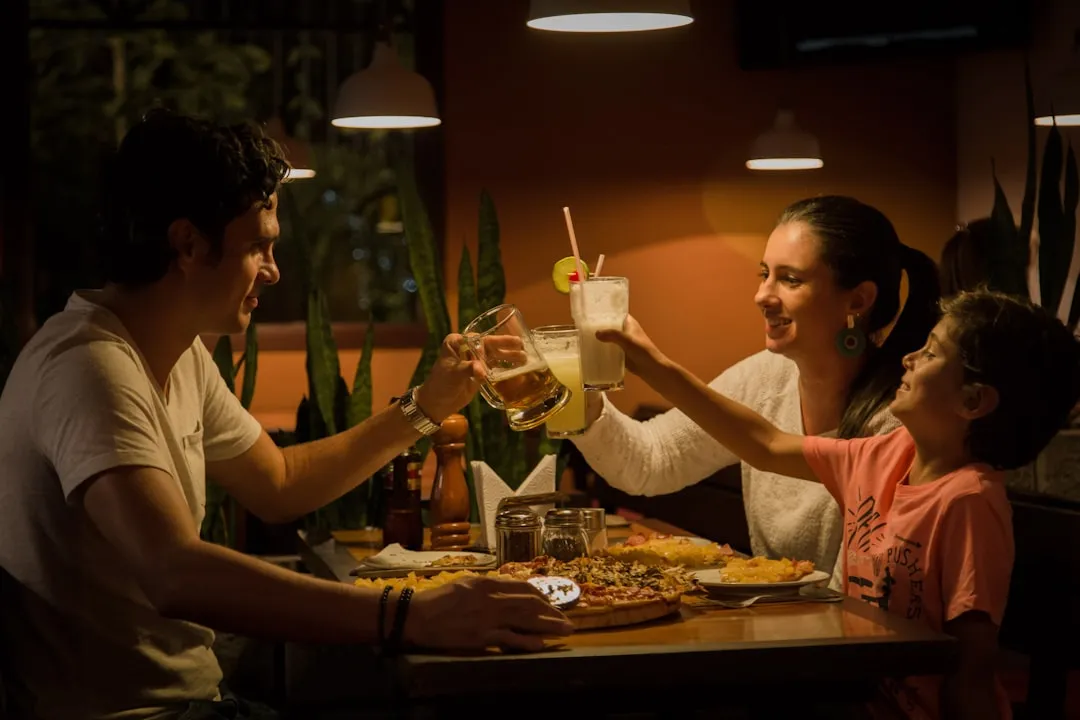
Here’s a distinction that matters. Grandparents weren’t just following a weekly schedule. They were practicing something far richer. It’s important to note that rituals are different from routines. While routines are regular activities that we do without much thought, rituals are more intentional and meaningful.
Rituals, rhythms, and routines together form the emotional backbone of family life, offering comfort, structure, and support. More than just habit, they are mental health tools. The Sunday ritual worked precisely because it was invested with meaning. The same meal, the same table, the same familiar faces. That repetition wasn’t boring. It was stabilizing.
From daily dinners and weekend outings to annual holiday celebrations and cultural ceremonies, these rituals create a sense of continuity, strengthen familial bonds, and offer numerous psychological and health benefits. The Sunday tradition pulled all of those threads together in a single afternoon.
Belonging Is the Real Ingredient

The shared meal on Sunday wasn’t really about food. It was about belonging, and belonging turns out to be a surprisingly powerful medicine. Research shows family rituals lower stress, foster resilience, and create a sense of belonging over time. These aren’t soft outcomes. They translate into measurable differences in how people handle adversity.
When we participate in a ritual that our parents and grandparents also took part in, we feel connected to something larger than ourselves. Research in family psychology indicates that rituals convey a sense of identity and membership to the family as a group. That sense of membership is exactly what many people report losing in modern life.
Family rituals also create an emotional safe haven that family members can rely on. In a world that changes constantly, having one predictable anchor each week offers something no productivity hack can replicate.
What Eating Together Does to the Brain
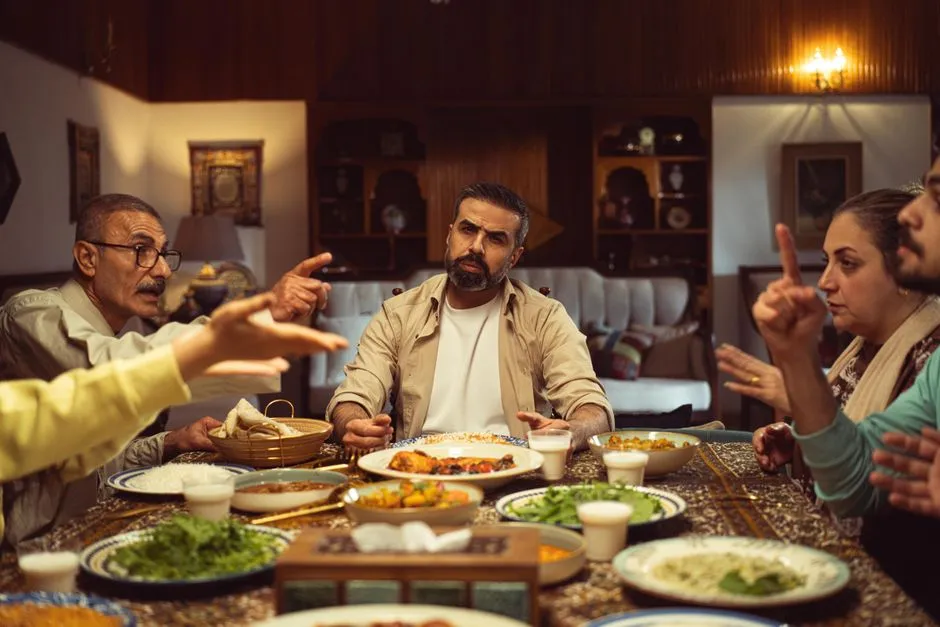
The neuroscience behind communal eating is more interesting than most people realize. The psychology of eating together shows that sharing identical food builds trust faster than merely sitting at the same table. This phenomenon, supported by anthropological research, stems from synchronized eating experiences that create stronger neurochemical bonding through oxytocin release.
Family dinner frequency predicts adolescent depression risk and self-esteem about as strongly as many clinical interventions, yet it costs nothing, requires no therapist, and takes about 20 minutes a day. That’s a striking comparison, and one worth sitting with.
Multiple published studies demonstrate that family meals are associated with reduced symptoms of depression, fewer incidents of violent behavior, and reduced thoughts of suicide in youth, as well as a reduction in patterns of disordered eating. The old Sunday table was doing serious psychological work, even when no one realized it.
The Unplugged Afternoon: A Lost Art

Sunday used to include something else our grandparents did instinctively: they put nothing on. No background noise competing for their attention. No device lighting up every few minutes. The afternoon just unfolded, quietly, at whatever pace it chose. The toll of constant digital engagement is increasingly evident. Studies show that excessive screen time contributes to poor sleep quality, reduced productivity, and diminished mental health.
Research has found that a one-week social media detox reduced anxiety by roughly sixteen percent, depression by nearly twenty-five percent, and insomnia by over fourteen percent. Even a Sunday-sized version of that break, just one afternoon per week, starts to add up over months.
Turning off electronics allows you to step away from the constant barrage of online information to give your mind a chance to rest and reset. It’s like unwinding after a hard day’s work. Once your brain is recharged, concentration, decision-making, and creative thinking can improve.
The Generational Transfer of Values
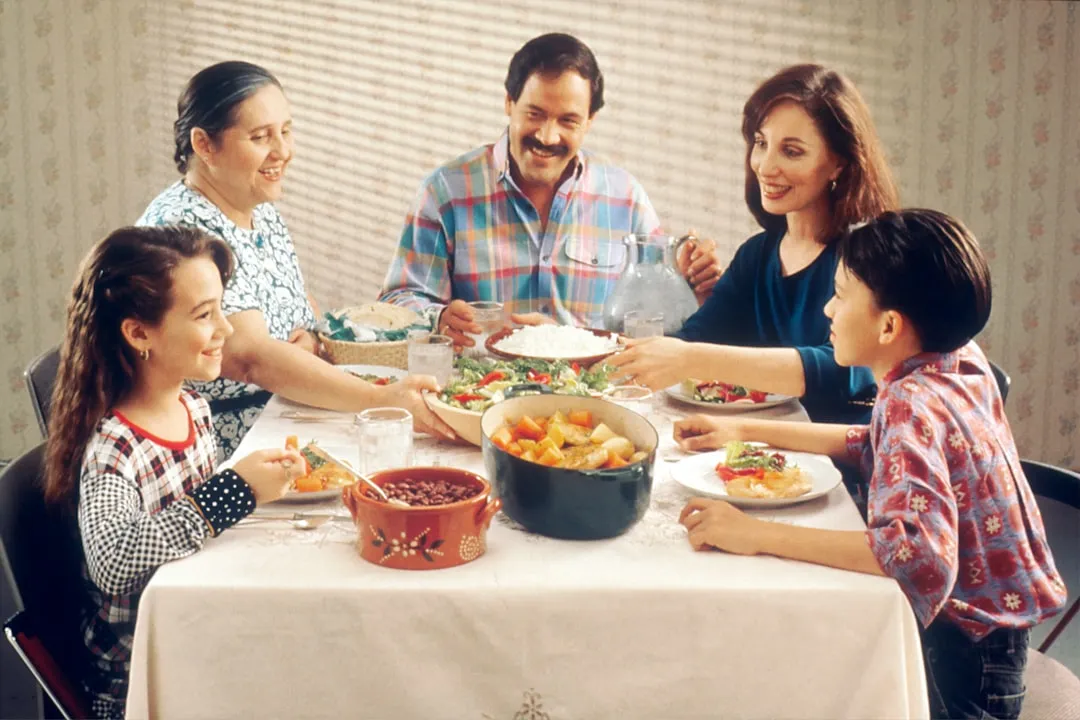
Sunday gatherings were never just about that single afternoon. They were the mechanism by which families passed things down. Stories, jokes, recipes, a grandmother’s way of explaining a hard year. A study published in the journal Family Relations found that shared experiences allow grandparents to pass on personal stories, life lessons, and family values to their grandchildren, creating a deep sense of cohesion between generations.
A recipe from grandma’s kitchen or a song from dad’s childhood ties generations together. These traditions pass down values, resilience, love, or humor without a lecture in sight. They give kids a sense of roots, boosting self-esteem, per child development research findings.
This transfer is hard to replicate digitally. You can text someone a family photo, but you cannot text them the feeling of sitting at the same table where your grandparents once sat. That embodied, physical continuity is something the Sunday habit preserved naturally.
How the Pandemic Revealed What We Had Lost

The COVID-19 years offered an accidental experiment in what happens when family rituals are stripped away. A renewed interest in family rituals was sparked by the pandemic. This major global event led to restrictions on social gatherings, and in many parts of the world, government regulations resulted in family rituals such as visiting grandparents for a weekly lunch or gathering extended family for the holidays no longer being able to take place.
The loss of family rituals was especially poignant for markers of life cycle transitions. The inability to be present during a loved one’s funeral, or the impossibility of hosting a memorial, was perceived by some as a traumatic experience. The pandemic didn’t create that vulnerability. It just made it visible.
Many families tried to rebuild their rituals afterward, and research has followed closely. The growing academic interest in family traditions post-2020 reflects a broader cultural recognition that structured togetherness is not a luxury. It’s foundational.
Loneliness and the Cost of Skipping the Table

The evidence on loneliness today makes it difficult to dismiss the Sunday habit as old-fashioned. Loneliness has become such a pervasive issue in the United States that in 2023, US Surgeon General Vivek Murthy declared it a public health emergency and referenced it as an epidemic as a result of its widespread impact on physical and mental health.
Research published in Frontiers in Public Health suggests that communal eating experiences may help reduce feelings of loneliness, sadness, and emotional distress among older adults, contributing to improved mental well-being. The oldest members of our families, the very people our grandparents embodied, are often the most isolated.
Eating alone isn’t inherently harmful, but chronic solo eating, especially when paired with screens, correlates with higher rates of loneliness, disordered eating patterns, and lower reported life satisfaction. Sunday dinner was a structural antidote to exactly that pattern, and it required no prescription.
Rest as a Deliberate Choice, Not a Reward

Our grandparents understood something about rest that modern productivity culture keeps unlearning. Rest wasn’t what you earned after finishing everything. It was scheduled first. Sunday was protected. True self-care creates balance, giving you the energy to care for yourself and show up more fully for the people you love. That’s a clinical restatement of what the old Sunday instinctively provided.
Getting enough sleep and adequate rest has many health benefits, including a reduction in sickness, stress, and chronic conditions, and an improvement in metabolism, mood, heart health, attention, and memory, according to the CDC. The slower Sunday pace was essentially built-in recovery, long before anyone used that language.
One of the unique benefits of intentionally pausing at the end of the week is the ability to prepare emotionally and mentally for the upcoming week. Rather than reacting to stress once it builds, deliberate rest allows you to plan proactively. Grandparents didn’t frame it that way, but the effect was the same.
How to Reclaim It Without Pretending It’s 1955

The goal isn’t a museum recreation. Nobody needs to roast a Sunday chicken or press a tablecloth. What the habit offered wasn’t the specific format. It was the intention. Gathering deliberately, eating together without devices, slowing the clock for a few hours. That’s the transferable part. Rituals must be owned by the family and must reflect the family’s core and unique characteristics.
Regularly stepping away from digital devices supports emotional resilience, cognitive clarity, and stronger real-life relationships. Unplugging from digital devices requires intentional planning and consistent habits. Starting by establishing specific offline times, such as during meals, and creating designated no-tech zones in your home can foster environments free of screens.
More than half of those surveyed believe that family meals are a good way to spend time with people and make them feel more connected. The FMI Foundation study also shows that family meals help restore a sense of peace, with one-third of survey respondents saying family meals make them feel calm. None of that requires a perfect setup. It just requires showing up at the same table, at the same time, and staying long enough for it to mean something.
The Takeaway
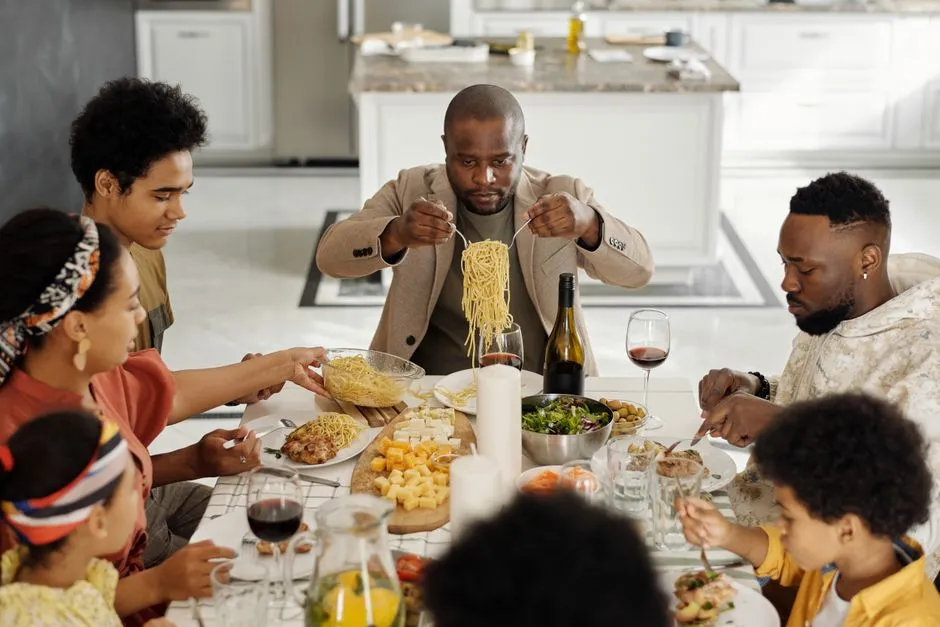
Somewhere between hustle culture and the infinite scroll, we lost a habit that quietly held families together for generations. The Sunday ritual wasn’t a wellness program. It was just what people did: they gathered, they slowed down, they ate, they talked. The research now confirms, in detailed and sometimes striking ways, that those simple acts delivered genuine psychological protection.
Therapists aren’t nostalgic for a simpler era. They’re pointing to something specific and measurable: structured togetherness, predictable rest, and screens-down presence make people healthier. That’s the Sunday habit. It was never really gone. It’s just waiting to be picked back up.
AI Disclaimer: This article was created with the assistance of AI tools and reviewed by a human editor.