

What Sudden Sensorineural Hearing Loss Actually Is
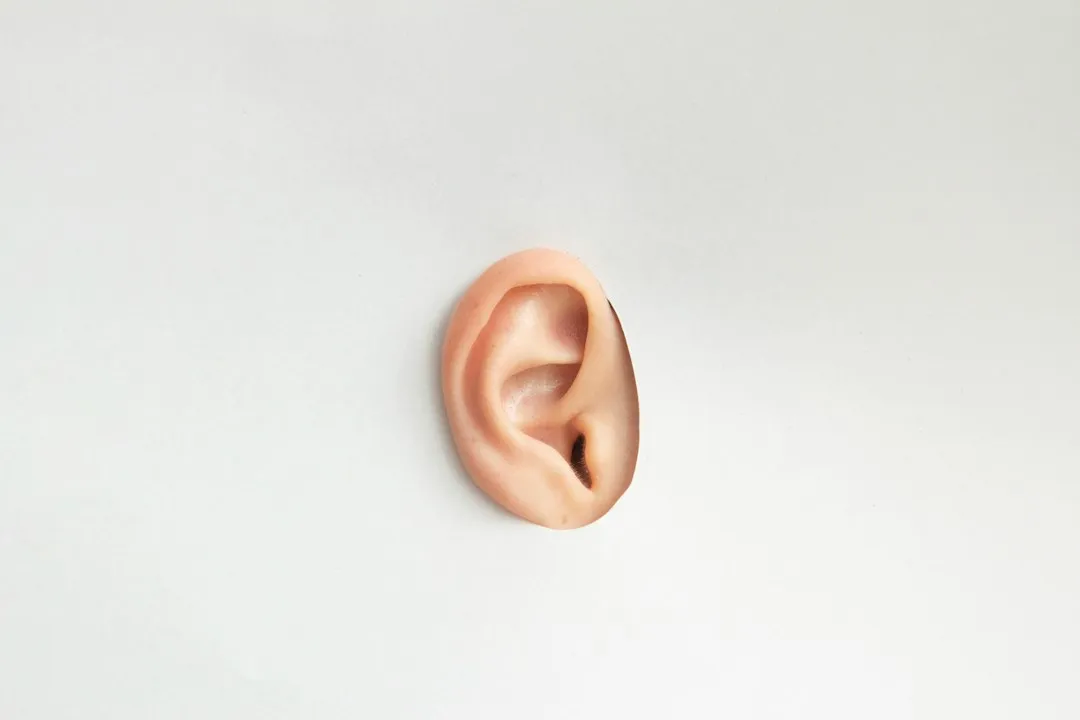
Sudden sensorineural hearing loss is an otologic emergency characterized by a rapid onset of hearing loss, typically within 72 hours, affecting three or more consecutive frequencies by 30 dB or more. In practical terms, that’s roughly the volume difference between a quiet conversation and near-silence, disappearing in the span of a few hours or days.
It is often described as an unexplained rapid loss of hearing that typically occurs in one ear, frequently accompanied by tinnitus or vertigo, that can result in permanent hearing impairment. Many people first notice it when they wake up in the morning, reaching for a phone and realizing they can barely hear anything out of one ear.
How Common Is It?
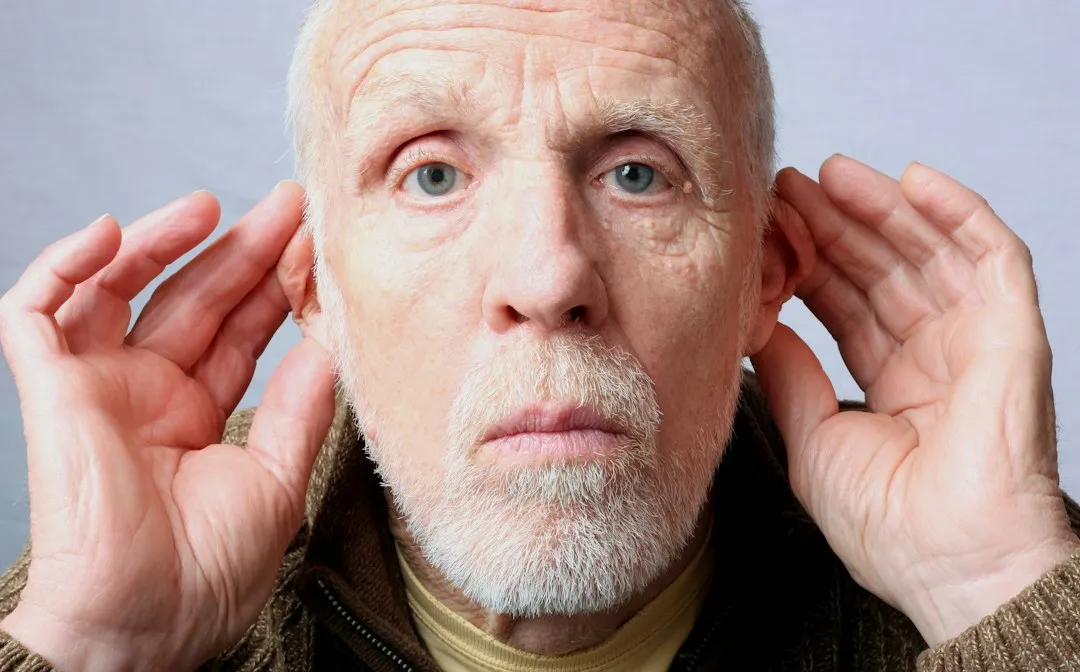
Estimates of incidence range from 5 to 27 per 100,000 people per year, with approximately 66,000 new cases annually in the United States. That figure is likely an undercount, since many cases go unreported or are misdiagnosed early on.
The global incidence of SSNHL ranges from 5 to 400 per 100,000 individuals annually, with a rising trend worldwide. The condition predominantly affects those aged 40 to 60 years and is typically unilateral. It does not, however, spare younger adults or children.
The Mystery Behind Most Cases

In more than 75% of cases, the exact cause remains unknown. This is what makes SSNHL particularly frustrating, both for patients and for clinicians. You lose your hearing and no one can tell you precisely why.
Viral infections, autoimmune diseases, and vascular abnormalities are acknowledged as potential etiological factors, but the pathophysiology of SSNHL remains unclear in the majority of cases. Certain comorbidities are recognized as risk factors, and specific laboratory findings may offer insights into the cause, though even these clues don’t always lead to answers.
Warning Signs You Shouldn’t Ignore

Sudden hearing loss hits fast, often affecting one or both ears within just 72 hours. Symptoms include a rapid decrease in hearing ability, muffled sounds, dizziness, tinnitus, or a sense of fullness in the ear.
Ignoring these symptoms as minor issues like allergies or earwax could delay essential treatment. Many people notice the loss upon waking up, while others experience a sudden pop followed by diminished hearing. Either way, the clock starts the moment symptoms appear.
The Cardiovascular Connection
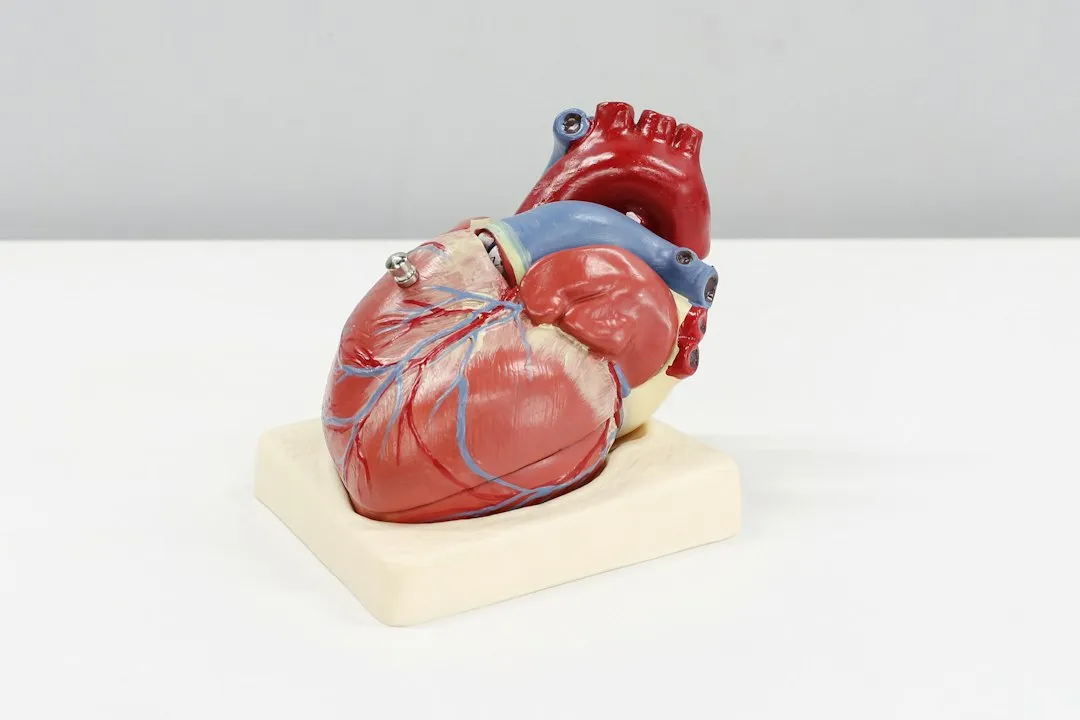
Most studies suggest the presence of a correlation between a high cardiovascular risk profile and the risk of developing sudden sensorineural hearing loss. This link points toward blood flow as a possible mechanism. The inner ear is exquisitely sensitive to disruptions in circulation.
Individuals with cardiovascular risk factors like hypertension, high cholesterol, diabetes, or clotting disorders face increased risk. Sudden hearing loss can be either a warning sign for a stroke, indicating problems with blood flow to the brain, or an effect of the stroke itself. That’s a sobering overlap that warrants immediate evaluation.
Why the 72-Hour Window Matters So Much
New research from University College London Hospitals has highlighted the importance of receiving medical treatment as quickly as possible, with the strongest predictor of full recovery being treatment with steroids within seven days of a sudden drop in hearing.
The researchers collaborated with 240 junior doctors on the largest study to date of adults seen with sudden hearing loss across 76 hospitals in England and Wales. The findings were clear: the sooner treatment begins, the better the outcome. Waiting even a few extra days measurably worsens a patient’s chances.
How Doctors Treat It
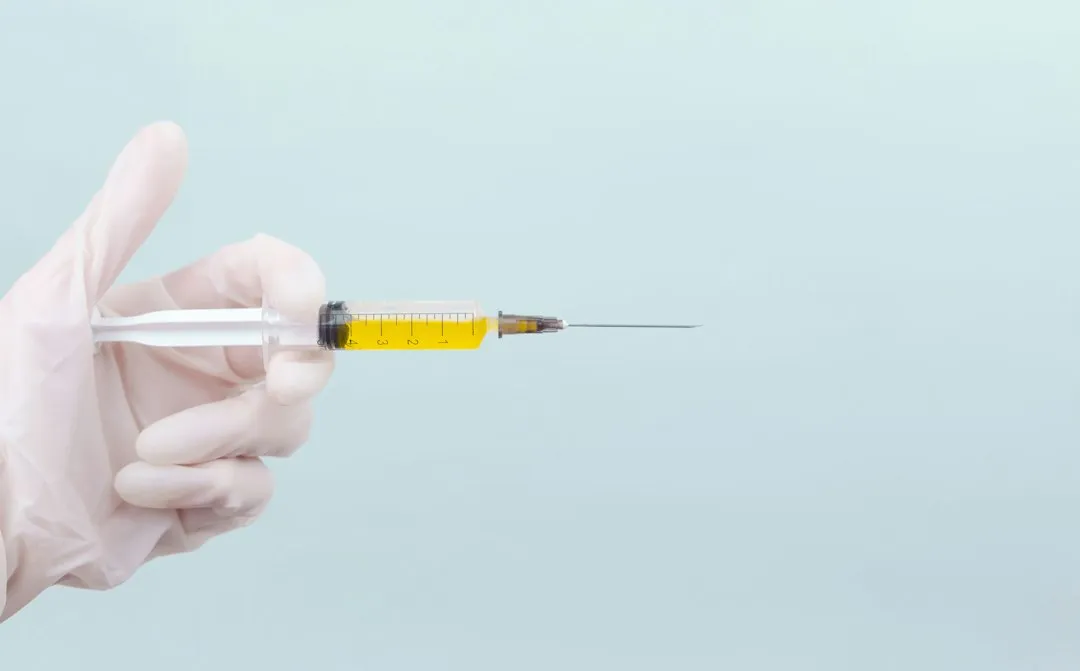
Current treatment strategies focus on the use of corticosteroids, either systemic or intratympanic, as the primary therapy to reduce inflammation and restore hearing. Guidelines from the American Academy of Otolaryngology specify that corticosteroids may be offered to patients as initial therapy within two weeks of onset.
Early and sufficient corticosteroid dosing was found to be crucial for better hearing recovery. Hyperbaric oxygen therapy, in combination with steroid therapy, may also be offered to patients within two weeks of onset. In cases that don’t respond to initial treatment, salvage therapies are considered.
What the Recovery Odds Actually Look Like
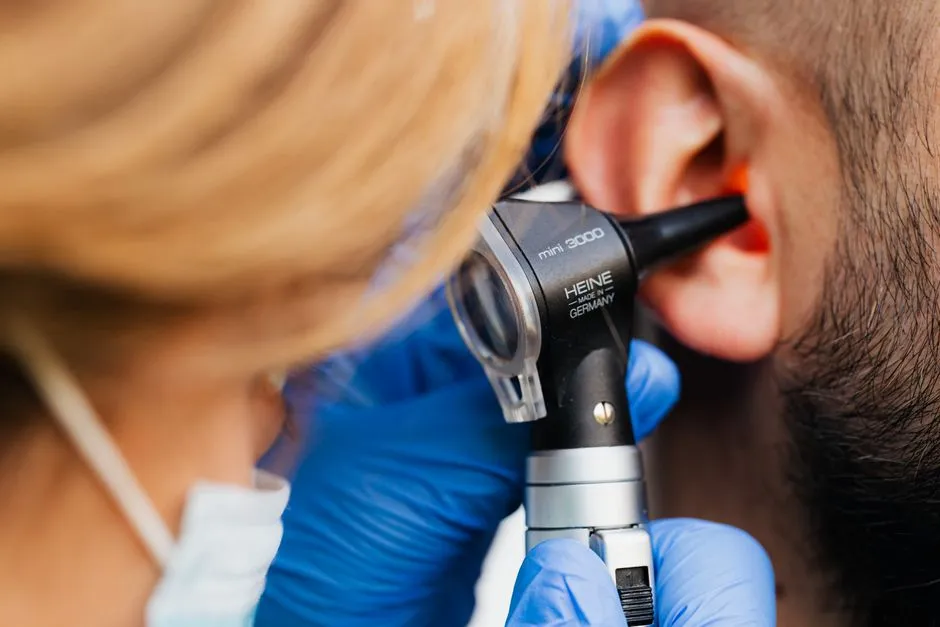
About 50% of patients regain hearing to some extent. Older age, severe hearing loss, and vertigo are associated with worse outcomes, whereas a shorter time to treatment with corticosteroids is a positive prognostic factor.
More than half of patients do not regain full hearing after following standard therapy. Patients with bilateral sudden hearing loss tend to have more severe hearing loss and a worse prognosis than those with unilateral SSNHL, with an overall treatment efficacy of just 32% in that group. Those numbers are a reminder that there’s no guaranteed fix.
Who Is Most at Risk of a Poor Outcome
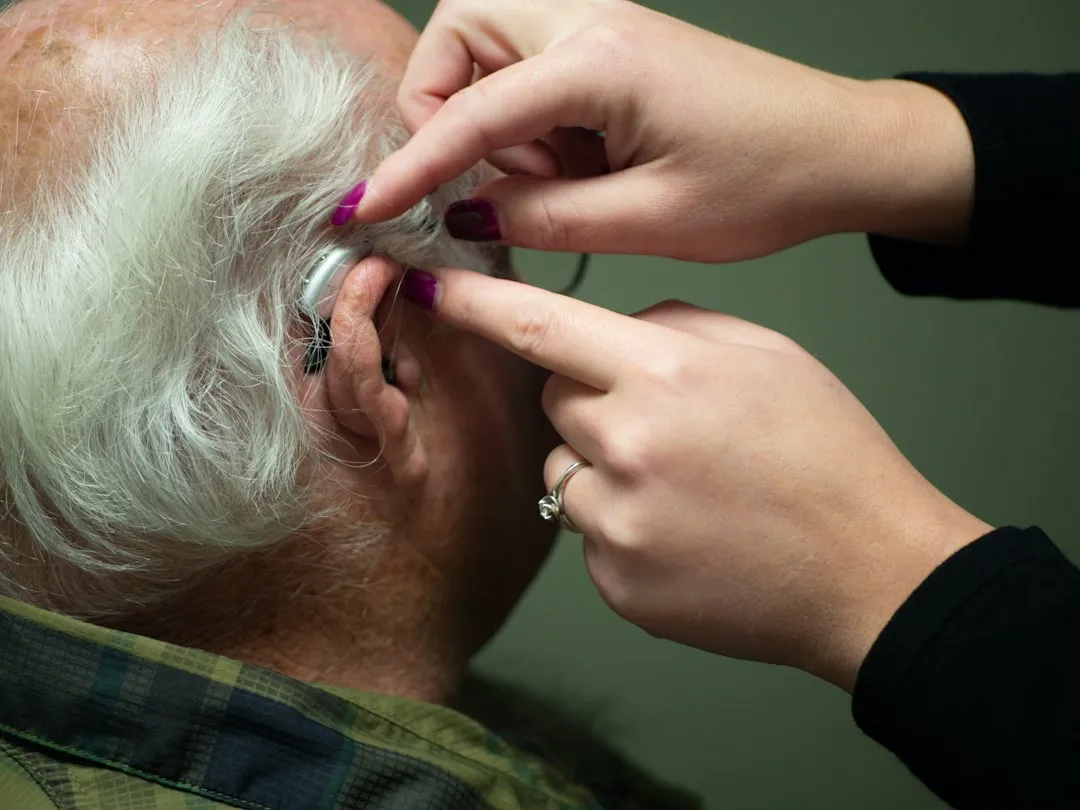
The prognosis of SSNHL is generally influenced by factors including the patient’s age, the severity of the initial hearing loss, the timing of treatment initiation, and the presence of vestibular function impairment.
Patients with profound hearing loss, those who experience dizziness or vertigo alongside their sudden hearing loss, and individuals above age 65 have a much lower chance of regaining their hearing. Age over 50 and initial hearing loss severity have both been identified as predictors of treatment response.
The MRI Question: Ruling Out Serious Causes
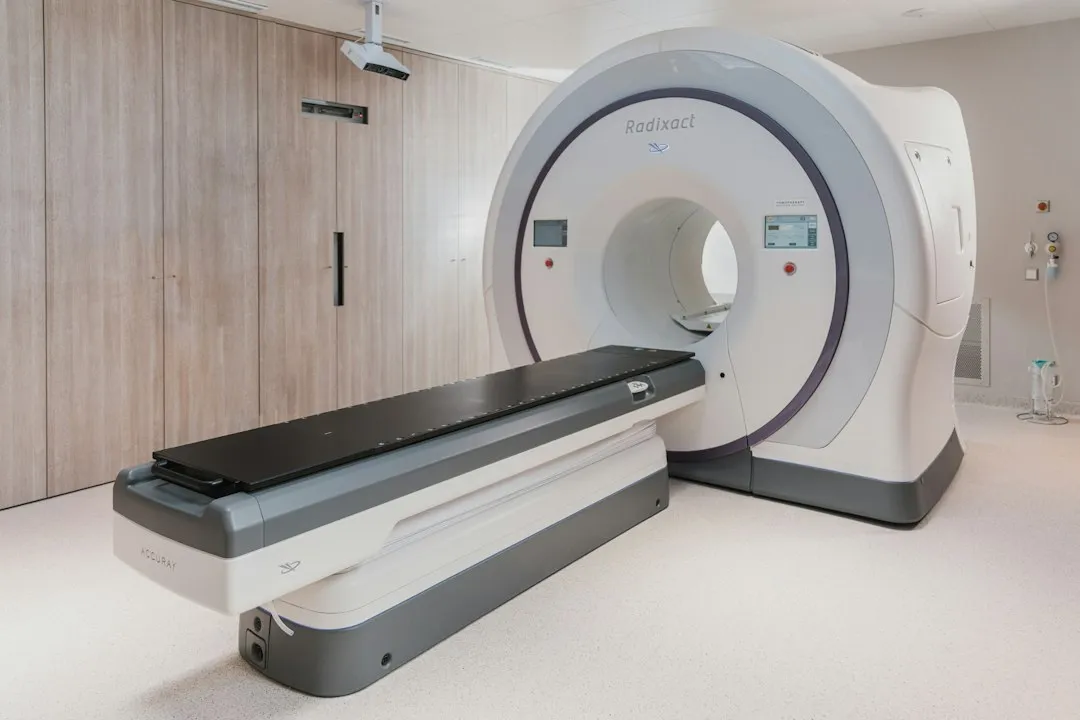
About 1 to 3% of patients with SSNHL turn out to have an acoustic neuroma, so MRI is part of the standard workup. That may sound like a small percentage, but given how many new cases occur each year, it translates to a meaningful number of people.
Anyone with sudden hearing loss should see a doctor right away because some causes must be treated quickly. If symptoms of nervous system dysfunction beyond hearing loss are present, hearing loss may be a symptom of nerve or brain dysfunction. Getting an MRI early helps rule out these more serious underlying conditions before the treatment window closes.
The Takeaway
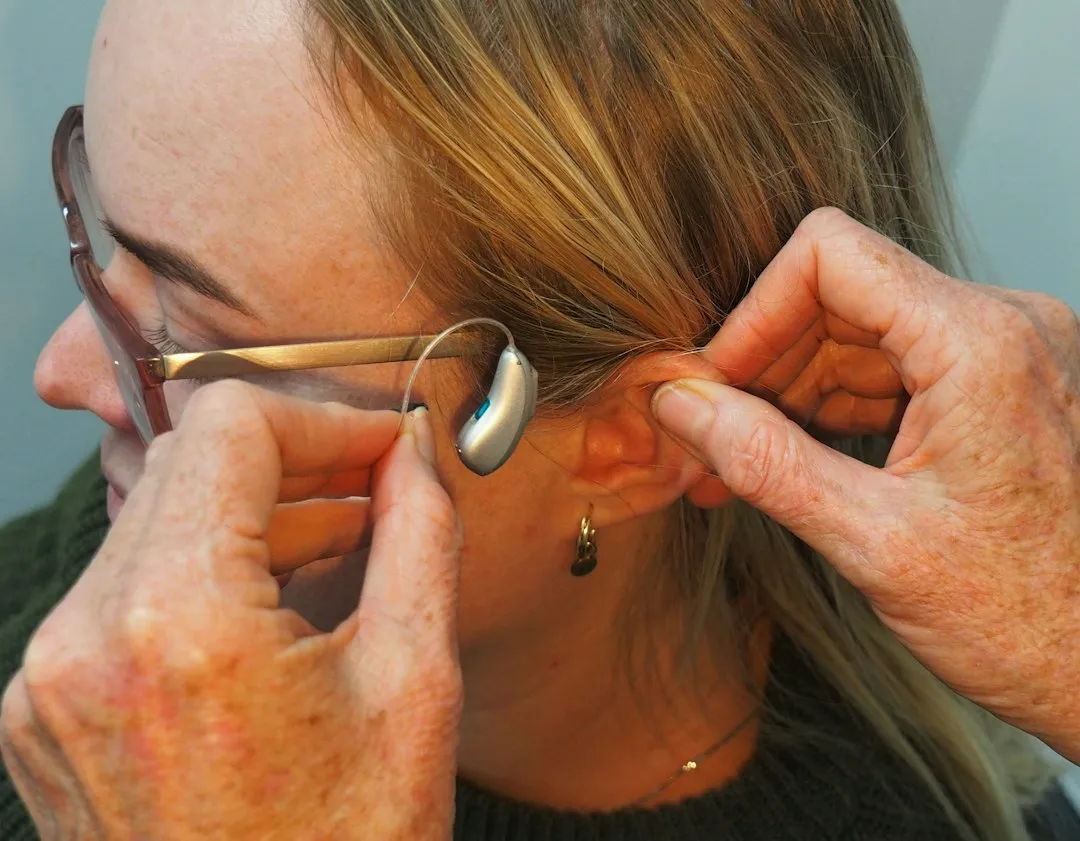
Sudden hearing loss does not behave like most medical problems. It doesn’t build slowly or announce itself with familiar symptoms. It simply arrives, often overnight, and what happens next depends almost entirely on how quickly the person affected seeks care.
The evidence from recent years is consistent on this point: time matters more than almost any other factor. Getting treatment quickly is key. A sudden change in hearing is not always serious, but it could be a medical emergency. Treating it like one from the outset is almost always the right call.
AI Disclaimer: This article was created with the assistance of AI tools and reviewed by a human editor.