
What Telogen Effluvium Actually Is

Telogen effluvium is a temporary hair shedding condition triggered by physical or emotional stress, hormonal changes, nutritional deficiencies, or illness. The name refers to the telogen phase, which is the resting stage of the hair growth cycle. When the body faces a significant stressor, it effectively puts hair growth on pause.
Telogen effluvium involves excessive shedding of “resting” hairs after a body stressor or change, and it is a non-scarring form of hair loss, meaning the follicles are typically preserved. That last part matters a great deal. The machinery underneath the scalp stays intact, which is why recovery is generally possible.
Telogen effluvium is a common, nonscarring type of diffuse hair shedding that results from a temporary disruption of the normal hair growth cycle. Doctors classify it as one of the most frequently encountered hair loss conditions they see in clinical practice.
Why the Shedding Starts Months After You Were Sick
Hair loss occurring two to three months after a major illness is most commonly caused by telogen effluvium, a temporary condition where physical or emotional stress pushes hair follicles into the resting phase, resulting in diffuse shedding roughly eight to twelve weeks after the triggering event. This delayed onset is one of the most confusing aspects of the condition, because patients rarely connect the two events.
Telogen lasts about three to four months, so a hair pushed into it early falls on that clock. In other words, the follicles don’t shed immediately when you get sick. They shift into rest first, and only after that resting phase completes do the hairs actually fall out.
In most cases of acute telogen effluvium, increased shedding begins two to four months after the illness and peaks over several weeks. This timeline is so consistent that doctors use it as a diagnostic clue when they’re trying to identify the cause.
How Much Hair Loss Is Considered Significant
Shedding of more than 100 to 150 hairs per day supports a diagnosis of telogen effluvium. To put that in perspective, most people normally shed between 50 and 100 hairs daily as part of the natural cycle. When telogen effluvium kicks in, that number can climb sharply higher.
In telogen effluvium, 100 to 300 or more hairs per day is possible, and the share of scalp hair in the telogen phase rises from about 15 percent to 25 to 50 percent or higher. That shift is dramatic enough that many people notice visible thinning across the top and sides of the scalp, not just more hair on the brush.
Acute telogen effluvium is characterized as the loss of more than 100 hairs per day and typically develops three months after recovery. When doctors see this pattern alongside a known illness a few months prior, the diagnosis becomes relatively straightforward.
How Common Is It After Illness – The Real Numbers
Many people experience hair loss after a COVID infection, and in studies, anywhere from 24 percent to 73 percent of people reported increased hair loss after being sick with COVID. That’s an extraordinarily wide range, reflecting how differently the condition presents depending on illness severity, age, and individual biology.
In a 2025 study on the Indian subcontinent, the prevalence of COVID-19-induced hair loss was 37.8 percent, with age, sex, COVID severity, and higher stress identified as significant factors. A study from Saudi Arabia found even higher rates. Evidence from that research suggests hair loss was the most frequently reported post-COVID manifestation, with nearly half of participants noticing an increase in hair loss of more than 120 hairs per day after infection.
A 2024 clinical study found that 61.4 percent of women who had COVID-19 experienced some form of hair problem afterward, most commonly telogen effluvium. The numbers, taken together, paint a clear picture: post-illness hair shedding is not a rare side effect. It’s close to expected, particularly for women.
Who Is Most at Risk

Most studies reporting prevalence showed a much higher female predilection for telogen effluvium after COVID-19. This likely reflects differences in hormonal regulation, baseline iron stores, and the way the immune system responds to infection in women versus men.
Age, sex, COVID severity, and high stress levels were significant independent predictors of hair loss after illness. People who experienced more severe illness, ran higher fevers, or were hospitalized appear to be at greater risk than those with mild infections.
High fevers and significant illnesses are more likely to trigger telogen effluvium, but mild fevers may not cause noticeable hair loss. So while virtually any illness can theoretically set off the process, the intensity of the physiological stress seems to determine whether hair shedding actually becomes noticeable.
The Role of COVID-19 Specifically

COVID-19 infection is a major cause of acute telogen effluvium. Research published in 2024 through the Iranian Journal of Medical Sciences confirmed the connection across both hospitalized and outpatient COVID patients, making it one of the more extensively studied triggers of the condition in recent years.
Post-COVID telogen effluvium is common, but reported incidence varies widely between studies. In a 100-patient case-control study, shedding began between 4 and 28 weeks after infection, with a mean of about 13 weeks, in line with classic telogen effluvium patterns.
Research findings from 2025 have detected SARS-CoV-2 proteins in hair follicle cells, suggesting direct viral involvement beyond just the stress response. That finding is still being studied, but it raises the possibility that some post-COVID hair loss isn’t purely a secondary stress response. The virus itself may interact directly with follicle biology.
The Nutritional Connection You Shouldn’t Overlook

The causes of telogen effluvium include situations that may cause physiological stress, surgical trauma, inflammatory and infectious causes, medications, and nutritional deficiencies. Telogen effluvium has been specifically associated with iron deficiency, vitamin B12 deficiency, and thyroid diseases.
For hair to grow and be healthy, it needs good nutrition, especially protein and key vitamins and minerals. One study on COVID-related hair loss found that nearly one in four people who experienced telogen effluvium after COVID also had certain vitamin deficiencies. This suggests that the illness may set off shedding and simultaneously deplete the nutritional reserves the body needs to recover.
Iron deficiency is the most common nutritional trigger of telogen effluvium in women. Severe calorie-restrictive diets, prolonged fasting, iron deficiency, zinc deficiency, and essential fatty acid deficiencies are among the most well-known dietary contributors. Vitamin D deficiency is also thought to cause hair loss due to vitamin D’s important functions in cell growth.
What the Timeline for Recovery Looks Like
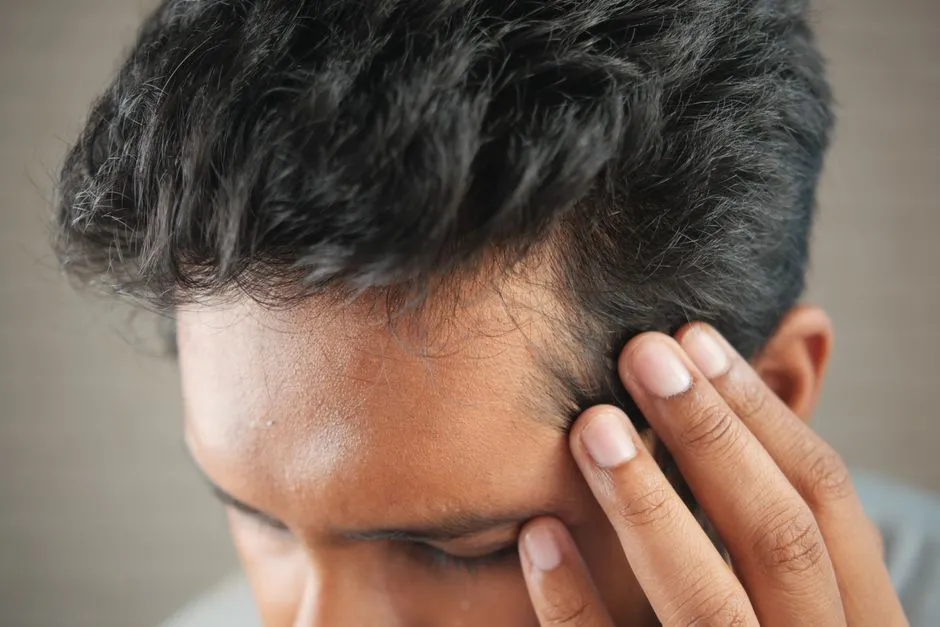
Shedding tends to peak around three to four months post-illness, then gradually declines. Hair loss from telogen effluvium is temporary, usually lasting under six months. For most people, the worst of the shedding is over before they reach the six-month mark, though it can feel relentless while it’s happening.
The resting phase of telogen rises sharply during effluvium, then shedding gradually stops. Regrowth becomes visible at around six to twelve months. According to the American Academy of Dermatology, shedding typically begins two to three months after infection and resolves within six to nine months, with full regrowth taking up to a year in some cases.
Persistent shedding beyond twelve months may signal chronic telogen effluvium or another underlying condition, which would warrant a more thorough evaluation by a dermatologist. Most acute cases resolve well before that point.
How Doctors Approach Treatment

The most important treatment for telogen effluvium is identifying and correcting the cause. In cases where the trigger is physiological and time-limited, the primary management is accurate reassurance about the timeline and prognosis. In cases where a correctable cause is identified, specific targeted treatment produces the fastest recovery.
Doctors generally recommend checking for medical triggers like low iron, vitamin D, thyroid issues, illness, or new medications, and correcting any deficiencies. Supporting regrowth with enough protein, iron-rich foods, and targeted supplements is advised only when tests confirm an actual need. Taking a broad, unsupervised approach to supplements is generally discouraged.
Supportive therapy means finding and fixing the trigger, correcting nutritional gaps, managing stress, and sometimes adding topical minoxidil to shorten the regrowth wait. With the trigger identified and removed and any deficiencies corrected, most people with acute telogen effluvium see visible regrowth within three to six months and reach near-baseline density within six to twelve months.
When to See a Doctor and What to Expect

Hair loss can cause significant emotional distress, even when the amount of hair loss is small. That distress is legitimate, and it’s one of the main reasons doctors encourage people not to wait too long before getting an evaluation, especially since some treatable deficiencies can be identified quickly with standard blood work.
Patients who know they will undergo major surgery, women approaching delivery, and patients with chronic illness should have ferritin, zinc, and vitamin D levels assessed and corrected proactively. The same logic applies to anyone who has recently come through a significant illness. Getting ahead of a deficiency is easier than correcting it after shedding has already started.
Post-illness hair shedding is almost always temporary. Telogen effluvium is a reversible condition, and most people experience full recovery as the hair cycle returns to normal once the trigger is removed. Knowing that is probably the single most reassuring thing a doctor can offer to someone watching their hair fall out in alarming quantities.
The Takeaway
Post-illness hair shedding catches people off guard precisely because of the gap in timing. By the time the shower drain fills up, the illness itself feels like old news. That disconnect is exactly why telogen effluvium goes unrecognized for so long in so many people.
The core facts are worth holding onto: the follicles are almost always intact, the shedding is usually temporary, and understanding what triggered it puts you firmly on the path to addressing it. If the hair loss is heavy, persists beyond six months, or feels like something more, that’s a cue to visit a dermatologist. Getting the right blood tests done early can make the difference between a slow recovery and a faster one.
AI Disclaimer: This article was created with the assistance of AI tools and reviewed by a human editor.