
Most people think keeping a houseplant alive is mostly about light and watering schedules. Those things matter, obviously. What rarely gets discussed, though, is what’s happening a few centimeters below the surface, inside the pot, where roots spend their entire lives either thriving or slowly suffocating.
The kind of soil you choose doesn’t just hold your plant upright. It either supplies or restricts the oxygen that every root cell depends on to function. That underground reality is why so many experienced plant growers have shifted toward chunky, aerated mixes in recent years, and why the science behind those choices is more interesting than most people expect.
Roots Breathe, and They Need Space to Do It
Soil porosity allows oxygen to be held in the soil and to be exchanged at the surface with fresh oxygen, supporting respiration. Plant roots simply cannot live or grow without oxygen for their respiration. That’s not a gardening metaphor. It’s basic cellular biology.
In substrate-based growing systems, roots obtain nearly all their oxygen from air-filled pores within the growing medium, not from dissolved oxygen in the nutrient solution. This means the physical structure of the soil matters far more than most people assume.
Research on growing media has shown that adequate air-filled porosity levels for optimal plant growth typically range from 10 to 20%, with some studies suggesting that values above 20% may be necessary immediately after irrigation to prevent hypoxia. Dense, compact potting soil rarely comes close to meeting that standard.
What Happens When Soil Gets Too Tight
Excess water can essentially drown roots in two to four days by driving needed oxygen out of the soil, depending on temperature and growth stage. That timeline surprises people, but it makes sense once you understand that waterlogged soil displaces all available air pockets.
This lack of oxygen leads to anaerobic conditions, where harmful bacteria and fungi thrive, often resulting in root rot. On the other hand, well-aerated soil keeps roots breathing, supports beneficial microbes, and promotes strong, white, fast-growing roots.
Most houseplants don’t rot because you “overwatered” once. They rot because their potting mix can’t breathe. Switching your perspective from “watering habits” to “soil structure” is usually where real improvement starts.
The Physics of a Chunky Mix
While lighting, water, and fertilizer get most of the attention, the potting mix is arguably the most critical element for a happy, healthy houseplant. It’s the foundation that regulates moisture, stores essential nutrients, and provides the aeration and structure vital for strong root growth.
Chunky soil mixes stand out for their loose, coarse texture. They allow roots to breathe, retain just enough water, and prevent soggy conditions. The coarseness is not just aesthetic. Each chunk of bark or perlite creates a physical gap that water passes through rather than sitting inside.
Good drainage does not guarantee healthy roots. What matters after watering is how much oxygen remains in the potting mix. Those are different measurements, and understanding that distinction changes how you approach potting entirely.
Why Perlite Does What It Does
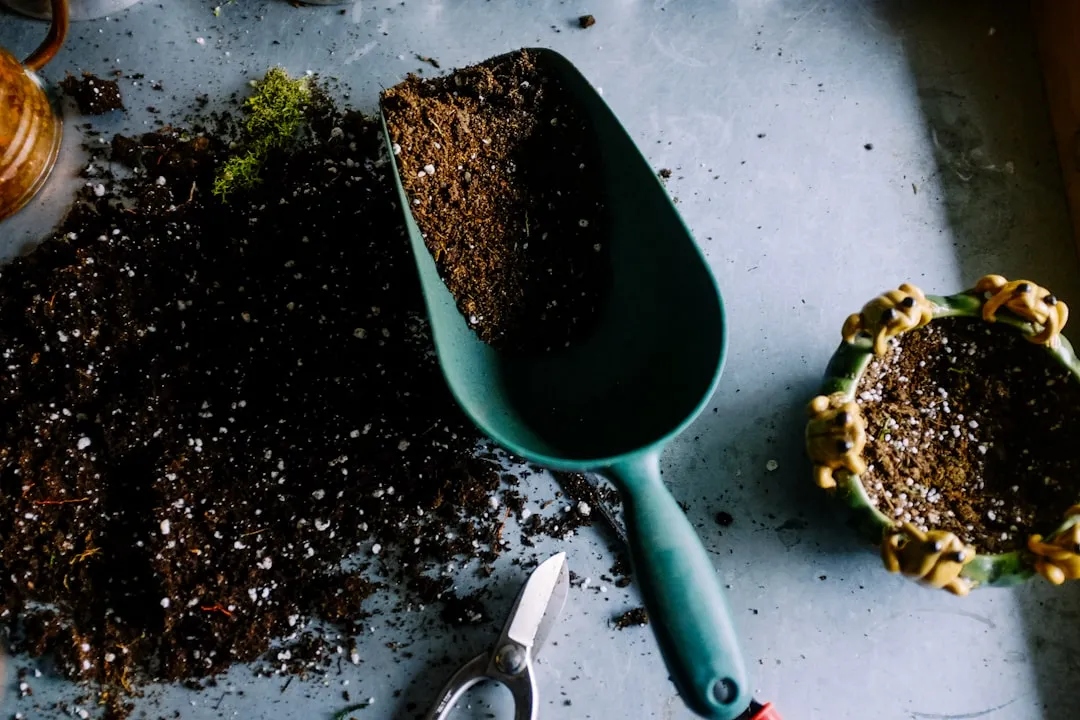
Perlite is a volcanic glass that “pops” when exposed to high heat, creating a lightweight, porous material ideal for improving soil structure. Those tiny air chambers trapped inside each granule are the functional point. They don’t collapse, compact, or disappear over time the way organic matter does.
Perlite keeps soil light and open, allowing oxygen to reach plant roots. This helps prevent anaerobic conditions that can lead to root rot. It’s one of the simplest and most reliable amendments available to houseplant growers.
Unlike organic materials such as peat or compost, perlite is highly stable and resists compression. It retains its structure for many years without breaking down biologically, so soil stays porous over time. That long-term stability is part of why experienced growers rely on it consistently.
The Case for Pumice Over the Long Term
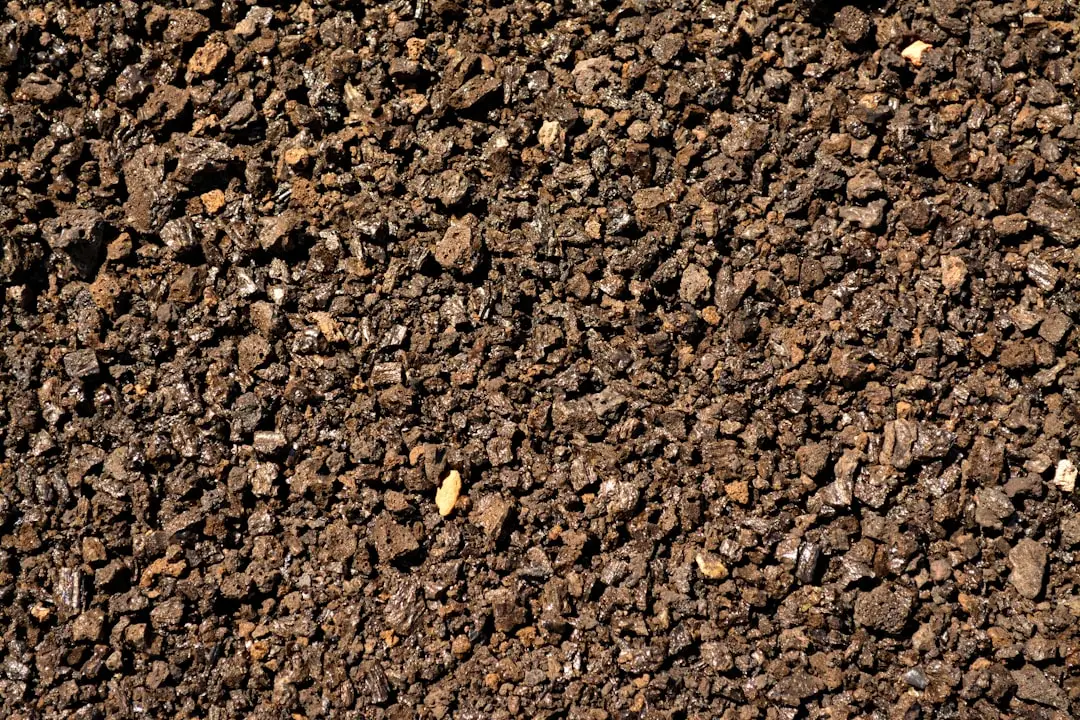
In gardening, pumice as a soil amendment improves soil structure, increases aeration, and enhances moisture retention, especially useful in clay-heavy soils or compacted areas where roots struggle to breathe.
Unlike perlite or vermiculite, pumice doesn’t float or break down over time, making it a long-term, low-maintenance solution for gardeners. This is a meaningful practical advantage. When perlite floats to the surface after repeated watering, pumice stays distributed throughout the mix where roots actually need it.
Although pumice promotes drainage, it’s also water retentive. Its pores hold small amounts of water and release it slowly as the soil dries out. That dual function makes it particularly useful in mixes where you want aeration without making the medium bone dry between waterings.
What Bark Actually Contributes
Bark fines add structure and aeration to the soil. They break up density, create air pockets for roots, and help water drain through quickly rather than pooling. This is the “chunky” quality that experienced plant parents look for in an aroid or monstera mix.
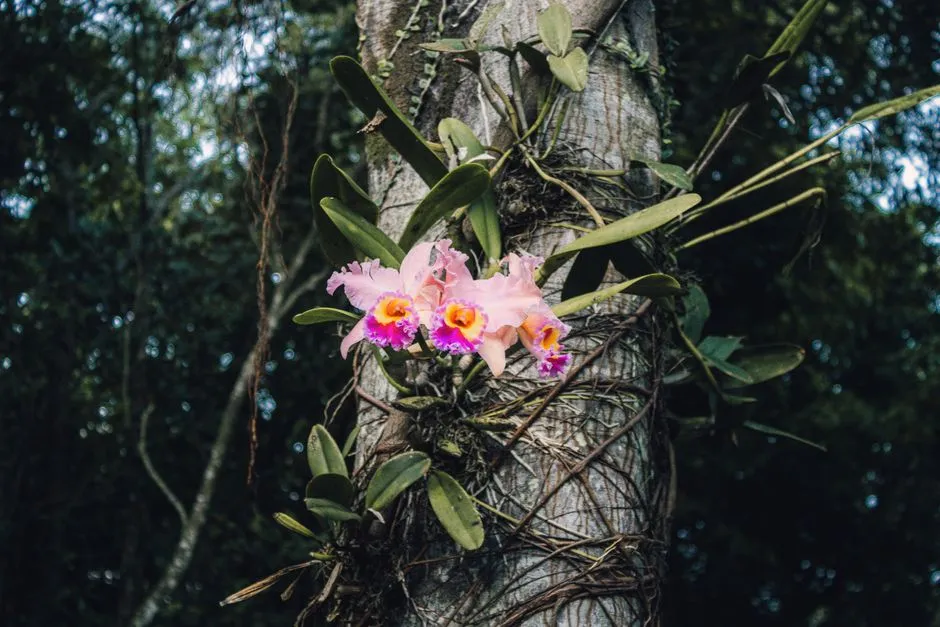
Orchid bark adds structure, encourages airflow, and mimics the natural forest floor. That’s not a coincidence. Many popular tropical houseplants, particularly aroids, evolved in environments where they were growing through decomposing leaf matter and fallen wood, not dense compacted earth.
In nature, most tropical plants grow in airy, decomposing leaf litter or on trees as epiphytes, environments full of pockets of air. Chunky bark in a potting mix is a reasonable approximation of those native conditions inside a ceramic pot on your windowsill.
Coconut Coir as the Moisture Balancer
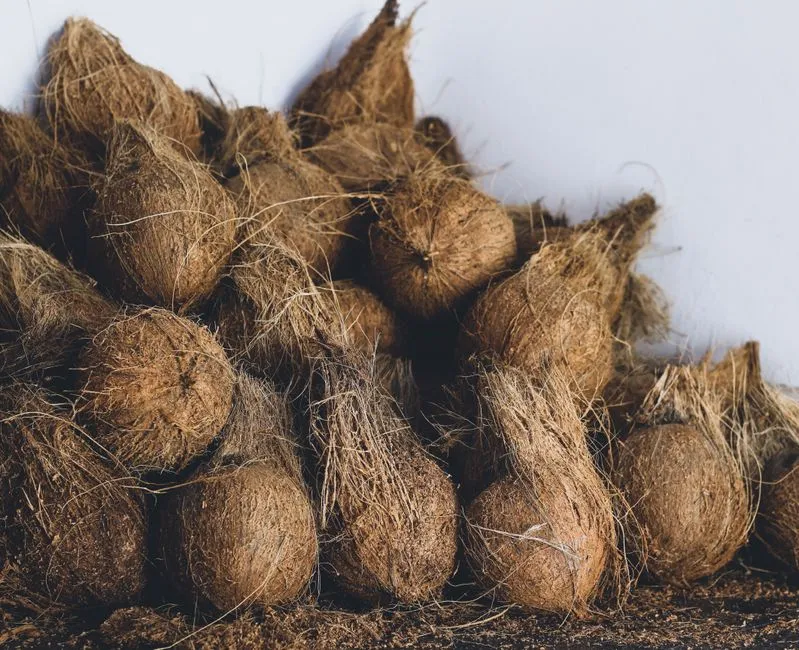
Coconut chips and coir are a byproduct of the coconut industry. Of the 50 million coconuts produced around the world each year, about 85% of the husks are discarded as trash. As a soil component, the ground husks offer excellent aeration and moisture retention properties while still providing a fast-draining medium to reduce the risk of soggy soil and root rot for indoor potted plants.
Controlled moisture retention through coir and moss provides enough hydration without saturation. This is the balance that most dense commercial potting soils fail to achieve. They either stay too wet or dry out completely with no middle ground.
Coir holds moisture well, and pumice balances it out by improving airflow and drainage. Those two materials working together represent one of the more reliable foundation pairings in modern houseplant substrate design.
Mycorrhizal Fungi Need Air Too
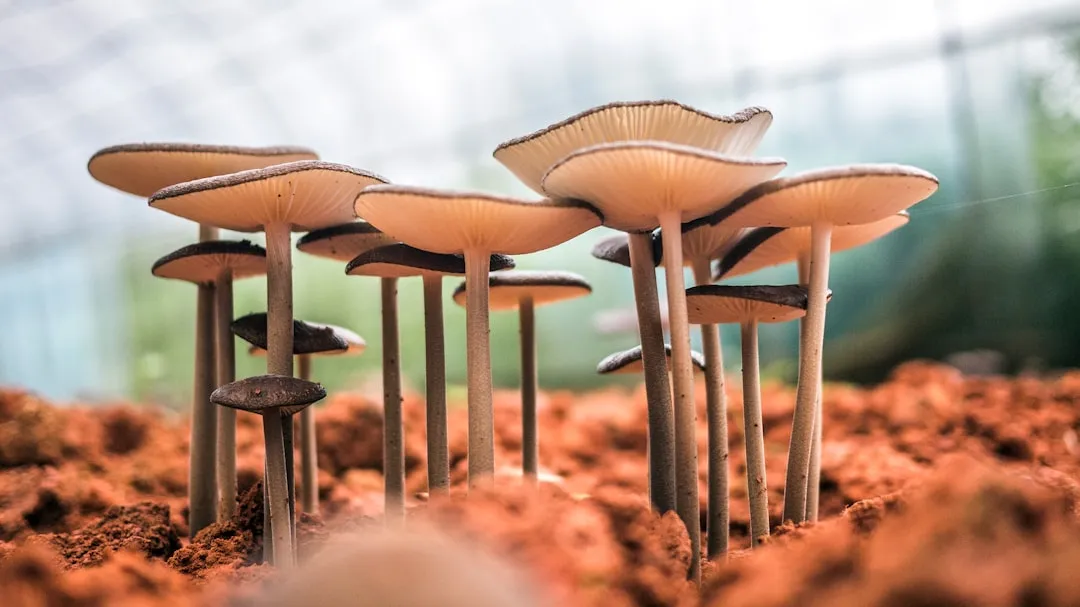
A truly healthy root system isn’t just about structure, it’s about life. Healthy soils are teeming with beneficial microorganisms like mycorrhizal fungi and bacteria that form symbiotic relationships with roots. Mycorrhizae attach to roots and extend their reach, helping plants absorb water and nutrients more efficiently.
Mycorrhizal fungi are obligate aerobes, meaning they die in waterlogged anaerobic substrate. Chunky aroid mixes with pumice, orchid bark, and perlite provide the oxygen that growing hyphae require. Dense, compacted soil doesn’t just hurt roots directly. It eliminates the fungal partners that roots depend on.
Mycorrhizal fungi contribute significantly to soil aggregation and aeration. Their hyphal networks bind soil particles together, improving structure, drainage, and oxygen availability. It’s a self-reinforcing cycle: aerated soil supports fungi, and fungi improve the soil structure further.
The Problem With Standard Commercial Potting Mixes
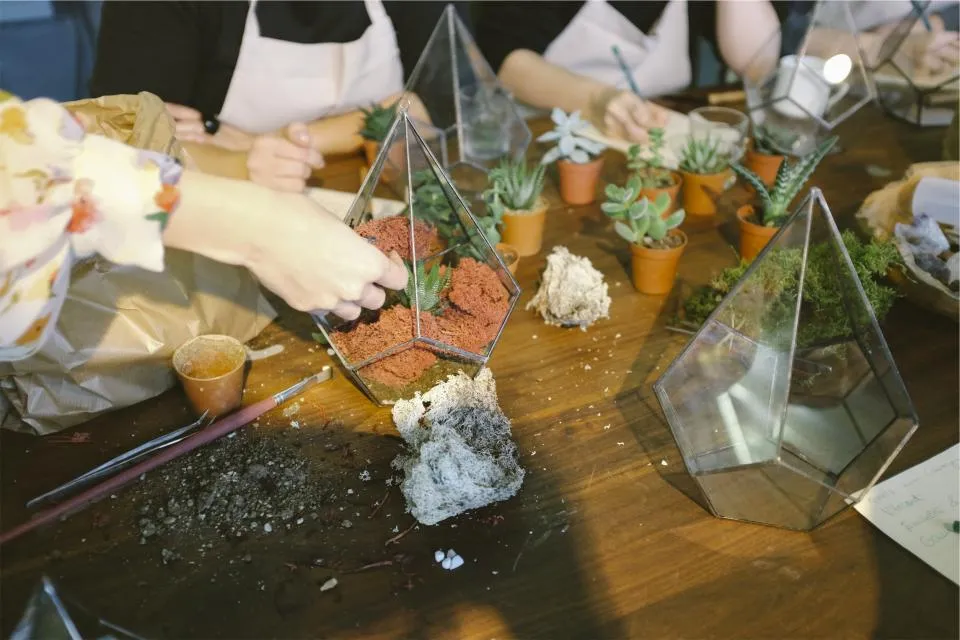
Even the best potting mix should be replaced every one to two years because it breaks down and loses its structure. That timeline is shorter than most people realize, and it’s a major reason why houseplants that seemed fine for a year or two suddenly begin declining.
It’s tempting to grab a bag of all-purpose potting soil that says indoor and outdoor use. Unfortunately, most of these mixes are designed for outdoor container gardening, not the controlled environments of indoor planters. Outdoor conditions include rain, earthworms, natural drainage, and seasonal drying. None of those exist inside your home.
When you use a dense or peat-heavy soil indoors, those air pockets disappear. Over time, roots can’t access the oxygen they need, and water sits stagnant around them. The slow decline that follows is often misdiagnosed as a watering or fertilizing problem.
Letting the Soil Dry Between Waterings Matters More Than You Think
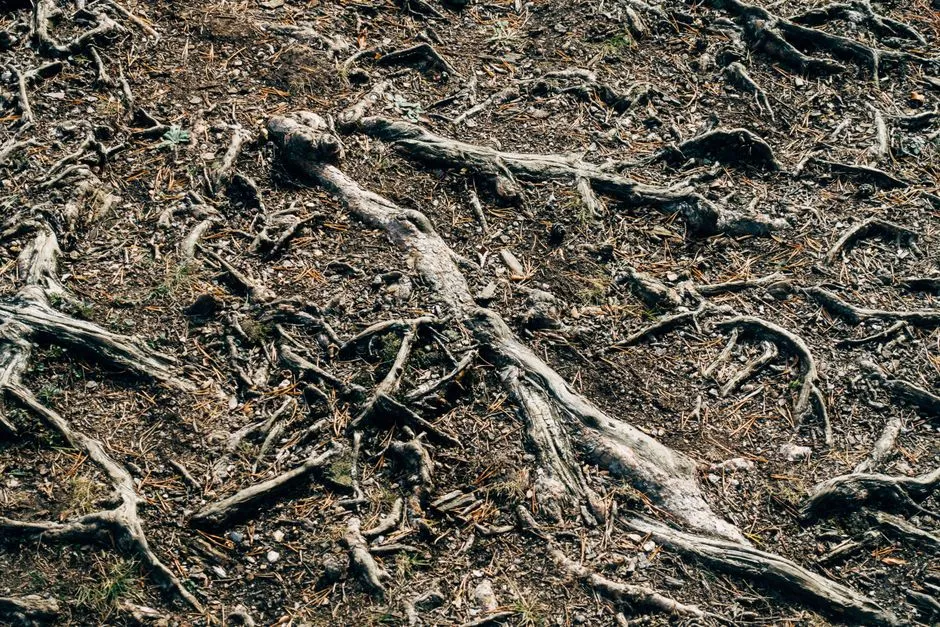
Allowing substrates to dry down between irrigations increases air-filled porosity and draws fresh air into the root zone. This is the mechanical reason that the “let it dry out slightly before watering again” advice works. It’s not just about avoiding overwatering. It’s about actively refreshing the oxygen supply in the soil.
Research comparing cultivation systems has demonstrated that substrate-grown plants can thrive even when oxygen supply through irrigation is potentially growth-limiting, as long as the substrate maintains adequate air-filled porosity. The medium itself is doing much of the work.
A sour or rotten smell from soil usually means oxygen-starved roots or anaerobic conditions. Dusty, compact, peat-heavy soil often needs bark, pumice, perlite, or grit. Those sensory checks are genuinely useful diagnostic tools, and they’re worth paying attention to every time you water.
Conclusion: The Soil Isn’t Just a Container
Most houseplant problems begin underground, quietly and invisibly, long before a leaf yellows or a stem softens. The growing medium you choose either maintains a living, oxygenated root environment or it gradually collapses into a compacted, anaerobic zone where neither roots nor the microbes that support them can function.
Chunky, aerated mixes aren’t a trend borrowed from specialized plant communities. They reflect a straightforward biological reality: roots respire, fungi respire, and both need porous structure to access the oxygen that makes growth possible. Give your plants a medium that breathes, and the leaves above the soil will make the case for you.
AI Disclaimer: This article was created with the assistance of AI tools and reviewed by a human editor.