

City gardeners face a challenge that rural growers rarely encounter at the same intensity: relentless, compounding heat. Concrete, asphalt, and dense building masses absorb and radiate warmth long after the sun dips below the skyline, making urban soil significantly hotter than it would be a few miles out of town. Choosing the right mulch color isn’t just an aesthetic call – it’s a thermal management decision with real consequences for your plants.
Why Urban Garden Beds Run Hotter Than You Think

The urban heat island effect causes cities to become significantly warmer than surrounding rural areas due to human activities and building materials that trap heat. This isn’t just an air quality problem – it reaches right down into the soil itself. Mean daily soil surface temperature increases by 0.6°C over just 5 kilometers from city outskirts to the city centre.
Urban areas exist as a mosaic of buildings, grey infrastructure, and greenspaces, with sealed surfaces often exceeding half of a city’s extent. The high proportion of impervious surface, with differing radiative, thermal, and moisture properties, results in elevated air temperatures compared to the surrounding rural landscape. That elevated heat pushes deeper into your raised beds and ground-level plots than most gardeners anticipate.
The Science Behind Light-Colored Mulch and Reflectivity
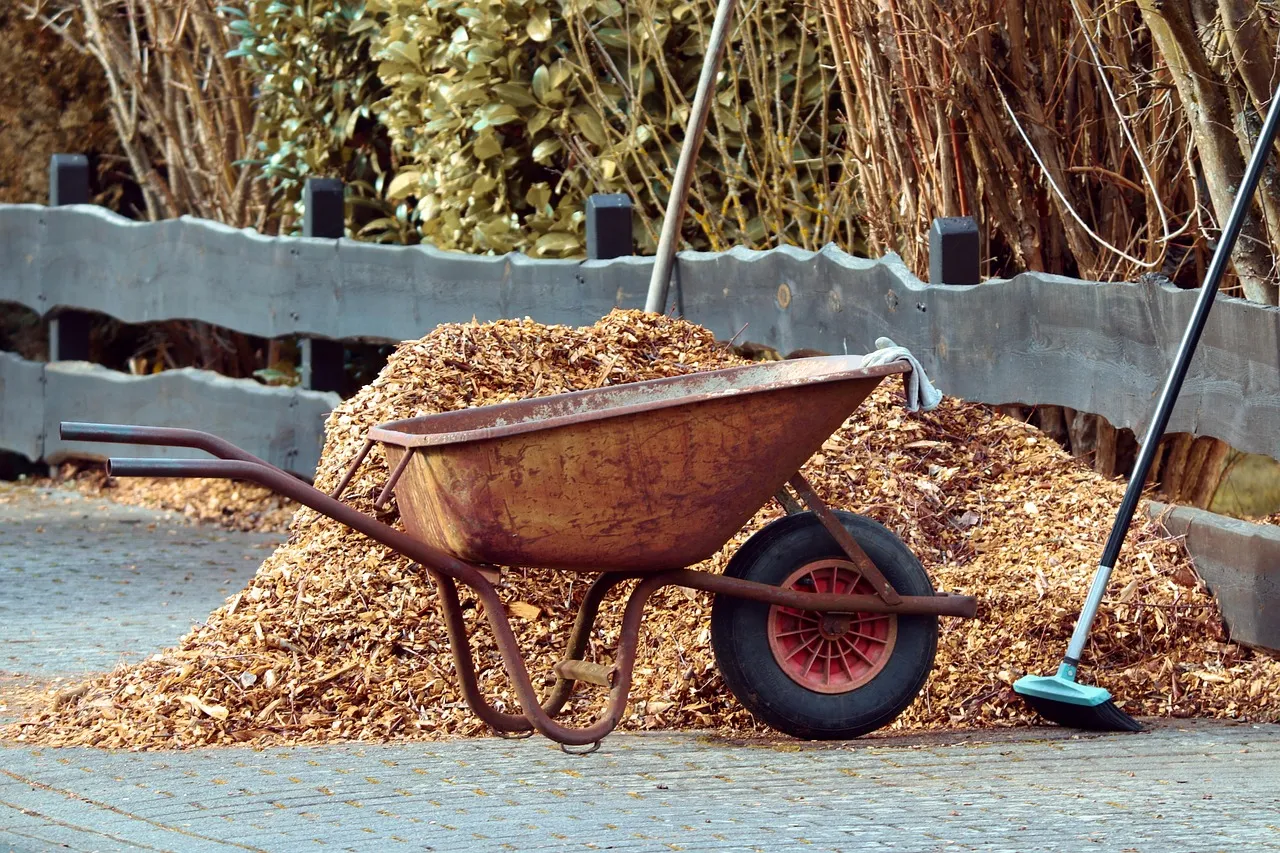
Mulches modify soil temperature. Clear and dark colored synthetic mulches are effective in elevating soil temperatures – the warmer soil quickens plant growth resulting in earlier yields. Light colored natural and synthetic mulches, however, moderate soil temperatures even in the hottest summer, reducing plant stress.
Based on multiple temperature measurements, soil temperature was almost the highest in red film treatment and lowest in the white film treatment. The mechanism is straightforward: lighter surfaces reflect more solar radiation away rather than absorbing it into the soil profile. This is the same physics behind white-painted rooftops in hot climates, applied at ground level.
How Much Cooling Can You Actually Expect?
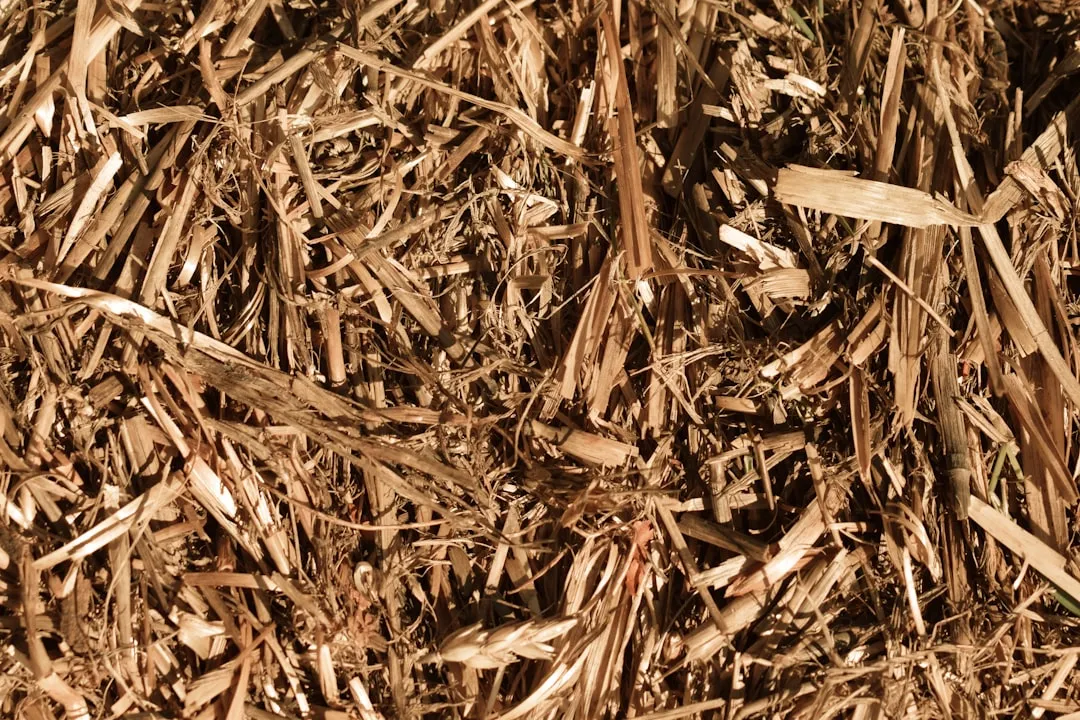
Materials like white or silver plastic can reflect sunlight, cooling soil by up to 10°F compared to bare soil, according to studies on summer heat stress solutions. Organic light-colored options like straw deliver meaningful results too. A 2024 peer-reviewed review in Frontiers in Agronomy found that organic mulch reduces soil temperatures by over 10°C in hot conditions and that straw mulch increased moisture retention by 21.49% compared to unmulched controls.
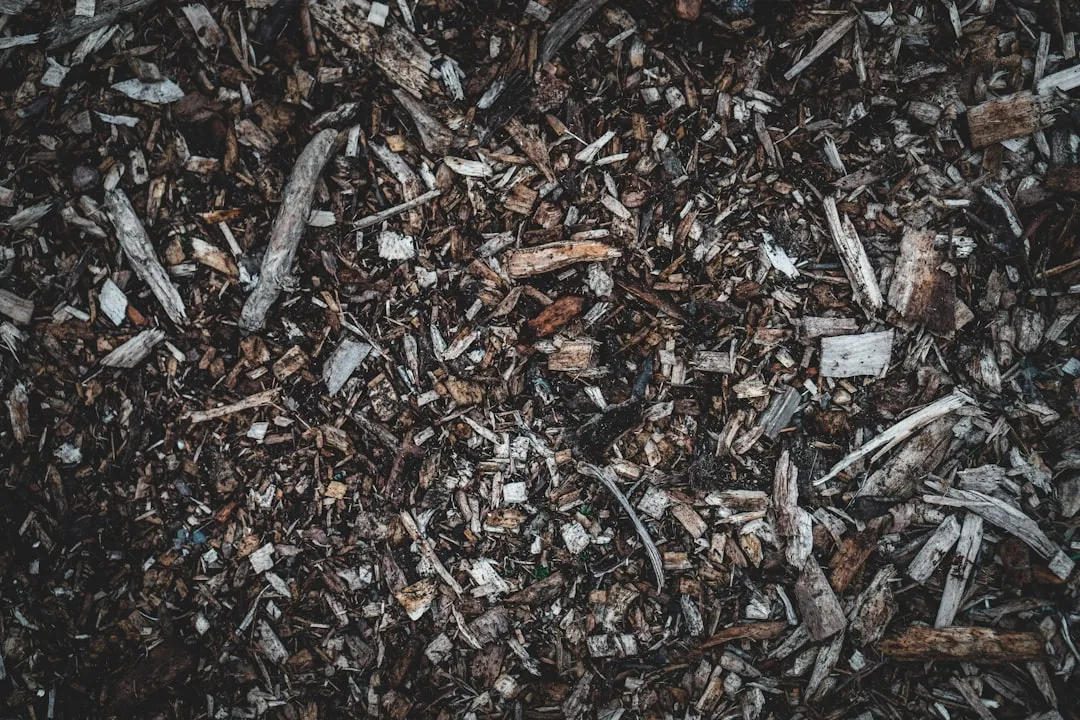
Wood chips offer superior long-term temperature regulation, reducing summer soil temperatures by 12 to 18°F. Their slow decomposition rate makes them ideal for trees and perennial beds where temperature stability is crucial. Lighter-hued wood chip varieties, like undyed pine or cedar, combine that insulating depth with a reflective surface benefit that darker bark products simply can’t match.
Straw: The Standout Choice for Vegetable Beds
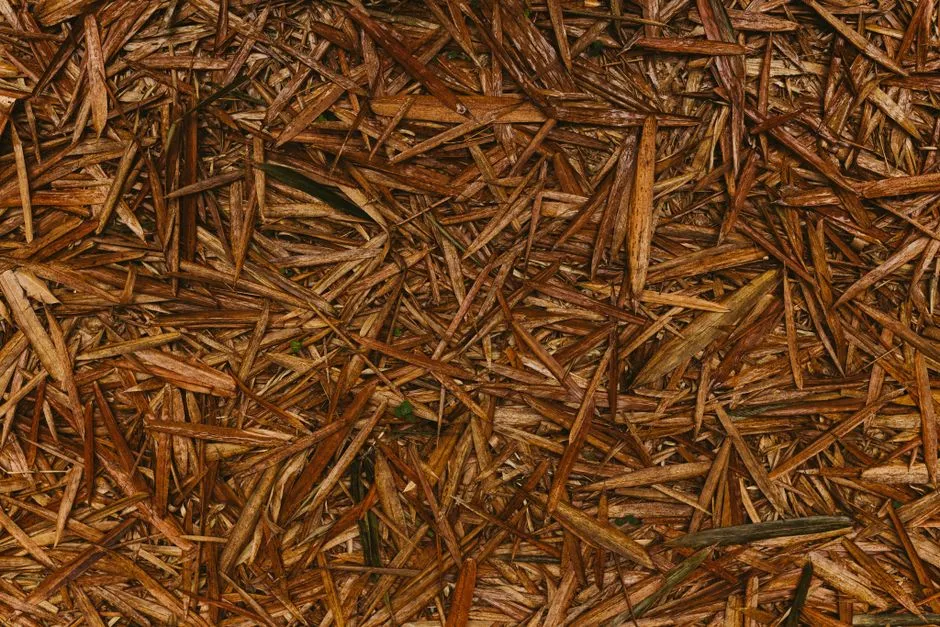
Straw and hay are especially popular in food gardens. These materials are airy, easy to spread, and provide light to medium insulation. The pale color even reflects some sunlight, and straw can be scattered up to 6 inches deep in vegetable beds without risking suffocation below.
Straw makes an excellent mulch in the vegetable garden for multiple reasons: weed suppression blocks sunlight and smothers weed seedlings, moisture retention locks water into the soil and reduces how often you need to water, temperature moderation insulates the soil keeping it cooler in summer and reducing evaporation, and improved soil health comes as straw breaks down and adds nutrients and organic matter.
Leaves, pine needles, and straw are ideal for vegetable gardens. Straw mulches, including pine needles, are excellent choices for both vegetable and ornamental landscape beds, and they are readily available and affordable.
Pine Needles and Shredded Leaves as Light Reflective Options
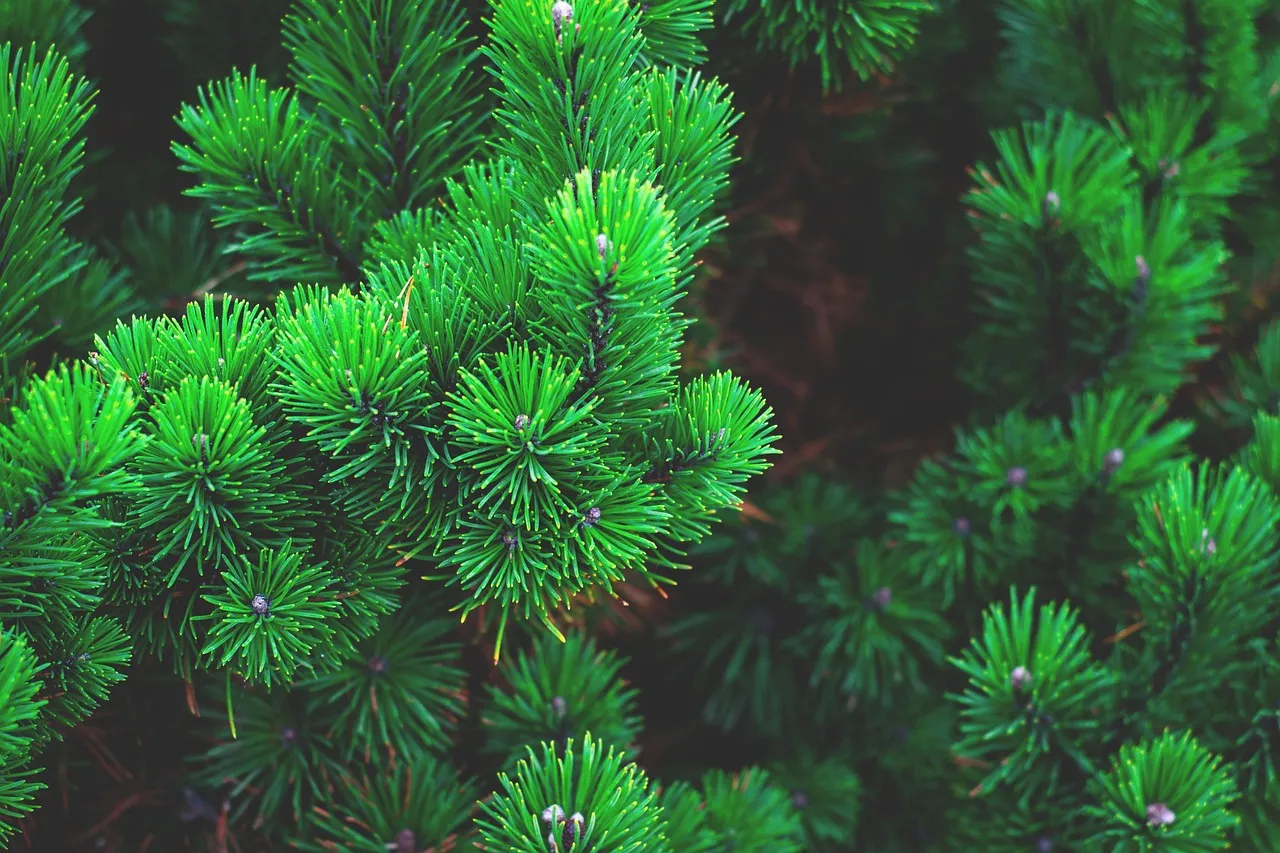
Pine needles are thin and often used where a lighter, more decorative covering is needed. They allow good water penetration but still create a soft barrier against heat. Their airy, loosely interlocking structure also prevents the kind of matting that can trap unwanted moisture against plant stems.
Shredded leaves, in areas where they are abundant, give a more natural forest effect and keep soil cool while slowly enriching it. Light-colored fallen leaves – think dried oak or maple before decomposition darkens them – work particularly well early in the season before they break down and lose their reflective surface. Fallen leaves are economical because they are free, and it is a sustainable landscape practice to use them as mulch or to make compost.
The Right Depth Makes All the Difference
Apply straw and leaf mulches 3 to 4 inches deep to create effective temperature barriers without suffocating roots. Wood chips require 2 to 3 inches of depth, with coarser materials needing the higher end of this range. Getting depth right is as important as getting color right. Too thin and the insulating effect disappears on a hot afternoon. Too thick and you risk cutting off airflow and inviting fungal problems.
The ideal mulch thickness varies by garden area: 2 to 3 inches for flower beds, 3 to 4 inches for trees and shrubs, and 1 to 2 inches for vegetable gardens. Key factors influencing mulch thickness include soil type, mulch type, and how often mulch is refreshed, with sandy soils requiring thicker layers for moisture retention.
Combining Light Mulch With Moisture Strategy
During hot weather, mulch helps keep the soil cooler by creating a protective barrier between the soil and the external environment. It blocks direct sunlight from contacting the soil and thereby reduces heat absorption. The cooling effect is compounded when mulch is applied over consistently moist soil. Mulch helps retain soil moisture by reducing evaporation. When the soil is covered with mulch, it is shielded from the drying effects of both wind and sun. This moisture retention not only benefits plant roots directly but also helps maintain a more stable soil temperature, since dry soil tends to heat up quickly in the sun.
The benefits of mulch depend on the material used and depth to which it is applied. In general, mulching minimizes evaporation of water from the soil surface, reducing irrigation need by around half. In a dense urban garden where water access can be limited or expensive, that saving matters.
Timing Your Application for Maximum Cooling Benefit
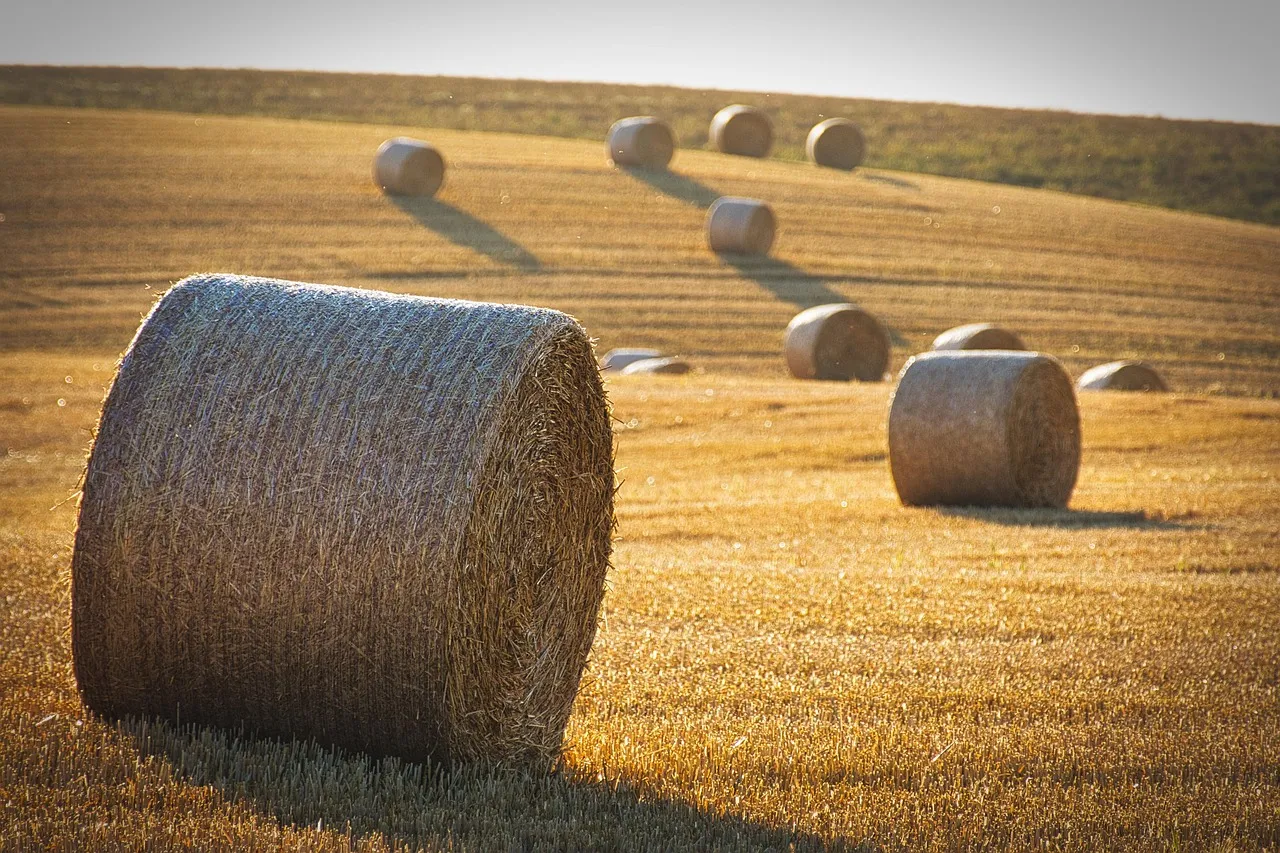
Straw mulch is best applied after the soil has warmed and drained in the spring. Applying it too early can keep the soil too cool for seed germination or slow early growth. Water the soil well before applying mulch, since moisture gets locked in under the mulch, so it’s best to start with damp soil.
Apply mulch in the early morning or late afternoon – this traps coolness rather than heat. Keep mulch a few inches from plant stems and trunks to prevent rot and pest damage. That small clearance around the base of each plant is one of the most overlooked details in mulching practice, and skipping it can undo much of the benefit.
What the Research Says About Meta-Level Mulch Benefits
A meta-analysis synthesizing 97 studies and 789 observations across 25 vegetable species assessed the influence of plastic mulch colour on crop yields and soil properties. Ten plastic mulch colors were analyzed, and results show that all mulch colors improved crop productivity and soil parameters compared to non-mulched soil.
Mulch research has consistently shown that appropriate mulch materials will moderate soil temperature extremes due to air temperature fluctuations. Mulched raised beds have the most consistent temperatures, with no differences seen at any time or in any location measured. For urban gardeners managing compact raised beds exposed to full sun and reflected building heat, that consistency is exactly what stressed plant roots need through a long summer.
Practical Mistakes to Avoid With Light Mulch in Urban Settings
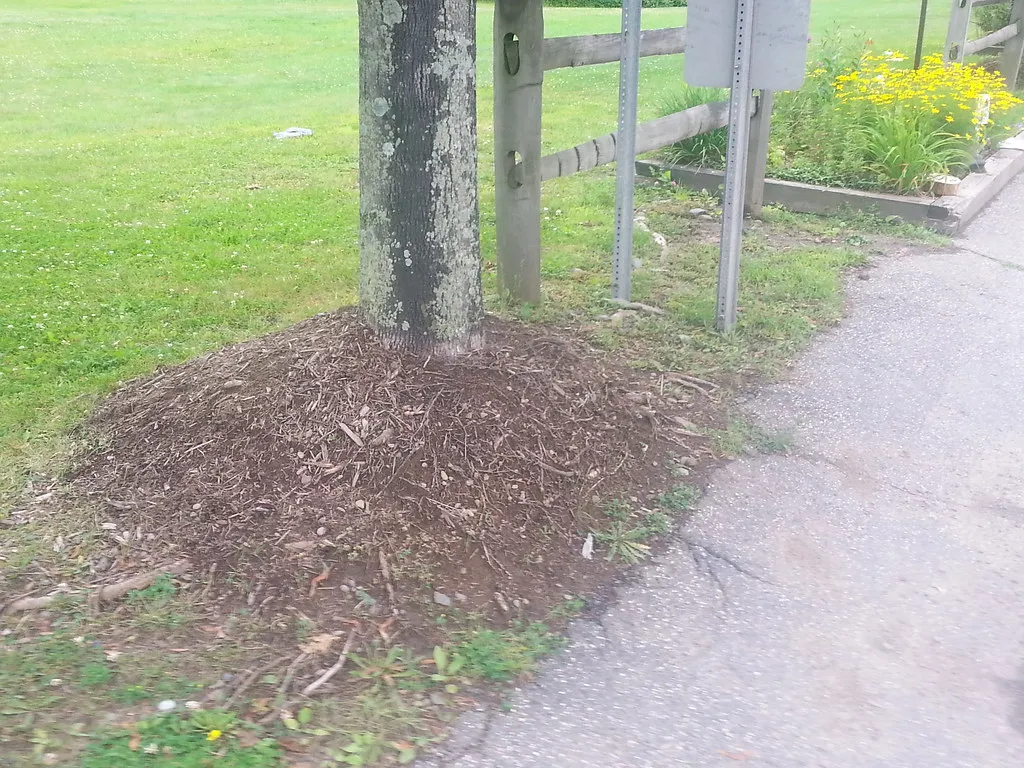
Spread the mulch evenly and avoid creating a “mulch volcano” around the trunks or main stems of plants and trees. Mounding mulch up against the trunk can invite disease. It’s best to mulch around trees and plants then pull mulch away from the trunk to create some space.
Over time, a thick layer of straw mulch can become compacted. Loosen it with a rake now and then to maintain airflow and reduce the risk of trapping too much moisture near the soil. Light-colored mulches can also fade or darken as they decompose, gradually losing their reflective advantage. Refreshing the top layer partway through summer isn’t overkill – in a hot urban bed, it’s simply good maintenance.
To protect your organic garden, always ask your supplier if the straw comes from fields treated with herbicides or pesticides. When possible, choose organic straw or material from a trusted local source. A little research up front can help you avoid introducing long-lasting chemicals into your garden beds.
Conclusion
Light-colored mulch is one of the most accessible, evidence-backed tools available to urban gardeners dealing with compounded summer heat. The physics are simple and the research is consistent: pale, reflective surfaces keep soil meaningfully cooler, reduce water loss, and protect root systems from the kind of thermal stress that quietly kills productivity without announcing itself.
The strategy isn’t complicated. Choose a light-colored organic material suited to your crop type, apply it at the right depth, keep it away from plant stems, and refresh it when it begins to break down and darken. Urban gardens will always face more heat pressure than rural ones. The right mulch doesn’t eliminate that pressure – it just keeps your soil from becoming part of the problem.
AI Disclaimer: This article was created with the assistance of AI tools and reviewed by a human editor.