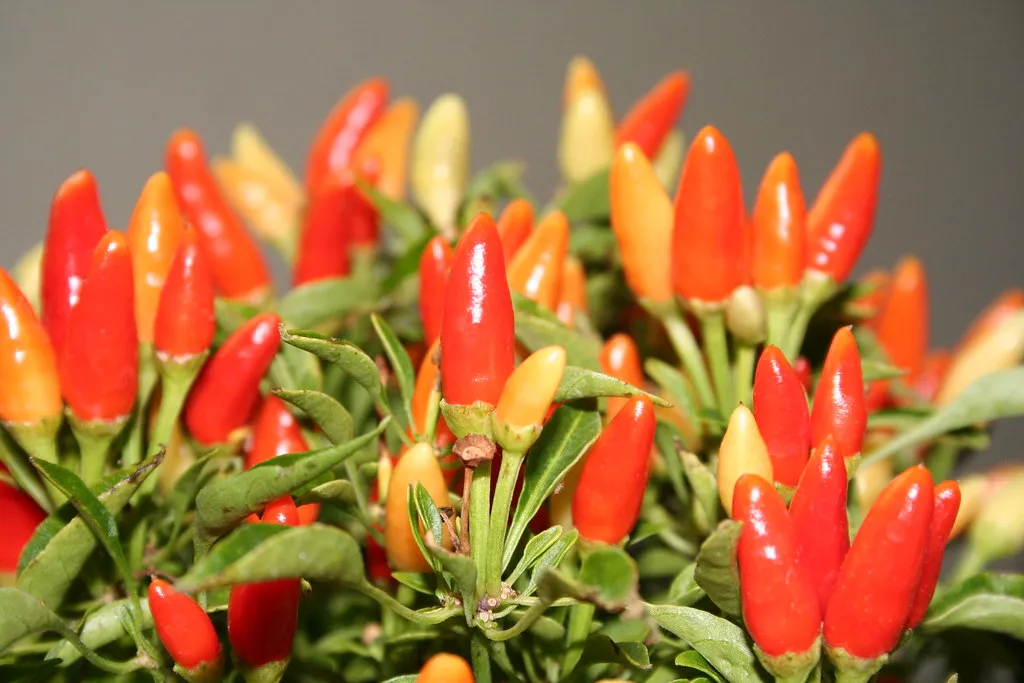

Most people keep a box of Epsom salt tucked somewhere between the bath towels and the old shampoo bottles. It’s the go-to soak for tired muscles and not much else, or so most gardeners assume. The truth is, that same white powder sitting in your bathroom cabinet could be quietly solving a very specific problem out in your pepper patch, one that many gardeners misdiagnose every single season.
Peppers are surprisingly demanding plants. They belong to a family of crops that genuinely hunger for certain minerals in ways that lettuce or beans simply don’t. Understanding why that matters, and when Epsom salt actually helps versus when it’s a waste of time, is the difference between a thriving harvest and a frustrated gardener staring at yellowing leaves.
It’s Not Actually Salt at All
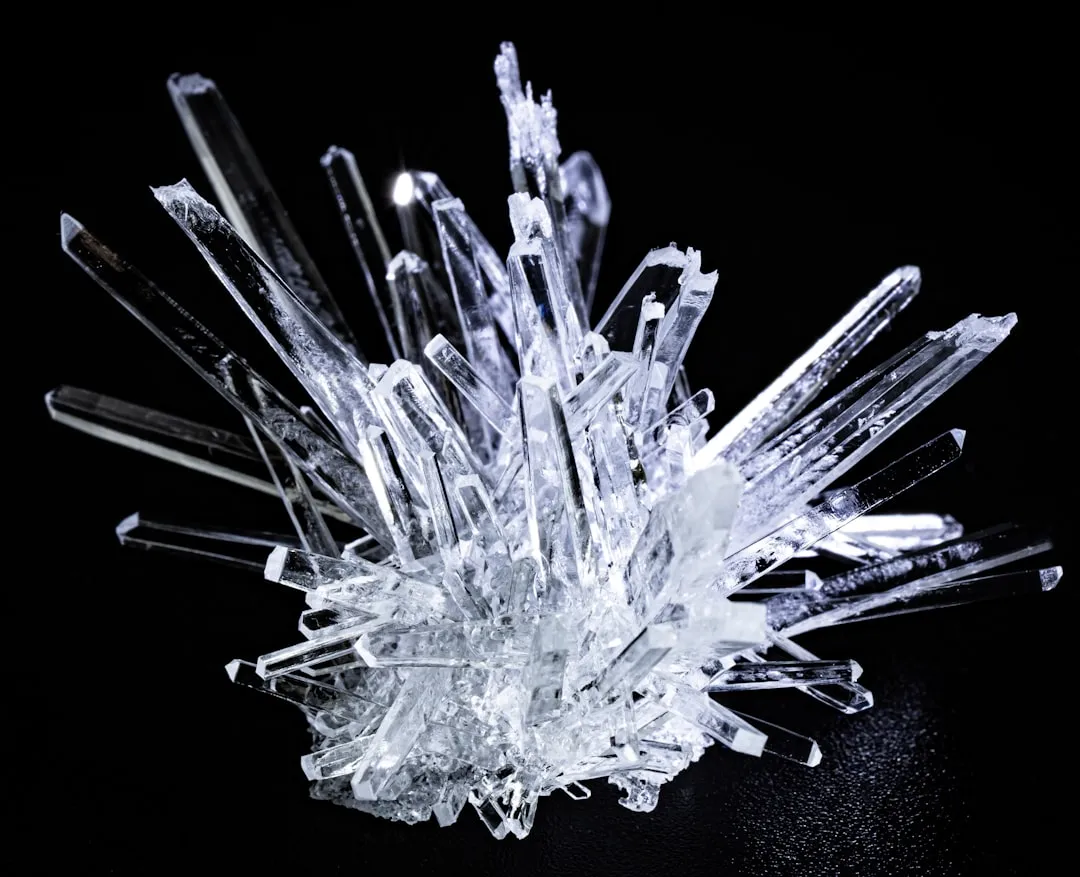
Chemically, Epsom salt is hydrated magnesium sulfate, containing roughly ten percent magnesium and thirteen percent sulfur. That’s a crucial distinction from regular table salt, which is sodium chloride and would genuinely harm your plants. The name comes from a town in Surrey, England, where the mineral-rich spring water was first identified centuries ago.
Magnesium sulfate is an organic compound containing magnesium, sulfur, and oxygen. It occurs naturally as the mineral known as Epsom salt and dissolves readily in water, making it very accessible to plants. When it breaks down in soil or in a foliar spray, those two components, magnesium and sulfate, are released into a form plants can actually absorb and use immediately.
Why Peppers Are Particularly Hungry for Magnesium
Vegetables such as beans, peas, lettuce, and spinach can grow and produce good yields in soils with low magnesium levels, but plants such as tomatoes, peppers, and roses need high levels of magnesium for optimal growth. That’s not folklore. It’s a well-documented difference in nutritional demand between plant families.
Crops in the Solanaceous family, like tomatoes and peppers, and the Cucurbit family, like cucumbers and squash, show deficiency symptoms more quickly than others. Peppers are especially sensitive at the point when they start setting fruit, since the plant is suddenly pulling nutrients in multiple directions at once. That peak demand period is exactly when a magnesium shortfall shows up most dramatically.
The Telltale Sign Your Pepper Plants Are Struggling
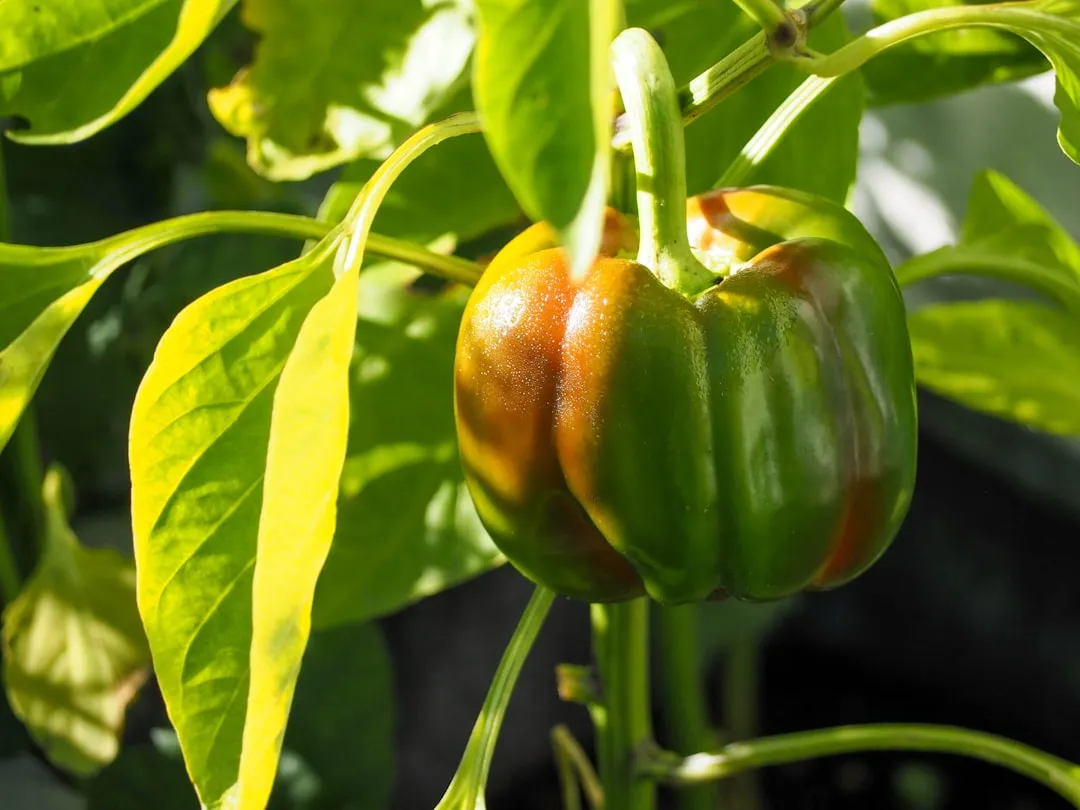
Magnesium deficiency in pepper plants first appears as interveinal chlorosis on older, lower leaves, with yellow patches between green veins, while leaf margins stay green and tissue remains firm. It’s a pattern that’s easy to confuse with other problems, but the key diagnostic clue is the location: older leaves, not new growth.
Crucially, if yellowing begins on new growth, magnesium is not the cause. In pepper plants, deficiency doesn’t just reduce yield. It can also compromise fruit set, sugar accumulation, and disease resistance. Left unaddressed, affected leaves commonly drop and can eventually defoliate most of the plant.
What the Science Actually Says About Epsom Salt and Peppers
In one small-scale study, testers in five states gave pepper plants a foliar spray of one tablespoon of Epsom salt to one gallon of water when peppers bloomed, and again ten days later. Four of the six testers reported that the treated pepper plants showed thicker foliage and larger fruits. That’s an encouraging result, though the study itself was modest in scale.
Although many studies confirm that magnesium sulfate is a good way to supply magnesium and sulfur to soils deficient in those elements, little research has been done on the use of Epsom salts as a supplemental fertilizer on soils with adequate levels of these nutrients. The honest takeaway is that Epsom salt works well in deficient soils but offers little measurable benefit when your soil is already healthy.
One experiment showed that pepper plants supplemented with magnesium in the form of magnesium sulfate solutions developed greater resistance to disease and produced a greater yield when compared with pepper plants receiving no supplemental magnesium. That finding holds up most reliably when the baseline magnesium in the soil was already low.
How Magnesium Fuels Photosynthesis
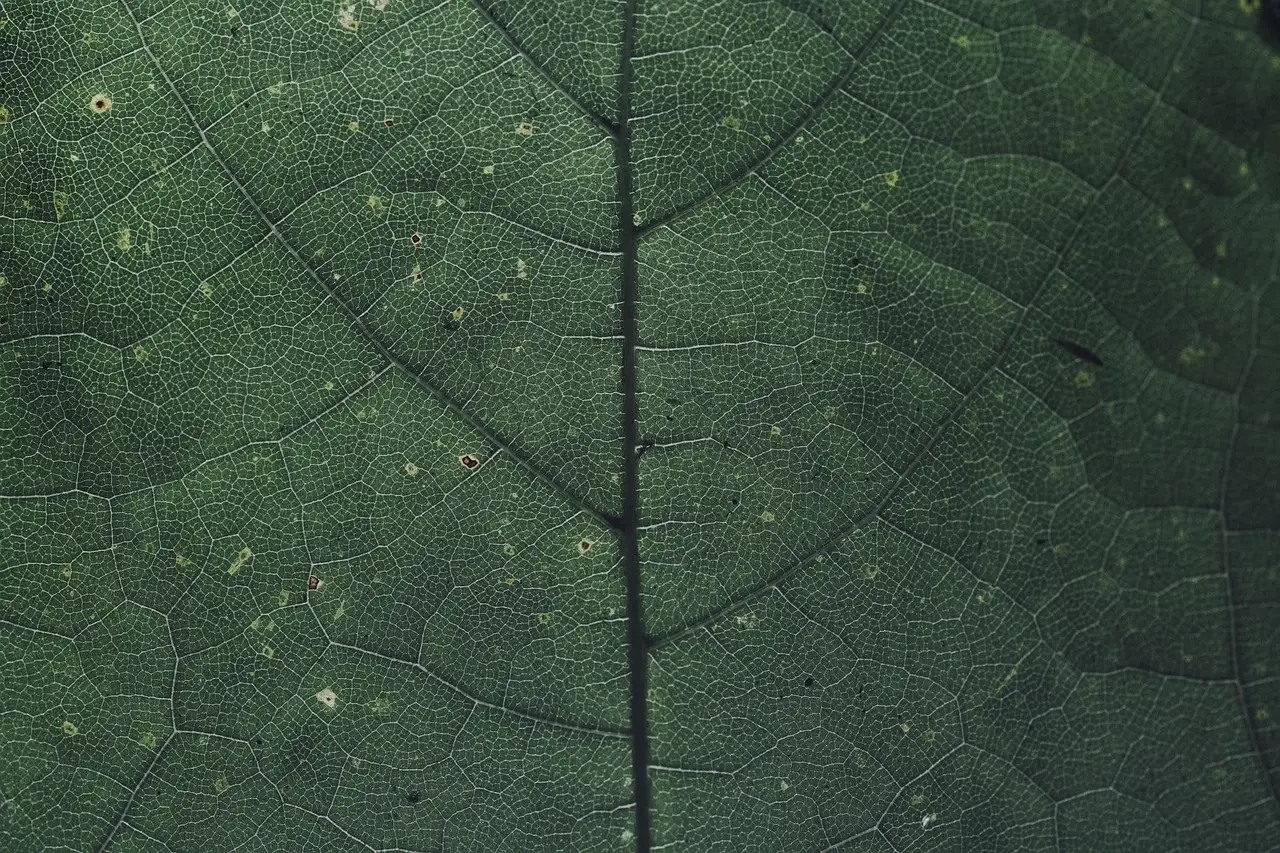
Epsom salt improves plant growth because of its magnesium content, which is crucial for photosynthesis. Magnesium aids in the synthesis of chlorophyll, which enables plants to absorb sunlight and convert it into energy more efficiently. Think of magnesium as the central atom in every chlorophyll molecule. Without enough of it, the whole system runs slower.
Magnesium creates an environment conducive to growth by helping seeds germinate, increasing chlorophyll production, and improving phosphorus and nitrogen uptake. That last point matters more than most gardeners realize. A pepper plant that can’t absorb phosphorus and nitrogen properly won’t respond well to any fertilizer, no matter how generously it’s applied.
The Role of Sulfur in Pepper Health
Sulfur, a key element in plant growth, is critical to the production of vitamins, amino acids, and therefore protein, as well as enzymes. Epsom salt delivers both minerals simultaneously, which is one reason gardeners targeting magnesium deficiency often see broader improvements in plant vigor than they expected.
Sulfur encourages the creation of amino acids, vitamins, and proteins needed by plants for maintaining their structural strength and disease resistance. The concentration of sulfate commonly found in Epsom salt is about thirteen percent, contributing to increased levels of soil nutrients. It’s a meaningful dose when the plant genuinely needs it.
How to Actually Apply It in Your Pepper Patch
Adding Epsom salt to the soil at the planting hole during planting ensures immediate availability of magnesium and sulfate for young plants. This can be achieved by putting one tablespoon at the base of each tomato or pepper planting hole with some soil mixed around it. Starting strong at transplant time gives seedlings the best possible foundation.
Epsom salt is more immediately available to peppers when sprayed on the plant’s leaves versus sprinkling it on the ground. Dilute one tablespoon of Epsom salts with one gallon of water and apply as a foliar spray. When applied this way, Epsom salts can be taken up quickly by plants. Spray your peppers at bloom time, then again ten days later.
Test Your Soil Before You Reach for the Box
If your soil is sandy or highly acidic, with a pH level below 6.0, it is more likely to have a magnesium deficiency. The only way to truly know is to do a soil test. Reaching for Epsom salt before testing is a common mistake, and it can cause real problems rather than solve them.
Modern greenhouse trials from the University of Florida in 2023 show that the vast majority of what appeared to be magnesium-deficient pepper crops were misdiagnosed due to uncorrected soil pH above 7.2, where magnesium becomes chemically insoluble, even when total magnesium levels tested as adequate. In those cases, adding more Epsom salt won’t help at all. Fixing the pH is the only solution that will.
When Epsom Salt Can Actually Backfire
Adding Epsom salts to soil that already has sufficient magnesium can actually harm your soil and plants, such as by inhibiting calcium uptake. Spraying Epsom salt solutions on plant leaves can cause leaf scorch. These aren’t just theoretical risks. They show up in real gardens when the product is applied without confirming a deficiency first.
Overusing Epsom salt can throw off the delicate equilibrium of nutrients necessary for robust plant development. An oversupply of magnesium often competes with other crucial minerals such as calcium and potassium, potentially causing deficiencies in these nutrients. This imbalance can hinder plants, diminishing their growth, flowering, and fruiting. More is genuinely not better here.
Excess use in soil outdoors can increase mineral contamination of groundwater. Excess magnesium can create deficiencies in other nutrients, and Epsom salt is highly soluble, which means it can get into groundwater where it ends up in rivers and lakes. It may be trivial for one gardener, but imagine thousands or millions adding it. That adds up.
The Balanced Bottom Line for Pepper Growers
Epsom salt is used effectively for plants in certain targeted situations. Specifically, a form of magnesium sulfate is used to counteract soil magnesium deficiency in intensively managed crops. Responsible use involves proving that the soil is indeed deficient in magnesium and also that the risk involved with the application is acceptable. That process is simple enough for any home gardener to follow.
Think of Epsom salt as a precision tool to smooth the plant’s energy economy at peak workload, rather than a universal tonic. Watch for richer green leaves, tighter flower retention, and improved pod fill within two weeks of a correctly timed application. If no improvement appears, it’s worth reconsidering the diagnosis entirely.
The stranger truth about Epsom salt is how narrow its window of usefulness actually is. In the right soil, with the right plants, at the right moment in the growing season, it can be genuinely effective. Outside of those conditions, it’s just something you bought at the pharmacy. Test your soil, know your peppers, and use it deliberately. That’s the difference between a gardening myth and a gardening tool.
AI Disclaimer: This article was created with the assistance of AI tools and reviewed by a human editor.