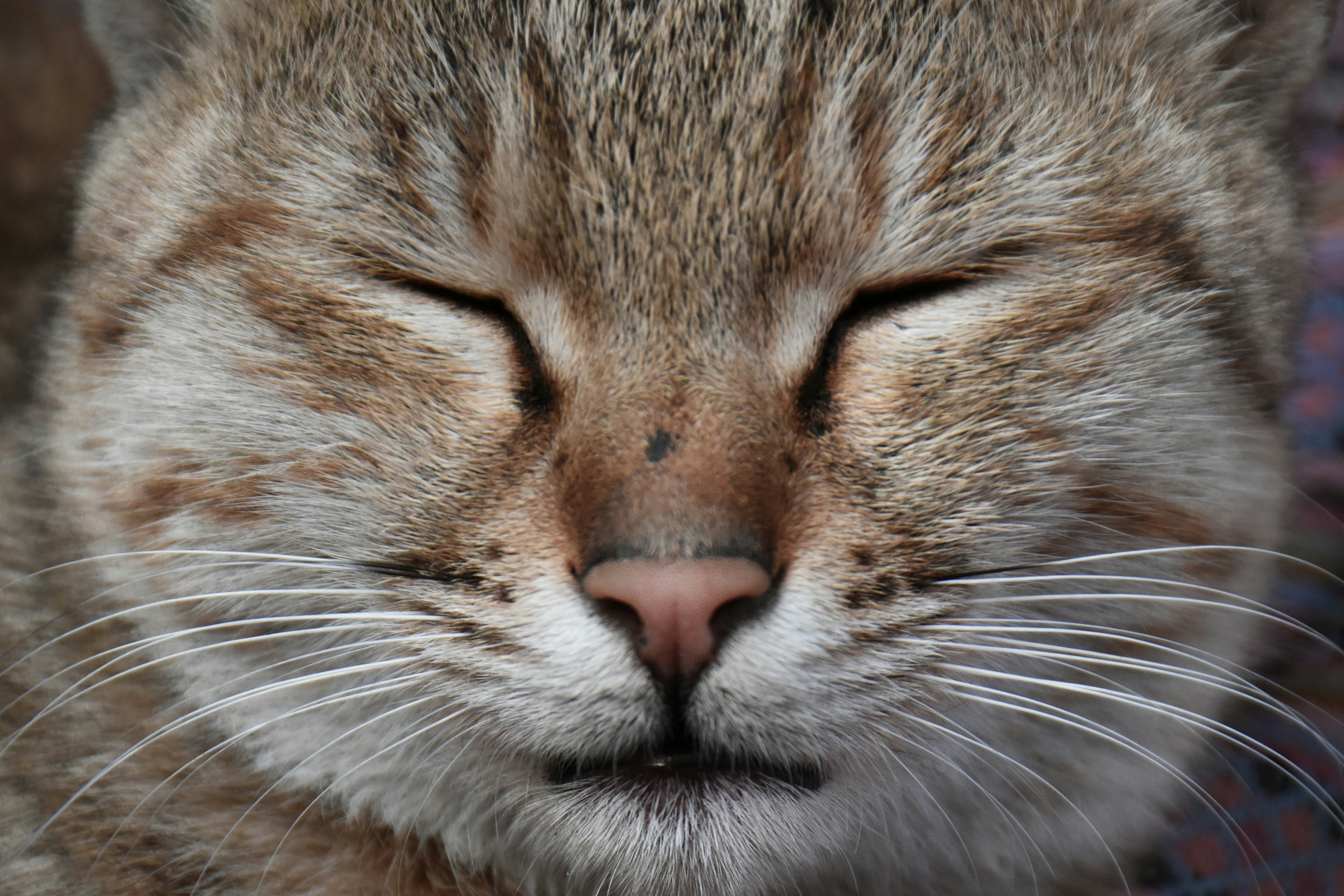

If you’ve ever caught your cat staring blankly into the middle distance with its mouth slightly open, upper lip curled, and teeth exposed like a tiny, bewildered predator, you’ve witnessed one of the most quietly fascinating behaviors in the animal kingdom. It looks ridiculous. It might even look like your cat just sniffed something deeply offensive. In reality, something far more sophisticated is happening.
This peculiar expression has a name, a dedicated organ behind it, and millions of years of evolution supporting it. Once you understand what’s actually going on, it’s hard not to look at your cat with a little more respect.
It Has a Name: The Flehmen Response
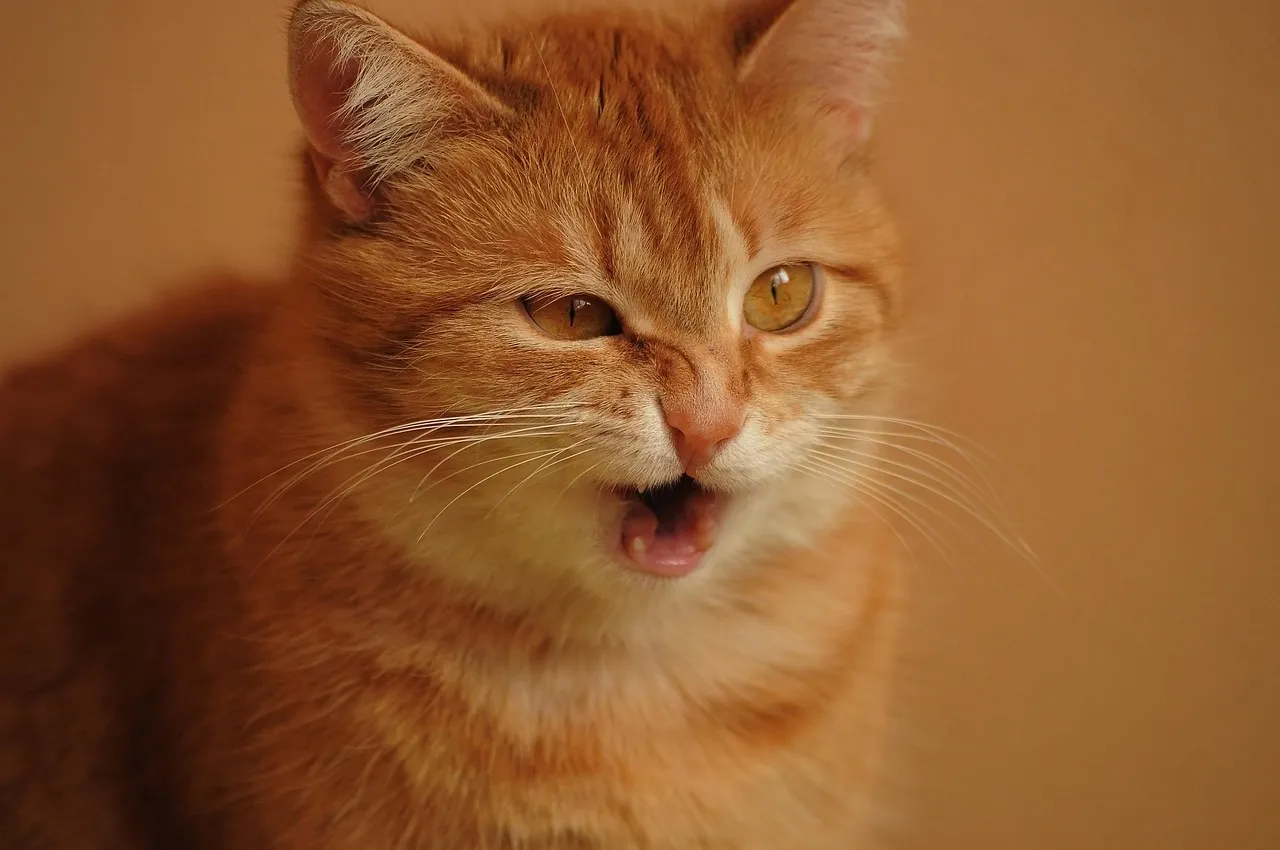
If you ever notice your cat sneering or making a “stinky face,” that’s the flehmen response. Also called the flehmen reaction or flehmen grimace, it is a behavioral response seen in cats and other animals that helps them process interesting smells, such as pheromones – chemical compounds secreted to relay messages regarding territory, breeding, and identification.
The word “flehmen” is a German word that means “to bare the upper teeth,” and it comes from “flemmen,” an Upper Saxon German word meaning “to look spiteful.” That etymology alone is fairly apt, given the expression cats make when doing it.
The flehmen response is a voluntary action and is considered a sense that lies somewhere between smell and taste. That detail is worth sitting with: it isn’t a reflex. Your cat is making a deliberate choice to analyze a scent more deeply.
What the Face Actually Looks Like
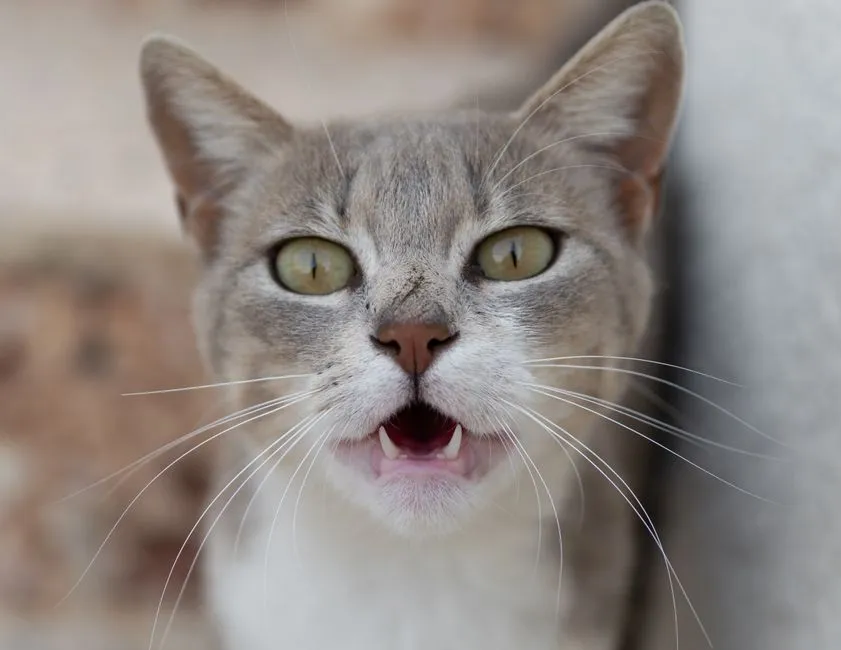
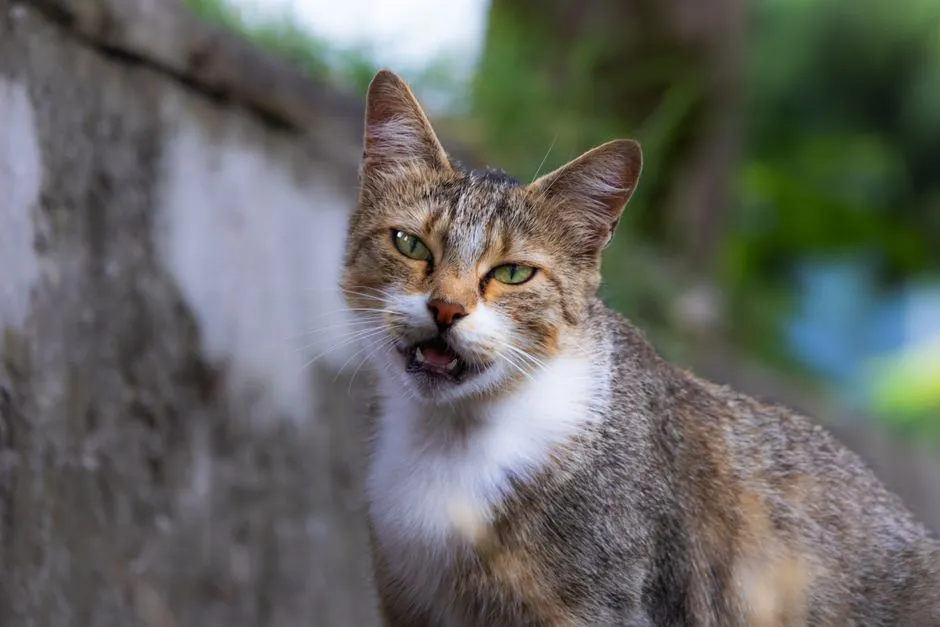
When a cat exhibits the flehmen response, you’ll see the upper lip curl back, revealing the front teeth and gums, and causing wrinkles near the nostrils. The mouth is held slightly open and the cat may extend its neck and elevate its head.
You may notice the cat chatter its teeth or “smack its lips” as part of this response, and a cat may also lick its nose. The whole thing typically lasts only a few seconds, which is part of why it looks so bizarre out of context.
If you’re a cat owner, you’ve likely seen it: your feline friend sniffs something with great interest, then lifts their head, curls back their upper lip, and holds a strange, sneer-like expression for a few seconds. It’s equal parts comical and oddly dignified.
The Secret Organ Behind the Expression
The key to the flehmen response is the vomeronasal organ, also known as Jacobson’s organ. This tiny, cigar-shaped structure is located in the roof of the mouth, just behind the front teeth, with two small ducts connecting it to the oral cavity. It functions as a specialized scent analyzer, detecting chemical cues that the regular olfactory system in the nose might miss.
The flehmen response opens up two small ducts on the roof of the cat’s mouth behind the incisors, allowing the scent to travel to the vomeronasal organ inside of the nasal cavity.
The vomeronasal organ is located in the roof of the mouth with the openings just behind the upper incisors. Its function is to provide further analysis of odors, a sensation that has been described as tasting and smelling at the same time. No human organ compares; we simply don’t have an active version of it.
Cats Have a Uniquely Powerful Version of This System
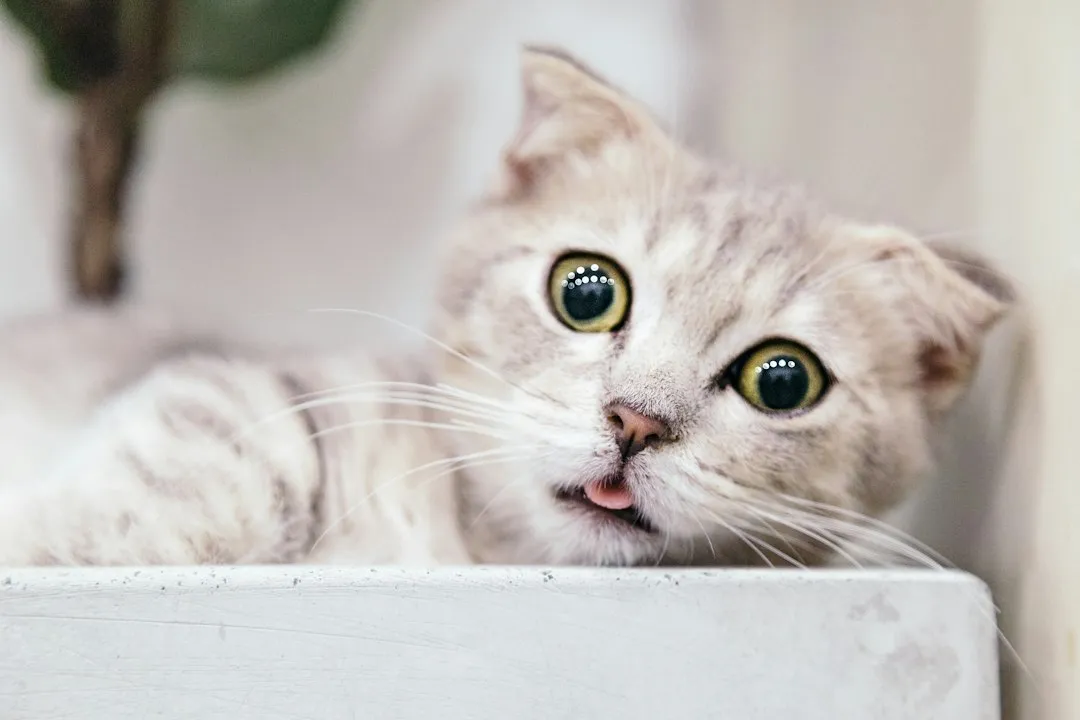
Domestic cats have twice as many scent receptors in their nose as humans, and can smell about 14 times better than humans. The flehmen response is essentially a turbo boost on top of that already formidable system.
Research published in Scientific Reports found that cats’ vomeronasal organ has more and a more diverse set of receptors than dogs’ – 21 versus 8 – which have been shown to be involved in the analysis of social chemical signals. That’s a meaningful gap, and it helps explain why cats tend to exhibit the flehmen response more noticeably than dogs.
By taking in smells via this method, cats can detect chemicals using nerves that lead directly to the brain, including odorless or otherwise undetectable smells. What looks like a silly grimace is, in practice, a direct neural data pipeline.
It’s Not Disgust – It’s Deep Investigation
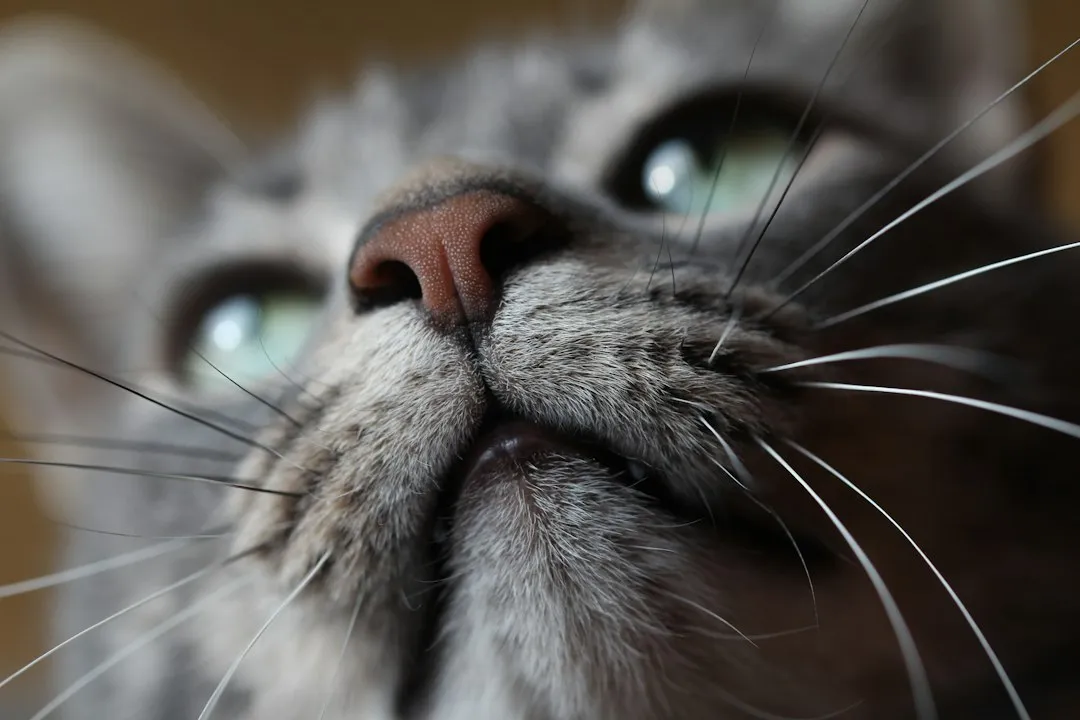
Although it may appear that your cat is staring in open-mouthed disbelief, there’s actually a reason it pulls this funny face: your cat is analyzing a new or strange smell, but instead of doing so through the nostrils, it is “scent-sucking” through the roof of its mouth.
The scent is collected in the mouth where the cat then uses its tongue to flick it up to the vomeronasal organ. You can tell when the cat is in the process of using this organ because the facial expression is similar to a grimace.
This organ helps cats detect emotional states, dominance, and stress cues from other animals, all gathered silently from chemicals drifting through the air. It’s not revulsion. It’s research.
What Triggers It: Pheromones Above All Else
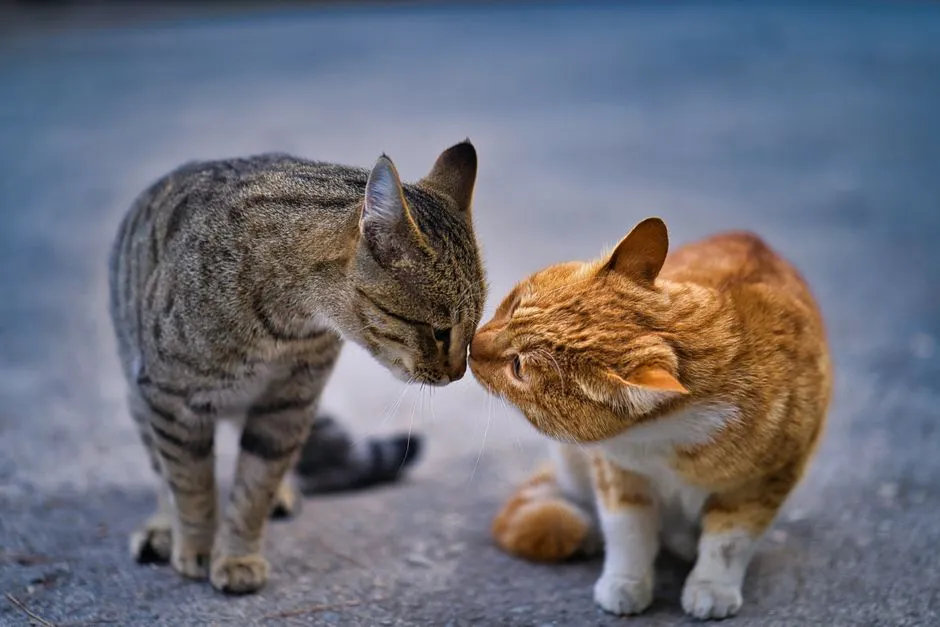
Detecting pheromones – chemical messages – is the most common reason for the response to be triggered in cats. Pheromones are an important form of communication between cats, especially in relation to social bonds, territory, and mating.
The flehmen response is commonly used by male cats smelling female cats’ urine to assess if she is ready to mate. However, it can be used by any cat when they come across a scent that they deem interesting enough to warrant further investigation.
In sexually intact cats, males are more likely to show flehmen behavior after sniffing the urine or body of intact female cats. The female cat does not do it as much, according to the American Veterinary Society of Animal Behavior. That said, any cat can trigger the response given the right smell.
Catnip: A Chemical Shortcut to the Same Reaction
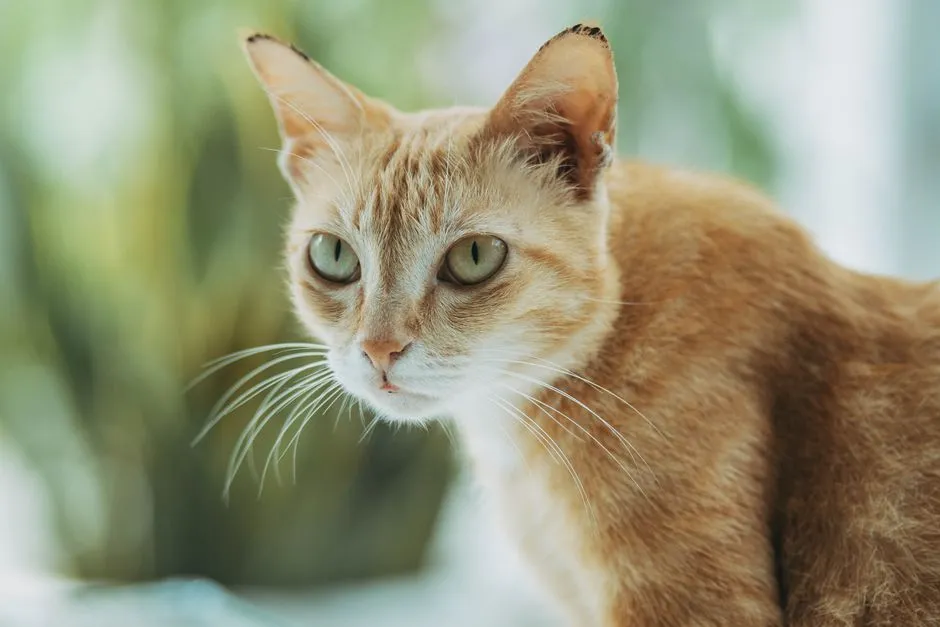
Catnip is especially famous for triggering the flehmen response in cats, as it produces a chemical response in a cat’s brain when inhaled or ingested. Watching a cat encounter fresh catnip is one of the more reliable ways to see the stinky face in action.
Many scents can trigger this response, including catnip. This is probably because experts believe the scent of catnip, particularly from a compound called nepetalactone, smells just like certain feline pheromones. So the cat isn’t getting tricked exactly, it’s responding to a genuine pheromone mimic.
Cats also react to perfumes, cleaning products, and even human sweat. Their reaction to catnip also fits here: nepetalactone in catnip mimics feline pheromones, sparking lip curls. Basically, if a scent is chemically complex or socially coded, there’s a reasonable chance the flehmen face will follow.
Territory and Social Intelligence Through Scent
Cats are highly territorial animals. By analyzing scents left by other cats or animals, they can determine if their territory has been encroached upon or if new animals are nearby.
Cats mark areas by rubbing and scratching. Those markings carry chemical notes about ownership. By studying these scent marks with a lip curl, cats gauge potential rivals.
Cats can use the flehmen response to gather information about other cats in their social group, which helps them gauge relationships and hierarchies within multi-cat households or colonies. What looks like idle sniffing is actually a sophisticated social read.
Cats Aren’t Alone – Other Animals Do It Too
A wide range of mammals exhibit flehmen, including both predatory and non-predatory species. The response is perhaps most easily observed in domestic cats and horses, both of which exhibit a strong flehmen response to odors.
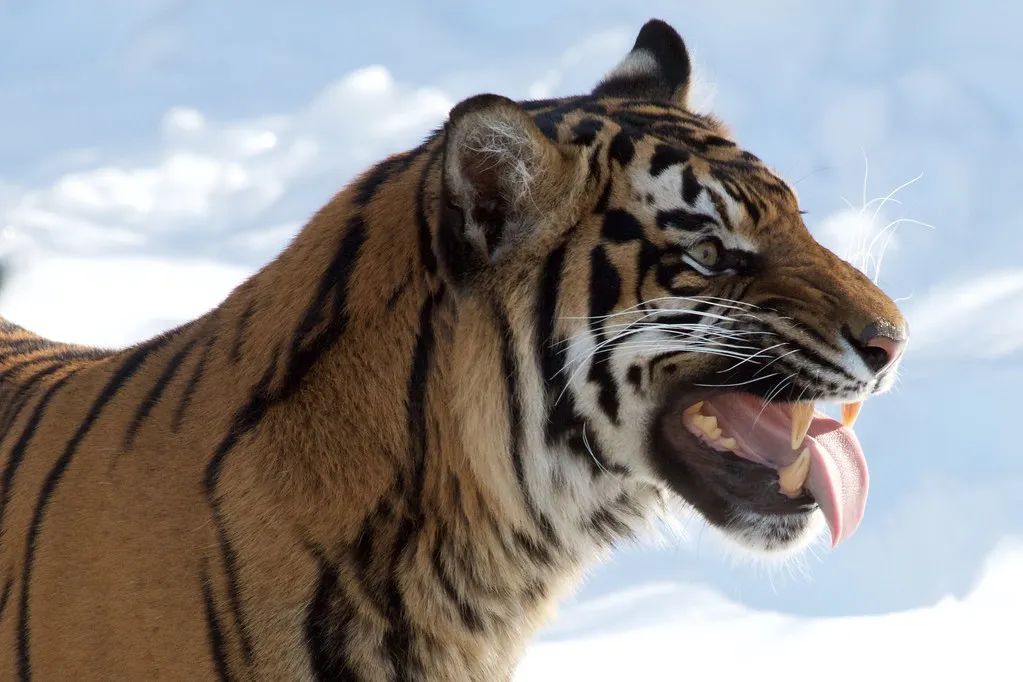
Big cats like lions and tigers perform nearly the same gesture. Many ungulates – horses, goats, and deer – also lift their lips to sample pheromones in the air. Even elephants have their own version of the behavior.
Humans do have a VNO, but it is considered vestigial and non-functional. Which means we lost something our cats never did. They still carry this ancient chemical intelligence fully intact.
When the VNO Goes Wrong: Health Implications
The vomeronasal organ plays a key role in intraspecific animal behavior since it is able to detect pheromones. Induced and spontaneous lesions of this structure have been previously associated with various social behavior alterations in animals. In cats, inflammation of this organ, named vomeronasalitis, has been associated with the presence of aggression towards other cats.
Evidence that pheromones are linked to social behavior comes from a study that found a link between inflammation of the VNO and aggression towards other cats (Asproni et al 2016). This is still an emerging area of feline medicine, and researchers are continuing to map what happens when this organ is compromised.
Owing to the pivotal role of this organ in animal behavior, this first report reveals several clinical and behavioral implications of VNO pathological changes. A wider number of VNO samples are needed to draw firmer conclusions, but the data suggest that vomeronasalitis could be a cofactor in the onset of inter-cat aggression. In other words, a healthy VNO may matter more for social harmony than anyone previously suspected.
The Takeaway
What your cat is doing when it freezes with that odd, half-sneering expression is nothing short of remarkable. It’s running a chemical analysis using a dedicated sensory organ, processing information about identity, territory, reproduction, and emotional states – all in a few quiet seconds.
The stinky face isn’t silly. It’s a window into a sensory world that humans simply can’t access. Next time your cat sniffs your jacket and pulls that face, it likely knows more about where you’ve been than you might realize.
AI Disclaimer: This article was created with the assistance of AI tools and reviewed by a human editor.