
1. Store-Brand Ibuprofen vs. Advil
Ibuprofen is probably the clearest example in the store-brand versus name-brand conversation. Store-brand ibuprofen alternatives represent some of the most significant cost savings available, and options like Kirkland Signature from Costco, Equate from Walmart, and CVS Health ibuprofen all contain the same active ingredient as brand-name Advil but cost considerably less.
The active ingredient is the part of a medicine that treats your symptoms, and FDA rules require every over-the-counter label to list it by name and amount, while also requiring a generic to match the name brand’s active ingredient, strength, and form, and to meet the same quality standards.
An FDA-approved generic medication must contain the same active ingredient as the brand, at the same strength and dose, in the same form such as tablet, capsule, or liquid, taken by the same route, and used for the same indication. With ibuprofen, there is simply no meaningful clinical difference between Advil and its store equivalents.
2. Store-Brand Cetirizine vs. Zyrtec
Generic cetirizine provides identical active ingredients and effectiveness as brand-name Zyrtec while offering substantial cost savings. The price gap is hard to ignore once you see the numbers side by side.
Zyrtec’s Drug Facts label says cetirizine HCl 10 mg, and Walmart’s Equate cetirizine lists the same 10 mg. In early October 2026, Walmart charged $12.88 for 90 Equate tablets, about a third of what it charged for 90 Zyrtec tablets.
Generic cetirizine typically costs considerably less than brand-name Zyrtec, while still providing the same savings without compromising effectiveness or therapeutic outcomes. Pharmacists point to cetirizine as one of the most straightforward swaps a consumer can make.
3. Store-Brand Loratadine vs. Claritin
Loratadine remains the top non-drowsy daily antihistamine for most seasonal allergy sufferers. It’s once daily, reliably non-sedating for most, and inexpensive. The generic version delivers every bit of that benefit.
The savings vary from product to product, but generic loratadine can offer savings of over 75% compared to the name-brand version, which can be critical for price-conscious patients making self-care decisions.
Claritin’s active ingredient is loratadine 10 mg once daily, and store-brand generic loratadine carries the identical active dose, with generic versions typically running far cheaper per month than the name-brand equivalent. The only real differences come down to the tablet color or packaging.
4. Store-Brand Omeprazole vs. Prilosec
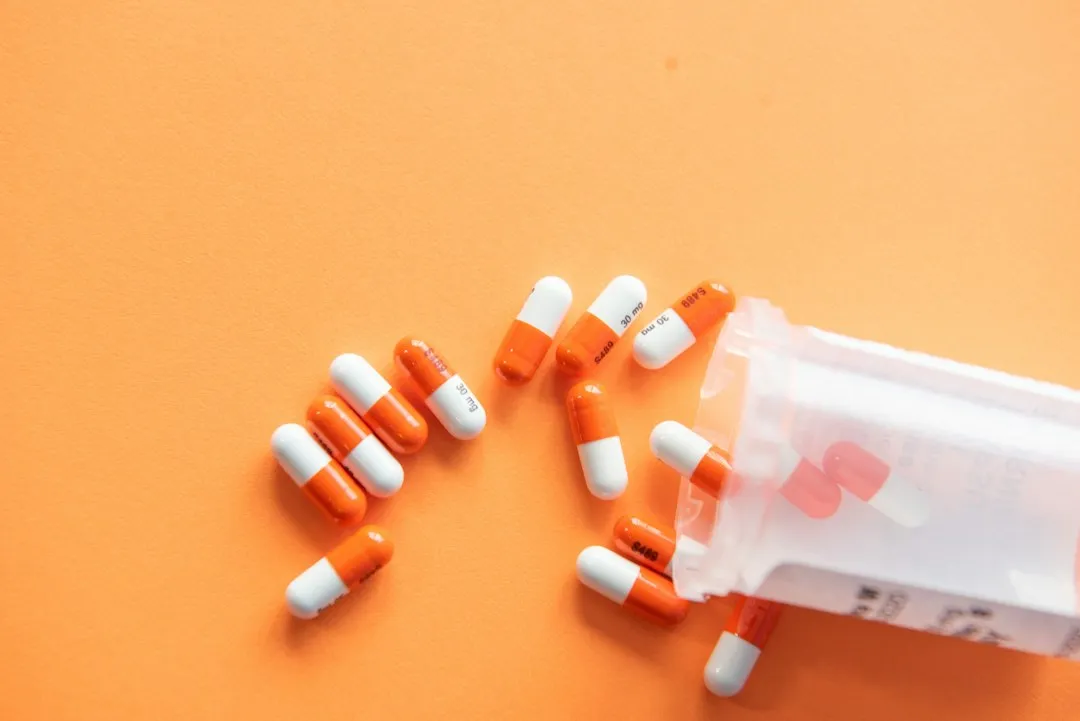
Omeprazole, the proton pump inhibitor sold under the name Prilosec, was once a blockbuster prescription drug. Today it sits on OTC shelves everywhere, and the store-brand versions carry the same active ingredient at the same dose.
A pharmacist from Marshfield Clinic Health System explains that there are no major differences between generic and brand-name drugs, noting that generic drugs have the same active ingredient as brand-name drugs and differ only in the inactive or filler ingredients.
The FDA makes sure generic medications are created under the same rules as the brand name, and these copies are made to be the same as the brand-name medication in form, strength, safety, how they are given, quality, and what they do, and are checked by the FDA just like the brand-name medications. For omeprazole, that consistency is well established.
5. Store-Brand Diphenhydramine vs. Benadryl
Diphenhydramine is the active ingredient in Benadryl, one of the most recognized names in antihistamines. Store-brand versions from virtually every major chain contain the identical compound at the identical dose.
The active ingredient is the same in store brands and brand names. A popular brand name that most people recognize is Benadryl, and there are countless store-brand or generic versions of it that use the exact same ingredient.
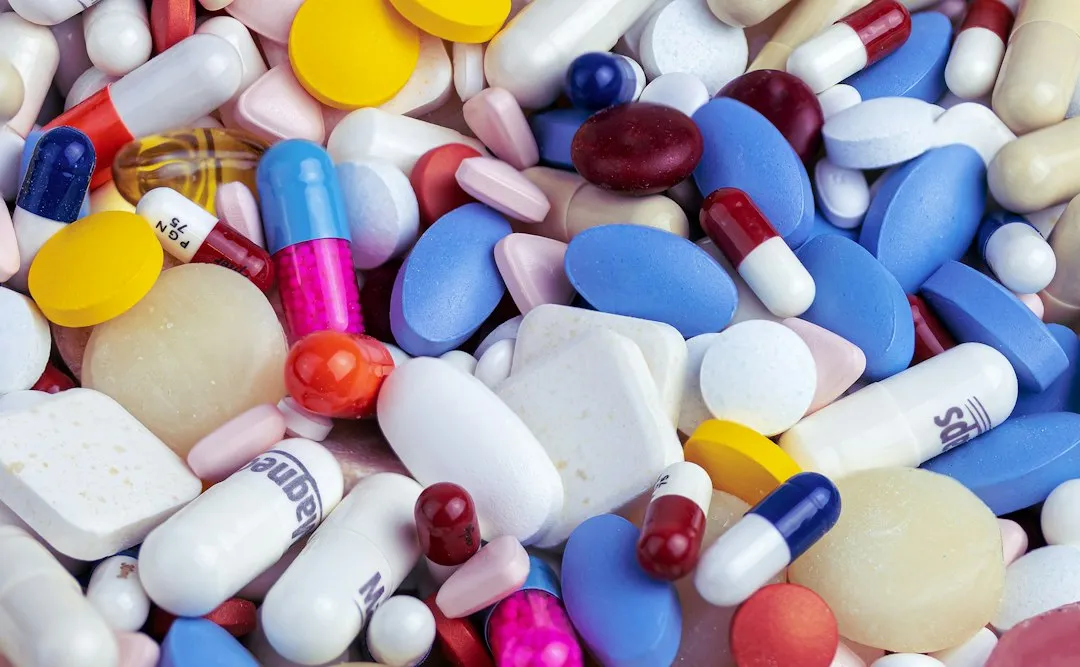
It is important to know that generic medications may look different from the brand name, with differences in size, shape, and color, but those differences do not change how the medication works. A generic medication works in the same way and gives the same benefit as the brand-name version. With diphenhydramine, the science is settled.
6. Store-Brand Aspirin vs. Bayer

Few medicines have a longer shelf history than aspirin, and yet Bayer still commands a premium price at checkout. Store-brand aspirin at 81 mg or 325 mg delivers the identical salicylic compound at the identical strength.
Store brands must go through the same FDA approval process as brand names. That applies just as directly to aspirin as it does to any other OTC product, meaning the regulatory bar is exactly the same regardless of whose label is on the bottle.
Both generic and innovator products must meet the same FDA standards for manufacturing and quality, and the FDA’s record shows that its bioequivalence approach works quite well to ensure that drug plasma concentrations achieved after dosing with generic drug products differ very little from those observed after dosing with innovator counterparts.
7. Store-Brand Loperamide vs. Imodium
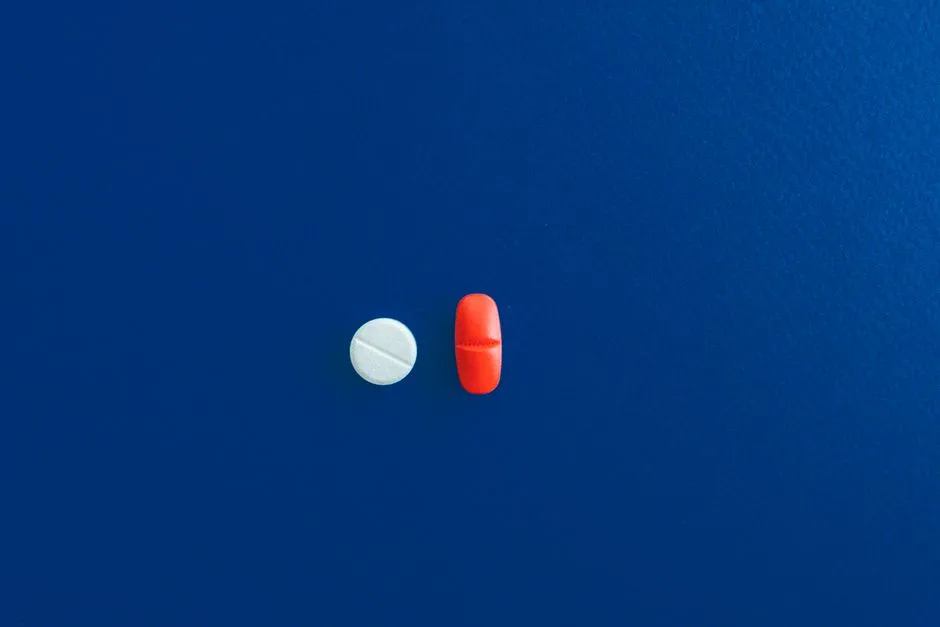
Imodium is the brand name most people associate with anti-diarrheal relief, but the active ingredient is loperamide, and every store-brand version sold in the US must meet identical FDA standards. The molecule doing the work is the same regardless of the box it comes in.
An FDA-approved generic has the same active ingredient, strength, form, and route as the brand, and for most medications the generic is clinically interchangeable with the brand. Loperamide fits squarely in that category.
On average, store brands cost about half the price of brand names. For something like loperamide, which many families keep stocked year-round, that difference adds up.
8. Store-Brand Miconazole vs. Monistat

Monistat is one of the most familiar names in antifungal treatment, and pharmacists have long confirmed that store-brand miconazole products deliver the same therapeutic result. The active ingredient, concentration, and dosage form are regulated and verified.
Generic drugs must show pharmaceutical equivalence, meaning the same active ingredients, route of administration, dosage, form, and strength as the branded drug. Drugs are considered therapeutic equivalents, without the need for clinical data, if they are both pharmaceutical equivalents and show bioequivalence.
In fact, brand-name manufacturers make about half of all generic drugs. That means in some cases, the same factory producing Monistat is packaging a nearly identical product under the store label – the name on the box truly is the only meaningful difference.
9. Store-Brand Hydrocortisone vs. Cortaid
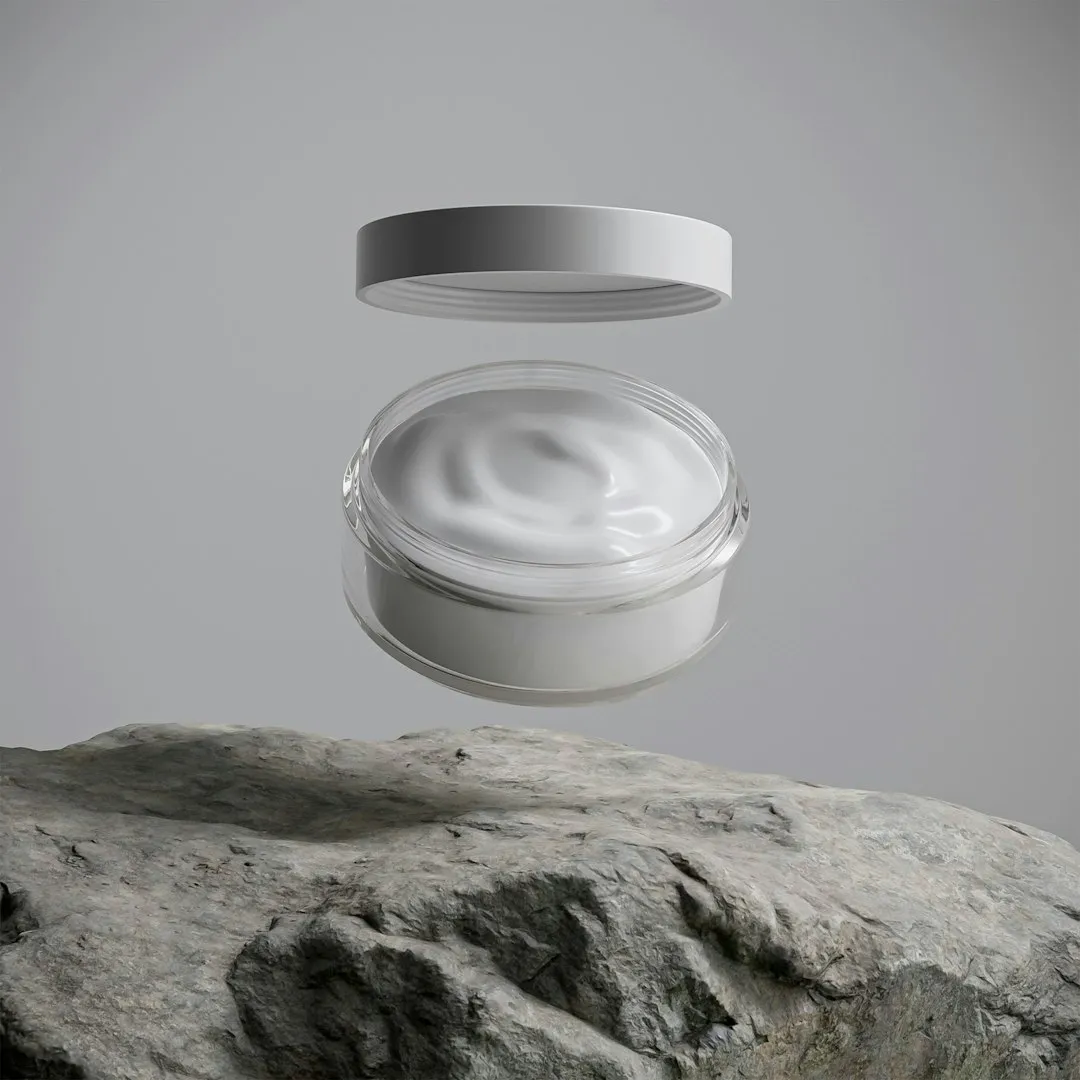
Hydrocortisone cream at 1% concentration is another product where the store-brand and name-brand debate is effectively a non-starter from a pharmacist’s perspective. The active ingredient percentage is fixed, and FDA oversight ensures consistency across manufacturers.
Between 2020 and 2024, the FDA averaged almost 700 generic drug approvals a year, reflecting a robust pipeline that keeps store-brand options credible and closely regulated. Each approval comes with verified evidence that the product meets established standards.
Retailers know consumers will not continue to buy a store brand if they do not trust it, so many store brands aim to exceed quality standards. For something as simple as 1% hydrocortisone cream, that quality pressure reinforces an already sound product.
The Science Behind Why It Works

The reason pharmacists feel comfortable pointing patients toward store-brand medicines is not opinion – it is rooted in a well-defined regulatory framework. Bioequivalence testing is the cornerstone of that framework.
A generic drug is considered bioequivalent to the branded reference drug if the active compound exhibits the same rate and extent of absorption, with the entire 90% confidence interval for the geometric mean of the log-transformed generic-to-reference pharmacokinetic ratios falling within the FDA’s accepted bioequivalence limits. This is a genuinely rigorous standard.
The FDA began issuing product-specific bioequivalence guidance documents systematically in the early 2010s as part of a broader effort to support generic drug development, and by 2024 the agency had issued more than 2,000 product-specific guidance documents covering bioequivalence requirements for specific drug products. The depth of that guidance framework gives pharmacists real confidence in what lines the store-brand shelves.
Studies have found that most doctors and pharmacists rely on store brands themselves. That is worth taking seriously. The people who understand drug manufacturing and regulatory science most deeply are often the ones choosing the store-brand box at the checkout counter.
The Takeaway
The gap between a name-brand medicine and its store-brand equivalent is almost always a marketing gap, not a pharmaceutical one. Before paying extra for a name-brand pain reliever or allergy pill, turning both boxes over and comparing the Drug Facts labels is all it takes. If the active ingredient and the milligrams listed beside it match, the store brand does the same job for less.
A medication that costs $300 per month as a brand may cost $10 per month as a generic, often through the same insurance, at the same pharmacy. That is not a small difference. Over the course of a year, across a household using multiple OTC products, it represents a genuinely meaningful sum.
The next time a pharmacist recommends reaching past the colorful name-brand box for the quieter store version sitting beside it, the advice is grounded in decades of regulatory science and real clinical evidence. The label changes. The medicine does not.
AI Disclaimer: This article was created with the assistance of AI tools and reviewed by a human editor.