
Cats Are Heat-Seekers by Nature, and That’s the Problem
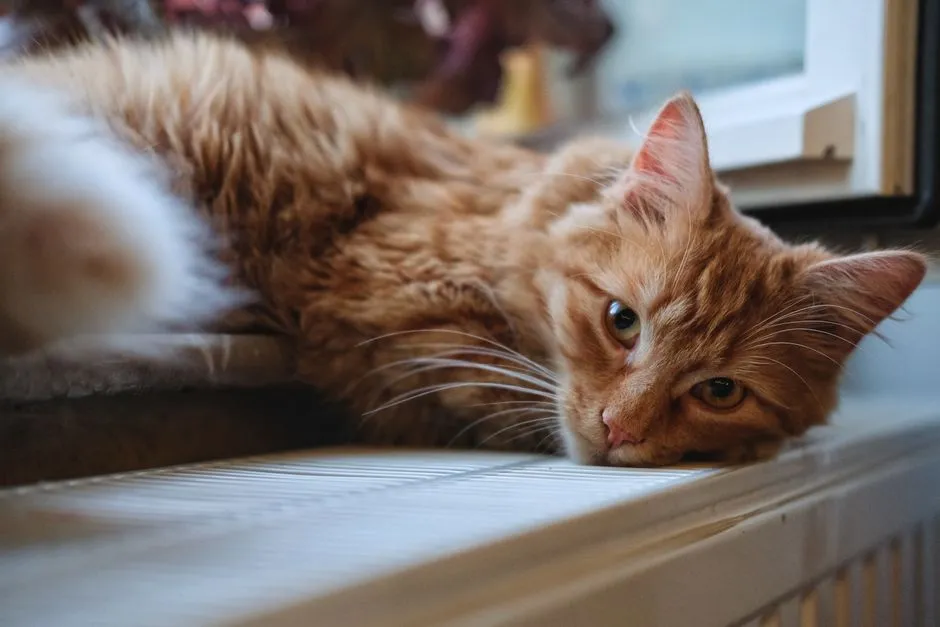
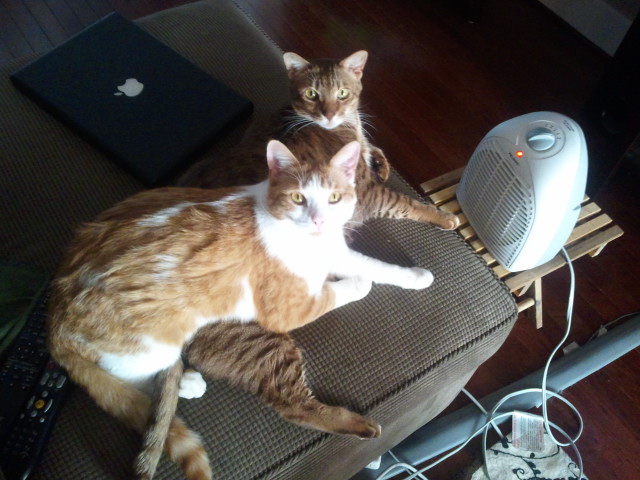
Cats are naturally drawn to heat because their baseline body temperature is higher than that of humans, usually around 101 to 102.5 degrees Fahrenheit. That heat-seeking drive is hardwired, not a quirk. Cats are instinctively drawn to heat sources, such as radiators and wall heaters, and this leaves them at risk of burns and scalds.
The pleasant warmth of a space heater is like a magnet for cats. The challenge is that the same instinct pulling them toward warmth also keeps them there far longer than is safe. By the time the danger becomes obvious, the damage may already be done.
The Low-Temperature Burn Nobody Talks About
Low-temperature burns occur when skin is exposed to temperatures between 104°F and 122°F (40°C to 50°C) for extended periods. Unlike acute burns from touching a hot stove, low-temp burns damage tissue gradually, often without the cat showing signs of discomfort until it’s too late.
At those temperatures, healthy feline skin can sustain full-thickness burns in under two hours, especially in older, sedentary, or neurologically impaired cats who cannot reposition themselves. This is the risk most owners never imagine, because the heater doesn’t feel dangerously hot to the touch. It just feels warm.
Fur Hides Injuries Until They’re Serious

Because thick fur often hides the true extent of the damage, what looks minor on the surface can be far more serious underneath. Fur can hide swelling, blistering, or dead tissue for hours or even days after the original injury.
Low-temperature burns from hot packs or electric blankets may look mild on the surface, but they often cause deep damage to the dermis, making it easy for the injury to progress to a second-degree burn or worse. This is especially true for senior dogs and short-haired cats, whose reduced sensitivity can delay detection. By the time an owner notices something is wrong, the wound may already need urgent veterinary care.
Cats Don’t Feel Gradual Heat the Way Humans Do
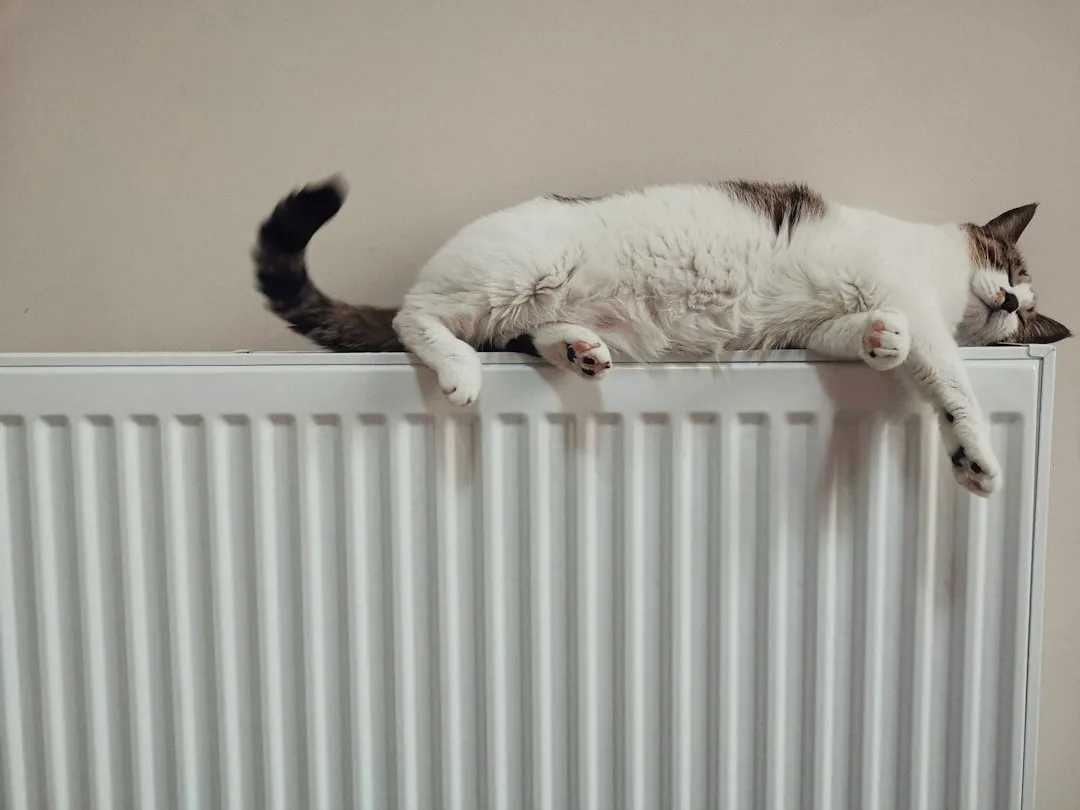
Unlike humans, cats lack the ability to perceive gradual thermal injury: they don’t feel pain from sustained low-heat exposure until tissue damage is already underway. This is a physiological reality, not carelessness on the cat’s part. Cats have a lower pain response to prolonged heat and are more likely to remain in one spot for long periods. Their thick fur can also mask early signs of burns, delaying diagnosis.
This creates a dangerous delayed reaction. A cat might sit near a heat source and only realize there is a problem when they smell the acrid scent of singed protein, which is actually their own hair burning. That’s not an edge case. It’s how feline thermal perception actually works.
The Tip-Over Risk Is Real, and Cats Are a Specific Cause
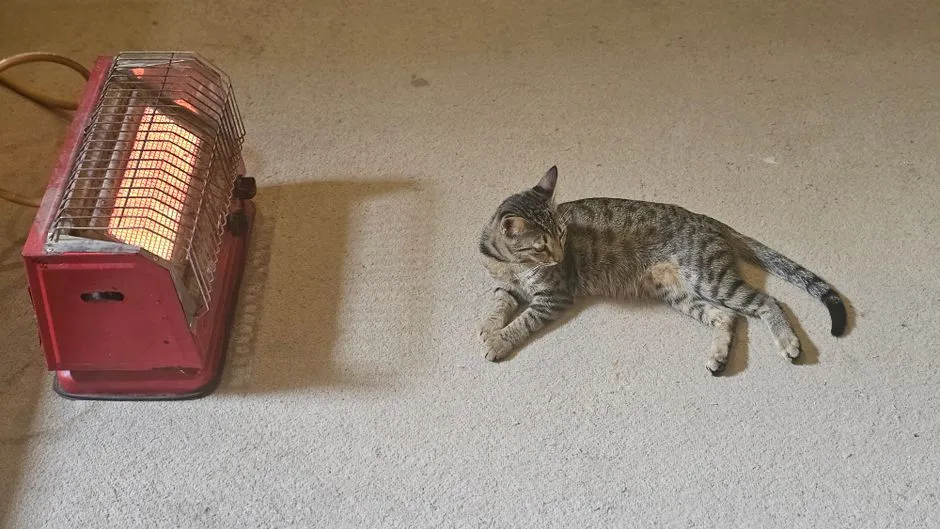
Space heaters are responsible for an average of 1,700 home fires, approximately 70 deaths and 160 injuries every year. A cat brushing past or jumping near a free-standing unit can cause exactly the kind of tip-over scenario that starts one of these fires. An accidental bump or a curious cat could knock the heater to the floor, leading to a burn injury or a fire hazard.
Pets are rarely the victim of these tip-over fires and very often the cause, because pets move blankets and sleep in the spot you just cleared. The rearranged bedding or dragged-over cushion creates a flammable surface right next to the heat source, almost invisibly.
The Statistics on Pets and Home Fires
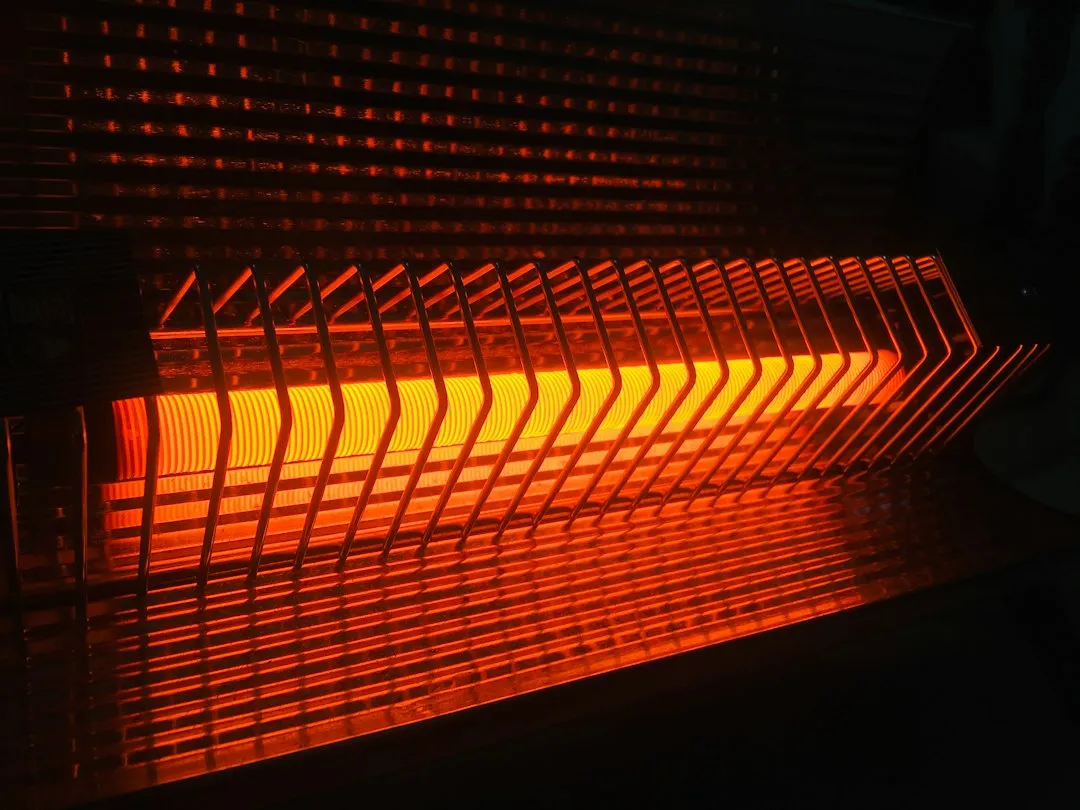
Half a million pets are affected by home fires each year, with more than 40,000 of those animals losing their lives, according to the American Veterinary Medical Association. Those numbers are striking, but the specific breakdown for space heaters is equally sobering. Space heaters are responsible for 44% of all home heating fire deaths despite making up only a fraction of home heating equipment, according to the NFPA.
Portable heaters are only about 3 percent of home heating fires but roughly 41 percent of the fatal ones. That disproportion is what makes them so worth taking seriously. The fires may be fewer, but they kill at a far higher rate.
Electrical Cords Are a Separate Hazard Entirely

The power cord running from your outlet to the space heater represents a different kind of threat. Cats, especially younger ones, sometimes chew on cords out of boredom or during play. One bite through the insulation could result in severe electrical burns, cardiac issues, or worse.
Electrical burns often cause immediate collapse or loss of consciousness, though some cats show apparent recovery followed by delayed respiratory distress. This delayed collapse is part of why electrical injuries are so deceptive. The cat may seem fine right after the incident, and owners often don’t connect the later symptoms to the cord chewing event.
Older and Less Mobile Cats Face Greater Danger
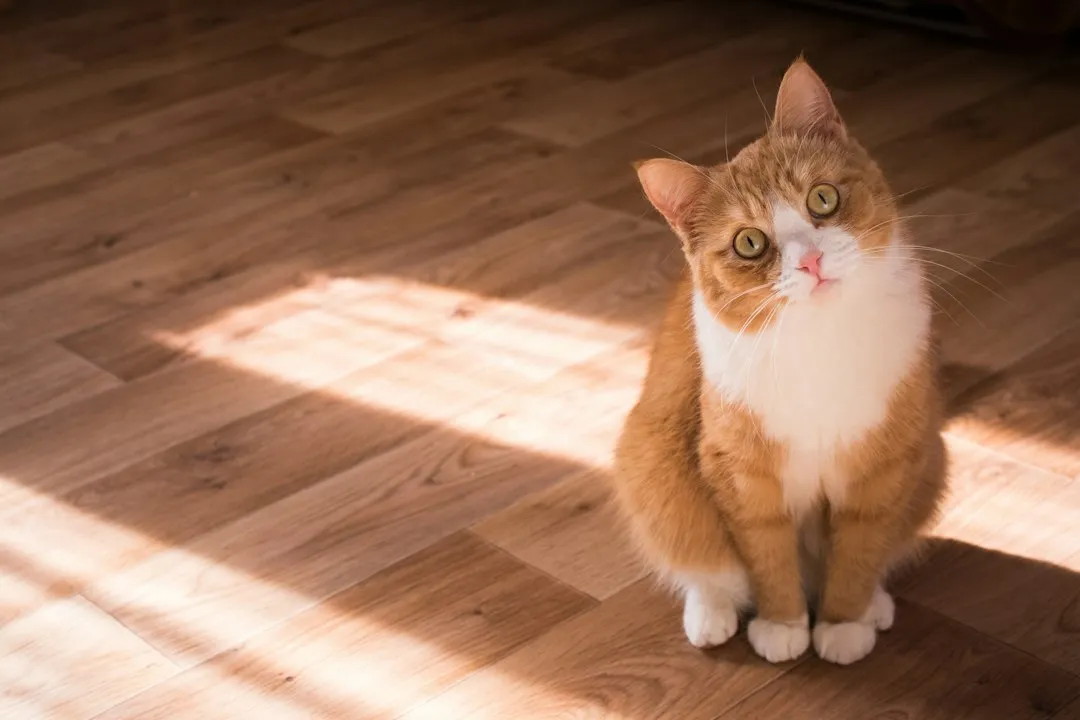
Older cats or those with mobility issues are especially vulnerable, as they may not move away from heat sources even when discomfort begins. A young, healthy cat might shift positions and naturally reduce its exposure. An arthritic or sedentary senior cat may simply stay in place. Cats with conditions affecting sensation or mobility may be unable to quickly escape heat sources, increasing injury severity.
Hairless breeds face an amplified version of this risk. Hairless breeds including the Sphynx lack the insulating and somewhat protective fur layer that provides other cats brief protection from heat sources, potentially resulting in faster and more severe burn development from the same exposure. For owners of hairless cats in particular, space heater proximity deserves serious attention.
Leaving a Heater on Alone with Your Cat Is a Specific Danger
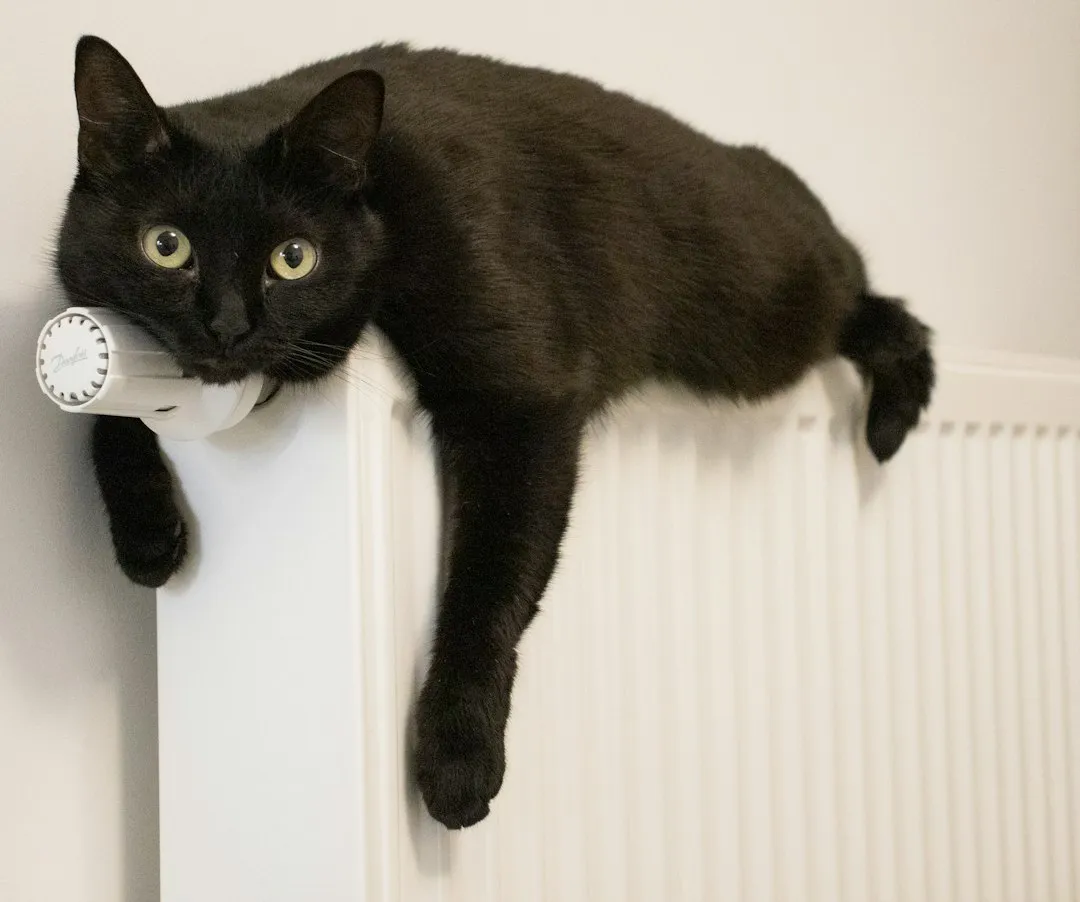
Even though cats may want to hang out near the device, never leave pets unattended in any room with a running space heater. Turn the space heater off when you leave the room. That guidance comes from multiple fire safety bodies, and it’s consistent across the board. Fire safety guidance from Texas A&M’s School of Veterinary Medicine adds that heating equipment such as space heaters, fireplaces and wood stoves is among the most common causes of home fires, especially in winter, and that heaters should never be left unattended around pets.
Leaving your space heater running all night long while you sleep is a recognized hazard. If the unit overheats, tips over, or short-circuits overnight, a fire could break out while you’re fast asleep. With a cat in the room, the risk compounds considerably.
What to Actually Do About It
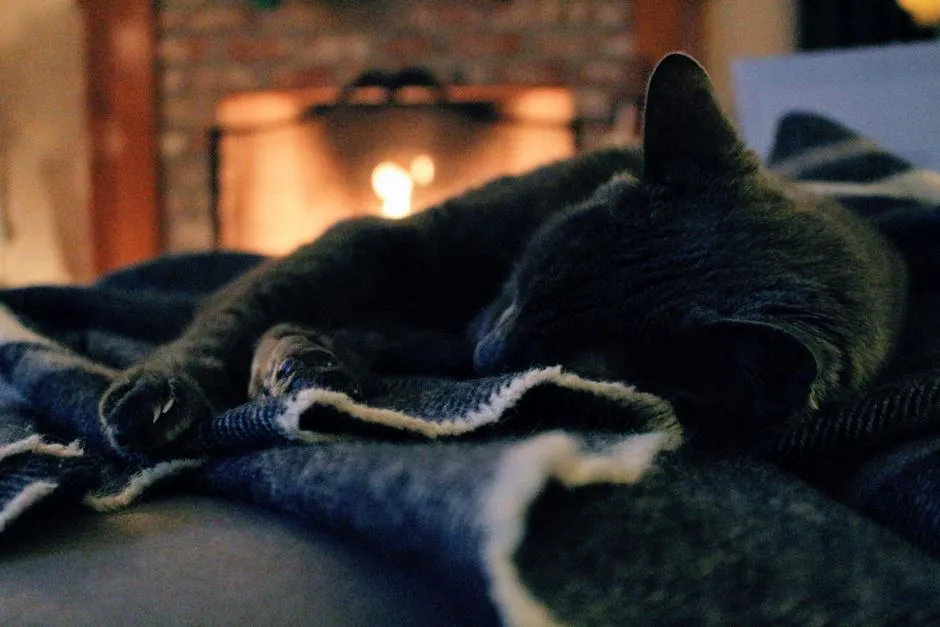
Fabric, bedding, and toys can be flammable, so keep all flammable items at least three feet away from heating equipment to avoid fire. That three-foot rule applies even when the cat isn’t nearby, because cats move things. Quality heaters include internal thermostats that shut the unit down if it gets too hot, preventing both fires and more serious burns if a cat gets too close.
Signs of pet burns include red or raw skin, singed fur, blistering, and a pet that suddenly avoids being touched in one spot. Cats may also lick or chew at the area repeatedly, pant heavily, or seem unusually withdrawn. Any of these signs after heat exposure should be treated as urgent, not something to monitor for a day or two. The RECOVER Guidelines recommend active cooling of thermal burns in cats by applying cool running tap water for at least 20 minutes, as soon as possible and within three hours of injury.
The Takeaway
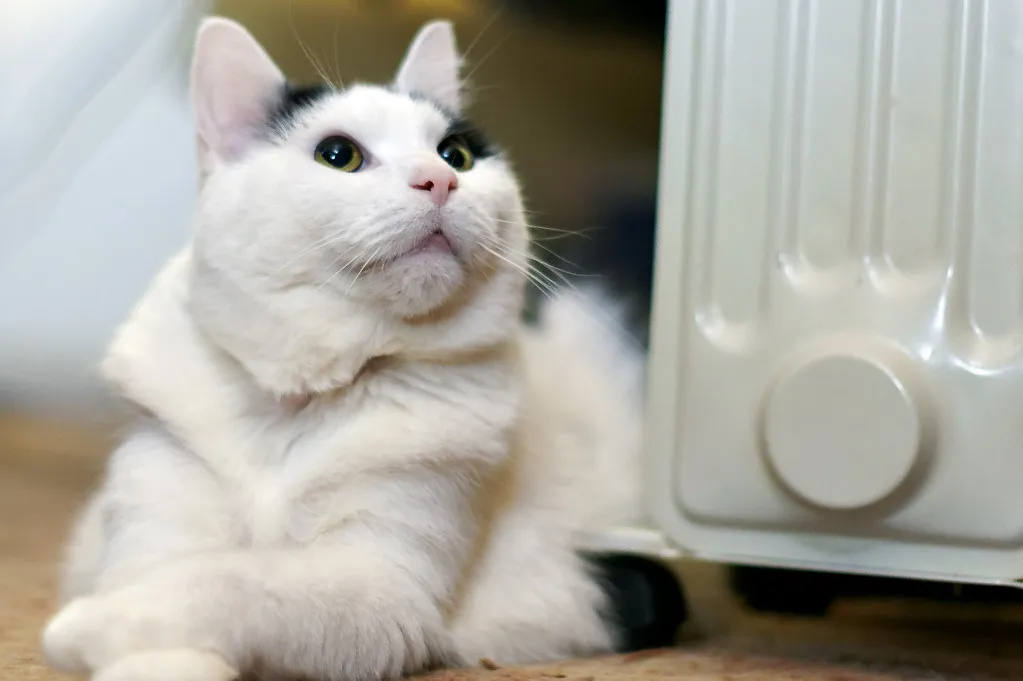
The danger space heaters pose to cats isn’t mostly about dramatic house fires. It’s about the quiet accumulation of small risks: a cat who stays too warm for too long, a cord that gets chewed during play, a heater left running in an empty room. Cats instinctively hide pain, making owner observation crucial for identifying serious injuries before they become life-threatening.
Knowing this changes how you use a heater, not dramatically, but meaningfully. Keep the zone clear. Turn it off when you leave. Watch for the subtle signs. The warmth your cat loves doesn’t have to become the thing that hurts them.
AI Disclaimer: This article was created with the assistance of AI tools and reviewed by a human editor.