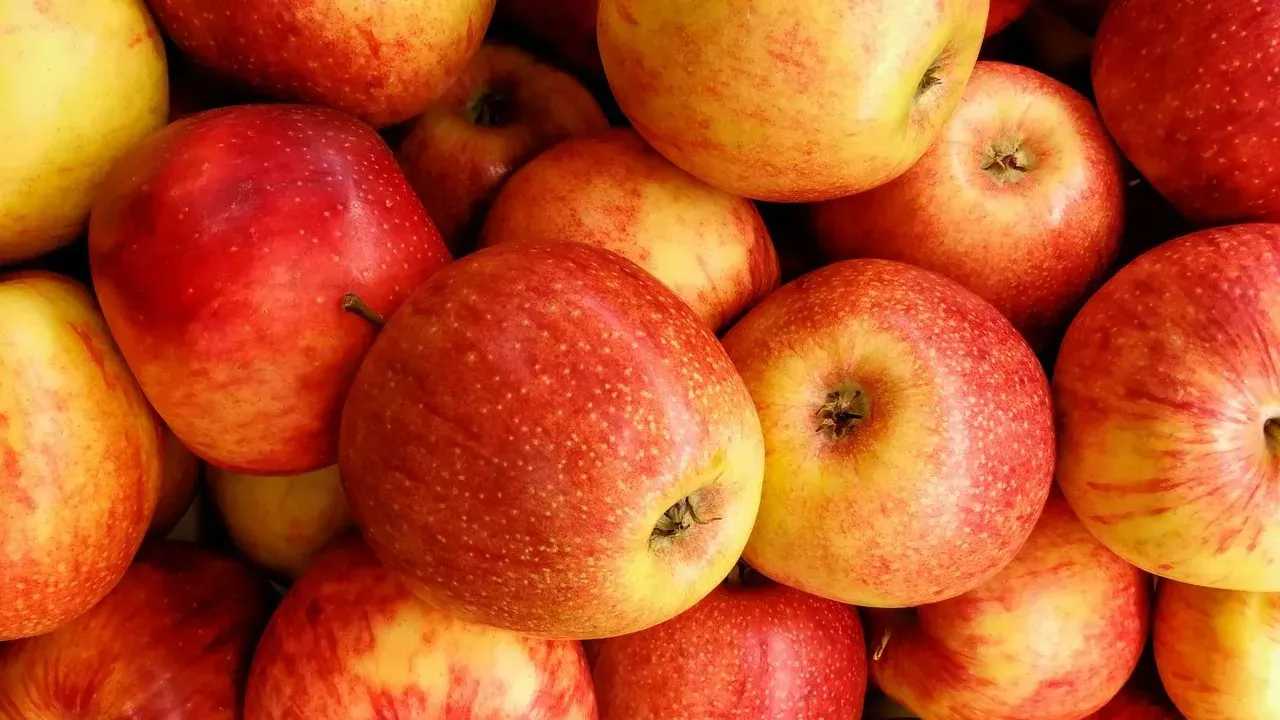

In the quiet gardens of southwest England, a familiar sound cuts through the late summer air. A single, solid thud announces that the first apples have dropped from their branches, marking the quiet start of harvest time. This particular noise has become a reliable marker for gardeners in Devon and Cornwall, where apple growing remains woven into the local landscape and identity. The moment arrives each year around now, as trees respond to the region’s mild climate and long growing season. ([1])
Orchards That Once Defined the Countryside
Apple cultivation in this corner of Britain stretches back centuries and once formed a visible part of everyday rural life. Orchards dotted the landscape well before the twentieth century, supported by a climate that suits the fruit particularly well. Decline set in earlier than many assume, with numbers falling from the late 1800s onward as agricultural workers moved to towns and factories in search of steadier pay and improved living conditions.
Imports from overseas played a role in later decades, yet the deeper shift came from changing patterns of work and population. Families that had once tended small plots found better prospects away from the uncertainties of farm life. The result was fewer commercial orchards across much of Britain, even as the tradition held on more firmly in the southwest.
Heritage Varieties That Refuse to Disappear
Enthusiasts have worked steadily to keep older apple types in circulation despite the reduction in large-scale plantings. Collections still maintain distinctive local varieties that reflect the area’s growing history. Among those preserved are Pig’s Nose, Cornish Pineapple, Sops In Wine, and Pendragon.
These efforts have sparked renewed interest among gardeners who value flavor and regional character over uniformity. While few large commercial orchards remain, smaller domestic plantings continue to appear where space allows. A handful of trees can produce enough fruit for a household, and apples tend to crop more reliably than cherries, plums, or pears in the same conditions.
Why Fruit Picked at Peak Ripeness Tastes Different
The difference between an apple taken straight from the tree and one bought in a shop has been noted for generations. In 1929, Edward Bunyard explored this contrast in his book The Anatomy of Dessert, recording detailed tasting notes on the apples then available and explaining the practical reasons behind flavor loss during distribution. Commercial fruit is typically harvested early so it can survive long journeys and storage without spoiling.
Once it reaches the consumer, it ripens under refrigeration rather than on the branch. Garden apples, by comparison, can be picked when sugars and juices have fully developed. Some varieties improve further after a period in storage, while others deliver their best qualities the moment they leave the tree.
Turning the Harvest Into Local Traditions
The abundance from even a few trees often exceeds what one household can eat fresh. In the southwest, surplus fruit has long been turned into scrumpy, a rough cider that ranges from refreshing to powerfully strong. Local makers still produce it in small batches, preserving a drink that forms part of the regional character.
Gardeners who find themselves with more apples than expected can press the fruit for juice or prepare it for pies, crumbles, and sauces. One gardener reported gathering ten full sacks from just three modest trees in a single season, illustrating how quickly the crop can accumulate when conditions suit the trees. The thud that begins the season each August therefore carries more than a simple announcement of ripeness.
It connects today’s gardeners to a long line of people who have valued the same fruit for its flavor, its reliability, and its place in the landscape. Growing an apple tree offers a direct way to experience that difference, season after season.
AI Disclaimer: This article was created with the assistance of AI tools and reviewed by a human editor.